Smart Cities 2.0: 4 Technologies Revolutionizing U.S. Urban Planning in the Next Decade, Backed by Recent Updates

The urban landscape of the United States is on the cusp of a monumental transformation. As populations continue to grow and environmental concerns escalate, the need for more efficient, sustainable, and livable cities has never been more pressing. Enter smart city technologies – a paradigm shift from traditional urban planning, promising to redefine how we interact with our civic environments. Over the next decade, a confluence of cutting-edge innovations will revolutionize U.S. urban planning, pushing us into an era often dubbed ‘Smart Cities 2.0’. This evolution isn’t just about adding sensors to streetlights; it’s about creating interconnected ecosystems that intelligently respond to the needs of their inhabitants and the challenges of the modern world.
The concept of a ‘smart city’ has been evolving for years, but recent advancements in key technological domains have accelerated its potential beyond what was previously imagined. We are moving past pilot projects and into widespread implementation, driven by both public and private sector investments. This article will delve into four pivotal smart city technologies that are poised to make the most significant impact on U.S. urban planning in the coming decade: Artificial Intelligence (AI), the Internet of Things (IoT), Digital Twins, and Autonomous Systems. We’ll explore their applications, benefits, and the recent updates that underscore their transformative power, painting a vivid picture of the cities of tomorrow.
The Dawn of Smart Cities 2.0: A New Urban Paradigm
Before we dive into the specific technologies, it’s crucial to understand what distinguishes Smart Cities 2.0 from its predecessors. Early smart city initiatives often focused on singular, disconnected solutions – smart parking here, improved waste management there. While valuable, these efforts lacked the holistic integration necessary for true urban intelligence. Smart Cities 2.0, however, emphasizes interconnectedness, data-driven decision-making, and proactive responses to urban challenges. It’s about creating a living, breathing urban organism that learns, adapts, and optimizes itself for the benefit of its citizens.
This new paradigm is fueled by an unprecedented volume of data generated by countless sensors and devices. The ability to collect, analyze, and act upon this data in real-time is the cornerstone of Smart Cities 2.0. This shift is not merely technological; it represents a fundamental change in how urban planners, policymakers, and citizens collaborate to shape their environments. The goal is to foster greater sustainability, enhance public safety, improve mobility, optimize resource management, and ultimately, elevate the quality of life for everyone within the urban fabric.
Recent updates across the U.S. demonstrate a growing commitment to this vision. Cities like Boston, Seattle, and Columbus are actively investing in comprehensive smart city frameworks, often leveraging federal grants and private partnerships. These initiatives are moving beyond theoretical discussions and into tangible projects that are already demonstrating measurable improvements. The stage is set for a decade of rapid innovation and widespread adoption of smart city technologies.
1. Artificial Intelligence (AI): The Brains Behind Urban Intelligence
Artificial Intelligence is arguably the most transformative of all smart city technologies, acting as the ‘brain’ that processes vast amounts of data and makes intelligent decisions. AI’s role in urban planning spans predictive analytics, optimized resource allocation, enhanced public safety, and personalized citizen services.
Applications of AI in Urban Planning:
- Traffic Management and Optimization: AI algorithms can analyze real-time traffic flow from sensors, cameras, and GPS data to predict congestion, optimize traffic light timings, and suggest alternative routes. This leads to reduced commute times, lower emissions, and improved safety. Recent updates show cities like Pittsburgh utilizing AI-powered traffic signals that have reduced intersection delays by 25% and idling time by 40%.
- Predictive Maintenance: AI can predict failures in critical infrastructure – from water pipes to power grids – by analyzing sensor data and historical patterns. This allows city officials to perform proactive maintenance, preventing costly breakdowns and service disruptions. For example, AI can identify ailing sections of a water network before a leak occurs, saving millions in repair costs and preventing water loss.
- Public Safety and Emergency Response: AI-powered video analytics can detect unusual activities, identify potential threats, and assist emergency services in rapid response. Furthermore, AI can optimize the deployment of police and fire units based on predictive models of crime hot spots or accident probabilities.
- Environmental Monitoring and Sustainability: AI analyzes environmental data (air quality, noise levels, temperature) to identify pollution sources, model climate change impacts, and recommend strategies for energy efficiency and waste reduction. AI can optimize energy consumption in public buildings and street lighting based on occupancy and daylight availability.
- Resource Management: From optimizing waste collection routes to managing energy consumption in public buildings, AI ensures that urban resources are utilized efficiently, reducing operational costs and environmental impact.
Recent Updates and Impact:
The integration of AI into urban planning is accelerating. Companies like Google’s Sidewalk Labs (though its specific urban development projects have evolved) have pioneered AI-driven urban design tools. More recently, initiatives like the ‘Smart City Challenge’ in the U.S. have seen cities propose AI-centric solutions for their biggest problems. For instance, cities are experimenting with AI to personalize public transportation services, matching demand with available resources in real-time. The ability of AI to learn and adapt makes it an indispensable tool for creating truly responsive and intelligent urban environments. The ethical implications and data privacy concerns associated with AI deployment are also a growing area of focus, with cities working to implement robust governance frameworks.
2. The Internet of Things (IoT): The Nervous System of the City
If AI is the brain, then the Internet of Things (IoT) is the nervous system, providing the sensory input that makes a city ‘smart.’ IoT refers to a vast network of interconnected physical devices embedded with sensors, software, and other technologies that collect and exchange data over the internet. In a smart city context, these devices are ubiquitous, forming a dense web of data collection points that feed information to AI systems for analysis and action.
Applications of IoT in Urban Planning:
- Smart Infrastructure Monitoring: IoT sensors embedded in bridges, roads, and buildings can monitor structural integrity, detecting wear and tear, and alerting authorities to potential safety issues before they become critical. This proactive monitoring extends the lifespan of infrastructure and enhances public safety.
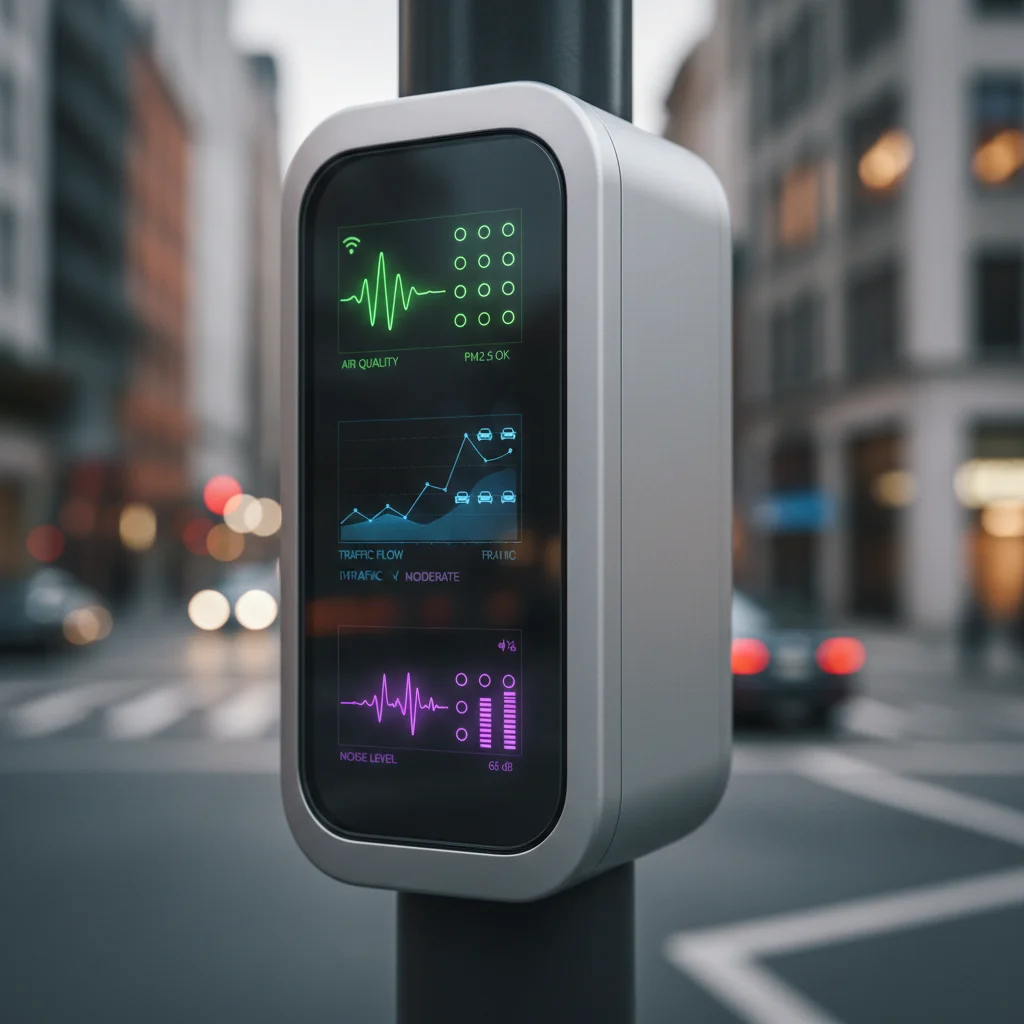
- Environmental Sensing: Networks of IoT sensors can continuously monitor air quality, water quality, noise pollution, and temperature across a city. This data provides invaluable insights for environmental protection, public health initiatives, and climate resilience planning.
- Smart Lighting Systems: IoT-enabled streetlights can adjust their brightness based on ambient light, traffic, or pedestrian presence, significantly reducing energy consumption and light pollution. These lights can also serve as platforms for other sensors, cameras, and communication nodes.
- Waste Management: Smart bins equipped with IoT sensors can detect fill levels and automatically notify waste collection services when they need emptying, optimizing collection routes and reducing operational costs. This prevents overflowing bins and improves urban hygiene.
- Parking Management: Sensors can detect vacant parking spots, guiding drivers directly to available spaces via mobile apps or digital signage, reducing congestion and wasted time searching for parking.
Recent Updates and Impact:
The proliferation of 5G networks is a game-changer for IoT in smart cities, providing the high bandwidth and low latency required for real-time data transmission from millions of devices. This has paved the way for more complex and responsive IoT deployments. Cities like San Diego and Kansas City have implemented extensive IoT networks for various applications, from smart parking to environmental monitoring. The cost of IoT sensors continues to decrease, making widespread deployment more feasible. The challenge now lies in effectively managing and securing the massive amounts of data generated by these networks, which is where AI and robust cybersecurity measures become paramount. The recent push for open data platforms also ensures that the data collected by IoT can be utilized by various stakeholders, fostering innovation and transparency.
3. Digital Twins: Virtual Replicas for Real-World Optimization
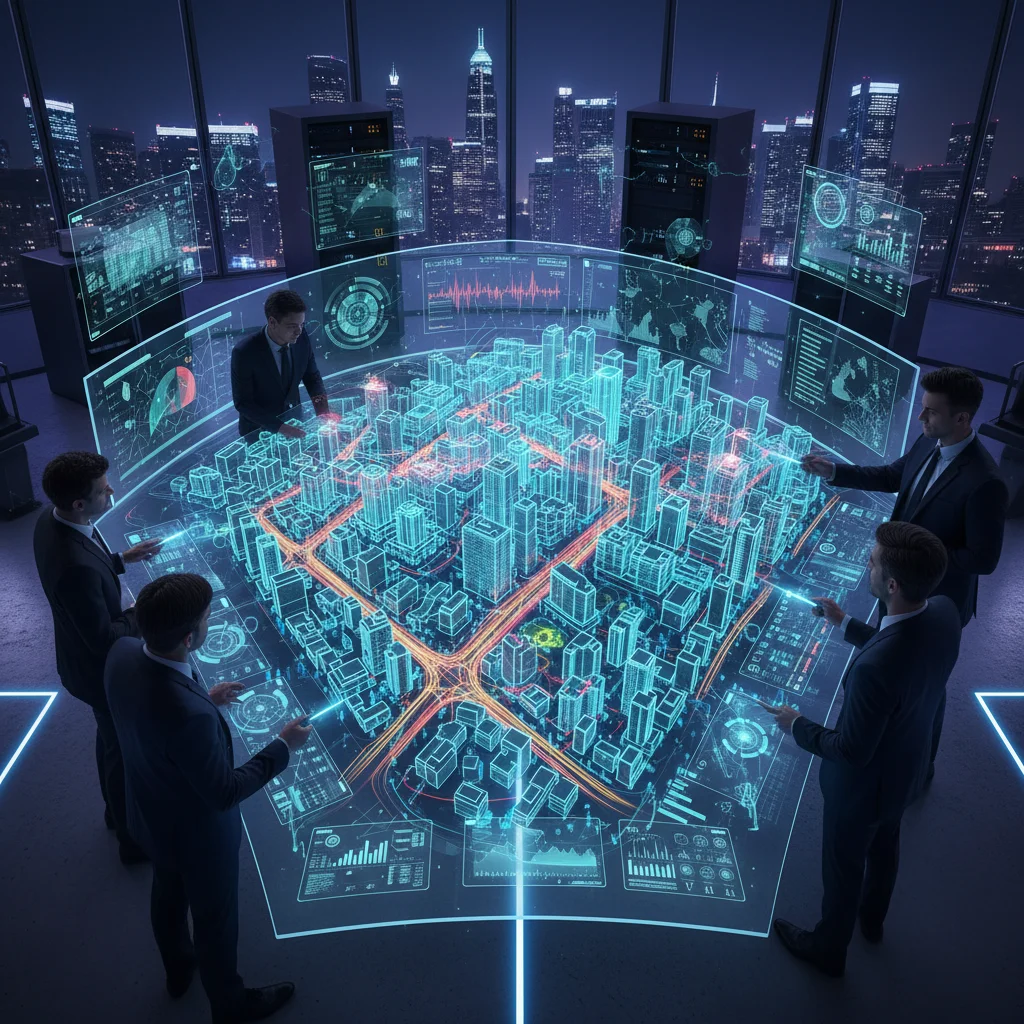
Digital Twins are virtual replicas of physical assets, processes, or systems. In the context of urban planning, a digital twin is a comprehensive, dynamic 3D model of an entire city or a specific urban area, continuously updated with real-time data from IoT sensors, AI analyses, and other sources. This allows urban planners to simulate scenarios, test interventions, and optimize city operations in a virtual environment before implementing them in the physical world.
Applications of Digital Twins in Urban Planning:
- Urban Planning and Design: Planners can use digital twins to visualize the impact of new construction projects, infrastructure changes, or zoning regulations. They can simulate sunlight exposure, wind patterns, traffic flow, and pedestrian movement to optimize designs for livability and sustainability.
- Infrastructure Management: A digital twin can monitor the performance and condition of bridges, roads, public utilities, and buildings in real-time. This enables predictive maintenance, efficient resource allocation for repairs, and rapid response to incidents.
- Emergency Preparedness and Response: City officials can use digital twins to simulate disaster scenarios (e.g., floods, earthquakes, power outages) and test emergency response plans, identifying vulnerabilities and optimizing evacuation routes and resource deployment.
- Environmental Modeling: Digital twins can model urban microclimates, air quality dispersion, and energy consumption at a granular level, helping cities develop effective strategies for reducing their carbon footprint and improving environmental health.
- Citizen Engagement: Digital twins can be used as interactive platforms to engage citizens in urban planning processes, allowing them to visualize proposed changes and provide feedback in a more intuitive and immersive way.
Recent Updates and Impact:
The development of more sophisticated 3D modeling software, coupled with advancements in cloud computing and data integration, has made digital twins increasingly powerful and accessible. Cities like Singapore and Helsinki are leading the way in developing comprehensive city-wide digital twins. In the U.S., initiatives in cities like Boston and New York are exploring digital twin applications for infrastructure management and resilience planning. The integration of Building Information Modeling (BIM) data into city-scale digital twins is also becoming standard practice, creating a richer and more accurate virtual representation of the urban environment. The ability to conduct ‘what-if’ scenarios in a risk-free virtual environment is invaluable for making informed, data-driven decisions that save time, money, and resources in the long run. The increasing computational power and data storage capabilities are making these highly detailed models more feasible than ever before.
4. Autonomous Systems: The Future of Urban Mobility and Services
Autonomous systems, encompassing everything from self-driving vehicles to robotic delivery services and drones, are set to profoundly reshape urban mobility, logistics, and public services. These systems operate with minimal or no human intervention, promising increased efficiency, safety, and accessibility within the urban core.
Applications of Autonomous Systems in Urban Planning:
- Autonomous Vehicles (AVs) and Public Transport: Self-driving cars, buses, and shuttles can optimize routes, reduce traffic congestion, and provide more flexible and on-demand public transportation options. This could lead to a significant reduction in private car ownership and the repurposing of vast parking areas for other urban uses.
- Drone-based Services: Drones can be utilized for various urban tasks, including infrastructure inspection (bridges, power lines), delivery of goods (especially in emergencies or for last-mile logistics), environmental monitoring (air quality sampling, agricultural monitoring in urban farms), and even public safety surveillance.
- Robotic Waste Collection and Delivery: Autonomous robots can handle tasks like waste collection, street cleaning, and package delivery, operating efficiently during off-peak hours and reducing the need for human labor in hazardous or repetitive tasks.
- Smart Logistics and Supply Chains: Autonomous systems can optimize the movement of goods within a city, reducing delivery times, traffic congestion from commercial vehicles, and associated emissions.
Recent Updates and Impact:
While fully autonomous vehicles are still undergoing extensive testing and regulatory development, several U.S. cities are already piloting autonomous shuttles in designated areas, demonstrating their potential for last-mile connectivity. Companies like Waymo and Cruise are expanding their robotaxi services in cities like Phoenix and San Francisco, respectively. Drone technology is also seeing increased adoption for infrastructure inspection and public safety, with regulatory frameworks slowly catching up to the technological advancements. The integration of 5G networks is critical for the real-time communication required by these systems. Urban planners are now grappling with how to design infrastructure that supports autonomous vehicles – from dedicated lanes to charging stations and communication networks. The ethical considerations surrounding autonomous decision-making and job displacement are also major areas of discussion and development, emphasizing the need for thoughtful policy and public engagement.
Challenges and Considerations for Future Urban Planning
While the promise of smart city technologies is immense, their implementation is not without challenges. Urban planners and policymakers must address several critical considerations to ensure equitable, secure, and effective deployment:
- Data Privacy and Security: The collection of vast amounts of data raises significant privacy concerns. Robust data governance frameworks, encryption, and anonymization techniques are essential to protect citizen information from misuse and cyber threats.
- Digital Divide and Equity: Smart city solutions must be designed to benefit all residents, not just those with access to the latest technology. Efforts must be made to bridge the digital divide and ensure equitable access to smart services and infrastructure.
- Interoperability and Standardization: Different technologies and platforms need to communicate seamlessly. Developing common standards and open APIs is crucial for creating truly integrated smart city ecosystems and avoiding vendor lock-in.
- Funding and Investment: Implementing smart city initiatives requires substantial investment. Public-private partnerships, innovative funding models, and federal grants will be vital for scaling these technologies.
- Ethical AI and Algorithmic Bias: As AI plays a larger role in urban decision-making, it’s critical to address potential biases in algorithms that could lead to discriminatory outcomes. Transparent, explainable, and ethically developed AI is paramount.
- Public Acceptance and Engagement: Gaining public trust and fostering active citizen participation is key to the success of smart city projects. Transparent communication and opportunities for feedback are essential.
The Path Forward: Building Resilient and Intelligent Cities
The next decade will be a defining period for U.S. urban planning, shaped profoundly by the advancements in smart city technologies. Artificial Intelligence, the Internet of Things, Digital Twins, and Autonomous Systems are not merely individual innovations; they are interdependent components of a larger, intelligent urban ecosystem. Their synergistic application holds the key to unlocking unprecedented levels of efficiency, sustainability, and quality of life.
Cities that embrace these technologies thoughtfully, prioritizing citizen engagement, data security, and equitable access, will be the leaders in this new era of urban development. The goal is not just to build technologically advanced cities, but to build human-centric cities that leverage technology to create environments where people can thrive. The ongoing evolution and adoption of these groundbreaking technologies offer a hopeful vision for U.S. urban centers – cities that are more resilient, responsive, and ready to meet the challenges of the 21st century. The journey to Smart Cities 2.0 is well underway, promising a future where our urban environments are as intelligent as they are inspiring.