Navigating Tomorrow: Creative Ideas for Modern Urban Living
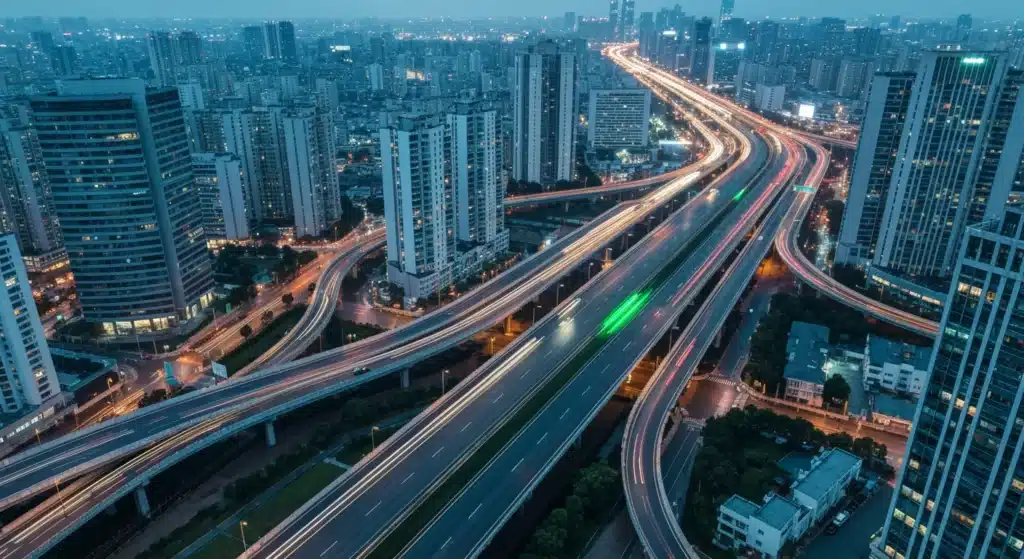
Living in a modern city is a study in contrasts. We can be surrounded by millions of people yet feel profoundly alone, immersed in a sea of opportunity while struggling to find our own space. This constant hum of activity, the sheer density of human experience, creates a unique pressure. For many, the daily grind can feel less like a vibrant dance and more like a battle against noise, crowds, and the endless demand for our attention. But what if this pressure isn’t just a source of stress, but also the primary ingredient for a more creative and connected life?
The urban landscape is being reshaped at an extraordinary pace. As UN-Habitat projects that 68% of the global population will live in cities by mid-century, the challenges of affordable housing, strained infrastructure, and social cohesion intensify. This isn’t merely an issue for planners and politicians; it directly impacts our mental and emotional well-being. The very design of our neighborhoods, the availability of public spaces, and the cultural dynamics at play silently influence our daily moods and interactions, creating a complex psychological environment that we must learn to navigate.
This is not a guide to simply surviving the city, but a manual for thriving within it. We will explore how to cultivate creativity amidst the concrete, drawing inspiration from the city’s own rhythms. We’ll delve into the cultural insights that foster genuine connection in a diverse populace and look ahead to the future trends, from smart technology to green urbanism, that are defining the next metropolitan frontier. Ultimately, you’ll find practical, creative ideas to reclaim your urban experience and build a more fulfilling lifestyle, one block at a time.
The Evolving Landscape of Modern Urban Life
Cities have always been in a state of flux, but the pace of change currently feels faster than ever. Demographic shifts, technological advancements, and new economic realities are constantly reshaping our metropolitan areas. According to UN-Habitat, a staggering 68% of the world’s population is expected to reside in urban centers by mid-century, intensifying the pressures on existing infrastructure and resources. This isn’t just about more people; it’s about a core shift in how we live, work, and connect with one another.
This rapid densification brings a unique set of challenges. The squeeze for affordable housing, the strain on public transportation, and the quest for genuine community connection are daily realities for millions. What is the impact of all this on our well-being? The underrated factor here is often The Psychology of Urban Spaces, which explores how our environment shapes our mental state. It’s a constant balancing act.
Yet, within these challenges lie incredible opportunities for innovation.
Living in a city is a bit like cooking a gourmet meal in a tiny kitchen; the constraints force you to be more creative with your ingredients and techniques. The same principle applies to modern urbanism. From clever applications of Minimalist Living in Cities to grassroots Community Art Projects that reclaim public spaces, people are finding ingenious ways to adapt. These creative solutions are not just about survival — they are about building a more fulfilling, connected, and sustainable urban future.
Cultivating Creativity in Concrete Jungles
While cities are often defined by their economic output and population density, their true character is written in the creative expressions of their inhabitants. The same forces that create challenges—the constant motion, the close quarters, the sheer diversity of human experience—also provide a uniquely fertile ground for new ideas. This environment acts as a pressure cooker for innovation. The friction of millions of lives intersecting daily generates a kind of creative energy that is difficult to replicate elsewhere.
Finding Inspiration in Everyday Urban Rhythms
The raw material for this creativity is often found in the most mundane corners of city life. From the percussive rhythm of a train on the tracks to the overlapping conversations at a street corner cafe, the urban environment is a sensory goldmine. What most people miss is that inspiration isn’t always a lightning bolt; sometimes it’s the slow burn of daily observation. It’s about learning to see the patterns in the chaos.
One powerful method is to practice psychogeography, the study of how geographical environments affect emotions and behaviors. This practice encourages you to wander without a destination—it’s basically intentional, aimless walking—to absorb the subtle cues of a neighborhood. How does the architecture on one block make you feel compared to the next? This deep observation transforms a routine commute into an act of discovery, much like a chef finds new combinations using familiar ingredients from the pantry. The city itself becomes your primary source material.
Community-Driven Creative Initiatives
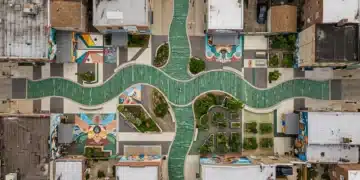
Individual inspiration often finds its most powerful outlet in collective action. Across the globe, residents are reclaiming public spaces for artistic expression through community art projects that do more than just beautify an area. They build connection and shared identity. Think of “yarn bombing” initiatives that cover stark infrastructure with colorful knitted art or community gardens that transform neglected lots into social hubs.
This is not just about aesthetics. A report from the University of Pennsylvania’s Social Impact of the Arts Project revealed that communities with a high density of arts and culture organizations experience a 14% decrease in instances of petty crime. These initiatives create a sense of ownership and care.
These grassroots efforts are complemented by more formal spaces like makerspaces and creative hubs, which provide shared tools and resources for everything from woodworking to 3D printing. They function as modern-day guilds, fostering collaboration and skill-sharing among people who might otherwise never meet. The challenge, then, is for sustainable city planning to support these organic movements without stifling the very spontaneity that makes them so effective.
Authentic preservation empowers the community itself to be the steward of its heritage.
— David Mele, Urban Planner
| Urban Challenge | Creative Solution & Insight |
|---|---|
| Overwhelm & Anonymity | Cultivate personal creativity through intentional observation (psychogeography) and participation in community art projects. |
| Cultural Friction & Homogenization | Embrace a “glocal” identity by fusing global trends with local traditions and actively work to preserve cultural heritage. |
| Inefficiency & Sustainability | Integrate smart city technology for efficiency with green urbanism principles like the ’15-minute city’ for resilience. |
| Limited Space & Disconnection | Apply minimalist design principles to maximize small spaces and intentionally engage with the local community to build connections. |
Cultural Insights: Shaping Identity and Connection
Beyond the canvas and the stage, a city’s creative pulse is deeply intertwined with its cultural DNA. The identity of a neighborhood, and indeed an entire metropolis, is a complex blend of shared histories, traditions, and the constant influx of new perspectives. Understanding this dynamic is not just an academic exercise; it’s underlying to building genuine connections among residents.
The Fusion of Global and Local Identities
Cities have always been crossroads for culture, but the current speed of exchange is something else entirely. Global trends arrive almost instantly through digital channels, yet they don’t simply replace local customs. Instead, they often blend in surprising ways, creating a unique “glocal” identity. Think of a traditional street food vendor incorporating flavors from a continent away or a centuries-old festival adopting modern social media promotion to engage younger generations.
This fusion is more than just a surface-level curiosity. It reflects how individuals navigate their own identities in a complex world. A study from the Migration Policy Institute reveals that in major urban hubs like Toronto, over 51% of the population identifies as a visible minority, meaning millions are constantly negotiating a hybrid identity. What does it mean to be a local when your roots, or your neighbor’s, stretch across the globe? This question gets to the heart of The Psychology of Urban Spaces, where our environment shapes who we are.
This process isn’t always smooth. It’s like creating a new recipe by feel — sometimes the ingredients clash before they harmonize. But the result is a culture that is alive and evolving, not a static museum piece. It’s a culture that belongs to everyone who participates in it.
Leveraging Diversity for Urban Enrichment
The most resilient cities treat their cultural diversity as a primary asset, not a challenge to be managed. This goes far beyond celebrating holidays or having a variety of restaurants. True enrichment happens when different cultural approaches to problem-solving, art, and community are actively integrated into the city’s fabric. Community Art Projects, for example, often succeed when they reflect the varied heritages of a neighborhood’s residents.
Consider the different impacts of various cultural events:
- Large-Scale Festivals: Events like a city-wide Pride Parade or a major music festival can generate significant economic activity — a report by Americans for the Arts estimated that the average attendee at a nonprofit arts event spends an additional $31.47 per person in the local community. They put a city on the map but can sometimes feel impersonal for residents.
- Neighborhood Night Markets: On a smaller scale, weekly or monthly markets provide a consistent platform for local entrepreneurs and artisans. They foster what sociologists call “weak ties,” the friendly, low-stakes interactions between neighbors that build a strong sense of community over time.
- Cultural Heritage Months: These city-endorsed initiatives provide a focused platform for specific communities to share their traditions. While they are excellent for education and visibility, their impact often depends on year-round support for the organizations involved.
Each model serves a different purpose. One is a powerful economic engine, while the other is more like a steady, quiet heartbeat for a local community.
Cultural Preservation in Rapidly Changing Cities
Of course, the forces of globalization and urban development can also threaten the very cultures that make cities interesting. As neighborhoods gentrify, rising rents can push out the long-term residents, legacy businesses, and community spaces that formed the area’s original character. What most people miss is that when a specific cultural group is displaced, their unique contributions to the city’s identity are lost with them.
It’s a serious challenge.
Effective preservation requires more than just landmarking old buildings. According to urban planner David Mele, “Authentic preservation empowers the community itself to be the steward of its heritage.” This means policies like commercial rent control for small businesses, funding for cultural organizations, and ensuring residents have a real say in development projects. The success of Philadelphia’s Italian Market, for example, is partly due to a business association that actively supports multi-generational vendors alongside new arrivals — a delicate balance, to be sure.
This fight for preservation is, in many ways, a core component of Sustainable City Planning. Without a conscious effort to protect these cultural anchors, we risk creating cities that are shiny and new, but ultimately hollow and homogeneous. The real question is how we can integrate new growth without erasing the stories that came before.
Future Trends: Anticipating the Next Urban Frontier
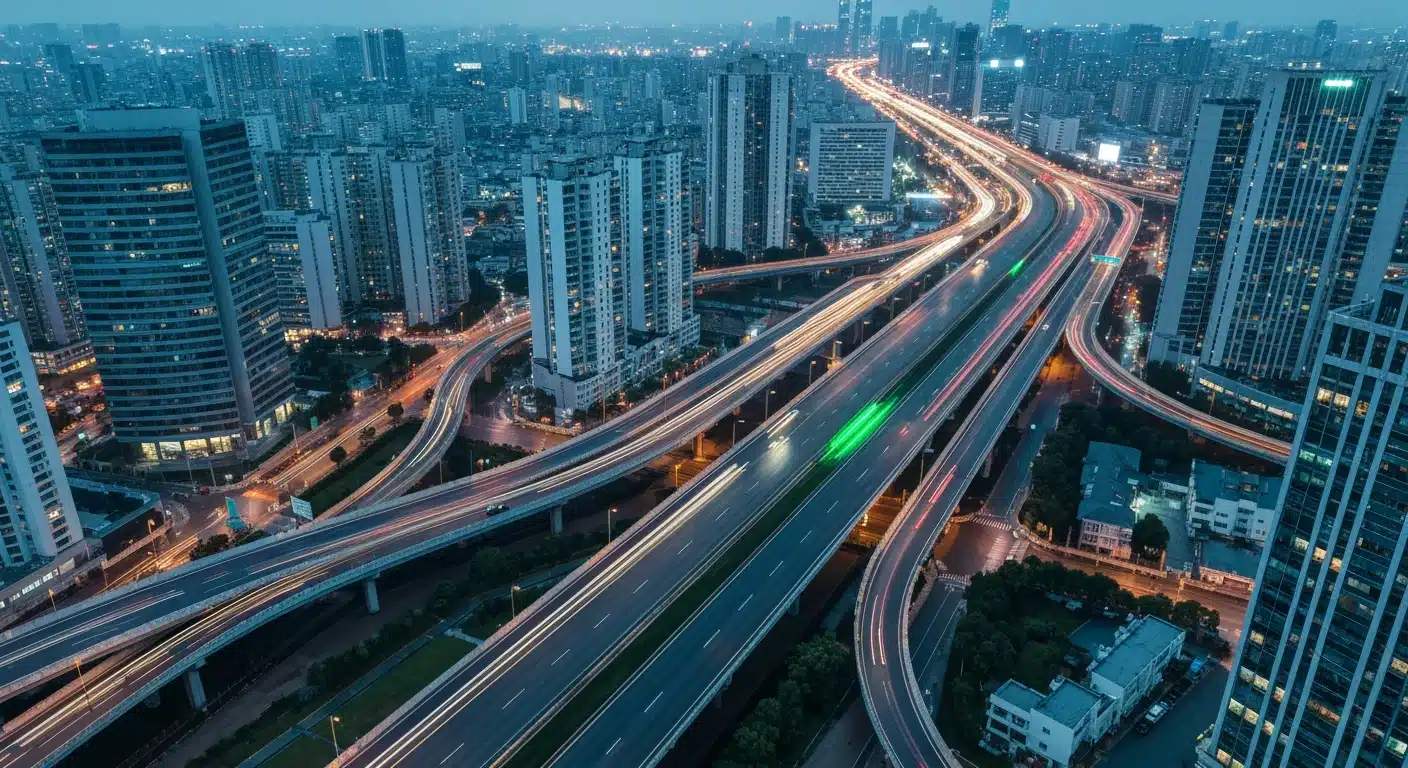
While cultural fabric gives a city its unique identity, technology and ecology are actively writing its next chapter. The most compelling future trends aren’t just about flashy gadgets or more green space; they represent a deep rethinking of what a city is for. They are direct responses to our collective demands for more efficient, sustainable, and humane environments. What most people miss is that these two forces—tech and nature—are increasingly intertwined.
Smart Cities: Technology as an Enabler
The term “smart city” gets thrown around a lot, often conjuring images of a sterile, robotic future. The reality is more practical. At its core, a smart city uses a network of sensors and data to respond to the needs of its citizens in real-time. Think of it less as a single, all-knowing brain and more like a city-wide nervous system handling simple reflexes—adjusting traffic lights to ease congestion or signaling when public bins are full. According to projections from ABI Research, the number of connected IoT devices in urban environments is set to exceed 1.3 billion globally.
This data-driven approach has profound implications for daily life. In Barcelona, “Superblocks” redirect traffic to create pedestrian-focused mini-neighborhoods, a project guided by real-time mobility data. But does this constant monitoring enhance or erode the resident experience? This is where understanding The Psychology of Urban Spaces becomes critical, ensuring that efficiency doesn’t come at the cost of spontaneity and privacy.
It’s all about creating a feedback loop between people and infrastructure.
The Rise of Green Urbanism
Parallel to the digital revolution is a quiet, green one. Green urbanism is a movement that seeks to integrate natural systems directly into the city’s design. This goes far beyond planting more trees. It’s about seeing the city as a living ecosystem, with initiatives like green roofs that manage stormwater and reduce energy costs. A study from the National Research Council of Canada found that green roofs can cut a building’s summer energy consumption by over 15%.
This has given rise to concepts like the “15-minute city,” where daily necessities are all accessible within a short walk or bike ride—a simple idea with huge implications for health, community, and carbon emissions. Cities like Paris are actively redesigning neighborhoods around this principle. Combined with urban farming and restored waterways, this approach to Sustainable City Planning aims to make cities more self-sufficient and resilient.
The challenge, of course, is implementing these changes equitably. The next urban frontier will be defined by how well we can merge the hyper-efficient smart city with the human-centric green city, ensuring progress benefits everyone, not just a select few.
Practical Creative Ideas for a Fulfilling Urban Lifestyle
Future trends are exciting, but waiting for smart cities and flying cars won’t fix a stressful Tuesday. The real texture of city life is shaped by the small, deliberate choices we make every day. Shifting from a passive consumer of the city to an active participant can profoundly change your experience. It’s less about a total life overhaul and more about a series of creative adjustments.
This is about finding joy in the constraints. Think of it as a personal R&D project for your own well-being.
Maximizing Small Spaces with Creative Design
The average new apartment built in major US cities hovers around 889 square feet, according to data from Yardi Matrix. This reality pushes many toward a philosophy of Minimalist Living in Cities, requiring us to think more like a ship’s captain than a suburban homeowner. Every square inch counts. But this isn’t about deprivation; instead, it’s an invitation to get clever with design.
Go vertical. Bookshelves that stretch to the ceiling, hanging planters, and wall-mounted desks draw the eye upward and free up valuable floor space. Many people overlook the power of multi-functional furniture—not just a sofa bed, but an ottoman with hidden storage or a dining table that folds down into a slim console. The underrated factor here is how these choices impact your mental state, a key concept in The Psychology of Urban Spaces.
What most people miss is the strategic use of light and reflection. A well-placed mirror can create the illusion of depth, making a narrow hallway feel wider. Using lighter paint colors and sheer curtains to maximize natural light can make a cramped room feel airy and open. It’s like packing a carry-on for a long trip; you don’t just toss things in, you fold, roll, and arrange them to fit perfectly.
Engaging with Your Local Urban Community
It’s one of the great paradoxes of city life: you can be surrounded by millions of people and still feel completely alone. Building a sense of community requires intentional effort, but the payoff is immense. The data suggests—though not conclusively—that neighborhood social cohesion is a stronger predictor of happiness than income level.
Forget generic networking events. True connection happens through shared purpose and place. Consider joining a “Friends of the Park” group to help maintain a local green space or volunteering for one of the many Community Art Projects that bring color to public walls. Even attending a local zoning board meeting can, surprisingly, connect you with passionate neighbors who care about the same streets you do.
Everyone has a skill to share. Why not start a hyper-local skill-sharing group on a free platform, offering to teach something you know (like basic bike repair or bread baking) in exchange for learning something new? According to Harvard sociologist Dr. Robert Sampson, these small interactions build “collective efficacy,” the shared belief that neighbors can achieve common goals together. This creates a powerful sense of belonging and safety.
It starts with one small step.
Digital Detox in a Hyper-Connected City
The city never sleeps, and neither do our phones. This constant barrage of notifications and information creates a low-grade hum of anxiety that can be hard to escape. A recent Nielsen report found that American adults spend over 11 hours per day looking at screens. A deliberate digital detox is no longer a luxury; it’s a necessary practice for mental clarity.
The key is creating boundaries, both physical and temporal. Designate a “no-phone zone” in your home, like the dining table or the bedroom. You can also implement a “digital sunset,” putting all screens away an hour before bed to improve sleep quality. It’s amazing how much calmer your mind feels without the blue light and endless scrolling—a modern challenge especially with the rise of remote work discussed in The Future of Work in Urban Centers.
Use the city itself as your detox tool. Instead of scrolling through social media on your lunch break, take a 15-minute walk to a nearby public plaza and just people-watch. Leave your phone at home when you go to the farmer’s market on a Saturday morning. Re-engaging your senses with the physical world is the most effective antidote to digital overload.
Sustainable Practices for the Urban Dweller
Thinking about climate change can feel overwhelming, but individual actions create a ripple effect that contributes to larger solutions. Adopting sustainable habits connects you more deeply to your city’s ecosystem and resources. It’s about aligning your daily life with principles of care and efficiency, which is the personal side of large-scale Sustainable City Planning.
Here are a few practical steps to integrate sustainability into your routine:
- Master Urban Composting: Don’t let a lack of a yard stop you. Compact worm bins (vermiculture) can be kept odorless on a balcony or under a sink, turning food scraps into nutrient-rich soil for houseplants. Many cities also offer community drop-off points.
- Build a “Go-Kit”: Keep a small pouch in your daily bag with a reusable coffee cup, foldable tote bag, and a set of bamboo utensils. This simple prep significantly cuts down on single-use plastics from spontaneous purchases.
- Rethink Your Commute: A study from the European Cyclists’ Federation highlights a stark difference in emissions: cycling produces about 21 grams of CO2 per kilometer, while a single-occupant car produces 271 grams. Even swapping one car trip a week for a bike ride or public transit makes a measurable impact.
- Shop Hyper-Local: Frequent your neighborhood farmers’ market. Not only does this support local agriculture and reduce food miles, but it also helps you eat seasonally and connect with the people who grow your food.
These aren’t just chores; they are acts of connection. They root you in your physical environment, making the abstract concept of sustainability a tangible part of your daily urban existence.
The Symbiotic Relationship: Humans and the City
Ultimately, our relationship with the city is a two-way street. It’s not just a collection of buildings and roads we exist within; it’s an active partner that shapes our thoughts, moods, and connections. The creative ideas and strategies we adopt are our part of the conversation, influencing the urban environment just as it influences us. This constant give-and-take is the core of modern urban living. The data suggests a strong link here. A recent analysis by the Urban Land Institute found that people living in neighborhoods with accessible public art and green spaces reported a 17% higher level of community satisfaction. This shows that our efforts to beautify and engage with our surroundings pay real dividends in our well-being. It’s a tangible result of applying cultural insights to the places we call home. What we build builds us back. This interaction is less like following a fixed map and more like a collaborative dance — sometimes awkward, sometimes graceful, but always moving. Our personal choices, from participating in Community Art Projects to embracing Minimalist Living in Cities, are the individual steps that create the larger choreography. Each person contributes a unique movement. Looking ahead, achieving urban harmony isn’t about finding a perfect, static solution. Instead, the future lies in keeping this dialogue between person and place alive, ensuring our cities evolve not just as structures of steel and glass, but as genuine reflections of the humanity within them.
Your Role in the Future City
The future of our cities isn’t a distant, abstract concept being designed in a lab; it’s being built today through the cumulative impact of our individual choices. The line between a city that feels alienating and one that feels like a community is drawn by the actions of its residents. Technology and policy can provide the framework, but the soul of a place comes from the people who choose to engage with it, to see it not just as a backdrop for their lives but as a project they are actively co-creating.
So, where do you begin? Perhaps the most practical next step isn’t to redesign your apartment or start a massive community initiative, but to simply alter your routine. This week, take a different route home from work, visit a small business in a neighborhood you rarely explore, or spend thirty minutes in a local park without your phone. The goal is to break the passive cycle of consumption and become an active observer. What do you see? What story is your city telling? By changing your perspective, you begin to change your relationship with your environment, unlocking the potential that has been there all along.
Frequently Asked Questions
How can I foster creativity living in a busy city?
You can foster creativity by treating the city as your source material. Practice psychogeography by wandering new neighborhoods without a destination to absorb the environment. Engage with local creative hubs or makerspaces to collaborate with others and learn new skills, turning passive observation into active creation.
What are the biggest cultural challenges facing modern urban areas?
The primary cultural challenges include gentrification, which can displace long-term residents and erase a neighborhood’s original character. Cities also face the risk of cultural homogenization due to global trends. The key is to balance new development with the preservation of local heritage and community spaces.
How do future technologies impact daily life in a smart city?
Smart city technologies have a practical impact on daily life by improving efficiency. For example, they can adjust traffic signals in real-time to reduce congestion or manage waste collection more effectively. This data-driven approach aims to make urban services more responsive to residents’ actual needs.
What are practical ways to improve well-being in an urban environment?
You can improve well-being by optimizing your personal space with multi-functional furniture and clever design to make small homes feel larger. Intentionally building a local support network by frequenting neighborhood spots, joining community groups, or volunteering is also important for combating urban isolation.
How can I contribute to my local urban community?
Contributing can be as simple as supporting local, independent businesses instead of large chains. You can also join a community garden, volunteer for a neighborhood cleanup, or attend local council meetings to voice your opinion on development. These small actions collectively build a stronger community fabric.