AI-Generated Content: Shaping American Identity in 2026
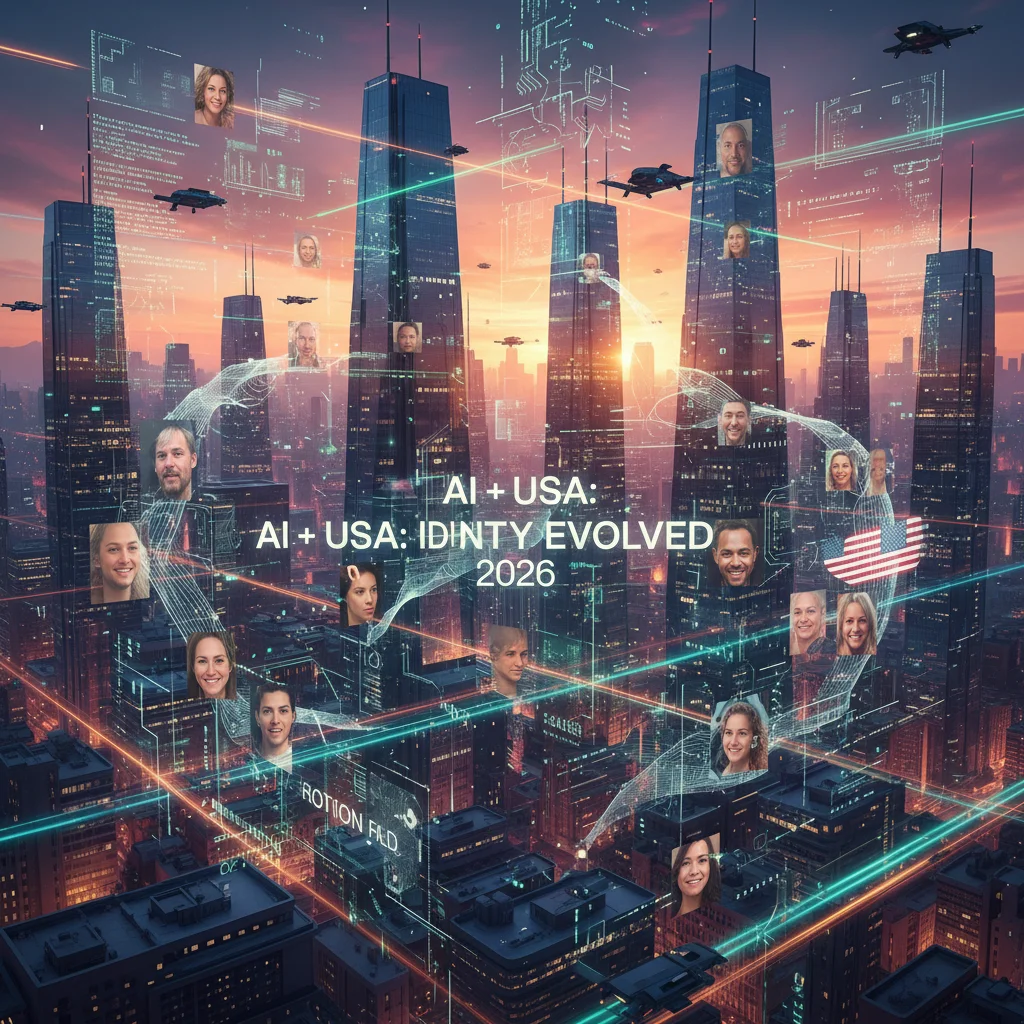
The year is 2026, and the landscape of American culture has undergone a seismic shift, largely propelled by the ubiquitous presence of Artificial Intelligence. From the subtle nuances of daily interactions to the grand narratives that shape national consciousness, AI-generated content has permeated every facet of life, fundamentally reshaping what it means to be American. This extensive analysis delves into the profound and often unexpected cultural impact of AI-generated content on American identity, exploring the intricate ways in which algorithms are not just reflecting, but actively molding, our collective self-perception, values, and societal fabric.
The journey from screen to street, from digital algorithms to tangible cultural shifts, has been swift and transformative. What began as a technological marvel has evolved into a powerful cultural force, influencing everything from our entertainment choices and artistic expressions to our understanding of truth and our very sense of community. The discussion around AI American Identity is no longer theoretical; it is a lived reality, demanding a comprehensive examination of its benefits, challenges, and long-term implications.
The Proliferation of AI-Generated Content: A New Cultural Baseline
In 2026, AI-generated content is no longer a novelty but a staple. From the personalized news feeds that curate our daily information intake to the synthesized voices that narrate our audiobooks, AI is an invisible architect of our information environment. This pervasive presence has set a new cultural baseline, where the distinction between human-created and AI-created content is increasingly blurred, often intentionally so. The sheer volume and accessibility of AI-generated material mean that it is now a primary source of cultural consumption for many Americans, influencing trends, opinions, and even emotional responses.
Consider the entertainment industry. AI-generated music, film scripts, and even entire visual effects sequences are commonplace. These creations are not merely imitations; they are often original works that push creative boundaries, sometimes surpassing human capabilities in terms of speed and scale. This has led to a re-evaluation of authorship and creativity, prompting questions about the intrinsic value of human ingenuity in an era where machines can produce compelling art. The debate about whether AI can truly be ‘creative’ continues, yet its output undeniably impacts our aesthetic sensibilities and cultural diet.
Beyond entertainment, AI’s influence extends to areas like journalism and education. AI-powered news aggregators and content generation tools are streamlining the production of articles, reports, and educational materials. While this offers unprecedented efficiency and personalization, it also raises critical questions about bias, accuracy, and the potential for the erosion of investigative journalism. The curated reality presented by AI algorithms can inadvertently reinforce existing biases or create echo chambers, potentially fragmenting the shared understanding of reality that underpins a cohesive national identity.
The sheer volume of AI-generated content also has implications for our attention economy. With an endless stream of tailored information and entertainment, individuals are increasingly exposed to content designed to maximize engagement, often at the expense of critical thinking or exposure to diverse perspectives. This constant feedback loop, orchestrated by algorithms, can shape individual preferences and, by extension, collective cultural norms, subtly molding the very fabric of AI American Identity.
Reshaping Artistic Expression and Creativity
The artistic landscape has been irrevocably altered by AI. In 2026, AI is not just a tool for artists but a collaborator, a muse, and sometimes, even the artist itself. We see AI-generated paintings exhibited in prestigious galleries, AI-composed symphonies performed by renowned orchestras, and AI-written poetry winning literary awards. This shift challenges traditional notions of creativity and artistic merit. What does it mean for art when a machine can generate a masterpiece?
For many artists, AI has opened up new avenues for expression, allowing them to experiment with styles, techniques, and scales previously unimaginable. AI algorithms can analyze vast datasets of existing art, learn patterns, and then generate novel works that blend influences in unexpected ways. This democratizes the creative process to some extent, enabling individuals without traditional artistic training to produce sophisticated works. However, it also raises concerns about the devaluation of human skill and the potential for a homogenization of artistic styles if AI models are trained on limited or biased datasets.
The impact on music is particularly pronounced. AI-powered music generation tools can create entire soundtracks, jingles, and even personalized playlists that adapt to a listener’s mood in real-time. This level of customization impacts how individuals experience music and how music itself is produced and consumed. While it offers unparalleled personalization, it also raises questions about the future of human musicianship and the unique emotional resonance that human-created music often carries. The debate about authenticity and soul in AI-generated art is a central theme in the evolving narrative of AI American Identity.
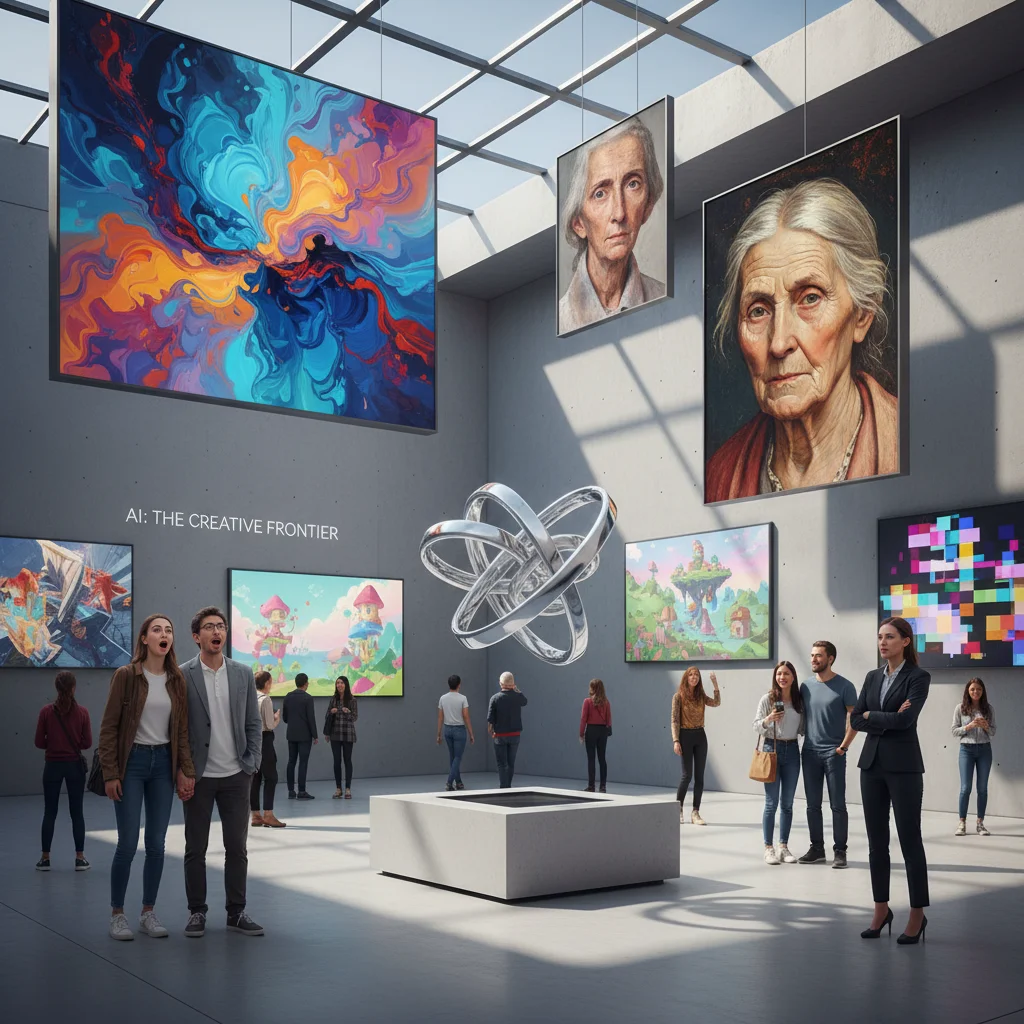
Furthermore, the rise of AI-generated art has sparked ethical discussions around intellectual property and copyright. Who owns the rights to a piece of art created by an AI? Is it the programmer, the data providers, or the AI itself? These legal and philosophical quandaries are actively being debated in courts and academic circles, highlighting the profound implications of AI on our understanding of ownership and creation. The answers to these questions will undoubtedly shape the future of artistic expression and its place within American culture.
The Evolution of Media and Information Consumption
The way Americans consume media and information in 2026 is fundamentally different from just a few years prior, largely due to AI-generated content. Personalized news feeds, social media algorithms, and AI-powered content recommendations have created highly individualized information ecosystems. While this can be beneficial for relevance, it also presents challenges to a shared cultural narrative.
AI algorithms are exceptionally good at identifying patterns in user behavior and preferences, then serving up content that reinforces those patterns. This can lead to echo chambers, where individuals are primarily exposed to information and viewpoints that align with their existing beliefs, limiting exposure to diverse perspectives. The fragmentation of media consumption can hinder constructive dialogue and make it more difficult for a common understanding of national issues to emerge, thereby impacting the cohesion of AI American Identity.
The rise of deepfakes and sophisticated AI-generated synthetic media also poses a significant threat to trust and truth. In 2026, it is increasingly difficult to discern between authentic and fabricated content, particularly in the realm of video and audio. This erosion of trust in visual and auditory evidence has profound implications for journalism, politics, and even personal relationships. The ability to convincingly create false narratives challenges the very foundation of an informed citizenry, a cornerstone of American democratic ideals.
Moreover, AI is transforming how news is reported and consumed. Automated journalism, where AI algorithms generate news articles from data, is becoming more prevalent, especially for financial reports, sports summaries, and weather updates. While this increases efficiency, it also raises concerns about the depth and nuance of reporting, as well as the potential for algorithmic bias to creep into news narratives. The human element of investigative journalism, with its emphasis on critical inquiry and ethical considerations, remains vital, but its role is being redefined in an AI-driven media landscape.
Impact on Language, Communication, and Social Norms
AI-generated content is not just changing what we see and hear; it’s also subtly altering how we communicate and interact. Language models, capable of generating human-like text, are being integrated into various communication platforms, from customer service chatbots to creative writing assistants. This has implications for linguistic evolution and the nuances of human expression.
The increasing interaction with AI entities, whether in customer service roles or as virtual companions, is shaping social norms. As AI becomes more sophisticated in its ability to mimic human conversation and display apparent empathy, the boundaries between human and machine interaction become increasingly fluid. This can lead to new forms of social connection, but also raises questions about the authenticity of these interactions and their long-term psychological impact on individuals.
Furthermore, AI-powered translation tools and language generation models are breaking down linguistic barriers, fostering greater cross-cultural understanding and communication. This can be a powerful force for global cohesion, but it also prompts questions about the preservation of unique cultural idioms and linguistic diversity in an increasingly standardized digital world. The interplay between globalized AI communication and localized cultural expressions is a fascinating aspect of the evolving AI American Identity.
The algorithms that power social media and content platforms also influence social norms by amplifying certain behaviors, trends, and ideologies. What goes viral, what is deemed acceptable or unacceptable, is often mediated by AI. This algorithmic curation can accelerate the spread of new trends, but also inadvertently suppress dissenting voices or reinforce problematic stereotypes. Understanding these algorithmic influences is crucial for navigating the complex social landscape of 2026.
The Economic and Labor Landscape: Redefining Work and Value
The economic impact of AI-generated content is undeniable, leading to both unprecedented opportunities and significant disruptions in the labor market. Automation through AI is transforming industries, from manufacturing to creative fields, necessitating a re-evaluation of skills and job roles. While AI can augment human capabilities and create new types of jobs, it also displaces certain traditional roles, leading to concerns about job security and the future of work.
The creative industries, once thought to be immune to automation, are now at the forefront of this transformation. AI-generated marketing copy, graphic designs, and even entire advertising campaigns are becoming commonplace, challenging the roles of human copywriters, designers, and marketers. This necessitates a shift in focus for human professionals, emphasizing skills that AI cannot easily replicate, such as critical thinking, emotional intelligence, and complex problem-solving. This economic restructuring directly influences the individual’s sense of purpose and contribution within the broader American society, thus impacting AI American Identity.
The gig economy, already a significant part of the American labor force, is also being reshaped by AI. AI-powered platforms are optimizing task allocation, pricing, and quality control, leading to greater efficiency but also potentially increasing precarity for human workers. The debate around universal basic income and other social safety nets is gaining renewed urgency as the economic effects of AI become more pronounced.
Moreover, the value proposition of human-created content versus AI-generated content is a growing economic consideration. While AI can produce content at scale and often at lower cost, the perceived value of human authenticity, originality, and emotional depth remains a powerful differentiator. Businesses and consumers are grappling with how to balance efficiency and cost-effectiveness with the desire for unique, human-centric experiences. This ongoing negotiation will define significant aspects of the future American economy.
Ethical Considerations and the Future of Authenticity
The widespread adoption of AI-generated content brings a host of ethical dilemmas to the fore, particularly concerning authenticity, bias, and control. As AI becomes more sophisticated, the line between genuine human expression and algorithmic mimicry blurs, raising fundamental questions about what it means to be authentic in a digitally saturated world.
One of the most pressing concerns is algorithmic bias. AI models are trained on vast datasets, and if these datasets contain inherent biases – whether racial, gender, or socioeconomic – the AI will perpetuate and even amplify those biases in its output. This can lead to the creation of content that reinforces stereotypes, discriminates against certain groups, or presents a skewed view of reality, further impacting the diverse tapestry of AI American Identity.
The issue of consent and intellectual property in the age of AI-generated content is also paramount. Many AI models are trained on existing human-created works without explicit consent from the original creators. This raises questions about fair use, compensation, and the protection of creative rights in a digital ecosystem where machines can learn from and remix virtually any piece of content.
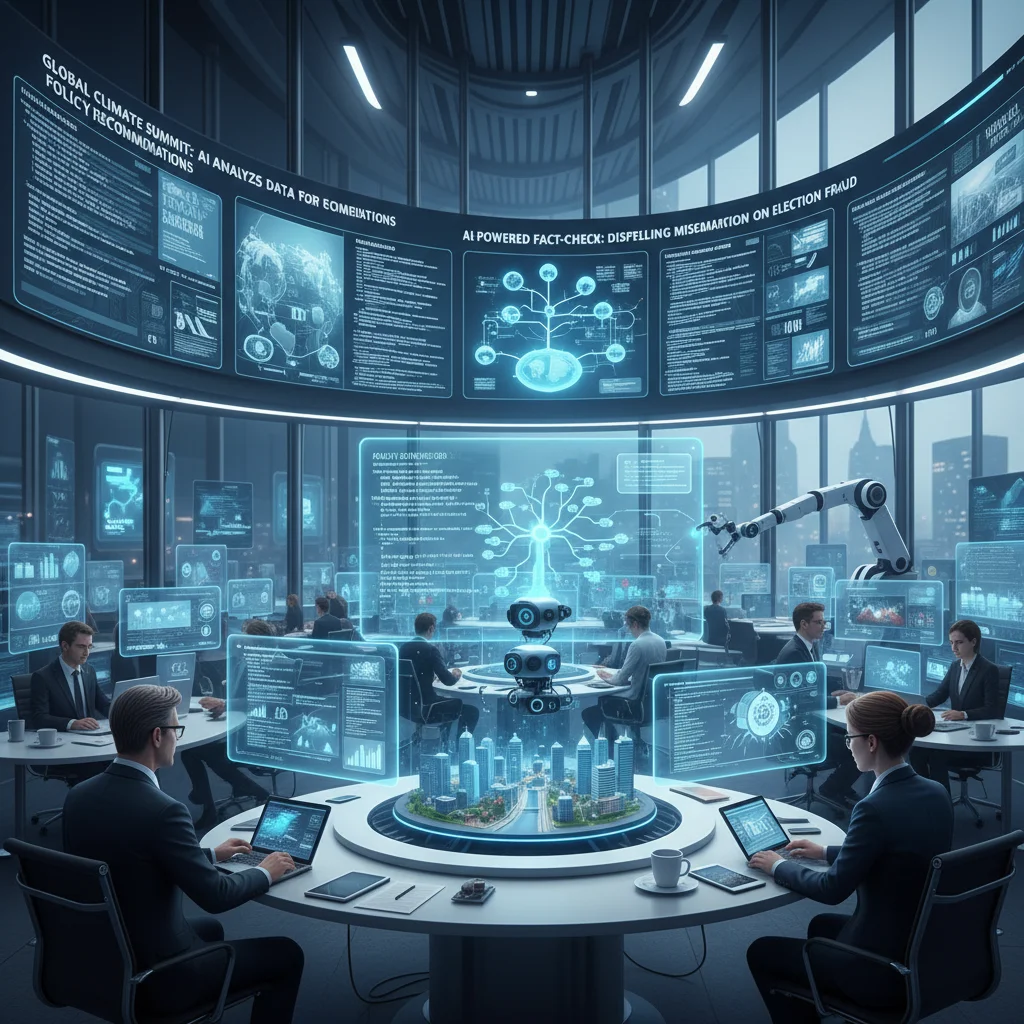
Furthermore, the potential for AI to be used for manipulation and disinformation is a constant concern. The creation of highly personalized, emotionally resonant, and algorithmically optimized content can be leveraged to influence opinions, spread propaganda, or even incite social unrest. Safeguarding against these malicious uses of AI is a critical challenge for governments, tech companies, and civil society alike.
The concept of ‘digital identity’ is also evolving. As individuals interact more with AI and create digital avatars or personas, the distinction between one’s physical self and one’s digital representation becomes more complex. AI-generated content can contribute to this, allowing for the creation of idealized or entirely fabricated digital identities, raising questions about self-perception, mental health, and the nature of personal authenticity.
Conclusion: Navigating the AI-Driven American Future
The cultural impact of AI-generated content on American identity in 2026 is undeniable and multifaceted. From reshaping artistic expression and media consumption to influencing language and the labor market, AI has become an intrinsic part of the American experience. This transformation presents both immense opportunities for innovation, personalization, and efficiency, as well as significant challenges related to authenticity, bias, and ethical governance.
As we move further into this AI-driven future, understanding and actively shaping the relationship between AI and American identity will be paramount. This requires ongoing dialogue between technologists, policymakers, artists, educators, and the public. It necessitates developing robust ethical frameworks, promoting media literacy, and fostering critical thinking skills to navigate a world where the lines between human and machine creativity, and between truth and fabrication, are increasingly blurred.
The future of AI American Identity is not predetermined; it is being written every day through our interactions with technology, our choices as consumers, and our collective efforts to ensure that AI serves humanity’s best interests. By embracing the potential of AI while remaining vigilant about its risks, America can forge a future where technology enhances, rather than diminishes, the richness and diversity of its cultural landscape.
The journey from screen to street is far from over. The unexpected cultural impact of AI-generated content will continue to evolve, demanding constant adaptation, critical reflection, and a commitment to preserving the core values that define American identity in an increasingly intelligent world.