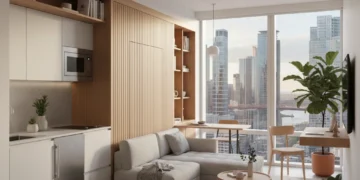
Smart Furniture Innovations: 5 Pieces Transforming Small Spaces for US Apartment Dwellers in 2026
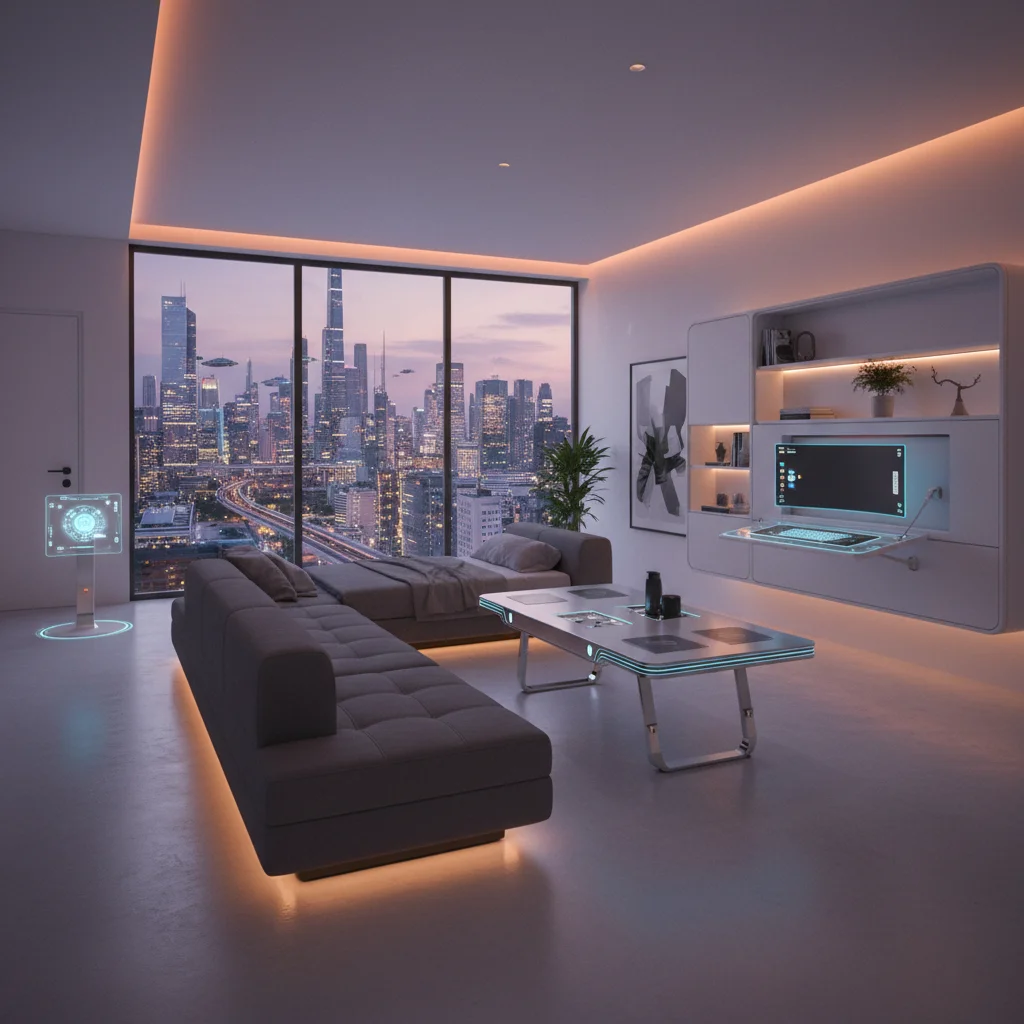
Smart Furniture Innovations: 5 Pieces Transforming Small Spaces for US Apartment Dwellers in 2026
The landscape of urban living is constantly evolving, and with it, the demands on our living spaces. As square footage shrinks and city populations grow, particularly in the bustling metropolises across the United States, apartment dwellers are increasingly seeking ingenious solutions to maximize their limited environments. Enter smart furniture innovations – a burgeoning field that merges cutting-edge technology with thoughtful design to create multi-functional, adaptable, and aesthetically pleasing pieces. These aren’t just gadgets; they are foundational elements poised to redefine how we interact with our homes, offering unparalleled convenience, efficiency, and comfort.
By 2026, the integration of smart technology into everyday furnishings will no longer be a novelty but a necessity for many. This article delves into five pivotal smart furniture innovations that are set to revolutionize small apartment living, providing a glimpse into a future where every inch counts and every piece of furniture works smarter, not just harder.
The Imperative of Smart Furniture for Modern Urban Living
The allure of city life – career opportunities, cultural experiences, vibrant social scenes – often comes with a significant trade-off: space. Apartments, especially in major US cities like New York, San Francisco, and Boston, are notoriously compact. This reality has fueled a relentless pursuit of efficiency and adaptability in interior design. Traditional furniture, with its fixed forms and singular functions, often falls short in these environments, leading to cluttered, inefficient, and sometimes uninspiring spaces. This is precisely where smart furniture innovations step in, offering a paradigm shift in how we conceive and utilize our homes.
Beyond mere space-saving, smart furniture integrates technology to enhance user experience. Imagine a bed that disappears into the wall with the touch of a button, revealing a home office. Or a coffee table that transforms into a dining table for six, complete with integrated charging ports. These are not futuristic fantasies but present-day realities, with innovations continually pushing the boundaries of what’s possible. The market for smart home devices is booming, and smart furniture is a natural extension of this trend, aiming to create more intuitive, responsive, and livable spaces. For the US apartment dweller, these innovations promise not just a place to live, but a dynamic, adaptable sanctuary that can effortlessly shift to meet the demands of their busy lives.
The benefits extend beyond functionality. Many smart furniture innovations are also designed with sustainability in mind, using durable, eco-friendly materials and optimizing production processes. They cater to a generation that values experiences over possessions, providing flexible environments that can adapt to various activities – from remote work to entertaining guests, from quiet relaxation to energetic workouts – all within the confines of a small footprint. As we look towards 2026, these advancements are not just about convenience; they represent a fundamental shift in how we approach home design, making urban living more accessible, enjoyable, and sustainable.
1. The Transformable Modular Sofa System: A Dynamic Core for Any Living Space
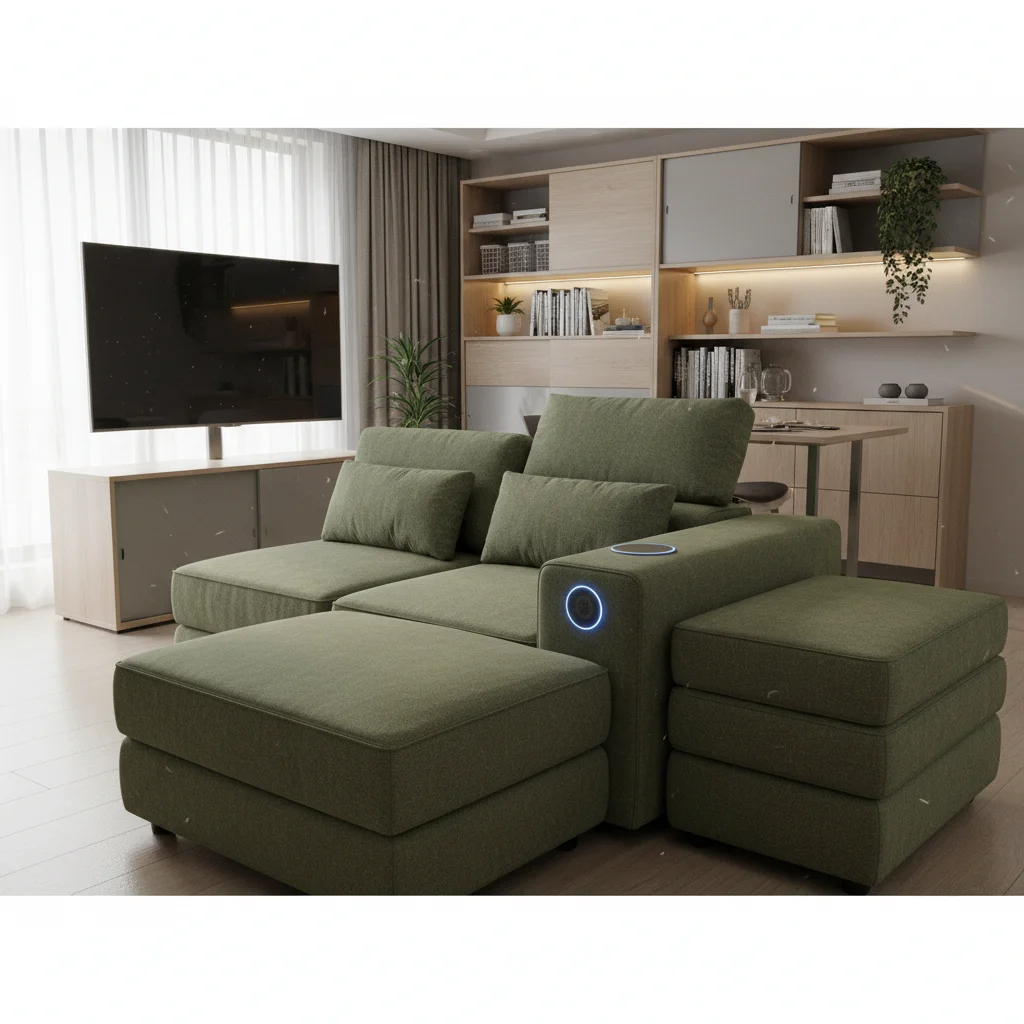
In a small apartment, the living room often serves multiple purposes: a lounge area, a workspace, a dining nook, and even an occasional guest bedroom. Traditional sofas, while comfortable, are often static and limit the flexibility of the space. This is where the transformable modular sofa system emerges as a game-changer among smart furniture innovations. These aren’t just sectional sofas; they are highly engineered systems designed for ultimate adaptability.
Imagine a sofa whose individual modules can be effortlessly reconfigured. A two-seater can become a chaise lounge, a corner unit, or even separate ottomans. But the ‘smart’ aspect goes further. Many of these systems incorporate hidden features: pull-out beds with integrated memory foam mattresses, storage compartments beneath every seat, and even built-in wireless charging pads and USB ports. Some advanced models include motorized mechanisms that allow sections to extend, recline, or even elevate with a voice command or smartphone app, transforming a standard sofa into a luxurious recliner or a comfortable daybed.
The materials are also evolving. Modern transformable sofas often feature stain-resistant, durable fabrics that can withstand the rigors of multi-functional use. Their lightweight yet sturdy construction makes reconfiguring them a breeze, empowering apartment dwellers to adapt their living space to their immediate needs. For instance, a quick transformation can turn a cozy movie-watching setup into a formal seating arrangement for guests, or a comfortable reading nook into a temporary sleeping area. This level of versatility ensures that the living room remains the dynamic heart of the home, optimizing every square foot.
By 2026, expect these modular marvels to become even more sophisticated, with AI integration that learns your preferences and suggests optimal configurations based on your daily routine or scheduled events. This innovation is not just about saving space; it’s about creating a more responsive and intuitive living environment, making it a cornerstone of smart furniture innovations for compact urban dwellings.
2. The Elevating and Extending Coffee-to-Dining Table: The Ultimate Dual-Purpose Hub
The coffee table is often a central piece in any living room, but in a small apartment, dedicate a separate dining table can be a luxury. The elevating and extending coffee-to-dining table is one of the most practical and elegant smart furniture innovations addressing this challenge. This ingenious piece seamlessly transitions between two crucial functions, maximizing utility without sacrificing style.
At its core, this innovation is a coffee table that, with a simple mechanism – often hydraulic or spring-loaded – can be raised to dining height. But the ‘smart’ element extends beyond mere elevation. Many models also feature expandable tabletops that can double or even triple in size, accommodating anywhere from two to eight people. Some even include hidden storage for placemats, napkins, or cutlery, further reducing clutter.
The design aesthetics are also paramount. These tables are crafted to look like stylish, contemporary coffee tables when collapsed, blending seamlessly into the living room decor. When extended, they offer a stable and comfortable dining surface. Advanced versions might include integrated induction charging zones for smartphones and tablets, or even subtle LED lighting for ambiance. The materials range from sleek glass and metal to warm wood finishes, ensuring there’s a style to suit every taste.
For US apartment dwellers, this means no more awkward meals on the sofa or the need for a separate, bulky dining set. It allows for spontaneous dinner parties or comfortable remote work sessions, all from a single piece of furniture. The ability to transform a casual lounge area into a functional dining space in moments is a testament to the power of smart furniture innovations. This table isn’t just about saving space; it’s about creating a flexible social hub that adapts to the ebb and flow of daily life, making it an indispensable item for urban homes in 2026.
3. The Wall-Integrated Fold-Out Desk and Storage Unit: The Disappearing Home Office
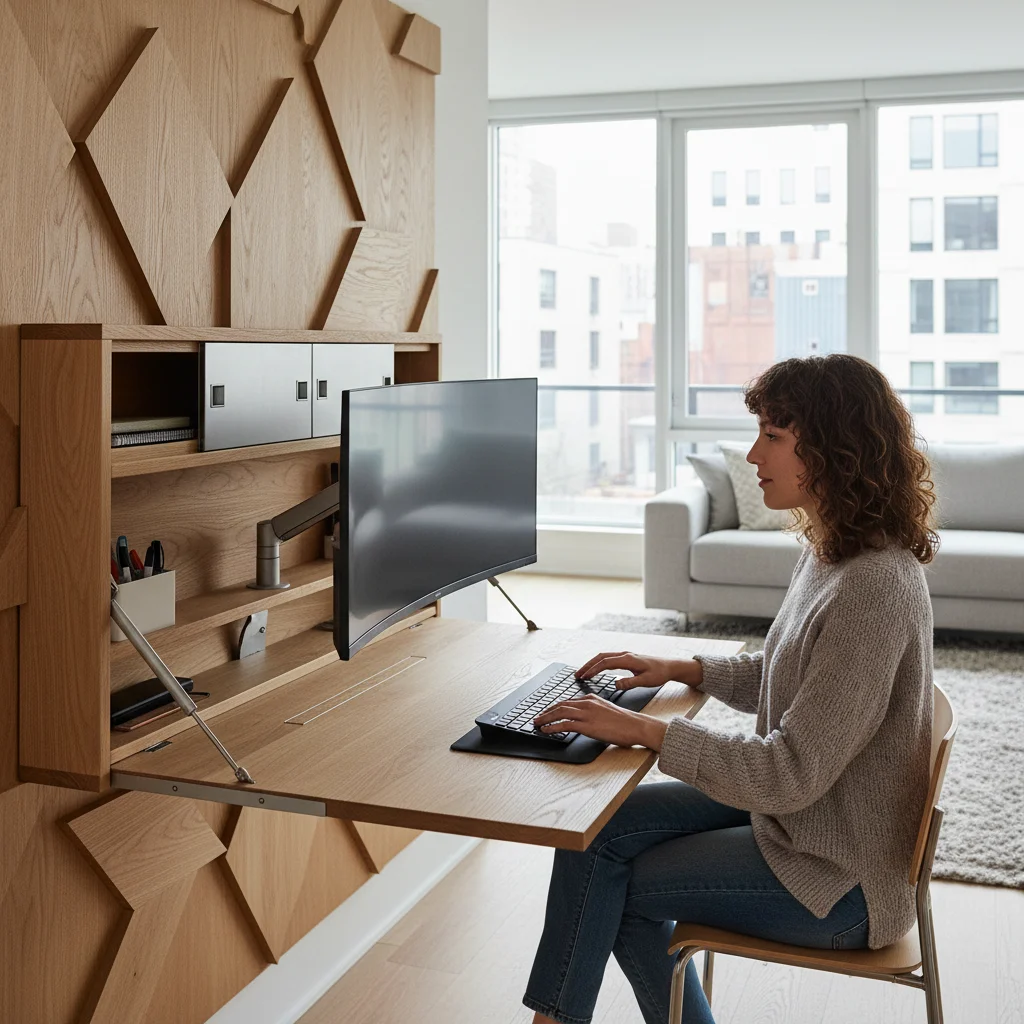
The rise of remote work has transformed many apartment living rooms and bedrooms into makeshift offices. However, maintaining a dedicated workspace without encroaching on precious living area is a persistent challenge. The wall-integrated fold-out desk and storage unit is a brilliant solution among smart furniture innovations, providing a full-fledged office that can disappear when not in use.
These units are designed to mount flush against a wall, often disguised as a sleek cabinet, a decorative panel, or even a bookshelf. With a simple pull or a touch of a button, a sturdy desk surface folds down, revealing built-in shelves, drawers, and sometimes even integrated power outlets and USB ports. Some advanced models include hidden monitors that slide out or pop up, transforming a minimalist wall into a powerful workstation. The beauty lies in its seamless integration; when closed, it frees up valuable floor space, maintaining the aesthetic integrity of the room.
The ‘smart’ aspect of these units often includes automated lighting that illuminates the workspace upon opening, or smart locks that secure sensitive documents. Materials are chosen for durability and aesthetics, ranging from contemporary laminates to rich solid woods. The focus is on creating an ergonomic and productive environment that can be effortlessly stowed away, preventing work from spilling over into personal life.
For the US apartment dweller, this innovation offers the luxury of a dedicated office without the permanent footprint. It’s ideal for students, freelancers, or anyone who needs a quiet space to focus but cannot afford to dedicate an entire room. The ability to reclaim living space after working hours is invaluable for maintaining work-life balance in a compact environment. As we approach 2026, these disappearing home offices will become increasingly sophisticated, making them a top contender in the realm of smart furniture innovations for small spaces.
4. The Smart Storage Bed with Integrated Automation: Maximizing Bedroom Efficiency
The bedroom in a small apartment often struggles with storage. Traditional beds consume a large amount of floor space, leaving little room for wardrobes, chests, or other storage solutions. The smart storage bed with integrated automation is a revolutionary piece among smart furniture innovations that transforms the bed from a mere sleeping surface into a multi-functional storage powerhouse.
These beds go far beyond simple under-bed drawers. Many feature hydraulic lift mechanisms that raise the entire mattress platform, revealing a vast, easily accessible storage cavity beneath. This space can often be as large as a walk-in closet, perfect for storing seasonal clothing, luggage, sports equipment, or extra linens. The ‘smart’ element comes into play with automation: some beds can be raised and lowered via a remote control, a smartphone app, or even voice commands, making access effortless.
Further innovations include integrated shelving units within the headboard, hidden compartments along the side rails, and even built-in charging stations and reading lights. Some high-end models incorporate climate control features for the mattress, or even sleep-tracking technology that provides insights into your rest patterns. The design focuses on clean lines and minimalist aesthetics, ensuring the bed serves its primary function while discreetly hiding its extensive storage capabilities.
For apartment dwellers, this means reclaiming valuable closet and floor space. It allows for a more organized and clutter-free bedroom, contributing to a more serene and restful environment. The smart storage bed addresses one of the most pressing challenges of small-space living by transforming the largest piece of furniture into a highly efficient storage solution. By 2026, these beds will be a staple in urban homes, proving themselves to be essential smart furniture innovations for compact living.
5. The Intelligent Modular Wall Unit: The Customizable Command Center
Walls are often an underutilized resource in small apartments. While shelves and cabinets are common, the intelligent modular wall unit takes vertical storage and functionality to an entirely new level, solidifying its place as a leading example of smart furniture innovations. This system is not just about storage; it’s about creating a dynamic, customizable command center for your home.
Imagine a wall unit composed of various interlocking modules that can be rearranged, added, or removed based on your evolving needs. These modules can include shelving, closed cabinets, display cases, and even integrated desks or entertainment centers. The ‘intelligent’ aspect refers to the built-in technology: smart lighting that adjusts to ambient conditions or your preferences, integrated sound systems, hidden power outlets, and even interactive display screens that can serve as digital art, recipe guides, or communication hubs.
Some advanced systems are designed with smart sensors that monitor air quality, temperature, or even detect movement, allowing for automated adjustments to the room’s environment. The modularity allows for endless customization. Need a temporary art studio? Reconfigure a section to include a fold-out easel. Hosting a game night? Slide out a hidden gaming console. The aesthetic is typically sleek and modern, designed to blend seamlessly into contemporary interiors, often with cable management systems to keep wires out of sight.
For US apartment dwellers, this means transforming a blank wall into a highly functional and aesthetically pleasing feature. It allows for a personalized space that can adapt to work, entertainment, storage, and display needs without taking up valuable floor space. The intelligent modular wall unit is more than just furniture; it’s an architectural extension of the smart home, making it one of the most comprehensive smart furniture innovations for maximizing small apartment living by 2026. It truly embodies the future of adaptable urban interiors.
The Future is Flexible: Embracing Smart Furniture for an Enhanced Lifestyle
As we navigate the complexities of modern urban living, the demand for adaptable, multi-functional, and technologically integrated solutions will only continue to grow. The five smart furniture innovations discussed – the transformable modular sofa system, the elevating and extending coffee-to-dining table, the wall-integrated fold-out desk and storage unit, the smart storage bed with integrated automation, and the intelligent modular wall unit – are not merely trends; they represent a fundamental shift in how we perceive and interact with our living spaces.
These pieces are engineered to address the specific challenges faced by US apartment dwellers: limited square footage, the need for versatile environments, and the desire for a clutter-free, organized home. By combining clever design with smart technology, they offer solutions that were once confined to science fiction, making them accessible and practical for everyday use. The beauty of these innovations lies in their ability to seamlessly blend into existing decor while providing an extraordinary level of functionality and convenience.
Beyond the practical benefits of space-saving and multi-functionality, smart furniture innovations also contribute to an improved quality of life. They reduce stress by minimizing clutter, enhance productivity by creating dedicated workspaces, and foster relaxation by allowing spaces to easily transition from work to leisure. They empower individuals to curate their environment, making their small apartment feel larger, more efficient, and truly reflective of their personal style and needs.
As 2026 approaches, the integration of AI, advanced robotics, and sustainable materials will further refine these concepts, leading to even more intuitive and eco-friendly furnishings. The future of small apartment living in the US is undeniably flexible, dynamic, and intelligent, thanks to these groundbreaking advancements in furniture design. Investing in these smart solutions is not just about buying furniture; it’s about investing in a smarter, more adaptable, and ultimately more enjoyable urban lifestyle.