Future of Personal Transportation: 2026’s Top Micro-Mobility Solutions
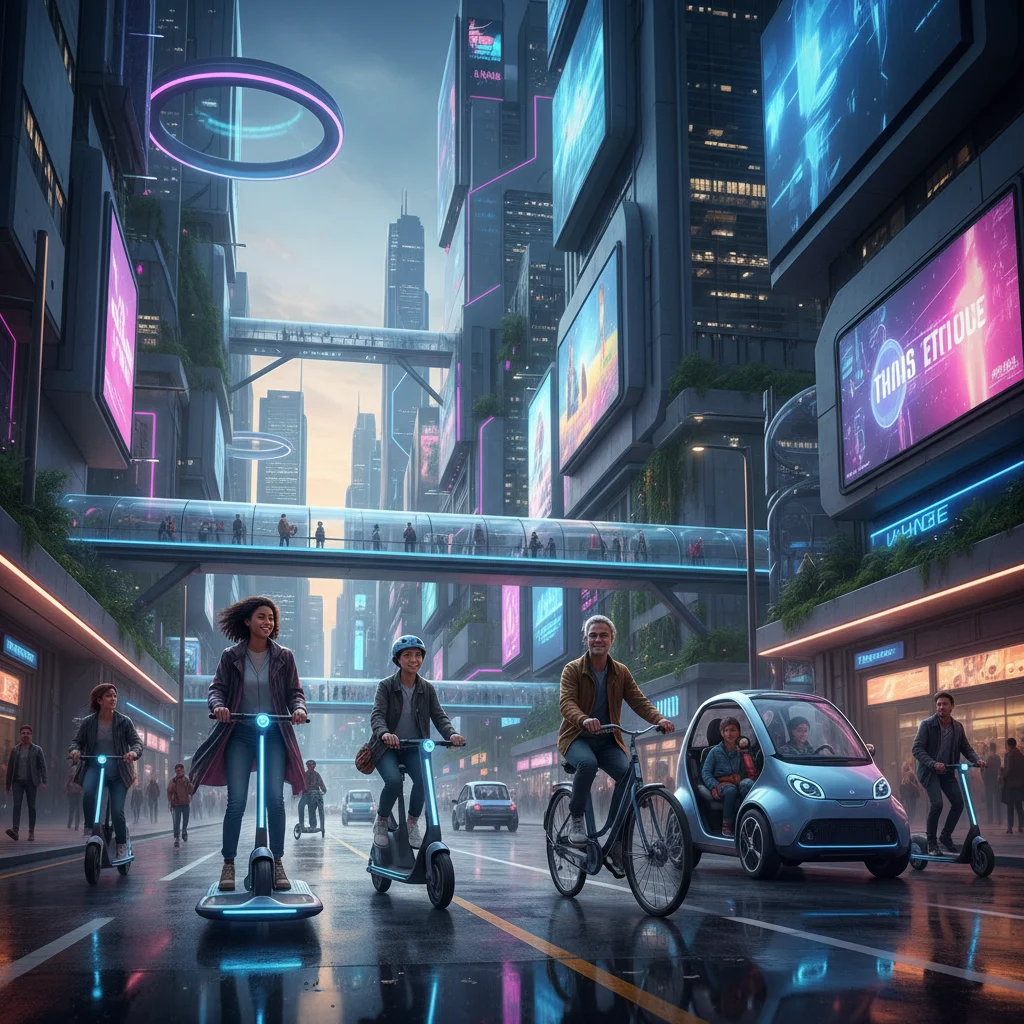
The landscape of urban transportation is undergoing a profound transformation, driven by technological innovation, environmental consciousness, and the ever-increasing challenge of city congestion. As we look ahead to 2026, the concept of personal mobility is being redefined, moving away from traditional car-centric models towards more agile, efficient, and sustainable alternatives. This shift is particularly evident in the burgeoning sector of micro-mobility, which encompasses a range of lightweight, often electric-powered, vehicles designed for short to medium-distance travel within urban environments. These solutions are not just trends; they are foundational elements of future smart cities, offering unparalleled convenience, reducing carbon footprints, and alleviating traffic woes that plague metropolitan areas across the United States.
For urban US commuters, the promise of micro-mobility extends beyond mere transportation. It represents a lifestyle choice, an embrace of efficiency, and a commitment to a greener future. The year 2026 is poised to be a pivotal moment, with several key micro-mobility solutions reaching maturity and widespread adoption, fundamentally altering how millions navigate their daily lives. This comprehensive guide delves into the top three micro-mobility solutions that are set to dominate urban personal transportation in the US by 2026, exploring their benefits, technological advancements, and the impact they will have on our cities.
Understanding these emerging trends is crucial for city planners, commuters, and anyone interested in the evolution of urban living. From the nimble electric scooter to the versatile e-bike and the innovative compact electric vehicle, each solution brings a unique set of advantages to the table. We will examine how these options are integrating into existing infrastructure, influencing urban planning, and ultimately shaping a more sustainable and accessible future for personal transportation. The journey towards a more efficient and eco-friendly commute is well underway, and micro-mobility solutions 2026 are at the forefront of this exciting revolution.
The Rise of Micro-Mobility: A Paradigm Shift in Urban Travel
Before diving into the specific solutions, it’s essential to grasp the underlying forces driving the micro-mobility revolution. Traditional transportation models, heavily reliant on personal cars, have proven unsustainable in dense urban settings. Issues like chronic traffic congestion, limited parking, escalating fuel costs, and significant environmental pollution have necessitated a re-evaluation of how we move around cities. Micro-mobility offers a compelling alternative, characterized by its smaller footprint, lower energy consumption, and flexibility.
The concept isn’t entirely new; bicycles have been a staple of urban transport for centuries. However, the advent of electric motors, advanced battery technology, and sophisticated connectivity has supercharged these smaller vehicles, making them more accessible, efficient, and appealing to a broader demographic. Shared micro-mobility services, often accessed via smartphone apps, have further accelerated their adoption, allowing users to pick up and drop off vehicles on demand, eliminating the need for ownership and maintenance.
By 2026, we anticipate that the infrastructure supporting micro-mobility will be significantly more developed. This includes dedicated bike lanes, charging stations, and clearer regulations governing their use. Public perception will also have shifted, with micro-mobility options being viewed not just as recreational tools but as legitimate and integral components of an efficient urban transportation network. The integration of these solutions with public transit systems will create seamless multi-modal journeys, further enhancing their utility for the urban US commuter.
The environmental benefits are undeniable. By replacing short car trips with micro-mobility solutions 2026, cities can drastically reduce greenhouse gas emissions, improve air quality, and decrease noise pollution. This aligns perfectly with global efforts to combat climate change and create healthier, more livable urban environments. Furthermore, the economic advantages for commuters are significant, with lower operating costs compared to cars, making these options attractive for budget-conscious individuals.
1. Electric Scooters: The Nimble King of Urban Commutes
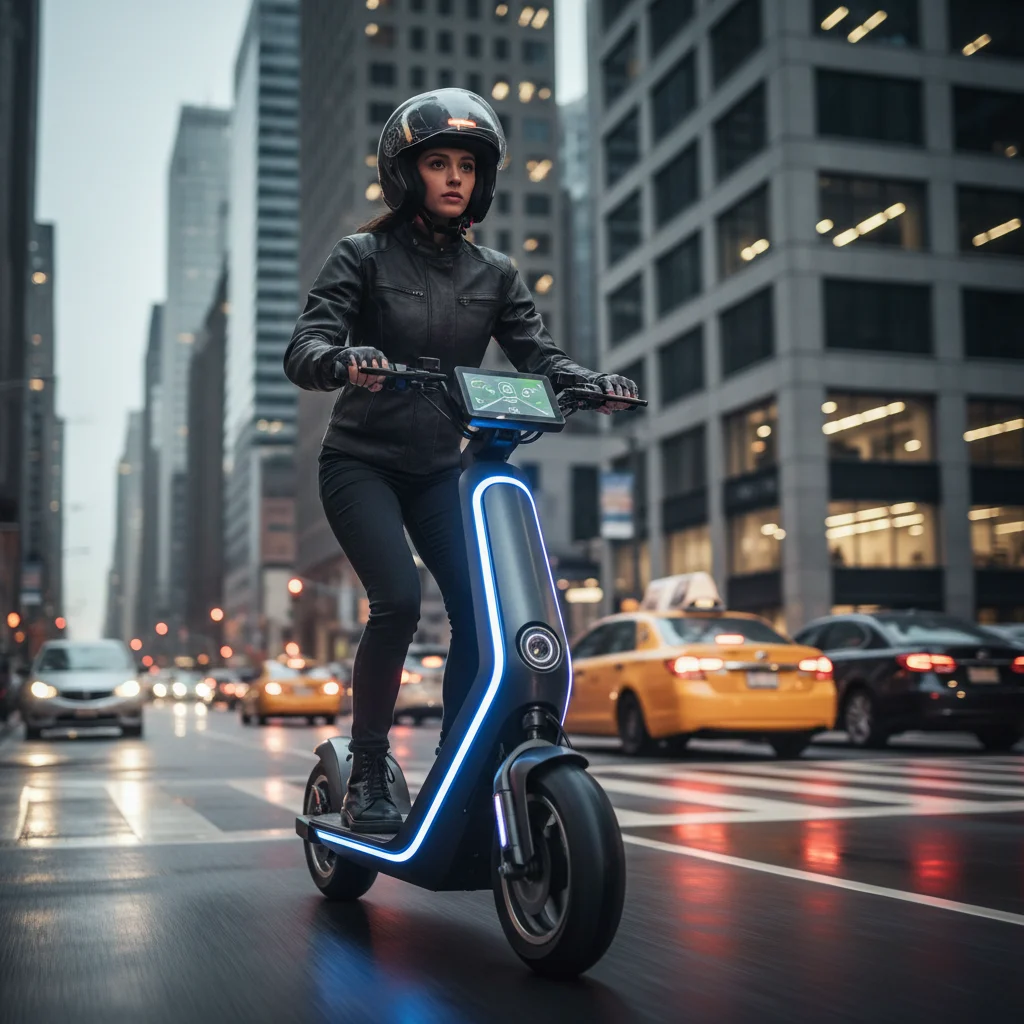
Electric scooters have rapidly transformed from a novelty to a ubiquitous sight in many US cities. By 2026, their evolution will see them solidify their position as a primary micro-mobility solution 2026 for short-distance urban travel. The next few years will bring significant advancements in battery life, motor efficiency, and safety features, making them even more reliable and user-friendly.
Technological Advancements and Features
- Extended Range and Faster Charging: Expect batteries to offer significantly longer ranges, allowing commuters to cover more ground on a single charge. Faster charging capabilities will reduce downtime and improve the efficiency of shared scooter fleets.
- Enhanced Safety Features: Improvements will include better braking systems (regenerative braking), integrated turn signals, more powerful headlights and taillights, and potentially even AI-powered obstacle detection systems.
- Improved Suspension and Comfort: To handle varied urban terrain, future electric scooters will feature advanced suspension systems, providing a smoother and more comfortable ride, reducing rider fatigue.
- GPS and Connectivity: Enhanced GPS accuracy will improve geofencing capabilities, ensuring scooters operate within designated zones and preventing misuse. Integration with smart city platforms will provide real-time data on availability and traffic flow.
- Durability and Weather Resistance: Scooters will be built with more robust materials, capable of withstanding diverse weather conditions and the rigors of daily urban use, extending their lifespan and reducing maintenance costs.
Impact on Urban Commuting
Electric scooters excel in bridging the ‘last mile’ gap – the distance between public transport hubs and a commuter’s final destination. They offer a quick, convenient, and often enjoyable alternative to walking or waiting for a bus. Their compact size allows for easy maneuverability through congested streets and simple parking in dense areas.
By 2026, cities will likely have more clearly defined regulations for scooter use, including designated parking zones and speed limits, enhancing safety for both riders and pedestrians. The integration of scooter-sharing apps with public transit apps will create a seamless multi-modal experience, allowing commuters to plan journeys that combine trains, buses, and scooters efficiently. For individuals living within a few miles of their workplace, an electric scooter could become their primary mode of daily transport, offering significant time and cost savings compared to driving.
2. E-Bikes: The Versatile and Eco-Friendly Powerhouse
E-bikes, or electric bicycles, have been steadily gaining popularity, and by 2026, they are set to become one of the most significant micro-mobility solutions 2026 for urban US commuters. Combining the physical benefits of cycling with the assistance of an electric motor, e-bikes make longer commutes and hilly terrains far more accessible to a wider demographic. Their versatility allows them to serve various purposes, from daily commuting to cargo transport.
Technological Advancements and Features
- Lighter and More Powerful Motors: Future e-bikes will feature even lighter and more compact motors that deliver greater power and torque, making ascents effortless and accelerating quickly from stops.
- Integrated Designs: Batteries and motors will be seamlessly integrated into the bike frame, creating a sleeker, more aesthetically pleasing design that is often indistinguishable from traditional bicycles.
- Smart Connectivity: E-bikes will increasingly offer smart features such as GPS navigation, anti-theft tracking, fitness monitoring, and integration with smartphone apps for ride data and diagnostics.
- Advanced Gearing and Braking: Expect more sophisticated electronic shifting systems and hydraulic disc brakes for superior control and safety in all conditions.
- Cargo and Utility Focus: A growing segment of e-bikes will be designed for cargo, featuring robust frames, integrated racks, and powerful motors to handle heavier loads, ideal for deliveries or grocery runs.
Impact on Urban Commuting
E-bikes address several barriers that deter people from traditional cycling, such as physical exertion, sweat, and the challenge of hills. This makes them an attractive option for commuters who want an active mode of transport without arriving at their destination exhausted. They are particularly effective for medium-distance commutes (5-15 miles), often outperforming cars in congested city traffic.
The expansion of dedicated bike lanes and safe cycling infrastructure in urban areas will further bolster e-bike adoption. Shared e-bike programs will continue to grow, providing flexible access to these vehicles without the upfront cost of ownership. For businesses, e-cargo bikes offer a sustainable and efficient solution for last-mile deliveries, reducing reliance on vans and contributing to cleaner city air. The ability to carry groceries, children, or work equipment makes e-bikes an incredibly practical and versatile choice for a broad spectrum of urban dwellers, securing their place as a top micro-mobility solution 2026.

3. Compact Electric Vehicles: The Future of Personal Urban Mobility
While often straddling the line between micro-mobility and traditional vehicles, compact electric vehicles (CEVs) are emerging as a distinct and increasingly popular micro-mobility solution 2026, especially for those who need more protection from the elements or require space for a passenger or small amount of cargo. These vehicles are smaller than conventional cars but offer more stability and weather protection than scooters or e-bikes.
Technological Advancements and Features
- Advanced Battery Technology: CEVs will benefit from breakthroughs in battery density and charging speed, providing ample range for urban travel and quick top-ups.
- Smart Connectivity and Autonomy: Integration with smart city infrastructure will enable features like optimized routing, real-time traffic avoidance, and potentially even limited autonomous driving capabilities in designated urban zones.
- Modular Design and Customization: Expect modular designs that allow for easy customization, from passenger configurations to cargo setups, catering to diverse urban needs.
- Enhanced Safety Systems: Despite their compact size, CEVs will incorporate advanced safety features, including reinforced chassis, airbags, anti-lock braking systems (ABS), and advanced driver-assistance systems (ADAS).
- Sustainable Materials: Manufacturers will increasingly use recycled and sustainable materials in the construction of CEVs, further enhancing their environmental credentials.
Impact on Urban Commuting
CEVs offer a compelling middle ground for urban commuters who find scooters or e-bikes too exposed or impractical for certain situations, but don’t require the size and expense of a full-sized electric car. They are ideal for individuals needing to carry groceries, a small child, or work equipment, while still enjoying the benefits of compact size for easy parking and maneuverability.
By 2026, CEVs will likely be integrated into ride-sharing and car-sharing platforms, making them accessible on demand. Their smaller footprint means less road space consumed and easier parking, contributing to reduced urban congestion. Policies that incentivize CEV adoption, such as dedicated parking spots or lower tolls, will further accelerate their integration into the urban fabric. These vehicles are perfectly suited for urban environments with moderate speed limits and high population density, presenting a practical and sustainable solution for daily commutes and errands.
Challenges and Opportunities for Micro-Mobility in 2026
While the future of micro-mobility solutions 2026 looks bright, several challenges must be addressed for these solutions to reach their full potential. These include regulatory hurdles, safety concerns, and infrastructure development.
Regulatory Frameworks
Currently, regulations for micro-mobility vary significantly from city to city and state to state, creating a patchwork of rules that can confuse users and hinder widespread adoption. By 2026, there will be a greater push for standardized regulations concerning speed limits, parking, and operational zones. Clearer guidelines will foster a safer environment for riders and pedestrians alike, ensuring harmonious coexistence on urban streets.
Safety and Infrastructure
Safety remains a paramount concern. While advancements in vehicle design are improving safety features, dedicated infrastructure is crucial. The expansion of protected bike lanes, designated micro-mobility parking hubs, and clear signage will be essential to minimize accidents and enhance the overall user experience. Education campaigns for both riders and other road users will also play a vital role in promoting safe practices.
Integration with Public Transit
The true power of micro-mobility lies in its ability to complement existing public transportation systems. Seamless integration, such as unified payment systems and real-time information sharing, will enable commuters to easily combine various modes of transport for optimized journeys. This multi-modal approach will be key to reducing reliance on private cars and creating a more efficient urban mobility ecosystem.
Sustainability and Equity
Ensuring that micro-mobility solutions are both sustainable and equitable is another critical opportunity. This means not only focusing on electric and low-emission vehicles but also ensuring that these options are accessible and affordable for all segments of the population, regardless of income or geographical location within a city. Programs that offer subsidized access or expand services to underserved communities will be crucial in making micro-mobility a truly inclusive solution.
The Impact of Micro-Mobility on Urban Planning and Lifestyle
The widespread adoption of micro-mobility solutions 2026 will have a profound impact on urban planning and the very fabric of city life. As more people opt for these agile modes of transport, cities will transform to accommodate them, becoming more pedestrian-friendly, greener, and ultimately, more livable.
Redesigning Urban Spaces
The reduction in car dependency will free up significant urban space previously allocated to parking lots and wide roadways. This space can be repurposed for parks, pedestrian zones, outdoor dining areas, or affordable housing, enhancing the quality of urban life. City planners will prioritize the development of integrated networks of bike paths, scooter lanes, and compact vehicle routes, ensuring smooth and safe travel for all micro-mobility users.
Economic and Social Benefits
Beyond environmental gains, micro-mobility fosters economic development by supporting local businesses through increased foot traffic and last-mile delivery services. Socially, it promotes community interaction by encouraging outdoor activity and reducing the isolation often associated with car commutes. It also offers greater independence for individuals who may not have access to a car, broadening their opportunities for work, education, and recreation.
Health and Well-being
For solutions like e-bikes and even electric scooters (which still require some physical engagement), there are significant health benefits. Increased physical activity, even moderate, contributes to improved cardiovascular health and mental well-being. Furthermore, reduced exposure to air pollution from cars translates to better respiratory health for urban residents.
Conclusion: A Greener, More Efficient Urban Future
The year 2026 stands as a significant milestone in the evolution of personal transportation, particularly within the bustling urban centers of the US. The top three micro-mobility solutions 2026 – electric scooters, e-bikes, and compact electric vehicles – are not merely alternative modes of transport; they are integral components of a holistic vision for sustainable, efficient, and equitable urban living. These innovations promise to alleviate traffic congestion, drastically reduce environmental pollution, and empower commuters with flexible, cost-effective ways to navigate their cities.
As technology continues to advance and infrastructure adapts, we can anticipate a future where urban commutes are less stressful, more enjoyable, and significantly kinder to our planet. The widespread adoption of these micro-mobility options will reshape our cities, making them more vibrant, accessible, and sustainable for generations to come. Embracing these solutions is not just about choosing a different way to travel; it’s about investing in a better quality of life and a healthier urban environment.
The journey towards this future requires ongoing collaboration between technology innovators, urban planners, policymakers, and, most importantly, the commuters themselves. By working together, we can ensure that the promise of micro-mobility is fully realized, paving the way for a revolutionary transformation in how we experience and interact with our urban landscapes. The era of smart, sustainable, and personalized urban transportation is here, and micro-mobility is leading the charge.