Bio-Integrated Technologies: 2026 U.S. Startup Comparison & Market Potential
The Rise of Bio-Integrated Technologies: A 2026 Comparison of Leading U.S. Startups and Their Market Potential
The dawn of 2026 marks a pivotal era for technological innovation, particularly in the realm where biology and engineering converge. Bio-integrated technologies, once the stuff of science fiction, are now rapidly transitioning into tangible solutions, promising to revolutionize everything from healthcare and environmental sustainability to advanced manufacturing and consumer electronics. This burgeoning field, characterized by the seamless integration of biological components with engineered systems, is attracting unprecedented investment and fostering a vibrant ecosystem of pioneering startups across the United States. These companies are not just developing new products; they are redefining the boundaries of what’s possible, creating a future where technology works in harmony with life itself.
Understanding the landscape of bio-integrated technologies in 2026 requires a deep dive into the innovations, strategies, and market potential of the leading U.S. startups. This article aims to provide a comprehensive comparison, highlighting the key players, their groundbreaking contributions, and the projected impact of their work on various sectors. We will explore how these startups are leveraging advancements in synthetic biology, bioelectronics, nanotechnology, and artificial intelligence to create solutions that are more efficient, sustainable, and intimately connected with biological processes.
The market for bio-integrated technologies is experiencing exponential growth, driven by an increasing demand for personalized medicine, sustainable industrial processes, and advanced human-computer interfaces. Investors are keenly watching this space, recognizing its potential for disruptive innovation and significant returns. By examining the current state and future trajectory of these U.S. startups, we can gain invaluable insights into the forces shaping the next generation of technological progress.
Defining Bio-Integrated Technologies: More Than Just Biotechnology
Before delving into specific startups, it’s crucial to establish a clear understanding of what bio-integrated technologies encompass. While often conflated with biotechnology, this field represents a distinct evolution. Biotechnology primarily focuses on manipulating biological systems to create products or solve problems, such as developing new drugs or genetically modified crops. Bio-integrated technologies, however, take this a step further by creating synergistic systems where biological and non-biological components work together in a deeply intertwined manner. This integration can manifest in various forms:
- Bioelectronics: Merging biological systems with electronic devices, often for sensing, stimulation, or computation. Think brain-computer interfaces or bio-sensors.
- Synthetic Biology & Engineering Biology: Designing and constructing new biological parts, devices, and systems, or redesigning existing natural biological systems for useful purposes, and then integrating them with engineered frameworks.
- Biomimicry & Bio-inspired Design: Drawing inspiration from biological structures and processes to create novel engineering solutions that are then integrated with living systems or designed to interact seamlessly with them.
- Advanced Biomanufacturing: Utilizing biological processes to produce materials, chemicals, or even entire products, often integrated with automation and digital control systems.
The core principle is the harmonious interaction between the living and the artificial, blurring the lines between them to achieve functionalities impossible with either alone. This interdisciplinary nature is precisely what makes bio-integrated technologies so powerful and transformative, attracting a diverse range of talent from biology, engineering, computer science, and materials science. The U.S. has emerged as a global leader in this domain, thanks to its robust research infrastructure, entrepreneurial spirit, and access to capital.
Key Sectors Driven by Bio-Integrated Technologies
The applications of bio-integrated technologies are vast and continue to expand. In 2026, several key sectors are experiencing significant disruption and innovation due to these advancements:
- Healthcare and Medicine: This is arguably the most prominent sector, with innovations ranging from advanced diagnostics and personalized therapeutics to regenerative medicine and implantable devices. Bio-integrated technologies are enabling earlier disease detection, more effective treatments, and improved quality of life for patients.
- Environmental Monitoring and Remediation: Bio-integrated sensors can detect pollutants with unprecedented sensitivity, while engineered microorganisms can break down toxic substances or produce sustainable biofuels. This sector is crucial for addressing climate change and environmental degradation.
- Sustainable Manufacturing and Materials: The development of bio-based materials, self-healing composites, and biologically inspired manufacturing processes is leading to more sustainable and efficient industrial practices, reducing reliance on fossil fuels and minimizing waste.
- Agriculture and Food Production: Bio-integrated solutions are enhancing crop yields, improving disease resistance, and enabling more sustainable farming practices. From smart farms using bio-sensors to engineered microbes boosting soil health, the potential is immense.
- Defense and Security: Advanced bio-integrated sensors for threat detection, self-repairing materials for equipment, and enhanced human performance systems are areas of active research and development within this sector.
Each of these sectors presents unique challenges and opportunities for startups specializing in bio-integrated technologies, demanding tailored approaches and a deep understanding of specific market needs. The competitive landscape is fierce, but the rewards for successful innovation are substantial, driving a rapid pace of development and commercialization.
Leading U.S. Startups in Bio-Integrated Technologies (2026)
In 2026, the U.S. is home to a vibrant ecosystem of startups pushing the boundaries of bio-integrated technologies. While it’s impossible to list every promising venture, here’s a comparative look at some of the leading players making significant strides across different sub-fields:
1. NeuroLink Dynamics: Revolutionizing Brain-Computer Interfaces (BCIs)
- Focus: Advanced neural interfaces for therapeutic and augmentative applications.
- Innovation: NeuroLink Dynamics has developed ultra-miniaturized, biocompatible neural implants that offer unprecedented resolution and stability for brain-computer communication. Their proprietary algorithms enable precise decoding of neural signals for prosthetic control and sophisticated brain mapping.
- Market Potential: High. Targeting neurological disorders (e.g., paralysis, epilepsy), advanced prosthetics, and potentially cognitive augmentation. Strategic partnerships with medical device giants and research institutions are bolstering their market entry. The BCI market is projected for significant growth, and NeuroLink Dynamics is positioned as a frontrunner due to their superior signal fidelity and long-term implant viability.
- Competitive Edge: Focus on non-invasive or minimally invasive solutions for broader adoption, coupled with robust data security protocols.
2. BioSynth Materials Corp: Sustainable Biomanufacturing
- Focus: Developing and scaling bio-derived materials for industrial applications.
- Innovation: BioSynth Materials Corp utilizes engineered microorganisms to produce high-performance polymers and specialty chemicals with significantly reduced environmental footprints. Their bio-integrated bioreactor systems are highly optimized for efficiency and scalability, integrating AI for real-time process control and yield optimization.
- Market Potential: Very High. Addressing the massive demand for sustainable alternatives in packaging, textiles, automotive, and construction industries. Partnerships with major manufacturers eager to reduce carbon emissions and meet consumer demand for eco-friendly products are driving their growth. The global bioplastics market alone is expanding rapidly, and BioSynth’s innovative production methods give them a strong competitive edge.
- Competitive Edge: Proprietary strains of microorganisms and highly efficient, modular bioreactor designs that can be rapidly deployed and scaled.
3. AquaSense Bio: Advanced Environmental Monitoring
- Focus: Real-time, distributed environmental sensing using bio-integrated platforms.
- Innovation: AquaSense Bio has developed a network of autonomous, bio-integrated sensors that leverage genetically engineered bacteria and algae to detect specific pollutants, toxins, and pathogens in water bodies. These sensors communicate wirelessly, providing granular, real-time data to a central AI platform for predictive analytics and early warning systems.
- Market Potential: Substantial. Critical for water quality management, disaster prevention, and ecological conservation. Government agencies, industrial facilities, and agricultural enterprises are key clients. With increasing concerns over water scarcity and pollution, AquaSense Bio’s scalable and sensitive solutions are highly sought after.
- Competitive Edge: Unparalleled sensitivity and specificity of biological detection elements, combined with robust, low-power electronic integration for long-term deployment in harsh environments.
4. CellForm Therapeutics: Regenerative Bio-Scaffolds
- Focus: Engineering living tissues and organs using advanced bio-integrated scaffolds.
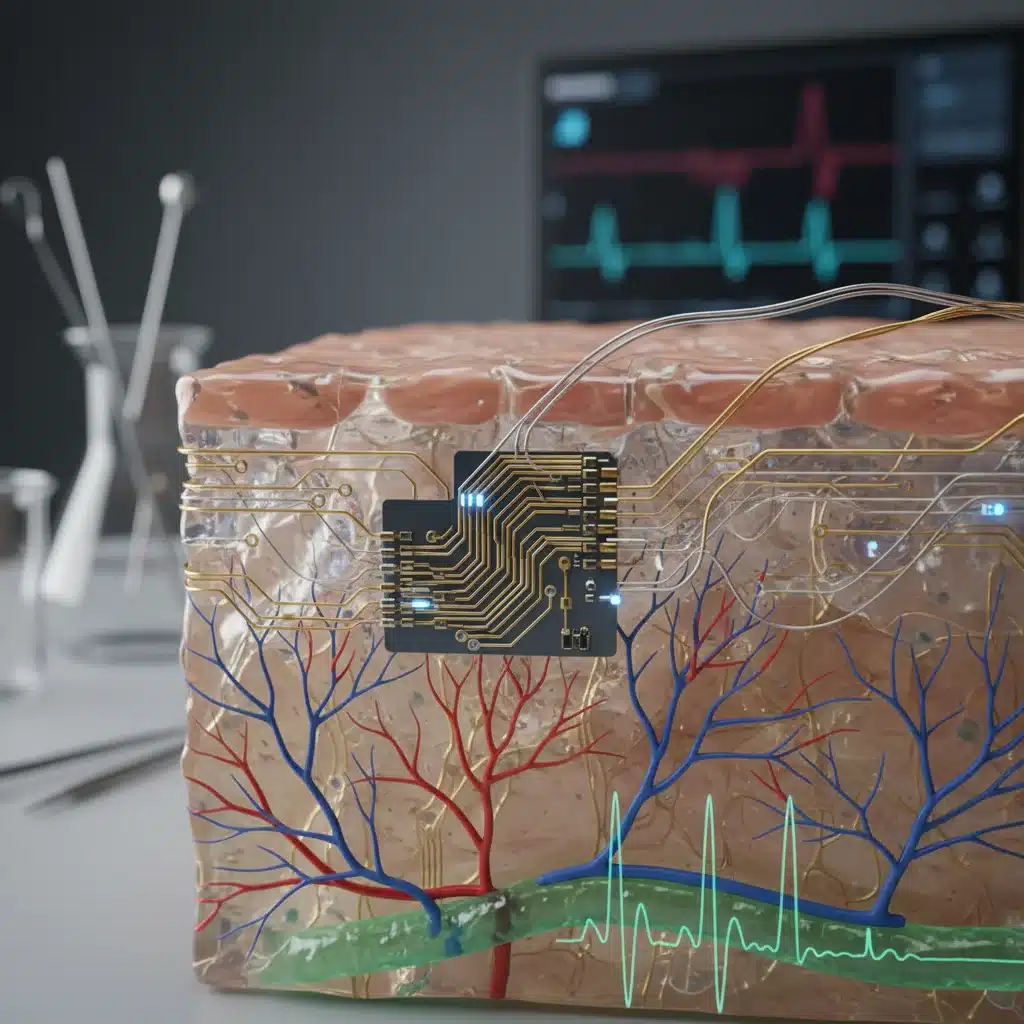
- Innovation: CellForm Therapeutics designs and manufactures custom bio-scaffolds that precisely mimic the extracellular matrix of human tissues. These scaffolds are integrated with bioreactors and perfusion systems that actively guide cell growth, differentiation, and vascularization, leading to functional tissue and organ constructs for transplantation or drug testing. Their 3D bioprinting technology is seamlessly integrated with cellular cultivation systems.
- Market Potential: Immense. Addressing organ shortages, developing personalized regenerative therapies, and creating more accurate models for drug discovery. The market for regenerative medicine is projected to explode, and CellForm’s ability to create complex, functional tissues positions them at the forefront. Their technology has the potential to drastically reduce the need for animal testing and provide viable alternatives for organ transplantation.
- Competitive Edge: Proprietary bio-ink formulations and advanced bioprinting techniques that allow for multi-material, multi-cellular constructs with high fidelity and biological functionality.
5. AgriGenius Solutions: Precision Agriculture Bio-Integration
- Focus: Enhancing agricultural productivity and sustainability through bio-integrated systems.
- Innovation: AgriGenius Solutions offers a suite of bio-integrated platforms for precision agriculture. This includes soil-integrated bio-sensors that monitor nutrient levels and pathogen presence, genetically optimized microbes that enhance plant nutrient uptake and disease resistance, and AI-driven systems that integrate all data for real-time crop management and predictive yield analysis.
- Market Potential: Very High. Essential for feeding a growing global population sustainably. Farmers, agricultural cooperatives, and food corporations are investing heavily in technologies that improve efficiency, reduce resource consumption, and increase crop resilience. AgriGenius’s comprehensive approach, integrating biological and digital solutions, offers a compelling value proposition.
- Competitive Edge: A holistic platform that combines advanced microbial engineering with robust sensor technology and sophisticated data analytics, offering end-to-end solutions for modern farming.
Challenges and Opportunities in the Bio-Integrated Technologies Landscape
While the potential of bio-integrated technologies is undeniable, these startups also face significant challenges:
- Regulatory Hurdles: The novel nature of these technologies often means navigating complex and evolving regulatory frameworks, especially in healthcare and environmental sectors.
- Ethical Considerations: Bio-integrated technologies, particularly those involving genetic modification or human augmentation, raise important ethical questions that require careful consideration and public discourse.
- Interdisciplinary Talent Gap: The need for expertise across biology, engineering, and computer science means a constant struggle to find and retain top talent.
- Scaling Production: Moving from laboratory prototypes to large-scale, cost-effective commercial production can be a major bottleneck, particularly for biologically derived components.
- Funding and Investment: While investment is high, the long development cycles and high capital requirements for some bio-integrated solutions can still be a challenge for early-stage startups.
Despite these hurdles, the opportunities are immense. The ability to solve some of humanity’s most pressing problems—disease, climate change, food security—drives innovation and attracts significant capital. Furthermore, advancements in AI and automation are accelerating discovery and development, making the integration of biological and artificial systems more feasible and efficient.
The Role of AI and Data Analytics
The success of many bio-integrated technologies in 2026 is inextricably linked to advancements in artificial intelligence and data analytics. AI plays a crucial role in:
- Design and Discovery: AI algorithms can rapidly sift through vast biological datasets to identify optimal genetic sequences, protein structures, or material compositions for bio-integrated systems.
- Optimization and Control: Machine learning models are used to optimize the performance of bio-integrated devices, from fine-tuning neural interface algorithms to controlling bioreactor conditions for maximum yield.
- Predictive Modeling: In environmental monitoring or precision agriculture, AI analyzes sensor data to predict outbreaks, optimize resource allocation, or forecast environmental changes.
- Personalization: In healthcare, AI helps tailor bio-integrated therapies and devices to individual patient needs, leading to more effective and personalized treatments.
The seamless integration of biological data with computational intelligence is a defining characteristic of the bio-integrated technology landscape in 2026, enabling these startups to innovate at an unprecedented pace and achieve levels of precision and control previously unimaginable.
Future Outlook and Investment Trends
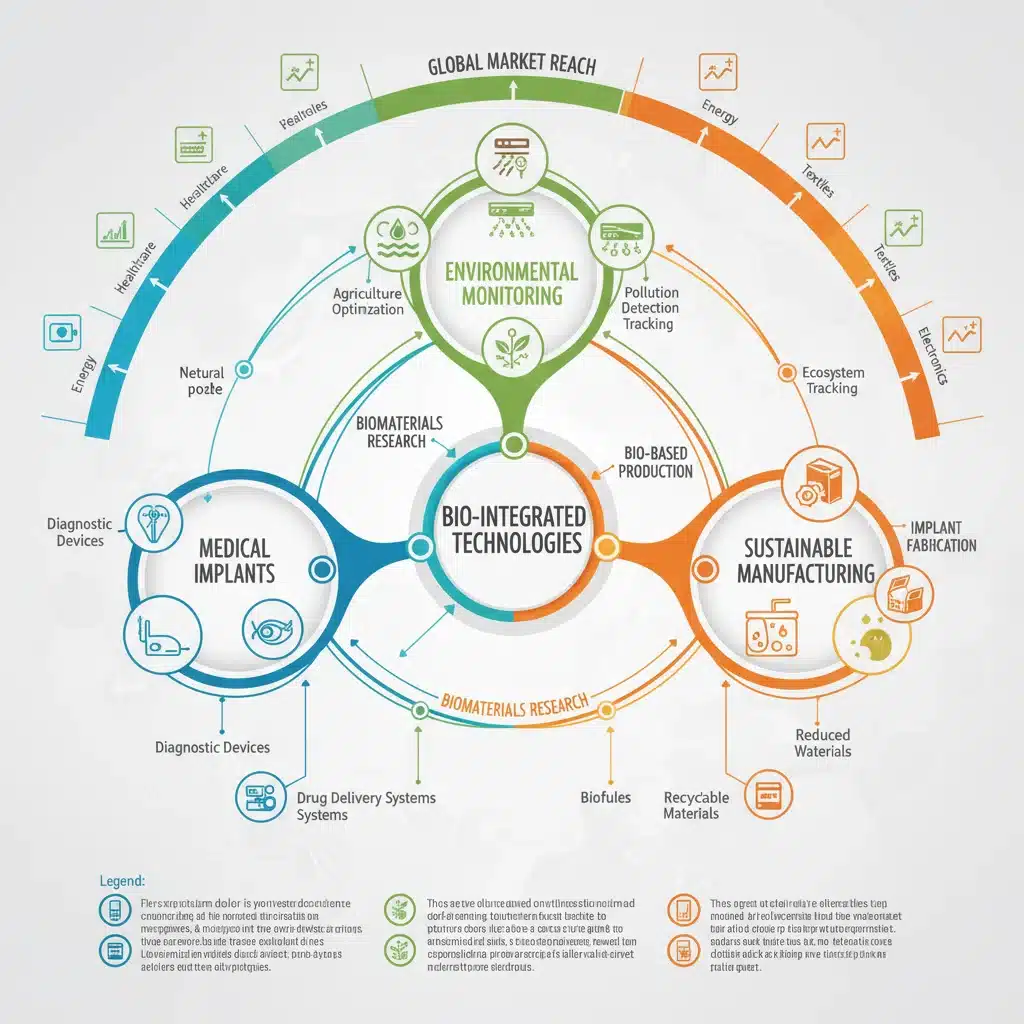
Looking ahead, the market for bio-integrated technologies is poised for continued explosive growth. Investment trends in 2026 show a strong appetite for:
- Deep Tech Ventures: Investors are increasingly funding companies tackling complex scientific and engineering challenges with long-term, high-impact potential.
- Platform Technologies: Startups developing foundational bio-integrated platforms that can be applied across multiple sectors are particularly attractive.
- Scalable Solutions: A focus on technologies that can transition from lab to commercial scale efficiently and cost-effectively.
- Ethical and Sustainable Impact: Companies demonstrating a clear path to positive societal and environmental impact are gaining favor with impact investors and ESG-conscious funds.
The convergence of biotechnology, nanotechnology, AI, and advanced materials science is creating fertile ground for innovation. We can expect to see further integration of these disciplines, leading to even more sophisticated and autonomous bio-integrated systems. The blurring lines between human, machine, and environment will continue, ushering in an era of unprecedented possibilities and profound ethical considerations.
The U.S. will likely maintain its leadership position, fueled by robust venture capital, world-class research institutions, and a culture that embraces disruptive innovation. However, global competition is intensifying, particularly from Europe and Asia, which are also investing heavily in their bio-integrated technology ecosystems. This global race will undoubtedly accelerate the pace of discovery and commercialization, bringing transformative solutions to market faster than ever before.
Conclusion: A Bio-Integrated Future
The year 2026 stands as a testament to the remarkable progress in bio-integrated technologies. U.S. startups are at the vanguard of this revolution, transforming industries and improving lives through their groundbreaking work. From enhancing human capabilities with advanced BCIs to safeguarding our planet with sophisticated environmental sensors and revolutionizing manufacturing with sustainable bio-materials, the impact of these innovations is profound and far-reaching.
While challenges remain, the ingenuity and perseverance of these pioneering companies, coupled with significant investment and rapid technological advancements, paint a promising picture for the future. The seamless integration of biological and engineered systems is not just a technological trend; it’s a fundamental shift in how we interact with the world, promising a future where technology is inherently more sustainable, personalized, and attuned to the intricacies of life itself. As we move further into the 21st century, bio-integrated technologies will undoubtedly continue to reshape our world in ways we are only just beginning to imagine.