Genomic Innovations 2026: Personalized Medicine’s Breakthroughs in US Healthcare

Personalized Medicine’s 2026 Breakthroughs: 4 Genomic Innovations Offering Practical Solutions for U.S. Healthcare – Recent Updates
The landscape of healthcare is in a constant state of evolution, driven by relentless scientific discovery and technological advancement. At the forefront of this transformation is personalized medicine, a revolutionary approach that tailors medical treatment to each individual’s unique genetic makeup, environment, and lifestyle. As we approach 2026, the promise of personalized medicine is not just a distant dream but a tangible reality, largely fueled by groundbreaking genomic innovations. These advancements are not merely theoretical; they are delivering practical, impactful solutions that are reshaping U.S. healthcare, offering unprecedented opportunities for more effective prevention, diagnosis, and treatment of diseases.
The journey towards truly personalized healthcare is complex, involving intricate biological insights, sophisticated data analytics, and the integration of these into clinical practice. However, the progress in genomics has been nothing short of astonishing. From rapid and affordable DNA sequencing to advanced computational biology, we are now equipped with tools that allow us to understand the human body at an unprecedented level of detail. This deep understanding is the bedrock upon which personalized medicine is built, enabling healthcare providers to move away from a ‘one-size-fits-all’ approach to a more precise, patient-centric model.
This article delves into the four most significant genomic innovations 2026 is poised to witness, exploring how they are translating into practical solutions for the U.S. healthcare system. We will examine their current impact, future potential, and the challenges that remain in their widespread adoption. Our focus is not just on the science, but on the tangible benefits these innovations bring to patients, clinicians, and the broader healthcare infrastructure.
1. Advanced Genomic Sequencing: Beyond the Basic Blueprint
The ability to sequence an individual’s entire genome rapidly and affordably has been a cornerstone of personalized medicine. However, the genomic innovations 2026 will bring are pushing beyond basic sequencing to provide a more comprehensive and dynamic view of our genetic blueprint. We’re moving from static snapshots to living, breathing genetic profiles.
Long-Read Sequencing and Optical Mapping
Traditional short-read sequencing, while revolutionary, often struggles with highly repetitive regions of the genome and structural variants. Long-read sequencing technologies, such as Pacific Biosciences (PacBio) and Oxford Nanopore Technologies, are overcoming these limitations by reading much longer stretches of DNA. This provides a more complete and accurate assembly of the genome, revealing complex structural variations (e.g., inversions, translocations, large deletions or duplications) that are often implicated in diseases like cancer, neurological disorders, and rare genetic conditions. Optical mapping, another complementary technique, provides a high-resolution, genome-wide view of structural variations, offering a physical map of the genome that can be integrated with sequencing data for an even more robust analysis.
Practical Solutions for U.S. Healthcare:
- Improved Diagnosis of Rare Diseases: Many rare genetic diseases are caused by complex structural variants that are missed by short-read sequencing. Long-read sequencing significantly improves diagnostic yield for these conditions, leading to earlier intervention and better patient outcomes.
- Enhanced Cancer Treatment Strategies: Understanding the full spectrum of genomic alterations, including structural rearrangements, in cancer cells can guide more precise targeted therapies and identify resistance mechanisms to existing treatments. This leads to more effective and personalized oncology care.
- Pharmacogenomics with Higher Precision: By providing a more complete picture of an individual’s genetic variations, long-read sequencing can enhance pharmacogenomic predictions, allowing for more accurate drug dosing and selection, thereby minimizing adverse drug reactions and maximizing therapeutic efficacy.
Single-Cell Genomics
Our bodies are not homogeneous; they are composed of diverse cell types, each with its own unique genetic and epigenetic landscape. Single-cell genomics allows scientists to analyze the DNA, RNA, and even proteins of individual cells, rather than averaging across millions of cells in a tissue sample. This provides an unprecedented resolution, revealing cellular heterogeneity that is crucial for understanding disease progression, drug response, and developmental biology.
Practical Solutions for U.S. Healthcare:
- Unraveling Tumor Heterogeneity: Cancer tumors are often composed of multiple distinct cell populations, some of which may be resistant to therapy. Single-cell genomics helps identify these resistant clones, enabling the development of more effective combination therapies and preventing relapse.
- Understanding Neurological Disorders: Diseases like Alzheimer’s and Parkinson’s involve specific neuronal populations. Single-cell genomics can pinpoint affected cell types and pathways, leading to novel therapeutic targets.
- Advancing Regenerative Medicine: By characterizing the genetic profiles of individual stem cells, researchers can better understand their differentiation pathways, paving the way for more precise and effective cell therapies.
The integration of these advanced sequencing technologies promises to provide a much richer and more actionable genomic profile for each patient, moving personalized medicine from a concept to a pervasive reality in clinical settings.
2. AI-Powered Genomic Data Analysis and Interpretation
The sheer volume and complexity of genomic data generated by advanced sequencing technologies present a significant challenge. This is where Artificial Intelligence (AI) and Machine Learning (ML) are proving to be indispensable genomic innovations 2026 will increasingly rely upon. AI is not just a tool; it’s a transformative force that can extract meaningful insights from vast datasets, accelerating discovery and improving clinical decision-making.
Machine Learning for Variant Prioritization and Pathogenicity Prediction
When a human genome is sequenced, millions of genetic variants are identified. The challenge lies in distinguishing benign variations from those that are disease-causing. AI algorithms, trained on large datasets of known genetic variations and their associated phenotypes, can rapidly prioritize variants of interest and predict their pathogenicity with high accuracy. This significantly reduces the manual effort required for interpretation and accelerates the diagnostic process.
Practical Solutions for U.S. Healthcare:
- Faster and More Accurate Diagnoses: For patients with suspected genetic disorders, AI-powered analysis can drastically cut down the time to diagnosis, leading to earlier treatment and better outcomes.
- Personalized Risk Assessment: AI can integrate genomic data with clinical information, lifestyle factors, and family history to provide more accurate individualized risk assessments for common diseases like heart disease, diabetes, and certain cancers.
- Drug Repurposing and Discovery: By analyzing vast genomic and proteomic datasets, AI can identify existing drugs that might be effective for new indications (drug repurposing) or pinpoint novel drug targets, accelerating pharmaceutical development.
Natural Language Processing (NLP) for Clinical Integration
Genomic data, while powerful, often needs to be integrated with clinical information stored in electronic health records (EHRs), which are largely composed of unstructured text. NLP algorithms can extract relevant clinical information from physician notes, pathology reports, and other free-text fields within EHRs. This allows for a more holistic view of the patient, combining their genetic predispositions with their clinical presentation and treatment history.
Practical Solutions for U.S. Healthcare:
- Enhanced Clinical Decision Support: By linking genomic findings with real-world clinical data, AI-powered systems can provide clinicians with actionable insights and recommendations for personalized treatment plans.
- Improved Cohort Identification for Clinical Trials: NLP can help identify patients who meet specific genomic and clinical criteria for participation in targeted clinical trials, accelerating the development of new therapies.
- Automated Phenotype-Genotype Correlation: NLP can assist in automatically identifying correlations between patient symptoms (phenotypes) and specific genetic variations (genotypes), aiding in the discovery of new disease genes and pathways.
3. CRISPR-Based Gene Editing for Therapeutic Applications
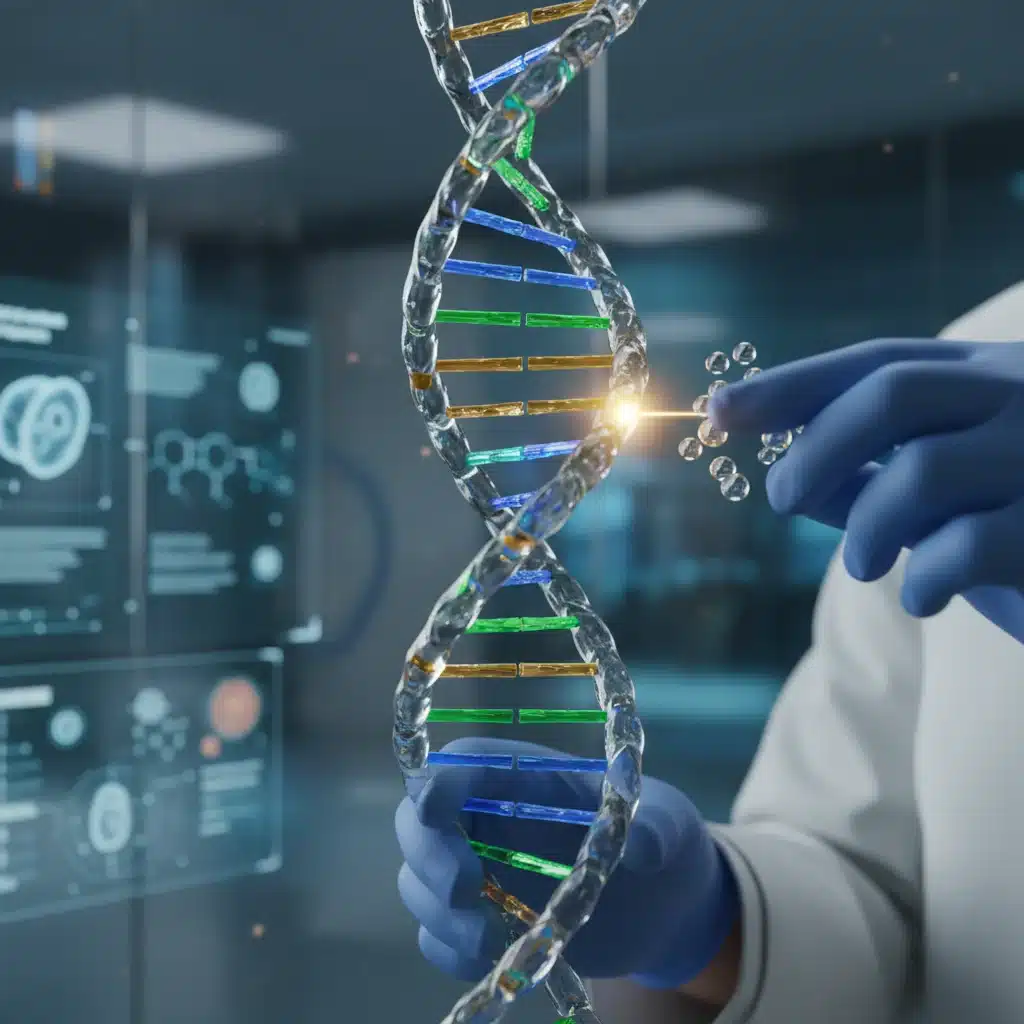
CRISPR-Cas9, and its evolving variants, represent one of the most transformative genomic innovations 2026 will see move closer to widespread clinical application. This revolutionary gene-editing technology allows for precise modifications to DNA, offering the potential to correct genetic mutations that cause disease. While still in its early stages of clinical translation, the speed and accuracy of CRISPR have opened up unprecedented avenues for treating a wide range of genetic disorders.
In Vivo and Ex Vivo Gene Editing
CRISPR can be applied in two main ways for therapeutic purposes: ex vivo and in vivo. Ex vivo involves taking cells out of the body, editing their genes in a laboratory setting, and then reintroducing them into the patient. This approach is currently being explored for blood disorders like sickle cell anemia and beta-thalassemia, where hematopoietic stem cells can be edited. In vivo gene editing, on the other hand, involves delivering the CRISPR machinery directly into the patient’s body to edit genes within target cells. This approach holds immense promise for conditions affecting organs that are difficult to access with ex vivo methods, such as the liver, eyes, or brain.
Practical Solutions for U.S. Healthcare:
- Curing Monogenic Diseases: CRISPR offers the potential to provide one-time cures for a multitude of monogenic (single-gene) disorders, including cystic fibrosis, Huntington’s disease, and Duchenne muscular dystrophy, by correcting the underlying genetic defect.
- Enhanced Cancer Immunotherapy: CRISPR can be used to engineer T-cells (CAR T-cells) to more effectively recognize and destroy cancer cells, leading to more potent and targeted immunotherapies.
- Treating Viral Infections: Researchers are exploring CRISPR’s ability to target and eliminate viral DNA from infected cells, offering potential cures for chronic viral infections like HIV and Hepatitis B.
Base Editing and Prime Editing
While traditional CRISPR-Cas9 creates double-strand breaks in DNA, newer iterations like base editing and prime editing offer even more precise and safer gene modifications. Base editors can directly change one DNA base into another without creating a double-strand break, reducing the risk of unintended edits. Prime editing goes a step further, allowing for targeted insertions, deletions, and all 12 possible base-to-base changes. These advancements significantly expand the range of correctable genetic mutations and minimize off-target effects.
Practical Solutions for U.S. Healthcare:
- Wider Range of Treatable Mutations: The enhanced precision of base and prime editing allows for the correction of a broader spectrum of disease-causing mutations that were previously challenging to address with standard CRISPR.
- Reduced Off-Target Effects: The minimized collateral damage to the genome makes these newer editing technologies safer for therapeutic applications, increasing their clinical viability.
- Development of Personalized Gene Therapies: As these technologies mature, it may become feasible to design highly personalized gene therapies for individual patients based on their specific mutations.
The ethical considerations and regulatory pathways for gene editing therapies are still evolving, but the scientific progress positions CRISPR as a leading contender for transformative genomic innovations 2026 and beyond.
4. Multi-Omics Integration for Holistic Patient Profiles
Genomics, while foundational, is just one piece of the complex biological puzzle. To truly achieve personalized medicine, we need to integrate data from multiple ‘omics’ layers – including genomics, transcriptomics (RNA), proteomics (proteins), metabolomics (metabolites), and microbiomics (microbiota). This multi-omics approach provides a holistic and dynamic view of an individual’s health, moving beyond static genetic predispositions to real-time biological activity.
Integrated Data Platforms and Analytical Tools
The challenge of multi-omics lies in integrating and analyzing disparate datasets, each with its own unique characteristics and scale. Genomic innovations 2026 will see the rise of sophisticated computational platforms and analytical tools specifically designed to handle this complexity. These platforms use advanced statistical models and AI algorithms to identify correlations, pathways, and biomarkers across different omics layers, revealing insights that would be missed by analyzing each layer in isolation.
Practical Solutions for U.S. Healthcare:
- Comprehensive Disease Profiling: Multi-omics can provide a much deeper understanding of disease mechanisms, identifying not just genetic predispositions but also the active biological processes involved in disease onset and progression. This is particularly powerful for complex diseases like autoimmune disorders, neurodegenerative diseases, and metabolic syndromes.
- Biomarker Discovery for Early Detection: By integrating omics data, researchers can discover novel biomarkers for early disease detection, even before symptoms appear. This enables proactive intervention and significantly improves treatment outcomes.
- Predictive Modeling for Treatment Response: Multi-omics data can be used to build highly accurate predictive models that forecast how an individual patient will respond to different therapies, allowing clinicians to select the most effective treatment from the outset.
Translational Omics for Clinical Application
The ultimate goal of multi-omics integration is to translate these complex biological insights into actionable clinical tools. This involves developing standardized protocols for data collection, robust analytical pipelines, and user-friendly interfaces that allow clinicians to interpret and apply multi-omics findings in their daily practice. The focus is on moving from raw data to clinically relevant reports and decision support systems.
Practical Solutions for U.S. Healthcare:
- Personalized Wellness and Prevention Programs: By combining genomic risk factors with real-time metabolomic and microbiomic data, individuals can receive highly personalized recommendations for diet, exercise, and lifestyle interventions to prevent disease.
- Dynamic Disease Monitoring: Multi-omics can enable continuous monitoring of disease activity and treatment response, allowing for timely adjustments to therapy and improved patient management.
- Precision Nutrition: Understanding an individual’s unique genetic makeup, gut microbiome, and metabolic profile can lead to highly customized nutritional recommendations that optimize health and prevent diet-related diseases.
The integration of multi-omics data represents a paradigm shift, moving personalized medicine from a genetic snapshot to a dynamic, comprehensive biological profile that can inform every aspect of healthcare.
Challenges and Future Outlook for Genomic Innovations in U.S. Healthcare
While the potential of these genomic innovations 2026 holds is immense, several challenges must be addressed for their widespread and equitable adoption in U.S. healthcare.
Data Security and Privacy
Genomic data is highly sensitive and personal. Ensuring robust data security and privacy measures is paramount to building public trust and preventing misuse of genetic information. Strict regulatory frameworks and advanced cybersecurity protocols are essential.
Ethical and Societal Implications
The ability to predict disease risk and edit genes raises profound ethical questions. Issues such as genetic discrimination, informed consent, and equitable access to these advanced technologies need careful consideration and public discourse. Policies must be developed to ensure that these innovations benefit all segments of society, not just a privileged few.
Reimbursement and Affordability
The cost of genomic testing and personalized therapies, while decreasing, can still be substantial. Ensuring that these life-changing interventions are affordable and covered by insurance is crucial for their integration into mainstream healthcare. Value-based care models may play a significant role in demonstrating the long-term cost-effectiveness of personalized medicine.
Clinician Education and Integration into Workflow
Healthcare providers need to be adequately trained to understand, interpret, and apply genomic information in their clinical practice. Integrating complex genomic data into existing electronic health record systems and clinical workflows requires significant investment in infrastructure and ongoing education.
Regulatory Pathways
The rapid pace of innovation in genomics often outstrips the development of regulatory frameworks. Clear and efficient pathways for the approval of new genomic tests and therapies are necessary to ensure patient safety while fostering innovation.
Conclusion: The Dawn of a New Era in Healthcare
As we look towards 2026, the convergence of advanced genomic technologies, powerful AI, and sophisticated data integration is ushering in a new era of personalized medicine. The four genomic innovations 2026 discussed – advanced genomic sequencing, AI-powered interpretation, CRISPR-based gene editing, and multi-omics integration – are not just scientific curiosities; they are practical solutions poised to revolutionize disease prevention, diagnosis, and treatment in the U.S. healthcare system.
While challenges remain in terms of ethics, accessibility, and integration, the trajectory is clear: healthcare is becoming increasingly precise, proactive, and patient-centric. The ability to understand and manipulate our genetic blueprint is empowering clinicians with unprecedented tools to deliver truly individualized care, leading to better outcomes, reduced healthcare costs in the long run, and a healthier future for all. The journey is ongoing, but the foundation for a truly personalized healthcare system is being robustly laid, promising a future where medicine is as unique as each individual it serves.