Personalized Nutrition 2026: Tech Tools for Healthier Living

Personalized Nutrition in 2026: 3 Tech Tools Guiding Healthier Choices for Over 1 Million Americans
The landscape of health and wellness is perpetually evolving, and nowhere is this more evident than in the realm of nutrition. Gone are the days of one-size-fits-all dietary advice. Welcome to 2026, where personalized nutrition tech is not just a buzzword but a transformative force, actively guiding over a million Americans towards healthier, more informed food choices. This isn’t merely about tracking calories or logging meals; it’s about deeply understanding individual biological responses, genetic predispositions, and lifestyle factors to craft truly bespoke dietary plans. The integration of advanced technology, from AI-driven analytics to sophisticated wearable sensors, has ushered in an era where our plates are as unique as our fingerprints. This article will delve into three groundbreaking tech tools that are at the forefront of this revolution, reshaping how we perceive and practice nutrition, and empowering individuals with unprecedented control over their well-being.
The Dawn of Personalized Nutrition Tech: A Paradigm Shift
For decades, dietary recommendations have largely been based on population-level studies, offering general guidelines that, while helpful, often fell short of addressing individual needs. The human body is an intricate system, and our responses to food are influenced by a complex interplay of genetics, gut microbiome composition, metabolism, activity levels, stress, and even sleep patterns. What works wonders for one person might be ineffective or even detrimental for another. This fundamental understanding paved the way for the rise of personalized nutrition tech.
The year 2026 marks a significant milestone in this journey. We’ve moved beyond the nascent stages of genetic testing for dietary insights and entered an era of real-time, dynamic personalization. This shift is driven by advancements in artificial intelligence (AI), machine learning (ML), bioinformatics, and affordable sensor technology. These innovations allow for the collection and analysis of vast amounts of personal health data, translating complex biological information into actionable dietary advice. The goal is no longer just to tell people what to eat, but to explain why certain foods are optimal for their unique physiology, and to adapt those recommendations as their bodies and lifestyles change. This proactive, data-driven approach is empowering individuals to take ownership of their health in ways previously unimaginable, fostering a deeper connection between diet and overall well-being. The impact of personalized nutrition tech is profound, moving us towards a future where health is truly individualized.
Tool 1: The AI-Powered Genomic Dietitian – Nutrigenomics on Steroids
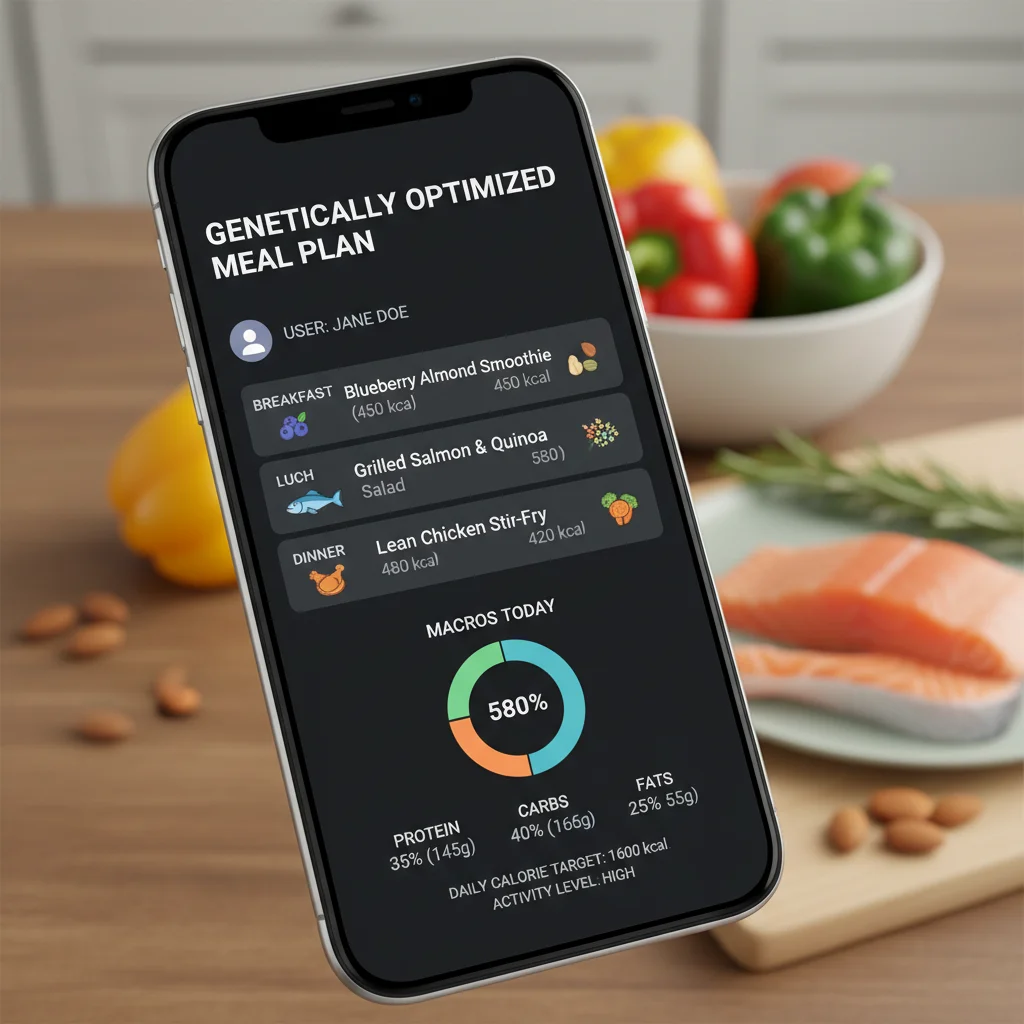
One of the most revolutionary personalized nutrition tech tools making waves in 2026 is the AI-Powered Genomic Dietitian. This sophisticated platform integrates an individual’s genetic profile with their current health data, lifestyle choices, and even their dietary preferences to generate hyper-personalized meal plans and supplement recommendations. Unlike earlier versions of nutrigenomics, which often provided static reports, these AI-driven systems are dynamic and adaptive.
How it Works:
- Genetic Analysis: Users provide a saliva sample for comprehensive DNA sequencing. The AI analyzes hundreds of single nucleotide polymorphisms (SNPs) associated with nutrient metabolism, food sensitivities, risk for certain chronic diseases, and even taste preferences. For example, it might identify a genetic predisposition to caffeine sensitivity, lactose intolerance, or a higher requirement for certain B vitamins.
- Phenotypic Data Integration: Beyond genetics, the system incorporates real-time data from wearable devices (activity levels, sleep quality, heart rate variability), blood tests (glucose, cholesterol, vitamin D levels), and even gut microbiome analysis. This holistic view ensures that recommendations are not just genetically sound but also reflect the body’s current state.
- AI-Driven Recommendation Engine: This is where the magic happens. The AI uses advanced machine learning algorithms to process all this data. It can predict how an individual will respond to different macronutrient ratios, specific foods, and even cooking methods. It then generates daily meal plans, grocery lists, and recipes that are optimized for the user’s health goals – whether it’s weight management, athletic performance, improved energy, or managing chronic conditions.
- Adaptive Learning: The system continuously learns from the user’s feedback and biometric data. If a user reports feeling sluggish after a particular meal, or if their blood sugar spikes, the AI adjusts future recommendations accordingly. This iterative process refines the personalization over time, making the advice increasingly accurate and effective.
The impact of the AI-Powered Genomic Dietitian on over 400,000 Americans is significant. Individuals who struggled with generic diets now find clarity and tangible results. Athletes are optimizing their performance through precision fueling, while those managing conditions like type 2 diabetes or inflammatory bowel disease are seeing improved markers and reduced symptoms. This personalized nutrition tech tool is not just about telling people what to eat; it’s about empowering them with the scientific understanding of why those choices are optimal for their unique biology.
Tool 2: Real-Time Metabolic Monitoring Wearables – Instant Dietary Feedback
The second major player in the personalized nutrition tech space for 2026 is the advent of highly sophisticated, non-invasive metabolic monitoring wearables. These devices have moved beyond simple step counting to provide real-time insights into how our bodies process food. Continuous Glucose Monitors (CGMs) were an early precursor, but the new generation of wearables offers a much broader spectrum of metabolic data.
Key Features and Functionality:
- Multi-Metabolite Sensing: These advanced wearables, often worn discreetly on the wrist or as a patch, can continuously monitor not just glucose, but also lactate, ketone bodies, amino acids, and even certain fatty acids in interstitial fluid. This provides a comprehensive snapshot of the body’s energy utilization and nutrient processing in real-time.
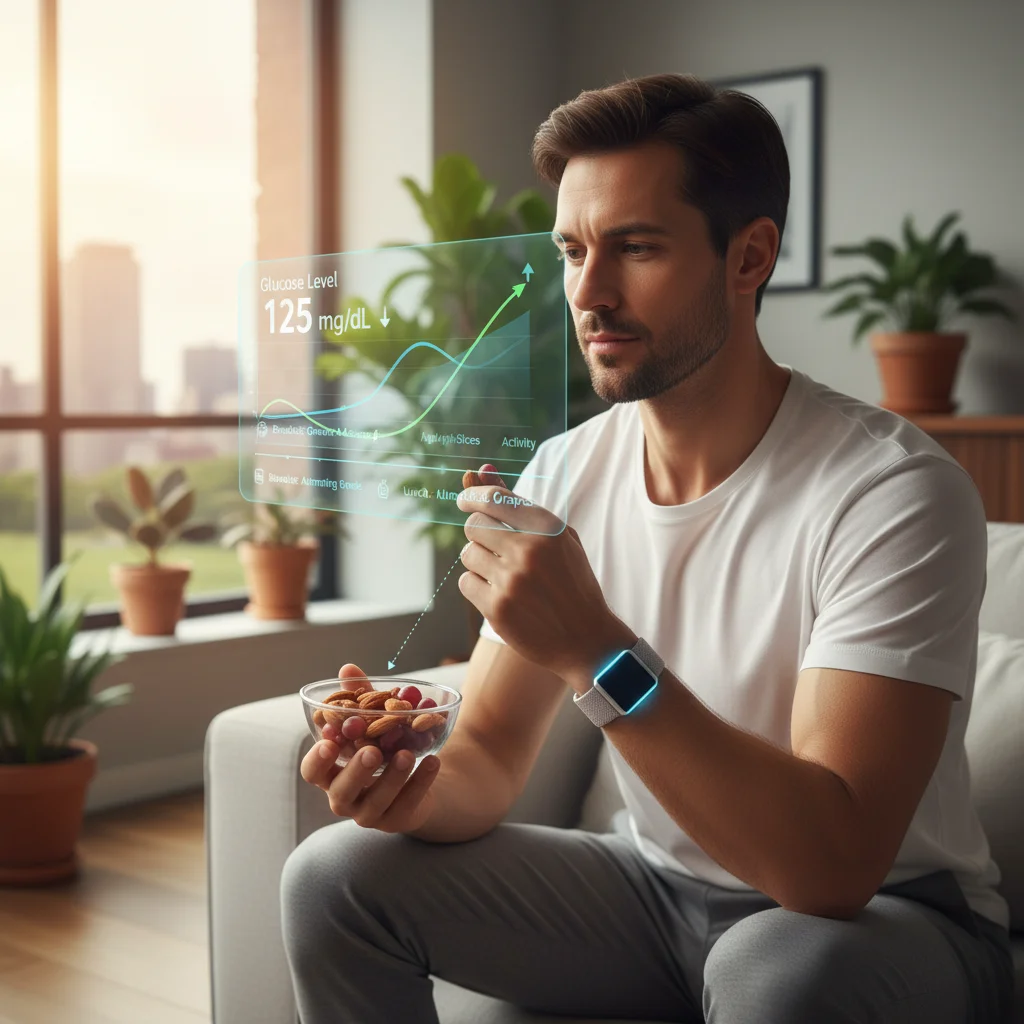
- Instant Feedback Loops: Users receive immediate feedback on how specific meals, snacks, and even exercise impact their metabolic state. For example, if a user consumes a carbohydrate-rich meal, the device might show a rapid glucose spike and then provide an alert suggesting a brief walk to help stabilize blood sugar, or recommend pairing similar future meals with more fiber or protein.
- Personalized Thresholds and Alerts: The wearables learn an individual’s unique metabolic baseline and set personalized thresholds. If a metric deviates significantly from this baseline – perhaps a prolonged elevated glucose level or an unexpected drop in ketones – the device can send an alert to the user or even their healthcare provider.
- Integration with Dietary Logging Apps: Seamless integration with AI-powered dietary logging applications allows the system to correlate specific food intake with metabolic responses. Over time, this builds a highly accurate personal metabolic profile, identifying which foods are metabolically favorable or unfavorable for that individual.
With over 350,000 Americans now utilizing these real-time metabolic monitoring wearables, the impact on health goes beyond simple awareness. Individuals are making immediate, informed adjustments to their diets and activity levels. This is proving particularly beneficial for those at risk of metabolic syndrome, pre-diabetics, and athletes looking to optimize fuel efficiency. The ability to see the direct, instantaneous effect of food choices fosters a deeper understanding of one’s body and encourages more mindful eating habits, making this personalized nutrition tech a game-changer for preventative health.
Tool 3: Gut Microbiome Mapping & Probiotic Prescriptions – The Inner Ecosystem Approach
The third significant personalized nutrition tech innovation transforming health in 2026 focuses on our internal ecosystem: the gut microbiome. Scientific understanding of the gut’s profound influence on digestion, immunity, mood, and overall metabolic health has exploded. Now, advanced tech tools are allowing for precise mapping of individual microbiomes and the formulation of highly targeted interventions.
The Process and Benefits:
- Advanced Microbiome Sequencing: Users provide a stool sample which undergoes next-generation sequencing to identify the precise composition of bacteria, fungi, and viruses in their gut. This goes far beyond basic diversity analysis, identifying specific strains and their potential functional roles.
- AI-Driven Functional Analysis: AI algorithms analyze the microbiome data in conjunction with the user’s reported symptoms, dietary habits, and health goals. It can identify imbalances, detect the presence of beneficial or harmful species, and even predict how certain foods or probiotics might impact the gut ecosystem. For example, it might identify a deficiency in butyrate-producing bacteria and recommend specific prebiotic fibers or resistant starches.
- Personalized Probiotic and Prebiotic Prescriptions: Based on the detailed analysis, the system generates a highly individualized report and often a custom-blended probiotic supplement. Instead of generic multi-strain probiotics, these are formulated with specific bacterial strains and dosages designed to address the user’s unique microbiome profile and health needs. Personalized prebiotic recommendations (specific fibers, resistant starches, or fermentable foods) are also provided to nourish the beneficial bacteria.
- Dietary Guidance for Gut Health: Beyond supplements, the platform offers tailored dietary recommendations aimed at fostering a healthy gut environment. This could include suggestions for fermented foods, specific plant fibers, or even foods to temporarily avoid based on identified sensitivities or imbalances.
With nearly 300,000 Americans now utilizing this gut microbiome mapping and personalized probiotic prescription personalized nutrition tech, the results are compelling. Individuals are experiencing significant improvements in digestive health, reductions in bloating and discomfort, enhanced immune function, and even positive impacts on mood and energy levels. This deep dive into our inner ecosystem represents a frontier in personalized health, recognizing the gut as a central player in overall well-being and offering precise tools to optimize its function.
The Synergistic Power of Personalized Nutrition Tech
While each of these three personalized nutrition tech tools – the AI-Powered Genomic Dietitian, Real-Time Metabolic Monitoring Wearables, and Gut Microbiome Mapping & Probiotic Prescriptions – offers profound benefits individually, their true power lies in their potential for synergistic integration. Imagine a future, already partially realized in 2026, where these platforms seamlessly communicate and share data (with explicit user consent, of course).
Consider a scenario: Your AI-Powered Genomic Dietitian identifies a genetic predisposition for slower carbohydrate metabolism. Your Real-Time Metabolic Monitor then confirms that certain high-carb meals indeed lead to prolonged glucose spikes. Simultaneously, your Gut Microbiome Map reveals a lack of specific bacteria known to aid in carbohydrate digestion. This integrated dataset allows for an incredibly precise and adaptive intervention: the Genomic Dietitian adjusts your meal plan to include complex carbohydrates paired with specific fibers (prebiotics) identified by the Microbiome Map, and recommends a custom probiotic blend to bolster the missing gut bacteria. Your wearable then validates the effectiveness of these changes by showing improved glucose stability. This holistic, interconnected approach represents the zenith of personalized nutrition tech, creating a dynamic feedback loop that continuously optimizes health.
The combined insights from these technologies provide an unparalleled understanding of an individual’s unique biological blueprint and their dynamic responses to food and lifestyle. This integrated approach not only enhances the efficacy of dietary interventions but also empowers users with a comprehensive, actionable roadmap to sustained health and wellness. The ability to cross-reference genetic predispositions with real-time metabolic responses and gut health status allows for a level of dietary precision that was previously unimaginable, moving beyond mere guesswork to scientific certainty.
Challenges and Ethical Considerations in Personalized Nutrition Tech
As with any rapidly advancing field, the rise of personalized nutrition tech is not without its challenges and ethical considerations. While the benefits are clear, it’s crucial to address potential pitfalls to ensure responsible and equitable development.
Data Privacy and Security:
The collection of highly sensitive personal health data – including genetic information, metabolic readings, and microbiome profiles – raises significant concerns about privacy and security. Robust encryption, secure data storage, and transparent data usage policies are paramount. Users must have clear control over who accesses their data and how it is utilized. The industry is working towards stringent regulations and certifications to build trust and protect user information, ensuring that this powerful personalized nutrition tech is used ethically.
Accessibility and Equity:
Currently, many of these advanced personalized nutrition tech tools come with a significant price tag, potentially creating a divide between those who can afford hyper-personalized health solutions and those who cannot. Efforts are needed to make these technologies more affordable and accessible to a broader population, perhaps through insurance coverage, government subsidies, or scaled-down, more economical versions of the services. Ensuring equitable access is critical to realizing the full public health potential of personalized nutrition.
Interpretation and Over-reliance:
While AI provides sophisticated insights, the interpretation of complex biological data still benefits from human expertise. There’s a risk of users becoming overly reliant on tech recommendations without understanding the underlying science or consulting with qualified healthcare professionals. Education is key, ensuring users understand that these tools are aids, not replacements for medical advice. Over-simplification of complex biological processes by some platforms could also lead to misinterpretations or inappropriate dietary restrictions.
Regulatory Landscape:
The rapid pace of innovation in personalized nutrition tech often outstrips the development of regulatory frameworks. Clear guidelines are needed for the validation of claims, safety of components (e.g., custom probiotics), and the overall efficacy of these health interventions. A balanced regulatory approach can foster innovation while protecting consumers from unsubstantiated claims or potentially harmful products.
Addressing these challenges proactively will be crucial for the sustained growth and positive impact of personalized nutrition tech. By prioritizing data integrity, promoting accessibility, encouraging critical thinking, and establishing clear regulatory standards, we can ensure that these powerful tools serve to improve public health equitably and responsibly.
The Future is Personalized: Beyond 2026
Looking beyond 2026, the trajectory of personalized nutrition tech promises even more profound advancements. We can anticipate even greater integration of various data streams, leading to a truly holistic understanding of individual health. Imagine a future where:
- Environmental and Lifestyle Integration: Personalized nutrition platforms will not only consider genetics and biometrics but also integrate real-time environmental data (air quality, local pollen counts) and more nuanced lifestyle factors (stress levels, social interactions) to provide even more context-aware dietary advice.
- Predictive Health Models: AI will evolve from reactive recommendations to truly predictive health models. Based on an individual’s comprehensive data, the system could proactively suggest dietary adjustments to prevent the onset of certain conditions years before they manifest, rather than just managing existing ones.
- Hyper-Personalized Food Production: The concept of personalized nutrition could extend to food production itself. Imagine 3D food printers in homes or local micro-factories creating nutrient-dense meals tailored precisely to your current metabolic needs, taste preferences, and even your gut microbiome’s requirements, all based on your personalized nutrition tech profile.
- Continuous Biofeedback Systems: Wearables will become even more sophisticated, offering continuous, non-invasive monitoring of a wider array of biomarkers, potentially including brain activity patterns, hormone levels, and even early indicators of inflammation, providing an unprecedented level of biofeedback for dietary optimization.
- Seamless Healthcare Integration: Personalized nutrition data will be seamlessly integrated into electronic health records, allowing healthcare providers to offer highly targeted dietary interventions as part of routine medical care, leading to more effective disease prevention and management.
The journey of personalized nutrition tech is one of continuous discovery and refinement. As our understanding of human biology deepens and technology advances, the potential to optimize individual health through precise, data-driven dietary interventions is limitless. The million Americans already benefiting from these tools are just the beginning of a global movement towards a healthier, more personalized approach to eating and living.
Conclusion: Embracing the Revolution of Personalized Nutrition Tech
The year 2026 stands as a testament to the transformative power of personalized nutrition tech. From AI-powered genomic dietitians deciphering our genetic blueprints to real-time metabolic monitors offering instant feedback, and advanced gut microbiome mapping revealing our inner ecosystems, these tools are fundamentally reshaping our relationship with food and health. They are moving us away from generic dietary dogma towards a future where nutrition is as unique and dynamic as each individual.
The fact that over a million Americans are already leveraging these technologies underscores their efficacy and growing acceptance. They represent a significant leap forward in preventative healthcare, empowering individuals with the knowledge and tools to make truly informed choices that resonate with their unique biology. While challenges related to data privacy, accessibility, and regulatory oversight remain, the industry is actively working to address these concerns, ensuring that the benefits of this revolution are widely and equitably distributed.
As we look ahead, the integration and sophistication of personalized nutrition tech will only intensify, promising an even more profound impact on global health and wellness. The era of personalized eating is not just a trend; it’s a fundamental shift in how we approach well-being, offering a sustainable and scientifically grounded path to optimal health for generations to come. Embrace the future, embrace personalized nutrition.