The Cultural Evolution of American Food: 3 Major Trends Shaping Dining Habits in 2026
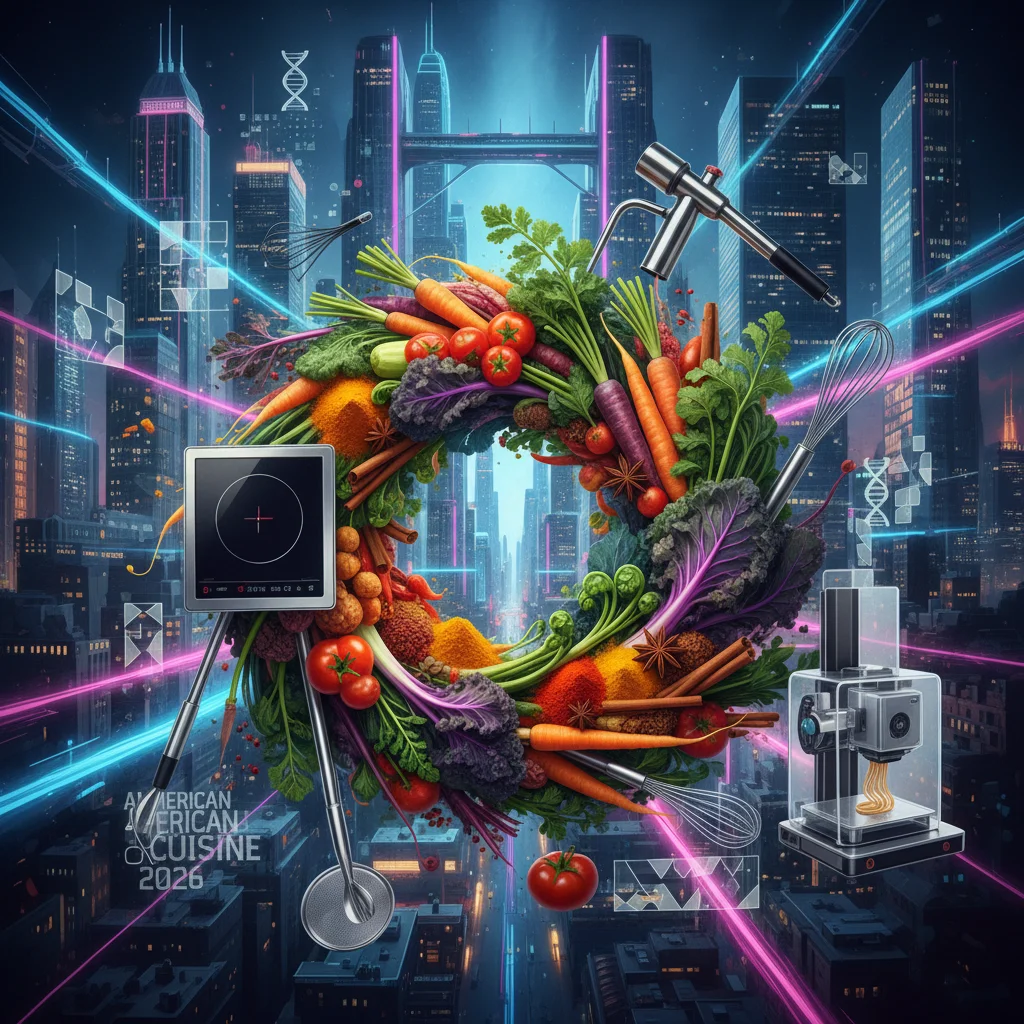
The culinary landscape of America is a dynamic, ever-evolving tapestry, constantly reweaving itself with new flavors, ethical considerations, and innovative approaches to dining. As we gaze forward to 2026, it’s clear that several powerful forces are at play, fundamentally reshaping what Americans eat, how they prepare it, and even their philosophical approach to food. These aren’t just fleeting fads; they represent deep-seated shifts in consumer values, technological advancements, and a broader understanding of health and environmental impact. Understanding these American Food Trends is crucial for anyone interested in the future of gastronomy, from restaurateurs and food producers to home cooks and curious eaters.
Historically, American food has been a melting pot, absorbing influences from every corner of the globe. From classic European techniques to vibrant Asian spices and hearty Latin American staples, the U.S. has always been a place where culinary traditions converge and transform. However, the pace of change is accelerating, driven by increased global interconnectedness, a heightened awareness of sustainability, and a growing demand for healthier, more ethically produced options. The three major American Food Trends we will explore – the plant-based revolution, the explosion of global culinary fusions, and the unwavering commitment to sustainable and ethical eating – are not isolated phenomena. Instead, they are interconnected threads in a larger narrative of cultural evolution, each influencing and reinforcing the others to create a truly transformative dining experience.
Prepare to delve into the heart of these culinary shifts, examining the drivers behind them, their current manifestations, and their projected impact on the American plate in 2026 and beyond. This comprehensive analysis will provide valuable insights into the future of food, highlighting how innovation, consciousness, and a boundless appetite for discovery are defining the next chapter of American gastronomy. Let’s embark on this flavorful journey to explore the most significant American Food Trends.
The Plant-Based Revolution: More Than Just a Dietary Choice
Perhaps no trend has captured the public imagination and reshaped the food industry quite like the plant-based revolution. What began as a niche dietary preference for vegetarians and vegans has blossomed into a mainstream movement, driven by a confluence of factors including health consciousness, environmental concerns, and ethical considerations regarding animal welfare. By 2026, plant-based eating will no longer be seen as an alternative but rather as a fundamental pillar of the American diet, influencing everything from fast food menus to fine dining establishments. This is one of the most impactful American Food Trends.
Health as a Primary Driver
For many, the shift towards plant-based diets is primarily motivated by health benefits. Research consistently links increased consumption of fruits, vegetables, legumes, and whole grains with a reduced risk of chronic diseases such as heart disease, type 2 diabetes, and certain cancers. Consumers are becoming increasingly educated about nutrition, seeking out foods that not only taste good but also contribute to their overall well-being. The perception of plant-based foods as ‘cleaner’ and ‘lighter’ continues to gain traction, fueling demand for innovative products that can satisfy cravings without compromising health goals. This focus on health is a significant factor in the sustained growth of this particular American Food Trends.
Environmental Imperatives
Beyond personal health, the environmental impact of food production is a growing concern for a significant portion of the population. Animal agriculture, particularly industrial-scale farming, is a major contributor to greenhouse gas emissions, deforestation, and water pollution. As climate change becomes a more pressing issue, consumers are actively seeking ways to reduce their carbon footprint, and dietary choices are an accessible and impactful avenue. Plant-based alternatives offer a compelling solution, requiring fewer resources and generating less environmental waste. This environmental consciousness is not just a passing phase; it’s a deeply ingrained value that will continue to drive the plant-based American Food Trends for years to come.
Ethical Considerations and Animal Welfare
For a substantial segment of the population, ethical concerns about animal welfare play a crucial role in their dietary decisions. The awareness of conditions in factory farms has spurred many to reduce or eliminate animal products from their diets. The rise of documentaries, social media activism, and transparent food sourcing information has brought these issues to the forefront, making consumers more mindful of the journey their food takes from farm to fork. This ethical awakening is a powerful force behind the plant-based American Food Trends, influencing purchasing decisions and fostering a demand for cruelty-free options.
Innovation in Plant-Based Products
The plant-based revolution wouldn’t be possible without relentless innovation in food science and culinary arts. Gone are the days when plant-based options were limited to bland tofu and basic salads. Today, the market is flooded with incredibly sophisticated meat alternatives that mimic the taste, texture, and even cooking properties of traditional meats. From lab-grown ‘meat’ to mushroom-based burgers, pea protein sausages, and oat milk everything, the options are diverse and ever-expanding. Dairy alternatives have also seen immense growth, with milks, cheeses, and yogurts made from nuts, oats, soy, and even potatoes gaining widespread acceptance. This constant innovation is key to the longevity and mainstream appeal of these particular American Food Trends.
By 2026, we can expect even more advanced plant-based ingredients, such as precision-fermented dairy proteins that are molecularly identical to their animal counterparts but produced without animals, and even more convincing whole-cut meat alternatives. These innovations will further blur the lines between plant-based and traditional foods, making it easier and more appealing for consumers to incorporate plant-forward choices into their daily lives. The accessibility and quality of these products are pivotal in solidifying the plant-based approach as one of the defining American Food Trends.

Global Culinary Fusions: A World on Your Plate
America has always been a land of immigrants, and with each wave of new arrivals comes a rich tapestry of culinary traditions. However, what we’re witnessing now is a deepening and broadening of this cultural exchange, moving beyond simple adoption to sophisticated fusion. By 2026, American dining will be characterized by an unprecedented level of global culinary fusion, where chefs and home cooks alike are fearlessly blending ingredients, techniques, and philosophies from disparate cultures to create entirely new and exciting flavor profiles. This is not merely about adding a dash of sriracha to a burger; it’s about thoughtful, respectful, and innovative integration that truly celebrates the diversity of global gastronomy. This is a crucial element among current American Food Trends.
Beyond Traditional Ethnic Cuisines
For decades, American diners have been accustomed to distinct ethnic restaurants – Italian, Mexican, Chinese, Indian, etc. While these remain popular, the new wave of global fusion transcends these boundaries. We’re seeing Korean-Mexican tacos, Japanese-Peruvian Nikkei cuisine, West African-Southern comfort food, and Middle Eastern-inspired American breakfasts. This trend reflects a more interconnected world, where travel, social media, and international communities facilitate a deeper understanding and appreciation of diverse food cultures. The blurring of these lines is a hallmark of evolving American Food Trends.
The Rise of ‘Authentic’ and ‘Exploratory’ Eating
Consumers are increasingly adventurous, seeking out authentic flavors and unique culinary experiences. This desire for exploration drives demand for lesser-known regional cuisines from around the world, moving beyond popular dishes to embrace ingredients and techniques that might have once been considered exotic. At the same time, chefs are taking these authentic elements and creatively reinterpreting them, making them accessible and appealing to a broader American palate. This balance between authenticity and innovation is a delicate dance, but it’s one that defines this particular set of American Food Trends.
Ingredient Globalization and Accessibility
The increasing availability of international ingredients plays a significant role in fostering global fusion. Specialty grocery stores, online retailers, and even mainstream supermarkets now stock a wider array of spices, sauces, grains, and produce from across the globe. This accessibility empowers both professional chefs and home cooks to experiment with flavors and techniques that were once out of reach. From miso paste to gochujang, za’atar to sumac, these ingredients are becoming staples in American kitchens, facilitating the continuous evolution of American Food Trends.
Cultural Exchange and Storytelling Through Food
Food is a powerful vehicle for cultural exchange and storytelling. As global fusions become more prominent, there’s a greater appreciation for the narratives behind the dishes – the history, the people, and the traditions that shaped them. Chefs are increasingly becoming cultural ambassadors, sharing the origins of their ingredients and inspirations, thereby enriching the dining experience. This deeper connection to food’s roots, even in a fused context, adds another layer of meaning to these dynamic American Food Trends.
By 2026, expect to see even more intricate layering of flavors and unexpected combinations. The lines between what constitutes ‘American’ food will become even more fluid, reflecting the nation’s diverse population and its insatiable appetite for discovery. Restaurants will continue to push boundaries, offering menus that are truly global in scope, while home cooks will confidently experiment with ingredients and techniques from disparate culinary traditions, making global fusion a cornerstone of future American Food Trends.
Sustainable and Ethical Eating: A Conscientious Approach to Food
The third major trend shaping American dining habits in 2026 is the profound and growing commitment to sustainable and ethical eating. This encompasses a broad spectrum of considerations, from environmental impact and responsible sourcing to food waste reduction and fair labor practices. Consumers are no longer just asking ‘what’ they are eating, but ‘how’ it was produced, ‘where’ it came from, and ‘who’ was involved in bringing it to their plate. This holistic approach to food consumption is transforming the entire supply chain and influencing every aspect of the food industry. This is a pivotal aspect of the evolving American Food Trends.
Farm-to-Table, Local Sourcing, and Hyper-Seasonality
The farm-to-table movement, while not new, will continue to gain momentum, becoming a standard expectation rather than a niche offering. Consumers are increasingly prioritizing locally sourced ingredients, not only for their freshness and superior taste but also for their reduced carbon footprint and support for local economies. Hyper-seasonality – eating foods only when they are naturally in season in one’s region – will also see a resurgence, encouraging a deeper connection to the land and a reduction in energy-intensive transportation and storage. These practices are fundamental to sustainable American Food Trends.
Waste Reduction and Upcycling
Food waste is a monumental global problem, and American consumers and businesses are becoming more proactive in addressing it. From nose-to-tail and root-to-stem cooking philosophies in restaurants to home composting and innovative food preservation techniques, efforts to minimize waste are widespread. Upcycling, the practice of transforming food byproducts or ingredients that would otherwise be discarded into new, valuable food products, is also gaining traction. Examples include using spent grain from breweries to make flour or turning imperfect produce into gourmet sauces. This conscious effort to reduce waste is a defining characteristic of sustainable American Food Trends.
Transparency and Traceability
Consumers want to know the story behind their food. They demand transparency regarding sourcing, production methods, and ethical labor practices. Blockchain technology and advanced labeling systems are making it easier for consumers to trace their food from farm to fork, ensuring that it aligns with their values. Certifications for organic, fair trade, humanely raised, and environmentally friendly products will become even more important indicators for discerning shoppers. This transparency is vital for building trust and shaping responsible American Food Trends.
Regenerative Agriculture and Ethical Practices
Beyond simply sustainable, the concept of regenerative agriculture is gaining prominence. This approach focuses not just on minimizing harm but on actively improving ecosystem health, rebuilding soil organic matter, and restoring biodiversity. Consumers are increasingly seeking out products from farms that employ these practices, recognizing their long-term benefits for the planet. Ethical considerations also extend to fair wages for farmworkers, respectful animal treatment, and equitable supply chains. These deep-seated values are driving the evolution of ethical American Food Trends.
By 2026, sustainable and ethical eating will be less of a choice and more of an expectation. Restaurants will highlight their sourcing practices, grocery stores will feature clear labels detailing environmental and ethical credentials, and consumers will actively seek out brands that align with their values. This conscientious approach to food will drive innovation in packaging, production, and distribution, ensuring that the future of American dining is not only delicious but also responsible. This commitment to sustainability is a non-negotiable aspect of future American Food Trends.
Intersections and Synergies: How These Trends Converge
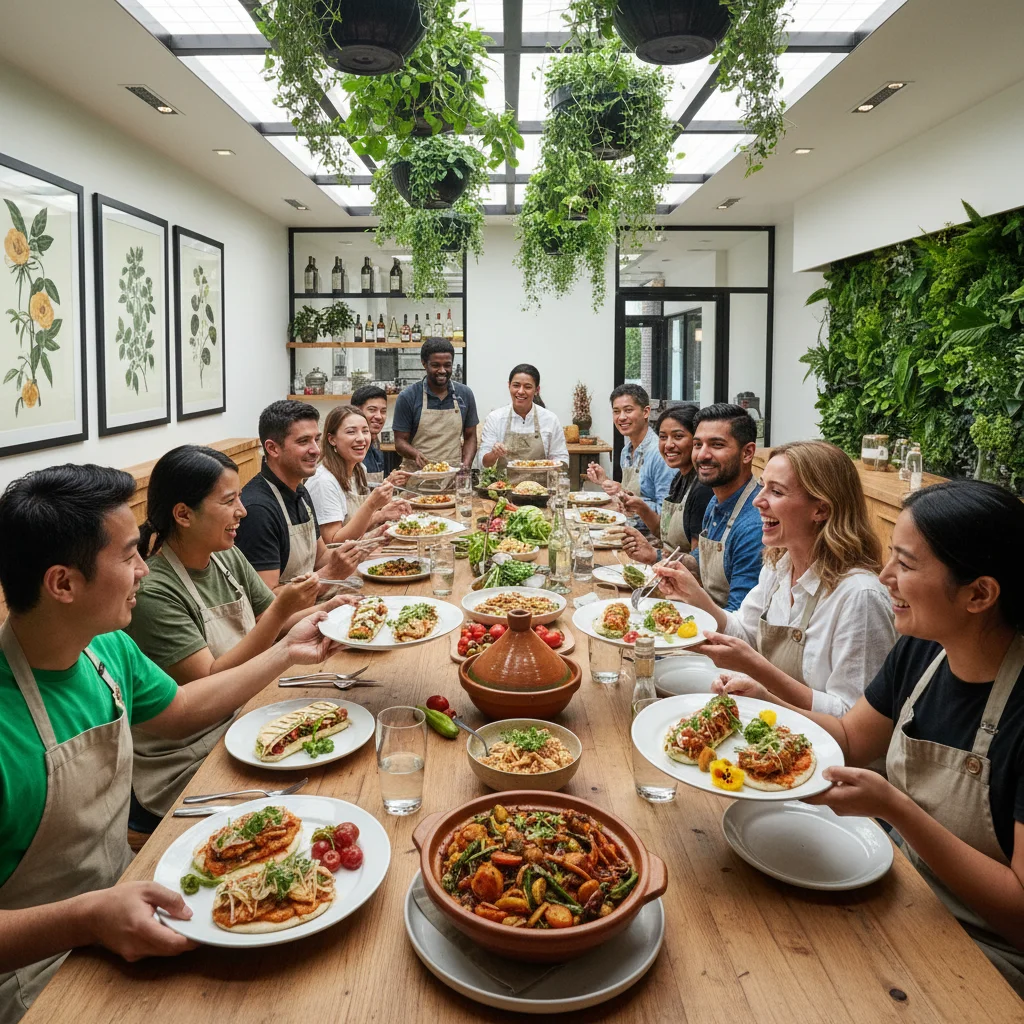
It’s important to recognize that these three major American Food Trends – the plant-based revolution, global culinary fusions, and sustainable/ethical eating – do not exist in isolation. In fact, they frequently intersect and reinforce one another, creating powerful synergies that accelerate their impact on the food landscape. For example, many plant-based dishes are inherently more sustainable, requiring fewer resources to produce. A restaurant focusing on global fusion might also prioritize locally sourced, seasonal ingredients to create a unique blend of flavors that is both adventurous and environmentally responsible. These interconnectedness is a defining feature of the dynamic American Food Trends.
Plant-Based Global Fusion
Consider the exciting convergence of plant-based eating and global fusion. As interest in plant-based diets grows, chefs are looking to diverse culinary traditions for inspiration. Many global cuisines, particularly from Asia, the Middle East, and parts of Africa, have rich histories of plant-centric cooking, offering a wealth of flavors, techniques, and ingredients that can be adapted for modern plant-based menus. Think of vibrant vegan curries, innovative jackfruit tacos, or plant-based dim sum. This fusion offers endless possibilities for delicious, healthy, and culturally rich plant-based meals, embodying the best of these American Food Trends.
Sustainable Global Sourcing
Similarly, the drive for sustainable eating doesn’t preclude global flavors. Instead, it encourages a more thoughtful approach to global sourcing. For instance, instead of relying on air-freighted exotic fruits, chefs might explore sustainable alternatives or focus on ingredients that can be responsibly sourced from closer regions. The emphasis shifts to fair trade practices for internationally sourced goods, ensuring that the pursuit of global flavors doesn’t come at the expense of ethical labor or environmental degradation. This mindful approach to sourcing is key to the longevity of these American Food Trends.
Ethical Plant-Based Choices
The ethical dimension of food also finds a strong connection with the plant-based movement. For many, choosing plant-based foods is a direct ethical statement against animal cruelty and the environmental impact of industrial animal agriculture. When combined with a focus on fair labor and transparent supply chains, plant-based choices become even more aligned with a broader ethical framework for consumption. This moral compass is increasingly guiding consumer choices within these American Food Trends.
The Future of American Dining: A Landscape of Conscious Choices
Looking ahead to 2026, the American dining landscape will be characterized by a profound shift towards more conscious, adventurous, and responsible eating. The days of simply consuming food without thought for its origins or impact are rapidly fading. Consumers are more informed, more empowered, and more willing to demand transparency and ethical practices from the food industry. These major American Food Trends are not just about what’s on the plate; they reflect deeper societal values.
Personalization and Customization
Alongside these macro trends, personalization will continue to be a significant factor. Dietary restrictions, allergies, and individual preferences will drive demand for customizable menus and products. The ability to tailor meals to specific health needs or ethical stances will be paramount, further integrating the plant-based and sustainable aspects into everyday choices. This individual focus complements the broader American Food Trends.
Technology’s Role in Food
Technology will play an increasingly vital role in supporting these trends. From AI-powered meal planning that optimizes for nutrition and sustainability to precision agriculture that reduces resource use, and advanced food processing techniques that create innovative plant-based alternatives, technology will be an enabler rather than a disruptor. Digital platforms will continue to connect consumers with local producers, facilitate food waste reduction programs, and provide transparent information about food origins. The integration of technology will further accelerate the adoption of these American Food Trends.
Education and Awareness
The continuous growth of these trends also relies heavily on education and awareness. As consumers learn more about the health benefits of plant-based diets, the cultural richness of global cuisines, and the environmental urgency of sustainable practices, their choices will continue to evolve. Food media, documentaries, social influencers, and educational initiatives will all contribute to a more informed populace, driving further adoption of these American Food Trends.
Conclusion: A Flavorful and Responsible Future
The cultural evolution of American food is a fascinating journey, and by 2026, we will be firmly entrenched in an era defined by three transformative American Food Trends: the plant-based revolution, the vibrant tapestry of global culinary fusions, and a steadfast commitment to sustainable and ethical eating. These aren’t isolated movements but rather interconnected forces shaping a more conscious, diverse, and delicious future for American dining.
From the innovative plant-based proteins that mimic meat to the adventurous blending of flavors from every continent, and the meticulous attention paid to how food is grown and brought to our tables, the American palate is becoming more sophisticated, more responsible, and more globally aware than ever before. For businesses in the food sector, understanding and adapting to these trends will be crucial for success. For consumers, it promises an exciting array of choices that are not only good for them but also good for the planet and its people. The future of American food is bright, flavorful, and profoundly conscientious, offering a culinary experience that truly reflects the evolving values of a diverse nation. Embrace these American Food Trends, and savor the future of food.