Wellness Tech Trends 2026: Innovations for Mental Clarity

The quest for mental clarity and well-being has never been more urgent. In a world characterized by constant digital bombardment and increasing stress, individuals are actively seeking effective solutions to enhance their cognitive function, emotional stability, and overall mental health. Enter the exciting realm of wellness tech trends. By 2026, these innovations are projected to significantly impact the lives of millions, with estimates suggesting that over 60% of US users will benefit from technologies designed to improve mental clarity. This comprehensive guide will explore the three most transformative wellness tech trends that are reshaping our approach to mental well-being, offering a deep dive into how they work, their benefits, and what the future holds.
The Dawn of a New Era: Understanding Wellness Tech Trends
For decades, mental health support primarily relied on traditional methods such as therapy, medication, and mindfulness practices. While invaluable, these approaches often faced barriers related to accessibility, stigma, and personalization. The emergence of technology has begun to dismantle these barriers, ushering in an era where mental clarity is more attainable than ever before. The current wellness tech trends are not just incremental improvements; they represent a paradigm shift, leveraging artificial intelligence, advanced sensors, and sophisticated algorithms to provide personalized, accessible, and highly effective tools for cognitive and emotional enhancement.
The term "mental clarity" encompasses a broad spectrum of cognitive attributes, including focus, concentration, emotional regulation, decision-making, and stress resilience. Achieving and maintaining mental clarity is crucial for productivity, personal relationships, and overall quality of life. The latest wellness tech trends are specifically engineered to target these areas, offering users unprecedented control and insight into their mental states. From smart wearables that monitor physiological markers of stress to AI-powered platforms that deliver personalized cognitive training, the innovations are diverse and rapidly evolving.
One of the driving forces behind the rapid adoption of these technologies is the increasing awareness of mental health issues and the desire for proactive solutions. The COVID-19 pandemic, in particular, highlighted the critical need for accessible mental health resources, accelerating the development and acceptance of digital wellness tools. As we look towards 2026, the integration of these technologies into our daily lives will become even more seamless, transforming how we perceive and manage our mental well-being. Understanding these wellness tech trends is not just about staying current; it’s about preparing for a future where mental clarity is a technologically supported reality.
Innovation 1: AI-Powered Personalized Mental Training Platforms
The Rise of Adaptive AI in Cognitive Enhancement
The first major innovation in wellness tech trends revolutionizing mental clarity is the advent of AI-powered personalized mental training platforms. These sophisticated systems go beyond generic meditation apps or brain-training games by utilizing artificial intelligence to understand an individual’s unique cognitive profile and tailor interventions accordingly. Imagine a personal mental coach that adapts its strategies in real-time, learning from your responses and progress to optimize your path to enhanced focus, reduced anxiety, and improved memory.
These platforms typically begin with an initial assessment, often involving cognitive tests and mood questionnaires, to establish a baseline of the user’s mental state and identify areas for improvement. The AI then uses this data, combined with ongoing user interactions, to generate a highly personalized curriculum. This could include guided meditations focusing on specific stressors, cognitive exercises designed to boost particular brain functions, or even AI-generated therapeutic conversations aimed at reframing negative thought patterns. The beauty of these wellness tech trends lies in their adaptability; the AI continuously learns and refines its recommendations, ensuring that the training remains challenging yet achievable, and most importantly, effective.
How AI Transforms Mental Well-being
The impact of AI on mental clarity is multifaceted. Firstly, it offers unparalleled personalization. Unlike one-size-fits-all approaches, AI platforms recognize that each individual’s mental landscape is unique. They can identify subtle patterns in user behavior, emotional responses, and cognitive performance that a human therapist might take longer to discern. This allows for interventions that are precisely targeted to the user’s needs, leading to faster and more sustainable improvements in mental clarity.
Secondly, AI provides instant feedback and progress tracking. Users can see their improvements over time, which serves as a powerful motivator. The platforms can quantify improvements in focus, reductions in stress markers, and enhancements in cognitive speed. This data-driven approach demystifies the process of mental training, making it feel more scientific and tangible. For example, an AI might detect that a user’s focus tends to wane in the afternoons and suggest a short, targeted meditation or a specific cognitive exercise to combat this dip, directly contributing to improved mental clarity throughout the day.
Finally, AI makes mental training more accessible and less stigmatizing. These platforms can be accessed anytime, anywhere, removing geographical and financial barriers that often hinder access to traditional mental health services. The discreet nature of interacting with an AI also reduces the stigma associated with seeking mental health support, encouraging more people to engage in proactive mental well-being practices. As these wellness tech trends continue to evolve, we can expect even more sophisticated AI models capable of predicting mental health challenges and offering preventative interventions, truly revolutionizing how we maintain mental clarity.
Innovation 2: Advanced Wearable Devices for Real-time Brainwave Monitoring and Biofeedback
The Power of Wearables in Understanding Our Brains
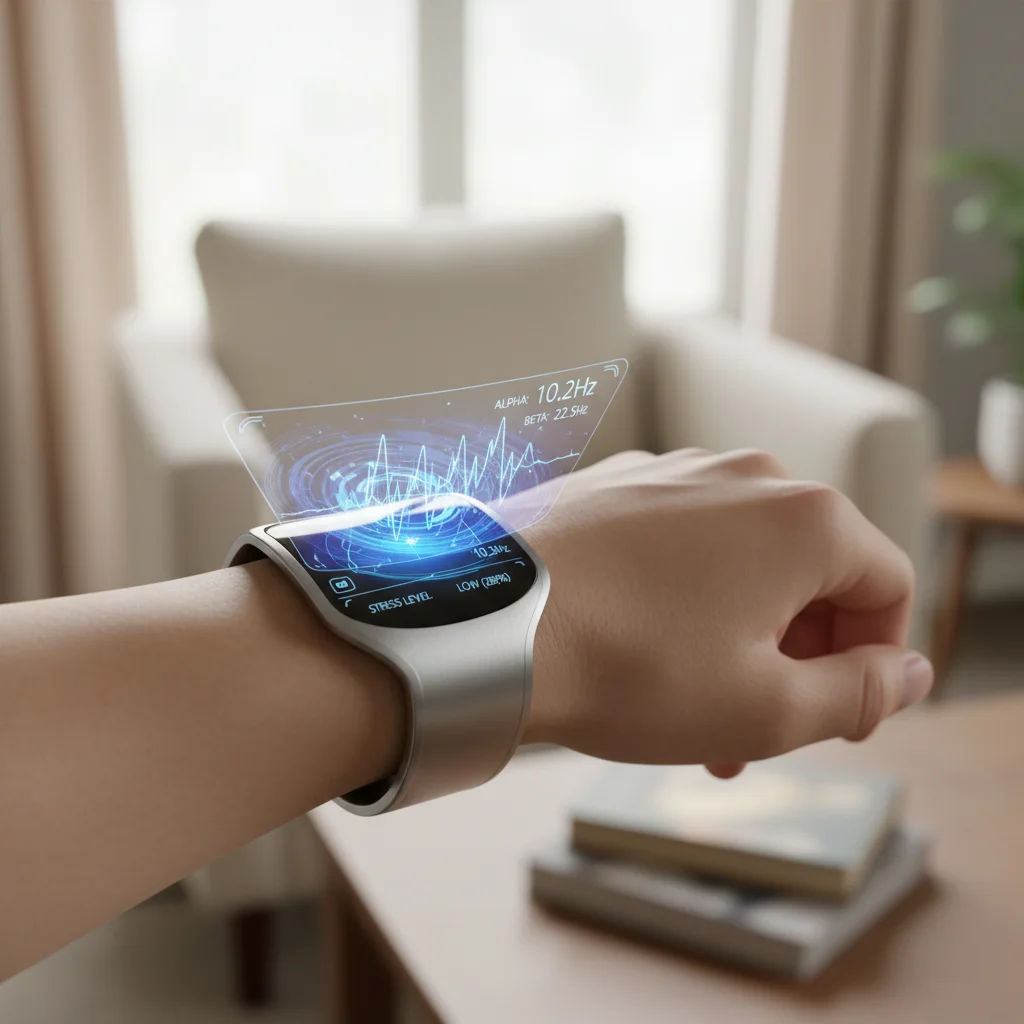
The second groundbreaking innovation among current wellness tech trends is the proliferation of advanced wearable devices capable of real-time brainwave monitoring and biofeedback. Beyond tracking heart rate and sleep patterns, these next-generation wearables are equipped with sophisticated sensors that can measure electroencephalography (EEG) signals, providing unprecedented insights into our brain activity. These devices, often in the form of headbands, smart glasses, or even discreet earbuds, are making neuroscientific data accessible to the everyday user, empowering them to actively manage their mental states.
The core principle behind these wearables is biofeedback – the process of gaining greater awareness of many physiological functions primarily using instruments that provide information on the activity of those same systems, with a goal of being able to manipulate them at will. By providing real-time feedback on brainwave patterns (e.g., alpha waves associated with relaxation, beta waves with active thinking, theta waves with drowsiness), users can learn to consciously influence their mental state. For instance, if a user is feeling overwhelmed, the device might detect an increase in high-frequency beta waves. It could then prompt them with an audio cue or a subtle vibration to engage in a calming exercise, helping them shift their brainwaves towards a more relaxed alpha state, thereby improving mental clarity.
Transforming Stress Management and Focus
The immediate and tangible benefits of these wearable wellness tech trends for mental clarity are profound. For individuals struggling with stress and anxiety, these devices offer a direct pathway to self-regulation. By visualizing their brain activity, users can identify triggers for stressful states and practice techniques to consciously alter their brain patterns. This hands-on approach to stress management is far more effective than traditional methods alone, as it provides immediate validation of their efforts.
Moreover, these wearables are invaluable tools for enhancing focus and concentration. Imagine being able to monitor your attention levels in real-time while working on a complex task. If your brainwaves indicate a drop in focus, the device could offer gentle prompts or guide you through a short mindfulness exercise to bring your attention back. This ability to continuously optimize cognitive performance is a game-changer for students, professionals, and anyone seeking to maximize their mental output. The data collected by these devices can also be integrated with AI platforms, creating an even more holistic and personalized approach to mental training, further solidifying their place in future wellness tech trends.
As the technology becomes more sophisticated and less intrusive, these wearables are expected to become as common as smartwatches, seamlessly integrating into our daily routines. They represent a powerful shift from reactive mental health care to proactive mental well-being management, empowering individuals with the tools to cultivate and maintain optimal mental clarity in any situation. The continuous evolution of these devices promises even greater insights and control over our cognitive landscapes, making them a cornerstone of the future of mental wellness.
Innovation 3: Neurofeedback and Brain-Computer Interfaces (BCIs) for Cognitive Enhancement
Demystifying Neurofeedback and BCIs
The third and perhaps most advanced of the current wellness tech trends for mental clarity involves the increasing accessibility and sophistication of neurofeedback and consumer-grade Brain-Computer Interfaces (BCIs). While traditionally confined to clinical settings, these technologies are now moving into the mainstream, offering unprecedented opportunities for direct cognitive enhancement and mental regulation. Neurofeedback is a type of biofeedback that uses real-time displays of brain activity—most commonly EEG—to teach self-regulation of brain function. BCIs take this a step further, allowing direct communication pathways between the brain and an external device.
The concept is simple yet powerful: by visualizing your brain activity on a screen, you can learn to modify it. For example, if you want to increase focus, a neurofeedback system might reward you with a positive visual or auditory cue when your brain produces more of the brainwave patterns associated with concentration (e.g., specific beta waves) and less of those associated with distraction (e.g., theta waves). Over time, your brain learns to produce the desired patterns more efficiently, leading to lasting improvements in mental clarity. These wellness tech trends are not about passively consuming content; they are about actively training your brain.
The Transformative Impact on Mental Clarity
The implications of neurofeedback and BCIs for mental clarity are profound. For individuals struggling with attention deficit disorders, anxiety, or even chronic stress, neurofeedback offers a non-pharmacological pathway to improved self-regulation. It helps individuals develop a deeper understanding of their own brain functioning and provides them with the tools to consciously shift their mental states. This can lead to significant improvements in focus, emotional stability, and overall cognitive performance.
Beyond therapeutic applications, these wellness tech trends are also being explored for peak performance enhancement. Athletes, executives, and creatives are beginning to use neurofeedback to optimize their mental state for maximum performance, whether it’s achieving a ‘flow state’ for enhanced creativity or maintaining calm under pressure. Imagine being able to fine-tune your brain to enter a state of deep concentration on demand, or to quickly recover from mental fatigue. This level of control over one’s cognitive processes was once the stuff of science fiction, but it is rapidly becoming a reality.
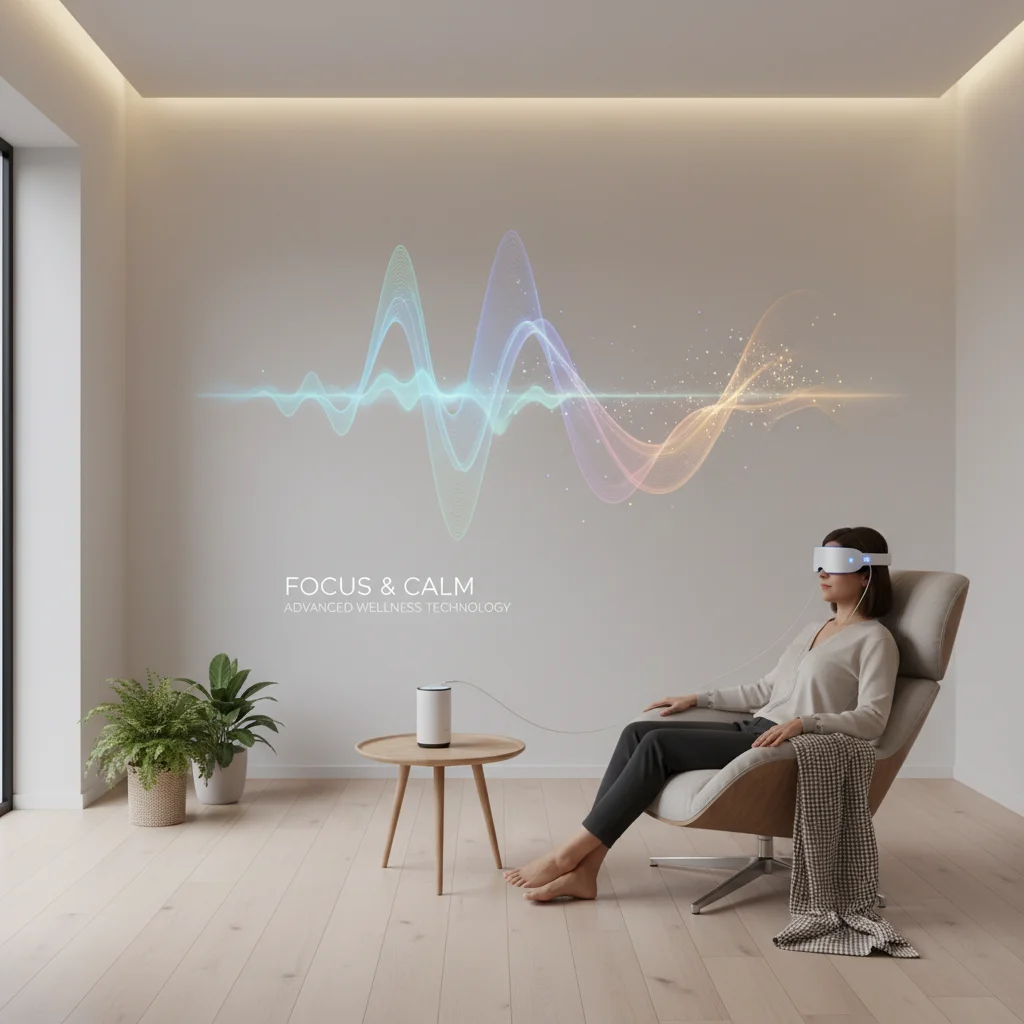
Consumer BCIs, while still in nascent stages for widespread mental clarity applications, hold immense potential. Future iterations could allow users to control smart home devices with their thoughts, or even integrate directly with AI platforms to receive highly personalized cognitive nudges based on real-time brain states. The ethical considerations and safety protocols for these advanced wellness tech trends are still being debated, but their potential to fundamentally alter our relationship with our own minds is undeniable. As these technologies mature, they will offer unprecedented avenues for achieving and sustaining optimal mental clarity.
The Broader Impact of Wellness Tech Trends on Society
Accessibility and Democratization of Mental Wellness
The collective impact of these wellness tech trends extends far beyond individual users; they are democratizing mental wellness. Historically, access to high-quality mental health resources has been limited by factors such as cost, geographical location, and societal stigma. Digital platforms, affordable wearables, and accessible neurofeedback tools are breaking down these barriers, making sophisticated mental training and support available to a much broader population. This increased accessibility is crucial for addressing the growing global mental health crisis and ensuring that more people can achieve mental clarity regardless of their socioeconomic status or location.
Furthermore, these technologies are fostering a culture of proactive mental health management. Instead of waiting for a crisis to seek help, individuals are increasingly adopting these tools for preventative care and continuous self-improvement. This shift towards proactive wellness is not only beneficial for individual well-being but also has broader societal implications, potentially leading to a more resilient, productive, and mentally healthy population. The integration of wellness tech trends into educational systems and workplaces could also redefine how we support cognitive well-being in these critical environments.
Ethical Considerations and Future Challenges
As with any rapidly advancing technology, the emergence of these wellness tech trends also brings important ethical considerations and challenges. Data privacy and security are paramount, especially when dealing with sensitive information about an individual’s mental state and brain activity. Robust regulations and transparent data handling practices will be essential to build and maintain user trust.
Another challenge lies in ensuring equitable access. While these technologies aim to democratize wellness, there is a risk that a digital divide could emerge, leaving certain populations behind. Efforts must be made to ensure that these beneficial tools are accessible and affordable for everyone. Moreover, the potential for over-reliance on technology for mental well-being must be carefully balanced with the importance of human connection and traditional therapeutic approaches. Technology should augment, not replace, these fundamental aspects of mental health.
The future development of these wellness tech trends will require ongoing research, interdisciplinary collaboration, and a commitment to ethical innovation. As we move towards 2026 and beyond, the conversation will undoubtedly shift from "can we do this?" to "how can we do this responsibly and beneficially for all?" Addressing these challenges proactively will be key to unlocking the full potential of wellness technology for mental clarity.
Integrating Wellness Tech into Daily Life for Optimal Mental Clarity
Practical Steps for Adopting New Technologies
For those eager to embrace these transformative wellness tech trends, integrating them into daily life can be a seamless process. The first step is to identify your specific mental clarity goals. Are you looking to reduce stress, improve focus, enhance sleep, or manage anxiety? Different technologies are optimized for different outcomes. Researching reputable platforms and devices that align with your needs is crucial. Many AI-powered apps offer free trials, allowing you to experience their benefits before committing.
Starting small and consistently is often the most effective approach. Begin with short, daily sessions, whether it’s a 10-minute AI-guided meditation or a brief neurofeedback exercise. Consistency builds habits and allows the technology to gather enough data to provide personalized insights. It’s also beneficial to combine these digital tools with traditional wellness practices like regular exercise, a balanced diet, and sufficient sleep, as technology works best as an augmentation to a healthy lifestyle.
Furthermore, staying informed about new developments in wellness tech trends can help you continuously optimize your approach. Follow reputable tech blogs, scientific publications, and wellness experts to keep abreast of the latest innovations. Engaging with user communities can also provide valuable tips and support. Remember, the goal is not to become dependent on technology, but to leverage it as a powerful ally in your journey towards sustained mental clarity and overall well-being.
The Future Landscape of Mental Wellness
Looking ahead to 2026 and beyond, the future of mental wellness will be inextricably linked to these evolving wellness tech trends. We can anticipate even greater integration of these technologies, perhaps leading to smart environments that adapt to our mental states, or highly sophisticated personalized digital therapists that offer comprehensive mental health support. The lines between physical and mental wellness will continue to blur, with holistic solutions addressing both aspects of human health.
The data generated by these devices will also play a crucial role in advancing our understanding of the human brain and mental health. This wealth of information, when aggregated and analyzed responsibly, could lead to breakthroughs in personalized medicine and preventative care, not just for mental clarity but for a wide range of neurological conditions. As these technologies mature, they will empower individuals with an unprecedented level of self-awareness and control over their mental well-being.
In conclusion, the wellness tech trends of AI-powered personalized mental training, advanced wearable devices for brainwave monitoring, and accessible neurofeedback/BCIs are not just fleeting fads. They represent a fundamental shift in how we approach and achieve mental clarity. By embracing these innovations thoughtfully and ethically, we are paving the way for a future where enhanced mental well-being is not a luxury, but an accessible reality for the majority of the population, significantly improving the quality of life for millions of US users and beyond.