The Evolving American Dream: A 2026 Analysis of Shifting Cultural Priorities and Aspirations
The concept of the American Dream has long been a cornerstone of national identity, a beacon of hope and opportunity that has drawn millions to its shores and inspired generations. Traditionally, it conjured images of a stable job, a suburban home with a white picket fence, 2.5 children, and upward mobility. However, as we navigate the complexities of 2026, it’s clear that this idyllic vision has undergone a profound transformation. The Evolving American Dream is no longer a monolithic ideal but a multifaceted tapestry woven from diverse aspirations, economic realities, and shifting cultural priorities. This article delves deep into this fascinating evolution, exploring how different generations perceive and pursue happiness, success, and fulfillment in contemporary America.
Redefining Success: Beyond Material Wealth
For decades, material accumulation was intrinsically linked to the American Dream. The bigger house, the fancier car, the latest gadgets – these were tangible markers of success. While financial stability remains a crucial component for many, the definition of ‘success’ has broadened considerably. Younger generations, in particular, are increasingly prioritizing experiences over possessions, and personal fulfillment over purely economic gains. The pursuit of a passion, a career that aligns with one’s values, or the freedom to travel and explore are now often deemed as equally, if not more, valuable than a hefty bank account.
This shift is partly a response to economic pressures. The rising cost of living, student loan debt, and a more competitive job market have made the traditional path to homeownership and financial security more challenging than ever before. Consequently, many are finding alternative routes to happiness, focusing on building rich lives outside of conventional economic benchmarks. Entrepreneurship, once seen as a risky endeavor, is now embraced as a path to autonomy and purpose, allowing individuals to craft their own definitions of success rather than adhering to pre-defined societal norms. The gig economy, despite its inherent challenges, offers a flexibility that resonates with those seeking control over their work-life balance, a key aspect of the Evolving American Dream.
The Digital Age and Global Connectivity: New Avenues for Aspiration
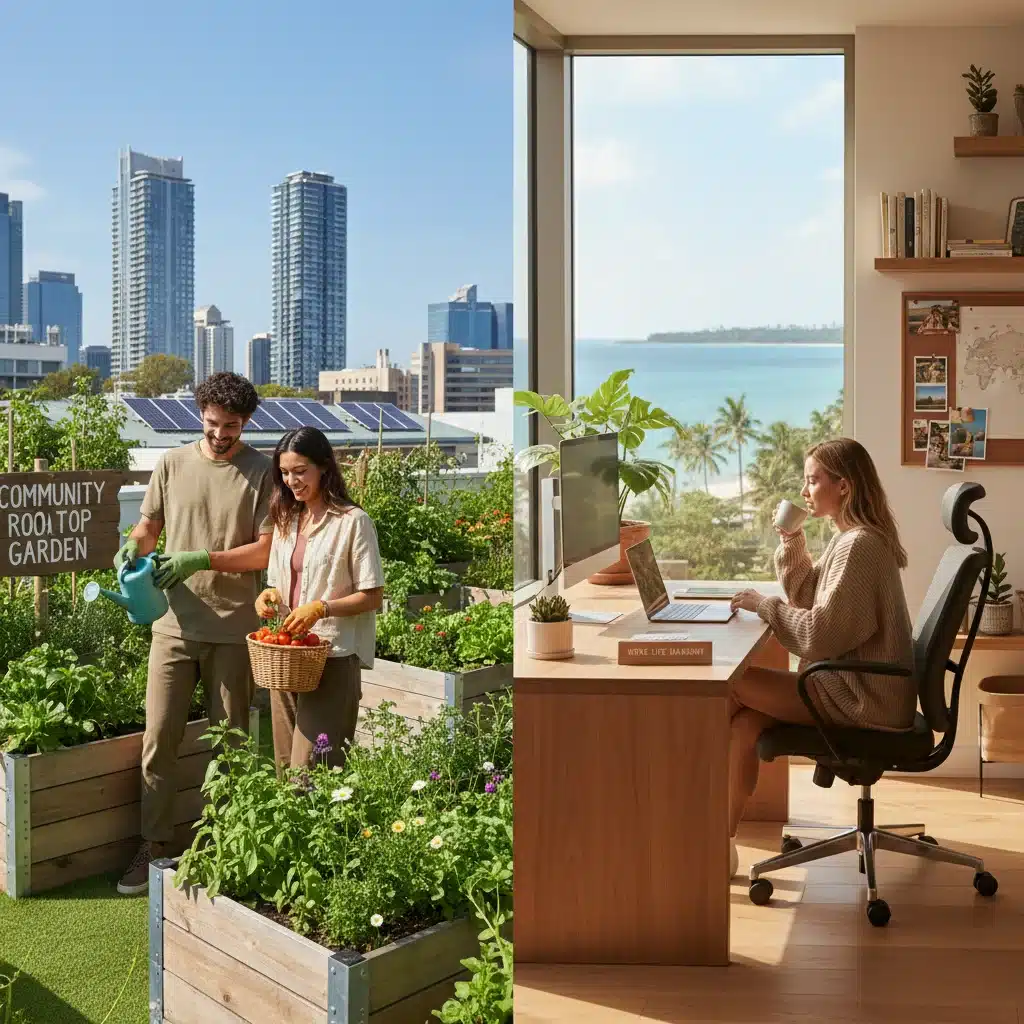
The rapid advancements in technology and the omnipresence of global connectivity have profoundly reshaped aspirations. The internet has democratized access to information, education, and opportunities, allowing individuals to pursue dreams that might have been impossible a generation ago. Remote work, for instance, has untethered many from geographical constraints, enabling them to live in more affordable areas, closer to family, or in environments that better suit their lifestyle. This flexibility is a significant component of the Evolving American Dream, offering a different kind of freedom than was previously imagined.
Furthermore, social media and digital platforms have fostered a sense of global citizenship and interconnectedness. Young Americans are often more aware of global issues and feel a greater responsibility to contribute to positive change, whether through advocacy, volunteering, or choosing careers with a social impact. This desire to make a difference, to contribute meaningfully to society beyond personal gain, is a powerful new dimension of the American Dream, moving beyond individualistic pursuits towards a more collective sense of well-being and progress. The ease of communication and collaboration across borders also means that aspirations are no longer confined to national boundaries, with many seeking international experiences and opportunities as part of their personal and professional growth.
Sustainability and Social Justice: Core Pillars of the Modern Dream
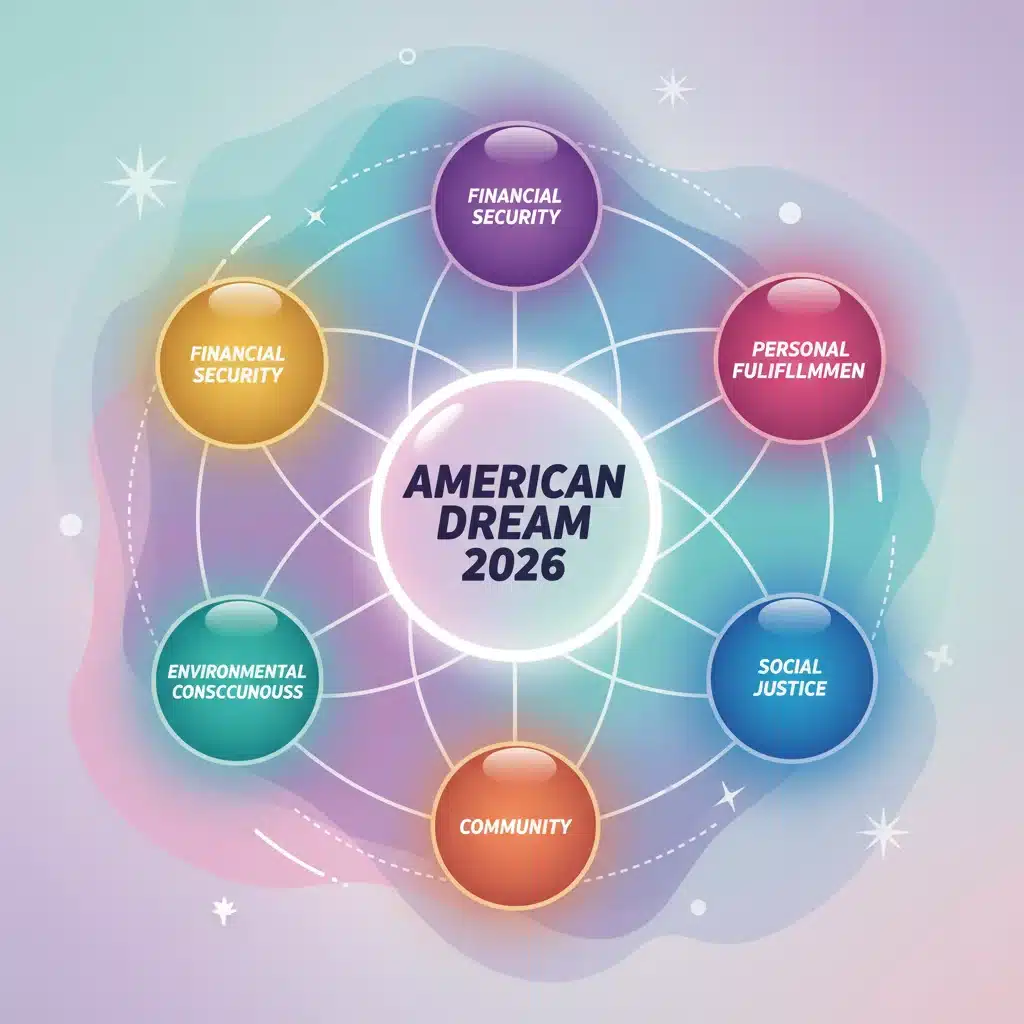
Perhaps one of the most significant shifts in cultural priorities is the heightened emphasis on sustainability and social justice. These are no longer fringe concerns but central tenets for a growing number of Americans, particularly among Millennials and Generation Z. The climate crisis, systemic inequalities, and calls for greater corporate responsibility have instilled a sense of urgency and a desire for a more equitable and sustainable future.
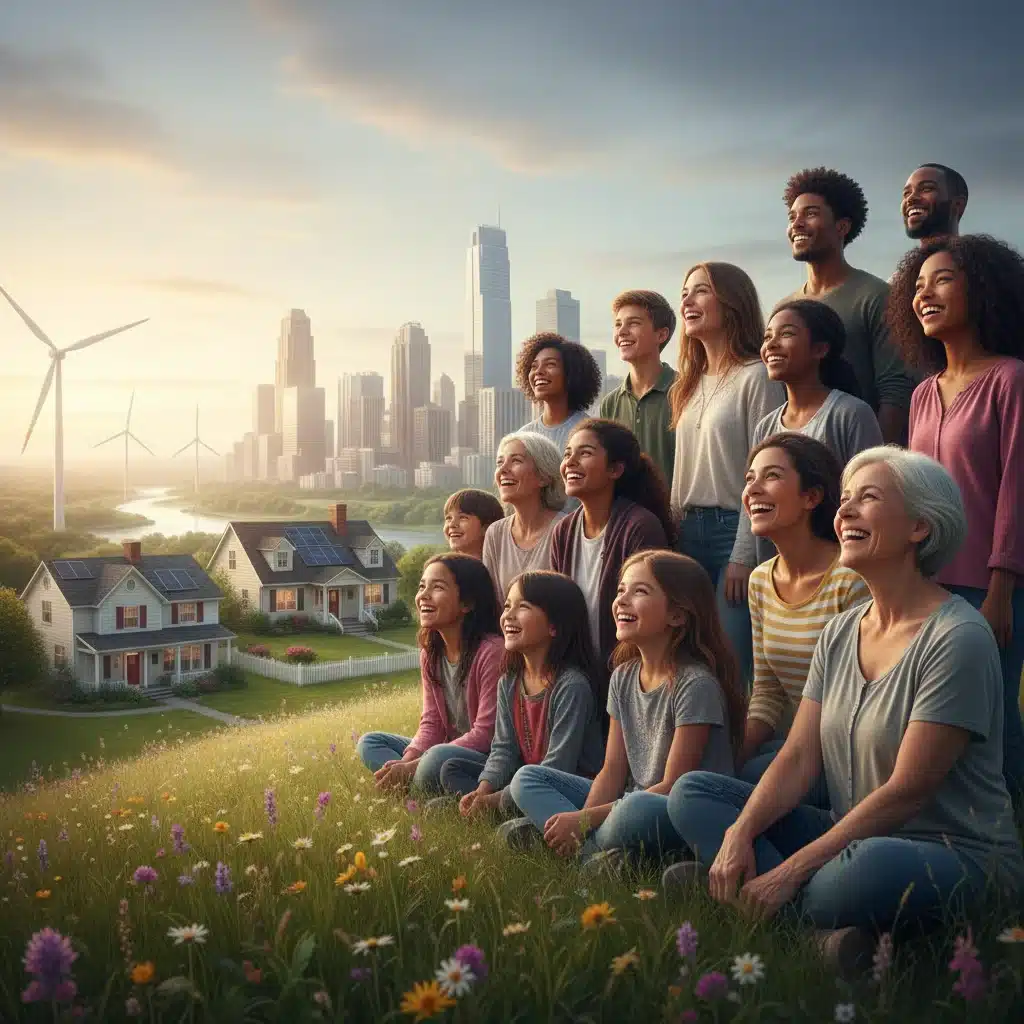
For many, achieving the American Dream now involves living in harmony with the environment, supporting ethical businesses, and actively working towards a more just society. This manifests in various ways: choosing eco-friendly products, advocating for policy changes, pursuing careers in renewable energy or social work, or even opting for smaller, more energy-efficient homes. The traditional suburban sprawl, with its large carbon footprint, is being re-evaluated, with a growing preference for urban living, walkable communities, and access to public transportation. This conscious decision-making reflects a deeper understanding that individual prosperity cannot be truly fulfilling if it comes at the expense of the planet or marginalized communities. This collective consciousness is a defining feature of the Evolving American Dream in 2026.
The Role of Community and Connection
In an increasingly digital world, the value of genuine human connection and community has arguably become more pronounced. While technology facilitates communication, it can also lead to feelings of isolation. As a result, many Americans are actively seeking out and cultivating strong local communities, whether through neighborhood associations, shared workspaces, or interest-based groups. The desire for belonging, mutual support, and shared experiences is a powerful driving force behind the Evolving American Dream.
This focus on community extends to the workplace as well. Employees are not just looking for a paycheck; they seek supportive environments, opportunities for collaboration, and a sense of shared purpose. Companies that foster a strong, inclusive culture are more likely to attract and retain talent, as individuals increasingly prioritize their well-being and sense of belonging. The traditional individualistic pursuit of the American Dream is giving way to a more communitarian approach, where success is often measured by the strength of one’s relationships and contributions to the collective good.
Financial Security in a Volatile World
While the definition of success has expanded beyond mere wealth, financial security remains a fundamental aspiration. However, the path to achieving it has become more complex and often requires a different strategy than in previous generations. The traditional model of a single, lifelong career with a robust pension has largely faded. Instead, the modern pursuit of financial security often involves diversification of income streams, strategic investments, and a greater emphasis on financial literacy and planning.
The concept of ‘retirement’ is also being re-imagined. For many, it’s less about a complete cessation of work and more about transitioning to a phase of life where work is driven by passion and purpose rather than necessity. This might involve part-time consulting, pursuing a long-held hobby, or engaging in volunteer work. The goal is not just to accumulate enough to stop working, but to build a life that allows for continuous engagement and fulfillment, regardless of age. This pragmatic yet flexible approach to financial planning is another key aspect of the Evolving American Dream.
Education and Lifelong Learning: The New Foundation
In a rapidly changing world, the value of education has never been higher, but its form is also evolving. While a college degree remains important for many professions, there’s a growing recognition of the importance of lifelong learning and skills acquisition. The pace of technological change means that skills can quickly become obsolete, necessitating continuous adaptation and upskilling.
The Evolving American Dream often includes access to quality education, but also embraces alternative learning pathways, such as vocational training, online courses, bootcamps, and micro-credentials. The emphasis is shifting from simply obtaining a degree to acquiring relevant, adaptable skills that can lead to meaningful employment and personal growth throughout one’s career. This commitment to continuous learning is seen as a vital investment in one’s future, ensuring resilience and relevance in a dynamic job market.
Health and Well-being: A Holistic Approach to Life
The pursuit of health and well-being has moved from a secondary concern to a primary pillar of the Evolving American Dream. This encompasses not just physical health, but also mental, emotional, and spiritual well-being. There’s a greater awareness of the impact of stress, burnout, and societal pressures on overall quality of life, leading many to prioritize self-care, work-life balance, and access to mental health resources.
This holistic approach is reflected in choices about diet, exercise, mindfulness practices, and even urban planning that promotes active living and access to green spaces. For many, a truly fulfilling life means having the time, resources, and environment to maintain optimal health, allowing them to fully enjoy their achievements and contribute meaningfully to their communities. This focus on personal well-being is a fundamental departure from earlier versions of the dream, which often emphasized relentless work at the expense of personal health.
Generational Perspectives on the Dream
Baby Boomers and the Traditional Dream
For many Baby Boomers, the traditional American Dream – stable employment, homeownership, and a comfortable retirement – was largely attainable. While some may have faced economic challenges, the post-war boom provided a relatively clear path to upward mobility. Their aspirations often centered on providing a better life for their children than they had, valuing security and stability above all else.
Generation X: Bridging the Gap
Generation X often found themselves navigating a more complex economic landscape than their predecessors. They witnessed the erosion of some traditional certainties but still largely pursued elements of the traditional dream, albeit with a healthier dose of skepticism. Work-life balance began to emerge as a significant concern, and they were often the first to embrace technology in the workplace, subtly altering the means to achieve their goals.
Millennials: Redefining and Reclaiming
Millennials, coming of age during economic recessions and rapid technological change, have been instrumental in redefining the Evolving American Dream. Faced with student debt and a competitive housing market, many have delayed traditional milestones like homeownership and marriage. Their aspirations are heavily influenced by a desire for purpose-driven work, flexibility, and experiences. They value authenticity, social impact, and often prioritize mental health and well-being, challenging the ‘hustle culture’ that defined previous generations.
Generation Z: Values-Driven and Globally Aware
Generation Z, digital natives from birth, are arguably the most values-driven generation yet. They are deeply concerned with social justice, climate change, and mental health. Their version of the American Dream is less about material accumulation and more about creating a positive impact on the world, fostering inclusive communities, and achieving personal fulfillment through creative expression and meaningful work. They are entrepreneurial, adaptable, and expect their employers and institutions to align with their ethical principles. The global connectivity they’ve always known means their dreams often transcend national borders, envisioning a better world for everyone.
Challenges and Disparities in the Evolving Dream
Despite the optimistic tone of some of these shifts, it’s crucial to acknowledge that the Evolving American Dream is not equally accessible to all. Systemic inequalities, racial disparities, and economic stratification continue to present significant barriers for many. Access to quality education, affordable healthcare, and equitable opportunities remain elusive for marginalized communities, meaning the dream often feels out of reach.
The rising cost of living, particularly housing, in many urban centers, forces difficult choices and often pushes individuals further away from their desired lifestyles. The gig economy, while offering flexibility, can also lack the stability and benefits associated with traditional employment, creating a precarious existence for some. Addressing these fundamental challenges is paramount if the American Dream is to truly evolve into an inclusive vision for all its citizens.
The Future of the American Dream: Adaptability and Inclusivity
Looking ahead, the American Dream will likely continue its dynamic evolution. Its enduring power lies in its adaptability, its capacity to reflect the changing values and aspirations of each successive generation. The trend towards prioritizing personal fulfillment, social impact, and sustainable living is expected to strengthen, further diversifying what it means to ‘succeed’ in America.
The emphasis will likely remain on creating a life that is personally meaningful, contributes positively to society, and respects the planet. Technology will continue to open new doors, but the human desire for connection, community, and purpose will ground these advancements. For the Evolving American Dream to truly flourish, however, society must actively work to dismantle barriers and ensure that the pathways to opportunity are accessible and equitable for everyone, regardless of their background or circumstances. It’s a dream that is less about a fixed destination and more about a continuous journey of growth, adaptation, and collective aspiration.
Conclusion: A Dream Reimagined for a New Era
The American Dream in 2026 is a far cry from the post-war ideal, yet its core essence – the pursuit of a better life – remains. It has shed its rigid, materialistic confines to embrace a more holistic, values-driven, and socially conscious vision. From sustainable living and remote work to a renewed focus on mental well-being and community, the aspirations of Americans are reflecting a deeper understanding of what truly constitutes a rich and fulfilling life.
This Evolving American Dream is a testament to the resilience and adaptability of the American spirit. It acknowledges the challenges of the modern era while simultaneously forging new pathways to happiness and success. As we move further into the 21st century, the dream will undoubtedly continue to shift, shaped by technological innovation, global events, and the ever-changing tapestry of human values. What remains constant is the fundamental human desire to strive for something better, to build a life of purpose and meaning, not just for oneself, but for the collective good. The journey to achieve this reimagined dream is ongoing, challenging, and profoundly inspiring.