Home Security 2026: Top Technologies for Property Protection
In an ever-evolving world, the need for robust and intelligent home security has never been more pressing. As we step into 2026, the landscape of property protection has been dramatically reshaped by groundbreaking technological advancements. Gone are the days of simple alarms and static cameras; today’s home security systems are sophisticated, interconnected ecosystems designed to offer unparalleled peace of mind. This comprehensive guide will delve into the top technologies defining home security 2026, exploring how these innovations are making our homes safer, smarter, and more resilient against threats.
The concept of ‘home security’ has expanded far beyond deterring intruders. It now encompasses a holistic approach that includes proactive threat detection, seamless integration with smart home devices, and a strong emphasis on data privacy. The convergence of Artificial Intelligence (AI), the Internet of Things (IoT), and advanced connectivity solutions has paved the way for systems that are not only highly effective but also incredibly intuitive and user-friendly. Understanding these developments is crucial for any homeowner looking to upgrade their protection in the modern era.
The Rise of AI-Powered Surveillance and Analytics in Home Security 2026
At the forefront of home security 2026 is the pervasive integration of Artificial Intelligence. AI is no longer a futuristic concept; it’s a fundamental component of contemporary surveillance systems, transforming how we monitor and respond to potential threats. Traditional security cameras merely record footage, requiring constant human attention to identify anomalies. AI-powered cameras, however, are intelligent observers, capable of analyzing vast amounts of data in real-time.
Advanced Facial and Object Recognition
One of the most significant advancements is the sophistication of facial and object recognition technologies. Modern systems can distinguish between residents, authorized visitors, and unknown individuals with remarkable accuracy. This means fewer false alarms triggered by pets or passing cars. Furthermore, object recognition can identify suspicious packages left near your property, vehicles loitering for extended periods, or even unusual movements that might indicate an attempted break-in. These capabilities allow for highly targeted alerts, ensuring that homeowners are only notified of genuine threats.
Behavioral Analytics and Anomaly Detection
Beyond simply recognizing faces or objects, AI in home security 2026 now incorporates behavioral analytics. These systems learn the normal patterns of activity around your home – when family members typically arrive and leave, the usual delivery schedules, and even the natural sway of trees in the wind. Any deviation from these established patterns is flagged as a potential anomaly. For instance, if a person is seen lingering near a window for an unusual amount of time, or if a gate that is usually closed is left open, the system can send an immediate alert. This proactive approach allows for intervention before a situation escalates.
Predictive Security and Threat Assessment
Looking ahead, AI is also driving predictive security. By analyzing historical data, local crime trends, and even social media activity, advanced AI algorithms can identify potential vulnerabilities or predict heightened risk periods. While still an emerging field, the goal is to move from reactive security to truly proactive threat assessment, helping homeowners bolster their defenses in anticipation of potential issues. This level of foresight is a game-changer for home security 2026.
Smart Access Control Systems: Beyond the Key
The traditional lock and key are rapidly becoming relics of the past. Home security 2026 boasts sophisticated smart access control systems that offer unparalleled convenience, flexibility, and security. These systems integrate seamlessly into the broader smart home ecosystem, providing granular control over who enters your property and when.
Biometric Authentication
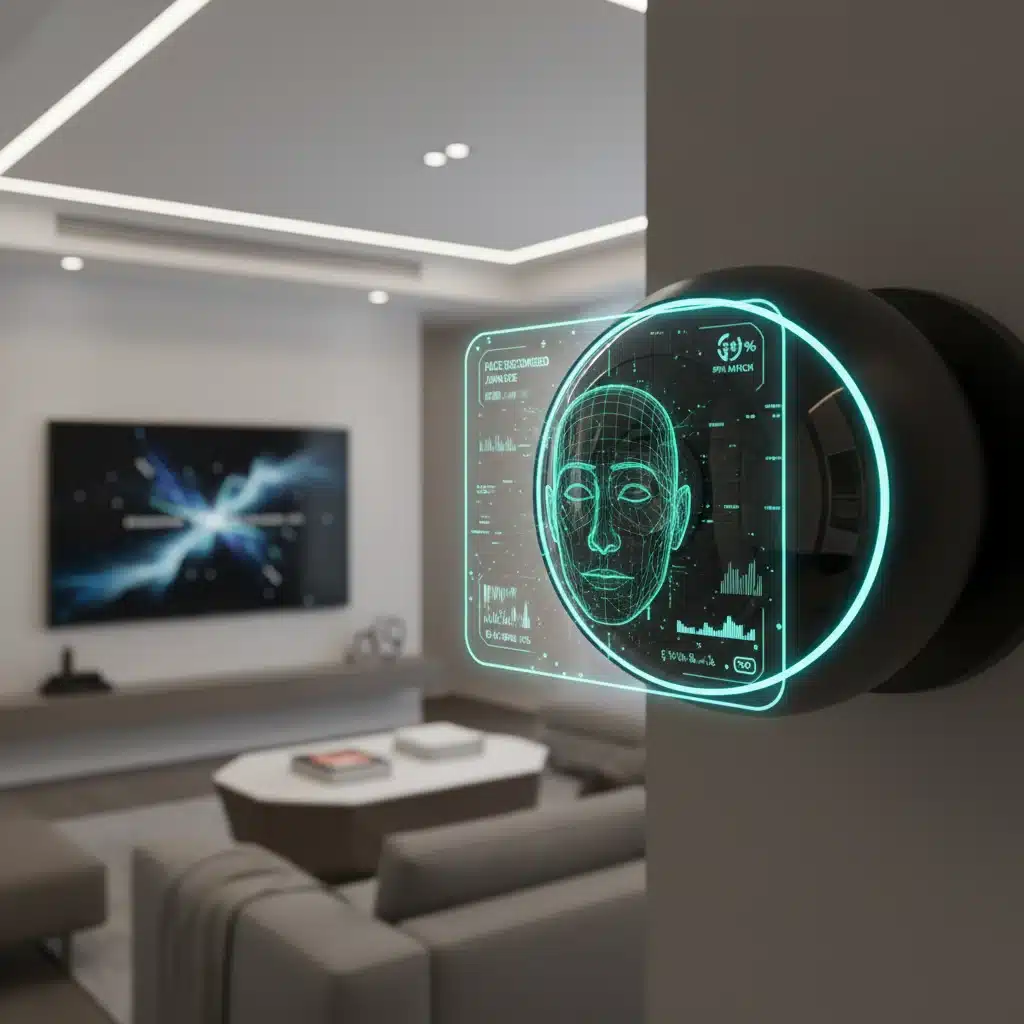
Biometric authentication is no longer confined to spy movies. Fingerprint scanners, facial recognition cameras, and even iris scanners are becoming increasingly common on residential doors. These methods offer a highly secure and convenient way to grant access, eliminating the need for physical keys that can be lost or stolen. Many systems also allow for temporary biometric access for visitors or service providers, which automatically expires after a set period.
Keyless Entry and Smart Locks
Smart locks, controlled via smartphone apps, voice commands, or keypads, are a staple of modern home security 2026. They allow homeowners to lock and unlock doors remotely, grant temporary access codes to guests or delivery personnel, and receive notifications whenever a door is opened or closed. Integration with other smart home devices means that when you unlock your door, your lights can turn on, and your thermostat can adjust to your preferred temperature.
Integrated Video Doorbells and Intercoms
The evolution of video doorbells has transformed front-door security. These devices, now often equipped with AI for person detection and package alerts, allow you to see, hear, and speak to visitors from anywhere. In 2026, these are fully integrated with smart locks and security systems, enabling you to remotely grant access after verifying identity, or even communicate with delivery drivers to secure packages inside a smart delivery box. This level of integration enhances both security and convenience.
The Interconnected Home: IoT and Unified Security Platforms
The true power of home security 2026 lies in its interconnectedness. The Internet of Things (IoT) has enabled a vast network of devices to communicate and cooperate, creating a unified and intelligent security platform. This holistic approach ensures that all components of your security system work in harmony, providing comprehensive protection.
Centralized Control Hubs and Apps
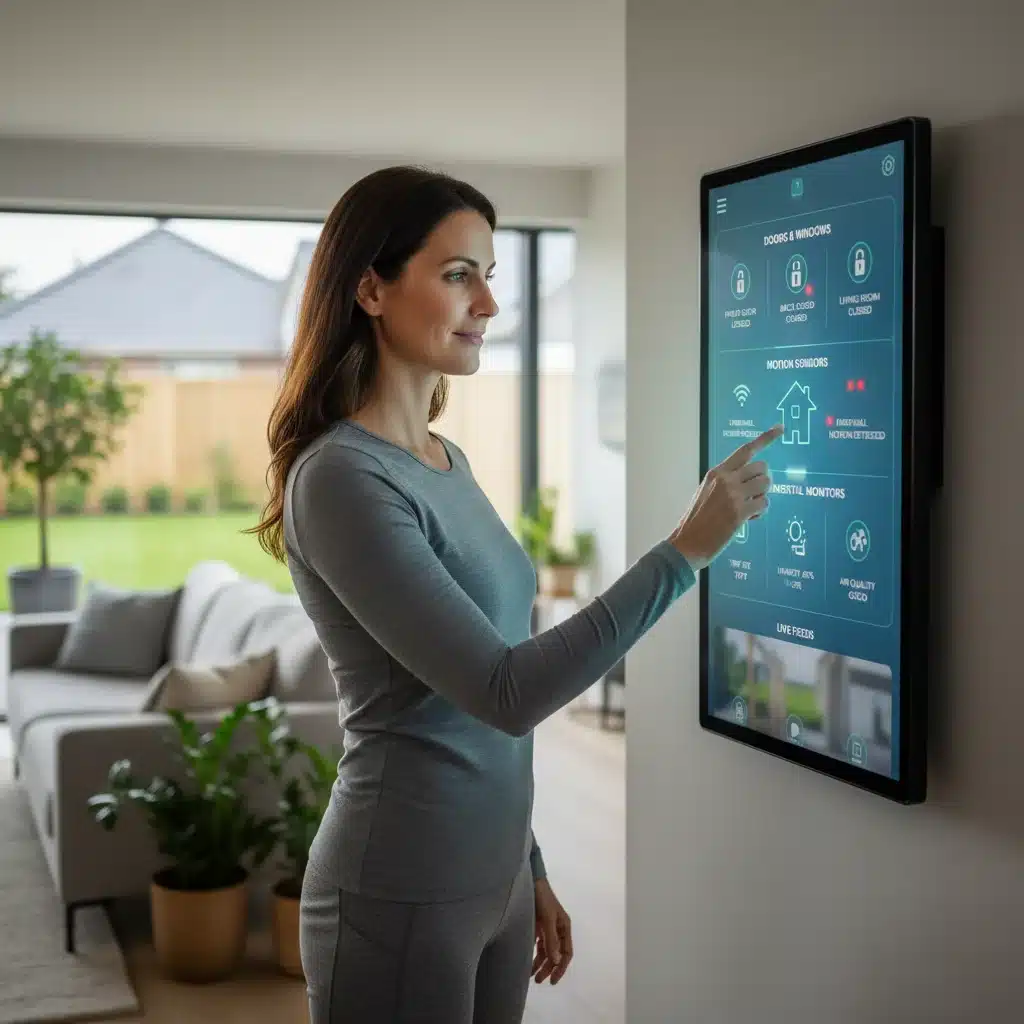
At the heart of the IoT security ecosystem are centralized control hubs and intuitive smartphone applications. These platforms serve as the command center for your entire security system, allowing you to monitor cameras, manage access, arm/disarm alarms, and receive real-time alerts from a single interface. The user experience is paramount, with dashboards designed for clarity and ease of use, putting complete control at your fingertips.
Seamless Integration with Smart Home Devices
Beyond traditional security components, the home security 2026 ecosystem seamlessly integrates with a myriad of smart home devices. This includes smart lighting that can simulate occupancy, smart thermostats that can detect unusual temperature changes (potentially indicating a fire or flood), and even smart blinds that can close automatically when the alarm is armed. This level of integration creates a dynamic defense mechanism that adapts to various scenarios.
Environmental Monitoring and Disaster Prevention
Modern security systems extend beyond intrusion detection to encompass environmental monitoring. Smart smoke detectors, carbon monoxide sensors, flood sensors, and even freeze sensors are integrated into the central system. These devices not only alert you to dangers but can also trigger automated responses, such as shutting off water valves in case of a leak or notifying emergency services automatically. This comprehensive approach to safety is a defining characteristic of home security 2026.
Advanced Detection Technologies: Beyond Motion Sensors
While motion sensors remain a staple, home security 2026 employs a new generation of detection technologies that are more precise, less prone to false alarms, and capable of identifying a wider range of threats. These advanced sensors provide an additional layer of intelligent protection.
Glass Break and Vibration Sensors
Sophisticated glass break sensors can differentiate between various types of sounds, accurately identifying the specific frequency of breaking glass while ignoring other loud noises. Similarly, advanced vibration sensors can detect subtle tremors on windows or doors, indicating an attempted forced entry before it even occurs. These sensors provide early warning, allowing for quicker response times.
Radar and Lidar-Based Detection
Emerging in home security 2026 are radar and lidar-based detection systems, especially for outdoor perimeter protection. These technologies can accurately map environments and detect moving objects, even in adverse weather conditions or complete darkness. They offer superior accuracy compared to traditional passive infrared (PIR) sensors and are less susceptible to environmental factors, significantly reducing false alarms.
Thermal Imaging Cameras
Thermal imaging cameras are becoming more accessible for residential use. These cameras detect heat signatures, making them incredibly effective at identifying intruders in complete darkness or through foliage where visible light cameras might struggle. They are also valuable for detecting potential fire hazards by identifying abnormal heat spots. This adds a powerful, covert layer to your home security 2026 setup.
Cybersecurity and Data Privacy in Home Security 2026
As home security systems become more connected and intelligent, the importance of cybersecurity and data privacy grows exponentially. In home security 2026, manufacturers and service providers are placing a strong emphasis on protecting sensitive personal data and securing devices from cyber threats.
End-to-End Encryption
All data transmitted by modern security systems, from camera footage to sensor readings, is protected with robust end-to-end encryption. This ensures that unauthorized parties cannot intercept or access your private information. Strong encryption protocols are a non-negotiable feature in any reputable home security 2026 system.
Secure Cloud Storage and Local Processing
Many systems offer options for secure cloud storage of video footage, often with advanced encryption and access controls. However, there’s also a growing trend towards local processing of data (e.g., AI analytics performed directly on the device rather than in the cloud) to enhance privacy and reduce latency. Hybrid solutions that combine the best of both worlds are becoming standard, offering flexibility and enhanced security for home security 2026.
Regular Software Updates and Vulnerability Management
To combat ever-evolving cyber threats, reputable security system providers issue regular software updates. These updates patch vulnerabilities, introduce new features, and enhance overall system security. Homeowners are encouraged to keep their systems updated to ensure continuous protection against the latest cyber risks. This proactive vulnerability management is crucial for maintaining effective home security 2026.
Drone and Robotic Security Companions
Perhaps one of the most exciting, albeit still somewhat nascent, developments in home security 2026 is the introduction of autonomous drones and robotic companions. While not yet mainstream, these innovations are poised to revolutionize perimeter defense and internal monitoring.
Autonomous Security Drones
For larger properties, autonomous security drones equipped with high-resolution cameras, thermal imaging, and even spotlights can conduct regular patrols of the perimeter. Programmed with specific flight paths, these drones can detect unusual activity, stream live footage to the homeowner or a monitoring center, and act as a visible deterrent. Their ability to cover vast areas quickly and provide an aerial perspective offers a significant advantage in threat detection for advanced home security 2026.
Indoor Robotic Patrols
Inside the home, small, mobile robots are emerging that can perform internal patrols when residents are away. These robots can be equipped with cameras, environmental sensors, and even two-way communication capabilities. They can investigate triggered alarms, check on pets, or simply provide a mobile vantage point for remote monitoring. While still in early adoption, these robotic companions represent a fascinating frontier for home security 2026.
Integration with Emergency Services and Professional Monitoring
Even with the most advanced DIY systems, professional monitoring and seamless integration with emergency services remain a cornerstone of effective home security 2026. The speed and efficiency of response can make all the difference in a critical situation.
Rapid Response Protocols
Modern monitoring centers utilize sophisticated software and highly trained personnel to rapidly assess alerts generated by your smart home security system. They can quickly verify the nature of a threat (e.g., distinguishing between a false alarm and an actual break-in) and dispatch the appropriate emergency services – police, fire, or medical – with minimal delay. This rapid response is optimized for home security 2026.
Direct Communication with First Responders
Advancements in communication protocols allow for more direct and efficient information sharing between monitoring centers and first responders. This can include providing live video feeds from your property (with your permission), floor plans, or details about the nature of the emergency, enabling responders to arrive better prepared and act more effectively. This level of coordination is a key benefit of advanced home security 2026 systems.
The Future is Now: Personalizing Your Home Security 2026
One of the most exciting aspects of home security 2026 is the degree of personalization and adaptability offered by these advanced systems. Homeowners are no longer limited to one-size-fits-all solutions but can tailor their security setup to their unique needs and preferences.
Modular and Scalable Systems
Today’s security systems are largely modular, allowing you to start with a basic setup and expand it over time by adding more cameras, sensors, smart locks, or other integrated devices. This scalability means your security can evolve with your needs, ensuring that your investment remains relevant for years to come. This flexibility is a hallmark of home security 2026.
Voice Control and Smart Assistants
Integration with popular smart assistants like Amazon Alexa, Google Assistant, and Apple HomeKit allows for seamless voice control of many security functions. Arming your system, checking camera feeds, or locking doors can all be done with simple voice commands, adding a layer of convenience that was once unimaginable. This hands-free operation is a significant convenience factor in home security 2026.
Geofencing and Automated Routines
Geofencing technology, which uses your smartphone’s location, enables your security system to automatically arm or disarm based on your proximity to home. Similarly, you can set up automated routines (e.g., “Goodnight” routine that locks all doors, turns off lights, and arms the perimeter alarm) that simplify daily security management. These smart automations enhance both security and ease of use in home security 2026.
Challenges and Considerations for Home Security 2026
While the advancements in home security 2026 are impressive, there are still important challenges and considerations for homeowners to keep in mind.
Cost of Advanced Systems
Cutting-edge technology often comes with a higher price tag. While basic smart security components are increasingly affordable, fully integrated, AI-powered systems with professional monitoring can represent a significant investment. However, considering the peace of mind and enhanced protection they offer, many find the cost justifiable.
Technical Complexity and Installation
While many systems are designed for user-friendliness, the installation and configuration of complex integrated systems can be challenging for those without technical expertise. Professional installation is often recommended to ensure optimal performance and security. Understanding the intricacies of your chosen home security 2026 system is vital.
Reliability and Connectivity
The reliance on internet connectivity for many smart security features means that a stable and robust home network is essential. Power outages or internet disruptions can temporarily compromise certain aspects of a smart security system. Redundancy measures, such as cellular backup for alarms, are crucial for maintaining continuous protection.
Ethical and Privacy Concerns
With increased surveillance capabilities and data collection, ethical considerations and privacy concerns are paramount. Homeowners must be mindful of local regulations regarding surveillance, especially when cameras capture public spaces. Choosing reputable brands with strong privacy policies and understanding how your data is used is more important than ever in home security 2026.
Choosing the Right Home Security System for 2026
Navigating the myriad of options available in home security 2026 can be daunting. To choose the right system for your needs, consider the following:
- Assess Your Needs: What are your primary security concerns? Are you focused on intrusion detection, environmental monitoring, or a combination?
- Budget: Determine how much you are willing to invest in equipment and ongoing monitoring fees.
- Integration: Consider how well the system integrates with your existing smart home devices or if you plan to build a new ecosystem.
- Scalability: Choose a system that can grow and adapt as your needs change over time.
- Reputation and Support: Research the reputation of manufacturers and service providers, paying attention to customer support and product longevity.
- Privacy Policies: Carefully review the privacy policies to understand how your data is handled.
Conclusion: A Safer Tomorrow with Home Security 2026
The world of home security 2026 is a testament to human ingenuity and our unwavering commitment to safety. From AI-powered surveillance and biometric access to integrated IoT ecosystems and autonomous patrols, the technologies available today offer unprecedented levels of protection and peace of mind. While challenges remain, the benefits of these advanced systems far outweigh the complexities. By embracing these innovations, homeowners can create a secure, intelligent, and resilient living environment, ensuring that their properties and loved ones are safeguarded against the threats of tomorrow.
Investing in home security 2026 is not just about installing gadgets; it’s about building a comprehensive defense strategy that leverages the best of modern technology. As these systems continue to evolve, we can look forward to even smarter, more intuitive, and more robust solutions that will redefine what it means to feel truly safe at home.