Personalized Learning at Home: 5 EdTech Tools Shaping Family Education in 2026
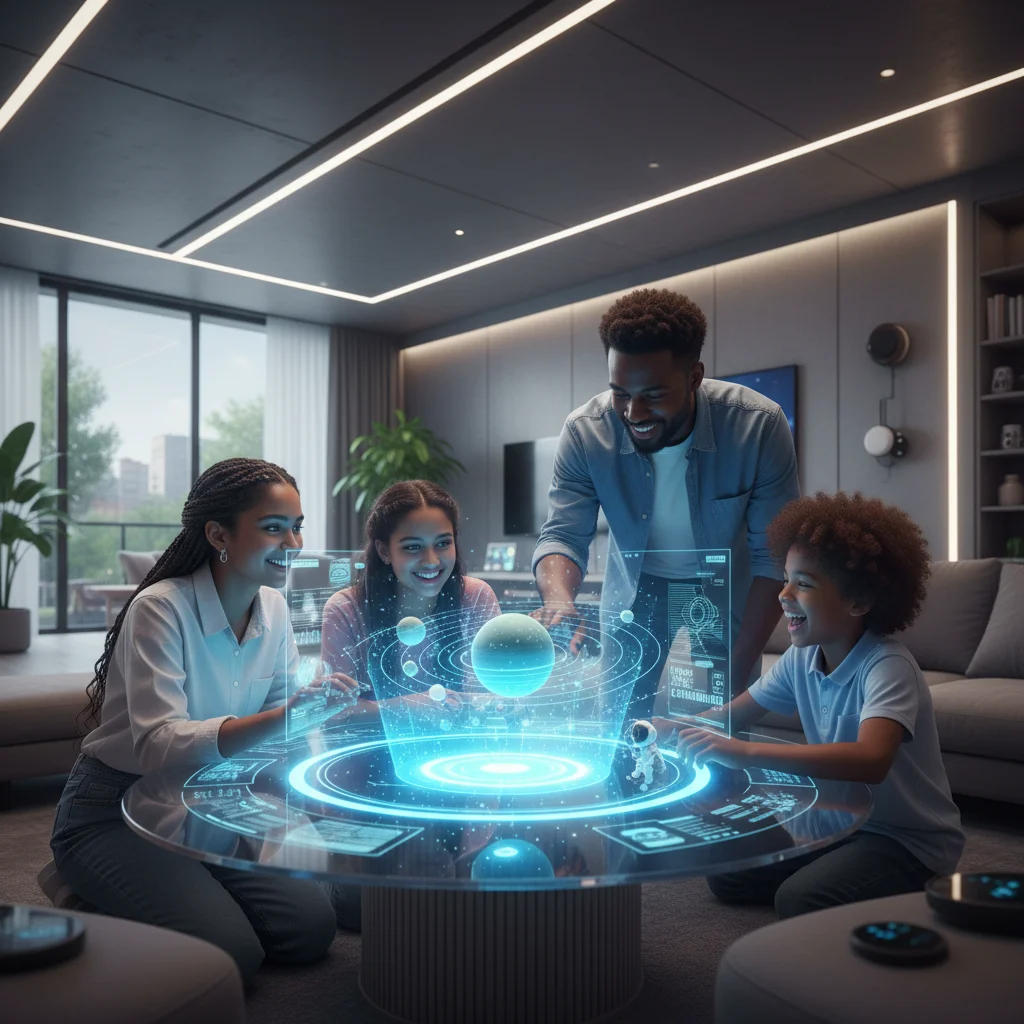
The landscape of education is continuously evolving, and perhaps nowhere is this more evident than in the realm of personalized learning at home. With rapid advancements in technology, especially in the field of educational technology (EdTech), families are now equipped with an unprecedented array of tools to tailor the learning experience to each child’s unique needs, pace, and interests. As we look towards 2026, the integration of these sophisticated EdTech solutions is not just a trend; it’s becoming the cornerstone of effective and engaging home education. This article delves into the top 5 EdTech tools that are set to redefine personalized learning at home, offering a glimpse into the future of family education and how these innovations are shaping a more adaptive, inclusive, and exciting learning journey for everyone.
The shift towards personalized learning has been gaining momentum for years, driven by the understanding that a ‘one-size-fits-all’ approach often falls short in addressing the diverse learning styles and abilities of students. EdTech, particularly in the context of home learning, has emerged as a powerful enabler of this personalization. It allows parents to become facilitators of highly customized educational paths, leveraging AI, virtual reality, adaptive algorithms, and rich digital content to create an environment where children can thrive at their own rhythm. This isn’t just about supplementing traditional schooling; it’s about fundamentally transforming how knowledge is acquired, skills are developed, and potential is unlocked within the family unit.
By 2026, we anticipate these tools to be even more intuitive, integrated, and impactful. They will not only cater to academic subjects but also foster critical thinking, creativity, problem-solving, and socio-emotional development. Understanding these emerging technologies and their potential is crucial for any family looking to optimize their home learning strategy and prepare their children for a future that demands adaptability and continuous learning. Let’s explore the cutting-edge EdTech solutions that are paving the way for a revolutionary era in personalized home education.
The Rise of Personalized Learning in Home Environments
The concept of personalized learning is not new, but its application within home environments has been dramatically amplified by EdTech. Historically, home education often involved parents acting as direct instructors, replicating a classroom setting. While effective for some, it often lacked the dynamic and adaptive capabilities of a dedicated educator. Modern EdTech solutions bridge this gap, offering sophisticated platforms that can assess a child’s learning patterns, identify strengths and weaknesses, and then curate content and activities specifically designed to meet those individual needs. This goes beyond simply providing digital textbooks; it involves intelligent systems that learn with the child, adapting to their progress and challenges in real-time.
The benefits of this individualized approach are manifold. Children can delve deeper into subjects that ignite their curiosity, spending more time on areas where they struggle without feeling rushed, and accelerating through concepts they quickly grasp. This fosters a sense of ownership over their learning journey, boosting confidence and intrinsic motivation. For parents, EdTech provides invaluable support, offering insights into their child’s educational trajectory, suggesting resources, and even automating administrative tasks, allowing them to focus more on guidance and less on curriculum design. The flexibility offered by these tools also means that learning can happen anytime, anywhere, fitting seamlessly into diverse family lifestyles and schedules.
Furthermore, personalized learning at home, powered by EdTech, can cater to a wider spectrum of learners, including those with special educational needs or those who are gifted. The adaptive nature of these platforms ensures that content is presented in accessible formats, and challenges are appropriately scaled. This inclusivity is a significant advantage, ensuring that every child has the opportunity to reach their full potential. As we move towards 2026, the expectation is that these personalized experiences will become even more immersive and responsive, blurring the lines between traditional instruction and interactive exploration.
The future of home learning is not about replacing the parent’s role but augmenting it with powerful technological allies. These tools empower parents to be more effective mentors, guiding their children through a rich and varied educational landscape that is uniquely theirs. The focus shifts from rote memorization to genuine understanding, from passive reception to active engagement, and from standardized outcomes to individual excellence. This fundamental change in pedagogy, driven by advanced EdTech, is what makes personalized learning at home such a transformative force in modern education.
1. AI-Powered Adaptive Learning Platforms: The Intelligent Tutor
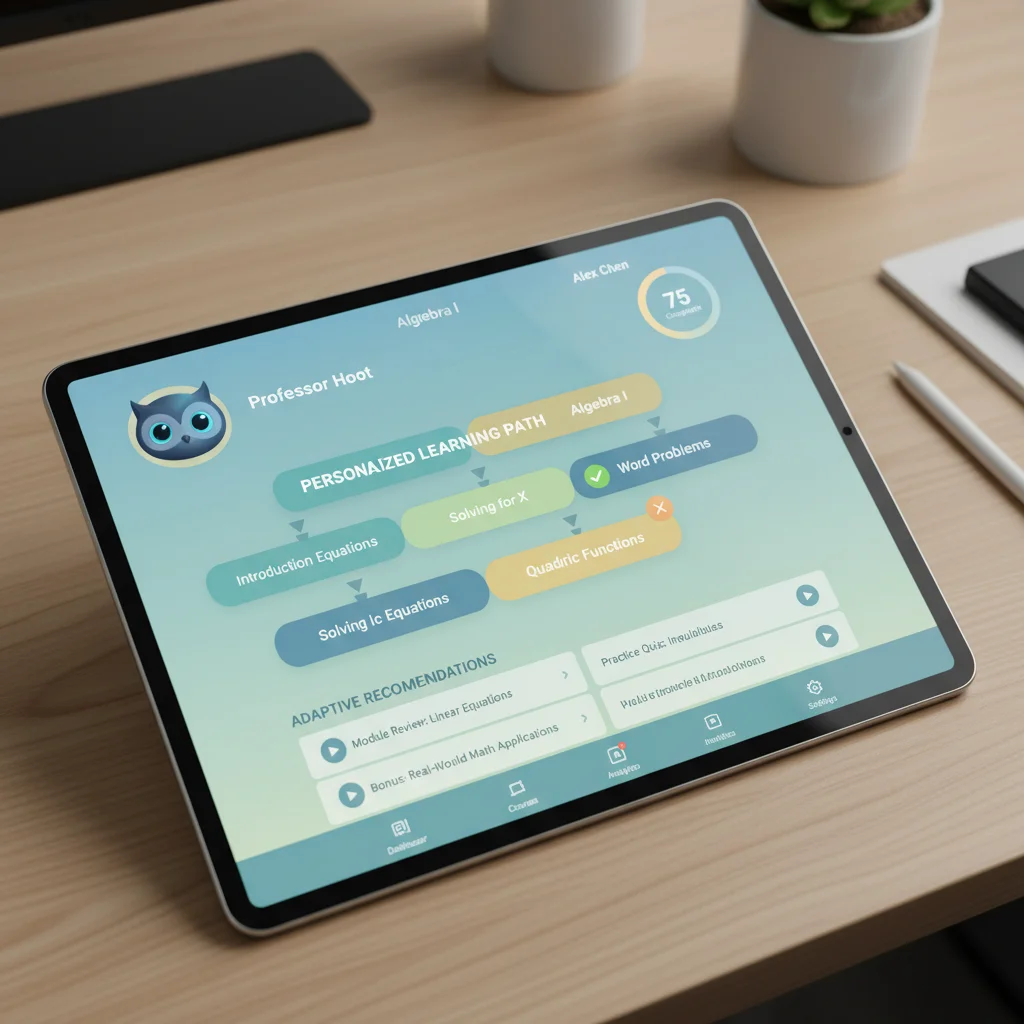
By 2026, AI-powered adaptive learning platforms will be at the forefront of personalized home education. These aren’t just glorified quiz apps; they are sophisticated systems that use artificial intelligence to continuously assess a student’s knowledge, learning style, and progress. Imagine a virtual tutor that understands your child’s unique way of thinking, identifies the precise moments they struggle, and then offers targeted explanations, alternative approaches, or supplementary materials – all in real-time. This level of personalized feedback and instruction far surpasses what a single human tutor can consistently provide.
These platforms excel at creating dynamic learning paths. If a child masters a concept quickly, the AI will automatically advance them to more challenging material. Conversely, if they are struggling, the platform will revisit foundational concepts, offering different explanations or practice problems until mastery is achieved. This ensures that no child is left behind, and no child is held back. Moreover, AI can analyze vast amounts of data to pinpoint common misconceptions, allowing for proactive intervention and more effective teaching strategies. For parents, these platforms offer comprehensive dashboards that provide detailed insights into their child’s performance, highlighting areas of strength and areas needing improvement, thus facilitating informed discussions and support.
The integration of natural language processing (NLP) will also allow for more intuitive interactions, enabling students to ask questions in plain language and receive coherent, context-aware answers. This mimics the experience of interacting with a human tutor, making the learning process feel more natural and less like interacting with a machine. Beyond core subjects, these AI tutors are expanding into areas like critical thinking, problem-solving, and even creative writing, providing personalized prompts and feedback to foster higher-order skills. The intelligence embedded within these platforms makes them indispensable tools for any family committed to truly personalized and effective EdTech home learning.
2. Virtual Reality (VR) and Augmented Reality (AR) for Immersive Learning
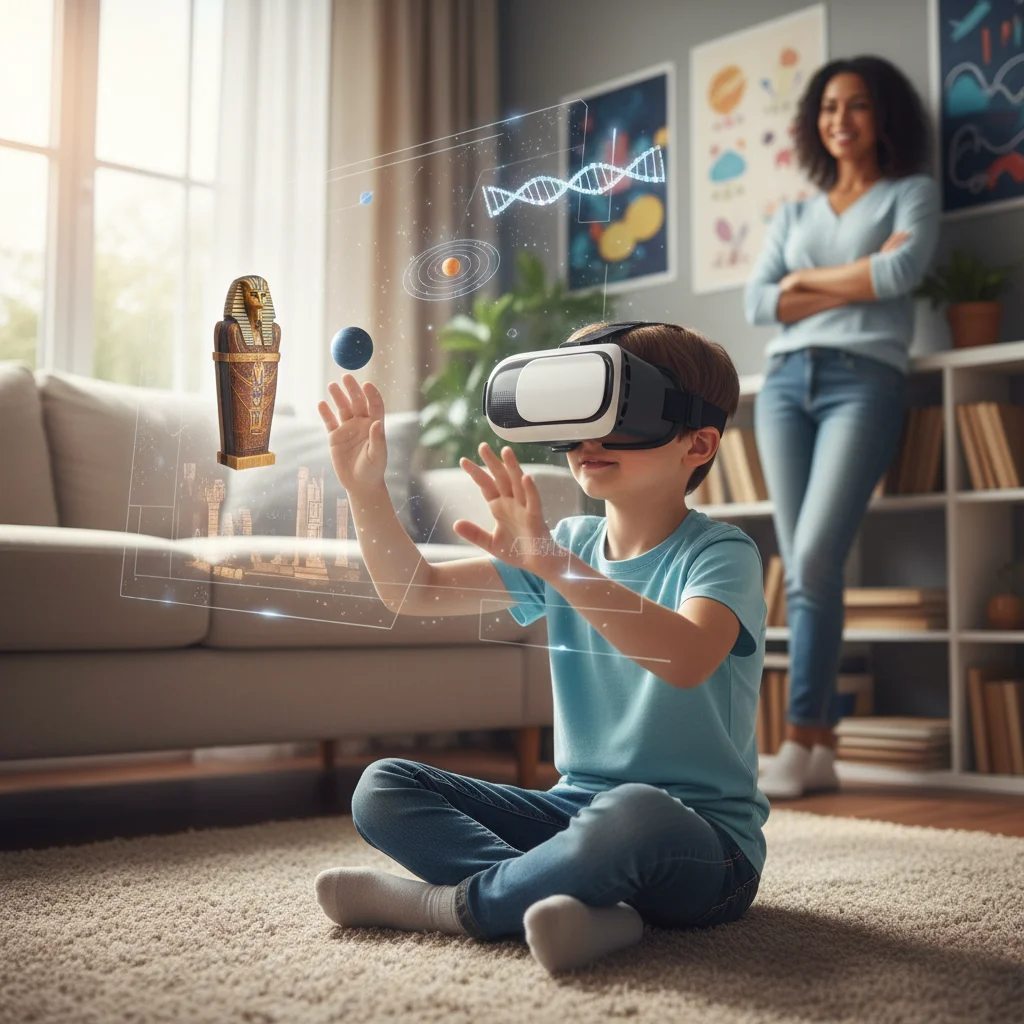
The immersive capabilities of Virtual Reality (VR) and Augmented Reality (AR) are set to revolutionize how children experience learning at home. Gone are the days of passively reading about historical events or scientific phenomena; with VR and AR, children can step directly into these worlds. Imagine your child exploring ancient Rome, dissecting a virtual frog, or walking on the moon – all from the comfort of their living room. These experiences transform abstract concepts into tangible, memorable adventures, significantly enhancing engagement and retention.
VR platforms offer fully immersive environments where learners can interact with 3D models, participate in simulations, and collaborate with peers in virtual classrooms. This is particularly powerful for subjects that benefit from visual and experiential learning, such as science, history, and geography. AR, on the other hand, overlays digital information onto the real world, allowing children to interact with virtual objects in their physical surroundings. For instance, an AR app could project a human anatomy model onto your kitchen table, enabling your child to examine organs and systems in detail, or bring dinosaurs to life in your backyard.
The educational potential of VR and AR extends beyond mere novelty. These technologies provide safe spaces for experimentation, allowing children to make mistakes and learn from them without real-world consequences. They also cater to different learning styles, offering a multisensory approach that can benefit visual, auditory, and kinesthetic learners. By 2026, the hardware for VR/AR will become more affordable and accessible, and the content libraries will be vast and diverse, making these tools a staple in personalized EdTech home learning. The ability to ‘experience’ learning rather than just ‘study’ it will fundamentally change how children perceive and engage with their education, fostering a deeper understanding and a lifelong love for exploration.
3. Gamified Learning Ecosystems: Making Education Fun and Engaging
Gamification has been a buzzword in education for a while, but by 2026, we will see the emergence of sophisticated gamified learning ecosystems that go far beyond simple points and badges. These systems integrate game design elements and game principles into the entire learning process, transforming education into an engaging, goal-oriented adventure. The core idea is to leverage the intrinsic motivation that games provide – challenges, rewards, progression, and social interaction – to make learning irresistible.
These ecosystems will feature personalized quests, leaderboards, and virtual currencies that can be used to unlock new content or customize avatars. However, their true power lies in their ability to adapt to individual performance, ensuring that challenges are always appropriate – neither too easy nor too frustrating. This keeps learners in the ‘flow state’ where optimal learning occurs. Furthermore, these platforms will often incorporate collaborative elements, allowing children to team up with siblings or friends on educational projects, fostering teamwork and communication skills.
The data collected within these gamified environments is invaluable for personalization. Every interaction, every success, and every struggle provides data points that the system can use to fine-tune the learning path. Parents will receive detailed reports on their child’s progress, not just in terms of scores, but also in terms of engagement levels, perseverance through challenges, and areas where they show particular aptitude. This holistic view helps parents understand their child’s learning personality. The appeal of gamified learning is universal, making even the most challenging subjects enjoyable and accessible. As EdTech home learning continues to evolve, these ecosystems will play a crucial role in maintaining student motivation and making education a source of genuine excitement rather than a chore.
4. Collaborative Online Learning Platforms: Connecting Beyond the Home
While personalized learning often emphasizes individual paths, it doesn’t mean learning in isolation. By 2026, advanced collaborative online learning platforms will enable students learning at home to connect with peers, mentors, and experts from around the globe. These platforms are designed to foster a sense of community and facilitate shared learning experiences, breaking down geographical barriers and enriching the home learning environment.
These platforms will offer features such as virtual classrooms, project-based learning spaces, and moderated discussion forums. Students can work together on group assignments, participate in debates, share ideas, and receive feedback from a diverse group of learners. This exposure to different perspectives and working styles is invaluable for developing critical social skills, empathy, and a broader understanding of the world. Imagine your child collaborating with students from different countries on a science project or engaging in a deep discussion about literature with a mentor who is an expert in the field.
Beyond peer-to-peer interaction, these platforms will also connect families with a network of educators, subject matter experts, and even other homeschooling families. This creates a rich support system, where parents can seek advice, share resources, and find opportunities for their children to engage in specialized learning experiences. The emphasis here is on creating a global learning ecosystem that complements personalized instruction with rich social and collaborative opportunities. This ensures that while learning is tailored to the individual, it also remains connected to a wider community, preparing children for a future that increasingly demands global collaboration and communication. The power of these platforms lies in their ability to expand the horizons of EdTech home learning, making it a truly interconnected experience.
5. AI-Powered Content Creation and Curation Tools: Tailoring Resources Instantly
The sheer volume of educational content available online can be overwhelming for both students and parents. By 2026, AI-powered content creation and curation tools will become indispensable for personalized home learning. These tools will go beyond simple search engines, intelligently sifting through vast educational databases to find, adapt, and even generate content that perfectly matches a child’s learning objectives, comprehension level, and preferred format.
Imagine an AI that can take a complex scientific concept and automatically generate a simplified explanation, a visual infographic, an interactive simulation, or even a short story, depending on what works best for your child. These tools can identify gaps in available resources and then create new materials, such as custom practice problems, personalized reading passages, or even interactive quizzes, all designed to reinforce specific learning points. This dramatically reduces the time parents spend searching for appropriate resources and ensures that the content provided is always relevant and engaging.
Furthermore, these AI tools can curate entire curricula, recommending a sequence of lessons, activities, and assessments that align with specific educational goals and standards. They can also analyze a child’s interaction with content to refine future recommendations, ensuring a continuous feedback loop that improves the quality and relevance of learning materials over time. This capability means that personalized learning is not just about adapting the pace but also about tailoring the very fabric of the educational content itself. For families engaged in EdTech home learning, these tools represent a significant leap forward, making it easier than ever to provide a truly bespoke educational experience without the need for extensive pedagogical expertise.
Integrating EdTech into Your Family’s Learning Routine
Successfully integrating these advanced EdTech tools into your family’s home learning routine by 2026 requires thoughtful planning and a willingness to adapt. It’s not simply about acquiring the latest gadgets; it’s about strategically leveraging technology to enhance the learning process and foster a love for lifelong education. Here are some key considerations for families looking to embrace the future of personalized home learning:
- Start Small and Experiment: Don’t feel pressured to adopt all five tools at once. Begin with one or two platforms that align with your child’s most pressing learning needs or interests. Experiment to see what resonates best with their learning style and your family’s dynamic. The beauty of EdTech is its flexibility, allowing for iterative adoption.
- Set Clear Learning Goals: Before diving into a new EdTech tool, define what you hope to achieve. Is it to improve math skills, foster creativity, or deepen understanding in a specific subject? Clear goals will help you evaluate the effectiveness of the tools and ensure they are contributing meaningfully to your child’s development.
- Maintain a Balanced Approach: While EdTech offers incredible advantages, it’s crucial to maintain a balanced learning environment. Combine screen time with offline activities, hands-on projects, outdoor exploration, and traditional reading. EdTech should complement, not replace, these essential components of a holistic education.
- Encourage Independent Exploration: Empower your child to take ownership of their learning journey. Once familiar with a tool, encourage them to explore its features, discover new content, and pursue their curiosities independently. This fosters self-direction and critical thinking, vital skills for the future.
- Monitor Progress and Adjust: Regularly review the data and insights provided by AI-powered platforms. Use this information to understand your child’s progress, identify areas for improvement, and adjust their learning path as needed. Personalized learning is an ongoing process of adaptation.
- Foster Collaboration and Communication: Utilize collaborative online platforms to connect your child with peers and mentors. Encourage them to participate in discussions, group projects, and shared learning experiences. This builds vital social and communication skills that are just as important as academic knowledge.
- Embrace Lifelong Learning as a Family: Model a growth mindset. Explore new EdTech tools alongside your children, learn new skills together, and demonstrate that learning is a continuous and exciting journey. This creates a positive learning culture within the home.
- Stay Informed and Adapt: The EdTech landscape is constantly evolving. Stay informed about new tools, updates, and best practices. Be open to adapting your approach as new innovations emerge that can further enhance your family’s personalized home learning experience.
By thoughtfully integrating these strategies, families can harness the full potential of EdTech to create an enriching, engaging, and truly personalized educational environment at home. The future of learning is bright, and with these tools, families are at the forefront of shaping it.
The Transformative Impact on Family Education
The advent of these advanced EdTech tools is not just changing how children learn; it’s fundamentally transforming the dynamics of family education. In 2026, families will experience a more integrated and collaborative approach to learning, where parents move beyond being mere supervisors to becoming active co-learners and facilitators. The insights provided by AI platforms, the shared experiences in VR/AR, and the collaborative projects on online platforms will create new avenues for family bonding and shared intellectual growth.
Parents will gain a deeper understanding of their child’s strengths, challenges, and unique learning preferences, fostering more empathetic and effective support. The ability to tailor education to individual needs means less frustration and more success, leading to a more positive and harmonious home learning atmosphere. Children, in turn, will develop a greater sense of agency and self-efficacy, knowing that their learning journey is designed specifically for them. This shift empowers them to become proactive participants in their education, rather than passive recipients.
Moreover, these tools democratize access to high-quality, personalized education. Families, regardless of their geographical location or access to traditional schooling options, can tap into world-class resources and expert guidance. This levels the playing field, offering opportunities that were once exclusive to privileged institutions. The future of EdTech home learning is about making excellence accessible, adaptable, and deeply personal. It’s about empowering every family to cultivate an environment where curiosity thrives, skills are honed, and every child’s potential is recognized and nurtured to its fullest extent.
Conclusion: Embracing the Future of Personalized Home Learning
As we navigate towards 2026, the integration of cutting-edge EdTech tools promises to revolutionize personalized learning at home. AI-powered adaptive platforms, immersive VR/AR experiences, engaging gamified ecosystems, collaborative online communities, and intelligent content creation tools are not just technological novelties; they are essential instruments for crafting highly effective, engaging, and individualized educational journeys. These innovations offer families an unparalleled opportunity to tailor education to each child’s unique needs, fostering deeper understanding, critical thinking, and a lifelong passion for learning.
The future of family education is vibrant, dynamic, and deeply personal. By embracing these EdTech solutions thoughtfully and strategically, parents can empower their children to thrive in an ever-changing world, equipped with the skills, knowledge, and adaptability necessary for success. The journey of personalized learning at home, fueled by these five transformative EdTech tools, is not just about preparing children for the future; it’s about creating a richer, more engaging, and more impactful learning experience for the entire family, starting today. The era of truly customized and connected home learning is here, and its potential is boundless for every family ready to explore its depths.