Sustainability as a Cultural Value: How Americans are Changing Lifestyles
The concept of sustainability cultural value is rapidly transforming how Americans live, work, and interact with the world. What once might have been considered a niche interest or a fringe movement is now moving firmly into the mainstream, poised to become a defining characteristic for a significant portion of the population. By 2026, projections indicate that a remarkable 40% of Americans will embrace sustainability not just as a preference, but as a core cultural value, fundamentally altering their lifestyles and consumer behaviors. This isn’t merely about recycling more or using less plastic; it’s about a deep-seated philosophical shift that prioritizes ecological health, social equity, and economic viability for current and future generations. This article delves into the multifaceted aspects of this evolving cultural phenomenon, exploring its drivers, manifestations, and profound implications for society.
The Genesis of a New Cultural Imperative: Understanding Sustainability as a Cultural Value
To truly grasp the magnitude of this shift, we must first understand what it means for sustainability cultural value to become a pervasive force. A cultural value is a widely held belief or ideal that a society or group considers important and desirable. It shapes societal norms, influences individual choices, and dictates collective priorities. When sustainability ascends to this level, it implies that environmental protection, resource conservation, and ethical consumption are no longer optional but become integral to a person’s identity and their perception of a good life.
Several factors have converged to accelerate this transformation. Increased awareness of climate change, pollution, and resource depletion, amplified by media coverage and scientific consensus, has played a crucial role. Younger generations, particularly Gen Z and Millennials, are demonstrating a heightened sense of urgency and responsibility towards environmental issues, often leading the charge in advocating for sustainable practices. Furthermore, major global events, from natural disasters to public health crises, have underscored the interconnectedness of human well-being and planetary health, reinforcing the need for a more resilient and sustainable way of living.
The economic benefits of sustainability are also becoming increasingly apparent. Businesses that adopt sustainable practices often see improved efficiency, reduced costs, and enhanced brand reputation. This commercial incentive further reinforces the societal shift, as companies respond to growing consumer demand for eco-friendly products and services. The interplay of these environmental, social, and economic factors creates a powerful feedback loop, solidifying sustainability cultural value as a cornerstone of modern American identity.
Shifting Lifestyles: How 40% of Americans are Adapting
The projection that 40% of Americans will embody sustainability cultural value by 2026 is not just a statistical curiosity; it represents a tangible shift in everyday life. This demographic will actively seek to minimize their environmental footprint and maximize their positive social impact across various domains. Here’s how these lifestyle changes are manifesting:
Conscious Consumption and Ethical Sourcing
One of the most visible impacts of this cultural shift is in consumer behavior. The 40% who value sustainability will prioritize products that are ethically sourced, environmentally friendly, and produced by companies with strong social responsibility records. This means a greater demand for:
- Organic and locally sourced foods: Reducing food miles and supporting local economies.
- Sustainable fashion: Opting for durable, recycled, or upcycled clothing, and rejecting fast fashion.
- Eco-friendly home goods: Choosing non-toxic cleaning products, energy-efficient appliances, and sustainable building materials.
- Minimalism and decluttering: A focus on quality over quantity, reducing overall consumption and waste.
This segment of the population isn’t just buying green products; they are scrutinizing supply chains, company ethics, and product lifecycles, driving a significant market shift towards more responsible production.
Energy Efficiency and Renewable Energy Adoption
The home is a primary battleground for sustainable living. Expect to see a surge in the adoption of renewable energy sources, such as rooftop solar panels, among this 40%. Beyond generation, there’s a strong emphasis on reducing energy consumption through:
- Smart home technologies: Optimizing heating, cooling, and lighting.
- Improved insulation: Reducing energy loss in homes.
- Energy-efficient appliances: Replacing older models with newer, greener alternatives.
- Behavioral changes: Simple habits like turning off lights, unplugging electronics, and line-drying laundry.
These individuals view energy conservation not just as a way to save money, but as a moral imperative aligned with their sustainability cultural value.
Sustainable Transportation Choices
The way people move around is also undergoing a transformation. The push for sustainable transportation includes:
- Electric vehicles (EVs): A significant increase in EV adoption, supported by expanding charging infrastructure.
- Public transportation: Increased reliance on buses, trains, and subways, especially in urban areas.
- Cycling and walking: Prioritizing active transportation for health and environmental benefits.
- Ride-sharing and carpooling: Reducing the number of single-occupancy vehicles on the road.
This shift is driven by a desire to reduce carbon emissions and ease urban congestion, reflecting a holistic approach to sustainability.
Waste Reduction and Circular Economy Principles
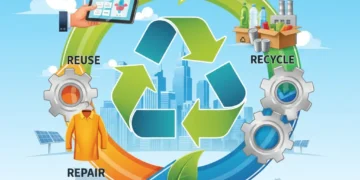
The concept of a circular economy, where waste is minimized, and resources are kept in use for as long as possible, is gaining traction. For the 40% committed to sustainability cultural value, this translates to:
- Extensive recycling and composting: Going beyond basic recycling to include difficult-to-recycle items and food waste.
- Upcycling and repurposing: Giving new life to old items instead of discarding them.
- Repair over replacement: Learning practical skills or supporting businesses that repair electronics, appliances, and clothing.
- Reducing single-use plastics: Carrying reusable bags, water bottles, and coffee cups as a matter of course.
These actions are not just about waste management; they represent a fundamental rethinking of consumption and disposal.

The Drivers Behind This Cultural Shift
Understanding the impetus behind the surge in sustainability cultural value is crucial for appreciating its long-term impact. Several key drivers are at play:
Generational Influence and Advocacy
As mentioned, younger generations are powerful catalysts. Millennials and Gen Z have grown up with climate change as a constant backdrop, fostering a sense of urgency and a desire for systemic change. They are more likely to demand accountability from corporations and governments, and to integrate sustainable choices into their personal lives. Their influence extends beyond their own demographic, inspiring older generations to reconsider their habits and values. Social media platforms amplify their voices, creating a powerful network for sharing information, organizing advocacy, and promoting sustainable lifestyles.
Increased Access to Information and Education
The digital age has made information about environmental issues and sustainable solutions more accessible than ever before. Documentaries, scientific reports, news articles, and educational campaigns have educated the public on the consequences of unsustainable practices. This increased awareness empowers individuals to make informed decisions and connects their daily actions to broader global impacts. Educational institutions are also integrating sustainability into their curricula, nurturing a generation of environmentally literate citizens.
Corporate Responsibility and Greenwashing Awareness
While some companies have genuinely embraced sustainability, others have engaged in ‘greenwashing’ – making misleading claims about their environmental practices. However, consumers, particularly those with a strong sustainability cultural value, are becoming increasingly savvy at discerning genuine efforts from superficial ones. This consumer scrutiny pushes companies to adopt more transparent and impactful sustainability initiatives, creating a virtuous cycle where corporate responsibility becomes a competitive advantage. Brands that genuinely align with sustainable values are gaining loyalty and market share.
Policy and Regulatory Frameworks
Government policies and regulations, both at local and national levels, play a significant role in shaping sustainable behaviors. Incentives for renewable energy, stricter emissions standards, regulations on plastic use, and investments in public transportation infrastructure all contribute to creating an environment where sustainable choices are easier and more appealing. While individual action is vital, systemic change often requires supportive policy frameworks.
Impacts Beyond Individual Lifestyles: A Broader Societal Transformation
The growing embrace of sustainability cultural value by 40% of Americans will have ripple effects far beyond individual consumer choices, leading to broader societal transformations.
Economic Shifts and Green Industries
The demand for sustainable products and services is fueling the growth of green industries. This includes renewable energy, sustainable agriculture, eco-tourism, green building, and electric vehicle manufacturing. This shift creates new jobs, stimulates innovation, and attracts investment. Businesses that fail to adapt to this evolving market risk becoming obsolete, while those that embrace sustainability are likely to thrive. The financial sector is also responding, with a growing interest in ESG (Environmental, Social, and Governance) investing, where ethical and sustainable performance is integrated into investment decisions.
Community Development and Urban Planning
Sustainable communities are becoming a priority. This involves:
- Green infrastructure: Incorporating parks, urban forests, and permeable surfaces to manage stormwater and improve air quality.
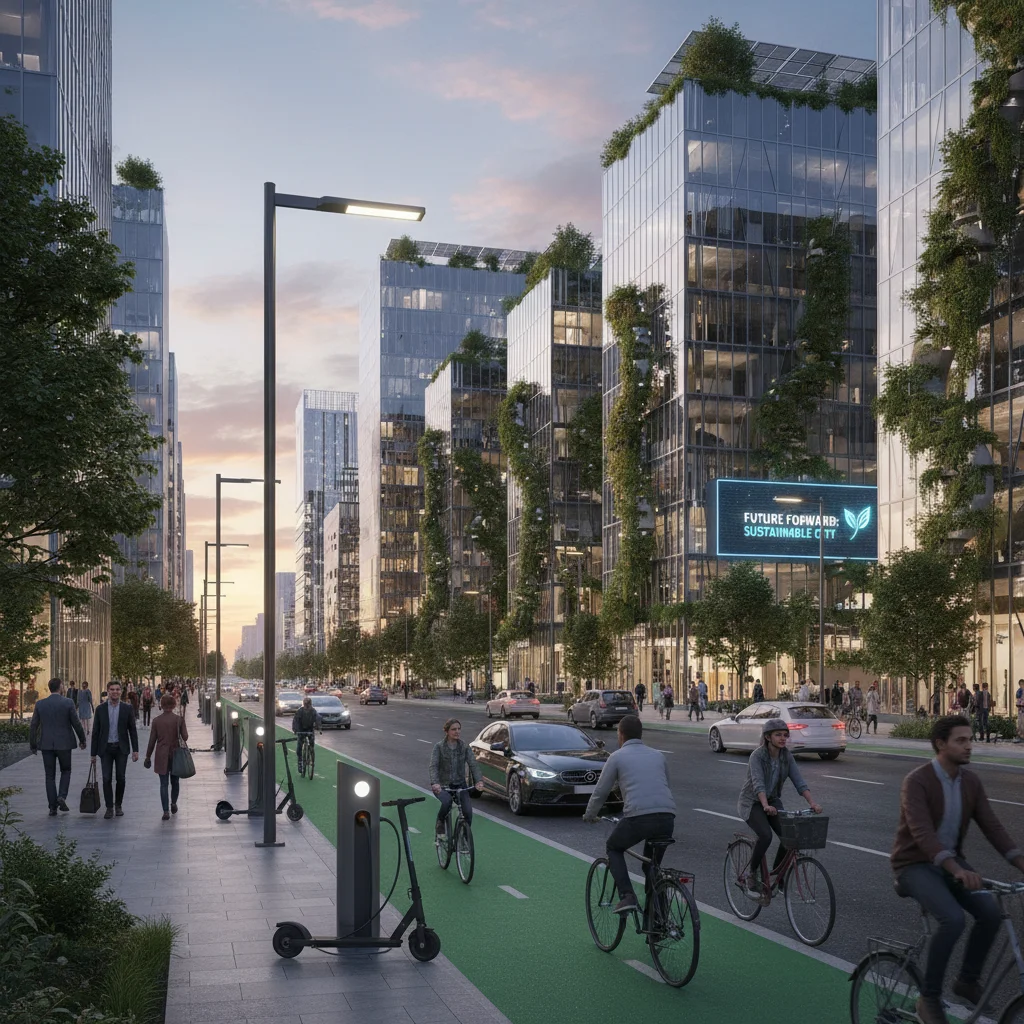
- Walkable and bikeable cities: Designing urban spaces that reduce reliance on cars.
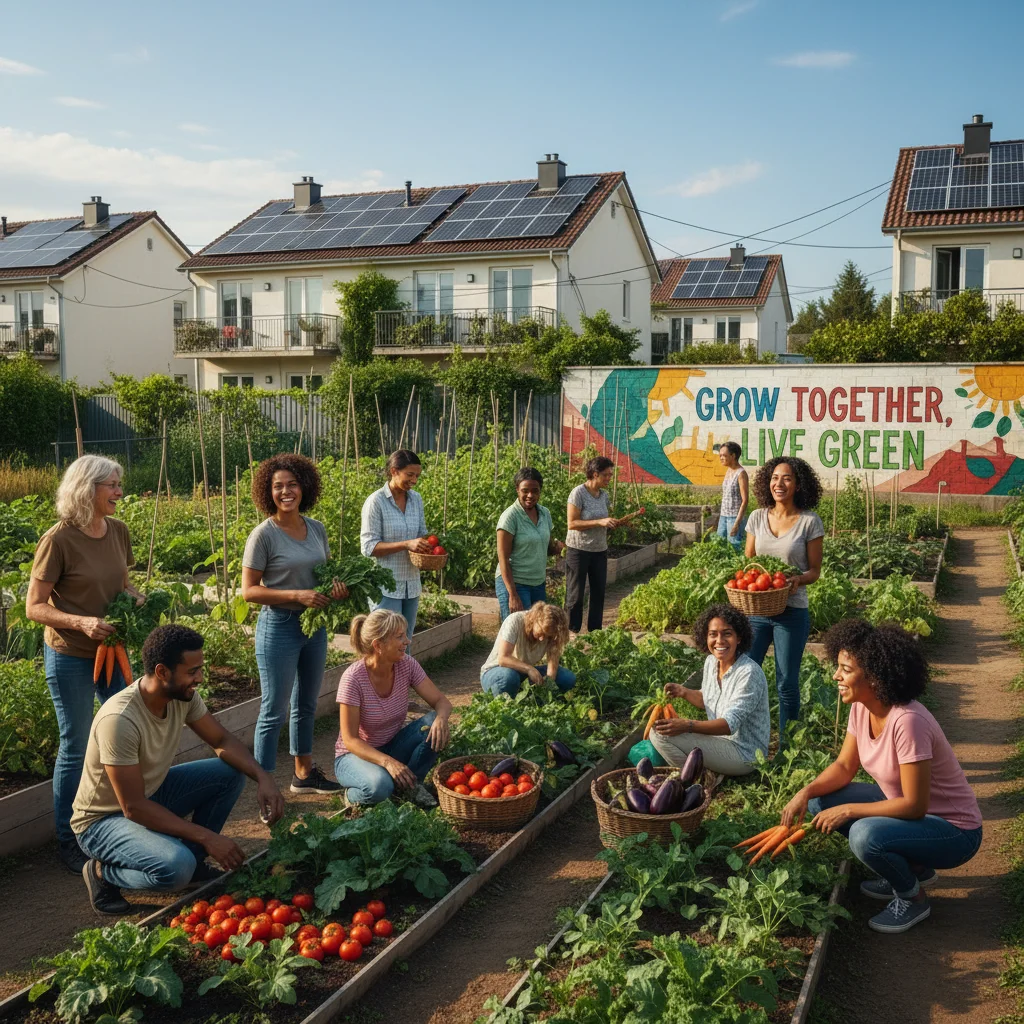
- Community gardens and local food systems: Enhancing food security and fostering community bonds.
- Efficient public transit: Expanding and improving public transportation networks.
Urban planners and developers are increasingly integrating these principles to create more livable, resilient, and environmentally friendly cities, reflecting the collective sustainability cultural value of their residents.
Social Equity and Environmental Justice
The link between environmental degradation and social inequality is increasingly recognized. Communities of color and low-income populations often bear a disproportionate burden of pollution and environmental hazards. As sustainability cultural value strengthens, there’s a growing imperative to address these issues through environmental justice initiatives. This involves advocating for equitable access to clean air, water, and green spaces, and ensuring that sustainable solutions benefit all segments of society, not just the privileged.
Challenges and Opportunities on the Path to 2026 and Beyond
While the trajectory towards sustainability cultural value becoming mainstream is clear, challenges remain. Inertia, resistance to change, economic pressures, and political polarization can hinder progress. The upfront cost of some sustainable solutions, though often offset by long-term savings, can be a barrier for some households and businesses. There’s also the ongoing challenge of combating misinformation and ensuring that sustainable practices are genuinely effective and not just performative.
However, these challenges are overshadowed by immense opportunities. The shift towards sustainability fosters innovation, drives economic growth in new sectors, and improves public health. It encourages collaboration across industries, governments, and communities. Furthermore, by embedding sustainability cultural value deeply within society, America can contribute significantly to global efforts to combat climate change, protect biodiversity, and ensure a more equitable future for all.
The Future is Green: Embracing Sustainability as a Core Value
The journey towards 2026, with 40% of Americans integrating sustainability cultural value into their lives, marks a pivotal moment in the nation’s history. This isn’t a fleeting trend but a fundamental reorientation of priorities and behaviors. It signifies a growing understanding that human prosperity is inextricably linked to ecological health. As more individuals, communities, and institutions embrace this value, the collective impact will be transformative.
This cultural shift invites everyone to participate. Whether it’s through conscious consumer choices, advocating for policy changes, investing in green technologies, or simply adopting more mindful daily habits, every action contributes to building a more sustainable future. The increasing embrace of sustainability cultural value offers a hopeful vision: a future where ecological responsibility is not an afterthought, but a foundational principle guiding our decisions and shaping our collective destiny.
By actively engaging with these evolving values, individuals and organizations can not only adapt to the changing landscape but also become leaders in forging a more resilient, equitable, and environmentally conscious society. The 40% projection is just the beginning; the momentum for sustainability is growing, promising a profound and lasting impact on the American way of life.