2026 Home Automation Report: Top 5 Smart Devices Revolutionizing US Households
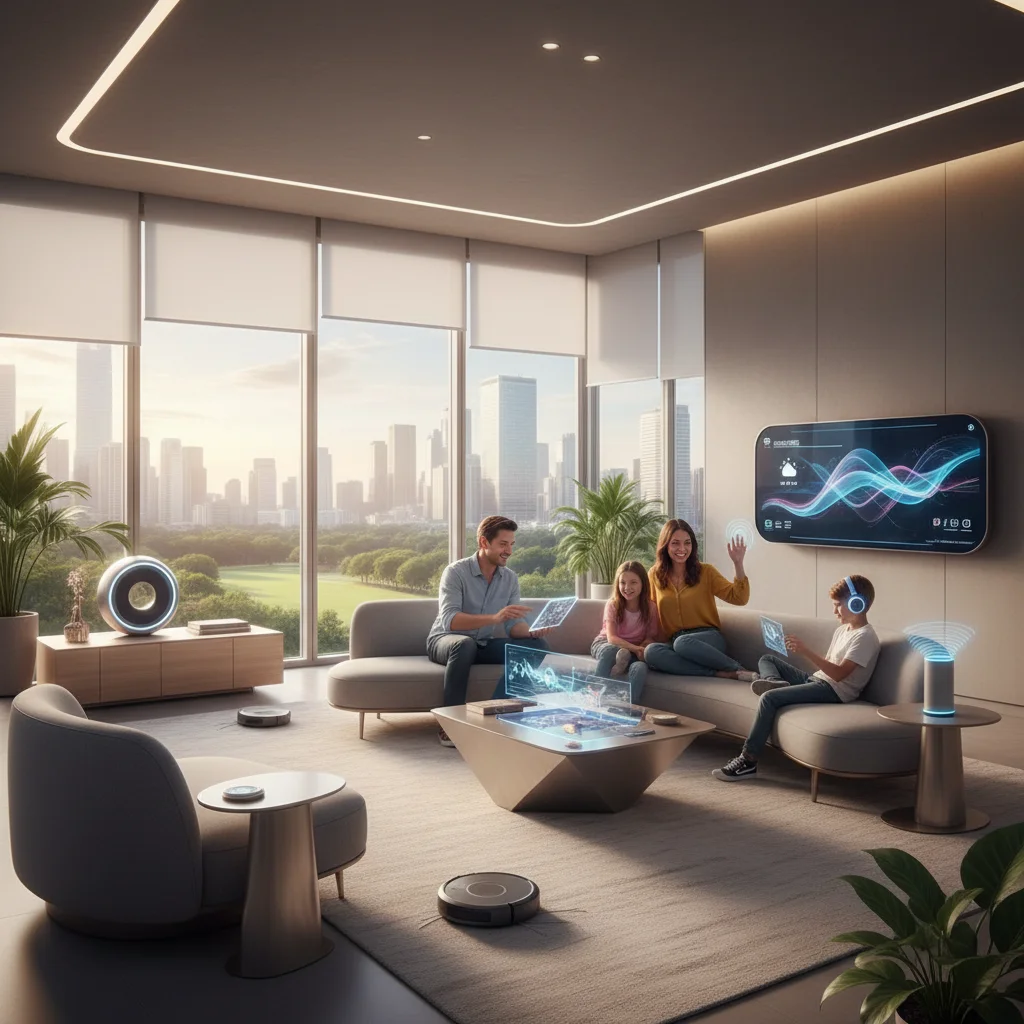
The landscape of modern living is undergoing a profound transformation, driven by an accelerating pace of technological innovation. Nowhere is this more evident than in the realm of home automation. What was once the stuff of science fiction is now a tangible reality for millions of households across the United States. As we look towards 2026, the evolution of smart home devices continues to redefine convenience, security, energy efficiency, and entertainment, fundamentally altering our daily routines and expectations of a connected home.
This comprehensive 2026 Home Automation Report delves into the cutting-edge innovations that are not just trends, but foundational shifts in how we interact with our living spaces. We’ve meticulously analyzed market data, consumer adoption rates, and technological advancements to identify the five most impactful smart devices poised to revolutionize US households in the coming years. These aren’t just gadgets; they are integral components of a smarter, more responsive, and more intuitive home ecosystem.
The market for smart home technology has seen exponential growth, fueled by advancements in AI, machine learning, and IoT (Internet of Things) connectivity. Consumers are increasingly seeking solutions that offer seamless integration, personalized experiences, and measurable benefits, whether it’s saving on energy bills, enhancing personal safety, or simply simplifying mundane tasks. As manufacturers refine their offerings and connectivity standards become more robust, the barrier to entry for many consumers continues to lower, making smart home technology accessible to a broader demographic.
Our report focuses on devices that demonstrate significant innovation, strong market penetration, and a clear trajectory for continued influence. We consider not only their individual functionalities but also their potential for interoperability within a broader smart home framework. The goal is to provide a clear picture of what the average US household can expect to find in their homes by 2026, and how these smart home devices will contribute to a more optimized and enjoyable living experience.
From intelligent climate control systems that learn your preferences to advanced security solutions that offer proactive protection, the future of home automation is here, and it’s smarter than ever before. Let’s embark on this journey to explore the five smart devices that are leading the charge in revolutionizing daily routines in US households.
1. The Rise of Proactive Smart Home Security Systems
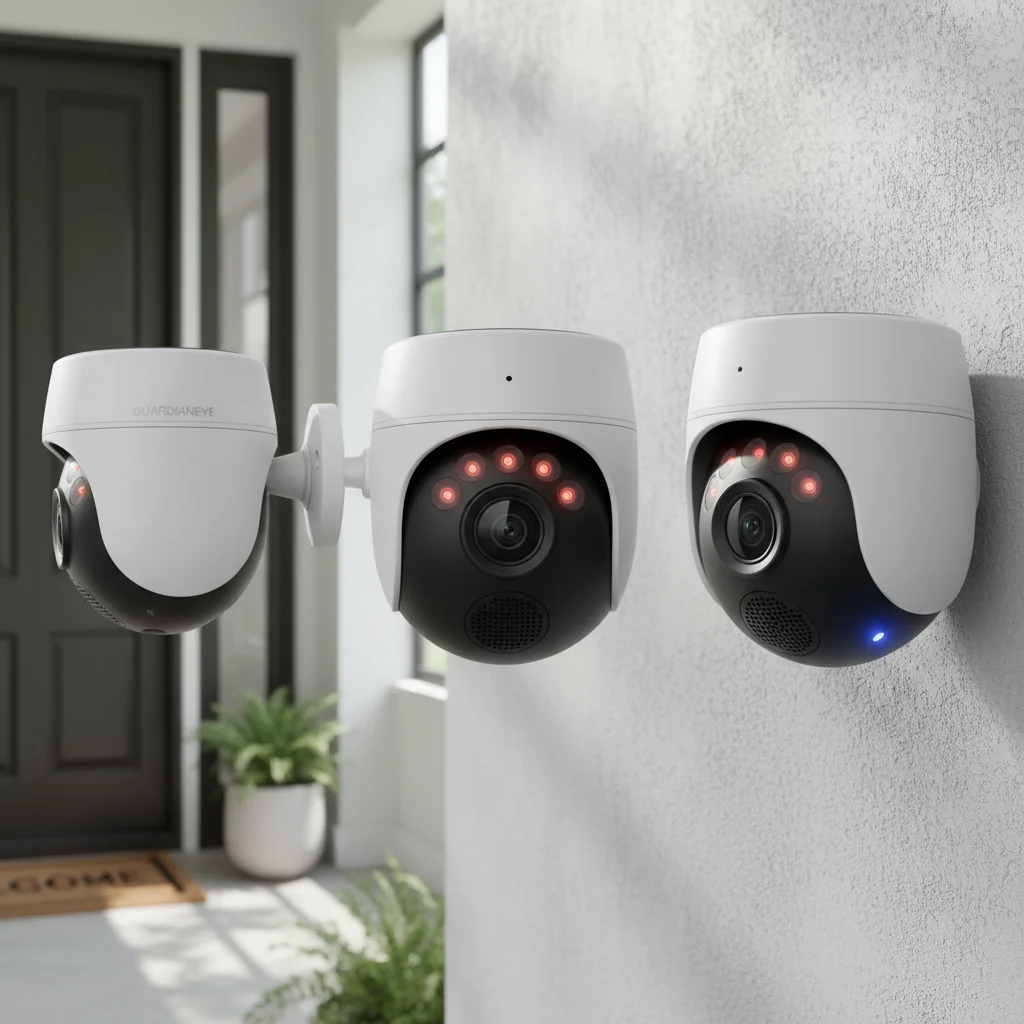
Gone are the days when home security meant little more than an alarm that blared when a door was forced open. By 2026, smart home security systems have evolved into sophisticated, proactive guardians, leveraging AI and advanced sensor technology to offer unparalleled peace of mind. These aren’t just reactive systems; they anticipate threats and provide real-time, actionable intelligence.
Key advancements include:
- AI-Powered Anomaly Detection: Beyond simple motion detection, these systems use machine learning to differentiate between pets, known family members, and potential intruders. They can identify unusual patterns, such as a window being opened at an odd hour or a car idling outside for too long, and alert homeowners or authorities accordingly.
- Integrated Drone Surveillance (Exterior): While still in nascent stages, exterior home security drones are becoming a reality for high-end installations. These autonomous devices can patrol property perimeters, providing aerial views and immediate response to triggered alerts, recording footage, and even deterring intruders with audible warnings.
- Facial Recognition and Biometric Access: Smart locks integrated with facial recognition and fingerprint scanners offer seamless, keyless entry for authorized individuals, while denying access to others. This technology extends to package delivery, allowing verified couriers temporary, supervised access to secure drop-off points.
- Environmental Hazard Monitoring: Modern security systems are no longer just about intrusion. They integrate smoke, carbon monoxide, flood, and even air quality sensors, providing a holistic safety net for the home. Alerts can be sent directly to emergency services, along with detailed information about the hazard’s location.
- Seamless Emergency Services Integration: In 2026, smart security systems are increasingly linked directly to local emergency services. In the event of a confirmed breach or emergency, the system can automatically dispatch police, fire, or medical personnel, providing them with critical information like floor plans, entry points, and live camera feeds (with homeowner consent). This drastically reduces response times and improves outcomes.
The impact of these proactive smart home devices on US households is profound. Homeowners gain an unprecedented level of control and awareness over their property, leading to reduced crime rates in areas with high adoption and a significant decrease in false alarms. The ability to monitor one’s home from anywhere, receive intelligent alerts, and even interact with visitors or potential threats remotely, has redefined the concept of home safety. This shift from reactive alarms to proactive, intelligent security is one of the most significant revolutions in daily home routines.
Furthermore, the data collected by these systems, anonymized and aggregated, can contribute to smarter urban planning and more efficient emergency response strategies at a community level. The continuous learning capabilities of AI ensure that these systems become more effective and personalized over time, adapting to individual household patterns and evolving threats. The future of home security is not just about protection; it’s about intelligent, adaptive, and integrated peace of mind.
2. Advanced Energy Management Systems with Predictive AI
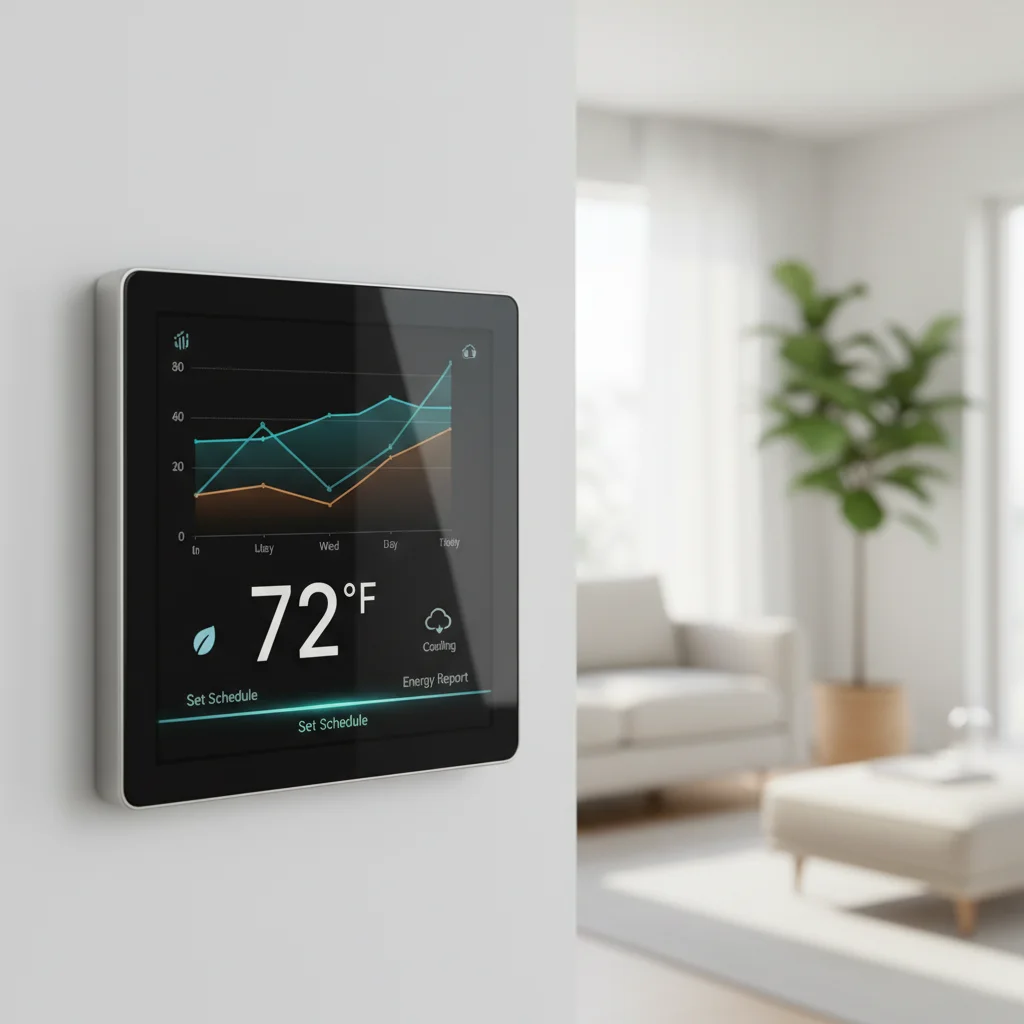
Energy consumption is a significant concern for US households, both environmentally and financially. By 2026, basic smart thermostats have evolved into comprehensive Advanced Energy Management Systems (AEMS) that leverage predictive AI to optimize energy use like never before. These smart home devices go far beyond simple scheduling, actively learning and adapting to minimize waste and maximize savings.
Key features of 2026 AEMS include:
- Hyper-Personalized Climate Control: AEMS learn individual preferences for every room, not just the whole house. They integrate with occupancy sensors, smart blinds, and even personal wearable devices to understand who is home, where they are, and what their comfort levels are, adjusting heating, cooling, and ventilation zones accordingly.
- Predictive Weather Integration: These systems don’t just react to current weather; they use hyper-local, real-time weather forecasts to anticipate future needs. If a heatwave is predicted, the system might pre-cool the house during off-peak hours to reduce strain and cost during peak demand. Similarly, it can pre-heat before a cold snap.
- Dynamic Grid Optimization: AEMS are increasingly connected to smart grids. They can intelligently shift energy-intensive tasks (like charging an EV or running a dishwasher) to times when electricity demand is low and prices are cheaper, or when renewable energy sources are abundant. Some systems even allow homeowners to sell excess solar power back to the grid automatically during peak demand.
- Appliance-Level Monitoring and Control: Beyond just HVAC, AEMS monitor the energy consumption of individual appliances. They can identify ‘energy vampires’ – devices that draw power even when not in use – and suggest adjustments or automatically cut power to them when not needed. Users can track detailed energy reports for every device in their home.
- Self-Healing and Proactive Maintenance: Integrated sensors within HVAC systems and other energy-consuming appliances can detect early signs of malfunction. The AEMS can then alert homeowners, schedule maintenance, and even order replacement parts, preventing costly breakdowns and ensuring optimal energy efficiency.
The revolution brought about by these advanced energy management smart home devices is multifaceted. Households see significant reductions in their utility bills, often ranging from 20% to 40%, contributing to substantial annual savings. Environmentally, the optimized use of energy reduces the carbon footprint of individual homes, supporting broader sustainability goals. The convenience of having a system that intelligently manages energy without constant manual intervention frees up homeowners’ time and reduces cognitive load.
Moreover, these systems provide unprecedented transparency into energy usage, empowering consumers to make more informed decisions about their consumption habits. The data collected by AEMS can also be leveraged by utility companies to better manage grid load, integrate renewable energy sources more effectively, and offer personalized energy plans to consumers, fostering a more resilient and efficient energy ecosystem for the entire nation.
3. Integrated Smart Kitchen Hubs with AI Personalization
The kitchen, often considered the heart of the home, is experiencing a technological renaissance with the advent of Integrated Smart Kitchen Hubs. By 2026, these are no longer just smart screens; they are central command centers that streamline everything from meal planning to grocery shopping, leveraging AI to cater to individual dietary needs and culinary preferences. These smart home devices are transforming how US households prepare, cook, and manage their food.
Key innovations in Smart Kitchen Hubs include:
- AI-Powered Meal Planning and Recipe Generation: These hubs learn family tastes, dietary restrictions (allergies, vegan, gluten-free), and even what ingredients are currently in the smart pantry or refrigerator. They can then generate personalized meal plans, suggest recipes, and even create dynamic shopping lists that integrate with online grocery delivery services.
- Smart Appliance Synchronization: The hub seamlessly connects with smart ovens, refrigerators, dishwashers, and even smaller appliances like coffee makers. It can preheat the oven based on a selected recipe, monitor food expiration dates in the fridge, and alert users when the dishwasher needs to run or when specific ingredients are running low.
- Interactive Cooking Assistance: During cooking, the hub acts as a virtual sous chef, providing step-by-step instructions, video tutorials, and even adjusting cooking times and temperatures on connected appliances. It can recognize ingredients placed on a smart cutting board and offer recipe suggestions based on what’s available.
- Waste Reduction and Inventory Management: By tracking inventory and expiration dates, the hub actively helps reduce food waste. It can suggest recipes using ingredients that are nearing their expiration, or alert users to consume items before they spoil. This not only saves money but also contributes to environmental sustainability.
- Family Communication and Entertainment: Beyond cooking, these hubs serve as central communication points. They can display family calendars, leave digital notes, make video calls, and provide entertainment through streaming services, all while keeping hands free during meal preparation.
The impact on daily routines in US households is significant. The stress of meal planning and grocery shopping is dramatically reduced, and the cooking process becomes more efficient and enjoyable. Households report less food waste and healthier eating habits due to personalized recommendations and easier access to nutritious recipes. The smart kitchen hub moves beyond being a mere convenience to becoming an indispensable tool for managing a vital aspect of family life.
Moreover, these hubs are evolving to understand nutritional needs, offering suggestions for balanced diets and tracking caloric intake if desired. Integration with health and fitness trackers allows for a holistic approach to well-being, where the kitchen becomes a proactive partner in maintaining a healthy lifestyle. The future kitchen is not just a place to prepare food; it’s a personalized culinary and wellness assistant, powered by intelligent smart home devices.
4. Adaptive Smart Lighting Systems with Circadian Rhythm Integration
Lighting is often overlooked in its impact on well-being, but by 2026, Adaptive Smart Lighting Systems are recognized as crucial smart home devices for optimizing health, mood, and productivity in US households. These systems go far beyond simple dimming; they dynamically adjust light intensity and color temperature to mimic natural daylight patterns, supporting human circadian rhythms.
Key features of 2026 Adaptive Smart Lighting include:
- Circadian Rhythm Synchronization: The lights automatically adjust throughout the day, providing bright, cool-toned light in the morning to boost alertness, gradually shifting to warmer, softer tones in the evening to promote relaxation and prepare the body for sleep. This helps regulate melatonin production, leading to better sleep quality and overall mood.
- Occupancy and Activity-Based Lighting: Integrated sensors detect presence and activity. Lights automatically turn on when entering a room and off when leaving, saving energy. Furthermore, the system can adjust lighting scenes based on the activity – brighter task lighting for reading or cooking, softer ambient light for watching a movie.
- Personalized Light Presets and Zones: Users can create and save personalized lighting scenes for different moods or activities, accessible via voice command or app. Different areas of the home can also be zoned, allowing for independent control and customization of light settings.
- Natural Light Harvesting: The system integrates with smart blinds or shades, dynamically adjusting their position to maximize natural light during the day while preventing glare. This reduces the need for artificial lighting, further contributing to energy savings and a more natural indoor environment.
- Emergency and Security Integration: In the event of a security alert, lights can flash or illuminate specific areas to deter intruders. During an emergency like a fire, they can guide occupants to exits with illuminated pathways, enhancing safety.
The impact on daily routines and well-being in US households is substantial. Improved sleep quality, reduced eye strain, enhanced mood, and increased productivity are direct benefits. Energy consumption for lighting is significantly reduced due to intelligent automation and natural light harvesting. The home environment becomes more dynamic and responsive to the needs of its occupants, fostering a sense of comfort and well-being.
Furthermore, these systems are increasingly incorporating advanced color rendering capabilities, making colors appear more vibrant and accurate, which is particularly beneficial for artists, designers, or anyone who values true color representation in their home. The evolution of adaptive smart lighting signifies a move towards a more human-centric design in home automation, recognizing the profound physiological and psychological effects of light on our daily lives. These smart home devices are not just for illumination; they are for elevation of life quality.
5. Whole-Home Air Quality and Environmental Control Systems
As awareness of indoor air quality and environmental health grows, Whole-Home Air Quality and Environmental Control Systems are emerging as essential smart home devices for US households by 2026. These integrated systems monitor and manage a comprehensive range of environmental factors, ensuring a healthy and comfortable living space.
Key aspects of these advanced systems include:
- Multi-Sensor Monitoring: These systems continuously monitor a wide array of indoor air pollutants, including VOCs (Volatile Organic Compounds), particulate matter (PM2.5, PM10), carbon dioxide, carbon monoxide, radon, humidity, and temperature. Sensors are strategically placed throughout the home for accurate readings.
- Automated Purification and Ventilation: Based on real-time data, the system automatically activates integrated air purifiers (with HEPA and activated carbon filters), adjusts ventilation systems to bring in fresh air when needed, and controls dehumidifiers or humidifiers to maintain optimal moisture levels.
- Allergen and Pathogen Control: Advanced filtration and UV-C light sterilization integrated into HVAC systems actively work to remove allergens (pollen, dust mites, pet dander) and airborne pathogens (viruses, bacteria), creating a safer environment for allergy sufferers and enhancing general health.
- Personalized Environmental Profiles: Users can set personalized environmental preferences for different family members or times of day. For example, a child’s bedroom might maintain stricter allergen control, while a home office prioritizes optimal CO2 levels for concentration.
- Integration with External Data: The system can pull in external data such as local pollen counts, wildfire smoke alerts, or air quality advisories, and proactively adjust indoor conditions to mitigate external threats. For instance, it might automatically close windows and activate maximum filtration during a high-pollen day.
The revolution these smart home devices bring to daily routines is profound. Households experience improved respiratory health, reduced allergy symptoms, and a general sense of well-being. The proactive management of indoor air quality means residents breathe cleaner air without having to constantly monitor or adjust individual devices. Energy efficiency is also maintained as the system only runs purification and ventilation when necessary, preventing over-filtration or excessive air exchange.
Furthermore, the data collected by these systems provides valuable insights into the health of the home environment, allowing homeowners to identify potential sources of pollution and take corrective action. This holistic approach to environmental control elevates the home beyond a mere shelter to a truly healthy and optimized living ecosystem, demonstrating a significant leap forward in home automation and occupant well-being.
The Interconnected Future: Synergy of Smart Home Devices
While each of these five categories of smart home devices offers significant individual benefits, their true revolutionary potential lies in their synergy and interconnectedness. By 2026, the concept of a fragmented smart home, where devices operate in isolation, is largely obsolete. Instead, we are witnessing the emergence of truly intelligent, integrated home ecosystems where devices communicate and cooperate seamlessly.
Imagine a scenario where your proactive smart security system detects an unusual presence at your front door. It doesn’t just alert you; it communicates with your adaptive smart lighting to illuminate the porch brightly, and with your whole-home environmental control system to ensure all windows are securely closed. Simultaneously, your integrated smart kitchen hub might pause background entertainment to ensure you hear the alert, and your energy management system might temporarily activate external cameras for a clearer view, all without a single manual command from you. This level of coordinated response is the hallmark of the 2026 smart home.
This integration is facilitated by advancements in universal communication protocols (like Matter and Thread), more powerful edge computing, and increasingly sophisticated AI algorithms that can orchestrate complex interactions between disparate devices. Voice assistants, often embedded in various hubs and devices, act as intuitive interfaces, allowing for natural language control over the entire home environment.
The benefits of such an interconnected ecosystem are exponential:
- Enhanced Convenience: Routines become fully automated and personalized. Your home anticipates your needs, adjusting lighting, temperature, and even music as you move from room to room or transition from work to relaxation.
- Maximized Efficiency: Energy savings are compounded when systems like lighting, HVAC, and window coverings work together. Security systems can arm automatically when the last person leaves, reducing energy consumption in an unoccupied home.
- Superior Safety and Security: A unified approach to security means faster, more comprehensive responses to threats, whether they are intruders, fires, or gas leaks.
- Holistic Well-being: From circadian lighting to optimized air quality and personalized meal planning, the integrated smart home actively contributes to the physical and mental health of its occupants.
- Future-Proofing: A robust, integrated platform makes it easier to add new smart home devices and functionalities in the future, ensuring the home remains cutting-edge and adaptable to evolving needs.
The journey from individual smart gadgets to a truly intelligent home ecosystem is a testament to the rapid pace of technological innovation. These five types of smart home devices are not just transforming individual aspects of daily life; they are collectively building the foundation for a future where homes are intuitive, responsive, and deeply integrated into our lives, making them more comfortable, secure, and sustainable.
Challenges and Considerations for Smart Home Adoption
Despite the immense benefits and rapid advancements in smart home devices, several challenges and considerations remain for widespread adoption in US households by 2026. Addressing these factors is crucial for the continued growth and acceptance of home automation technology.
- Data Privacy and Security: With increased connectivity comes a greater need for robust data privacy and cybersecurity measures. Consumers are increasingly concerned about how their personal data (occupancy patterns, energy usage, health metrics) is collected, stored, and used. Manufacturers and service providers must prioritize end-to-end encryption, transparent data policies, and strong authentication protocols to build trust.
- Interoperability and Standardization: While progress has been made with standards like Matter, a truly seamless plug-and-play experience across all brands and device types is still a work in progress. Fragmented ecosystems can lead to frustration and limit the full potential of an integrated smart home. Continued industry collaboration is essential.
- Cost of Entry and Installation: While prices for individual smart home devices are decreasing, the upfront investment for a comprehensive, whole-home automation system can still be substantial. Professional installation for complex systems can also add to the cost. Manufacturers need to continue developing more affordable options and simpler DIY installation processes.
- Reliability and Maintenance: Consumers expect their smart home systems to be consistently reliable. Glitches, connectivity issues, or complex troubleshooting can quickly erode user confidence. Long-term software updates, responsive customer support, and easy maintenance are vital.
- Digital Literacy and User Experience: Not all consumers are tech-savvy. The user interfaces for managing smart homes need to be intuitive, accessible, and inclusive. Overly complex apps or voice commands can deter adoption. The goal should be for technology to fade into the background, working seamlessly without constant manual intervention.
- Ethical AI Considerations: As AI becomes more integrated into smart homes, ethical questions regarding bias, decision-making autonomy, and surveillance become more prominent. Transparent AI practices and clear user controls over AI behavior are necessary.
- Energy Consumption of Smart Devices Themselves: While smart homes aim to save energy, the collective power consumption of numerous always-on smart home devices needs to be monitored and optimized. Manufacturers are working on more energy-efficient components and standby modes.
Addressing these challenges is not just the responsibility of manufacturers but also involves policymakers, industry standards bodies, and consumer advocacy groups. Education campaigns can help consumers understand the benefits and manage the risks. As these hurdles are overcome, the path to a truly ubiquitous and beneficial smart home future becomes clearer, further solidifying the role of these innovative technologies in revolutionizing daily routines across the US.
Conclusion: The Smart Home Evolution Continues
The 2026 Home Automation Report unequivocally demonstrates that smart home devices are no longer niche luxuries but essential components of modern living in US households. The five categories highlighted – proactive smart home security, advanced energy management, integrated smart kitchen hubs, adaptive smart lighting, and whole-home air quality systems – represent the vanguard of this technological revolution. They offer not just convenience, but tangible improvements in safety, sustainability, health, and overall quality of life.
As these technologies continue to mature and integrate, the vision of a truly intelligent, responsive, and intuitive home becomes an increasingly widespread reality. The future home will be a dynamic entity, anticipating our needs, protecting our loved ones, conserving resources, and enriching our daily experiences in ways we are only just beginning to fully comprehend. The journey of home automation is far from over; indeed, it is accelerating, promising an even smarter, more connected future for all.
Embracing these innovations means stepping into a future where technology serves to simplify, enhance, and protect the sanctity of our homes. The revolution of daily routines is well underway, powered by the ingenious design and relentless progress of smart home devices, making 2026 a pivotal year in the ongoing saga of home automation.