U.S. Sustainable Energy Policy: 2026 Growth & Investment

U.S. Sustainable Energy Policy: 7 Key Changes Driving 15% Growth in Renewable Investments by 2026
The landscape of energy production and consumption in the United States is undergoing a profound transformation. Driven by increasing environmental concerns, technological advancements, and a growing understanding of the economic benefits, the shift towards US Sustainable Energy is accelerating at an unprecedented pace. Projections indicate that by 2026, the U.S. will witness a remarkable 15% growth in renewable energy investments, a testament to the efficacy of evolving policy frameworks and market dynamics. This article delves into the seven pivotal U.S. policy changes that are not only fostering this growth but also redefining the future of energy across the nation.
For decades, the United States has grappled with the complex interplay of energy security, economic stability, and environmental stewardship. The reliance on fossil fuels, while historically fueling industrial growth, has presented significant challenges, particularly concerning climate change and air quality. However, a concerted effort from policymakers, innovators, and the public has begun to tip the scales towards cleaner, more sustainable alternatives. The current trajectory suggests that the next few years will be critical in solidifying the U.S. position as a leader in sustainable energy development.
The journey towards a fully sustainable energy future is multifaceted, involving intricate legislative processes, substantial capital investments, and continuous technological innovation. Understanding the specific policy mechanisms at play is crucial for anyone looking to comprehend or participate in this green revolution. From tax incentives designed to spur investment to regulatory frameworks promoting grid modernization, each policy change plays a vital role in shaping the energy landscape. Our focus here is on identifying and explaining the key policy shifts that are directly contributing to the projected 15% surge in renewable investments by 2026, demonstrating a clear path forward for US Sustainable Energy.
Understanding the Imperative for US Sustainable Energy Growth
Before diving into the specifics of policy, it’s essential to grasp why the push for US Sustainable Energy is more critical than ever. The climate crisis demands urgent action, with scientific consensus pointing to the need for drastic reductions in greenhouse gas emissions. Renewable energy sources such as solar, wind, hydropower, geothermal, and biomass offer viable alternatives that produce little to no emissions during operation. Beyond environmental benefits, sustainable energy offers energy independence, reduces volatility in energy prices, and creates a new wave of green jobs, stimulating economic growth across various sectors.
The economic argument for renewables has also strengthened considerably. The cost of solar panels and wind turbines has plummeted over the past decade, making them increasingly competitive with, and often cheaper than, traditional fossil fuel power generation. This economic viability, coupled with robust policy support, forms a powerful catalyst for investment. Investors are recognizing the long-term stability and growth potential of the renewable sector, moving capital away from riskier, carbon-intensive assets towards more sustainable portfolios. This financial pivot is a significant factor in the projected 15% investment increase.
Furthermore, energy resilience and grid modernization are becoming paramount. Extreme weather events, often exacerbated by climate change, highlight the vulnerabilities of aging energy infrastructure. Distributed renewable energy systems, combined with advanced grid technologies and energy storage solutions, offer greater resilience and reliability. Policies that support these advancements are not just about environmental protection; they are about securing a stable and robust energy future for the nation, making US Sustainable Energy a national security imperative.
Policy Change 1: Extended and Expanded Tax Credits for Renewables
One of the most impactful drivers for renewable energy investment has been the extension and expansion of federal tax credits. The Investment Tax Credit (ITC) for solar and the Production Tax Credit (PTC) for wind energy have historically played a crucial role in making these technologies economically attractive. Recent legislative actions have not only extended these credits for several years but have also broadened their scope to include additional clean energy technologies, such as standalone energy storage and geothermal projects.
The long-term certainty provided by these extensions is invaluable for investors and project developers. It allows for more stable financial planning, reduces investment risk, and encourages the deployment of large-scale projects that require significant upfront capital. The expansion to include new technologies also diversifies the renewable energy portfolio, fostering innovation and market entry for emerging solutions. This policy certainty is a cornerstone of the anticipated 15% growth in renewable investments, directly influencing capital allocation towards US Sustainable Energy projects.
Moreover, some legislative updates have introduced ‘direct pay’ options or ‘transferability’ provisions, which allow entities that might not have sufficient tax liability to still benefit from the credits. This is particularly beneficial for non-profit organizations, municipal utilities, and rural electric cooperatives, significantly expanding the pool of eligible participants and accelerating deployment across diverse ownership structures. These mechanisms ensure that the economic benefits of renewable energy are more broadly accessible, democratizing access to clean energy development and further bolstering the investment climate for US Sustainable Energy.
Policy Change 2: Significant Investments in Grid Modernization and Infrastructure
The transition to a high-renewable energy grid requires substantial upgrades to existing infrastructure. Intermittent renewable sources like solar and wind necessitate a smarter, more flexible grid capable of managing bidirectional energy flow, integrating energy storage, and responding dynamically to supply and demand fluctuations. Recent federal infrastructure packages have allocated billions of dollars towards modernizing the U.S. electrical grid.
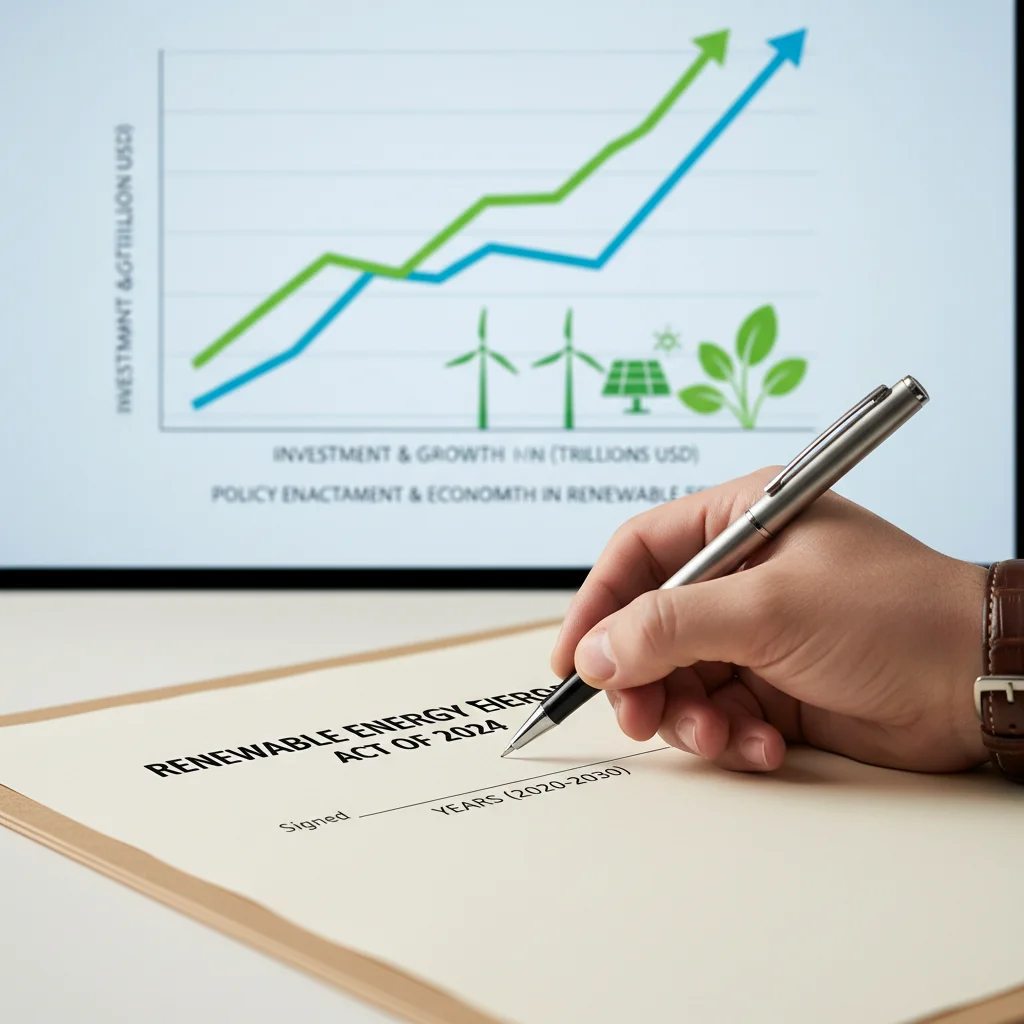
These investments are critical for ensuring that the increasing amounts of renewable energy generated can be efficiently transmitted from where it’s produced (often remote locations with abundant sun or wind) to where it’s consumed. They include funding for new transmission lines, advanced sensors, smart meters, and cybersecurity enhancements. A modernized grid reduces curtailment (the waste of generated renewable energy due to lack of transmission capacity) and improves overall system reliability, making renewable projects more attractive to investors by guaranteeing their output can reach the market. This focus on infrastructure is a direct enabler of increased US Sustainable Energy adoption.
Furthermore, funding for microgrids and distributed energy resources (DERs) is also part of this modernization effort. Microgrids can operate independently of the main grid during outages, providing localized energy resilience. Policies supporting DERs, such as rooftop solar and community solar projects, empower consumers and local communities to play a more active role in energy production, further diversifying the energy mix and reducing strain on centralized infrastructure. These strategic investments are foundational to sustaining the growth in US Sustainable Energy.
Policy Change 3: Enhanced Federal Loan Programs and Grant Opportunities
Access to capital remains a significant hurdle for many clean energy projects, especially for innovative technologies or smaller-scale deployments. To address this, the U.S. government has strengthened and expanded various federal loan programs and grant opportunities. Programs through the Department of Energy (DOE) and the Department of Agriculture (USDA), for instance, offer low-interest loans, loan guarantees, and grants specifically tailored for renewable energy projects, energy efficiency upgrades, and rural clean energy development.
These financial mechanisms de-risk investments for private lenders and developers, encouraging greater participation in the sustainable energy sector. They are particularly vital for projects that might be perceived as riskier by conventional financial institutions or for those in underserved communities. By providing a financial backstop, these programs unlock private capital that might otherwise remain on the sidelines, directly contributing to the anticipated 15% increase in renewable investments. This proactive financial support is a clear signal of commitment to US Sustainable Energy.
The focus isn’t just on large utility-scale projects; many programs are designed to support small businesses, farms, and local governments in adopting renewable energy. This broad-based approach ensures that the benefits of clean energy are distributed widely, fostering a more inclusive energy transition. The availability of diverse funding options significantly lowers the barriers to entry for new players and technologies, propelling the overall growth of US Sustainable Energy.
Policy Change 4: Streamlined Permitting and Siting Processes
One of the persistent challenges for renewable energy project development has been the often complex and lengthy permitting and siting processes. Navigating federal, state, and local regulations can add significant time and cost to projects, deterring investment. Recognizing this bottleneck, recent policy efforts have focused on streamlining these processes.
Initiatives include establishing clearer guidelines for environmental reviews, improving inter-agency coordination, and providing resources for states and local governments to accelerate their own permitting procedures. The goal is to reduce bureaucratic delays without compromising environmental protection. By making it easier and faster to get projects approved and built, these policy changes directly enhance the attractiveness of investing in renewable energy, contributing to the projected surge in US Sustainable Energy installations.
Additionally, policies are being developed to identify and prioritize ‘renewable energy zones’ or areas with high resource potential and existing transmission capacity, further simplifying siting decisions. This strategic planning helps to avoid conflicts and accelerates deployment, ensuring that the momentum towards a cleaner energy future is not hampered by administrative hurdles. Efficient permitting is a silent yet powerful driver for the growth of US Sustainable Energy.
Policy Change 5: Federal Procurement of Clean Energy
The U.S. federal government, as the nation’s largest energy consumer, has immense purchasing power. Policies mandating or encouraging federal agencies to procure a significant percentage of their electricity from clean energy sources create a massive, stable demand signal for renewable energy developers. This ‘lead by example’ approach not only reduces the federal government’s carbon footprint but also stimulates market growth and innovation.
These mandates often include specific targets for renewable energy consumption and energy efficiency improvements across federal buildings and operations. By committing to long-term power purchase agreements (PPAs) with renewable energy providers, the government offers a reliable revenue stream that can underpin financing for new projects. This stability is highly attractive to investors, confident in a guaranteed buyer for their clean energy output, thereby fueling the 15% investment growth in US Sustainable Energy.
Such policies also encourage the development of new technologies and business models as suppliers compete to meet federal requirements. It creates a robust domestic market for clean energy products and services, fostering job creation and economic development. The federal government’s commitment serves as a powerful testament to the viability and necessity of US Sustainable Energy.
Policy Change 6: Research, Development, and Deployment (RD&D) Funding
While existing renewable technologies are highly effective, continuous innovation is crucial for achieving deeper decarbonization and addressing remaining challenges like intermittency and storage. Federal funding for Research, Development, and Deployment (RD&D) plays a vital role in pushing the boundaries of clean energy technology.
Recent policy initiatives have significantly increased appropriations for agencies like the Department of Energy’s Office of Energy Efficiency and Renewable Energy (EERE) and ARPA-E (Advanced Research Projects Agency-Energy). This funding supports everything from fundamental scientific research into new materials and processes to the development of next-generation solar cells, advanced battery technologies, green hydrogen production, and carbon capture utilization and storage (CCUS).
Investing in RD&D not only brings down the cost of future clean energy solutions but also creates new industries and high-tech jobs. It ensures that the U.S. remains at the forefront of energy innovation, attracting private investment in areas that might otherwise be too risky for early-stage capital. This forward-looking approach is essential for the long-term sustainability and competitiveness of US Sustainable Energy, ultimately contributing to the overall investment surge.

The breakthroughs achieved through federal RD&D often lead to commercialization opportunities that attract significant private sector funding. By nurturing the initial stages of technological development, the government acts as a crucial catalyst, enabling the private sector to scale up and deploy these innovations more rapidly. This symbiotic relationship between public funding and private investment is a key factor in the projected growth of US Sustainable Energy.
Policy Change 7: State-Level Renewable Portfolio Standards (RPS) and Clean Energy Targets
While federal policies provide a broad framework, state-level initiatives are equally, if not more, influential in driving renewable energy deployment. Many states have enacted Renewable Portfolio Standards (RPS), which mandate that a certain percentage of electricity sold by utilities must come from renewable sources by a specific date. Other states have set ambitious clean energy targets or 100% clean electricity goals.
These state-specific mandates create a guaranteed market for renewable energy, providing regulatory certainty that encourages investment. Utilities and energy providers are compelled to procure or develop renewable generation capacity to meet their targets, leading to a steady demand for solar, wind, and other clean energy projects. The stringency and ambition of these state policies directly correlate with the pace of renewable energy development within their borders, significantly contributing to the national 15% investment growth in US Sustainable Energy.
Furthermore, states often complement RPS with their own incentive programs, tax breaks, and regulatory frameworks that further support local renewable energy markets. This patchwork of state and federal policies creates a robust and dynamic environment for sustainable energy development, allowing for tailored approaches that suit regional resources and economic conditions. The collective impact of these state-level commitments is a powerful force driving the expansion of US Sustainable Energy across the nation.
The Impact on Investment and the Future Outlook for US Sustainable Energy
The combined effect of these seven pivotal policy changes is a powerful catalyst for investment in the US Sustainable Energy sector. The projected 15% growth in renewable investments by 2026 is not merely an optimistic forecast; it is a reflection of a policy environment designed to accelerate the energy transition and unlock significant private capital.
Investors are increasingly seeking opportunities in sectors that offer both financial returns and positive environmental and social impact. The clear policy signals from the U.S. government, coupled with the decreasing costs and increasing efficiency of renewable technologies, make sustainable energy an exceptionally attractive asset class. This influx of capital will not only fund new projects but also stimulate innovation, create jobs, and foster a more resilient and equitable energy system.
Economic Benefits and Job Creation
Beyond the direct environmental advantages, the growth in US Sustainable Energy investments brings substantial economic benefits. The construction, operation, and maintenance of renewable energy facilities create a wide array of jobs, from engineers and technicians to manufacturing workers and project managers. These are often well-paying, skilled jobs that contribute to local economies. The expansion of the renewable energy supply chain also benefits American manufacturing, reducing reliance on foreign components and strengthening domestic industries.
Moreover, the distributed nature of many renewable energy projects means that economic benefits are spread across urban and rural communities alike. Landowners hosting wind turbines or solar farms receive lease payments, providing a new source of income. Local governments benefit from increased tax revenues, which can be reinvested in public services. This economic revitalization is a compelling argument for continued policy support for US Sustainable Energy.
Challenges and Opportunities Ahead
While the outlook for US Sustainable Energy is overwhelmingly positive, challenges remain. Issues such as interregional transmission capacity, mineral supply chains for battery storage, and ensuring a just transition for communities historically reliant on fossil fuel industries will require ongoing policy attention and innovative solutions. However, the existing policy framework demonstrates a clear commitment to addressing these complexities.
The opportunities, however, far outweigh the challenges. The U.S. has vast renewable energy resources, from abundant solar irradiance in the Southwest to powerful offshore winds along its coasts. Coupled with a strong research and development ecosystem and a deep pool of skilled labor, the potential for continued growth in US Sustainable Energy is immense. The policies discussed are laying the groundwork for a future where clean, affordable, and reliable energy is the norm, not the exception.
Conclusion: A Green Horizon for US Sustainable Energy
The U.S. is on the cusp of an unprecedented era of growth in sustainable energy. The seven key policy changes outlined – extended tax credits, grid modernization investments, enhanced loan programs, streamlined permitting, federal procurement, RD&D funding, and robust state-level mandates – are collectively creating a powerful tailwind for renewable energy investments. The projected 15% growth by 2026 is a strong indicator of the efficacy of these policies and the increasing maturity of the sustainable energy market.
This commitment to US Sustainable Energy is not just about meeting climate goals; it’s about building a more resilient, economically vibrant, and energy-independent nation. As these policies continue to mature and evolve, they will further cement the U.S.’s role as a global leader in the clean energy transition, delivering lasting benefits for generations to come. The future of energy in America is undeniably green, driven by smart policy and unwavering innovation.