Circular Economy Success: U.S. Businesses Reducing Waste 20% by 2026
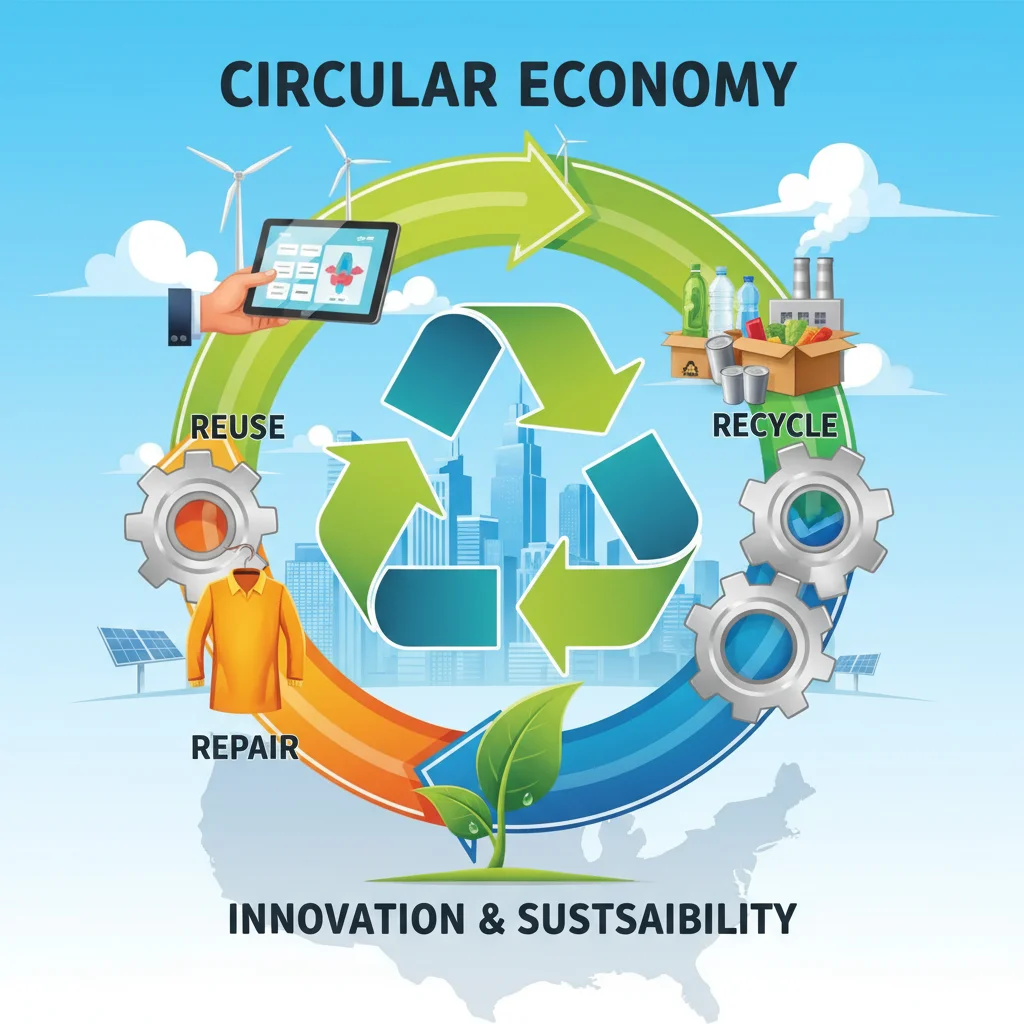
In an era defined by environmental urgency and resource scarcity, the concept of a Circular Economy U.S. is no longer a niche idea but a vital framework for sustainable development. Unlike the traditional linear ‘take-make-dispose’ model, a circular economy aims to keep resources in use for as long as possible, extract the maximum value from them whilst in use, then recover and regenerate products and materials at the end of each service life. This paradigm shift offers immense environmental benefits, significant economic opportunities, and a pathway to a more resilient future.
The United States, with its vast industrial landscape and innovative spirit, is increasingly becoming a hotbed for circular economy initiatives. Forward-thinking businesses across various sectors are not just adopting these principles but are actively demonstrating their profitability and scalability. This article delves into six exemplary U.S. business models that are not only embracing the circular economy but are also setting ambitious targets, including a collective goal of achieving a 20% waste reduction by 2026. Their stories offer compelling evidence that sustainability and financial success can go hand-in-hand, paving the way for a truly regenerative economic system.
The Imperative of the Circular Economy U.S.
The current global economic model is unsustainable. Rapid population growth, increasing consumption patterns, and finite natural resources are pushing our planet’s boundaries. The United States, as one of the largest economies and consumers globally, has a critical role to play in transitioning towards a more sustainable model. The Circular Economy U.S. is not just about recycling; it’s a comprehensive approach that redesigns products, optimizes processes, and redefines business relationships to eliminate waste and pollution, circulate products and materials, and regenerate natural systems.
The benefits of this transition are multifaceted. Environmentally, it reduces greenhouse gas emissions, conserves natural resources, minimizes pollution, and protects biodiversity. Economically, it unlocks new revenue streams, creates jobs, enhances supply chain resilience, and reduces operational costs through efficient resource management. Socially, it fosters innovation, promotes local economies, and improves public health by reducing exposure to harmful waste.
The push for a 20% waste reduction by 2026 among these leading U.S. businesses is a testament to the growing recognition of these benefits. This ambitious target underscores a commitment not just to incremental improvements but to systemic change. It signals a shift from viewing waste as an unavoidable byproduct to seeing it as a valuable resource, ripe for innovation and repurposing. This proactive stance by U.S. businesses is crucial for setting a precedent and inspiring broader adoption of circular practices across the nation.
1. Patagonia: Redefining Durability and Repair
Patagonia, a renowned outdoor apparel company, stands as a beacon of the Circular Economy U.S.. Their business model is deeply rooted in producing high-quality, durable goods designed to last a lifetime, thereby challenging the fast-fashion industry’s throwaway culture. Their commitment extends far beyond product design; it encompasses a robust repair and reuse program that significantly reduces textile waste.
Their Circular Strategy:
- Durability by Design: Patagonia invests heavily in research and development to create products that are not only functional but also exceptionally durable. This reduces the frequency of replacements and extends product lifespans.
- Worn Wear Program: Through their Worn Wear program, Patagonia encourages customers to repair, reuse, and recycle their gear. They offer free repairs for their products, regardless of age, and even buy back used Patagonia clothing in good condition, which is then cleaned, repaired, and resold.
- Recycled Materials: A significant portion of Patagonia’s product line is made from recycled materials, including recycled polyester and recycled down, closing the loop on their material inputs.
- Take-Back Programs: They facilitate the recycling of their products at the end of their useful life, ensuring materials are processed responsibly.
Impact and Vision:
Patagonia’s initiatives have a profound impact on waste reduction. By prioritizing durability and offering comprehensive repair services, they drastically reduce the amount of clothing sent to landfills. Their Worn Wear program alone has repaired tens of thousands of garments. Their target for 2026 aligns with their long-standing ethos: to minimize their environmental footprint by keeping products in use longer and maximizing resource efficiency. This model demonstrates that a business can thrive by embracing responsibility for its products throughout their entire lifecycle, making them a true leader in the Circular Economy U.S. landscape.
2. Interface: Pioneering Regenerative Manufacturing
Interface, a global manufacturer of modular carpet tiles, is another shining example of circular economy principles in action within the U.S. manufacturing sector. Their journey towards sustainability began decades ago with a vision to become a restorative enterprise, aiming to have zero negative impact on the environment.
Their Circular Strategy:
- Mission Zero & Climate Take Back: Interface’s ambitious ‘Mission Zero’ aimed to eliminate any negative impact on the environment by 2020, which they largely achieved. Their new mission, ‘Climate Take Back,’ focuses on creating a climate fit for life, moving towards regenerative practices.
- Resource Reclamation: Interface pioneered a take-back program for used carpet tiles, regardless of origin. These tiles are then separated into their constituent materials, which are either recycled into new Interface products or repurposed for other industries.
- Bio-based and Recycled Materials: A significant percentage of their new products are made from recycled content, including fishing nets collected from ocean communities, and bio-based materials, reducing reliance on virgin resources.
- Product as a Service: Interface explores models where customers lease carpet tiles, allowing the company to maintain ownership and responsibility for the product’s end-of-life, ensuring maximum material recovery.
Impact and Vision:
Interface’s commitment to circularity has resulted in significant waste reduction. Their take-back programs divert tons of carpet from landfills annually. By focusing on recycled and bio-based materials, they minimize their reliance on fossil fuels and reduce their carbon footprint. Their goal for 2026 is to further enhance their material circularity, aiming for an even higher percentage of recycled and bio-based content in their products and expanding their regenerative manufacturing processes. Interface proves that even in traditional manufacturing, a profound shift towards the Circular Economy U.S. is not only possible but also profitable.
3. Loop (by TerraCycle): Revolutionizing Consumer Packaging
Loop, an innovative platform developed by TerraCycle, is tackling one of the most pervasive waste challenges: single-use consumer packaging. By partnering with major brands and retailers, Loop offers a system where products are delivered in durable, reusable packaging that is collected, cleaned, and refilled, effectively eliminating packaging waste.
Their Circular Strategy:
- Reusable Packaging System: Consumers purchase products from brands participating in Loop, which are delivered in specially designed, durable, and returnable containers.
- Collection and Cleaning: Once the products are consumed, customers place the empty containers in a designated tote, which is then collected by Loop. These containers are professionally cleaned, inspected, and prepared for refilling.
- Brand Partnerships: Loop collaborates with a wide array of consumer brands, from food and beverages to personal care and household cleaning products, demonstrating the scalability of their model across diverse product categories.
Impact and Vision:
Loop’s model directly addresses the root cause of packaging waste, offering a compelling alternative to single-use plastics and other disposable materials. By making reusable packaging convenient and accessible, Loop is poised to significantly reduce the waste stream generated by everyday consumer goods. Their 2026 waste reduction target is intrinsically linked to the expansion of their service, aiming to onboard more brands and reach a larger consumer base, thereby maximizing the volume of packaging diverted from landfills and incinerators. This innovative approach is a game-changer for the Circular Economy U.S. in the consumer goods sector, offering a practical solution to a global problem.
4. Rent the Runway: Fashion as a Service
Rent the Runway has disrupted the fashion industry by offering a ‘fashion as a service’ model, allowing customers to rent designer clothing and accessories for a fraction of the retail price. This approach directly challenges the linear fashion model, which often leads to significant textile waste due to short product lifespans and rapidly changing trends.
Their Circular Strategy:
- Product Longevity and Reuse: By renting out garments multiple times, Rent the Runway drastically extends the life cycle of each piece of clothing. They invest in high-quality items that can withstand numerous wears and professional cleanings.
- Repair and Maintenance: The company has sophisticated operations for cleaning, repairing, and maintaining their inventory, ensuring that each garment remains in excellent condition for as long as possible.
- Reduced Consumption: Their model encourages conscious consumption, where individuals can enjoy a rotating wardrobe without the need for constant new purchases, thereby reducing overall demand for new clothing production.
Impact and Vision:
Rent the Runway’s model significantly reduces textile waste by maximizing the utility of each garment. Instead of a dress being worn once or twice and then discarded, it can be worn dozens of times by different individuals. Their 2026 target focuses on further optimizing their inventory management, repair processes, and logistics to ensure even greater efficiency and waste reduction per garment. This ‘access over ownership’ model is a powerful demonstration of how the Circular Economy U.S. can transform industries, offering both economic value and environmental benefits, especially in sectors traditionally known for high waste generation.
5. Brightmark Energy: Advanced Recycling Technologies
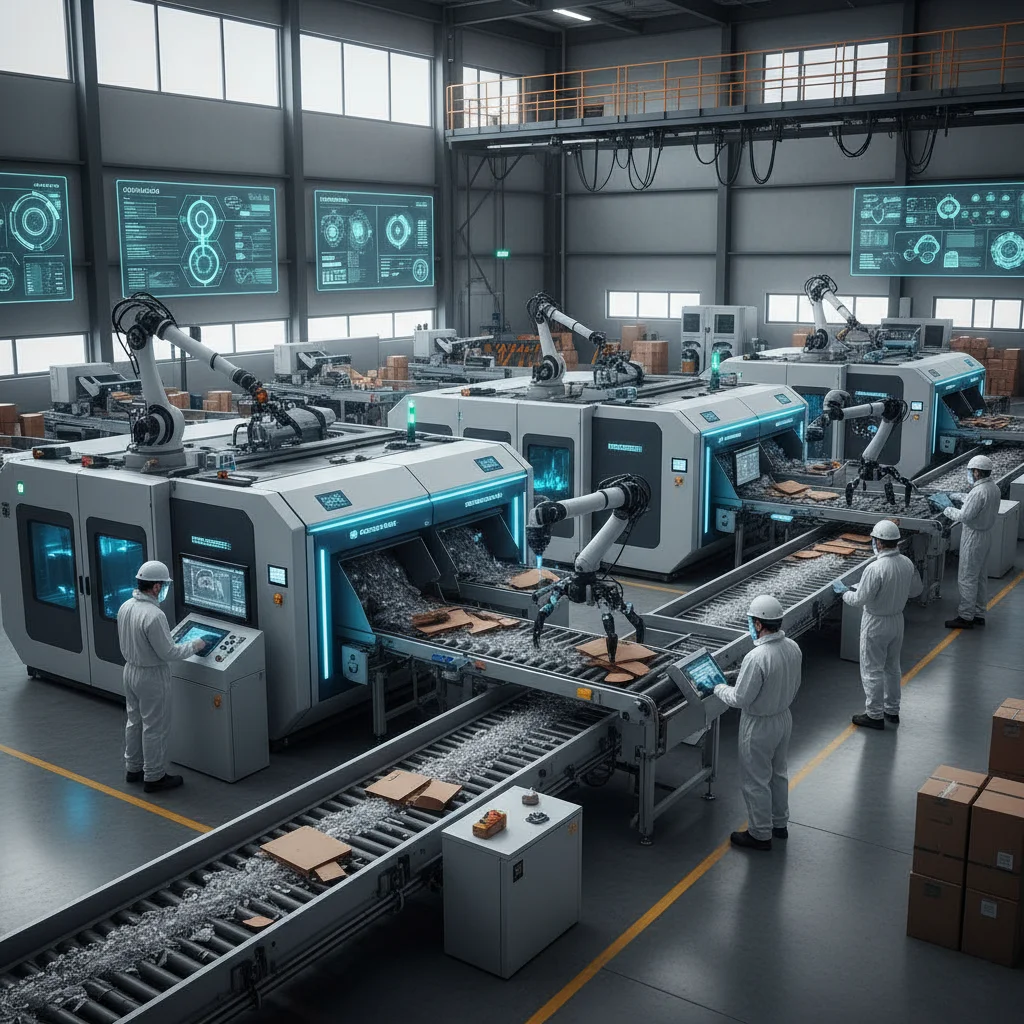
Brightmark Energy is at the forefront of advanced recycling technologies, specifically focusing on plastics. Their innovative approach aims to transform hard-to-recycle plastics, which often end up in landfills or incinerators, into new products, fuels, and waxes, thereby closing the loop on plastic waste.
Their Circular Strategy:
- Plastics Renewal Technology: Brightmark utilizes pyrolysis and other advanced thermal recycling processes to convert mixed plastic waste, including plastics that traditional mechanical recycling cannot handle, into valuable new materials.
- Diversion from Landfills: By processing plastics that would otherwise be landfilled or incinerated, Brightmark directly addresses a critical environmental challenge, reducing pollution and conserving resources.
- Creating New Feedstocks: The output of their process includes ultra-low sulfur diesel, naphtha (a petrochemical feedstock), and wax, which can be used to create new plastics or other products, demonstrating a true circular flow of materials.
Impact and Vision:
Brightmark Energy’s technology has the potential to revolutionize plastic waste management in the U.S. By converting millions of pounds of plastic waste annually, they make a substantial contribution to waste reduction and resource recovery. Their 2026 goal is to expand their facilities and processing capacity significantly, aiming to divert even larger quantities of plastic from waste streams and establish a robust infrastructure for advanced plastics recycling across the country. This technological innovation is a cornerstone of building a robust Circular Economy U.S., particularly in tackling the complex issue of plastic pollution.
6. Close the Loop (now part of O-I Glass): Packaging Innovation
While originally an Australian company, Close the Loop has a significant U.S. presence and impact, especially through its acquisition by O-I Glass, a leading U.S. glass packaging manufacturer. Close the Loop specializes in collecting and recycling post-consumer and post-industrial waste that traditionally ends up in landfills, turning it into valuable raw materials for various industries. Their focus on hard-to-recycle materials makes them a crucial player in the Circular Economy U.S..
Their Circular Strategy:
- Material Recovery and Repurposing: Close the Loop collects difficult-to-recycle materials, such as soft plastics, printer cartridges, and cosmetics packaging, which are often overlooked by conventional recycling programs.
- Innovation in Material Science: They develop innovative processes to convert these waste materials into new products, such as asphalt additives (TonerPlas), or reintegrate them into manufacturing supply chains.
- Partnerships for Circularity: Their collaborations with brands and municipalities enable them to establish effective collection streams and ensure the recovered materials find new life. The acquisition by O-I Glass further strengthens their ability to integrate returned glass into new production, closing the loop on glass packaging.
Impact and Vision:
Close the Loop’s operations divert substantial volumes of complex waste from landfills. By transforming these materials into valuable resources, they reduce the need for virgin materials and minimize environmental pollution. Their integration with O-I Glass positions them to make an even greater impact on glass packaging circularity in the U.S. Their 2026 target involves expanding their collection networks and processing capabilities across the U.S., significantly increasing the volume of hard-to-recycle materials they can manage and reintegrate into the economy. This model highlights the importance of specialized recycling and material innovation in advancing the Circular Economy U.S..
Challenges and Opportunities for the Circular Economy U.S.
While the progress made by these businesses is inspiring, the transition to a full-fledged Circular Economy U.S. is not without its challenges. These include:
- Infrastructure Gaps: The U.S. recycling and material recovery infrastructure often struggles with capacity and the ability to process diverse and complex waste streams. Significant investment is needed to modernize and expand these facilities.
- Consumer Behavior: Shifting consumer habits towards repair, reuse, and responsible disposal requires public awareness campaigns and convenient circular options.
- Policy and Regulation: Supportive policies, incentives, and clear regulatory frameworks are essential to level the playing field and encourage broader adoption of circular practices.
- Supply Chain Complexity: Redesigning complex global supply chains to facilitate material circularity requires collaboration across industries and innovative logistics solutions.
Despite these challenges, the opportunities are enormous. The circular economy represents a multi-trillion-dollar economic opportunity, promising new jobs, enhanced competitiveness, and greater resource security. For the U.S., embracing this model can lead to a more resilient and sustainable economy, less reliant on volatile global supply chains and finite resources.
The Path Forward: Accelerating Circularity in the U.S.
Achieving widespread adoption of the Circular Economy U.S. will require a concerted effort from all stakeholders: businesses, government, consumers, and innovators. The success stories highlighted above provide a roadmap:
- Invest in Innovation: Continued investment in research and development for new materials, recycling technologies, and circular business models is paramount.
- Foster Collaboration: Cross-sector partnerships, like those seen with Loop and Close the Loop, are crucial for creating integrated circular systems.
- Educate and Empower Consumers: Making circular choices easy and appealing for consumers is key to driving demand for sustainable products and services.
- Advocate for Supportive Policies: Governments can play a vital role through incentives, procurement policies, and regulations that favor circular practices.
- Measure and Report Progress: Transparent reporting on waste reduction, resource efficiency, and carbon footprint helps track progress and identify areas for improvement.
The commitment of these six U.S. businesses to achieve a 20% waste reduction by 2026 is an ambitious yet attainable goal. Their innovative approaches demonstrate that economic growth and environmental stewardship are not mutually exclusive but are, in fact, deeply intertwined. As more companies recognize the strategic imperative of circularity, the vision of a truly regenerative Circular Economy U.S. moves closer to becoming a reality, setting a global example for sustainable prosperity.
Conclusion
The journey towards a fully circular economy in the U.S. is a marathon, not a sprint. However, the examples of Patagonia, Interface, Loop, Rent the Runway, Brightmark Energy, and Close the Loop illustrate the incredible potential and tangible progress being made. These businesses are not just reducing waste; they are redefining value, fostering innovation, and building more resilient business models for the future. Their collective ambition to achieve a 20% waste reduction by 2026 is a powerful statement of intent and a call to action for others.
By embracing the principles of the Circular Economy U.S., we can move beyond mere sustainability to a regenerative future where economic activity restores and enhances environmental health. These pioneering companies are proving that a thriving economy can exist in harmony with a healthy planet, offering a hopeful and actionable vision for generations to come. The time to accelerate this transition is now, leveraging innovation, collaboration, and a shared commitment to a more circular world.