Create Your Dream Outdoor Oasis: Maximize Space & Comfort for 2026
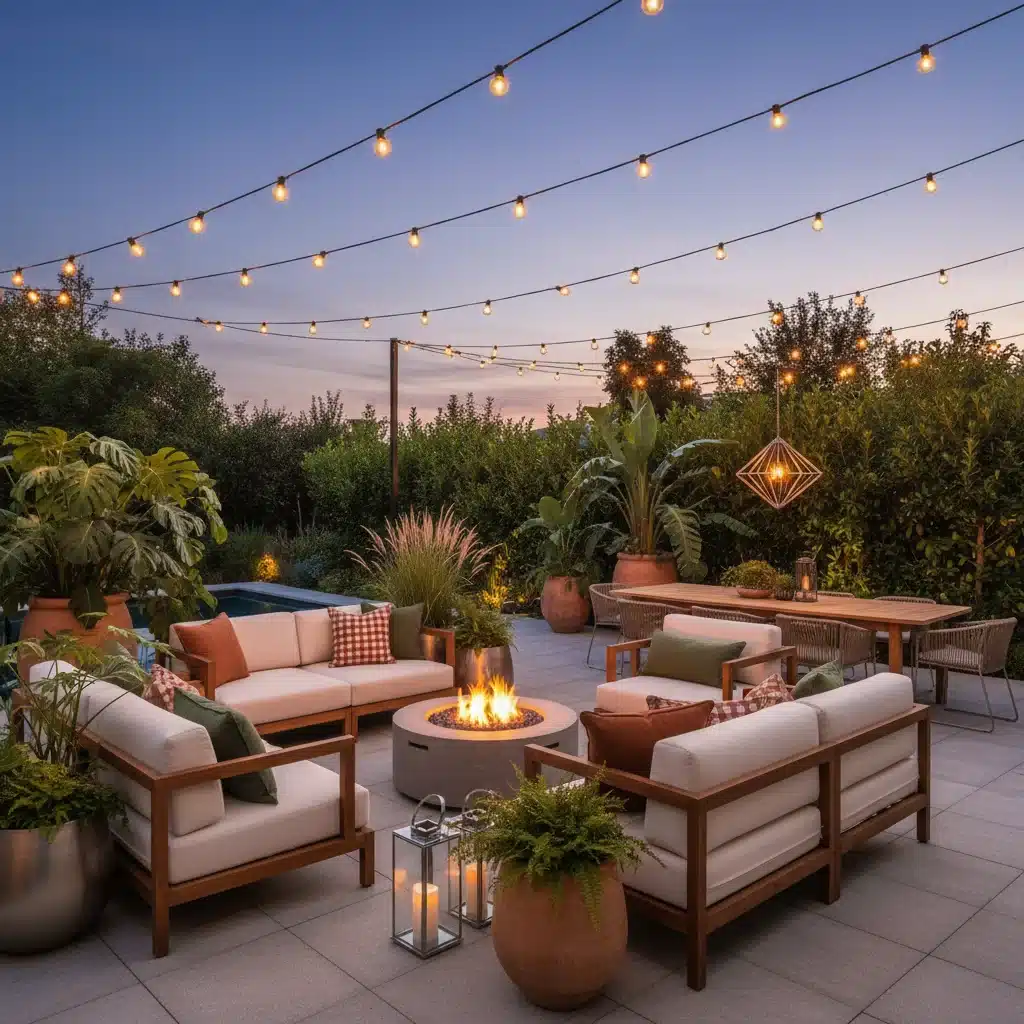
Designing Your 2026 Outdoor Oasis: Maximizing Space and Comfort in 3 Simple Steps
The concept of home has evolved significantly, extending beyond four walls to embrace the boundless potential of our outdoor spaces. As we step into 2026, the desire for a personal sanctuary, a tranquil escape from the daily grind, has become more pronounced than ever. This is where the idea of an outdoor oasis design comes into play – transforming your backyard, patio, or even a small balcony into a functional, beautiful, and supremely comfortable extension of your indoor living.
Creating an outdoor oasis design isn’t just about aesthetics; it’s about crafting an experience. It’s about thoughtful planning, smart choices, and a vision that marries form with function. Whether you have a sprawling garden or a compact urban balcony, the principles remain the same: maximize every inch, prioritize comfort, and infuse your personal style. This comprehensive guide will walk you through the essential steps to achieve your dream outdoor haven in 2026, ensuring it’s not only visually appealing but also a joy to use year-round.
The journey to your perfect outdoor space begins with understanding its potential. Forget the notion that an outdoor area is merely for occasional use. With the right outdoor oasis design, it can become a vibrant hub for entertaining, a serene spot for relaxation, a productive workspace, or even a culinary delight. Let’s delve into the three simple yet profound steps that will guide you in creating an outdoor space that truly reflects your lifestyle and enhances your well-being.
Step 1: Strategic Space Planning and Zoning for Optimal Flow
The foundation of any successful outdoor oasis design lies in meticulous space planning. Before you even think about furniture or decor, you need to understand the dimensions of your area and how you intend to use it. This involves more than just measuring; it’s about envisioning different activities and allocating specific zones for each.
Assessing Your Space: Size, Shape, and Sun Exposure
Begin by sketching out your outdoor area. Note its exact dimensions, including any architectural features like steps, walls, or existing structures. Consider the shape – is it a long, narrow balcony, a square patio, or an L-shaped yard? Each shape presents unique opportunities and challenges for an effective outdoor oasis design.
Crucially, observe the sun’s path throughout the day. Where does the morning sun hit? Which areas are shaded in the afternoon? Understanding sun exposure will dictate the placement of seating areas, dining zones, and even plant choices. A sunny spot might be perfect for a breakfast nook, while a shaded corner could house a comfortable reading lounge.
Defining Functional Zones: More Than Just a Patio
Think about the activities you want to accommodate. Do you dream of al fresco dining, a cozy lounge for evening chats, a dedicated area for gardening, or perhaps a play zone for children? An effective outdoor oasis design integrates multiple functions seamlessly. Here are common zones to consider:
- Dining Zone: A table and chairs for meals, potentially near the kitchen or grill.
- Lounge Zone: Comfortable sofas, armchairs, and coffee tables for relaxation and conversation.
- Cooking Zone: A grill, outdoor kitchen, or bar area for entertaining.
- Quiet Zone: A secluded spot for reading, meditation, or simply enjoying nature.
- Activity Zone: Space for games, yoga, or children’s play equipment.
- Garden Zone: Planters, raised beds, or a dedicated area for horticulture.
Once you’ve identified your desired zones, consider how they will flow into one another. The goal is to create a sense of cohesion and ease of movement. For instance, the dining area should ideally be close to the cooking area, and the lounge area might transition smoothly from a covered patio to an open-air deck.
Maximizing Small Spaces with Smart Zoning
If your outdoor area is limited, zoning becomes even more critical. Don’t let a small footprint deter your outdoor oasis design aspirations. Instead, embrace clever solutions:
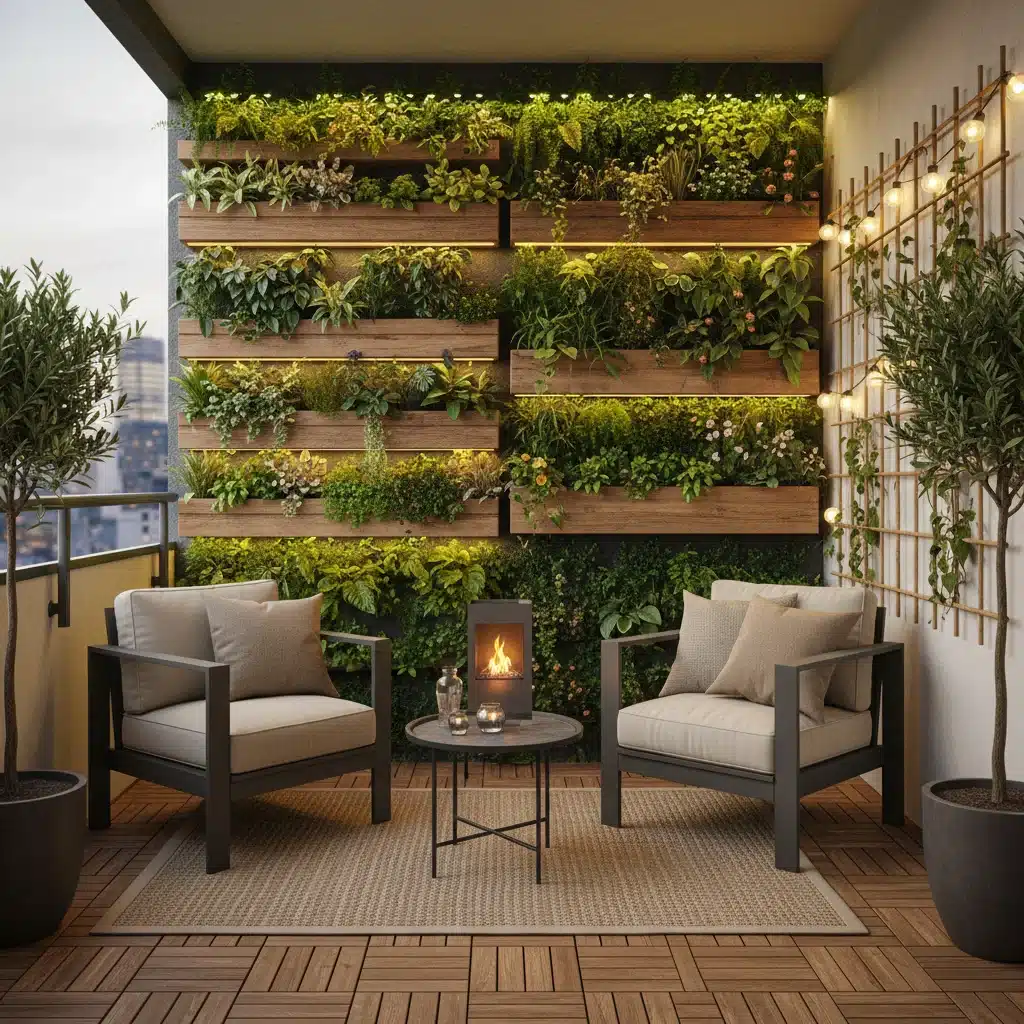
- Vertical Gardening: Utilize walls for planters, shelves, or trellises to grow herbs, flowers, or even small vegetables. This frees up valuable floor space.
- Foldable & Stackable Furniture: Opt for pieces that can be easily stored away when not in use, providing flexibility.
- Multi-functional Furniture: A bench with built-in storage, an ottoman that doubles as a side table, or a dining table that extends can save space and serve multiple purposes.
- Visual Dividers: Use screens, pergolas, or even tall potted plants to subtly delineate zones without building permanent walls, maintaining an open feel while creating distinct areas.
Remember, the key to successful space planning is to think vertically as well as horizontally, and to choose pieces that work hard for their footprint. A well-planned layout is the backbone of a comfortable and functional outdoor oasis design.
Step 2: Elevating Comfort and Functionality with Smart Choices
Once your space is thoughtfully zoned, the next step in creating your ultimate outdoor oasis design is to infuse it with comfort and functionality. This goes beyond just picking pretty furniture; it involves selecting materials, lighting, and amenities that enhance usability and create an inviting atmosphere.
Choosing the Right Outdoor Furniture: Durability Meets Style
Outdoor furniture has come a long way from flimsy plastic chairs. Today, there’s a vast array of stylish and durable options designed to withstand the elements while providing maximum comfort. When selecting furniture for your outdoor oasis design, consider:
- Material: Look for weather-resistant materials like teak, aluminum, wicker (synthetic), stainless steel, and recycled plastics. Each has its own aesthetic and maintenance requirements. Teak, for example, is incredibly durable and develops a beautiful patina over time, while aluminum is lightweight and rust-resistant.
- Comfort: Prioritize plush cushions, ergonomic designs, and ample seating. Outdoor cushions should be made from fade-resistant and water-repellent fabrics like Sunbrella.
- Modularity: Modular sectional sofas are excellent for adapting to different layouts and can be reconfigured as your needs change.
- Scale: Ensure the furniture is proportionate to your space. Oversized pieces can overwhelm a small patio, while tiny pieces can get lost in a large yard.
Don’t be afraid to mix and match materials and styles to create a unique and personalized look. A rustic wooden dining table paired with modern metal chairs can create an interesting visual contrast.
Lighting: Setting the Mood and Enhancing Safety
Lighting is a crucial element of any outdoor oasis design, often overlooked but incredibly impactful. It transforms your space after sunset, creating ambiance, highlighting features, and ensuring safety.
- Ambient Lighting: String lights, lanterns, and solar-powered path lights provide a soft, inviting glow.
- Task Lighting: If you have an outdoor kitchen or reading nook, consider brighter, focused lighting.
- Accent Lighting: Uplights on trees, spotlights on sculptures, or LED strips under benches can highlight architectural features or landscaping.
- Smart Lighting: Integrated smart systems allow you to control brightness and color remotely, enhancing convenience and creating dynamic scenes.
Layering different types of lighting will create depth and interest, making your outdoor space usable and enjoyable well into the evening hours.
Shade Solutions: Comfort in All Conditions
Protection from the sun and occasional rain is vital for year-round comfort. Incorporate shade solutions into your outdoor oasis design:
- Umbrellas: Cantilever or market umbrellas are versatile and movable, perfect for shading dining or lounge areas.
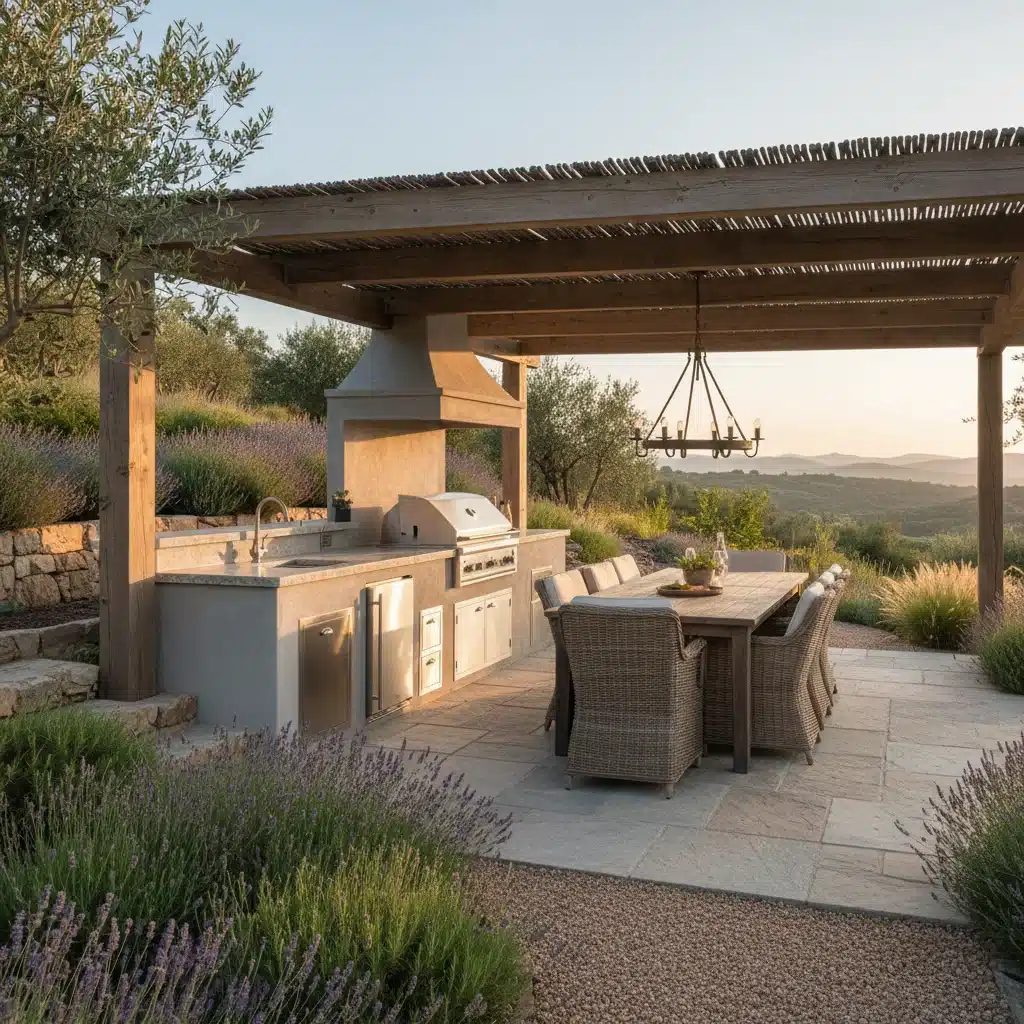
- Pergolas & Awnings: These provide more permanent shade and can be adorned with climbing plants for added beauty. Retractable awnings offer flexibility, allowing you to enjoy sun or shade as desired.
- Shade Sails: Modern and aesthetically pleasing, shade sails offer a contemporary solution for sun protection.
- Natural Shade: Don’t underestimate the power of strategically planted trees or tall shrubs to provide natural cooling.
Outdoor Heating and Cooling: Extending Your Season
To truly maximize comfort and extend the usability of your outdoor oasis design, consider heating and cooling options:
- Fire Pits & Fireplaces: These create a focal point, provide warmth, and foster a cozy atmosphere.
- Patio Heaters: Electric or propane heaters are efficient for warming smaller areas.
- Outdoor Fans: Ceiling fans or standing fans can provide a cooling breeze on hot days.
- Misting Systems: For very hot climates, a subtle misting system can significantly drop the ambient temperature.
By thoughtfully integrating these elements, your outdoor space will become a comfortable haven regardless of the weather, making your outdoor oasis design truly year-round.
Step 3: Personalizing Your Oasis with Aesthetics and Sustainable Touches
With the structure and functionality in place, the final step is to infuse your outdoor oasis design with personality, beauty, and sustainable practices. This is where your space truly becomes a reflection of you, a place that not only functions well but also inspires and rejuvenates.
Landscaping and Greenery: Bringing Life to Your Design
Plants are the soul of an outdoor space. They soften hardscapes, provide privacy, add color and fragrance, and connect your oasis to nature. When planning your landscaping for an optimal outdoor oasis design:
- Choose Drought-Tolerant Plants: Especially important in many regions, selecting plants that require less water reduces maintenance and promotes sustainability.
- Layering: Combine plants of different heights, textures, and colors to create visual interest. Think tall grasses, medium shrubs, and low-lying ground covers.
- Potted Plants & Planters: These offer flexibility and can be moved to change the look or accommodate seasonal changes. They are also perfect for small spaces or for adding greenery to paved areas.
- Edible Gardens: Incorporate herbs, vegetables, or fruit trees to enjoy fresh produce right from your backyard.
- Privacy Screening: Use hedges, trellises with climbing vines, or strategically placed tall planters to create intimate zones and block undesirable views.
Consider the overall aesthetic you’re aiming for – a lush tropical feel, a minimalist zen garden, or a vibrant cottage style. Let your plant choices enhance this vision.
Water Features: Sound and Serenity
The gentle sound of flowing water can instantly elevate the tranquility of your outdoor oasis design. A small fountain, a bubbling rock feature, or even a miniature pond can:
- Mask Unwanted Noise: The white noise of water can drown out traffic or neighborhood sounds.
- Attract Wildlife: Birds and butterflies are often drawn to water sources.
- Create a Sense of Calm: The visual and auditory experience of water is inherently soothing.
There are countless options available, from self-contained units perfect for small patios to larger, custom-built installations for expansive gardens.
Personal Touches and Decor: The Finishing Details
This is where your outdoor oasis design truly comes alive. Decor elements add character, color, and comfort, making the space feel uniquely yours.
- Outdoor Rugs: Define zones, add warmth, and introduce patterns or colors.
- Throw Pillows & Blankets: Enhance comfort and provide opportunities for seasonal color changes.
- Art & Sculptures: Outdoor-specific art can add a focal point and express your personality.
- Mirrors: Strategically placed outdoor mirrors can create the illusion of more space and reflect light.
- Wind Chimes & Bells: Introduce subtle auditory elements for sensory delight.
Remember to choose decor that is weather-resistant and appropriate for outdoor use. These small details collectively contribute to the overall ambiance and appeal of your outdoor haven.
Embracing Sustainability in Your Outdoor Oasis Design
As we move towards 2026, incorporating sustainable practices into your outdoor oasis design is not just a trend, but a responsibility. It benefits the environment and often leads to lower maintenance and operating costs.
- Rainwater Harvesting: Install a rain barrel to collect water for irrigation, reducing reliance on municipal water.
- Composting: Create a small composting area for garden waste, enriching your soil naturally.
- Permeable Paving: Opt for permeable materials for patios and walkways to allow rainwater to seep into the ground, reducing runoff and replenishing groundwater.
- Recycled & Upcycled Materials: Choose furniture and decor made from recycled materials, or repurpose old items creatively.
- Energy-Efficient Lighting: Utilize solar-powered lights or LED fixtures for minimal energy consumption.
- Native Plants: Selecting plants native to your region often means they are better adapted to the local climate, requiring less water and fewer pesticides.
- Pollinator-Friendly Gardens: Plant flowers that attract bees, butterflies, and other beneficial insects, supporting local ecosystems.
By making conscious choices, your outdoor oasis design can be both beautiful and environmentally responsible, contributing to a healthier planet while enhancing your personal enjoyment.
Maintenance and Enjoyment: Keeping Your Oasis Thriving
Once your outdoor oasis design is complete, a little ongoing maintenance will ensure it remains a beautiful and functional space for years to come. Regular cleaning, occasional furniture treatment, and plant care will keep everything looking its best.
Remember that an outdoor oasis is meant to be lived in and enjoyed. Don’t let the pursuit of perfection overshadow the pleasure of simply being in your space. Host gatherings, enjoy quiet mornings with a cup of coffee, read a book in the afternoon sun, or simply relax under the stars. Your outdoor oasis is a personal retreat, a place to recharge and connect with nature, right outside your door.
The beauty of an outdoor oasis design is its adaptability. It can evolve with your needs, preferences, and the changing seasons. Don’t be afraid to experiment with new layouts, update decor, or introduce new plants. Your outdoor space is a dynamic canvas, waiting for your creative touch.
Conclusion: Your 2026 Outdoor Oasis Awaits
Creating an outdoor oasis design for 2026 is an investment in your lifestyle, well-being, and property value. By following these three simple steps – strategic space planning, elevating comfort and functionality, and personalizing with aesthetics and sustainable touches – you can transform any outdoor area into a stunning, comfortable, and highly functional extension of your home.
Imagine unwinding in your beautifully designed lounge area after a long day, hosting memorable dinners under the stars, or simply finding peace amidst your flourishing garden. This dream is entirely achievable with thoughtful planning and inspired choices. Start envisioning your ideal outdoor space today, and embark on the exciting journey of creating your very own outdoor oasis design. The perfect outdoor retreat is not just a luxury; it’s a lifestyle.
Embrace the possibilities, get creative, and make your outdoor space work for you. From selecting the perfect weather-resistant fabrics for your cushions to integrating smart lighting systems that set the mood at dusk, every decision contributes to the overall success of your outdoor oasis design. Make 2026 the year you unlock the full potential of your outdoor living.