Biophilic Design Principles: Nature Indoors 2026
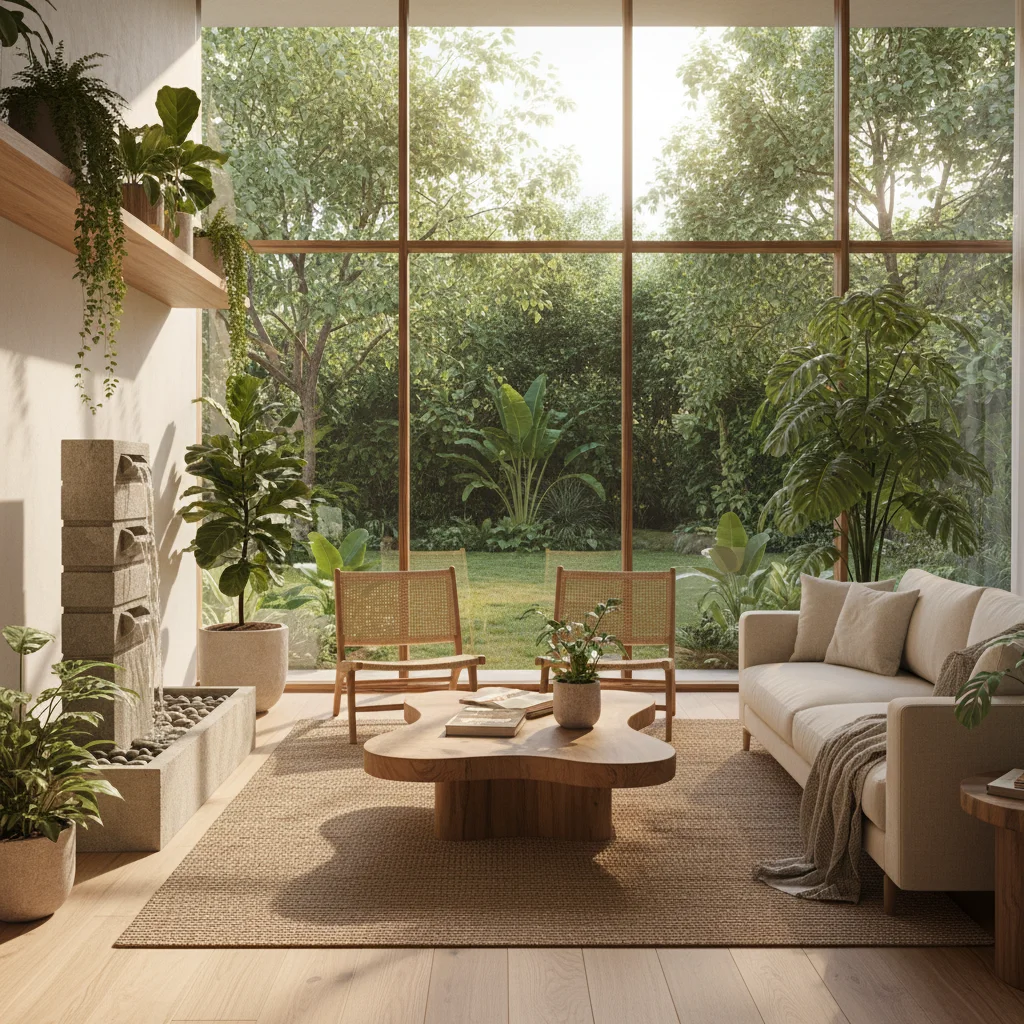
In an increasingly urbanized world, the longing for connection with nature has never been stronger. This intrinsic human need, known as biophilia, is at the heart of a revolutionary design approach: biophilic home design. As we look towards 2026 and beyond, integrating nature into our living spaces isn’t just a trend; it’s a fundamental shift towards creating environments that nurture our well-being, enhance productivity, and foster a deeper sense of peace. This comprehensive guide will explore the four core principles of biophilic design, offering actionable insights and inspiration to help you transform your home into a thriving, natural sanctuary.
Our homes are more than just shelters; they are extensions of ourselves, influencing our mood, health, and overall quality of life. The principles of biophilic design go beyond simply adding a few houseplants. They involve a thoughtful, holistic approach to integrating natural elements, patterns, and processes into the built environment. The benefits are profound: reduced stress, improved cognitive function, enhanced creativity, and accelerated healing. Imagine a home where every corner breathes life, where the gentle rustle of leaves replaces urban clamor, and where sunlight paints intricate patterns across your walls. This is the promise of biophilic home design.
As we delve into the intricacies of this design philosophy, remember that the goal is not to replicate nature, but to thoughtfully incorporate its essence. It’s about understanding the deep-seated human connection to the natural world and weaving that understanding into the fabric of our daily lives. From the choice of materials to the flow of natural light, every decision contributes to a more harmonious and health-promoting environment. Let’s embark on this journey to discover how you can bring the profound beauty and benefits of nature into your home.
Principle 1: Direct Connection with Nature – Bringing the Outdoors In
The most straightforward and perhaps most impactful principle of biophilic home design is establishing a direct, multi-sensory connection with nature. This goes beyond mere aesthetics; it’s about creating opportunities to see, hear, smell, and even touch natural elements within your home. Imagine waking up to the gentle chirping of birds, the soft glow of morning light, and the fresh scent of blooming flowers – all from the comfort of your bedroom. This direct engagement with natural stimuli has been shown to reduce stress, improve mood, and enhance overall well-being.
Maximizing Natural Light
Natural light is a cornerstone of biophilic design. It regulates our circadian rhythms, boosts vitamin D production, and can significantly impact our mood and energy levels. To maximize natural light:
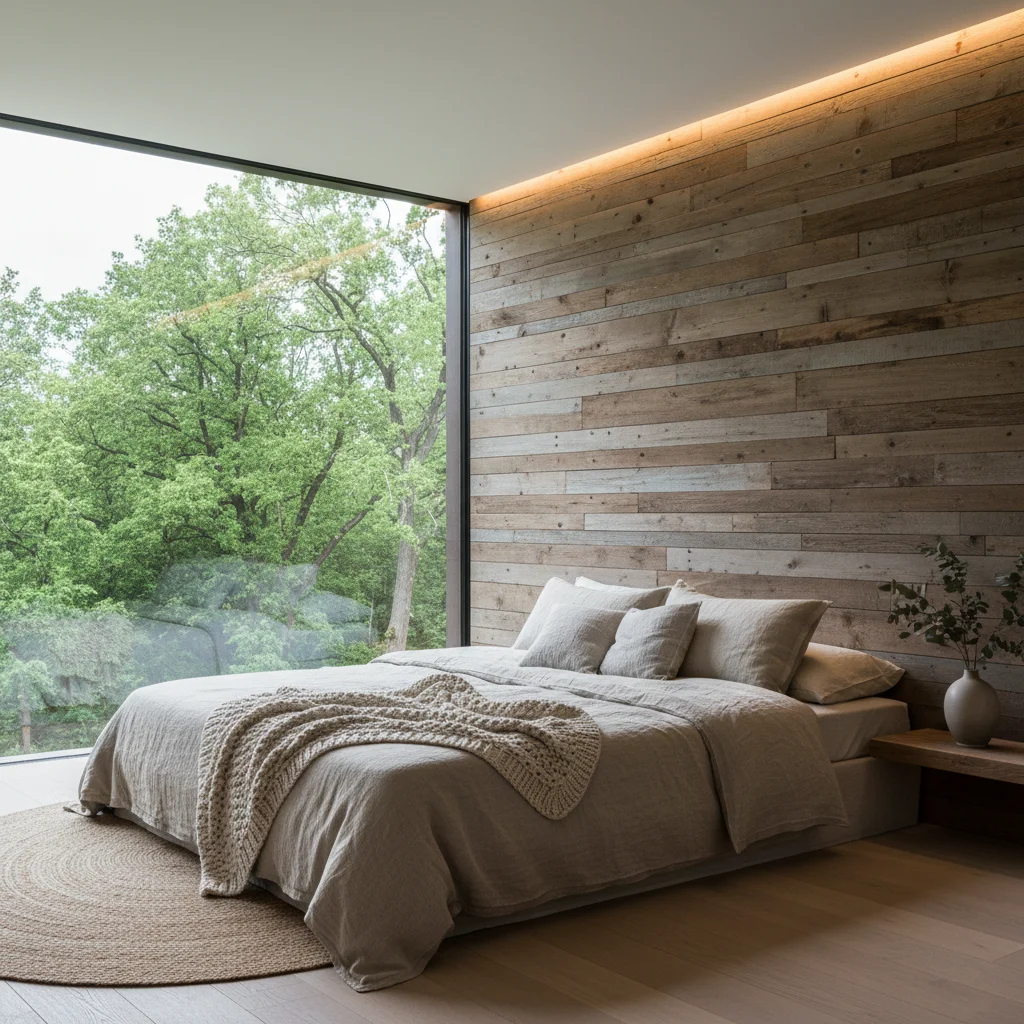
- Large Windows and Glass Doors: Invest in expansive windows, sliding glass doors, or French doors that offer unobstructed views of the outdoors. Consider floor-to-ceiling windows where possible to blur the lines between indoor and outdoor spaces.
- Strategic Placement: Arrange furniture to avoid blocking windows. Use light-colored window treatments that can be easily opened or sheer fabrics that filter light without obscuring it.
- Light Wells and Skylights: For areas lacking direct window access, consider installing light wells or skylights to bring in overhead natural light. These can transform dark hallways or bathrooms into bright, airy spaces.
- Reflective Surfaces: Use mirrors strategically placed opposite windows to reflect light deeper into a room. Light-colored walls and ceilings also help to bounce light around, making spaces feel brighter and more open.
Integrating Living Elements
Plants are the most obvious and effective way to bring direct nature into your home. Their presence not only purifies the air but also adds vibrancy, texture, and a sense of calm.
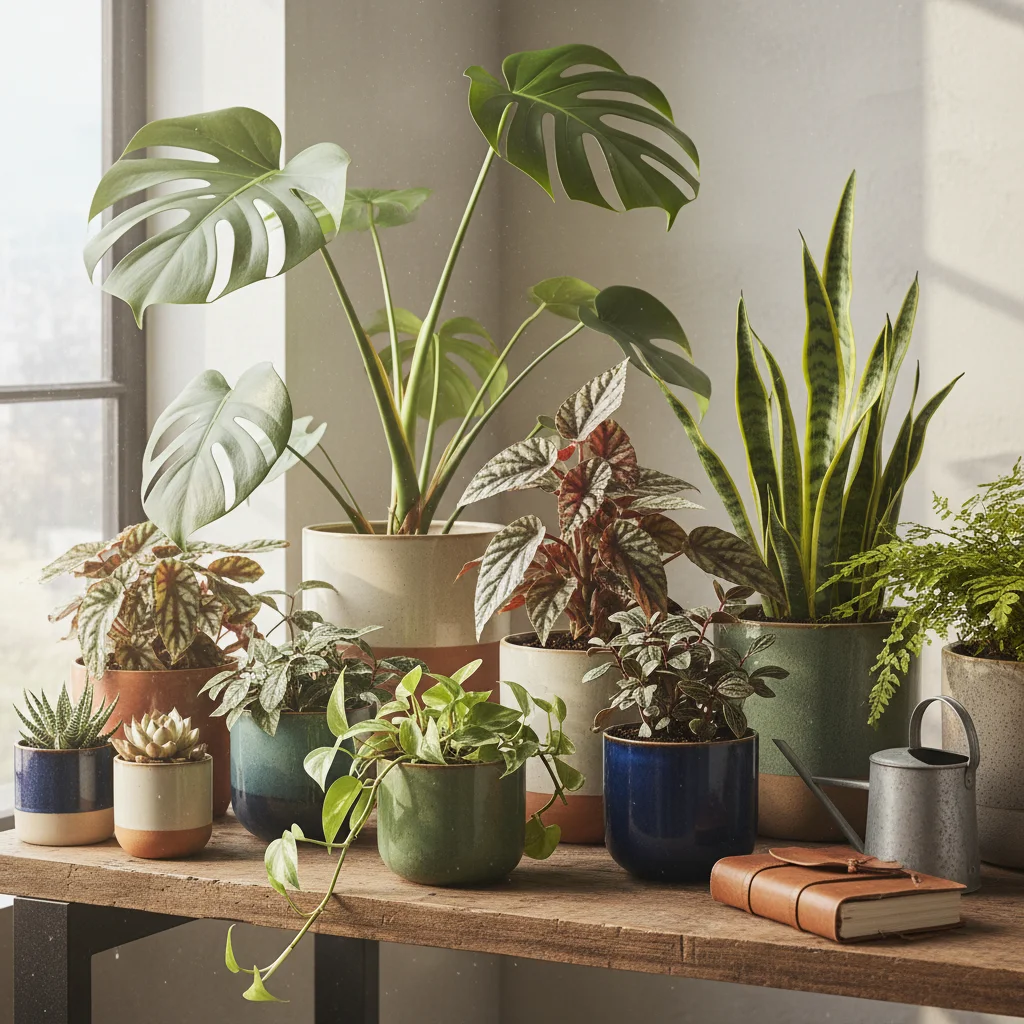
- Indoor Plants Galore: Don’t be shy! Incorporate a variety of houseplants in different sizes, shapes, and textures. Create plant groupings to mimic natural clusters. Consider plants that thrive in your home’s light conditions, such as snake plants, Pothos, ZZ plants, or Fiddle-leaf figs.
- Vertical Gardens and Living Walls: For smaller spaces or a dramatic statement, vertical gardens or living walls are excellent options. These can be self-contained units or custom-built installations that turn an entire wall into a lush, green canvas.
- Terrariums and Aquariums: These miniature ecosystems offer a mesmerizing glimpse into the natural world. Terrariums are low-maintenance and can add a touch of greenery to any surface, while aquariums provide the calming presence of water and aquatic life.
- Herbal Gardens: For kitchens, consider small indoor herb gardens that provide fresh ingredients and delightful aromas.
Water Features
The sight and sound of water are inherently soothing. Incorporating water elements can create a tranquil atmosphere.
- Indoor Fountains: Small, tabletop fountains or larger floor-standing models can add a calming auditory element to a room. The gentle trickle of water masks unwanted noise and promotes relaxation.
- Water Walls: For a more impactful statement, consider a built-in water wall that creates a continuous flow of water down a textured surface.
Access to Outdoor Views
Even if you can’t be directly outdoors, having a clear view of nature from your windows can significantly contribute to your well-being. Frame your windows with minimal treatments to maximize the view. If your view is less than ideal, consider strategic landscaping outside to create a pleasant vista.
Principle 2: Indirect Connection with Nature – Evoking the Natural World
While direct connections are powerful, not every aspect of your home can feature live plants or direct outdoor views. This is where the principle of indirect connection comes into play. It involves using materials, colors, textures, and patterns that evoke the natural world, subtly reminding us of nature’s presence and its inherent beauty. This approach aims to create a sensory experience that mimics natural environments, even in their absence.
Natural Materials
The choice of materials is crucial in biophilic home design. Opt for materials that are natural, sustainable, and minimally processed.
- Wood: Incorporate natural wood in flooring, furniture, wall panels, or decorative accents. Different wood types offer unique grains, colors, and textures. Reclaimed wood adds character and a story.
- Stone: Use natural stone for countertops, flooring, accent walls, or decorative pieces. The coolness and solidity of stone connect us to geological formations.
- Rattan, Wicker, Bamboo: These woven materials add organic texture and a breezy, natural feel, perfect for furniture, lighting fixtures, or storage baskets.
- Linen, Cotton, Wool: Choose natural fibers for textiles such as curtains, upholstery, rugs, and bedding. Their soft textures and breathable qualities enhance comfort and a sense of natural warmth.
Colors and Patterns
Nature’s palette is infinitely inspiring. Embrace colors and patterns found in the natural world.
- Earthy Tones: Think greens, blues, browns, grays, and sandy beiges. These colors create a calming and grounded atmosphere.
- Biomorphic Forms and Patterns: Incorporate patterns that mimic natural shapes, such as leaves, flowers, waves, or tree branches. This can be through wallpaper, fabrics, artwork, or even the design of furniture. Avoid harsh, geometric patterns that feel unnatural.
- Textures: Layering different natural textures – rough stone, smooth wood, soft wool, crisp linen – adds depth and sensory richness to a space, mimicking the diverse textures found in nature.
Views and Vistas (Simulated)
If a direct outdoor view isn’t available, you can still evoke a sense of vista.
- Nature-Inspired Art: Hang artwork depicting landscapes, seascapes, forests, or abstract pieces inspired by natural forms.
- Mirrors to Create Depth: Strategically placed mirrors can create the illusion of a larger space and reflect elements that evoke nature, even if it’s just a plant in another corner of the room.
Natural Scents and Sounds
Engage the often-overlooked senses of smell and hearing.
- Essential Oils: Diffuse essential oils derived from natural sources like cedarwood, pine, lavender, or citrus to introduce natural aromas.
- Soundscapes: Consider playing subtle nature sounds – gentle rain, ocean waves, or forest ambiance – to create a calming auditory backdrop.
Principle 3: Spatial and Place Connection – Shaping the Environment
This principle focuses on how the design of the space itself can foster a connection to nature. It’s about creating environments that feel secure yet expansive, that offer opportunities for both refuge and prospect, and that mimic the spatial characteristics found in natural settings. The way a room is laid out, the height of the ceilings, the transitions between spaces – all play a role in how we perceive and interact with our environment.
Prospect and Refuge
In nature, we instinctively seek out places that offer both a clear view of our surroundings (prospect) and a sense of enclosure and safety (refuge). Incorporating these elements into your home can create a more comfortable and secure feeling.
- Prospect: Design spaces with clear sightlines to windows, outdoor views, or open areas of the room. This allows for a sense of oversight and awareness. Consider furniture arrangements that face outward towards a view.
- Refuge: Create cozy nooks, alcoves, or seating arrangements that offer a sense of enclosure. A reading corner with a comfortable armchair, a canopy bed, or a window seat can provide a feeling of safety and retreat.
- Varying Heights: Incorporate furniture and architectural elements of varying heights to create different levels of prospect and refuge within a single space.
Organized Complexity
Natural environments are rarely uniform; they exhibit a balance of order and subtle variation. This organized complexity is visually stimulating without being overwhelming, and it can be replicated in your home.
- Layered Textures and Patterns: Combine different natural materials with varying textures and subtle patterns. For example, a sisal rug on a wooden floor, a linen sofa with wool throws, and a stone accent wall.
- Asymmetrical Balance: Instead of perfect symmetry, aim for asymmetrical balance in your decor. This feels more organic and less rigid, mimicking the natural world where perfect symmetry is rare.
- Biodiversity in Plants: Use a diverse range of plants with different leaf shapes, sizes, and growth habits rather than just one type.
Transitional Spaces
Nature often features gradual transitions between different environments (e.g., forest edge to open meadow). Applying this to your home can create a more flowing and natural experience.
- Thresholds: Design doorways and archways that provide a clear sense of transition between rooms, perhaps with a slight change in flooring material or lighting.
- Verandas and Balconies: These spaces act as intermediaries between indoor and outdoor environments, offering a sheltered connection to nature.
- Interior Courtyards: If feasible, an indoor courtyard or atrium can serve as a central natural element that rooms open onto, creating a powerful spatial connection.
Curiosity and Enticement
Nature often reveals itself slowly, inviting exploration. Your home can also incorporate elements that spark curiosity.
- Hidden Views: Design pathways or sightlines that lead to a surprising natural element, like a small plant display in a hallway or a glimpse of a garden through a partially obscured window.
- Layered Landscaping: Outside your windows, create layers of planting that offer different visual interests throughout the seasons, drawing the eye and inviting closer observation.
Principle 4: Non-Rhythmic Sensory Stimuli – The Dynamic Nature of Life
The final principle of biophilic home design acknowledges that nature is not static; it’s dynamic, ever-changing, and full of subtle, non-rhythmic stimuli. Think of the shifting patterns of sunlight through leaves, the gentle sway of branches in the wind, or the unpredictable chirping of birds. Incorporating these dynamic elements into your home can create a more engaging and less monotonous environment, preventing sensory fatigue and fostering a deeper connection to the living world.
Dynamic and Diffuse Light
Static, uniform lighting can feel artificial and dull. Embrace the variability of natural light.
- Control Natural Light: Use sheer curtains, adjustable blinds, or smart glass technology to allow natural light to filter and change throughout the day, creating moving patterns and varying intensities.
- Mimic Natural Light: For artificial lighting, opt for systems that can mimic the changing color temperature and intensity of natural light throughout the day. Warm, dim lights for evenings and brighter, cooler lights for daytime.
- Shadow Play: Design elements that create interesting shadows as light shifts – a slatted screen, a plant with intricate leaves, or a decorative object.
Thermal & Airflow Variability
While comfort is key, a completely static indoor climate can feel sterile. Subtle variations in temperature and airflow can be invigorating.
- Natural Ventilation: Design for cross-ventilation to allow fresh air to flow through your home. Open windows strategically to create gentle breezes.
- Ceiling Fans: These can create subtle air movement, mimicking a gentle breeze.
- Zoned Heating/Cooling: Allow for slight temperature variations in different zones of your home, reflecting how temperatures vary in natural environments.
Sound Variability
The sounds of nature are rarely monotonous. Incorporate subtle, non-rhythmic natural sounds.
- Outdoor Sounds: Design your outdoor space to attract birds or install wind chimes that produce gentle, natural sounds. Ensure good sound insulation to filter out unwanted urban noise while allowing pleasant natural sounds in.
- Indoor Water Features: As mentioned earlier, the gentle, irregular trickle of an indoor fountain provides a soothing and dynamic auditory experience.
Non-Visual Connection with Nature
Engage the senses beyond sight to create a richer experience.
- Aroma: Beyond essential oils, consider plants with fragrant leaves or flowers that release subtle scents when brushed against.
- Tactile Experiences: Incorporate materials with varied textures that invite touch – a rough stone wall, a smooth wooden surface, a soft wool rug.
Patterns and Processes
Observe how natural processes unfold and try to integrate these observations into your design.
- Aging Materials: Allow certain natural materials, like wood or copper, to age and develop a patina over time. This shows a natural process of change and adds character.
- Seasonal Changes: Design your home to celebrate seasonal changes. For example, specific planting that offers vibrant colors in spring, lush greenery in summer, warm tones in autumn, and intriguing skeletal forms in winter.
Implementing Biophilic Home Design in 2026: Practical Steps
Now that we’ve explored the core principles, let’s look at how you can practically apply biophilic home design in your own space, whether you’re undertaking a full renovation or simply looking to make incremental changes.
Start Small, Think Big
You don’t need to overhaul your entire home at once. Begin by identifying one room or area where you spend a lot of time and focus your biophilic efforts there. Even small changes can have a significant impact.
- Living Room: Add a large statement plant, introduce natural wood furniture, swap synthetic textiles for linen or cotton, and ensure your windows offer a clear view.
- Bedroom: Focus on natural light, calming colors, soft natural bedding, and perhaps a small, air-purifying plant.
- Bathroom: Incorporate natural stone, wood accents, and moisture-loving plants like ferns or orchids.
Prioritize Natural Light and Ventilation
These are often the most impactful and cost-effective changes. Maximize natural light by keeping windows clear and using appropriate window treatments. Ensure good airflow by regularly opening windows or using natural ventilation systems.
Invest in Quality, Sustainable Materials
When making purchasing decisions, opt for natural, sustainably sourced materials. Not only do they align with biophilic principles, but they also tend to be more durable and healthier for your home environment.
Embrace Imperfection
Nature is perfectly imperfect. Don’t strive for sterile, showroom perfection. Embrace the unique grains of wood, the slight variations in natural stone, and the organic growth of your plants. These imperfections add character and a sense of authenticity.
Consider Professional Help
For larger projects or if you’re unsure how to integrate these principles effectively, consider consulting with an architect or interior designer specializing in biophilic design. They can help you develop a holistic plan that maximizes the benefits for your specific home.
Ongoing Maintenance and Evolution
Biophilic home design is not a one-time project; it’s an ongoing relationship with your living space. Your plants will grow, light conditions may change with seasons, and your preferences might evolve. Regularly assess your space, care for your plants, and make adjustments as needed to maintain a vibrant and nurturing environment.
The Future of Home Design: Biophilia in 2026 and Beyond
As environmental awareness grows and our understanding of human psychology deepens, biophilic design is poised to become an even more integral part of how we conceive and construct our homes. Beyond individual well-being, it also aligns perfectly with broader sustainability goals, promoting the use of natural, renewable resources and fostering a greater appreciation for the natural world.
In 2026, we can expect to see:
- Increased Integration of Smart Technology: Smart systems that dynamically adjust lighting, temperature, and even plant irrigation based on natural rhythms and user preferences.
- Modular and Flexible Biophilic Elements: Easily installable and adaptable living walls, indoor garden systems, and water features for a wider range of homes.
- Community-Level Biophilia: Beyond individual homes, entire neighborhoods and urban developments will increasingly incorporate biophilic principles, with shared green spaces, natural waterways, and biophilic architectural elements.
- Focus on Regenerative Materials: A shift towards materials that not only are natural but also actively contribute to environmental health, such as carbon-sequestering building materials.
Embracing biophilic home design is more than just an aesthetic choice; it’s a commitment to a healthier, happier, and more sustainable way of living. By thoughtfully integrating the principles of direct and indirect connection with nature, spatial and place connection, and non-rhythmic sensory stimuli, you can transform your home into a sanctuary that continually nourishes your mind, body, and spirit. Begin your biophilic journey today and experience the profound benefits of living in harmony with the natural world.