Modular Living Solutions: Adapting Your Space for Changing Needs in 2026
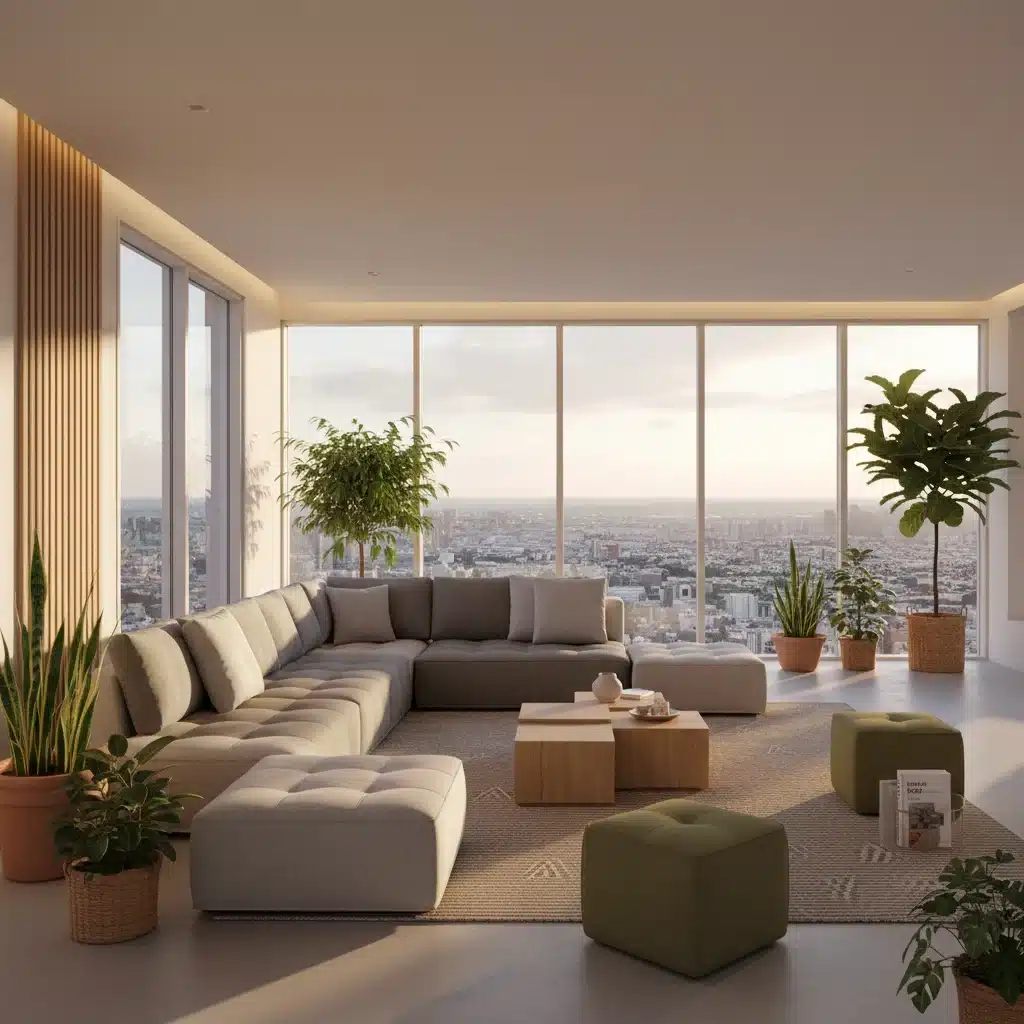
The concept of ‘home’ is constantly evolving. What once was a static structure designed for a singular purpose is now transforming into a dynamic, adaptable entity that can grow, shrink, and reconfigure itself to meet the ever-changing demands of modern life. In 2026, this transformation is largely driven by the rise of Modular Living Solutions. These innovative approaches to construction and design are not just a trend; they represent a fundamental shift in how we conceive, build, and inhabit our personal spaces. From single-family homes to urban apartments, modularity offers unprecedented flexibility, sustainability, and efficiency, making it a cornerstone of future living.
Imagine a home that can expand when your family grows, contract when you become an empty nester, or even relocate with you to a new city. This isn’t science fiction; it’s the reality offered by Modular Living Solutions. As our lives become more fluid, our living spaces must keep pace. The traditional housing market often struggles to provide this level of adaptability, leading to costly renovations, inefficient use of space, or the need to move entirely. Modular solutions, however, are inherently designed to address these challenges, offering a compelling alternative for those seeking a more responsive and sustainable way to live.
The Core Principles of Modular Living Solutions
At its heart, modular living is about building in sections. Unlike traditional construction where everything is built on-site from the ground up, modular homes are constructed off-site in controlled factory environments. These individual modules are then transported to the building site and assembled, much like LEGO bricks. This process brings a host of advantages, making Modular Living Solutions a truly revolutionary concept.
Efficiency and Speed of Construction
One of the most immediate benefits of modular construction is the significant reduction in construction time. Because modules are built concurrently with site preparation, the overall project timeline can be cut by as much as 50%. This not only means you can move into your new home faster but also reduces labor costs and minimizes disruption to the surrounding environment. The factory setting also allows for greater quality control, reducing the likelihood of weather-related delays or damage.
Unparalleled Flexibility and Adaptability
The true genius of Modular Living Solutions lies in their inherent flexibility. Need an extra bedroom for a new family member? Add another module. Want to create a dedicated home office? Integrate a pre-fabricated office module. This ‘add-on’ or ‘take-away’ capability transforms your home into a dynamic entity that can evolve with your life’s journey. This adaptability extends beyond simply adding rooms; it encompasses the ability to reconfigure internal layouts, upgrade finishes, or even relocate entire sections of your home.
Sustainability at its Core
Environmental consciousness is no longer a niche concern but a global imperative. Modular Living Solutions are inherently more sustainable than traditional construction methods. Factory production significantly reduces waste, as materials are precisely cut and excess is often recycled. The controlled environment also allows for the integration of advanced insulation, energy-efficient windows, and smart home technologies from the outset, leading to lower energy consumption and a reduced carbon footprint over the home’s lifetime. Many modular homes are designed to be net-zero or even energy-positive.
Cost-Effectiveness in the Long Run
While the initial cost of a modular home can sometimes be comparable to a traditional build, the long-term cost savings are substantial. Reduced construction time, minimized waste, and enhanced energy efficiency all contribute to a more economical living experience. Furthermore, the ability to adapt your home rather than moving or undertaking extensive renovations saves significant money and stress over time. The predictability of factory costs also helps in managing budgets more effectively, avoiding the common cost overruns associated with on-site construction.
Types of Modular Living Solutions Flourishing in 2026
The umbrella term ‘Modular Living Solutions‘ encompasses a wide array of innovative housing types, each designed to address specific needs and preferences. In 2026, we see several prominent categories leading the charge:
Stackable and Expandable Homes
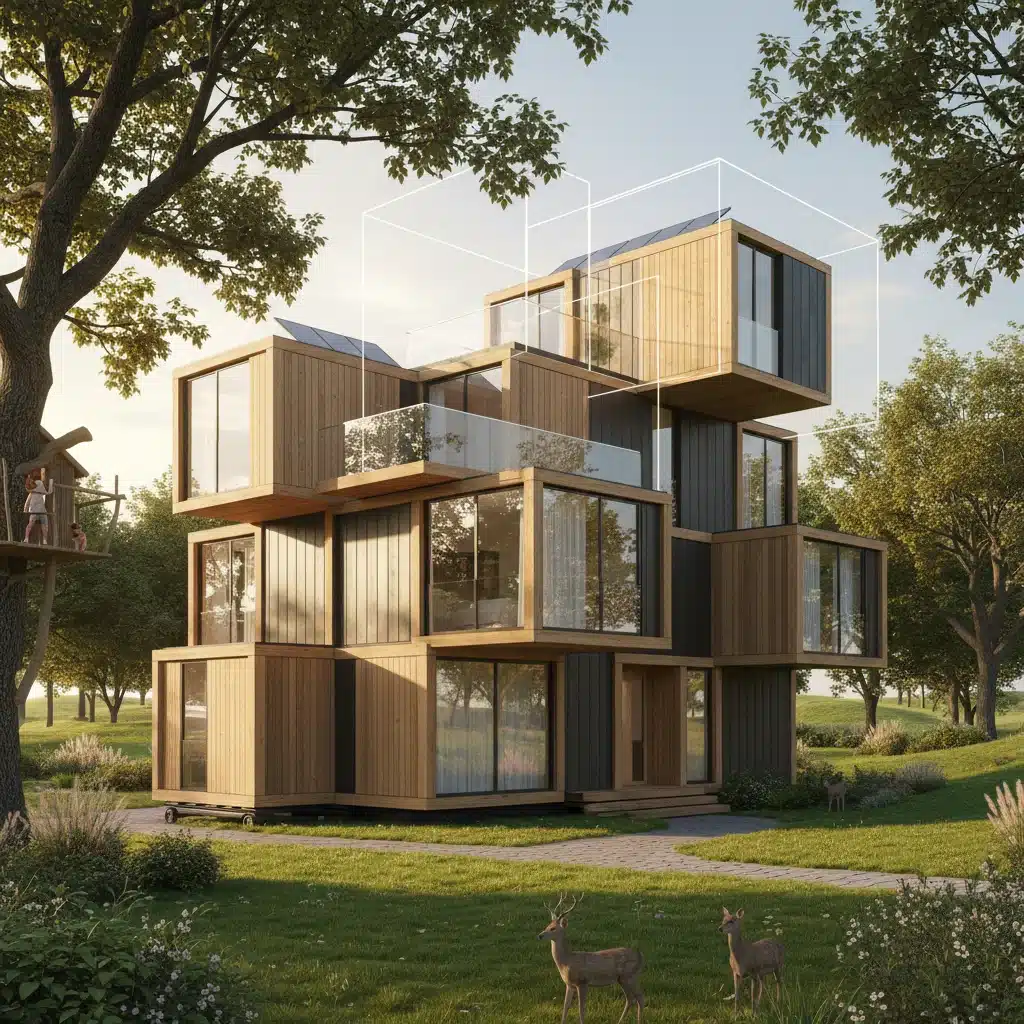
These are perhaps the most recognizable form of modular construction. Individual modules, often pre-finished with plumbing, electrical, and interior elements, are stacked and connected on-site. This allows for vertical expansion in urban areas or horizontal growth in more spacious environments. The beauty of these homes is their ability to scale up or down as life dictates, making them perfect for growing families or those looking to downsize.
Tiny Homes and Micro-Apartments
Responding to increasing urbanization and a desire for minimalist living, modular tiny homes and micro-apartments are gaining immense popularity. These compact units are designed for maximum efficiency and often feature clever space-saving solutions like transformable furniture and built-in storage. Their modular nature allows for quick deployment and, in some cases, even portability, offering unparalleled freedom and affordability.
Accessory Dwelling Units (ADUs)
ADUs, also known as granny flats or backyard cottages, are secondary housing units on the same property as a main house. Modular ADUs are particularly attractive due to their speed of construction and minimal disruption to the existing property. They offer flexible solutions for multi-generational living, rental income, or dedicated home offices, significantly increasing property value and utility.
Commercial and Mixed-Use Modular Buildings
The principles of Modular Living Solutions are not confined to residential use. Commercial buildings, hotels, and even entire mixed-use developments are increasingly adopting modular construction. This allows for rapid deployment of infrastructure, consistent quality across multiple units, and the ability to adapt spaces for different business needs over time. This expansion into commercial sectors further solidifies modularity as a mainstream construction method.
Technological Advancements Driving Modular Living in 2026
The evolution of Modular Living Solutions is intricately linked to advancements in technology. In 2026, several key innovations are propelling modular homes into the future:
Smart Home Integration as Standard
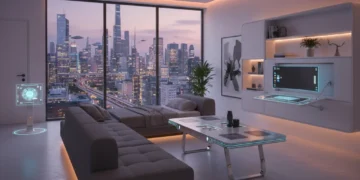
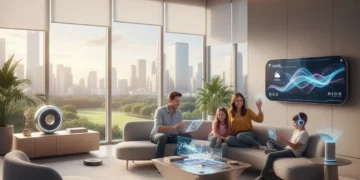
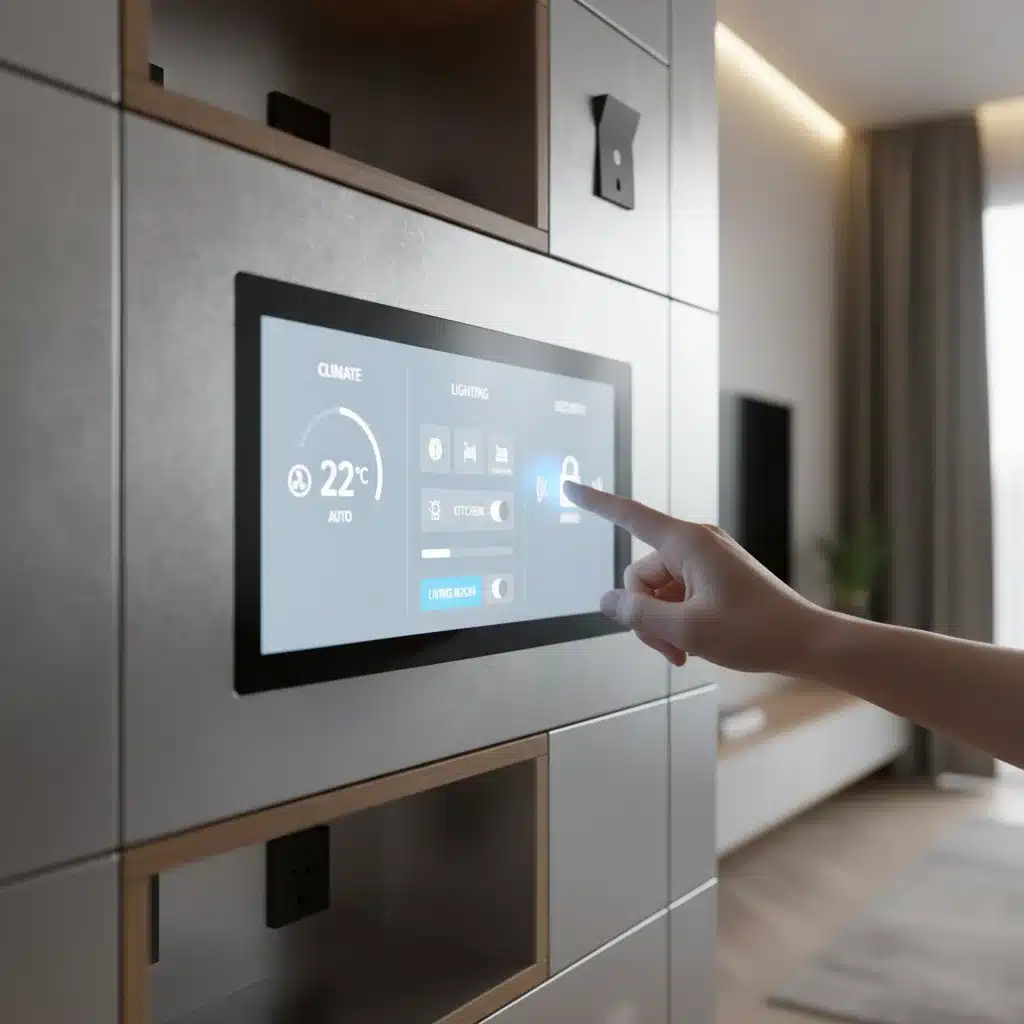
Gone are the days when smart home features were an expensive add-on. In modular construction, intelligent systems for lighting, climate control, security, and entertainment are often integrated directly into the modules during factory production. This ensures seamless functionality, energy efficiency, and a truly connected living experience from day one. Voice-activated assistants and AI-powered automation are becoming standard, optimizing comfort and convenience.
Advanced Materials and Manufacturing
New materials are making modular homes stronger, lighter, and more sustainable. High-performance composites, recycled materials, and bio-based plastics are being incorporated, enhancing insulation, durability, and aesthetic appeal. Robotics and automation in factory production ensure precision, reduce errors, and accelerate the manufacturing process, further improving the quality and efficiency of Modular Living Solutions.
Digital Design and Virtual Reality
Before a single module is built, homeowners can now experience their future living space through virtual reality (VR) and augmented reality (AR). Digital design tools allow for highly customized layouts, material selections, and furniture arrangements, giving clients an immersive preview and the ability to make informed decisions. This digital twin approach minimizes costly changes during construction and ensures the final product perfectly matches expectations.
Off-Grid and Resilient Systems
With an increasing focus on self-sufficiency and resilience, many Modular Living Solutions are incorporating advanced off-grid capabilities. Solar panels, battery storage systems, rainwater harvesting, and composting toilets are becoming common features, allowing homeowners to reduce their reliance on public utilities and withstand disruptions. This makes modular homes not only adaptable but also highly resilient to external factors.
The Environmental and Economic Impact of Modular Living Solutions
Beyond personal convenience, the widespread adoption of Modular Living Solutions has profound implications for both the environment and the economy.
Reduced Environmental Footprint
As discussed, modular construction significantly reduces waste. Furthermore, the ability to precisely engineer and insulate modules leads to homes that require less energy for heating and cooling. Many modular builders prioritize sustainable materials, such as reclaimed wood, recycled steel, and low-VOC (volatile organic compound) paints, contributing to healthier indoor air quality and a smaller overall environmental footprint. The reduced transportation needs for materials, as components are sourced centrally for the factory, also lowers carbon emissions.
Addressing Housing Shortages
The speed and efficiency of modular construction offer a viable solution to the global housing crisis. Entire communities can be developed much faster than with traditional methods, providing affordable and high-quality housing options in areas with high demand. This scalability makes Modular Living Solutions a powerful tool for urban development and disaster relief efforts, offering rapid deployment of essential shelter.
Economic Boost and Job Creation
The modular construction industry is a burgeoning sector, creating new jobs in factories, design, logistics, and assembly. This shift from traditional on-site labor to controlled factory environments can also lead to safer working conditions and more consistent employment. Furthermore, the affordability and efficiency of modular homes can stimulate local economies by making homeownership more accessible and freeing up disposable income for other goods and services.
Challenges and Future Outlook for Modular Living Solutions
While the benefits are clear, Modular Living Solutions still face some hurdles. Public perception, often associating modular with older, less aesthetically pleasing ‘pre-fab’ homes, needs to be overcome. Educating consumers about the high quality, modern design, and advanced technology of today’s modular offerings is crucial. Building codes and zoning regulations, which can vary significantly by region, also need to adapt to accommodate these innovative construction methods.
However, the future for Modular Living Solutions looks incredibly promising. As technology continues to advance, and as the demand for flexible, sustainable, and affordable housing grows, modular construction will undoubtedly become an even more integral part of the housing landscape. We can expect to see even greater customization options, more sophisticated smart home integrations, and further advancements in sustainable materials and energy systems. The integration of AI in design and construction processes will also streamline development, making modular homes even more accessible and efficient.
Designing Your Future with Modular Living Solutions
For those considering a modular home, the design process is often a collaborative and exciting journey. Many modular builders offer a range of pre-designed modules that can be combined and customized, or they can work with you to create a bespoke design from scratch. The key is to think about your current needs and anticipate future changes. How might your family grow? Do you envision working from home more often? Do you want to age in place?
These questions are precisely what Modular Living Solutions are designed to answer. The ability to plan for future expansion or contraction, to integrate specific functionalities, and to choose materials that reflect your values makes modular design a truly empowering experience. It moves beyond simply building a house to creating a living system that supports your lifestyle for decades to come.
Personalization and Aesthetic Appeal
Far from being cookie-cutter, modern Modular Living Solutions offer extensive personalization. From exterior finishes like siding, roofing, and window styles to interior details such as flooring, cabinetry, and fixtures, homeowners have a vast array of choices. Architects and designers specializing in modular construction are pushing the boundaries of aesthetics, creating stunning, contemporary homes that rival or even surpass the design quality of traditional builds. The precision of factory construction often results in tighter seams and superior finishes, contributing to a premium look and feel.
Community and Urban Planning
The impact of Modular Living Solutions extends beyond individual homes to community and urban planning. Modular construction allows for the rapid development of cohesive neighborhoods, complete with shared amenities and green spaces. Its efficiency makes it ideal for infill development, transforming underutilized urban plots into vibrant residential areas. Planners are increasingly recognizing modularity as a tool to create diverse, resilient, and sustainable urban environments that can quickly respond to demographic shifts and economic changes.
Conclusion: Embracing the Adaptable Home of Tomorrow
In 2026, Modular Living Solutions are no longer just a niche option; they are at the forefront of housing innovation. They embody the principles of flexibility, sustainability, and efficiency that are essential for navigating the complexities of modern life. As our needs change, our homes must change with us, and modular construction provides the perfect framework for this adaptability. Whether you’re looking for a sustainable tiny home, an expandable family dwelling, or a resilient off-grid retreat, modular solutions offer a pathway to a more responsive, responsible, and fulfilling way of living.
Embracing modularity means investing in a future where your home is not just a shelter, but a dynamic partner in your life’s journey, capable of evolving and adapting to whatever comes next. It’s about building smarter, living better, and creating spaces that truly resonate with the demands of the 21st century. The adaptable home of tomorrow is here today, and it’s modular.