Boosting Remote Team Collaboration: Top Tools & Strategies for 2026

In an increasingly interconnected yet geographically dispersed world, the ability to foster collective genius within remote teams has become not just an advantage, but a necessity for organizational survival and growth. As we look towards 2026, US remote teams are continuously seeking innovative ways to enhance their creative output, streamline workflows, and maintain a strong sense of cohesion. The paradigm shift towards remote work, accelerated by global events, has necessitated a re-evaluation of traditional collaboration models, paving the way for advanced technological solutions and strategic methodologies. The goal is clear: to boost creative output by an ambitious 30%.
The concept of remote team collaboration is multifaceted, extending beyond mere communication. It encompasses shared understanding, synchronized efforts, and the cultivation of an environment where ideas can flourish unimpeded by physical distance. This comprehensive guide delves into the essential tools and strategies that are poised to redefine how US remote teams operate, ensuring they are not just productive, but truly innovative. We will explore how to harness the power of technology to bridge geographical gaps, foster a culture of open communication, and empower every team member to contribute their unique insights.
The journey to achieving a 30% boost in creative output involves a careful blend of robust technological platforms, refined operational practices, and a deep understanding of human psychology in a virtual context. It’s about creating a ‘virtual water cooler’ effect, where casual interactions can spark brilliant ideas, and structured brainstorming sessions lead to actionable innovations. By focusing on the right tools and implementing effective strategies, organizations can transform their remote teams into powerhouses of creativity and efficiency, ready to tackle the challenges and seize the opportunities of the future.
The Evolution of Remote Team Collaboration: A 2026 Outlook
The landscape of remote team collaboration has undergone a dramatic transformation. What began as a stop-gap measure for many has evolved into a sophisticated operational model. By 2026, the expectations for remote teams will be higher than ever, demanding not just efficiency but groundbreaking innovation. This evolution is driven by several key factors: the maturation of cloud-based technologies, the increasing availability of high-speed internet, and a generational shift in workforce preferences. Employees now expect flexibility, and employers recognize that talent pools are no longer confined by geography.
One of the most significant shifts is the move from simply replicating in-office interactions online to developing entirely new ways of working that leverage the unique advantages of remote setups. This includes a greater emphasis on asynchronous communication, sophisticated project management, and tools designed specifically for virtual creative ideation. The focus is no longer on making remote work ‘feel like’ being in the office, but on optimizing remote work for its inherent strengths: diverse perspectives, focused work blocks, and reduced commute times, which can all contribute significantly to a boost in creative output.
Furthermore, the integration of Artificial Intelligence (AI) and Machine Learning (ML) into collaborative platforms is set to revolutionize how teams interact and innovate. AI-powered assistants can facilitate meeting summaries, suggest relevant information, and even help in synthesizing disparate ideas, thereby amplifying the collective intelligence of the team. Understanding these trends is crucial for any organization aiming to stay competitive and achieve that ambitious 30% increase in creative output.
Pillar 1: Synchronous Communication Tools for Real-time Synergy
Despite the growing importance of asynchronous methods, synchronous communication remains vital for immediate problem-solving, real-time brainstorming, and maintaining team morale. The right tools can make these interactions as effective, if not more so, than in-person meetings. For remote team collaboration, the key is to choose platforms that offer high-fidelity audio and video, seamless screen sharing, and interactive features that mimic the dynamism of a physical meeting room.
Video Conferencing Platforms: Beyond the Basics
Leading video conferencing tools have evolved far beyond simple calls. Platforms like Zoom, Microsoft Teams, and Google Meet now offer advanced features such as virtual backgrounds, breakout rooms, live transcription, and integrated polling. For boosting creative output, features like shared whiteboards (e.g., Zoom’s built-in whiteboard or integrations with Miro/Mural) are indispensable. These allow teams to sketch ideas, map out processes, and visualize concepts together in real-time, regardless of their physical location. The ability to record sessions and automatically generate summaries also ensures that no idea is lost, providing a valuable resource for future reference and iteration.
To maximize their effectiveness, teams should establish clear protocols for video calls: set agendas, assign facilitators, and encourage active participation from all members. Regular ‘check-ins’ that aren’t solely task-focused can also help maintain social connections, which are crucial for fostering a creative and collaborative atmosphere. By leveraging these tools strategically, teams can ensure that synchronous sessions are productive, engaging, and genuinely contribute to the collective creative process.
Instant Messaging and Huddle Features: Quick Connects
Slack, Microsoft Teams, and other similar platforms have become the digital ‘office floor’ for many remote teams. Their instant messaging capabilities allow for quick questions, informal discussions, and rapid information sharing. However, newer features like ‘huddles’ or ‘audio rooms’ are specifically designed to replicate spontaneous office interactions. These allow team members to quickly jump into an audio-only call without scheduling, mimicking the experience of tapping a colleague on the shoulder for a quick chat. This spontaneity is vital for sparking ideas and resolving minor issues before they escalate, directly contributing to a smoother creative flow.
Effective use of these tools involves creating dedicated channels for different projects or topics, encouraging team members to use threads for organized discussions, and setting clear expectations for response times. The informal nature of these platforms can paradoxically lead to more open and honest communication, which is a cornerstone of strong remote team collaboration and enhanced creative output.
Pillar 2: Asynchronous Communication Tools for Flexible Innovation
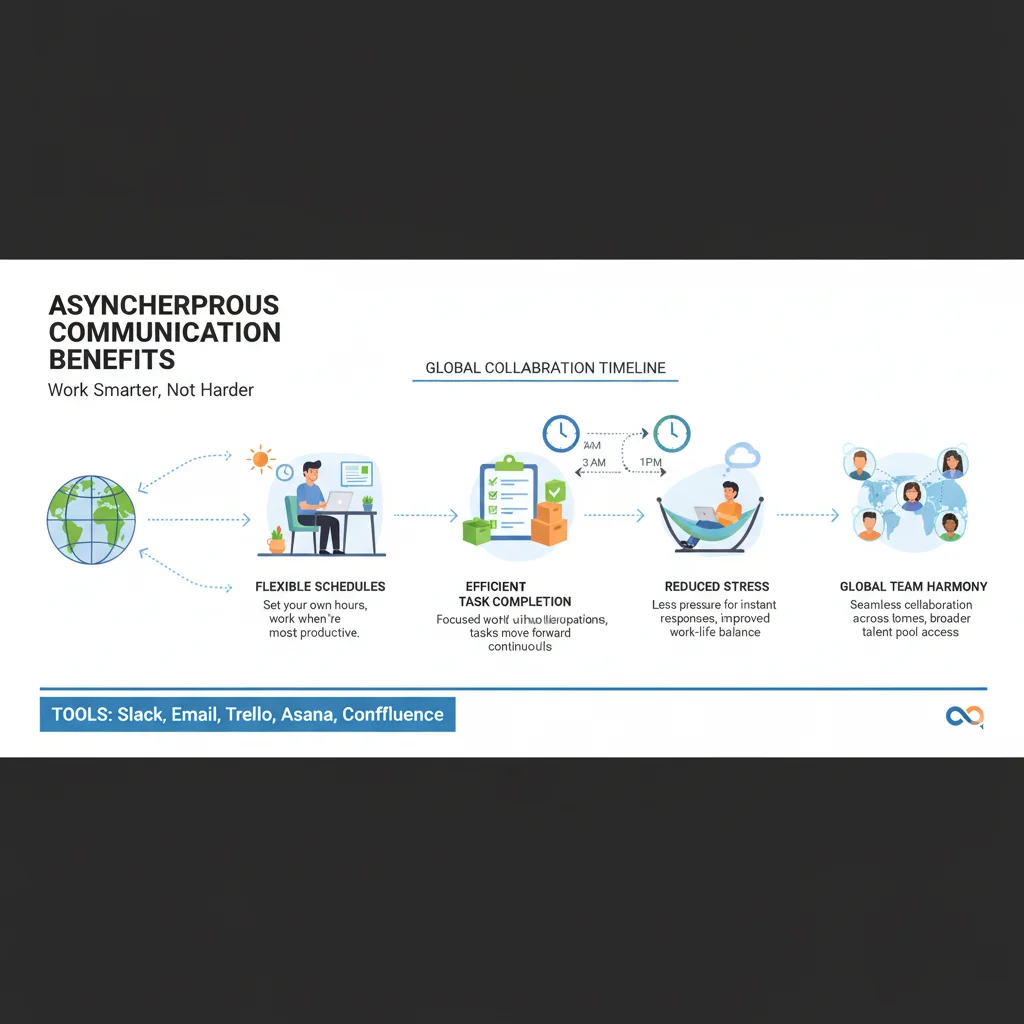
While synchronous tools are great for real-time interactions, asynchronous communication is the backbone of efficient and flexible remote work. It allows team members to contribute ideas, review work, and provide feedback on their own schedules, accommodating different time zones and work styles. This flexibility is crucial for deep work and thoughtful contributions, leading to higher quality creative output.
Project Management Platforms with Integrated Communication
Tools like Asana, Trello, Monday.com, and Jira go beyond task tracking; they are central hubs for asynchronous remote team collaboration. They allow teams to organize projects, assign tasks, set deadlines, and, critically, communicate within the context of specific tasks or projects. This contextual communication ensures that discussions are always relevant and easily traceable, preventing the fragmentation of information that can occur with standalone messaging apps.
For creative teams, these platforms are invaluable for managing ideation pipelines, tracking the progress of creative assets, and coordinating feedback cycles. Features such as comment sections on tasks, file attachments, and version control ensure that all team members are working with the latest information and can contribute their ideas at their convenience. The structured nature of these platforms helps maintain clarity and accountability, freeing up mental space for creative thinking rather than administrative overhead.
Documentation and Knowledge Management Systems
A central repository for knowledge is indispensable for any team, but especially for remote ones. Platforms like Confluence, Notion, or even robust Google Drive/Microsoft SharePoint setups, allow teams to create, share, and manage documents, wikis, and creative briefs. This ensures that all team members have access to the information they need, reducing redundant questions and fostering a shared understanding of project goals and brand guidelines. For creative output, this means faster onboarding, consistent quality, and a solid foundation for new ideas.
Effective documentation is not just about storing information; it’s about making it easily searchable and digestible. Teams should establish clear guidelines for document creation, naming conventions, and regular reviews to keep the knowledge base current. When team members can quickly find answers to common questions or access historical project data, they can spend more time on creative problem-solving and less time on administrative tasks, directly contributing to that 30% boost in creative output.
Pillar 3: Creative Ideation & Collaboration Tools for Enhanced Output
The core of boosting creative output lies in providing dedicated tools that facilitate brainstorming, idea generation, and visual collaboration. These platforms are specifically designed to break down barriers to creativity and encourage diverse contributions within a remote setting.
Virtual Whiteboards: Miro and Mural
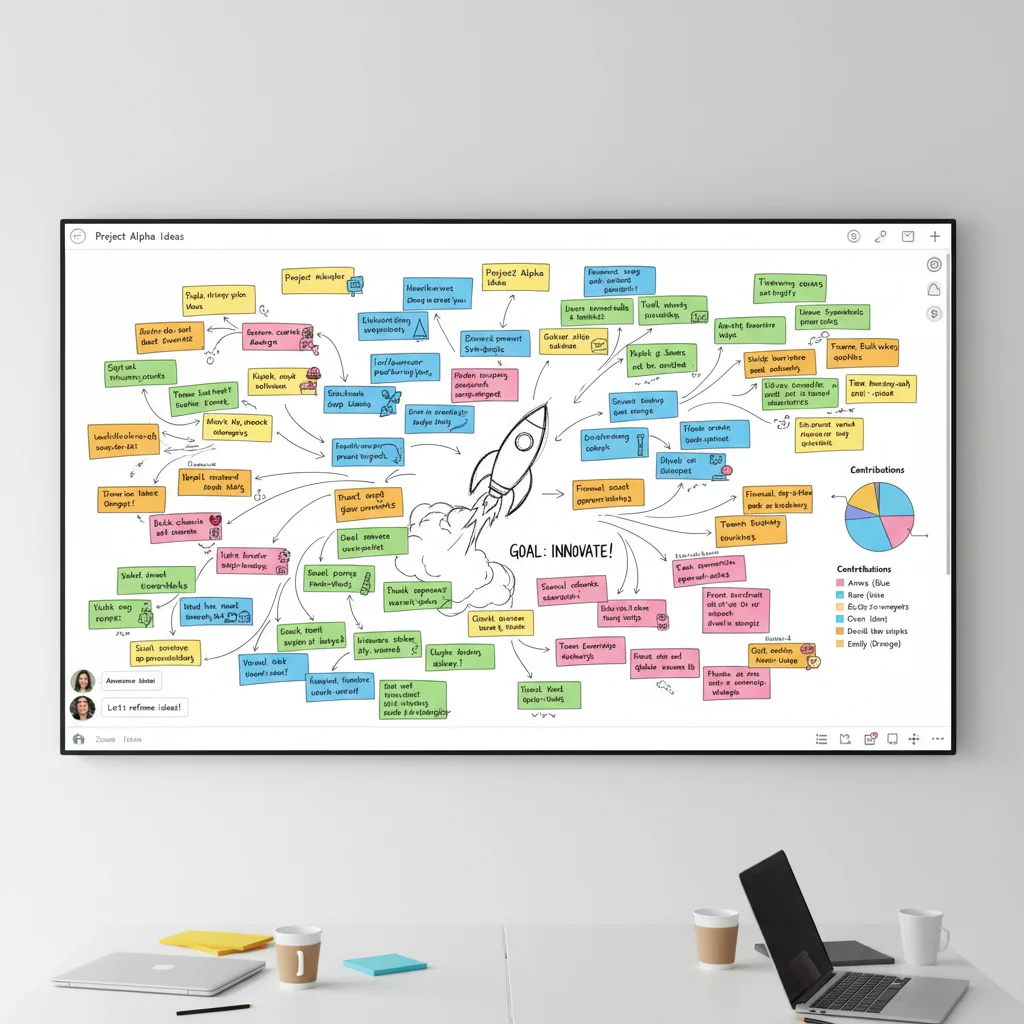
Miro and Mural have become synonymous with virtual brainstorming and visual collaboration. These online whiteboards offer an expansive canvas where teams can conduct dynamic workshops, mind-mapping sessions, affinity diagramming, and even agile ceremonies like sprint planning. Their intuitive interfaces allow users to drag and drop sticky notes, images, documents, and even embed videos, creating a rich visual environment for idea generation. For remote team collaboration, these tools are game-changers, replicating and often surpassing the effectiveness of a physical whiteboard.
What makes them particularly powerful for boosting creative output is their ability to support both synchronous and asynchronous collaboration. Teams can hold live brainstorming sessions with everyone contributing simultaneously, or members can add their ideas to the board at their leisure. The built-in templates for various creative exercises (e.g., Lean Canvas, User Journey Maps, SWOT Analysis) provide structure and guidance, ensuring productive sessions. By leveraging these platforms, teams can tap into a wider range of perspectives and synthesize complex ideas more effectively, directly translating to innovative solutions and a significant increase in creative output.
Design Collaboration and Prototyping Tools: Figma and Adobe XD
For design-centric teams, tools like Figma and Adobe XD have revolutionized the collaborative design process. These platforms allow multiple designers to work on the same file simultaneously, see each other’s changes in real-time, and leave comments directly on specific elements. This eliminates the need for constant file sharing and version control headaches, streamlining the design iteration process significantly. Beyond design, these tools foster a deeper level of remote team collaboration by allowing non-designers (e.g., product managers, developers, marketers) to view prototypes, leave feedback, and understand the design intent without needing specialized software.
The ability to create interactive prototypes that clients or stakeholders can test provides invaluable early feedback, reducing costly revisions later in the development cycle. This iterative and highly collaborative approach to design directly contributes to higher quality creative output, as ideas are refined and validated throughout the process. For any team involved in product development or creative asset creation, these tools are indispensable for achieving that 30% boost in innovation.
AI-Powered Creative Assistants: The Future is Now
The emergence of AI-powered creative assistants is set to be a significant disruptor and enhancer for remote team collaboration. Tools like Jasper.ai, Copy.ai (for content generation), Midjourney, and DALL-E (for image generation), and even AI features integrated into larger platforms, are transforming how creative tasks are approached. These AI tools can generate initial drafts of copy, suggest design elements, create variations of images, or even help in structuring complex narratives.
While not replacing human creativity, these tools act as powerful co-pilots, accelerating the ideation phase and allowing human creatives to focus on refinement, strategy, and injecting unique insights. For instance, an AI can quickly generate multiple headline options, freeing a copywriter to focus on crafting the most compelling message. This synergy between human ingenuity and AI efficiency can dramatically increase the speed and volume of creative output, making a 30% boost not just attainable, but potentially conservative.
Strategic Implementation: Beyond the Tools
Having the right tools is only half the battle. Effective strategic implementation is what truly unlocks their potential for maximizing remote team collaboration and creative output. Without a well-thought-out approach, even the most advanced tools can fall flat.
Establishing Clear Communication Protocols and Best Practices
One of the most critical aspects of successful remote collaboration is establishing clear guidelines for communication. This includes:
- When to use which tool: Define whether a message warrants an email, an instant message, a scheduled video call, or an asynchronous update on a project management tool.
- Response time expectations: Set realistic expectations for how quickly team members should respond to messages on different platforms.
- Meeting etiquette: Define norms for virtual meetings, such as camera on/off policies, active listening, and how to contribute ideas respectfully.
- Documentation standards: Create guidelines for how information should be documented and stored in knowledge management systems.
These protocols reduce ambiguity, minimize communication overhead, and ensure that creative discussions are focused and productive.
Fostering a Culture of Trust and Psychological Safety
Creativity thrives in environments where individuals feel safe to share unconventional ideas without fear of judgment. For remote teams, building this psychological safety requires conscious effort. Leaders must actively model open communication, encourage diverse perspectives, and create channels for constructive feedback. Regular one-on-one check-ins, team-building activities (even virtual ones), and celebrating failures as learning opportunities can all contribute to a culture where innovative ideas are welcomed and nurtured. A strong foundation of trust is paramount for robust remote team collaboration.
Prioritizing Asynchronous Workflows for Deep Thinking
While synchronous meetings have their place, over-reliance on them can fragment schedules and leave little room for deep, uninterrupted creative work. Smart organizations prioritize asynchronous workflows, allowing team members dedicated blocks of time for focused ideation and execution. This means using project management tools for updates, relying on shared documents for feedback, and utilizing virtual whiteboards for ongoing brainstorming that isn’t confined to a single meeting slot. This strategy reduces ‘meeting fatigue’ and empowers individuals to contribute their best creative work on their own terms, leading to a significant boost in overall output.
Leveraging Data and Analytics for Continuous Improvement
Many collaborative tools now offer analytics on team engagement, task completion rates, and communication patterns. Organizations should leverage this data to identify bottlenecks, understand what strategies are working, and continuously refine their approach to remote team collaboration. For instance, if certain channels are consistently underutilized, it might indicate a need for better training or a re-evaluation of communication protocols. Data-driven insights ensure that efforts to boost creative output are not based on guesswork but on empirical evidence.
Measuring the 30% Boost in Creative Output
Achieving a 30% boost in creative output isn’t a nebulous goal; it requires clear metrics and a systematic approach to measurement. While creativity can be subjective, its impact can be quantified through various indicators:
- Quantity of Ideas Generated: Tracking the number of new ideas proposed, prototypes developed, or creative assets produced within a given timeframe.
- Quality of Output: Assessing ideas based on criteria such as novelty, feasibility, and alignment with strategic goals. This can involve peer reviews, expert evaluations, or customer feedback.
- Speed of Iteration: Measuring how quickly ideas move from concept to validated prototype or finished product.
- Successful Innovations: Tracking the number of new products, services, or campaigns that are successfully launched and achieve their objectives.
- Employee Engagement and Satisfaction: Creative teams thrive when members are engaged and satisfied. Surveys and feedback mechanisms can gauge improvements in these areas, which indirectly correlate with creative output.
By establishing baseline metrics before implementing new tools and strategies, and then regularly monitoring these indicators, organizations can accurately assess their progress towards the 30% goal. This data-driven approach not only validates the investment in new tools and methodologies but also provides valuable insights for further optimization of remote team collaboration.
Conclusion: Fostering Collective Genius in the Remote Era
The pursuit of fostering collective genius and boosting creative output by 30% in US remote teams by 2026 is an ambitious yet entirely achievable goal. It hinges on a strategic combination of the right collaborative tools and a culture that champions innovation, trust, and flexibility. By embracing advanced synchronous and asynchronous communication platforms, leveraging dedicated creative ideation tools, and integrating AI-powered assistants, teams can overcome the traditional limitations of distance.
Beyond technology, the success of remote team collaboration lies in thoughtful implementation: establishing clear communication protocols, nurturing psychological safety, prioritizing deep work, and continuously learning from data. The future of work is undeniably remote, and the organizations that master these elements will not only thrive but also set new benchmarks for innovation and creativity. The collective genius of a diverse, empowered remote workforce is a formidable force, ready to drive unprecedented levels of creative output and redefine what’s possible in the digital age.