Maximize Home Value: Renovate for Resale with 12% Higher ROI in 2026
In the dynamic real estate landscape of 2026, the phrase ‘renovate for resale’ has never been more pertinent. Homeowners looking to sell are constantly seeking ways to maximize their property’s value and secure a competitive edge. The good news? Strategic renovations can yield significant returns, with expert analyses suggesting a potential 12% higher return on investment (ROI) for well-planned upgrades. This comprehensive guide will delve into the art and science of renovating for resale, providing you with actionable insights, market trends, and a roadmap to achieving that impressive ROI.
The 2026 Real Estate Market: What Buyers Want
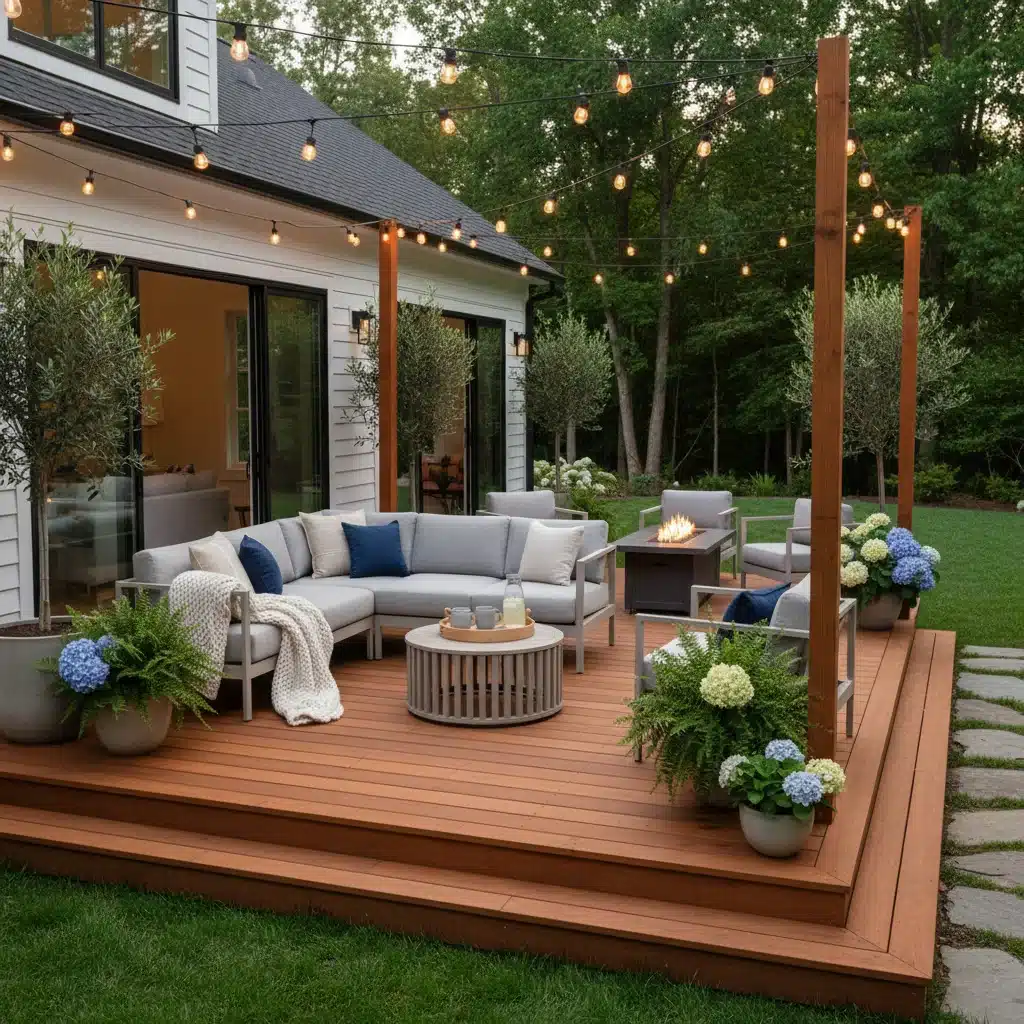
Before diving into specific projects, it’s crucial to understand the current market sentiment. What are buyers prioritizing in 2026? Data indicates a strong preference for move-in ready homes that require minimal immediate work. Energy efficiency, smart home technology, and dedicated flexible spaces (for home offices or gyms) continue to rank high. A key trend is the desire for seamless indoor-outdoor living, reflecting a post-pandemic shift towards more functional and adaptable living environments. Understanding these preferences is the cornerstone of any successful ‘renovate for resale’ strategy.
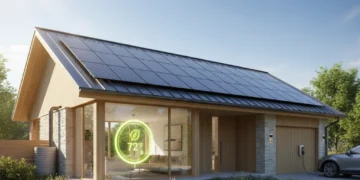
Furthermore, sustainability is no longer a niche concern but a mainstream expectation. Buyers are increasingly willing to pay a premium for homes equipped with eco-friendly features, from solar panels to high-efficiency windows and smart thermostats. This trend is driven by both environmental consciousness and the long-term cost savings associated with lower utility bills. Therefore, incorporating sustainable elements into your renovation plans can significantly enhance your home’s appeal and its eventual selling price. The goal is not just to update, but to modernize in a way that aligns with contemporary values and practical needs.
Demographic Shifts and Their Impact on Renovation Choices
The demographic makeup of homebuyers in 2026 is also influencing renovation trends. Millennials and Gen Z are entering the housing market in larger numbers, bringing with them a distinct set of priorities. These younger buyers often value open-concept living, technologically integrated homes, and low-maintenance yards. They are also more inclined to be first-time homebuyers, meaning they might be less equipped or willing to undertake extensive renovations themselves immediately after purchase. This reinforces the importance of offering a ‘turn-key’ property. Conversely, an aging population may prioritize accessibility features, such as walk-in showers or single-level living, in certain markets. Tailoring your ‘renovate for resale’ approach to the dominant demographic in your area can significantly boost your success.
Key Areas to Focus On When You Renovate for Resale
Not all renovations are created equal when it comes to ROI. To achieve that 12% higher return, you need to be strategic. Here are the top areas to focus on:
Kitchen Remodels: The Heart of the Home
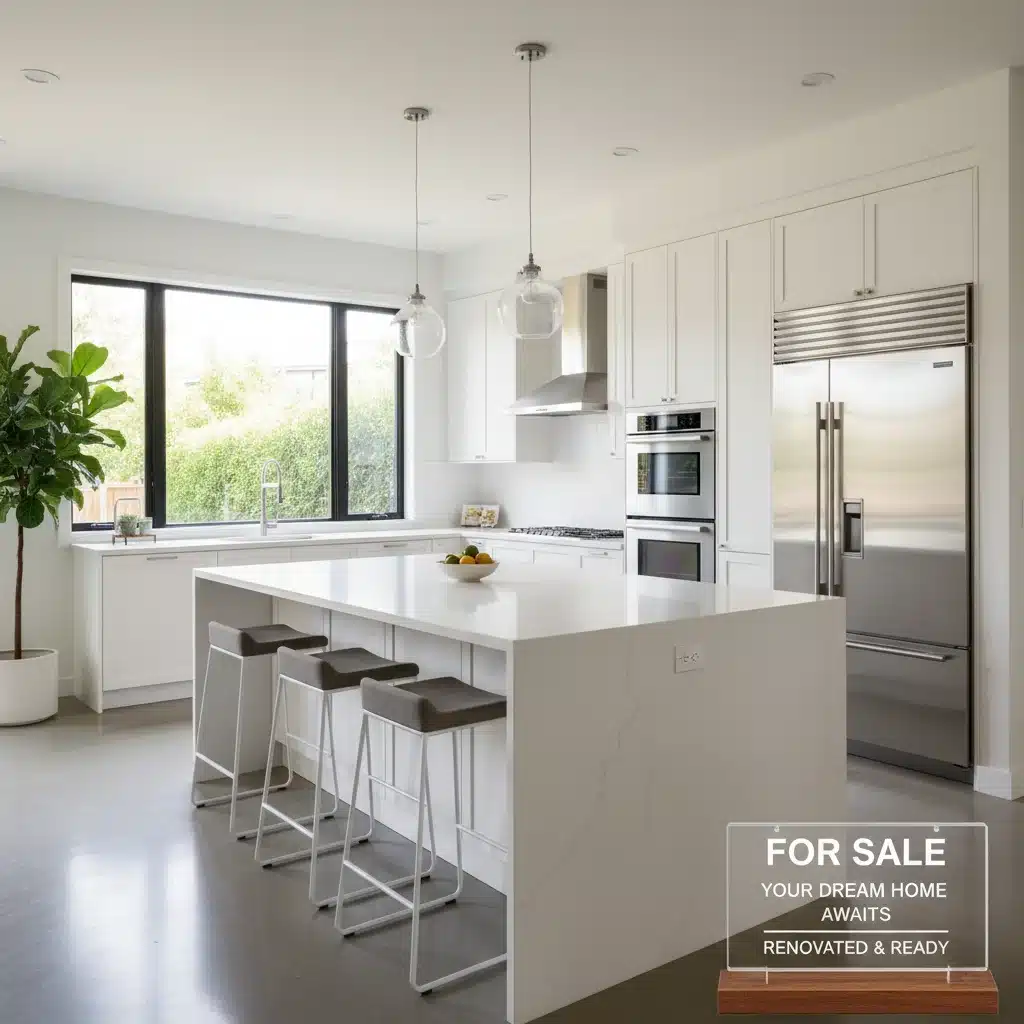
The kitchen consistently tops the list for ROI. Buyers often see the kitchen as the heart of the home, and an outdated one can be a major deterrent. You don’t necessarily need a full gut renovation to make an impact. Sometimes, a ‘mid-range’ kitchen remodel can offer the best returns. This might include:
- Cabinet Refacing or Painting: A fresh coat of paint or new cabinet doors can dramatically update the look without the cost of full replacement.
- New Countertops: Quartz and granite remain popular choices, offering durability and aesthetic appeal.
- Modern Appliances: Stainless steel appliances are still a strong selling point. Look for energy-efficient models.
- Updated Lighting: Improved lighting, including under-cabinet lighting and modern fixtures, can make a kitchen feel brighter and more spacious.
- Backsplash: A stylish backsplash can add a touch of personality and sophistication.
When considering to renovate for resale, remember that functionality and aesthetics must go hand-in-hand. Buyers are looking for a kitchen that is both beautiful and practical for daily living and entertaining.
Bathroom Upgrades: Spa-Like Retreats
Bathrooms are another high-impact area. Buyers appreciate clean, modern, and functional bathrooms. Similar to kitchens, you can achieve great results without a complete overhaul:
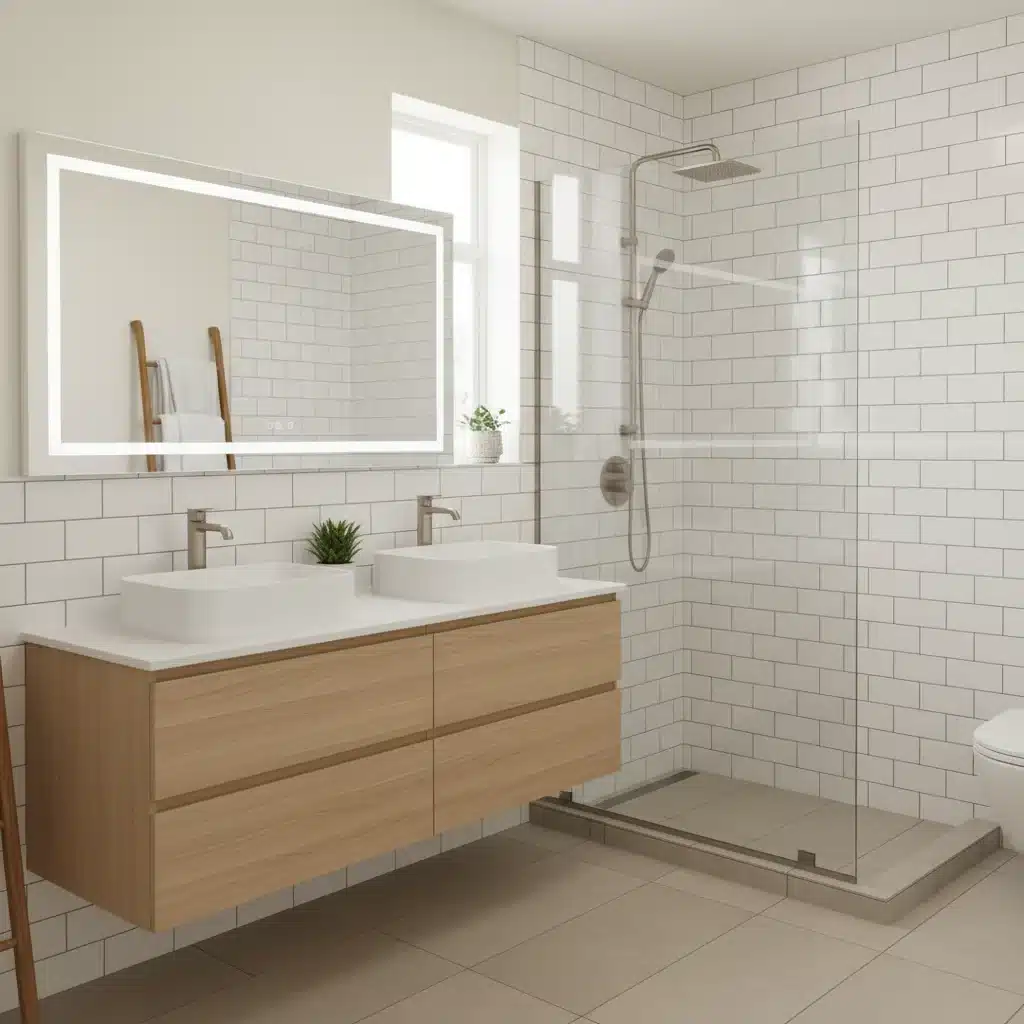
- New Vanity and Sink: A contemporary vanity with ample storage can transform a bathroom.
- Modern Fixtures: Upgrading faucets, showerheads, and towel bars to a consistent, modern finish (e.g., brushed nickel, matte black) can make a big difference.
- Tile Refinishing or Replacement: Fresh grout or new, neutral-toned tiles can significantly improve the look. Subway tile remains a timeless and cost-effective option.
- Walk-in Shower: If space allows, converting a tub/shower combo to a walk-in shower, especially in a master bath, is a highly desirable upgrade.
- Improved Lighting and Ventilation: Good lighting and an efficient exhaust fan are essential for comfort and preventing moisture issues.
When you renovate for resale, think about creating a spa-like experience. Buyers are often looking for a sanctuary within their home, and a well-appointed bathroom can fulfill that desire.
Curb Appeal: First Impressions Matter
The exterior of your home is the first thing potential buyers see, and it sets the tone for the rest of the property. Investing in curb appeal is a relatively low-cost way to significantly boost your home’s perceived value and attract more buyers. Consider:
- Landscaping: Tidy up existing landscaping, add fresh mulch, plant colorful flowers, and trim overgrown bushes.
- Front Door: A fresh coat of paint on the front door, or even a new door, can provide a welcoming pop of color and character.
- Exterior Paint/Siding: A clean, well-maintained exterior is crucial. Consider power washing or a fresh coat of paint if needed.
- Lighting: Exterior lighting, including pathway lights and sconces, enhances safety and aesthetic appeal in the evenings.
- Roof Repair/Replacement: While a larger expense, a new roof can provide peace of mind to buyers and is often a good investment, especially if your current roof is nearing the end of its life.
Remember, when you renovate for resale, the goal is to create an inviting and well-maintained exterior that makes buyers want to see more.
Cost-Effective Renovations with High ROI
Achieving a 12% higher return doesn’t always mean spending a fortune. Many cost-effective projects can provide excellent ROI:
Painting: The Ultimate Refresher
A fresh coat of neutral paint throughout the interior is arguably the most impactful and affordable renovation. Neutral colors (grays, whites, greiges) appeal to the widest range of buyers, making it easier for them to envision their own belongings and style in the space. It brightens rooms, makes them appear larger, and eliminates signs of wear and tear.
Flooring Updates: Foundation of Style
Outdated or damaged flooring can be a major turn-off. While hardwood floors are always a strong selling point, durable and attractive alternatives like luxury vinyl plank (LVP) or engineered wood can offer a similar aesthetic at a lower cost. Replacing old, stained carpets with new, neutral carpeting is also a wise investment, especially in bedrooms.
Lighting Fixtures: Brighten and Modernize
Updating old, brassy, or dated light fixtures with modern, energy-efficient LED options can instantly modernize a home. Good lighting makes spaces feel larger, cleaner, and more inviting. Don’t forget to include dimmer switches for added ambiance and functionality.
Smart Home Technology: Convenience is Key
Integrating smart home features is increasingly important. Buyers value convenience and energy efficiency. Consider:
- Smart Thermostats: Easy to install and can lead to significant energy savings.
- Smart Doorbell/Security Cameras: Enhance safety and peace of mind.
- Smart Locks: Offer keyless entry and remote access.
- USB Outlets: A small but highly appreciated convenience in an increasingly connected world.
These additions, when you renovate for resale, can position your home as forward-thinking and technologically advanced without breaking the bank.
Strategic Planning for Maximum Return
The success of your ‘renovate for resale’ project hinges on meticulous planning. Here’s how to ensure you’re making the right moves:
Research Your Local Market
What sells well in your neighborhood? Are homes with open-concept layouts fetching higher prices? Do buyers expect high-end finishes, or is a mid-range update sufficient? Consult with local real estate agents who have a pulse on current buyer preferences and recent sales data. They can provide invaluable advice on which renovations will offer the best ROI in your specific area. What might be a good investment in a suburban family neighborhood could be overkill or irrelevant in an urban condo market.
Set a Realistic Budget and Stick to It
Renovations can quickly spiral out of control. Establish a clear budget for each project and include a contingency fund (typically 10-20% of the total budget) for unexpected issues. Prioritize projects that offer the highest ROI and are most likely to appeal to a broad range of buyers. Avoid over-improving for your neighborhood; buyers won’t pay a premium for features that significantly exceed the standard for the area.
Focus on Neutrality and Broad Appeal
While personal taste is important for your own living, when you renovate for resale, it’s about appealing to the masses. Choose neutral color palettes, classic finishes, and timeless designs. This allows potential buyers to easily envision their own style and belongings in the space, making it easier for them to connect emotionally with the home. Avoid highly personalized or trendy choices that might quickly become outdated or alienate a segment of buyers.
Consider Professional Staging
Once renovations are complete, professional staging can dramatically enhance how your home is presented. Staging helps define spaces, highlights the home’s best features, and creates an aspirational lifestyle for buyers. It can make rooms feel larger, brighter, and more inviting, often leading to quicker sales and higher offers. While not a renovation in itself, it’s a critical step in maximizing the impact of your ‘renovate for resale’ efforts.
Avoiding Common Pitfalls When You Renovate for Resale
To truly achieve that 12% higher return, it’s as important to know what not to do as it is to know what to do.
Don’t Over-Personalize
As mentioned, overly specific design choices, bold colors, or unique architectural elements that cater only to your taste can deter potential buyers. Remember, you’re trying to appeal to the broadest possible market. Stick to neutral, classic, and widely appealing aesthetics.
Don’t Ignore Necessary Repairs
While cosmetic upgrades are appealing, neglecting fundamental repairs can be a deal-breaker. Leaky roofs, faulty plumbing, outdated electrical systems, or structural issues will flag during inspections and can lead to significant price reductions or even scuttle a sale. Address these critical issues before investing in cosmetic renovations. Buyers are more forgiving of an older kitchen if the bones of the house are solid.
Don’t Overspend for Your Neighborhood
There’s a ceiling to how much value renovations can add, especially in relation to comparable homes in your area. Research the average sale prices and renovation levels of similar properties in your neighborhood. Spending significantly more than what the market can bear for upgrades will result in diminishing returns. The goal is to be competitive, not necessarily the most luxurious home on the block if it means losing money.
Don’t Skip the Professionals
While DIY can save money, poorly executed renovations can actually decrease your home’s value. For significant projects like kitchen and bathroom remodels, plumbing, or electrical work, hiring licensed and experienced professionals is crucial. Their expertise ensures quality workmanship, adherence to building codes, and often, a more efficient timeline. A shoddy DIY job can be a red flag for inspectors and buyers alike.
The 12% Higher Return: How It’s Achieved
The promise of a 12% higher return when you renovate for resale isn’t just a number; it’s a strategic outcome. This figure is often achieved through a combination of factors:
- Increased Appeal: Well-executed renovations make your home more attractive to a wider pool of buyers, generating more interest and potentially multiple offers.
- Higher Perceived Value: Updated homes often appraise for more, giving buyers and lenders confidence in the asking price.
- Faster Sale: Homes that are move-in ready and aesthetically pleasing tend to sell quicker, reducing carrying costs and market exposure.
- Competitive Edge: In a competitive market, a renovated home stands out from un-updated properties, allowing you to command a higher price.
- Elimination of Buyer Objections: By addressing common buyer concerns (outdated kitchens, old bathrooms, poor curb appeal) proactively, you reduce the likelihood of buyers asking for discounts or concessions.
It’s important to note that this 12% is an average and can fluctuate based on location, the specific renovations undertaken, and the overall market conditions at the time of sale. However, by adhering to the principles outlined in this guide, you significantly increase your chances of realizing a substantial return on your investment.
Sustainability and Smart Renovations for the Future
Looking ahead, the emphasis on sustainable and smart home features will only grow. When you renovate for resale, incorporating these elements isn’t just about being trendy; it’s about future-proofing your investment. Consider:
- Energy-Efficient Windows: Reduce heating and cooling costs, a major draw for buyers.
- Improved Insulation: Enhances comfort and energy savings.
- Low-Flow Fixtures: Water-saving toilets, showerheads, and faucets are environmentally responsible and reduce utility bills.
- Native Landscaping: Reduces water usage and maintenance.
- Smart Appliances: From refrigerators to washing machines, smart appliances offer convenience and often energy efficiency.
- EV Charging Stations: As electric vehicles become more common, having a home charging station can be a significant selling point, especially in certain markets.
These types of renovations not only appeal to the environmentally conscious buyer but also offer tangible long-term savings, which is a powerful selling proposition.
Conclusion: Your Roadmap to a Higher Home Value
To renovate for resale in the 2026 market and achieve a 12% higher return requires a blend of market savvy, strategic planning, and careful execution. By focusing on high-impact areas like kitchens, bathrooms, and curb appeal, prioritizing cost-effective upgrades, and understanding what today’s buyers truly desire, you can transform your property into a highly desirable asset. Remember to research your local market, set a realistic budget, and don’t be afraid to consult with professionals. With the right approach, your renovation project won’t just be an expense; it will be a lucrative investment that pays dividends when it’s time to sell.
Start planning your renovations today, and position your home to stand out in the competitive 2026 real estate market. The effort you put in now will undoubtedly translate into a significantly higher return on your investment, making your selling experience both profitable and smooth.