Experience Economy 2026: 4 Cultural Imperatives for American Businesses
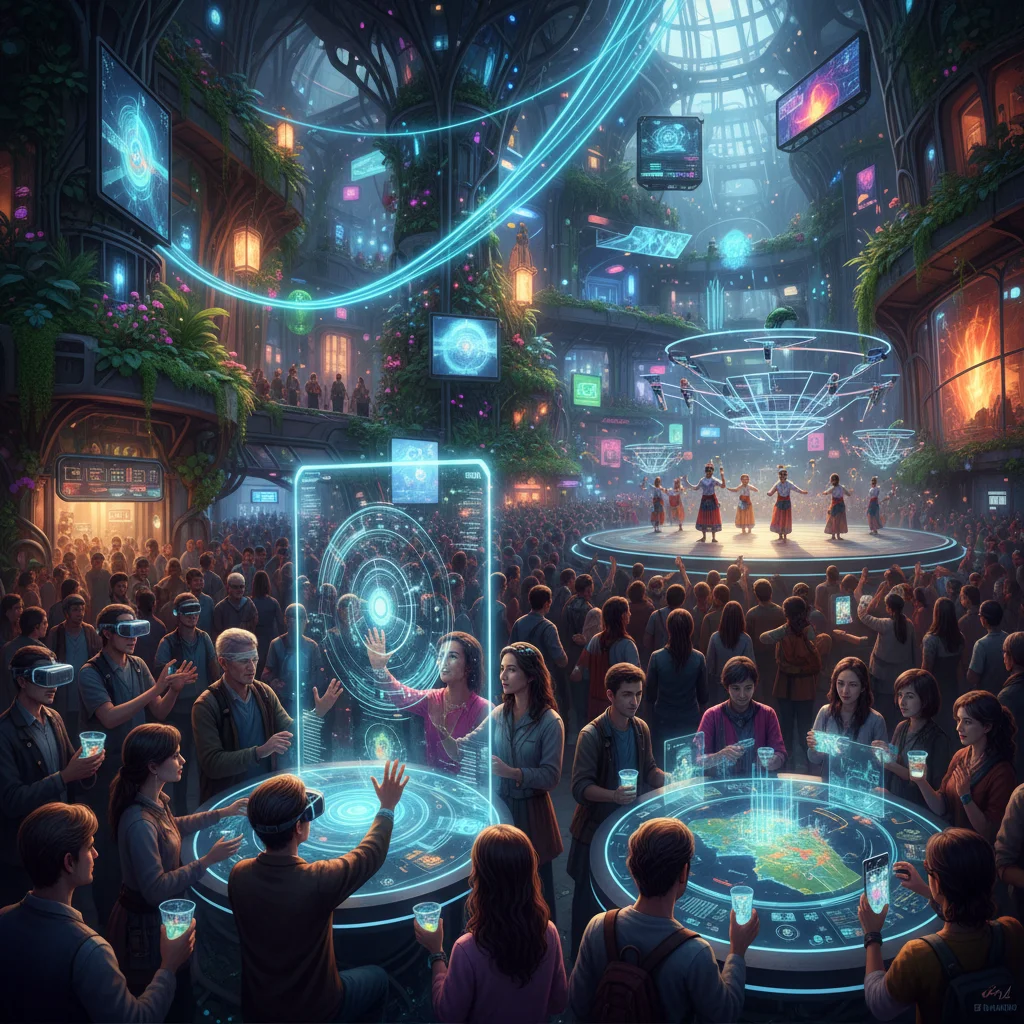
The business landscape is in a perpetual state of flux, driven by technological advancements, shifting societal values, and evolving consumer expectations. What was once considered a luxury or a niche offering has now become the baseline expectation for many consumers: an experience. We are no longer merely purchasing products or services; we are investing in moments, memories, and transformations. This fundamental shift marks the full maturation of what economists B. Joseph Pine II and James H. Gilmore famously termed the Experience Economy.
As we hurtle towards 2026, American businesses face a critical juncture. The passive consumption model is obsolete. Success will not be measured solely by transactional volume but by the depth and quality of the experiences delivered. For businesses to not just survive but truly thrive in this intensified Experience Economy 2026, they must proactively embrace and integrate four crucial cultural imperatives into their core operations and strategic vision. These are not mere trends; they are foundational shifts in how businesses must interact with their customers, employees, and the broader community.
This article will delve into these four imperatives, providing actionable insights and a roadmap for American businesses to navigate the complexities and capitalize on the immense opportunities presented by the evolving Experience Economy 2026.
Understanding the Evolution of the Experience Economy
To grasp the significance of these imperatives, it’s essential to understand how the Experience Economy has evolved. Initially, economies progressed from commodities (undifferentiated goods) to goods (manufactured products), then to services (intangible activities). The Experience Economy represents the fourth economic offering, where the service itself becomes a stage for an engaging, memorable event. Think of a cup of coffee: from commodity beans to packaged coffee grounds (goods), to a barista serving you (service), to a themed café with unique ambiance and personalized latte art (experience).
In 2026, this concept is amplified. Consumers are increasingly seeking authenticity, personalization, and emotional resonance in their interactions with brands. They are willing to pay a premium for experiences that align with their values, provide a sense of belonging, or offer genuine transformation. This isn’t just about entertainment; it’s about creating value through engagement. The digital revolution, far from diminishing the need for real-world experiences, has often enhanced it, providing new platforms for discovery, sharing, and even co-creation of experiences.
The stakes are high. Businesses that fail to adapt risk becoming irrelevant, relegated to the realm of mere transactional providers in a world that craves connection and meaning. Conversely, those that master the art of experience design will unlock unprecedented levels of customer loyalty, advocacy, and sustained growth in the Experience Economy 2026.
Imperative 1: Hyper-Personalization at Scale
The first and perhaps most critical cultural imperative for American businesses in the Experience Economy 2026 is hyper-personalization at scale. Generic, one-size-fits-all approaches are no longer sufficient. Consumers expect brands to understand their individual needs, preferences, and even their emotional state, delivering tailored experiences that feel uniquely crafted for them.
The Limitations of Traditional Personalization
Traditional personalization often involved segmenting customers into broad categories and offering slightly varied content or recommendations. While a step up from mass marketing, it still fell short of true individual recognition. Hyper-personalization goes deeper, leveraging advanced data analytics, artificial intelligence (AI), and machine learning (ML) to create truly bespoke interactions.
How to Achieve Hyper-Personalization in 2026
- Advanced Data Collection and Analysis: Businesses must invest in robust data infrastructure to collect comprehensive customer data – not just purchase history, but also browsing behavior, interaction patterns, feedback, and even sentiment analysis. AI-powered analytics can then identify subtle patterns and predict future needs.
- AI-Driven Recommendation Engines: Beyond suggesting related products, AI can power dynamic content delivery, personalized communication channels, and even custom service flows. Imagine an e-commerce site that completely reconfigures its layout based on your current mood or a financial advisor app that proactively offers advice based on your spending habits and life events.
- Contextual Experiences: Hyper-personalization extends to the context of the interaction. Location-based services, real-time data, and predictive analytics allow businesses to deliver relevant experiences precisely when and where they are most impactful. For example, a retail app could offer a personalized coupon for an item you viewed online, just as you walk past the physical store.
- Empowering Frontline Employees: While technology is crucial, human connection remains paramount. Equipping frontline staff with real-time access to customer insights allows them to deliver personalized service that feels authentic and empathetic. This blend of tech and touch is vital for the Experience Economy 2026.
- Ethical Data Use and Transparency: As personalization becomes more pervasive, so too does consumer concern about privacy. Businesses must be transparent about data collection practices, offer clear opt-out options, and ensure data security to build and maintain trust.
The goal is to make every customer feel seen, heard, and valued. This level of personalized attention fosters deeper emotional connections, transforms transactions into relationships, and drives unparalleled loyalty in the competitive Experience Economy 2026.
Imperative 2: Immersive and Multi-Sensory Engagement
The second imperative for American businesses is to design experiences that are not just visual but truly immersive and multi-sensory. In a world saturated with digital content, cutting through the noise requires engaging customers on multiple levels, stimulating more than just their sight and hearing.
Beyond Visuals: Engaging All Senses
For too long, marketing and business design have focused primarily on visual aesthetics and auditory cues. However, the most memorable experiences often engage the senses of touch, smell, and even taste. Think about the aroma of a coffee shop, the feel of a premium product, or the distinct flavor profile of a curated culinary event. These sensory details create a richer, more profound, and more memorable experience.
Strategies for Multi-Sensory Engagement in 2026
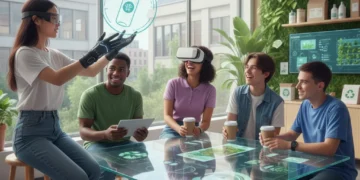
- Augmented Reality (AR) and Virtual Reality (VR): These technologies are no longer futuristic concepts; they are becoming mainstream tools for creating immersive experiences. Retailers can use AR to allow customers to virtually try on clothes or place furniture in their homes. Travel companies can offer VR tours of destinations. Training and education can be revolutionized through immersive simulations.
- Experiential Retail Spaces: Physical stores must evolve from mere points of sale to experiential hubs. This means creating environments where customers can interact with products in novel ways, attend workshops, enjoy curated events, and connect with brand ambassadors. Think about Apple Stores, which are as much about discovery and learning as they are about purchasing.
- Soundscapes and Olfactory Marketing: Strategic use of sound and scent can profoundly impact mood and memory. Businesses can create custom soundscapes for their environments or use signature scents to reinforce brand identity and create a distinctive atmosphere.
- Tactile Design: The physical quality of products and packaging matters. Premium materials, ergonomic design, and satisfying tactile feedback contribute to a superior experience. Even digital interfaces can mimic tactile sensations through haptic feedback.
- Interactive Storytelling: Beyond passive content consumption, businesses should create interactive narratives that allow customers to participate in the brand story. This could involve gamified experiences, choose-your-own-adventure content, or collaborative creative projects.

By engaging multiple senses, businesses can create experiences that are not only more enjoyable but also more emotionally resonant and enduring. This holistic approach is a cornerstone for success in the Experience Economy 2026, ensuring that brands stand out in a crowded marketplace.
Imperative 3: Purpose-Driven and Values-Aligned Experiences
The third imperative reflects a profound shift in consumer priorities: a growing demand for purpose-driven and values-aligned experiences. In 2026, consumers, particularly younger generations, are not just buying products or services; they are buying into a brand’s mission, its ethical stance, and its contribution to society.
The Rise of Conscious Consumption
Today’s consumers are more informed and socially conscious than ever before. They care about environmental sustainability, ethical labor practices, social equity, and community engagement. Brands that merely pay lip service to these values will be quickly exposed. Authenticity and genuine commitment are crucial.
Integrating Purpose and Values into Experiences for 2026
- Authentic Corporate Social Responsibility (CSR): CSR initiatives must be deeply integrated into the business model, not just superficial add-ons. This means transparent supply chains, sustainable manufacturing processes, fair wages, and meaningful community investments. Consumers want to know that their purchases contribute to a greater good.
- Shared Values and Community Building: Brands can create experiences that foster a sense of community around shared values. This could involve organizing events that support a cause, creating platforms for customers to connect with each other, or developing products that directly address social or environmental challenges. Patagonia, for example, builds loyalty not just through its gear but through its environmental activism.
- Transparency and Accountability: Businesses must be transparent about their operations, their challenges, and their efforts to improve. When mistakes happen, acknowledging them and outlining corrective actions builds trust. This honesty is a form of experience in itself – an experience of integrity.
- Empowering Customer Advocacy: Provide opportunities for customers to become advocates for your brand’s purpose. This could be through user-generated content campaigns that highlight social impact, or by allowing customers to donate a portion of their purchase to a charity of their choice.
- Employee Engagement with Purpose: A brand’s purpose must resonate internally as well. Employees who believe in the company’s mission are more engaged and more likely to deliver exceptional, values-aligned experiences to customers.
Businesses that authentically embed purpose and values into every touchpoint create experiences that are not only transactional but also transformational, fostering deep loyalty and resonance in the Experience Economy 2026. This imperative moves beyond mere satisfaction to genuine fulfillment.
Imperative 4: Seamless Phygital Journeys and Co-Creation
The fourth imperative acknowledges the blurring lines between the physical and digital worlds, demanding seamless ‘phygital’ customer journeys and opportunities for co-creation. The Experience Economy 2026 is not about choosing between online or offline; it’s about intelligently integrating both to create a cohesive and empowering customer journey.
Bridging the Physical and Digital Divide
Consumers move fluidly between digital and physical channels. Their expectations are that these transitions should be effortless and consistent. A disjointed experience – where information isn’t shared across platforms, or the brand voice changes drastically – leads to frustration and a breakdown of trust.
Strategies for Phygital Journeys and Co-Creation in 2026
- Integrated Omni-channel Strategy: This goes beyond multi-channel. Omni-channel ensures that all touchpoints – website, app, physical store, social media, customer service – are interconnected and provide a unified, consistent experience. Customer data should flow seamlessly across these channels, allowing for continuity.
- Click-and-Collect and In-Store Returns: These services are now standard expectations. The convenience of online shopping combined with the immediate gratification or ease of returns in a physical location exemplifies effective phygital integration.
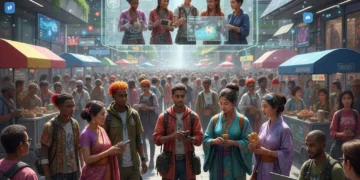
- Digital Enhancements in Physical Spaces: QR codes for product information, interactive digital displays, smart mirrors, and in-store navigation apps enhance the physical shopping experience. Conversely, virtual showrooms and augmented reality try-ons bring physical products to digital spaces.
- Customer Co-Creation Platforms: Empowering customers to co-create products, services, or even marketing campaigns fosters a deeper sense of ownership and engagement. This could involve customizable products, user-generated content contests, or inviting customers to participate in product development focus groups. Brands like LEGO Ideas have built entire product lines around fan submissions.
- Community-Driven Innovation: Leverage online communities and social media to gather insights, solicit feedback, and even prototype new ideas with active customer participation. This not only yields valuable input but also makes customers feel like a valued part of the brand’s journey.
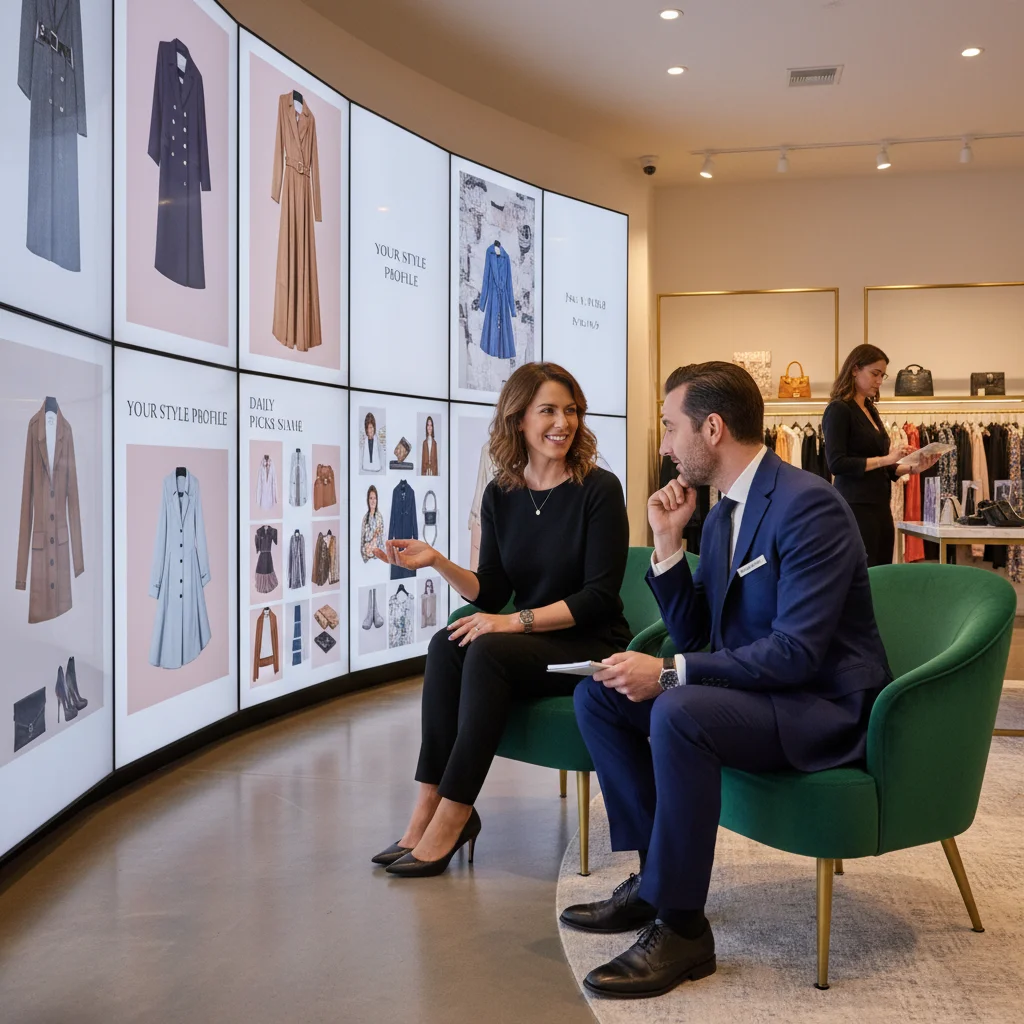
By creating seamless phygital journeys and inviting customers into the co-creation process, American businesses can build stronger, more resilient relationships and foster a sense of active participation that is central to the Experience Economy 2026.
Implementing the Imperatives: A Strategic Roadmap for American Businesses
Embracing these four cultural imperatives requires more than just tactical adjustments; it demands a fundamental shift in mindset and strategy. Here’s a roadmap for American businesses:
1. Customer-Centric Culture Transformation
The journey begins internally. Every employee, from the CEO to frontline staff, must understand and embody the value of customer experience. This requires:
- Leadership Buy-in: CX must be a top-down priority, with leaders championing the vision and allocating necessary resources.
- Training and Empowerment: Invest in continuous training for employees on empathy, active listening, problem-solving, and the use of new technologies. Empower them to make decisions that enhance customer experiences.
- Cross-Functional Collaboration: Break down silos between departments. Marketing, sales, product development, and customer service must work together to ensure a consistent and delightful customer journey.
2. Investment in Experience Technology
To deliver hyper-personalization and seamless phygital journeys, businesses need to invest in the right technological infrastructure:
- CRM and CDP (Customer Data Platform): A robust CRM is foundational, but a CDP takes it further by unifying customer data from all sources into a single, comprehensive profile.
- AI and Machine Learning: For predictive analytics, recommendation engines, and automating personalized interactions.
- AR/VR Tools: For immersive content creation and delivery.
- Integration Platforms: To ensure all systems communicate seamlessly, facilitating a smooth phygital experience.
3. Data-Driven Experience Design
Experiences should not be designed in a vacuum. They must be informed by data and continuous feedback:
- Customer Journey Mapping: Visually map out every touchpoint a customer has with your brand, identifying pain points and opportunities for improvement.
- Feedback Loops: Implement mechanisms for continuous customer feedback – surveys, social listening, direct interviews – and act on the insights gained.
- A/B Testing and Iteration: Continuously test different experience elements and iterate based on performance data. The Experience Economy 2026 rewards agility.
4. Authentic Storytelling and Brand Purpose Articulation
Clearly define and communicate your brand’s purpose and values. This isn’t just about marketing; it’s about building a narrative that resonates:
- Craft a Compelling Brand Story: What do you stand for? What problem do you solve? What impact do you want to make beyond profit?
- Communicate Authentically: Share your purpose through all channels – website, social media, advertising, and internal communications. Let your actions speak louder than words.
- Engage in Meaningful Causes: Support causes that genuinely align with your brand’s values and involve your customers and employees in these efforts.
5. Fostering a Culture of Experimentation and Innovation
The Experience Economy 2026 is dynamic. Businesses must foster a culture where experimentation is encouraged, and failure is seen as a learning opportunity:
- Allocate Resources for R&D: Dedicate time and budget to exploring new technologies and experience design concepts.
- Encourage Employee Creativity: Empower employees to come up with new ideas for enhancing customer experiences.
- Stay Ahead of Trends: Continuously monitor emerging technologies, consumer behaviors, and cultural shifts to anticipate future demands.
The trajectory towards an increasingly experience-centric marketplace is undeniable. For American businesses, 2026 will not be a distant future but a present reality where the quality of the experience dictates market leadership. The four cultural imperatives – hyper-personalization at scale, immersive and multi-sensory engagement, purpose-driven and values-aligned experiences, and seamless phygital journeys with co-creation – are not optional extras. They are the fundamental pillars upon which successful enterprises will be built.
By proactively integrating these imperatives into their strategic core, American businesses can move beyond mere transactions to forge deep, meaningful, and lasting connections with their customers. This is the essence of thriving in the Experience Economy 2026: creating not just customers, but advocates, partners, and participants in a shared journey. The time for action is now, transforming challenges into unprecedented opportunities for growth and impact.
Embrace the shift, invest in the experience, and position your business at the forefront of tomorrow’s economy.