Experience Economy 2026: Cultural Shifts & Consumer Behavior
Understanding the ‘Experience Economy’: 4 Cultural Shifts Driving Consumer Behavior in 2026 (Insider Knowledge)
The global marketplace is in a constant state of flux, shaped by technological advancements, evolving societal values, and an ever-increasing demand for more than just products. We are firmly entrenched in the ‘Experience Economy,’ a paradigm where consumers prioritize memorable interactions and personal growth over mere ownership. As we look towards 2026, understanding the ‘experience economy shifts’ that will define consumer behavior is not just beneficial; it’s imperative for businesses aiming for sustained success and relevance. This comprehensive guide delves into four critical cultural shifts, offering insights and actionable strategies for navigating this dynamic landscape.
The Genesis of the Experience Economy: A Brief Retrospective
Before we project forward, it’s crucial to acknowledge the roots of the experience economy. For decades, economic value progressed from commodities (raw materials) to goods (manufactured products), then to services (intangible activities). The experience economy, first coined by B. Joseph Pine II and James H. Gilmore in 1999, marked the next evolutionary stage. Here, businesses stage experiences, and consumers pay for the time they spend engaging in those memorable events. Think of a cup of coffee: from commodity (coffee beans) to good (packaged coffee) to service (coffee served in a diner) to experience (a themed cafe with unique ambiance and personalized service). The value escalates with each stage, culminating in a deeper, more personal connection with the consumer.
This shift wasn’t sudden; it was a gradual evolution fueled by affluence, technological capability, and a growing desire for authenticity and meaning. Consumers, increasingly saturated with material possessions, began seeking fulfillment in non-material ways. The rise of social media further accelerated this trend, transforming experiences into shareable content and social currency. In 2026, these foundational principles remain, but they are being reshaped by powerful cultural undercurrents that demand a more nuanced and proactive approach from businesses.
Cultural Shift 1: The Ascendance of Hyper-Personalization and Individualized Journeys
In an increasingly crowded and noisy world, consumers are no longer content with one-size-fits-all solutions. The first significant ‘experience economy shifts’ we observe for 2026 is the profound ascendance of hyper-personalization, moving beyond simple recommendations to truly individualized journeys. This isn’t just about knowing a customer’s name; it’s about anticipating their needs, preferences, and even emotional states, then tailoring every interaction accordingly.
What Does Hyper-Personalization Entail?
- Data-Driven Anticipation: Leveraging advanced AI and machine learning to analyze vast datasets, predicting future behaviors and preferences with remarkable accuracy. This allows businesses to proactively offer relevant products, services, and experiences before the customer even articulates a need.
- Dynamic Content and Offers: Websites, apps, and even physical spaces will dynamically adapt to individual users. Imagine a retail store where digital displays change based on your browsing history, or an online platform that adjusts its interface and content based on your mood detected through subtle cues.
- Customized Product/Service Creation: Beyond configuration, hyper-personalization will involve co-creation or bespoke solutions. Think of health and wellness programs tailored to an individual’s DNA, or travel itineraries designed moment-by-moment based on real-time feedback and local conditions.
- Emotional Resonance: The ultimate goal is to create experiences that resonate on an emotional level, fostering deep loyalty and a sense of being truly understood. This requires empathy embedded in algorithms and human-centric design principles.
Impact on Consumer Behavior:
Consumers will expect brands to ‘know’ them. Generic marketing will be ignored, and brands that fail to deliver personalized experiences will be perceived as out of touch. Loyalty will be earned through relevance and genuine connection. This shift also empowers consumers, giving them a sense of control and agency over their consumption choices.
Business Implications and Strategies:
Businesses must invest heavily in robust data infrastructure, AI capabilities, and customer relationship management (CRM) systems that can handle complex individual profiles. Training staff to deliver personalized service, even in digital interactions, will be crucial. Furthermore, ethical considerations around data privacy and transparency will become paramount, as consumers demand control over their personal information while simultaneously expecting tailored experiences.
Cultural Shift 2: The Demand for Authentic, Purpose-Driven Engagement
The second major ‘experience economy shifts’ is the intensifying demand for authenticity and purpose-driven engagement. Consumers, particularly younger generations, are increasingly discerning about where they spend their money and time. They want to align with brands that reflect their values, contribute positively to society, and offer genuine, transparent interactions.
Defining Authentic and Purpose-Driven:
- Ethical Sourcing and Production: Consumers will scrutinize supply chains, demanding transparency regarding labor practices, environmental impact, and animal welfare. Brands with clear, verifiable ethical credentials will gain significant trust.
- Social and Environmental Responsibility: Beyond just avoiding harm, consumers expect brands to actively contribute to positive social and environmental change. This includes initiatives like sustainable packaging, fair trade practices, community development programs, and advocacy for important causes.
- Transparency and Honesty: Glossy marketing is being replaced by a demand for genuine communication. Consumers want to know the ‘why’ behind a brand, its mission, its struggles, and its successes. Authenticity means admitting imperfections and striving for improvement.
- Community and Belonging: Brands that foster a sense of community around shared values or interests will thrive. This can manifest in online forums, physical events, or collaborative projects where customers feel they are part of something larger than themselves.
Impact on Consumer Behavior:
Consumers will actively seek out and reward brands that demonstrate genuine purpose. They will be willing to pay a premium for products and experiences that align with their ethical convictions. Conversely, brands perceived as disingenuous or purely profit-driven will face significant backlash and loss of market share. This shift transforms consumption into a form of activism.
Business Implications and Strategies:
Businesses need to embed purpose into their core DNA, not just as a marketing add-on. This requires a fundamental re-evaluation of business models, supply chains, and corporate culture. Authentic storytelling, impact reporting, and genuine engagement with social and environmental issues will be vital. Partnerships with non-profits and community organizations can also enhance credibility and reach. 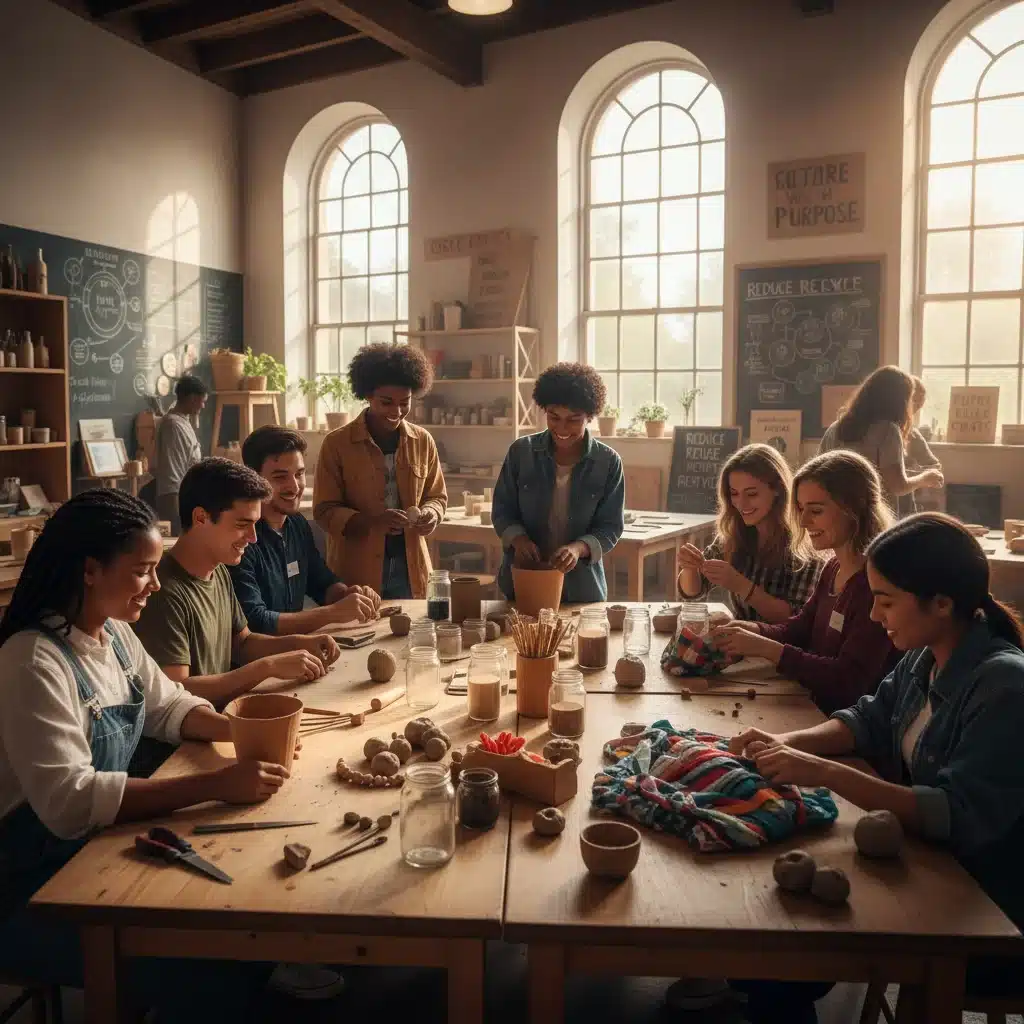
Cultural Shift 3: The Blurring Lines Between Digital and Physical Realities (Phygital Experiences)
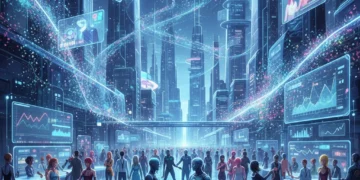
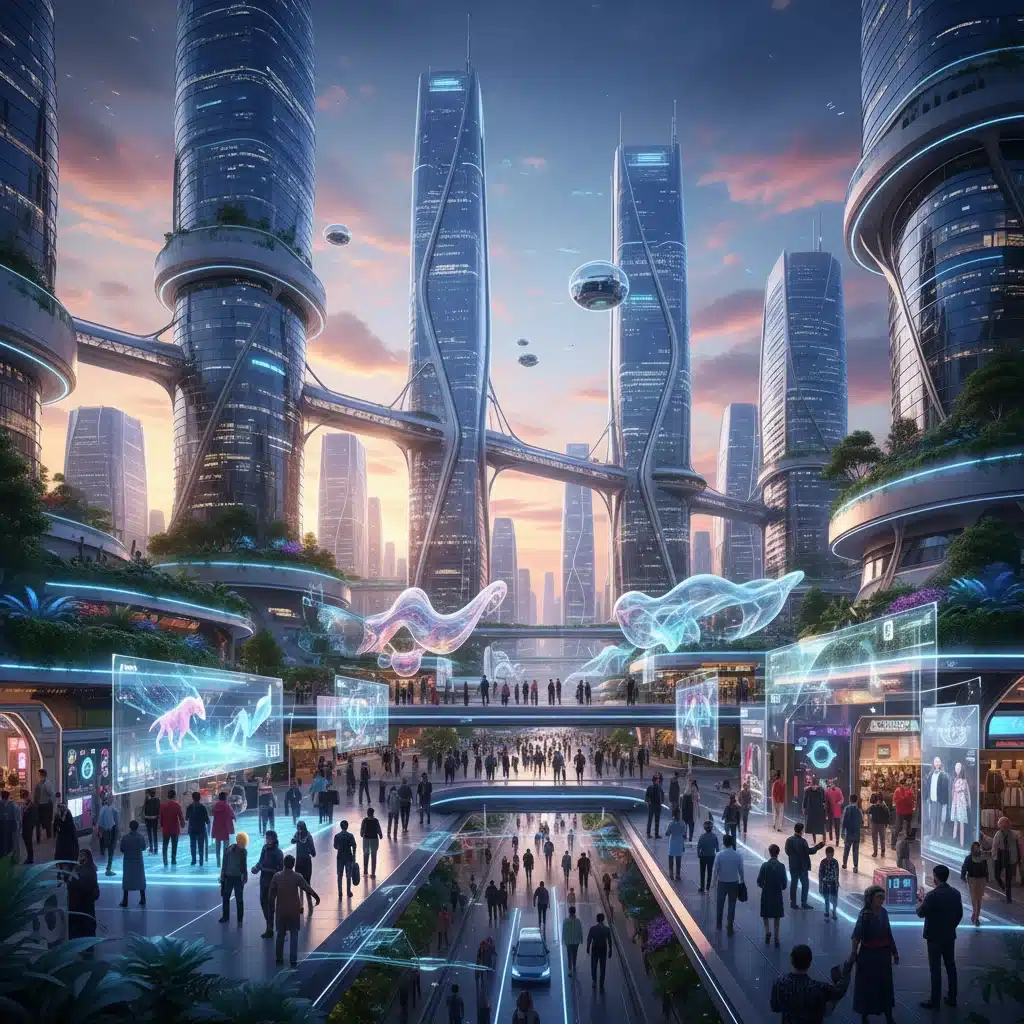
The third profound ‘experience economy shifts’ is the continued blurring of lines between digital and physical realities, leading to the proliferation of ‘phygital’ experiences. The pandemic accelerated digital adoption, but consumers are now seeking seamless integration rather than a stark division. They expect their online and offline worlds to complement and enhance each other, creating a holistic and enriched experience.
Elements of Phygital Experiences:
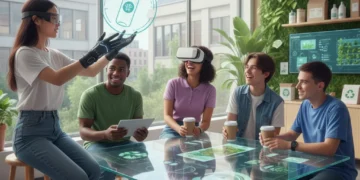
- Augmented Reality (AR) and Virtual Reality (VR) Integration: From trying on clothes virtually to exploring travel destinations before booking, AR and VR will become commonplace tools for enhancing physical experiences and providing immersive digital ones.
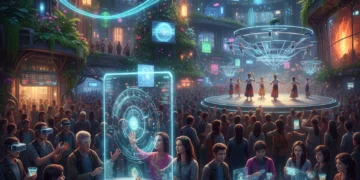
- Interactive Physical Spaces: Retail stores, museums, and entertainment venues will incorporate digital elements like interactive screens, personalized projections, and smart sensors to tailor experiences to individual visitors in real-time.
- Seamless Data Flow: Information gathered from online interactions will inform in-store experiences, and vice-versa. For example, a customer’s online wishlist could be immediately accessible to a sales assistant in a physical store, or an in-store purchase could trigger personalized digital follow-ups.
- Gamification and Immersive Storytelling: Elements of gaming and narrative will be integrated into both digital and physical environments, making interactions more engaging and memorable. Think escape rooms with AR elements or loyalty programs with interactive challenges.
Impact on Consumer Behavior:
Consumers will expect convenience, immediacy, and a rich sensory experience, regardless of whether they are interacting online or offline. Frustration will arise from disjointed experiences or a lack of continuity between channels. The expectation is for a fluid, intuitive journey that leverages the best of both worlds.
Business Implications and Strategies:
Businesses must adopt an omnichannel strategy that is truly integrated, not just parallel. This requires significant investment in technology, infrastructure, and a unified data platform. Training employees to navigate both digital and physical customer journeys is essential. Designing physical spaces with digital integration in mind from the outset will be critical, as will developing engaging digital content that enhances real-world interactions. The focus should be on creating a synergistic ecosystem where digital and physical elements elevate each other.
Cultural Shift 4: The Pursuit of Personal Growth and Transformative Experiences
The final, yet equally impactful, ‘experience economy shifts’ for 2026 is the heightened pursuit of personal growth and transformative experiences. Consumers are increasingly seeking opportunities for self-improvement, learning, and profound personal change. This goes beyond mere entertainment; it’s about experiences that challenge, educate, inspire, and ultimately contribute to a better version of oneself.
Characteristics of Transformative Experiences:
- Skill Acquisition and Learning: Workshops, masterclasses, and educational retreats focused on practical skills (e.g., coding, pottery, sustainable living) or personal development (e.g., mindfulness, leadership) will see surging demand.
- Wellness and Self-Care Journeys: Holistic wellness experiences, ranging from meditation apps with personalized coaching to immersive wellness resorts, will cater to consumers prioritizing mental and physical well-being.
- Adventure and Exploration: Unique travel experiences that push boundaries, foster cultural immersion, or connect individuals with nature in profound ways will be highly valued. These often involve an element of challenge or discovery.
- Meaningful Connections and Community: Experiences that facilitate genuine human connection, foster empathy, and build supportive communities will resonate deeply with consumers seeking belonging and shared purpose.
- Personalized Coaching and Mentorship: Access to experts and mentors who can guide individuals on their personal growth journeys will become a premium offering across various sectors.
Impact on Consumer Behavior:
Consumers will allocate more of their disposable income and time towards experiences that offer tangible benefits for their personal development and well-being. They will seek out brands that act as enablers or facilitators of their growth journeys. The value proposition shifts from ‘what I get’ to ‘who I become’ through the experience. 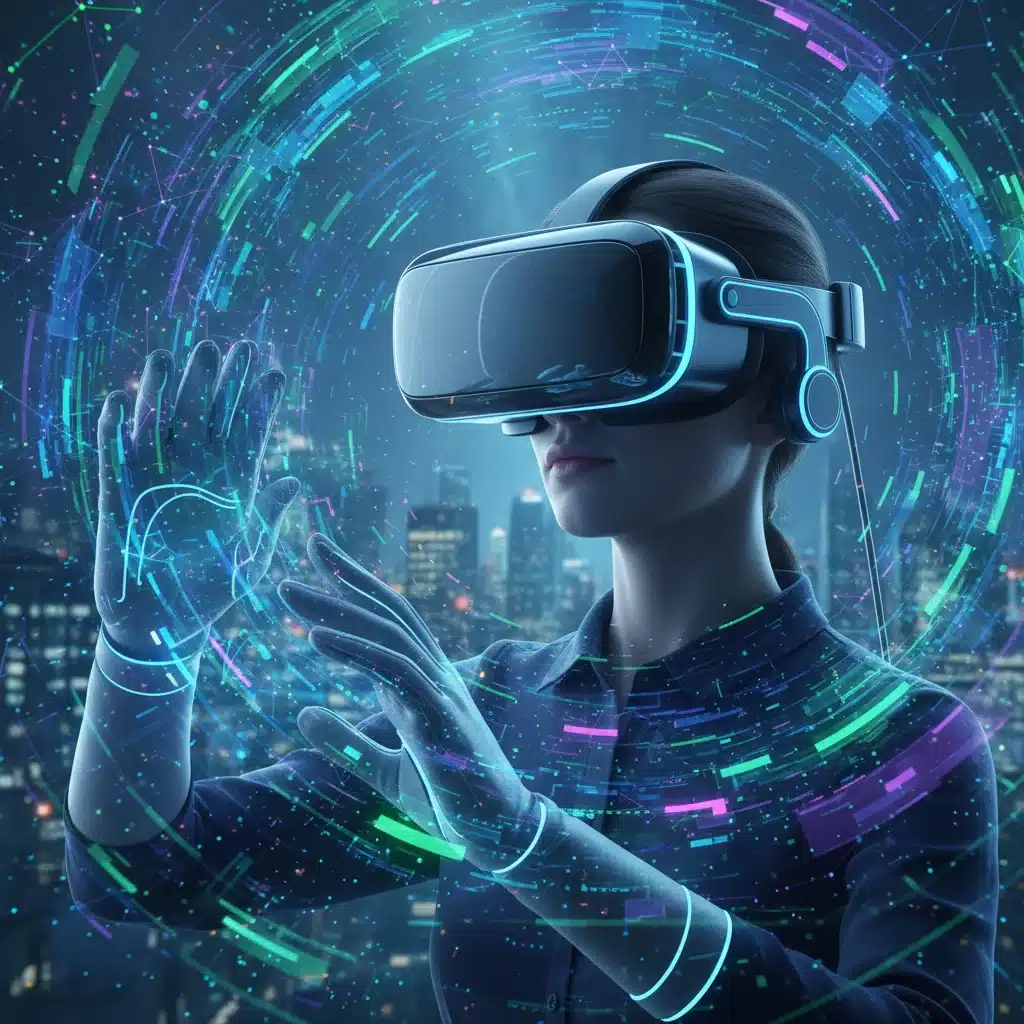
Business Implications and Strategies:
Businesses need to reframe their offerings to highlight the personal growth aspects. This involves designing experiences with clear learning outcomes, opportunities for reflection, and pathways for continued development. Collaborations with educators, wellness experts, and adventure tourism providers can open new avenues. Marketing should emphasize the transformative potential and long-term benefits rather than just immediate gratification. Creating platforms that allow users to track their progress and share their achievements can further enhance engagement.
The Intersection of Shifts: A Holistic View
It’s crucial to understand that these four ‘experience economy shifts’ do not operate in isolation. They are deeply interconnected and often reinforce one another. For example, a hyper-personalized wellness journey (Shift 1 & 4) might incorporate phygital elements (Shift 3) and be offered by a brand known for its authentic, purpose-driven approach to health (Shift 2).
Consider a travel company in 2026. Instead of generic package tours, they might offer hyper-personalized adventure expeditions (Shift 1 & 4) to remote, ethically sourced destinations (Shift 2). The booking and pre-trip experience could involve VR simulations of the journey (Shift 3), and during the trip, wearable tech might provide real-time biometric data and personalized recommendations for optimal well-being (Shift 1 & 4). Post-trip, participants might join an exclusive online community to share their growth experiences (Shift 2 & 4).
This interconnectedness highlights the complexity and opportunity within the ‘experience economy shifts.’ Businesses that can master the integration of these trends will be best positioned to capture market share and foster unparalleled customer loyalty.
Navigating the Future: Actionable Steps for Businesses
To successfully navigate the ‘experience economy shifts’ towards 2026, businesses must adopt a forward-thinking and agile mindset. Here are some actionable steps:
- Invest in Data & AI: Develop robust data collection, analysis, and AI capabilities to understand individual customer needs and predict future behaviors. Prioritize ethical data practices and transparency.
- Embrace Purpose: Clearly define your brand’s purpose beyond profit. Integrate ethical and sustainable practices throughout your operations and communicate them authentically.
- Design for Phygital: Break down silos between your online and offline channels. Invest in technologies that create seamless, integrated experiences that leverage the strengths of both digital and physical realms.
- Foster Growth & Transformation: Reframe your offerings to provide opportunities for personal growth, learning, and well-being. Consider workshops, educational content, and community-building initiatives.
- Cultivate Agility: The pace of change will only accelerate. Build organizational structures and cultures that can quickly adapt to new technologies, consumer preferences, and market dynamics.
- Prioritize Human-Centric Design: At the core of every experience should be a deep understanding of human needs, desires, and emotions. Use design thinking principles to craft truly resonant interactions.
- Build Communities: Move beyond transactional relationships to foster communities around your brand. This creates a sense of belonging and amplifies the value of your experiences.
- Measure Experience ROI: Develop metrics that go beyond traditional sales figures to measure the impact of your experiences on customer loyalty, advocacy, and perceived value.
Conclusion: The Experience Economy in 2026 and Beyond
The ‘experience economy shifts’ we anticipate for 2026 paint a clear picture: the future belongs to businesses that can deliver profoundly personalized, purpose-driven, seamlessly integrated, and growth-oriented experiences. Consumers are no longer passive recipients; they are active participants seeking meaning, connection, and self-actualization through their interactions with brands. By embracing these cultural shifts, businesses can move beyond merely selling products or services to staging unforgettable experiences that forge deep, lasting relationships and ensure enduring success in a rapidly evolving world.
The challenge is significant, but so is the reward. Those who truly understand and adapt to these ‘experience economy shifts’ will not only survive but thrive, becoming the architects of a more engaging, meaningful, and ultimately, more human-centric marketplace.