Beyond Brainstorming: 6 Actionable Strategies for Sustained Creative Flow in the US by 2026
In the rapidly evolving landscape of the 21st century, the ability to innovate and adapt is no longer a luxury but a fundamental necessity for businesses across the United States. As we look towards 2026, the demand for novel solutions, disruptive ideas, and continuous improvement will only intensify. Traditional brainstorming, while a useful starting point, often falls short in fostering truly sustained creative flow. It provides sporadic bursts of ideas but rarely cultivates the consistent, innovative mindset required for long-term success. This article delves into six actionable strategies that US organizations can implement to move beyond conventional approaches and embed a culture of continuous innovation, ensuring a robust and sustained creative flow well into the future.
The concept of sustained creative flow is about creating an environment where innovative thinking is not just encouraged but is an inherent part of daily operations. It’s about building systems, fostering mindsets, and providing the resources necessary for individuals and teams to consistently generate, develop, and implement groundbreaking ideas. This isn’t merely about having a suggestion box or an annual innovation day; it’s about a fundamental shift in how creativity is perceived, nurtured, and integrated into the organizational fabric. For US businesses aiming to lead their respective industries, mastering this sustained creative flow is paramount.
The challenges are numerous, from overcoming creative blocks and managing diverse perspectives to ensuring that ideas translate into tangible value. However, the rewards are immense: increased market share, enhanced problem-solving capabilities, improved employee engagement, and a resilient organizational culture capable of navigating any future uncertainties. Let’s explore these strategies that will empower your organization to achieve a truly sustained creative flow.
1. Implement Structured Ideation Frameworks Beyond Brainstorming
While brainstorming sessions can kickstart idea generation, they often lack the structure needed for sustained creative flow. Many sessions devolve into a free-for-all, where dominant voices overshadow quieter ones, and ideas are judged prematurely. To foster a more consistent and equitable generation of ideas, organizations need to adopt structured ideation frameworks. These frameworks provide a methodical approach to problem-solving and innovation, ensuring that all voices are heard and that ideas are systematically explored and refined.
Design Thinking Methodologies
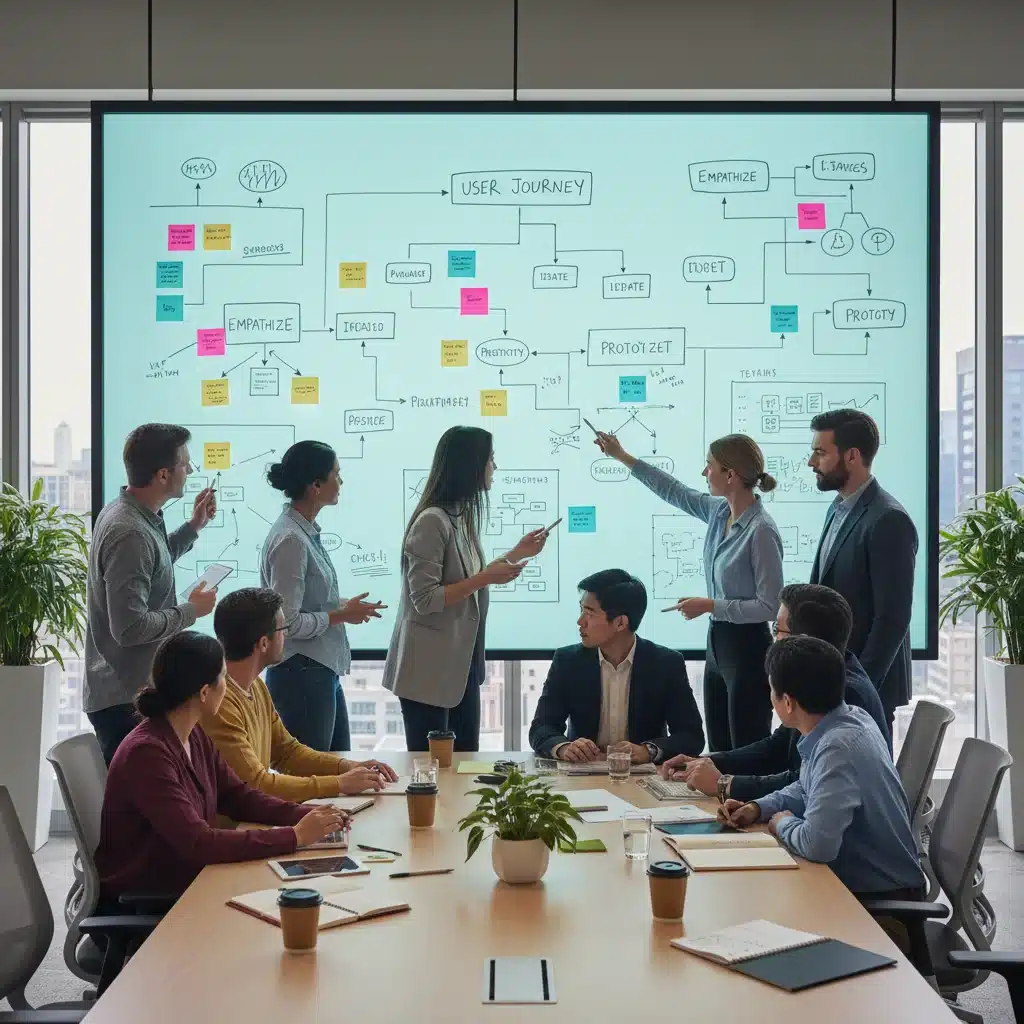
Design Thinking is a human-centered approach to innovation that focuses on understanding user needs, challenging assumptions, and redefining problems in an attempt to identify alternative strategies and solutions that might not be instantly apparent with our initial level of understanding. It’s a five-stage process: Empathize, Define, Ideate, Prototype, and Test. By deeply understanding the end-users, teams can generate more relevant and impactful ideas, leading to a more sustained creative flow focused on genuine needs.
- Empathize: Conduct user research, interviews, and observations to gain a deep understanding of customer pain points and desires.
- Define: Clearly articulate the core problem statement based on the empathy phase.
- Ideate: Generate a wide range of potential solutions without judgment. Techniques like ‘How Might We’ questions, mind mapping, and SCAMPER (Substitute, Combine, Adapt, Modify, Put to another use, Eliminate, Reverse) can be incredibly effective here.
- Prototype: Create low-fidelity versions of chosen ideas to test their feasibility.
- Test: Gather feedback from users on prototypes and iterate.
This iterative process ensures that creativity is constantly engaged, moving from problem identification to solution validation, thereby maintaining a consistent and sustained creative flow.
Lateral Thinking Techniques
Developed by Edward de Bono, lateral thinking is about solving problems through an indirect and creative approach, using reasoning that is not immediately obvious and involving ideas that may not be obtainable by using only traditional step-by-step logic. Techniques such as Random Word Association, Provocation, and Challenge can help break established thought patterns and unlock new perspectives, crucial for fostering sustained creative flow. For example, presenting a seemingly unrelated word and asking how it connects to a problem can spark entirely new lines of thought.
Gamification of Ideation
Introducing game-like elements into the ideation process can make it more engaging and less daunting. This could involve assigning points for novel ideas, creating leaderboards for participation, or using virtual reality environments for collaborative brainstorming. Gamification encourages active participation and can motivate employees to contribute consistently, feeding into a sustained creative flow.
2. Cultivate a Culture of Psychological Safety and Experimentation
For sustained creative flow to truly flourish, employees must feel safe enough to take risks, voice unconventional ideas, and even fail without fear of retribution. Psychological safety is the belief that one will not be punished or humiliated for speaking up with ideas, questions, concerns, or mistakes. Without it, employees will naturally self-censory, stifling the very creativity an organization seeks to harness.
Leadership by Example
Leaders play a pivotal role in establishing psychological safety. When leaders openly admit their own mistakes, ask for help, and actively solicit diverse opinions, they signal that vulnerability is acceptable and even encouraged. This behavior sets a precedent for the entire organization, fostering an environment where individuals feel comfortable contributing to a sustained creative flow.
Embrace Failure as a Learning Opportunity
Innovation inherently involves a degree of risk and, consequently, the possibility of failure. Instead of penalizing mistakes, organizations should view them as valuable learning opportunities. Implementing ‘post-mortems’ that focus on lessons learned rather than blame, and celebrating ‘intelligent failures,’ can shift the perception of failure from a deterrent to a stepping stone for future success. This mindset is crucial for maintaining a sustained creative flow, as it encourages continuous experimentation.
Provide Resources for Experimentation (Time, Budget, Tools)
Psychological safety is not just about emotional support; it also requires tangible resources. Allocating dedicated time (e.g., ‘20% time’ initiatives), providing a budget for experimental projects, and offering access to prototyping tools (e.g., 3D printers, software licenses) empower employees to pursue their creative ideas. When individuals have the means to explore and test their concepts, it significantly contributes to a sustained creative flow within the organization.
3. Foster Cross-Functional Collaboration and Diverse Perspectives
Homogeneous teams, while often efficient, can be blind spots when it comes to generating truly novel ideas. A key driver for sustained creative flow is the deliberate integration of diverse perspectives and cross-functional collaboration. When individuals from different departments, backgrounds, and expertise areas come together, they bring unique insights and approaches that can spark innovative solutions.
Break Down Silos
Organizational silos are antithetical to sustained creative flow. They restrict the free exchange of information and ideas, leading to duplicated efforts and missed opportunities. Actively breaking down these silos through initiatives like cross-departmental projects, shared physical or virtual workspaces, and regular inter-departmental meetings can significantly enhance collaborative creativity. Encourage employees to understand the work of other departments, fostering a holistic view of the organization’s challenges and opportunities.
Establish Cross-Functional Innovation Hubs or Guilds
Create dedicated spaces or virtual platforms where employees from different functions can come together specifically to address challenges or explore new opportunities. These ‘innovation hubs’ or ‘guilds’ can be project-based or ongoing communities of practice. They provide a neutral ground for creative exploration, free from the constraints of daily operational tasks, thereby nurturing a sustained creative flow focused on specific goals.
Leverage External Partnerships and Open Innovation
Sustained creative flow doesn’t have to be confined within organizational boundaries. Collaborating with external partners – startups, universities, research institutions, or even customers – can inject fresh perspectives and expertise. Open innovation challenges, hackathons, and co-creation workshops with external stakeholders can lead to breakthroughs that might not be possible solely through internal efforts. This outward-looking approach significantly broadens the scope for creative problem-solving.
4. Invest in Continuous Learning and Skill Development
Creativity is not an innate, static trait; it’s a muscle that needs to be continuously exercised and developed. For organizations to achieve sustained creative flow, they must commit to ongoing learning and skill development, ensuring that their workforce is equipped with the latest tools, knowledge, and methodologies to innovate effectively.
Workshops on Creativity Techniques
Beyond traditional training, offer workshops specifically focused on enhancing creative thinking. This could include sessions on divergent thinking, convergent thinking, visual thinking, storytelling for innovation, or even improvisation exercises. These workshops provide practical tools and techniques that employees can immediately apply to their work, fostering a more sustained creative flow in their daily tasks.
Access to Diverse Learning Resources
Provide employees with easy access to a wide array of learning resources, such as online courses (e.g., Coursera, edX), industry conferences, books, and subscriptions to relevant publications. Encourage them to explore topics outside their immediate area of expertise, as cross-pollination of ideas often leads to groundbreaking insights. A culture that values continuous learning is one where sustained creative flow is more likely to thrive.
Mentorship and Coaching Programs
Pairing less experienced employees with seasoned innovators or external mentors can accelerate skill development and knowledge transfer. Coaching programs focused on creative problem-solving and ideation can help individuals overcome creative blocks and develop their unique innovative strengths. Such personalized guidance is invaluable for nurturing individual contributions to the overall sustained creative flow of the organization.
5. Optimize Work Environments for Creativity and Focus
The physical and digital environments in which employees work have a profound impact on their ability to engage in sustained creative flow. Distracting, uncomfortable, or overly rigid environments can stifle creativity, while thoughtfully designed spaces can inspire it. By optimizing work environments, organizations can create conditions conducive to deep work and innovative thinking.
Flexible Work Arrangements
The rise of remote and hybrid work models has highlighted the importance of flexibility. Allowing employees to choose where and when they work best (within reasonable limits) can significantly boost their creative output. Some individuals thrive in quiet, solitary spaces, while others prefer the energy of a collaborative office. Offering choice empowers employees to optimize their own conditions for sustained creative flow.
Dedicated Creative Zones and Quiet Spaces
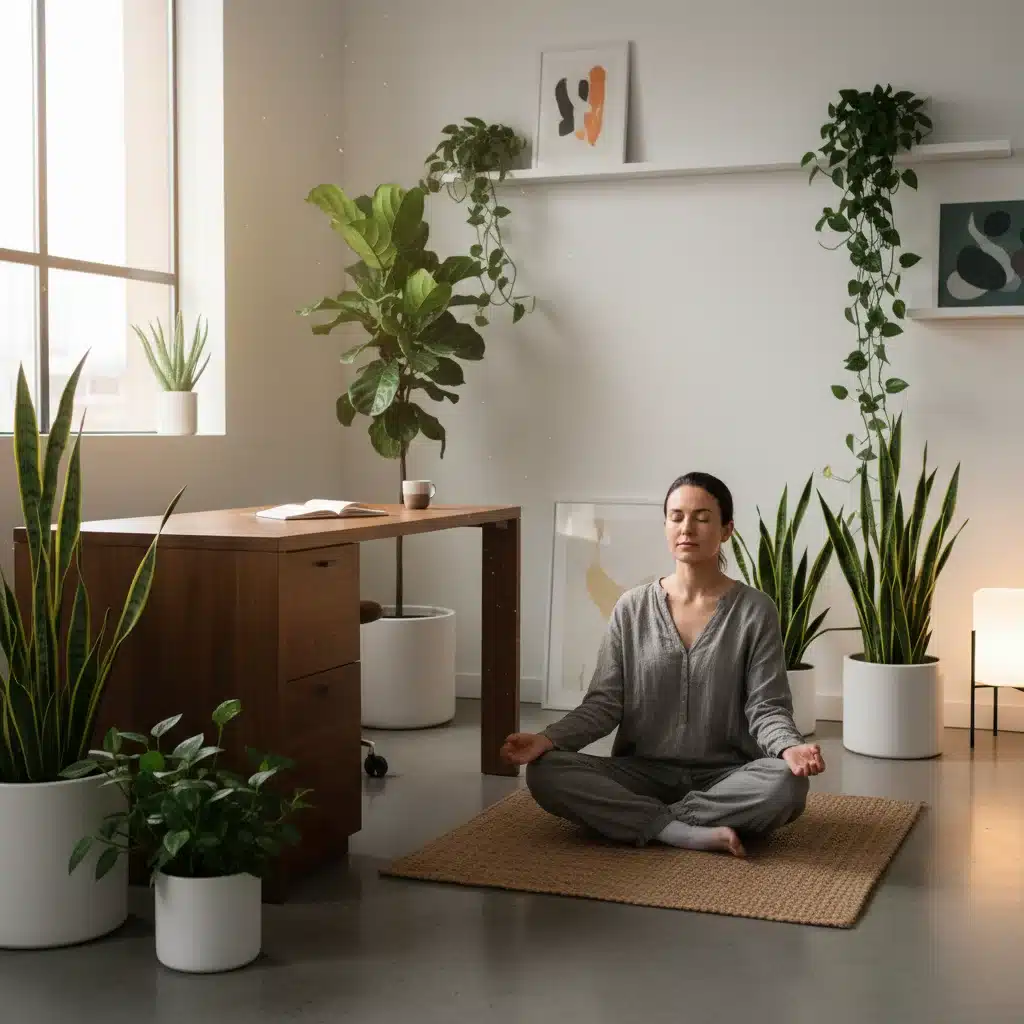
Open-plan offices, while promoting collaboration, can also be a source of constant distraction. Organizations should provide a variety of work settings: dedicated ‘creative zones’ equipped with whiteboards, art supplies, and comfortable seating for collaborative ideation, as well as ‘quiet zones’ or ‘focus rooms’ for uninterrupted deep work. These diverse spaces cater to different creative needs and stages of the innovation process, supporting a more sustained creative flow.
Digital Tools for Collaboration and Idea Management
Beyond physical spaces, the digital environment is equally critical. Implementing intuitive project management software, collaborative document editing tools, and idea management platforms can streamline the creative process. These tools facilitate seamless communication, idea capture, and progress tracking, ensuring that creative impulses are not lost and that projects can move forward efficiently, contributing to a sustained creative flow.
6. Implement Feedback Loops and Iterative Development Cycles
Sustained creative flow is not a linear process; it’s cyclical. Ideas need to be generated, refined, tested, and iterated upon. Establishing robust feedback loops and embracing iterative development cycles are crucial for ensuring that creativity is not just a one-off event but a continuous, evolving process that builds upon itself.
Regular Peer Review and Constructive Feedback
Encourage a culture where peer review is a regular and valued part of the creative process. Train employees to provide constructive feedback that is specific, actionable, and focused on improvement rather than criticism. Regular feedback sessions help refine ideas, identify potential flaws early, and ensure that creative projects stay on track, fostering a sustained creative flow.
Agile and Lean Methodologies
Adopting agile and lean principles, commonly used in software development, can be highly beneficial for any creative project. These methodologies emphasize short development cycles (sprints), continuous testing, and rapid iteration based on user feedback. This iterative approach allows teams to quickly pivot, learn from failures, and continuously refine their ideas, directly contributing to a sustained creative flow.
Post-Implementation Reviews and Learning
Once an idea or project is launched, the learning doesn’t stop. Conduct thorough post-implementation reviews to assess its impact, identify what worked well, and understand areas for improvement. Document these learnings and share them across the organization. This institutional knowledge forms a valuable base for future creative endeavors, ensuring that the organization’s sustained creative flow is constantly informed and improved by past experiences.
Conclusion: Building a Future of Sustained Creative Flow in the US by 2026
Achieving sustained creative flow by 2026 in the United States is not a singular event but a continuous journey requiring strategic commitment and cultural transformation. It demands a shift from sporadic brainstorming sessions to deeply embedded practices that nurture innovation at every level of an organization. By implementing structured ideation frameworks, cultivating psychological safety, fostering cross-functional collaboration, investing in continuous learning, optimizing work environments, and embracing iterative development, US businesses can build resilient, innovative cultures capable of navigating future challenges and seizing new opportunities.
The organizations that prioritize and successfully integrate these strategies will be the ones that not only survive but thrive in the increasingly competitive global marketplace. They will be characterized by their adaptability, their capacity for continuous improvement, and their ability to consistently deliver groundbreaking solutions. The future of innovation is not about waiting for a lightning bolt of inspiration; it’s about systematically creating the conditions for sustained creative flow to become the norm.
Start today by identifying one or two of these strategies that resonate most with your organizational context and begin the journey towards a more innovative and creatively vibrant future. The path to sustained creative flow is an investment in your people, your processes, and ultimately, your prosperity.