Gen Z Impact: Redefining American Consumerism by 2026
Decoding the 2026 Shift: How Gen Z’s Digital Native Culture is Redefining American Consumerism by 15%
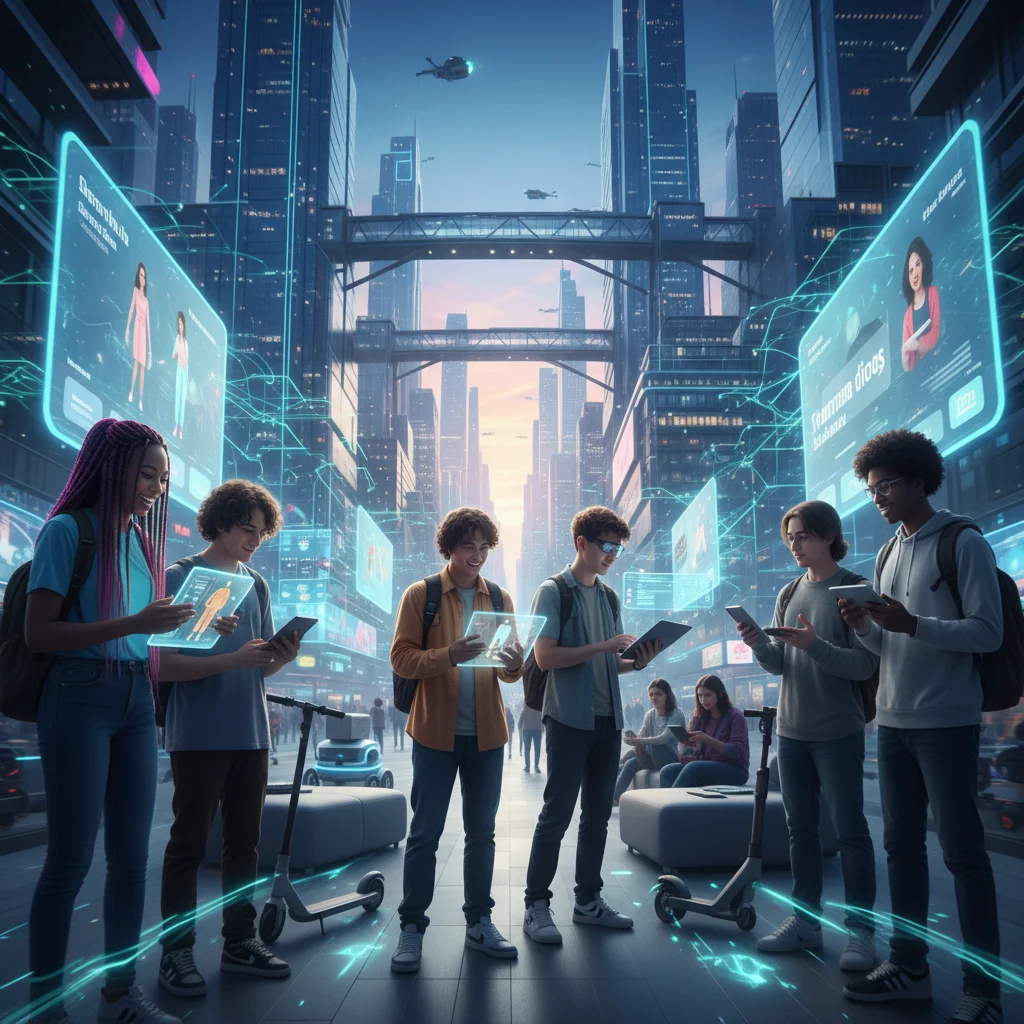
The year is 2026, and the American consumer landscape looks dramatically different than it did just a few years prior. At the heart of this transformation is Gen Z, a generation born into a world of ubiquitous internet access, social media, and on-demand everything. Their digital native culture isn’t just influencing trends; it’s fundamentally reshaping how, why, and where people spend their money. Experts predict that by 2026, Gen Z will have redefined American consumerism by a staggering 15%, a shift that demands immediate attention from businesses, marketers, and economists alike. This isn’t merely an evolution; it’s a revolution driven by a generation that values authenticity, sustainability, and digital fluency above all else. Understanding this Gen Z Consumerism Shift is no longer optional; it’s essential for survival and growth in the modern market.
Their influence extends far beyond their direct purchasing power, which is already substantial and growing. Gen Z’s preferences and behaviors act as a powerful ripple effect, influencing older generations and setting new standards for brand engagement and product development. From challenging traditional advertising models to demanding greater corporate responsibility, their impact is pervasive. This article delves deep into the core tenets of Gen Z’s digital native culture, exploring the specific ways they are driving this transformative shift in American consumerism. We will examine their unique values, their relationship with technology, their approach to brand loyalty, and the implications for businesses striving to connect with this powerful demographic.
The Digital DNA: Understanding Gen Z’s Native Language
To truly grasp the magnitude of the Gen Z Consumerism Shift, one must first understand their inherent digital nature. Unlike previous generations who adopted technology, Gen Z was born into it. For them, the internet isn’t a tool; it’s an extension of their reality. This profound difference shapes every aspect of their lives, from communication and education to entertainment and, crucially, consumption. They are the first truly global generation, connected to peers and trends across continents with a swipe of a finger. This constant exposure to diverse perspectives and information cultivates a unique set of expectations.
Their digital fluency manifests in several key ways that directly impact consumer behavior. First, they are master researchers. Before making a purchase, whether it’s a new smartphone or a pair of jeans, Gen Z will scour reviews, compare prices across multiple platforms, watch unboxing videos, and seek recommendations from their online communities. This means traditional advertising, which often relies on passive reception, holds less sway. Brands must earn their trust and attention through transparent information and authentic engagement. Second, social media is not just for socializing; it’s a primary discovery channel. Instagram, TikTok, YouTube, and even newer platforms are where they encounter new products, follow trends, and form opinions. Influencer marketing, when done authentically, can be incredibly powerful, as Gen Z trusts the recommendations of people they perceive as genuine and relatable, often more than traditional celebrities or brand advertisements.
Furthermore, their digital native culture has fostered an expectation of instant gratification and seamless experiences. Slow websites, clunky apps, or difficult checkout processes are immediate turn-offs. They expect personalized recommendations, intuitive interfaces, and the ability to switch between online and offline shopping effortlessly. This demand for convenience and efficiency pushes brands to invest heavily in robust e-commerce platforms, mobile optimization, and integrated omnichannel strategies. The entire customer journey, from initial discovery to post-purchase support, must be digitally optimized and user-friendly to capture and retain the attention of this demanding generation. The Gen Z Consumerism Shift is intrinsically linked to this digital fluency, making it an indispensable factor for any business strategy.
From Passive Consumption to Active Participation
One of the most defining characteristics of Gen Z’s digital native culture is their shift from passive consumption to active participation. They don’t just want to buy products; they want to be part of the brand story. This manifests in co-creation, user-generated content, and a desire for brands to reflect their values. They are not afraid to voice their opinions, both positive and negative, on public platforms, making customer feedback and social listening more critical than ever before. Brands that embrace this participatory spirit and invite Gen Z to contribute, whether through product design contests or social media campaigns, often see higher engagement and loyalty.
This desire for participation also extends to their shopping experience. They enjoy interactive elements, augmented reality (AR) try-ons, and immersive digital experiences that blur the lines between online and offline. Retailers are responding by creating ‘phygital’ spaces – physical stores enhanced with digital elements – and investing in technologies that allow customers to virtually experience products before purchasing. The success of gaming platforms and virtual worlds also hints at a future where virtual goods and experiences become a significant part of their consumer landscape. The Gen Z Consumerism Shift is thus not just about what they buy, but how they engage with the entire ecosystem of consumption.
Values That Drive Spending: Authenticity, Sustainability, and Inclusivity
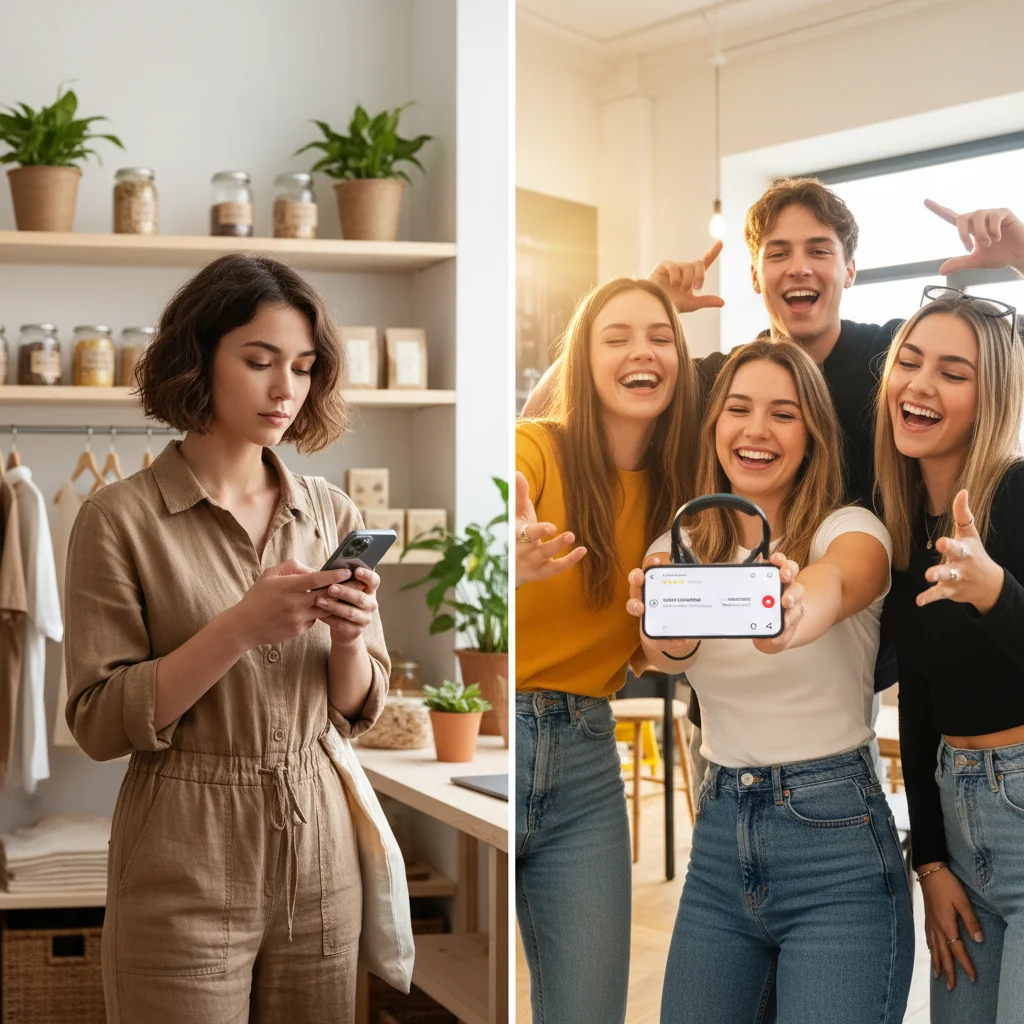
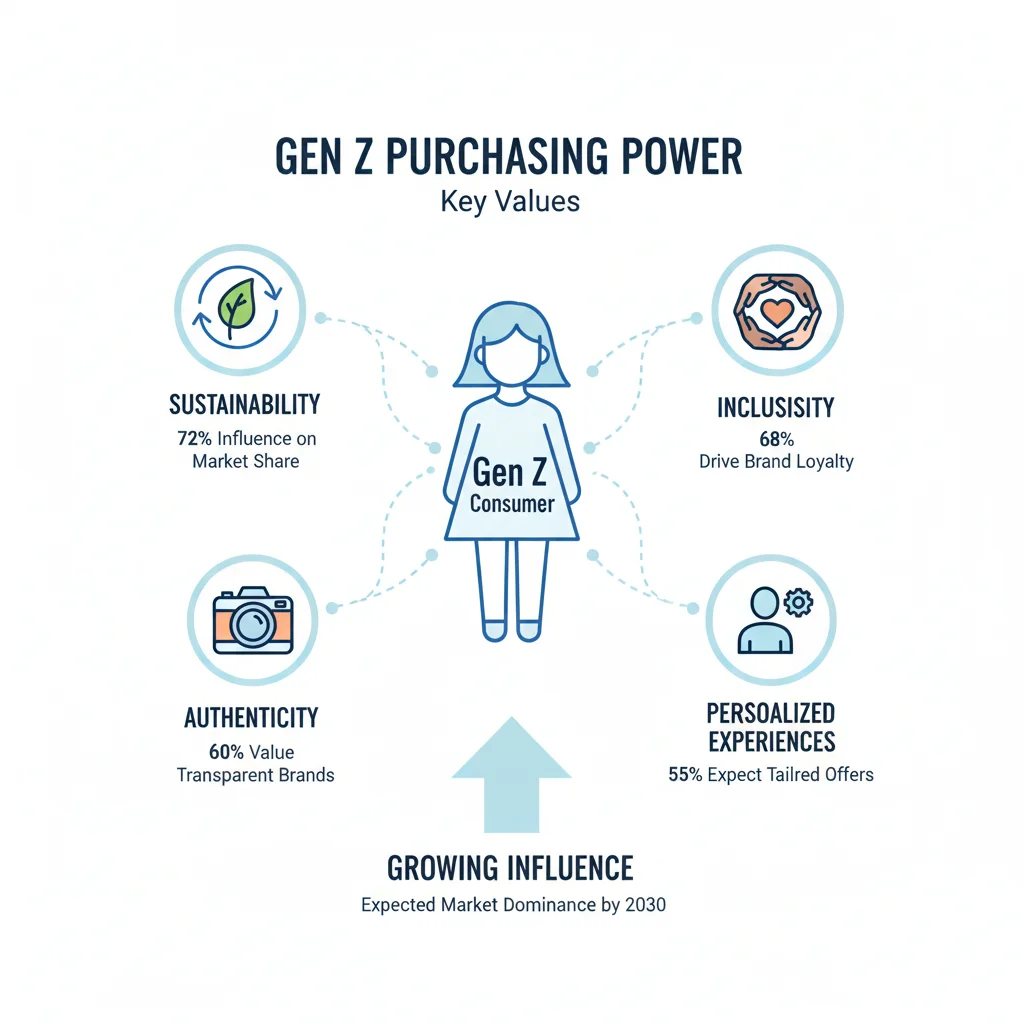
Beyond their digital prowess, Gen Z’s consumer behavior is deeply rooted in a strong set of values that stand in stark contrast to previous generations. Authenticity, sustainability, and inclusivity are not mere buzzwords for them; they are non-negotiable criteria for brand loyalty and purchasing decisions. Businesses that fail to genuinely embody these values risk alienating this powerful demographic and missing out on the significant Gen Z Consumerism Shift.
Authenticity Over Perfection
Gen Z has grown up in an era of curated online personas and filtered realities, making them highly attuned to inauthenticity. They crave genuine connection and transparency from brands. This means less polished, overly produced advertising and more honest, relatable content. They prefer brands that show their human side, admit mistakes, and engage in genuine conversations. Influencers who are perceived as authentic and share their true experiences resonate far more than those who appear to be merely shilling products. Brands that try to mask their intentions or present a false image will quickly be called out by this discerning audience. Trust is paramount, and authenticity is the currency of trust for Gen Z.
Sustainability: A Non-Negotiable Imperative
Environmental consciousness is not a trend for Gen Z; it’s a fundamental aspect of their worldview. They are acutely aware of climate change and social issues, and they expect the brands they support to share their commitment to a better world. This translates into a preference for sustainable products, ethical sourcing, eco-friendly packaging, and brands with transparent supply chains. They are willing to pay a premium for products that align with their values and are quick to boycott those that demonstrate environmental negligence or unethical practices. The pressure on brands to adopt sustainable practices will only intensify as Gen Z’s purchasing power grows, driving a significant portion of the Gen Z Consumerism Shift towards more responsible consumption.
Inclusivity and Social Justice
Gen Z is arguably the most diverse generation in history, and they expect brands to reflect this diversity in their marketing, product offerings, and corporate culture. Inclusivity is not just about representation; it’s about genuine understanding and celebration of all identities. Brands that champion social justice causes, promote diversity in their leadership, and create products that cater to a wide range of needs and backgrounds will earn their loyalty. Conversely, brands that are perceived as exclusive, tone-deaf, or complicit in social inequalities will face swift and vocal backlash. This generation doesn’t just want to see themselves reflected; they want to see brands actively working to create a more equitable world. This strong moral compass is a key driver of the Gen Z Consumerism Shift.
The Experience Economy: More Than Just Products
While product quality remains important, Gen Z often prioritizes experiences over possessions. They are less interested in accumulating material goods and more focused on creating memorable moments, learning new skills, and engaging in activities that enrich their lives. This preference fuels the ‘experience economy,’ where travel, events, unique dining, and personalized services take precedence. Brands that can offer not just a product, but an entire experience around it, are more likely to capture their attention and loyalty.
This extends to how they view shopping itself. For Gen Z, shopping can be an experience in itself, whether it’s an immersive retail environment, a pop-up shop with interactive elements, or a curated online journey. The transactional aspect is secondary to the engagement and connection they feel with a brand. This means businesses need to think beyond simply selling goods and consider how they can create compelling narratives and opportunities for engagement that resonate with this generation’s desire for unique and meaningful experiences. The Gen Z Consumerism Shift is pushing businesses to innovate beyond traditional product-centric models.
Personalization and Customization
Having grown up with personalized algorithms and tailored content feeds, Gen Z expects a high degree of personalization from brands. They want products and services that cater to their individual preferences, styles, and needs. This can range from customizable products and build-your-own options to personalized marketing messages and recommendations. Generic, one-size-fits-all approaches are increasingly ineffective. Data-driven insights and AI are becoming crucial tools for brands to deliver the hyper-personalized experiences that Gen Z demands, further accelerating the Gen Z Consumerism Shift towards bespoke offerings.
Implications for Businesses: Adapting to the New Consumer Reality
The Gen Z Consumerism Shift presents both significant challenges and immense opportunities for businesses across all sectors. Adapting to this new consumer reality requires a fundamental re-evaluation of strategies, from product development and marketing to customer service and corporate culture. Those who embrace these changes proactively will thrive; those who resist risk becoming obsolete.
Rethinking Marketing and Advertising
Traditional interruptive advertising is largely ineffective with Gen Z. They are ad-block savvy and prefer to discover brands organically or through trusted sources. Marketers must shift to content-driven strategies that provide value, entertain, or educate. This includes investing in short-form video content, interactive social media campaigns, and authentic influencer partnerships. SEO and SEM remain critical, but the content they lead to must be compelling and align with Gen Z’s values. Transparency in advertising, clearly distinguishing between organic and sponsored content, is also crucial to maintain trust.
Prioritizing Digital-First Experiences
For any business wanting to connect with Gen Z, a robust digital presence is non-negotiable. This means mobile-first design, intuitive user interfaces, fast loading times, and seamless omnichannel integration. E-commerce platforms need to offer advanced features like virtual try-ons, personalized recommendations, and easy returns. Customer service must be accessible across multiple digital channels, from chatbots to social media DMs, with quick response times. The digital experience is often the first and most lasting impression a brand makes on Gen Z.
Embracing Corporate Social Responsibility (CSR)
CSR is no longer a nice-to-have; it’s a must-have. Gen Z expects brands to take a stand on social and environmental issues and to demonstrate genuine commitment through their actions, not just their words. Businesses need to integrate sustainability and ethical practices into their core operations, not just as a marketing ploy. This includes transparent reporting on environmental impact, fair labor practices, and investments in community initiatives. Brands that can authentically showcase their positive impact will build stronger connections with this values-driven generation, solidifying their position in the Gen Z Consumerism Shift.
Fostering Community and Co-Creation
Gen Z thrives on community and collaboration. Brands that can create spaces for their customers to connect with each other and with the brand itself will cultivate deeper loyalty. This could involve online forums, exclusive social media groups, or even inviting customers to participate in product development or marketing campaigns. Empowering Gen Z to be co-creators rather than just consumers fosters a sense of ownership and belonging, which is incredibly valuable in today’s competitive market. The Gen Z Consumerism Shift is about building relationships, not just making sales.
Looking Ahead: The Future of American Consumerism Post-2026
By 2026, the 15% shift in American consumerism driven by Gen Z will be undeniable, and this is merely the beginning. As Gen Z matures and their economic power continues to grow, their influence will only deepen. We can anticipate further innovations in retail technology, a greater emphasis on circular economies, and an even more personalized and experience-driven marketplace. Brands that succeed will be those that are agile, adaptable, and deeply attuned to the evolving values and expectations of this dynamic generation.
The lessons learned from understanding the Gen Z Consumerism Shift will likely set the precedent for future generations as well. Their demands for transparency, ethical practices, and authentic engagement are not fads; they are fundamental shifts in consumer expectations that will likely become the norm. Businesses that invest now in understanding and catering to Gen Z are not just preparing for 2026; they are future-proofing their operations for decades to come. The future of American consumerism is being written by Gen Z, and it’s a future that prioritizes purpose, connection, and digital fluency above all else.
Ultimately, the transformation driven by Gen Z is a call to action for every business. It’s an invitation to innovate, to be more responsible, and to connect with consumers on a deeper, more meaningful level. The 15% shift by 2026 isn’t just a statistic; it’s a testament to the power of a generation that is not afraid to demand a better, more ethical, and more engaging world of commerce.