Advanced Robotics in Everyday Life: 5 Emerging U.S. Consumer Technologies Expected by 2027 – Practical Solutions for Smart Homes
Advanced Robotics in Everyday Life: 5 Emerging U.S. Consumer Technologies Expected by 2027 – Practical Solutions for Smart Homes
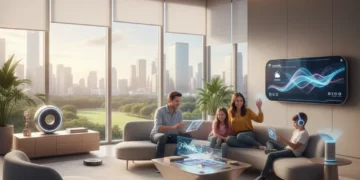
The dawn of consumer robotics 2027 is not just a distant dream; it’s a rapidly approaching reality, poised to redefine the very fabric of our daily lives, particularly within the sanctity of our smart homes. For decades, robots have been the stuff of science fiction, relegated to industrial settings or the fantastical realms of cinema. However, a confluence of technological advancements – including artificial intelligence, machine learning, enhanced sensor technology, and miniaturization – is propelling advanced robotics into the consumer market at an unprecedented pace. The United States, a hotbed of innovation, is at the forefront of this revolution, with numerous companies developing groundbreaking solutions that promise to enhance convenience, efficiency, and even companionship in our personal spaces. By 2027, we can anticipate a significant shift in how we interact with technology, moving beyond mere smart devices to sophisticated robotic companions and assistants that seamlessly integrate into our routines.
This article delves into five emerging U.S. consumer robotics technologies that are not only on the horizon but are expected to be practical solutions for smart homes by 2027. We will explore how these innovations are set to transform our living environments, offering tangible benefits from automating mundane tasks to providing personalized assistance and security. Understanding these trends is crucial for anyone looking to stay ahead in the rapidly evolving landscape of smart home technology and advanced robotics.
The journey towards widespread adoption of consumer robotics 2027 is driven by a societal desire for more leisure time, greater convenience, and enhanced security. As our lives become increasingly busy and complex, the appeal of intelligent machines that can shoulder some of our burdens grows exponentially. From the simplest robotic vacuum cleaner to the most complex humanoid assistant, each iteration of consumer robotics brings us closer to a future where our homes are not just smart, but truly intuitive and responsive to our needs. Let’s explore the cutting-edge developments that will shape this exciting future.
1. Advanced Robotic Household Assistants: Beyond Vacuuming
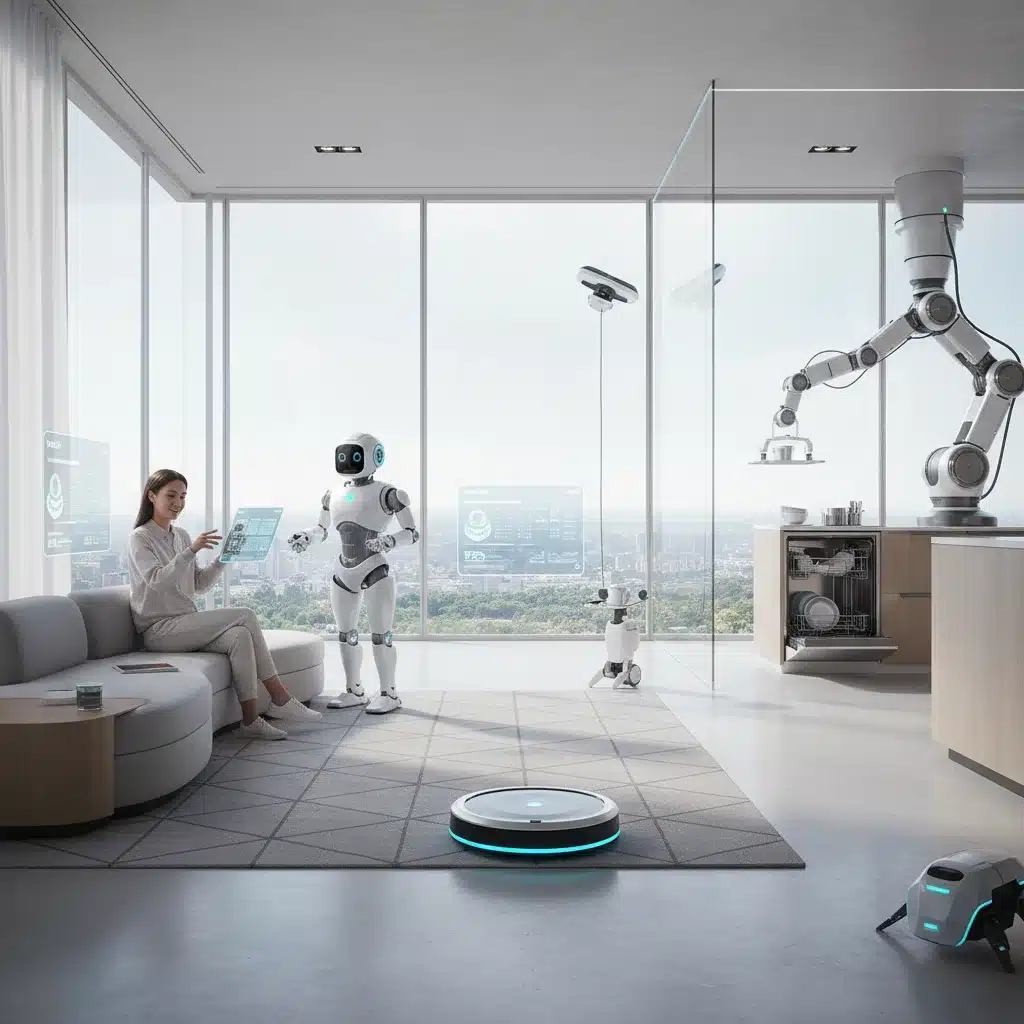
While robotic vacuum cleaners like Roomba have become household staples, the next generation of robotic household assistants is set to offer far more comprehensive capabilities. These aren’t just single-task devices; they are multi-functional robots designed to handle a wider array of chores and organizational tasks within the home. By 2027, we can expect to see U.S. companies introducing robots capable of more intricate cleaning, such as scrubbing countertops, wiping windows, or even folding laundry with a surprising degree of precision.
These advanced assistants will leverage sophisticated AI to learn the layout of your home, understand your preferences, and even anticipate your needs. Imagine a robot that not only vacuums but also identifies clutter, neatly organizes items, and prepares your home for guests. They will be equipped with advanced navigation systems, including LiDAR and vision sensors, allowing them to move seamlessly through complex environments, avoiding obstacles and navigating stairs with ease. Furthermore, improved battery technology will enable longer operational times and faster charging, making these robots truly autonomous.
The integration with existing smart home ecosystems will be seamless. These robots will communicate with smart thermostats, lighting systems, and security cameras, creating a truly interconnected and intelligent living space. For instance, a robotic assistant could detect a spill, clean it up, and then signal the smart lighting to adjust for better visibility. The potential for these devices to free up significant amounts of human time and effort is immense, making them a cornerstone of consumer robotics 2027. This evolution signifies a move from mere automation to intelligent, adaptive assistance, fundamentally changing how we maintain our homes.
2. Personal Companion and Care Robots: More Than Just a Friend
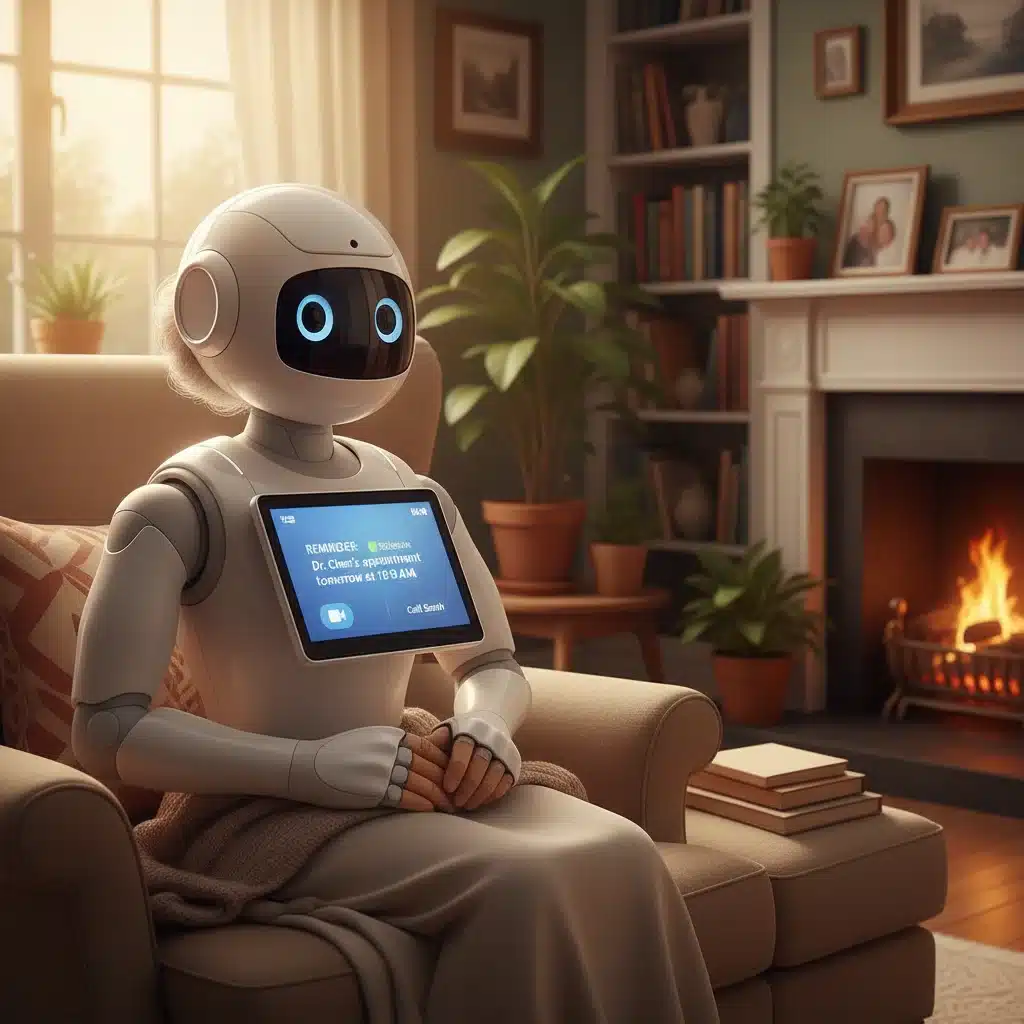
The concept of a robotic companion has long been a staple of futuristic visions, but by 2027, these will transition from novelty to practical solutions, particularly for elderly care and individuals living alone. U.S. developers are focusing on creating robots that offer more than just entertainment; they provide genuine companionship, assistance with daily tasks, and even health monitoring. These robots are designed to be empathetic, using advanced natural language processing (NLP) to engage in meaningful conversations, recognize emotional cues, and respond appropriately.
For the elderly, companion robots can be invaluable. They can remind users to take medication, assist with scheduling appointments, facilitate video calls with family, and even detect falls or unusual activity, alerting caregivers or emergency services. Some models are being developed with integrated sensors to monitor vital signs, track sleep patterns, and provide gentle encouragement for physical activity. The goal is to enhance independence and quality of life, reducing the burden on human caregivers while providing a constant, reassuring presence.
Beyond elder care, these robots can offer companionship to anyone seeking interactive engagement. They can play games, read stories, provide personalized news updates, and even serve as an intelligent interface for controlling other smart home devices. The ethical considerations surrounding robotic companionship are being carefully addressed, with a focus on privacy, data security, and ensuring these robots augment human interaction rather than replace it. This category of consumer robotics 2027 highlights a profound shift towards machines that cater to our emotional and social well-being.
3. Robotic Kitchen Assistants and Smart Appliance Integration: The Automated Chef
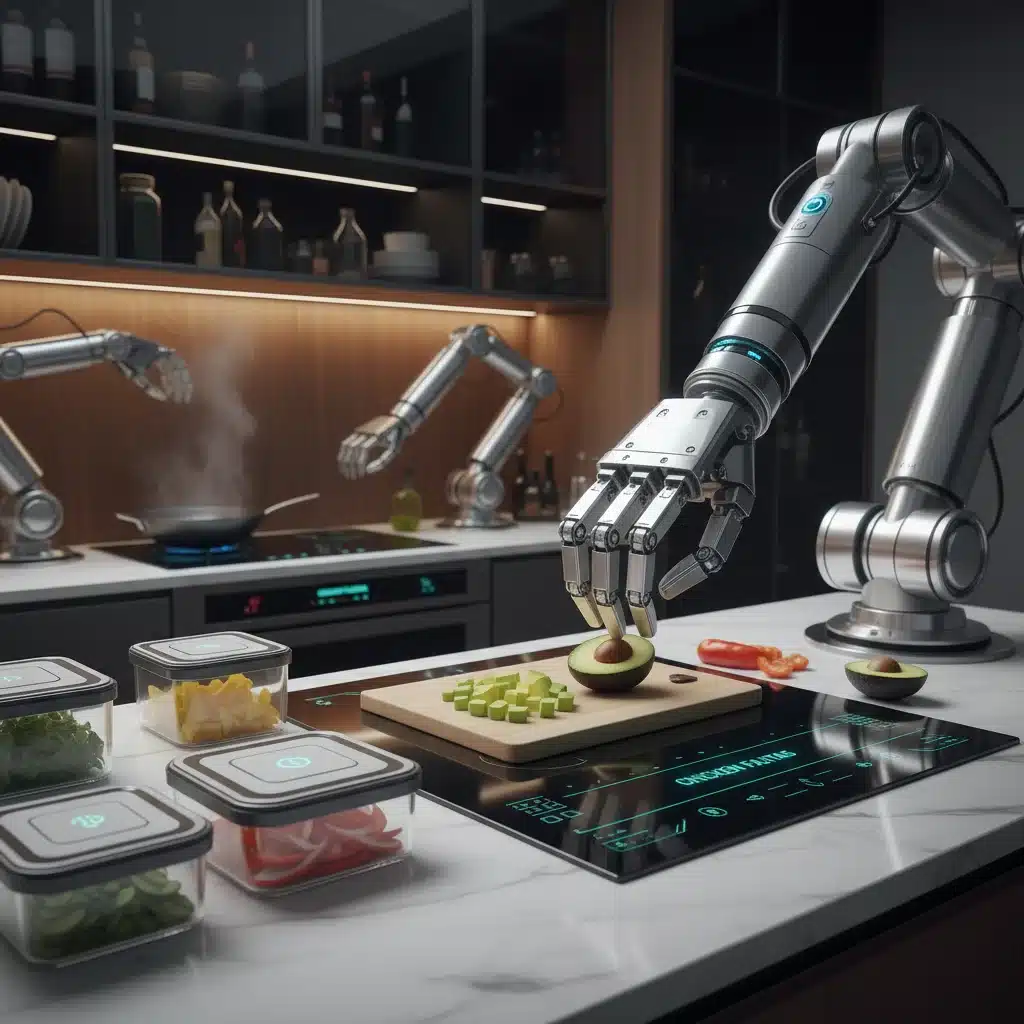
The kitchen, often considered the heart of the home, is ripe for robotic innovation. While smart ovens and refrigerators are already common, the next wave of consumer robotics 2027 will introduce robotic kitchen assistants that can actively participate in meal preparation. These aren’t just glorified blenders; they are sophisticated machines capable of precise ingredient handling, cooking, and even dishwashing.
Imagine a robotic arm integrated into your kitchen counter, capable of chopping vegetables, stirring pots, flipping pancakes, and even plating your meal. These robots will be programmable through intuitive interfaces, allowing users to select recipes, customize ingredients, and monitor the cooking process remotely. They will utilize advanced vision systems to identify ingredients, assess their freshness, and ensure precise measurements. The integration with smart appliances will be key, with the robotic assistant communicating with your smart oven to preheat, or your smart refrigerator to suggest recipes based on available ingredients.
The benefits are clear: reduced cooking time, consistent meal quality, and the ability to prepare complex dishes with minimal effort. This technology is particularly appealing to busy professionals, individuals with limited mobility, or anyone who simply enjoys the convenience of having a personal chef. Safety features, such as heat-resistant materials and fail-safe mechanisms, will be paramount to ensure secure operation in a bustling kitchen environment. The automated chef is not just a fantasy; it’s a practical solution for modern living, representing a significant leap in consumer robotics 2027.
4. Personal Security and Surveillance Drones/Robots: The Guardian of Your Home
Home security has traditionally relied on stationary cameras and alarm systems. However, consumer robotics 2027 is set to introduce dynamic, mobile security solutions in the form of personal security drones and ground robots. These devices will offer a more comprehensive and proactive approach to protecting your home and property.
Indoor security robots, for example, can patrol your home when you’re away, using AI to detect unusual activity, identify intruders, and alert you or emergency services. They can navigate complex indoor environments, climb stairs, and provide a 360-degree view of your property. Equipped with thermal imaging, night vision, and advanced motion sensors, these robots can operate effectively in all conditions.
Outdoor security drones, on the other hand, can provide aerial surveillance of your property. They can be programmed to follow specific patrol routes, monitor perimeter fences, and respond to motion sensor triggers. Some models are even being developed with facial recognition capabilities to identify known individuals (family, friends, delivery personnel) and flag unknown visitors. These drones can transmit real-time video feeds to your smartphone, giving you immediate insight into any potential threats.
Beyond intrusion detection, these robots can also assist with environmental monitoring, such as detecting water leaks, smoke, or unusual temperature changes. The integration with existing smart home security systems will create a layered defense, offering unparalleled peace of mind. As these technologies mature, they will become an indispensable part of a comprehensive smart home security strategy, showcasing the protective power of consumer robotics 2027.
5. Autonomous Lawn Care and Outdoor Maintenance Robots: The Robotic Gardener
While robotic lawnmowers have been around for a while, the next evolution in outdoor maintenance robots goes far beyond simply cutting grass. By 2027, we can expect to see sophisticated autonomous systems capable of a wider range of gardening and outdoor tasks, transforming how we manage our yards and gardens.
These advanced robotic gardeners will not only mow your lawn with precision, but also trim hedges, water plants according to their specific needs, identify and remove weeds, and even plant seeds. They will utilize GPS, RTK (Real-Time Kinematic) positioning, and advanced vision systems to map your outdoor space, understand different plant types, and execute tasks with remarkable accuracy. Some models might even incorporate soil sensors to monitor moisture levels and nutrient content, optimizing irrigation and fertilization.
The benefits are substantial: perfectly maintained lawns and gardens with minimal human effort, reduced water consumption through precise irrigation, and the elimination of harmful chemical herbicides through robotic weed removal. These robots will be robust, weather-resistant, and designed to operate autonomously, returning to their charging stations when needed. Their integration with smart home weather stations will allow them to adapt their schedules based on rain forecasts or temperature changes.
For homeowners, this means more time to enjoy their outdoor spaces without the arduous work of maintenance. For those with larger properties, these robots can represent a significant cost saving compared to professional landscaping services. The robotic gardener exemplifies the practical, time-saving solutions that consumer robotics 2027 promises to deliver, making smart homes truly smart, both inside and out.
The Broader Impact of Consumer Robotics on Daily Life
The advent of these advanced consumer robotics technologies will undoubtedly have a profound impact on daily life. Beyond the direct benefits of convenience and efficiency, they are set to reshape our interactions with technology and even with each other. The increasing intelligence and autonomy of these devices will necessitate a re-evaluation of our relationship with machines, moving towards a more collaborative and symbiotic existence.
Enhanced Accessibility and Inclusivity
One of the most significant impacts of consumer robotics 2027 will be on accessibility. Robots capable of assisting with physical tasks, providing reminders, and monitoring health can dramatically improve the independence and quality of life for individuals with disabilities or the elderly. This technology has the potential to bridge gaps in care and support, enabling more people to live comfortably and safely in their own homes for longer.
Redefining Productivity and Leisure
By automating mundane and time-consuming household chores, these robots will free up significant amounts of human time. This newfound leisure can be redirected towards personal interests, hobbies, family time, or professional development. The definition of ‘productivity’ in the home will shift, as humans focus on creative, strategic, and relational tasks, while robots handle the repetitive and laborious ones. This liberation from drudgery is a core promise of advanced consumer robotics 2027.
Ethical Considerations and Future Challenges
As with any transformative technology, the rise of consumer robotics brings with it a host of ethical considerations and challenges. Issues such as privacy (how much data do these robots collect and how is it used?), data security, job displacement in certain sectors, and the potential for over-reliance on machines will need careful consideration. Developers and policymakers are already grappling with these questions, working to establish frameworks that ensure responsible and beneficial integration of robots into society.
Furthermore, the human-robot interaction paradigm will evolve. Designing robots that are intuitive, trustworthy, and non-threatening will be crucial for widespread acceptance. Addressing potential biases in AI algorithms, ensuring transparency in robotic decision-making, and establishing clear lines of accountability are ongoing challenges that will shape the future of consumer robotics 2027 and beyond.
Economic Implications
The growth of the consumer robotics market will also have substantial economic implications. It will spur innovation, create new industries, and generate employment opportunities in areas such as robotics engineering, AI development, maintenance, and user support. Investment in research and development will continue to accelerate, driving further advancements and making these technologies more affordable and accessible to a broader consumer base.
However, there will also be economic shifts. As robots take over certain tasks, some traditional service jobs may be affected, necessitating retraining and adaptation of the workforce. Understanding these dynamics will be crucial for governments and educational institutions to prepare for the future economy shaped by consumer robotics 2027.
Conclusion: The Smart Home of Tomorrow, Today
The vision of a fully automated, intelligent home, once confined to the pages of science fiction, is rapidly becoming a tangible reality. By 2027, the U.S. consumer market will witness the widespread adoption of advanced robotics that move far beyond simple automation, offering sophisticated solutions for household management, personal care, culinary tasks, security, and outdoor maintenance. These five emerging technologies – advanced household assistants, personal companion robots, robotic kitchen aids, mobile security systems, and autonomous outdoor maintenance robots – represent the vanguard of this transformation.
The integration of artificial intelligence, enhanced sensor technology, and seamless connectivity will enable these robots to learn, adapt, and interact with their environments and human users in unprecedented ways. While challenges related to ethics, privacy, and societal adjustment will need to be navigated, the potential benefits in terms of convenience, efficiency, accessibility, and quality of life are immense.
As we look towards 2027, it’s clear that consumer robotics 2027 will not just be about having machines in our homes; it will be about creating living spaces that are more responsive, more supportive, and ultimately, more human-centric. The future is here, and it’s being built by robots, one smart home solution at a time. Embracing these innovations will be key to unlocking a future where technology truly serves to enhance our everyday existence, making our lives easier, safer, and more fulfilling.