Blockchain Beyond Bitcoin: Transforming U.S. Supply Chains by 2028

The dawn of blockchain technology, initially popularized by cryptocurrencies like Bitcoin, heralded a new era of digital trust and decentralized record-keeping. While its financial applications have garnered significant attention, the true transformative power of blockchain extends far beyond digital currencies. In the United States, industries are increasingly recognizing its potential to revolutionize foundational sectors, none more critically than supply chains. By 2028, we anticipate a profound shift in how goods are tracked, verified, and delivered across the nation, driven by five specific blockchain applications.
The U.S. supply chain, a colossal and intricate network, has long grappled with challenges ranging from transparency deficits and counterfeit goods to inefficient processes and security vulnerabilities. Traditional systems, often reliant on fragmented databases and manual interventions, are prone to errors, delays, and a lack of end-to-end visibility. This not only inflates operational costs but also erodes consumer trust and poses significant risks in sensitive sectors like pharmaceuticals and food. Enter blockchain technology – a distributed, immutable ledger that promises to inject unprecedented levels of transparency, efficiency, and security into this vital economic artery.
This article delves into the most impactful blockchain applications poised to reshape U.S. supply chains within the next five years. Drawing on insider knowledge and current industry trends, we will explore how these innovations are moving from theoretical concepts to practical, scalable solutions that will redefine everything from product traceability to dispute resolution. The focus here is not just on incremental improvements, but on a fundamental paradigm shift that will create more resilient, responsive, and trustworthy supply chain ecosystems.
The Foundational Shift: Why Blockchain for Supply Chains?
Before we dive into the specific applications, it’s crucial to understand why blockchain is uniquely suited to address the inherent complexities of supply chain management. At its core, blockchain provides a decentralized and immutable record of transactions. Every step in a product’s journey – from raw material sourcing to manufacturing, shipping, and retail – can be recorded as a ‘block’ of data, cryptographically linked to the previous one. This creates an unbroken, verifiable chain of custody that is virtually impossible to alter or tamper with.
This inherent immutability and transparency are game-changers. For instance, in a traditional supply chain, a product’s origin might be difficult to verify, leading to issues with ethical sourcing or counterfeit goods. With blockchain, each participant in the chain can record their interaction with the product, creating a transparent ledger accessible to authorized parties. This eliminates information silos, reduces the need for intermediaries, and fosters a new level of trust among stakeholders.
Furthermore, the distributed nature of blockchain means there’s no single point of failure. Data is replicated across multiple nodes in the network, ensuring resilience and continuous operation even if some nodes go offline. This robustness is particularly appealing for critical U.S. supply chain infrastructure, where disruptions can have cascading economic and social impacts. The ability to track assets in near real-time, automate contractual agreements, and securely share sensitive data positions blockchain as an indispensable tool for the future of logistics and commerce.
1. Enhanced Product Traceability and Authenticity
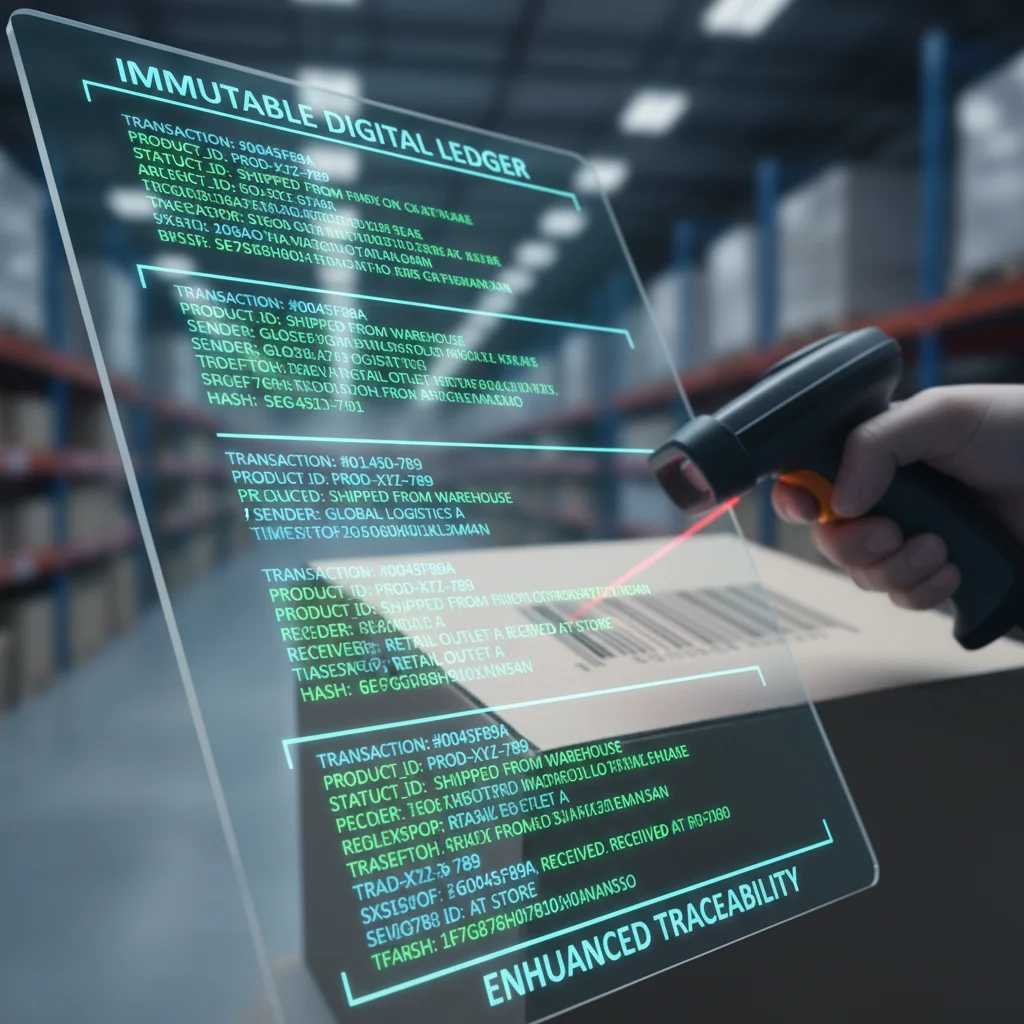
One of the most immediate and impactful applications of blockchain in U.S. supply chains is enhanced product traceability and authenticity. Counterfeit goods cost the global economy billions annually, posing significant risks in industries like pharmaceuticals, luxury goods, and electronics. Consumers are also increasingly demanding transparency regarding product origins, ethical sourcing, and environmental impact. Blockchain provides a robust solution to these challenges.
Imagine a scenario where every single component of a product, from its raw materials to its final assembly, is registered on a blockchain. Each time the product changes hands – from supplier to manufacturer, to distributor, to retailer – that transaction is recorded. This creates a complete, immutable digital history of the product. Consumers could, for example, scan a QR code on a product and instantly access verified information about its origin, manufacturing conditions, and journey to the shelf.
This level of transparency is invaluable. In the food industry, for instance, rapid tracing of contaminated produce from farm to fork can prevent widespread outbreaks and minimize economic losses. For high-value goods, blockchain can verify authenticity, combating counterfeiting and protecting brand reputation. Companies like IBM Food Trust have already demonstrated the power of blockchain in food supply chains, significantly reducing the time it takes to trace a product from weeks to mere seconds. By 2028, this will become a standard expectation, not a niche innovation, across many U.S. sectors.
2. Streamlined Logistics and Inventory Management with Smart Contracts
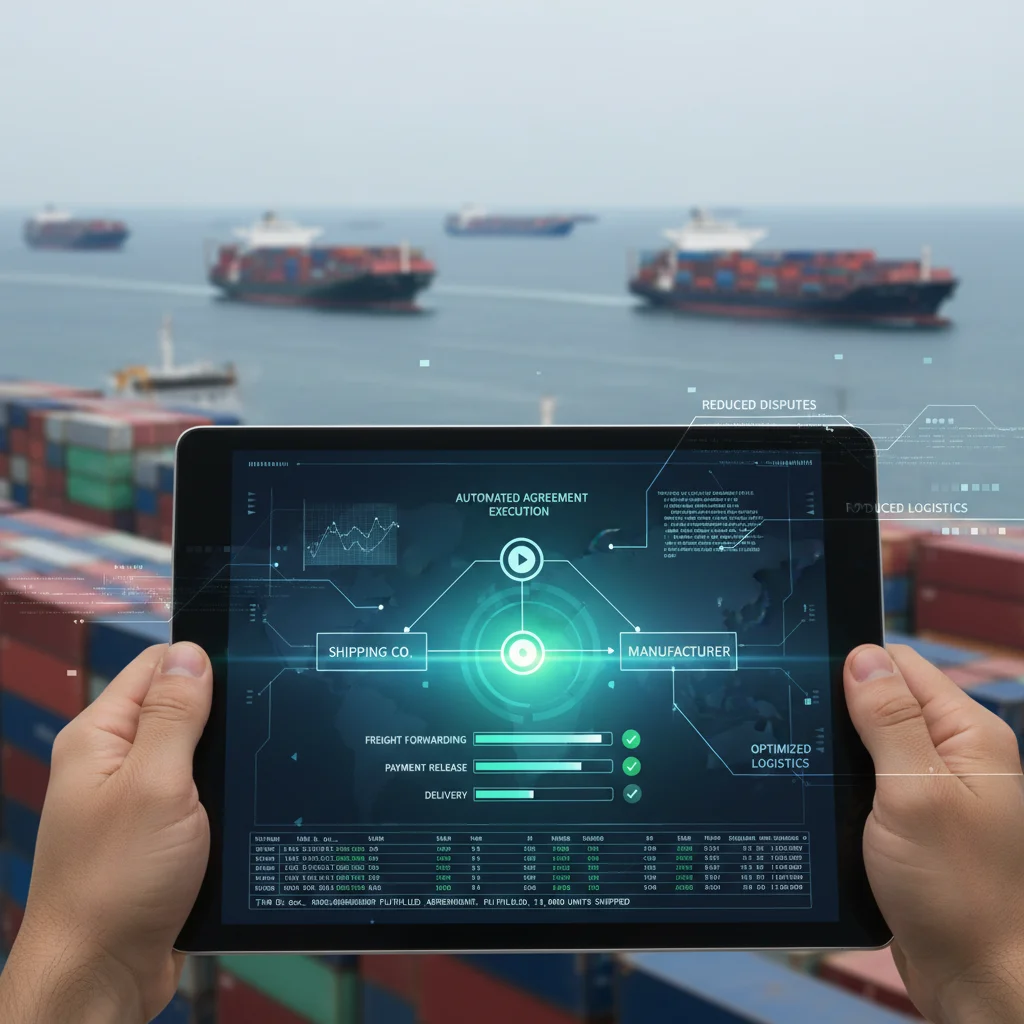
The complexities of logistics and inventory management often lead to inefficiencies, delays, and disputes. Traditional systems involve extensive paperwork, manual approvals, and a multitude of intermediaries, each adding time and cost. Blockchain, particularly through the implementation of smart contracts, offers a powerful antidote to these operational bottlenecks.
Smart contracts are self-executing agreements with the terms of the agreement directly written into lines of code. These contracts automatically execute when predetermined conditions are met, eliminating the need for human intervention and reducing the potential for errors or fraud. In a supply chain context, smart contracts can automate various processes:
- Automated Payments: Payments to suppliers can be automatically released once goods are received and verified at a warehouse, based on sensor data or digital confirmation.
- Conditional Release of Goods: Cargo can be automatically released from customs upon successful verification of all necessary documentation on the blockchain.
- Inventory Reordering: When inventory levels drop below a certain threshold, a smart contract can automatically trigger a reorder with a preferred supplier.
- Temperature and Condition Monitoring: For perishable goods, smart contracts can trigger alerts or even penalty clauses if temperature or humidity conditions deviate from agreed-upon parameters during transit, as recorded by IoT sensors.
This automation dramatically reduces administrative overhead, accelerates transaction speeds, and minimizes disputes, leading to a more fluid and efficient U.S. supply chain. The integration of blockchain with IoT (Internet of Things) devices will be key here, providing real-time data that feeds directly into smart contract execution. By 2028, many U.S. logistics operations will leverage smart contracts to manage significant portions of their warehousing, shipping, and payment processes, making the entire ecosystem more responsive and cost-effective.
3. Enhanced Supply Chain Finance and Trade Facilitation
Access to finance is a persistent challenge for many participants in the global supply chain, particularly small and medium-sized enterprises (SMEs) that often struggle with long payment cycles and limited access to credit. Blockchain technology can fundamentally transform supply chain finance, making it more accessible, transparent, and efficient.
Traditional trade finance involves complex documentation, multiple intermediaries, and significant delays, creating liquidity gaps for suppliers. Blockchain can streamline this process by providing a single, immutable source of truth for all trade-related documents and transactions. This verifiable transaction history can then be used by financial institutions to assess risk more accurately and offer more favorable financing terms to suppliers.
For example, a supplier could use a blockchain-verified invoice to secure financing from a bank, with the bank having full confidence in the authenticity and status of the invoice. This concept, known as invoice financing or supply chain finance, becomes far more robust and less risky with blockchain. Furthermore, smart contracts can automate the payment process upon delivery and acceptance of goods, significantly shortening payment cycles and improving cash flow for suppliers.
The ability to tokenize assets and create digital representations of physical goods on a blockchain can also open new avenues for financing. This could allow for more granular and fractional ownership, potentially attracting new forms of investment into supply chain operations. By 2028, we expect to see a significant uptake of blockchain-powered platforms facilitating faster, more secure, and more inclusive supply chain finance across the U.S., benefiting businesses of all sizes and strengthening the overall economic fabric.
4. Improved Data Security and Privacy in Collaborative Networks
In an increasingly interconnected world, data security and privacy are paramount concerns, especially within complex supply chain networks where sensitive information is shared among numerous parties. Breaches can lead to massive financial losses, reputational damage, and even national security risks. Blockchain’s cryptographic foundations offer a superior solution for securing data and managing access within collaborative environments.
Unlike centralized databases, which are single points of failure and attractive targets for cyberattacks, blockchain’s distributed ledger technology makes it incredibly difficult for malicious actors to compromise data. Any attempt to alter a record on one block would require altering every subsequent block across the entire network, a computationally infeasible task. This inherent security makes blockchain an ideal foundation for storing and sharing sensitive supply chain data.
Furthermore, blockchain allows for granular control over data access. Participants can be granted specific permissions, ensuring that only authorized parties can view certain pieces of information. For instance, a customs agent might see specific shipping details, while a quality control manager might access manufacturing process data, all without exposing the entire dataset to every participant. This selective transparency, combined with cryptographic encryption, ensures that crucial business intelligence and proprietary information remain protected.
The U.S. government and various industries are already exploring blockchain for secure data sharing in areas like defense logistics and critical infrastructure. As supply chains become more digitized and reliant on shared data, the need for robust security frameworks will only grow. By 2028, blockchain will be a cornerstone of secure data exchange and privacy management within many U.S. supply chains, fostering greater collaboration without compromising sensitive information.
5. Enhanced Sustainability and Ethical Sourcing Verification
Consumer and regulatory pressure for sustainable and ethically sourced products is growing exponentially. Companies are increasingly held accountable for the environmental and social impact of their entire supply chain, from raw material extraction to disposal. Proving compliance and genuinely ethical practices can be challenging with traditional, opaque systems. Blockchain offers a powerful tool for verifiable sustainability and ethical sourcing.
By recording every step of a product’s lifecycle on a blockchain, companies can provide immutable evidence of their sustainability efforts. This includes tracking the origin of raw materials to ensure they are not sourced from conflict zones or illegal operations, verifying fair labor practices at manufacturing facilities, and monitoring environmental certifications. For example, a consumer could scan a coffee bag and see verified records of the farm where the beans were grown, details about fair trade certifications, and even carbon footprint data associated with its transportation.
This level of transparency not only builds consumer trust but also helps companies meet regulatory requirements and investor demands for ESG (Environmental, Social, and Governance) reporting. Blockchain can also facilitate the tracking of recycled materials, proving circular economy initiatives and reducing waste. For industries with complex global supply chains, such as apparel or electronics, blockchain provides the necessary infrastructure to confidently claim and verify ethical and sustainable practices.
The U.S. market, with its strong consumer advocacy and increasing regulatory scrutiny on corporate social responsibility, is ripe for the adoption of blockchain in this domain. By 2028, verifiable ethical sourcing and sustainability claims, underpinned by blockchain, will differentiate leading brands and become a competitive imperative for businesses operating within U.S. supply chains.
Challenges and the Road Ahead for Blockchain Supply Chain Adoption
While the potential of blockchain in U.S. supply chains is immense, its widespread adoption is not without challenges. These include:
- Interoperability: Ensuring different blockchain platforms and legacy systems can communicate seamlessly is crucial for end-to-end supply chain visibility.
- Scalability: Public blockchains can face scalability issues with the sheer volume of transactions generated by global supply chains. Private or consortium blockchains are often favored here.
- Regulatory Clarity: The evolving regulatory landscape around blockchain and digital assets needs to provide clearer guidelines for businesses.
- Cost and Complexity of Implementation: Integrating blockchain into existing, often deeply entrenched, enterprise resource planning (ERP) systems can be costly and complex.
- Data Privacy Concerns: While blockchain offers enhanced security, balancing transparency with competitive data privacy requirements among business partners needs careful management.
- Industry Buy-in and Collaboration: Successful blockchain implementation requires collaboration across multiple stakeholders in a supply chain, which can be challenging to coordinate.
Despite these hurdles, the momentum for blockchain supply chain integration is undeniable. Pilot projects are maturing, industry consortia are forming, and technological advancements are continually addressing scalability and interoperability concerns. The U.S. government and various industries are actively investing in research and development, recognizing blockchain’s strategic importance for economic resilience and competitiveness.
The next few years will see a focus on standardized protocols, user-friendly interfaces, and a greater understanding of the return on investment (ROI) for blockchain deployments. Education and talent development will also be critical to bridge the skills gap and ensure a smooth transition to blockchain-powered supply chain operations.
Conclusion: A Transparent and Efficient Future for U.S. Supply Chains
The journey of blockchain from a niche cryptographic innovation to a foundational technology for global commerce is accelerating. By 2028, its impact on U.S. supply chains will be transformative, moving far beyond the financial applications that first brought it to prominence. The five applications discussed – enhanced product traceability, streamlined logistics with smart contracts, improved supply chain finance, robust data security, and verifiable sustainability – represent a paradigm shift towards more transparent, efficient, and resilient supply chain ecosystems.
Businesses that embrace these blockchain supply chain innovations early will gain a significant competitive advantage, building greater trust with consumers, optimizing operational costs, and mitigating risks. The U.S. economy, with its vast and complex logistical networks, stands to benefit immensely from this technological evolution. The future of supply chains is digital, decentralized, and driven by the immutable power of blockchain, promising an era of unprecedented efficiency and integrity.
The question is no longer if blockchain will transform U.S. supply chains, but how quickly and comprehensively businesses will integrate these powerful tools into their operations. The path to 2028 is clear: the most successful enterprises will be those that leverage blockchain to build supply chains that are not only robust and responsive but also inherently trustworthy and transparent.