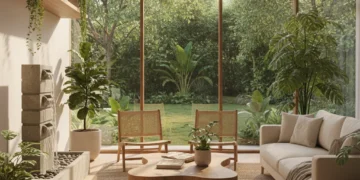
Biophilic Design Benefits: Nature Indoors Well-being 2026
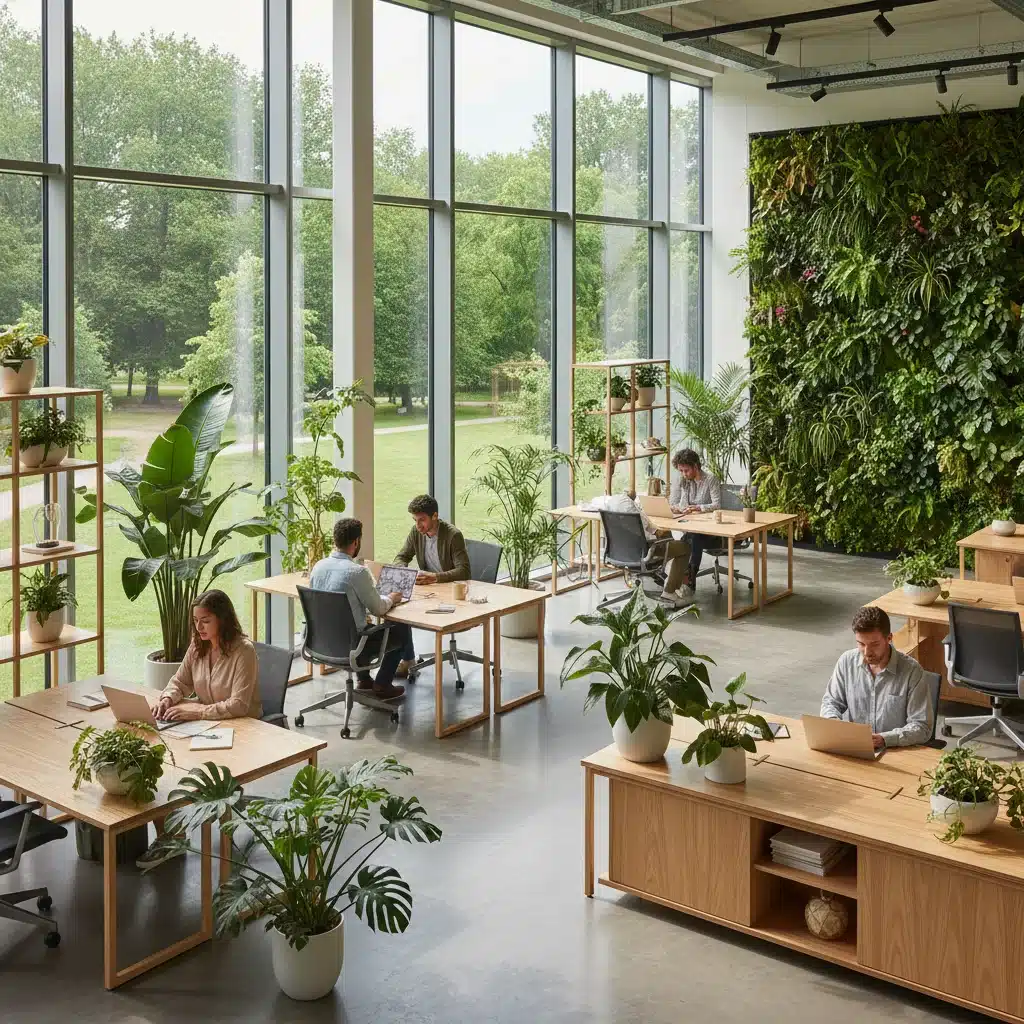
In an increasingly urbanized world, the connection between humans and nature often feels distant. However, a powerful movement is gaining momentum, promising to bridge this gap and revolutionize the way we live, work, and heal. This movement is biophilic design, and its benefits are becoming undeniable. As we move into 2026, the integration of natural elements into our built environments is no longer a luxury but a necessity, offering profound advantages for our well-being, productivity, and overall quality of life. The core principle of biophilic design is simple yet profound: humans have an innate need to connect with nature, and by satisfying this need within our architectural spaces, we can unlock a wealth of physical and psychological benefits. This article will delve deep into the multifaceted advantages of embracing biophilic design, exploring how it’s transforming homes, workplaces, healthcare facilities, and urban landscapes, ultimately fostering a healthier, happier, and more sustainable future.
The term ‘biophilia,’ coined by Harvard naturalist Edward O. Wilson, describes ‘the urge to affiliate with other forms of life.’ Biophilic design takes this innate tendency and translates it into practical design strategies. It’s more than just adding a few potted plants; it’s about creating environments that mimic the patterns, processes, and forms found in nature. This can involve direct exposure to nature through natural light, ventilation, water features, and living walls, as well as indirect exposure through natural materials, colors, textures, and views of natural landscapes. The goal is to create a seamless integration, blurring the lines between indoors and outdoors, and fostering a sense of calm, vitality, and connection. The growing body of research supporting the biophilic design benefits is compelling, showcasing improvements across various metrics, from stress reduction to enhanced cognitive function. Understanding these benefits is crucial for anyone looking to optimize their living and working spaces for the future.
The Scientific Foundation of Biophilic Design Benefits
The efficacy of biophilic design isn’t just anecdotal; it’s backed by robust scientific evidence from fields like environmental psychology, neuroscience, and public health. Studies consistently demonstrate that exposure to natural elements can significantly impact human physiology and psychology. For instance, research has shown that views of nature can lower heart rates, reduce blood pressure, and decrease muscle tension. Patients in hospitals with natural views tend to recover faster and require less pain medication. Similarly, students in classrooms with ample natural light and green elements exhibit improved concentration and academic performance. These physiological and cognitive improvements are central to understanding the widespread biophilic design benefits.
One of the key mechanisms behind these benefits is the reduction of stress. Modern urban life often subjects us to chronic stress, leading to a myriad of health problems. Biophilic environments act as natural stress relievers, promoting relaxation and mental restoration. The presence of natural patterns, such as fractals found in tree branches or coastlines, has been shown to induce a relaxed state of alpha brain waves. Furthermore, the soothing sounds of water, the gentle rustling of leaves, and the vibrant colors of plants all contribute to a sensory experience that calms the nervous system. This direct impact on stress levels is perhaps one of the most immediate and tangible biophilic design benefits, making it an invaluable tool for promoting public health.
Beyond stress reduction, biophilic design also enhances cognitive function. Exposure to nature has been linked to improved attention, creativity, and problem-solving skills. This is often attributed to the ‘Attention Restoration Theory,’ which posits that natural environments allow our directed attention to rest, enabling our involuntary attention to take over, leading to mental rejuvenation. In a world where demands on our cognitive resources are constantly increasing, creating spaces that support mental clarity and focus is paramount. This makes the biophilic design benefits particularly relevant for educational institutions and workplaces.
Enhanced Well-being and Mental Health
The most widely recognized biophilic design benefits revolve around its positive impact on human well-being and mental health. In an era marked by rising rates of anxiety, depression, and loneliness, fostering environments that nurture our psychological state is more critical than ever. Biophilic spaces provide a sense of comfort, security, and belonging, mitigating feelings of isolation and promoting a deeper connection to our surroundings.
Direct exposure to natural light, for example, plays a crucial role in regulating our circadian rhythms, which govern our sleep-wake cycles, hormone production, and overall mood. Adequate natural light exposure can improve sleep quality, reduce symptoms of seasonal affective disorder (SAD), and boost overall energy levels. Conversely, prolonged exposure to artificial lighting, especially at night, can disrupt these rhythms, leading to fatigue and mood disturbances. Therefore, maximizing natural light is a fundamental aspect of biophilic design and a significant contributor to its well-being benefits.
The presence of plants, both indoors and outdoors, also contributes significantly to mental well-being. Beyond their aesthetic appeal, plants improve indoor air quality by filtering toxins and producing oxygen. The act of caring for plants, even in a minimal capacity, can be therapeutic, fostering a sense of purpose and connection. Furthermore, studies have shown that green spaces can reduce aggression and violence, promote social interaction, and foster a greater sense of community. These multifaceted contributions make the biophilic design benefits for mental health truly transformative.
Increased Productivity and Performance in Workplaces
Businesses are increasingly recognizing that employee well-being is directly linked to productivity and retention. This understanding has propelled biophilic design to the forefront of workplace strategy. The biophilic design benefits in office environments are substantial, leading to more engaged, focused, and healthier employees.
One of the most compelling findings is the improvement in cognitive function. Employees in biophilic offices report higher levels of concentration, better memory, and enhanced creativity. This translates into more efficient work processes, innovative problem-solving, and a higher quality of output. The reduction in stress and mental fatigue, as discussed earlier, also plays a crucial role in sustaining long-term productivity without burnout.
Moreover, biophilic design can significantly reduce absenteeism. By creating healthier indoor environments with better air quality, natural light, and a calming atmosphere, workplaces can minimize the incidence of ‘sick building syndrome’ and other health issues that lead to employees taking time off. A healthier workforce is a more present and productive workforce. The ability of biophilic design to foster a sense of belonging and reduce stress also contributes to higher job satisfaction and lower employee turnover, leading to substantial cost savings for businesses. These tangible biophilic design benefits make it a smart investment for any forward-thinking organization.
Accelerated Healing and Recovery in Healthcare Settings
The healthcare industry has been one of the earliest adopters of biophilic design, recognizing its profound impact on patient recovery and staff well-being. The biophilic design benefits in hospitals, clinics, and long-term care facilities are truly life-changing.
As mentioned previously, studies have consistently shown that patients with views of nature recover faster, experience less pain, and require shorter hospital stays. This is attributed to the calming effect of natural environments, which reduces stress and anxiety, allowing the body to focus its resources on healing. Incorporating elements like natural light, indoor gardens, and serene natural imagery can transform sterile, intimidating healthcare environments into spaces that promote comfort and hope.
Beyond patient recovery, biophilic design also benefits healthcare staff. The demanding nature of healthcare work can lead to high levels of stress and burnout. Creating break rooms and staff areas with natural elements can provide much-needed respite, helping staff to de-stress and recharge. This, in turn, can improve job satisfaction, reduce turnover, and ultimately lead to better patient care. The ethical and practical implications of harnessing these biophilic design benefits in healthcare are immense.
Sustainability and Environmental Stewardship
While the human-centric benefits of biophilic design are often highlighted, its contribution to environmental sustainability is equally significant. Biophilic design naturally aligns with sustainable building practices, promoting resource efficiency and a reduced ecological footprint. This dual benefit makes it a powerful tool for addressing both human and planetary well-being.
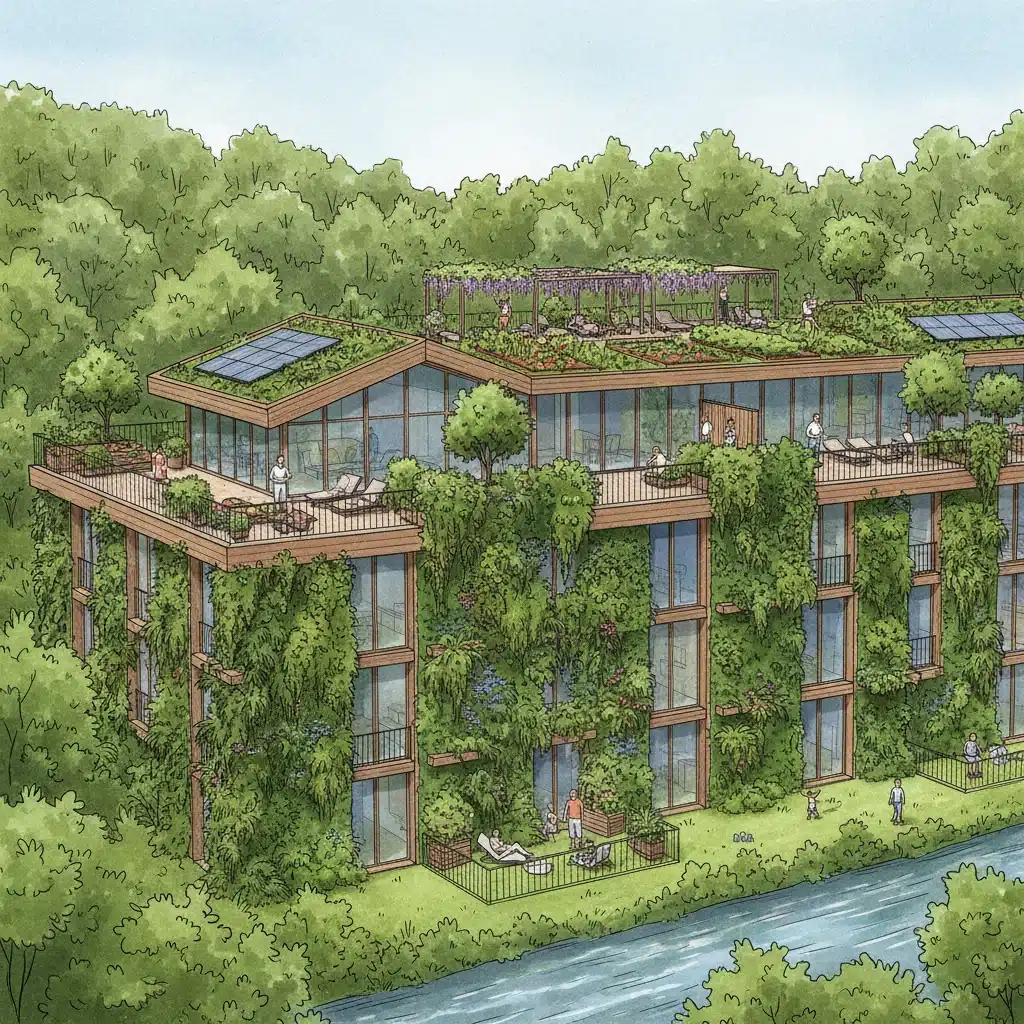
By maximizing natural light and ventilation, biophilic buildings can significantly reduce energy consumption for lighting and air conditioning. Green roofs and vertical gardens not only provide aesthetic appeal but also offer insulation, reduce urban heat island effects, manage stormwater runoff, and create habitats for local biodiversity. The selection of natural, locally sourced, and non-toxic materials also minimizes the environmental impact of construction and promotes healthier indoor air quality.
Furthermore, by fostering a deeper connection to nature, biophilic design can inspire greater environmental stewardship. When people feel connected to the natural world, they are more likely to care for it and advocate for its protection. This intrinsic motivation is crucial for driving long-term sustainability efforts. Thus, the biophilic design benefits extend beyond the immediate occupants of a building, contributing to a broader culture of environmental responsibility.
Implementing Biophilic Design: Practical Strategies for 2026
For those looking to harness the biophilic design benefits, there are numerous practical strategies that can be implemented, ranging from simple interventions to comprehensive architectural overhauls. The key is to think holistically about integrating nature into every possible aspect of a space.
Direct Connection to Nature:
- Natural Light: Maximize daylight penetration through large windows, skylights, and light shelves. Consider orientation to optimize sunlight exposure throughout the day while minimizing glare.
- Ventilation and Airflow: Design for natural ventilation to bring in fresh air and connect occupants to outdoor breezes. Implement operable windows and strategically placed vents.
- Water Features: Incorporate indoor or outdoor water features like fountains, ponds, or even simple aquariums. The sight and sound of water are inherently calming.
- Views of Nature: Ensure that interior spaces offer clear, unobstructed views of natural landscapes, whether it’s a garden, a park, or even a well-maintained street tree.
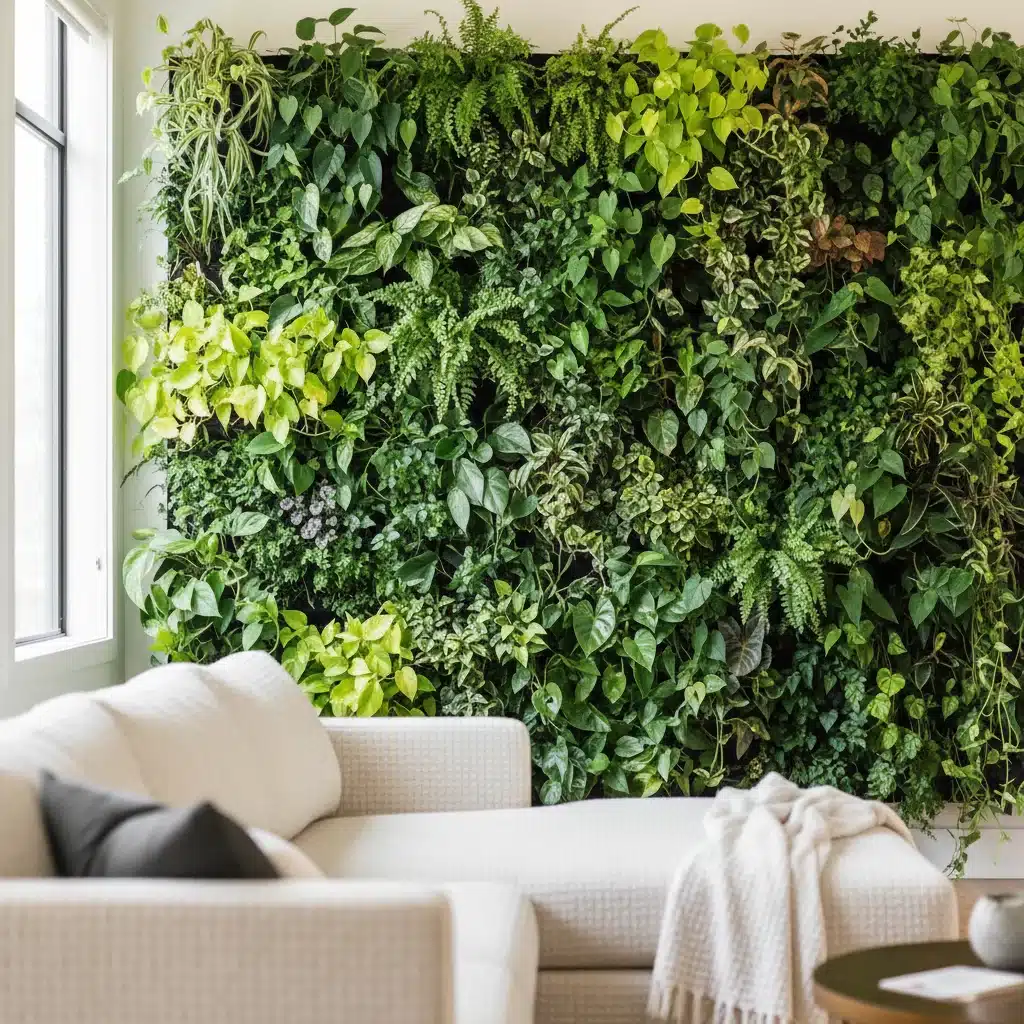
- Living Walls and Indoor Plants: Install vertical gardens or distribute a variety of indoor plants throughout the space. Choose plants that thrive in indoor conditions and offer diverse textures and colors.
Indirect Connection to Nature:
- Natural Materials: Utilize natural materials such as wood, stone, cork, and bamboo for flooring, furniture, and finishes. These materials bring warmth, texture, and an organic feel.
- Natural Colors and Textures: Draw inspiration from nature’s palette, incorporating earthy tones, greens, blues, and natural textures. Avoid harsh, artificial colors.
- Biomorphic Forms and Patterns: Integrate designs that mimic natural shapes, curves, and patterns, such as organic furniture forms or fractal-inspired artwork.
- Sensory Richness: Engage multiple senses through natural scents (e.g., essential oils, fresh flowers), natural sounds (e.g., white noise machines with nature sounds), and varying tactile experiences.
- Connection to Place: Design spaces that reflect the local ecology, climate, and cultural landscape, fostering a unique sense of identity and belonging.
Even small changes can yield significant biophilic design benefits. For homeowners, this might mean adding more houseplants, maximizing natural light, or choosing natural finishes. For businesses, it could involve redesigning common areas, investing in green infrastructure, or creating outdoor workspaces. The key is intentionality and a commitment to integrating natural elements thoughtfully.
The Future of Design: Biophilia as a Standard
As we look towards 2026 and beyond, biophilic design is poised to move from a niche concept to a fundamental standard in architecture and interior design. The increasing awareness of its profound benefits, coupled with a growing demand for healthier and more sustainable environments, will drive its widespread adoption. Urban planners are beginning to incorporate biophilic principles into city planning, creating green infrastructure, urban parks, and accessible natural spaces that serve entire communities.
The convergence of technology and biophilic design is also an exciting frontier. Smart irrigation systems for vertical gardens, dynamic lighting that mimics natural light cycles, and augmented reality experiences that bring virtual nature into enclosed spaces are just a few examples of how innovation will further enhance the biophilic design benefits. This fusion will allow for even more sophisticated and adaptive biophilic environments, tailored to individual needs and preferences.
Ultimately, the future of design is about reconnecting humanity with its natural origins. By embracing biophilic design, we are not just creating aesthetically pleasing spaces; we are designing for human flourishing. We are building environments that support our physical health, nurture our mental well-being, foster our productivity, and inspire our connection to the planet. The transformative power of bringing nature indoors is undeniable, and as we continue to prioritize health, happiness, and sustainability, the biophilic design benefits will become an indispensable part of our built world.
Conclusion
The journey into biophilic design reveals a profound truth: our well-being is inextricably linked to our connection with nature. From reducing stress and enhancing cognitive function to accelerating healing and fostering environmental stewardship, the biophilic design benefits are extensive and far-reaching. As we navigate the complexities of modern life, creating spaces that actively integrate natural elements offers a powerful antidote to the challenges of urbanization and technological overload.
In 2026, the imperative to design with biophilia in mind will only grow stronger. Whether in our homes, workplaces, schools, or healthcare facilities, the thoughtful incorporation of natural light, living plants, natural materials, and organic patterns can transform our environments into havens of health and productivity. The investment in biophilic design is an investment in human capital, ecological resilience, and a more harmonious future. By embracing these principles, we can cultivate spaces that not only look good but also feel good, ultimately enriching our lives and strengthening our bond with the natural world that sustains us all.