Navigating Cultural Nuances: A 2026 Guide to Fostering Inclusive American Workplaces (Practical Solutions)

Navigating Cultural Nuances: A 2026 Guide to Fostering Inclusive American Workplaces (Practical Solutions)
In the dynamic landscape of 2026, the concept of an "inclusive American workplace" has transcended buzzword status to become a fundamental pillar of organizational success. As businesses continue to globalize and domestic demographics diversify, understanding and effectively navigating cultural nuances is no longer a luxury but a strategic imperative. This comprehensive guide will delve into practical solutions for cultivating truly inclusive American workplaces, ensuring every employee feels valued, respected, and empowered to contribute their best.
The journey towards fostering inclusive American workplaces is ongoing, requiring continuous learning, adaptation, and commitment. It’s about building an environment where diversity isn’t just acknowledged but celebrated, and where equity is woven into the very fabric of the organization. This isn’t merely a matter of compliance; it’s a pathway to enhanced innovation, improved employee retention, and ultimately, greater profitability.
The Evolving Definition of Inclusive American Workplaces in 2026
What exactly constitutes an inclusive American workplace in 2026? It’s more than just having a diverse workforce. It’s about creating an environment where individuals from all backgrounds, regardless of their race, ethnicity, gender, sexual orientation, age, disability, religion, socioeconomic status, or national origin, feel a genuine sense of belonging and psychological safety. It means actively dismantling barriers, challenging unconscious biases, and promoting equitable opportunities for growth and advancement.
The modern workforce is increasingly multicultural, with employees bringing a rich tapestry of experiences, perspectives, and communication styles. For organizations operating in the United States, this diversity is a powerful asset, but only if it’s properly managed and integrated. Neglecting cultural nuances can lead to misunderstandings, decreased morale, and missed opportunities. Conversely, embracing and understanding these differences can unlock unparalleled creativity and problem-solving capabilities.
In 2026, an inclusive American workplace recognizes that cultural competence extends beyond surface-level interactions. It involves a deep appreciation for varying communication patterns (high-context vs. low-context), different approaches to hierarchy and authority, diverse notions of time and punctuality, and varied expectations regarding feedback and conflict resolution. Organizations that master these aspects will be well-positioned to thrive.
Why Investing in Inclusive American Workplaces Matters Now More Than Ever
The business case for fostering inclusive American workplaces is overwhelmingly strong. Beyond ethical considerations, there are tangible benefits that directly impact an organization’s bottom line and long-term sustainability. Let’s explore some key reasons why this investment is crucial in 2026:
- Enhanced Innovation and Creativity: Diverse teams, by their very nature, bring a wider range of perspectives and experiences to the table. This cognitive diversity fuels innovation, leading to more creative solutions, products, and services. When employees feel safe to share their unique ideas, regardless of their background, the entire organization benefits.
- Improved Employee Engagement and Retention: Employees who feel included and valued are more engaged, productive, and loyal. In a competitive talent market, organizations with a strong reputation for inclusivity are better able to attract and retain top talent. High turnover rates are costly; fostering an inclusive environment can significantly reduce these expenses.
- Stronger Financial Performance: Numerous studies have linked diversity and inclusion to improved financial performance. Companies with diverse leadership teams and inclusive cultures often outperform their less diverse counterparts in terms of profitability, revenue growth, and market share.
- Better Decision-Making: Diverse teams are less prone to groupthink and are more likely to consider a broader array of factors when making decisions. This leads to more robust and effective strategic choices, particularly in complex and uncertain environments.
- Enhanced Brand Reputation: In an age of social media and increased transparency, a company’s commitment to diversity and inclusion is a significant factor in its public image. A strong D&I reputation can attract customers, investors, and partners, while a poor one can lead to boycotts and reputational damage.
- Greater Adaptability and Resilience: Organizations that embrace diversity are often more adaptable to change. Their varied perspectives allow them to anticipate and respond to market shifts, technological advancements, and societal changes more effectively, making them more resilient in the face of disruption.
These benefits underscore the strategic importance of actively working towards truly inclusive American workplaces. It’s not just about doing the right thing; it’s about building a more successful and sustainable business.
Practical Solutions for Navigating Cultural Nuances in 2026
Building inclusive American workplaces requires a multi-faceted approach. Here are practical solutions that organizations can implement in 2026 to effectively navigate cultural nuances and foster a truly welcoming environment:
1. Implement Comprehensive Cultural Competence Training
One of the most effective ways to navigate cultural nuances is through targeted training programs. These shouldn’t be one-off events but rather ongoing initiatives that educate employees at all levels, from entry-level staff to senior leadership. Training should cover:
- Unconscious Bias Awareness: Help employees recognize and mitigate their own unconscious biases, which can inadvertently lead to exclusionary behaviors.
- Intercultural Communication Skills: Teach employees about different communication styles, including direct vs. indirect, high-context vs. low-context cultures, and non-verbal cues. This helps prevent misunderstandings and builds stronger working relationships.
- Cultural Intelligence (CQ): Develop employees’ ability to function effectively in culturally diverse settings. This involves understanding, respecting, and adapting to cultural differences.
- Microaggressions and Their Impact: Educate staff on what microaggressions are, how they manifest, and the cumulative negative impact they have on individuals from marginalized groups.
- Religious and Holiday Observances: Provide guidance on accommodating diverse religious practices and holidays, ensuring all employees feel their beliefs are respected.
These training modules should be interactive, scenario-based, and facilitated by experts in diversity and inclusion. Regular refresher courses and advanced training for leaders are also essential to reinforce learning and keep pace with evolving societal norms.
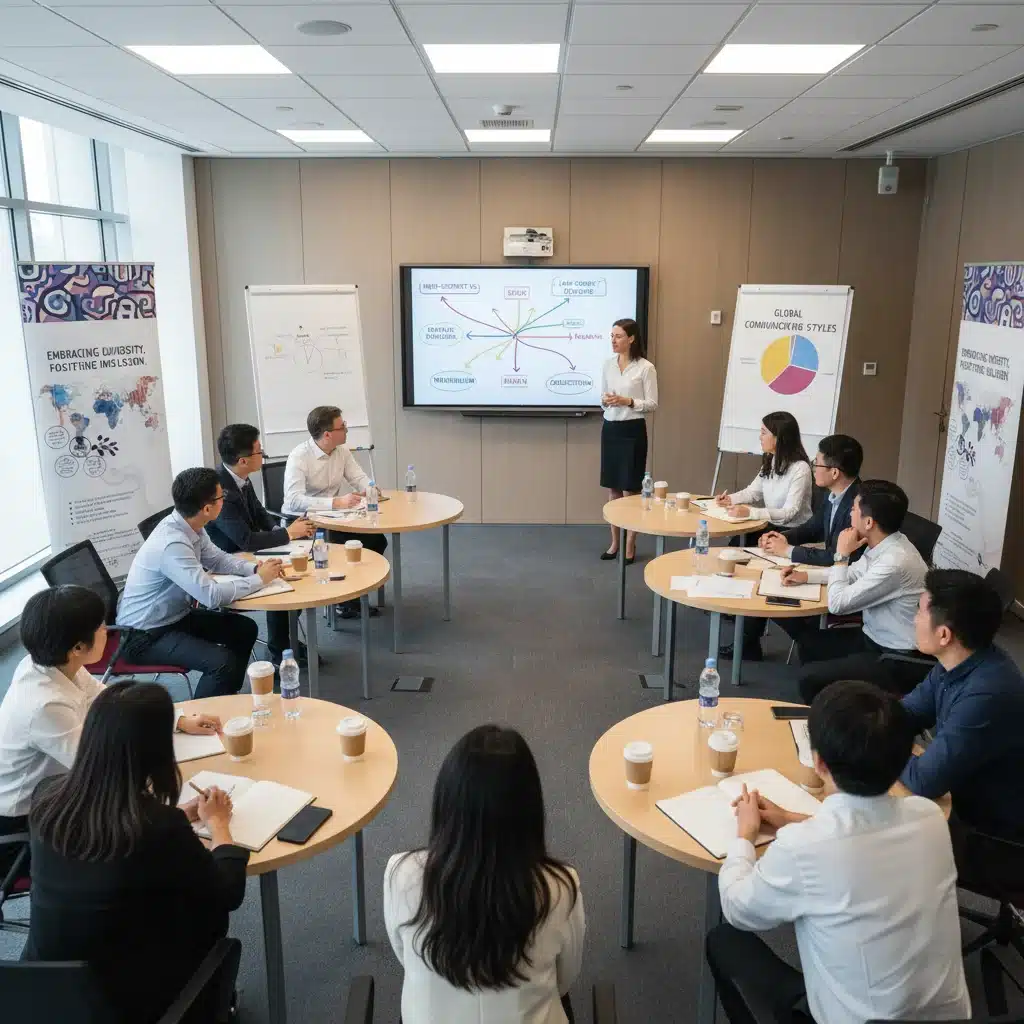
2. Establish Inclusive Communication Guidelines and Practices
Communication is the bedrock of any successful workplace, and even more so in an inclusive American workplace. Clear, culturally sensitive communication guidelines can prevent misunderstandings and ensure everyone feels heard and understood. Consider:
- Plain Language Policies: Encourage the use of clear, concise language, avoiding jargon or overly complex phrasing that might be difficult for non-native English speakers or those from different educational backgrounds to understand.
- Active Listening Promotion: Train employees to practice active listening, which involves fully concentrating on what is being said rather than just passively hearing the message. This shows respect and helps in understanding diverse perspectives.
- Feedback Mechanisms: Implement diverse feedback channels that cater to different cultural preferences. Some cultures prefer direct feedback, while others prefer indirect or group-oriented feedback. Offer options like anonymous surveys, one-on-one meetings, and group discussions.
- Meeting Protocols: Establish inclusive meeting protocols that ensure all voices are heard. This might include rotating who speaks first, using a "round robin" approach, or allowing time for non-native speakers to formulate their thoughts.
- Digital Communication Etiquette: Provide guidelines for email, chat, and video conferencing to ensure professional and respectful interactions across cultural lines.
Regularly solicit feedback on communication effectiveness to identify areas for improvement and adapt practices as needed to support a truly inclusive American workplace.
3. Redesign Recruitment and Onboarding Processes
The journey towards an inclusive American workplace begins long before an employee’s first day. Recruitment and onboarding are critical touchpoints where cultural nuances can either be embraced or overlooked:
- Bias-Free Job Descriptions: Review job descriptions to remove gender-coded language, cultural idioms, or unnecessary requirements that could deter diverse candidates. Focus on skills and competencies rather than specific cultural experiences.
- Diverse Interview Panels: Ensure interview panels are diverse in terms of gender, ethnicity, and background. This helps mitigate unconscious bias and provides a more welcoming experience for candidates.
- Structured Interview Processes: Implement structured interviews with standardized questions and scoring rubrics to ensure all candidates are evaluated consistently and fairly.
- Inclusive Onboarding: Design onboarding programs that introduce new hires to the company’s commitment to diversity and inclusion. Provide resources for cultural adaptation, language support if needed, and connect them with affinity groups or mentors.
- Sponsorship and Mentorship Programs: Establish formal mentorship and sponsorship programs, particularly for employees from underrepresented groups. Mentors can help new hires navigate cultural norms and career paths within the organization, fostering a stronger sense of belonging in the inclusive American workplace.
By making these processes intentionally inclusive, organizations can build a more diverse talent pipeline and set new employees up for success from day one.
4. Foster a Culture of Psychological Safety and Belonging
At the heart of an inclusive American workplace is psychological safety – the belief that one can speak up, ask questions, and make mistakes without fear of punishment or humiliation. Creating this environment requires:
- Leadership Buy-in and Role Modeling: Leaders must visibly champion D&I initiatives, demonstrate inclusive behaviors, and actively listen to and act upon feedback from diverse employees. Their commitment sets the tone for the entire organization.
- Employee Resource Groups (ERGs): Support and empower ERGs (also known as Affinity Groups) that bring together employees with shared backgrounds or interests. These groups provide a sense of community, support, and a platform for advocating for specific needs within the inclusive American workplace.
- Open Dialogue and Feedback: Create safe spaces for open conversations about diversity, equity, and inclusion. This could include town halls, anonymous feedback platforms, or regular check-ins where employees can voice concerns and share experiences without fear of reprisal.
- Celebration of Diversity: Actively celebrate cultural holidays, traditions, and achievements of diverse groups within the workplace. This goes beyond just acknowledging dates; it involves educating employees and fostering appreciation for different cultures.
- Conflict Resolution Training: Equip managers and employees with skills to resolve conflicts constructively, particularly those that may arise from cultural misunderstandings.
A strong sense of belonging significantly reduces turnover and boosts overall job satisfaction, contributing directly to a thriving inclusive American workplace.
5. Ensure Equitable Policies and Practices
True inclusion requires an examination and overhaul of existing policies and practices to ensure they are equitable and fair for all employees. This includes:
- Pay Equity Audits: Regularly conduct pay equity audits to identify and rectify any disparities in compensation based on gender, race, or other protected characteristics.
- Transparent Promotion and Advancement Criteria: Make promotion criteria clear, objective, and accessible to all employees. Implement structured processes to reduce bias in advancement decisions.
- Flexible Work Arrangements: Offer flexible work options (e.g., remote work, flexible hours, compressed workweeks) that can accommodate diverse needs related to family responsibilities, religious observances, or personal preferences, contributing to an inclusive American workplace.
- Inclusive Benefits Packages: Review benefits to ensure they meet the needs of a diverse workforce, including parental leave policies, mental health support that is culturally sensitive, and benefits for diverse family structures.
- Accessibility for All: Ensure physical and digital workspaces are accessible for employees with disabilities, going beyond basic compliance to create truly inclusive environments.
Policies should be regularly reviewed and updated to reflect best practices and feedback from employees, ensuring they actively support an inclusive American workplace.

6. Leverage Data and Metrics to Drive Progress
You can’t manage what you don’t measure. For inclusive American workplaces, this means collecting and analyzing data related to diversity, equity, and inclusion. Key metrics include:
- Workforce Demographics: Track diversity across various dimensions (gender, race, ethnicity, age, disability, etc.) at all levels of the organization.
- Recruitment and Retention Rates: Analyze hiring, promotion, and turnover rates broken down by demographic groups to identify any disparities.
- Employee Engagement Surveys: Include specific questions related to inclusion, belonging, and psychological safety in employee surveys. Segment results by demographic to identify specific areas of concern.
- Pay Equity Data: Continuously monitor and analyze compensation data to ensure equitable pay practices.
- Representation in Leadership: Track the diversity of leadership positions to ensure equitable representation at the top.
Use this data to set measurable goals, track progress, identify areas needing attention, and demonstrate the impact of D&I initiatives. Transparency in reporting these metrics can also build trust and accountability within the inclusive American workplace.
7. Empower Managers as Inclusion Champions
Middle managers play a pivotal role in creating inclusive American workplaces. They are often the direct link between employees and senior leadership and heavily influence team culture. Empowering them means:
- Providing D&I Training for Managers: Offer specialized training that equips managers with the skills to lead diverse teams, address cultural misunderstandings, and promote inclusive behaviors.
- Integrating D&I into Performance Reviews: Incorporate D&I metrics into managers’ performance reviews, holding them accountable for fostering inclusive team environments.
- Supplying Resources and Tools: Provide managers with practical tools, guides, and resources to help them navigate cultural nuances and support their diverse teams effectively.
- Encouraging Open Communication: Train managers to facilitate open and honest conversations about diversity and inclusion within their teams, addressing issues proactively.
- Recognizing and Rewarding Inclusive Leadership: Acknowledge and reward managers who excel at creating inclusive team environments, showcasing their efforts as examples for others.
By investing in managers, organizations can create a ripple effect of inclusion throughout their entire structure, strengthening the inclusive American workplace from within.
Challenges and Considerations in Fostering Inclusive American Workplaces
While the benefits are clear, building truly inclusive American workplaces is not without its challenges. Organizations must be prepared to address:
- Resistance to Change: Some employees or leaders may resist D&I initiatives, viewing them as unnecessary or threatening. Effective change management strategies, clear communication, and demonstrating the business value are crucial.
- Tokenism vs. True Inclusion: It’s easy to fall into the trap of "checking boxes" rather than fostering genuine inclusion. Organizations must go beyond superficial diversity numbers to create systemic change.
- Measuring Impact: While data is important, quantifying the exact ROI of D&I efforts can be complex. Focus on both quantitative and qualitative measures, including employee sentiment and anecdotal evidence.
- Cultural Backlash: In some cases, D&I initiatives can lead to a backlash from majority groups who feel overlooked or unfairly targeted. This requires careful messaging, empathy, and ensuring that inclusion efforts benefit everyone.
- Sustaining Momentum: D&I is not a one-time project; it requires continuous effort and commitment. Organizations must find ways to embed inclusion into their culture and operations for the long term.
Addressing these challenges head-on with transparency and a genuine commitment to equity is vital for the success of inclusive American workplaces.
The Future of Inclusive American Workplaces in 2026 and Beyond
Looking ahead, the emphasis on inclusive American workplaces will only intensify. Technological advancements, evolving social expectations, and a globally interconnected economy will continue to shape how organizations approach diversity and inclusion. The workplaces of tomorrow will be characterized by:
- Hyper-Personalization of Inclusion: Moving beyond broad initiatives to cater to the specific needs and cultural backgrounds of individual employees.
- AI and D&I: Leveraging AI to identify biases in hiring, promotion, and performance management, while also being mindful of potential algorithmic biases.
- Global Cultural Dexterity: For multinational companies, developing an even deeper understanding of global cultural nuances beyond just the American context.
- Intersectional Inclusion: Acknowledging and addressing the complex interplay of various identities (e.g., a Black woman, an LGBTQ+ person with a disability) and the unique experiences of marginalization that arise from these intersections.
- Well-being and Mental Health Integration: Recognizing that mental health is deeply intertwined with cultural background and ensuring culturally competent mental health support is available.
Organizations that proactively embrace these trends and continuously invest in creating truly inclusive American workplaces will not only attract the best talent but also build more resilient, innovative, and ethically sound businesses for the future.
Conclusion
Fostering inclusive American workplaces in 2026 is a strategic imperative that yields profound benefits, from enhanced innovation and financial performance to improved employee engagement and brand reputation. By implementing comprehensive cultural competence training, establishing inclusive communication guidelines, redesigning recruitment processes, cultivating psychological safety, ensuring equitable policies, leveraging data, and empowering managers, organizations can create environments where every individual thrives.
The journey to true inclusion is complex and ongoing, requiring sustained effort, empathy, and a willingness to learn and adapt. However, the rewards of building a workplace where cultural nuances are understood and celebrated are immeasurable. As we move further into the 21st century, the most successful organizations will be those that not only embrace diversity but actively champion inclusion, making their American workplaces beacons of equity and opportunity for all.