Mentorship’s Future: Cultural Shifts in US Professional Development 2026

The landscape of professional development is in a constant state of flux, shaped by technological advancements, societal shifts, and evolving workforce demographics. As we look towards 2026, one of the most critical areas undergoing profound transformation is mentorship. The traditional model of a senior, experienced individual guiding a junior protégé is giving way to a more dynamic, inclusive, and multifaceted approach. These Mentorship Cultural Shifts are not merely cosmetic; they represent a fundamental redefinition of how knowledge is transferred, skills are honed, and careers are nurtured in American professional environments.
Understanding these shifts is crucial for organizations aiming to foster talent, boost engagement, and maintain a competitive edge. For individuals, embracing these new forms of mentorship can unlock unprecedented opportunities for growth and resilience in an increasingly complex world. This article will delve deep into the cultural shifts impacting mentorship, exploring the forces driving these changes, their implications for professionals and organizations, and how to effectively navigate this evolving terrain.
The Genesis of Change: Why Mentorship is Evolving
Several powerful forces are converging to reshape the very essence of mentorship. The rapid pace of technological innovation, the increasing diversity of the workforce, and a growing emphasis on holistic well-being are just a few of the catalysts. These factors are not isolated; they interact in complex ways, creating a domino effect that necessitates a re-evaluation of established mentorship paradigms. The traditional, often informal, ‘old boys’ club’ style of mentorship, while valuable in its time, is increasingly inadequate for a workforce that demands more transparency, equity, and personalized development paths. The focus is shifting from a hierarchical transfer of knowledge to a more collaborative and reciprocal exchange.
Technological Acceleration and Digital Mentorship
The digital revolution has fundamentally altered how we work, communicate, and learn. This pervasive influence extends directly to mentorship. Virtual platforms, AI-driven matching algorithms, and online learning modules are transforming how mentors and mentees connect and interact. Geographic barriers are dissolving, allowing for global mentorship opportunities that were once unimaginable. This technological acceleration demands that both mentors and mentees become adept at leveraging digital tools to facilitate meaningful and effective relationships. The expectation is no longer just in-person meetings but a blend of virtual check-ins, asynchronous communication, and access to curated digital resources. These Mentorship Cultural Shifts are making professional development more accessible and adaptable.
Generational Diversity in the Workplace
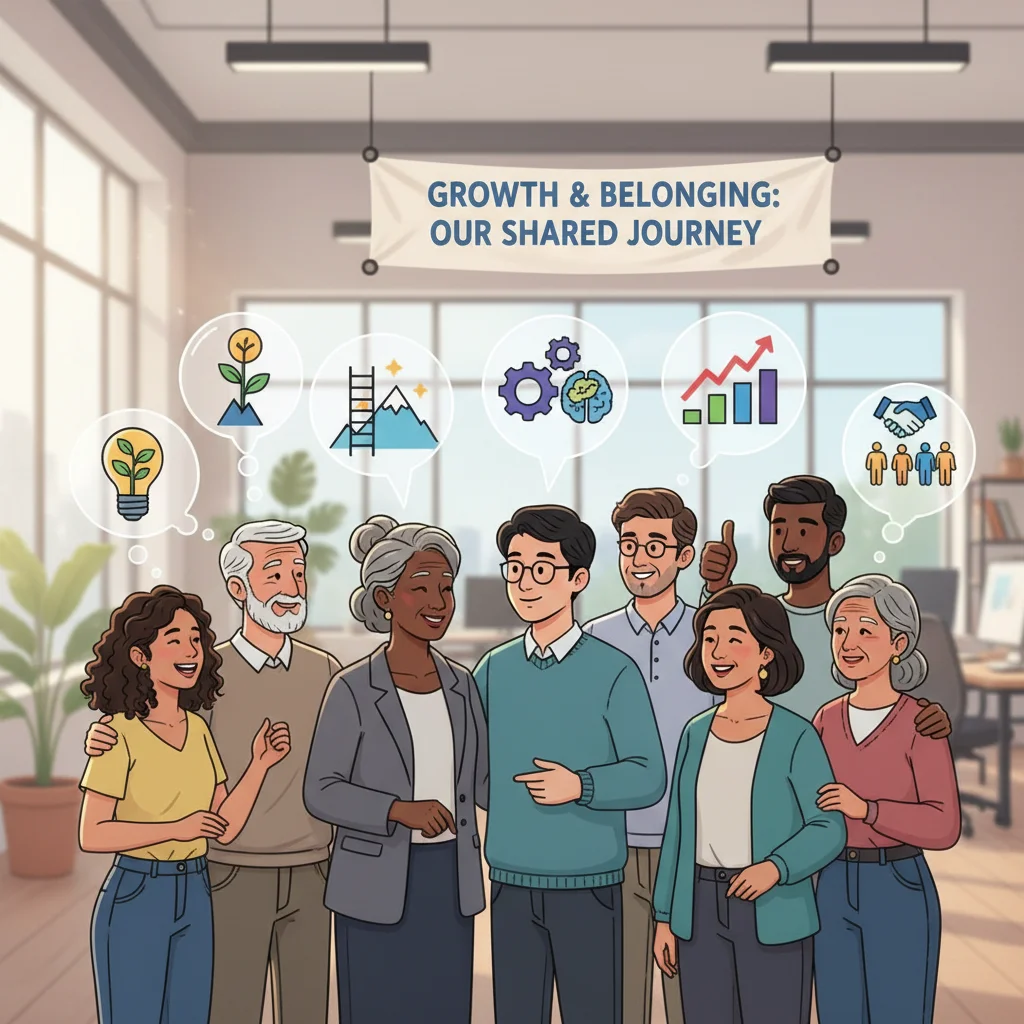
For the first time in history, five generations are coexisting in the American workforce, each with distinct values, communication styles, and expectations regarding career development. From Baby Boomers to Gen Z, this generational mosaic presents both challenges and opportunities for mentorship. Younger generations often seek continuous feedback, purpose-driven work, and a sense of belonging, while older generations bring a wealth of experience and institutional knowledge. This diversity necessitates a departure from one-size-fits-all mentorship models. Organizations must cultivate environments where reverse mentorship (where younger employees mentor older ones on topics like technology or social media) and peer mentorship thrive alongside traditional structures. Understanding these diverse perspectives is central to fostering effective Mentorship Cultural Shifts.
The Rise of Diversity, Equity, and Inclusion (DEI)
The imperative for diversity, equity, and inclusion has moved from a buzzword to a fundamental business strategy. This shift profoundly impacts mentorship, demanding that programs are designed to be equitable and accessible to all, particularly those from underrepresented groups. Traditional mentorship often inadvertently perpetuated existing biases, with mentees tending to gravitate towards mentors who looked like them or shared similar backgrounds. The future of mentorship requires intentional efforts to break down these barriers, ensuring that individuals from diverse backgrounds have access to the guidance and sponsorship they need to succeed. This means actively matching mentees with mentors who can offer different perspectives, challenge assumptions, and champion their growth within the organization. These Mentorship Cultural Shifts are driving more equitable outcomes.
Key Cultural Shifts in Mentorship for 2026
Beyond the underlying forces, specific cultural shifts are becoming increasingly prominent in the domain of professional mentorship. These are the tangible changes in how mentorship is perceived, practiced, and valued.
From Hierarchical to Horizontal Mentorship
The traditional top-down model, where a senior leader imparts wisdom to a junior employee, is being complemented, and in some cases replaced, by more horizontal structures. Peer mentorship, where individuals at similar career stages support each other, is gaining traction. Similarly, ‘situational mentorship’ or ‘micro-mentorship’ allows individuals to seek guidance on specific skills or challenges from various experts, rather than relying on a single, long-term mentor. This fluid approach acknowledges that expertise can reside at any level of an organization and that learning is a continuous, multi-directional process. This shift promotes a culture of shared learning and collective growth, a significant aspect of Mentorship Cultural Shifts.
Emphasis on Sponsorship and Advocacy
While mentorship focuses on guidance and advice, sponsorship takes it a step further: it involves actively advocating for a mentee’s career advancement, opening doors, and using one’s influence to create opportunities. In 2026, the distinction between mentorship and sponsorship will become even more pronounced. Organizations and mentors will increasingly recognize the importance of not just advising, but actively championing the careers of their mentees, especially those from underrepresented groups who may lack natural advocates. This active endorsement is critical for breaking through glass ceilings and fostering true equity in career progression. The integration of sponsorship is a vital component of the ongoing Mentorship Cultural Shifts.
Holistic Development Beyond Career Ladders
The scope of mentorship is broadening beyond purely professional skills and career trajectory. Mentees are increasingly seeking guidance on work-life balance, mental well-being, ethical decision-making, and personal branding. Mentors are expected to offer more holistic support, understanding that a successful career is intertwined with personal well-being and a strong sense of purpose. This shift reflects a broader societal trend towards valuing employee well-being and a more human-centric approach to work. Mentorship is becoming a vehicle for developing well-rounded individuals, not just proficient employees. This comprehensive approach is a hallmark of modern Mentorship Cultural Shifts.
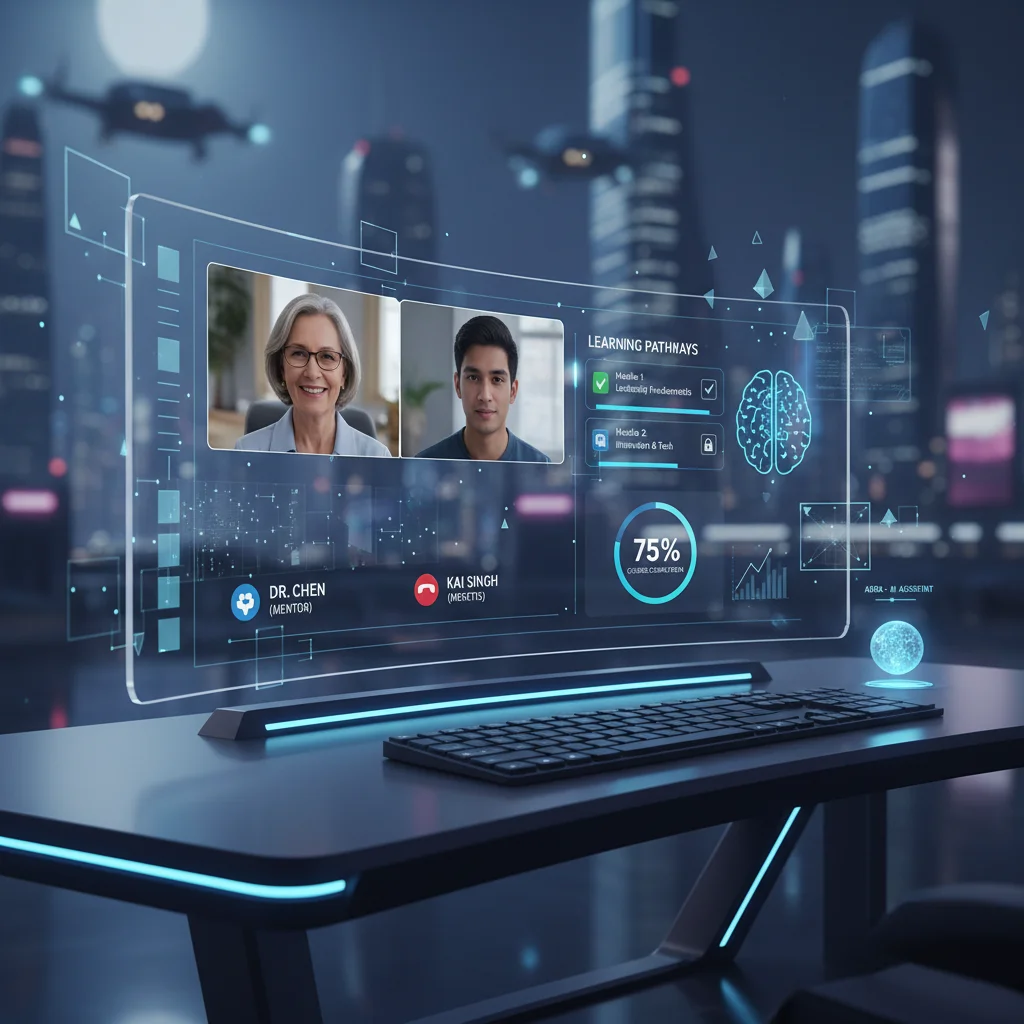
Data-Driven and AI-Enhanced Mentorship Matching
Gone are the days of purely informal or ad-hoc mentorship pairings. By 2026, organizations will increasingly leverage data analytics and artificial intelligence to facilitate more effective mentor-mentee matches. Algorithms can analyze skills, experience, personality traits, and development goals to suggest optimal pairings, increasing the likelihood of successful relationships. This data-driven approach not only streamlines the matching process but also helps to mitigate unconscious biases that might arise in manual matching. However, the human element remains paramount; technology serves as an enabler, not a replacement, for genuine human connection. The smart integration of technology is central to these Mentorship Cultural Shifts.
Global and Cross-Cultural Mentorship
As businesses become more globalized, the need for cross-cultural understanding and collaboration intensifies. Mentorship will increasingly transcend national borders, connecting professionals from different cultural backgrounds. This offers invaluable opportunities for mentees to gain diverse perspectives, develop cultural intelligence, and navigate international business landscapes. However, it also presents challenges related to communication styles, cultural norms, and time zones, requiring mentors and mentees to be adaptable and culturally sensitive. Embracing this global perspective is a key aspect of future Mentorship Cultural Shifts.
Implications for Organizations and Individuals
These Mentorship Cultural Shifts have significant ramifications for both organizations and individual professionals. Adapting to these changes is not optional; it’s essential for sustained success.
For Organizations: Building a Future-Ready Workforce
Organizations must proactively design and implement mentorship programs that reflect these evolving cultural shifts. This means moving beyond informal initiatives to structured, well-supported programs that are integrated into the overall talent development strategy. Key considerations include:
- Investing in Technology: Adopting virtual mentorship platforms, AI matching tools, and digital learning resources.
- Training Mentors: Equipping mentors with the skills to navigate diverse generational and cultural differences, provide holistic support, and actively sponsor mentees.
- Promoting Inclusivity: Deliberately designing programs to ensure equitable access and opportunities for all employees, focusing on underrepresented groups.
- Measuring Impact: Implementing metrics to track the effectiveness of mentorship programs, demonstrating ROI, and continuously refining strategies.
- Fostering a Culture of Learning: Creating an organizational environment where continuous learning, knowledge sharing, and reciprocal mentorship are celebrated and incentivized.
By embracing these changes, organizations can enhance employee retention, accelerate skill development, improve succession planning, and foster a more engaged and innovative workforce. The return on investment in modernized mentorship programs will be substantial, impacting everything from productivity to organizational culture.
For Individuals: Taking Ownership of Your Development
The evolving mentorship landscape empowers individuals to take a more active and personalized approach to their professional development. Mentees are no longer passive recipients of advice but active co-creators of their learning journeys. Individuals should:
- Seek Multiple Mentors: Embrace the idea of having a ‘personal board of directors’ – a network of mentors for different aspects of their career and life.
- Be Proactive: Don’t wait for mentorship opportunities to come to you. Actively seek out potential mentors, define your development goals, and clearly communicate what you hope to gain from the relationship.
- Be a Mentee and a Mentor: Engage in reverse mentorship or peer mentorship. The act of mentoring others can solidify your own understanding and leadership skills.
- Leverage Technology: Utilize online platforms and digital tools to connect with mentors, access learning resources, and manage mentorship relationships.
- Embrace Diversity: Seek out mentors from different backgrounds, industries, and generations to broaden your perspective and develop cultural intelligence.
- Define Your Needs: Understand what kind of mentorship you need – whether it’s career guidance, skill development, personal branding, or holistic well-being support.
By actively engaging with these Mentorship Cultural Shifts, individuals can accelerate their career growth, build robust professional networks, and develop the adaptability needed to thrive in the future of work.
Challenges and Considerations
While the cultural shifts in mentorship present exciting opportunities, they also come with inherent challenges that need to be addressed. Navigating these complexities will be key to successful implementation.
Maintaining Authenticity in Digital Interactions
One of the primary concerns with the rise of digital mentorship is the potential loss of authentic human connection. While technology offers convenience and accessibility, it can sometimes lack the nuance and spontaneity of in-person interactions. Organizations must encourage mentors and mentees to prioritize quality engagement over quantity, fostering genuine relationships even in a virtual setting. This might involve encouraging video calls over text-based communication, facilitating virtual coffee breaks, or even occasional in-person meetups where feasible. The goal is to ensure that technology enhances, rather than detracts from, the personal bond that is fundamental to effective mentorship.
Addressing Digital Divide and Access
The reliance on technology for mentorship can inadvertently exacerbate existing inequalities. Not all employees may have equal access to reliable internet, suitable devices, or the digital literacy required to fully engage with virtual mentorship platforms. Organizations must be mindful of the digital divide and provide necessary resources and training to ensure that all employees can participate equitably. This includes offering subsidies for internet access, providing company devices, or offering digital skills workshops. Equitable access is a critical consideration in ensuring that Mentorship Cultural Shifts benefit everyone.
Overcoming Resistance to Change
Any significant cultural shift will inevitably encounter resistance. Some seasoned professionals may be hesitant to embrace reverse mentorship or peer mentorship, preferring traditional hierarchical models. Younger generations might be wary of formal, structured programs, preferring more agile and informal connections. Effective change management strategies, clear communication about the benefits of new approaches, and leadership buy-in are essential to overcome this resistance. Showcasing success stories and providing ample training and support can help ease the transition and foster acceptance of new mentorship paradigms.
Ensuring Quality and Accountability
As mentorship becomes more diversified and technologically driven, maintaining quality and accountability becomes crucial. How do organizations ensure that mentors are providing effective guidance? How are mentee needs being met? Implementing clear guidelines, providing ongoing training for mentors, establishing feedback mechanisms, and regularly evaluating program outcomes are vital. The focus should always be on measurable impact – not just participation rates, but actual development, skill acquisition, and career progression. This rigorous approach will ensure that the Mentorship Cultural Shifts lead to tangible positive results.
Conclusion: Embracing the Future of Mentorship
The year 2026 will mark a significant milestone in the evolution of professional mentorship in America. The convergence of technological innovation, generational diversity, and a heightened focus on DEI is catalyzing profound Mentorship Cultural Shifts. The future of mentorship is dynamic, inclusive, and highly personalized, moving beyond traditional structures to embrace a multifaceted approach that leverages technology while prioritizing authentic human connection.
For organizations, this means a strategic imperative to invest in modern mentorship programs that are technologically advanced, culturally sensitive, and deeply integrated into their talent development frameworks. For individuals, it signifies an opportunity to take greater ownership of their learning journey, seeking out diverse guidance and actively participating in reciprocal mentorship relationships.
By understanding and proactively adapting to these cultural shifts, both organizations and individuals can unlock unprecedented potential for growth, resilience, and success in the ever-changing professional landscape. The future of mentorship is not just about imparting knowledge; it’s about fostering a culture of continuous learning, mutual support, and equitable opportunity for all.