Future Kitchen: Smart Appliances for Faster Meal Prep by 2026
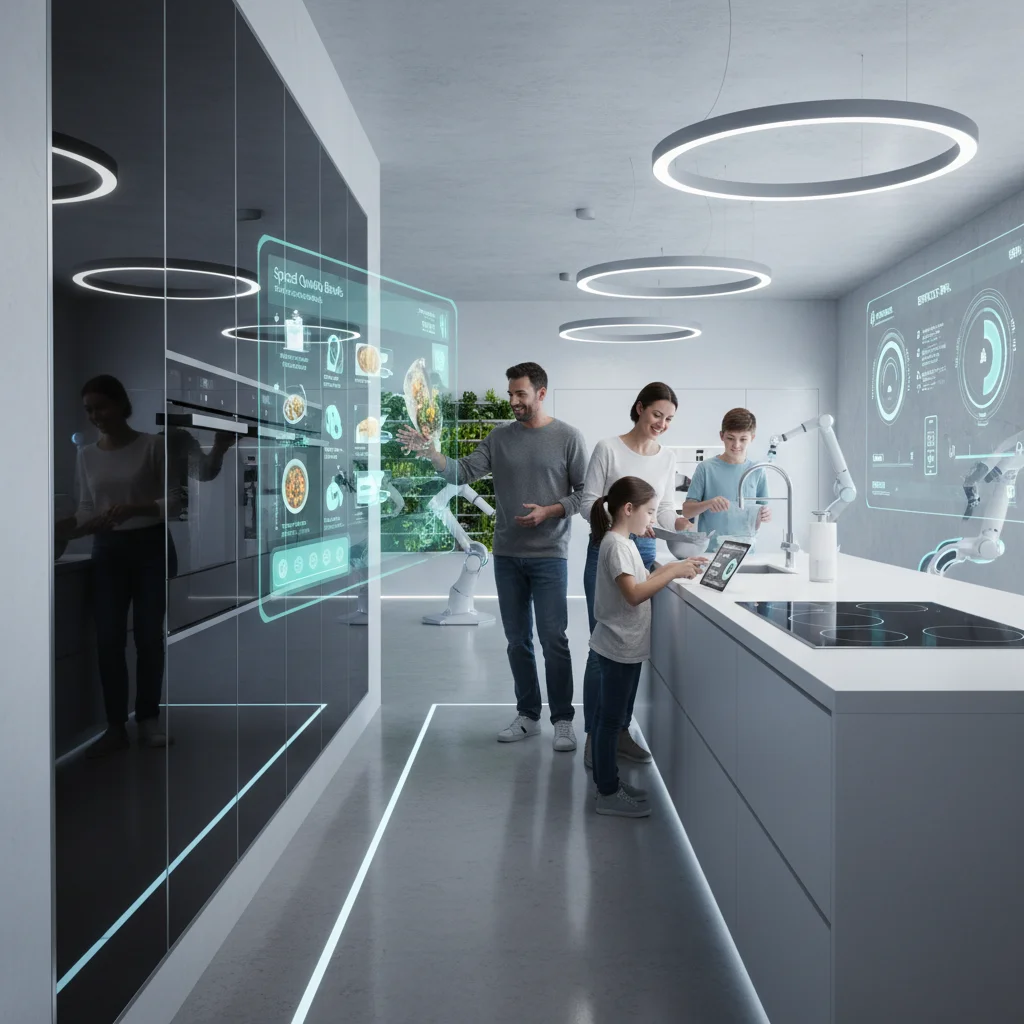
The kitchen, often considered the heart of the home, is undergoing a profound transformation. What was once a space primarily for cooking has evolved into a hub of innovation, where technology seamlessly integrates to enhance efficiency, convenience, and enjoyment. We’re on the cusp of an era where meal preparation, once a time-consuming chore, will become significantly faster and more intuitive, thanks to the rapid advancements in smart kitchen appliances. Industry experts predict that by mid-2026, these connected devices will reduce meal prep time by an astonishing 30%. This isn’t merely wishful thinking; it’s a tangible reality driven by cutting-edge technology and a growing demand for smarter living.
The concept of a ‘connected kitchen’ is no longer a futuristic fantasy but a present-day marvel. Imagine appliances that communicate with each other, anticipate your needs, and even order groceries when supplies run low. This interconnected ecosystem is designed to streamline every aspect of cooking, from planning and shopping to preparation and cleanup. For busy professionals, families juggling multiple schedules, or anyone looking to reclaim precious time, these innovations offer a compelling solution. The promise of saving 30% on meal prep time translates into more moments for relaxation, hobbies, or simply enjoying quality time with loved ones.
But what exactly are these game-changing appliances, and how do they work their magic? In this comprehensive guide, we’ll delve into the top five smart kitchen appliances that are leading this revolution. We’ll explore their functionalities, the technology behind them, and how they contribute to a faster, more efficient cooking experience. From intelligent ovens that cook with precision to robotic assistants that handle mundane tasks, prepare to discover the future of your kitchen.
The Rise of the Connected Kitchen: Why Smart Appliances Matter
Before we dive into specific gadgets, it’s crucial to understand the overarching trend driving this shift: the connected kitchen. This paradigm represents a convergence of the Internet of Things (IoT) with culinary practices. Appliances equipped with Wi-Fi, Bluetooth, and advanced sensors can now communicate with each other, with your smartphone, and even with AI-powered assistants. This connectivity unlocks a plethora of benefits:
- Enhanced Efficiency: Tasks that once required manual oversight can now be automated or remotely managed, freeing up your time.
- Reduced Waste: Smart refrigerators track inventory and expiration dates, helping you minimize food waste.
- Improved Cooking Results: Precision cooking technologies ensure consistent and delicious outcomes every time.
- Personalized Experience: Appliances learn your preferences and suggest recipes tailored to your taste and dietary needs.
- Convenience: Start your oven on your way home, check on your slow cooker from work, or get step-by-step cooking instructions on a smart display.
The integration of artificial intelligence (AI) and machine learning (ML) further amplifies these benefits. As you use your smart kitchen appliances, they gather data, learn your habits, and refine their performance to better serve you. This continuous improvement is what makes the 30% reduction in meal prep time not just achievable, but sustainable.
1. The Intelligent Oven: Precision Cooking at Your Fingertips
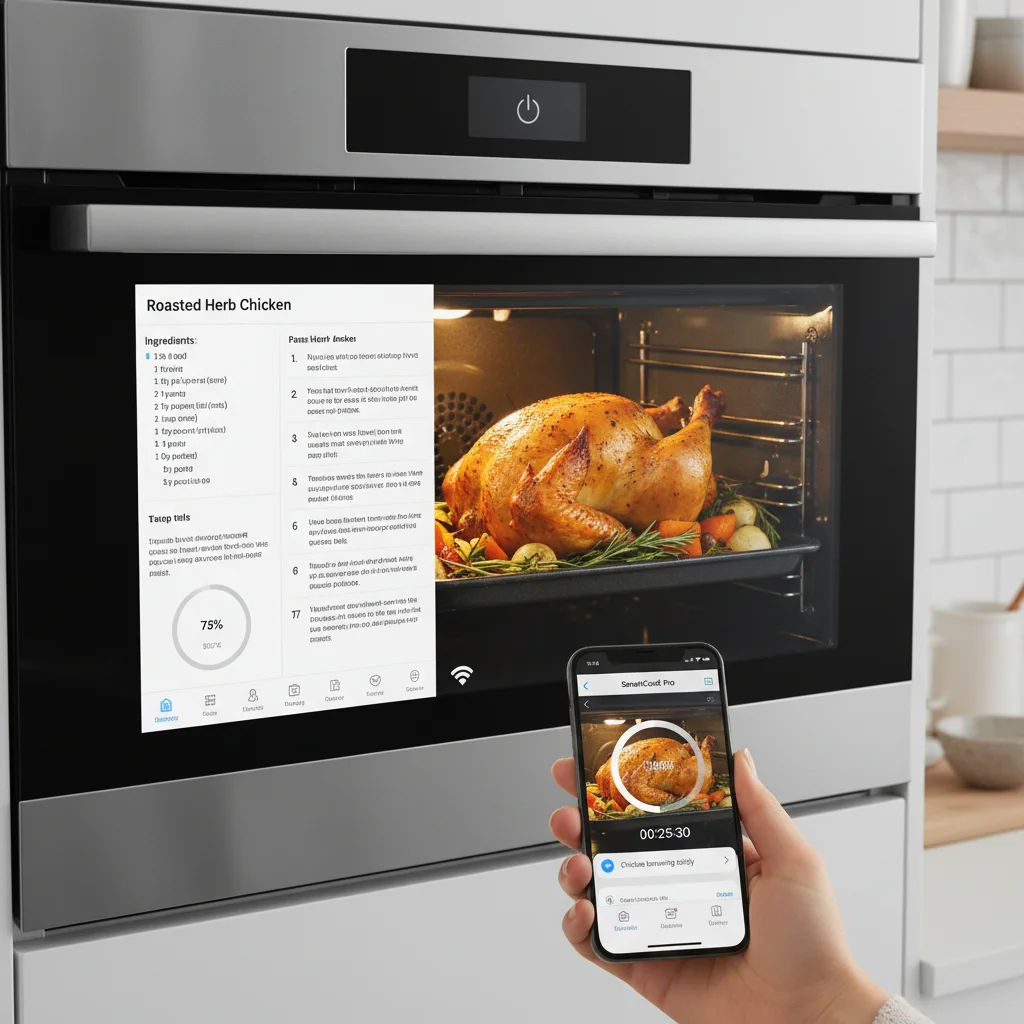
Gone are the days of constantly checking your food, wondering if it’s cooked through or on the verge of burning. The intelligent oven is a cornerstone of the smart kitchen, bringing unparalleled precision and convenience to baking, roasting, and broiling. These ovens are equipped with advanced sensors, internal cameras, and often AI-powered recipe recognition.
Key Features and How They Speed Up Prep:
- Remote Control and Preheating: Imagine leaving work and preheating your oven from your smartphone. By the time you arrive home, it’s at the perfect temperature, cutting down the waiting period significantly.
- Integrated Cameras and AI Monitoring: Many smart ovens feature internal cameras that allow you to monitor your food’s progress from anywhere via an app. AI algorithms can even detect doneness and automatically adjust cooking times or temperatures, preventing overcooking or undercooking.
- Automatic Recipe Integration: Some models can download recipes directly, pre-setting the exact temperature, cooking time, and even specific modes (e.g., convection bake, air fry) required. This eliminates guesswork and manual adjustments.
- Self-Cleaning Cycles: While not directly related to prep, efficient self-cleaning functions mean less time spent on maintenance, contributing to overall kitchen efficiency.
- Voice Control: Integrate with smart home assistants like Amazon Alexa or Google Assistant to control your oven with voice commands, a truly hands-free experience when your hands are busy with ingredients.
The intelligent oven doesn’t just cook food; it manages the cooking process, ensuring perfect results while allowing you to focus on other aspects of meal preparation or simply relax. This automation is a significant factor in achieving that coveted 30% time saving.
2. The Smart Refrigerator: Your Culinary Command Center
More than just a cooling box, the smart refrigerator is evolving into the central nervous system of your connected kitchen. These appliances are designed to help you manage your groceries, plan meals, and even entertain, all from one central hub.
Key Features and How They Speed Up Prep:
- Internal Cameras and Inventory Management: Forget making a grocery list only to realize you already have an item. Internal cameras allow you to see what’s inside your fridge from your phone while at the store. Some models even use AI to identify items and track expiration dates, alerting you when food is about to spoil.
- Meal Planning and Recipe Suggestions: Based on your available ingredients and dietary preferences, smart refrigerators can suggest recipes. This eliminates the ‘what’s for dinner?’ dilemma, saving significant planning time.
- Automated Grocery Ordering: When certain staples run low, your smart fridge can automatically add them to a digital shopping list or even place an order with your preferred online grocer.
- Interactive Touchscreens: Large touchscreens on the door can display calendars, leave notes for family members, stream music, and provide step-by-step recipe instructions, making multitasking easier.
- Water and Ice Dispensers with Advanced Filtration: While standard, smart versions might track filter life and even order replacements.
By streamlining inventory, simplifying meal planning, and even handling grocery orders, the smart refrigerator tackles some of the most time-consuming aspects of meal preparation before you even start cooking. It’s a proactive approach to kitchen management that significantly contributes to overall efficiency and reduces stress.
3. The Robotic Kitchen Assistant: Your Automated Sous Chef
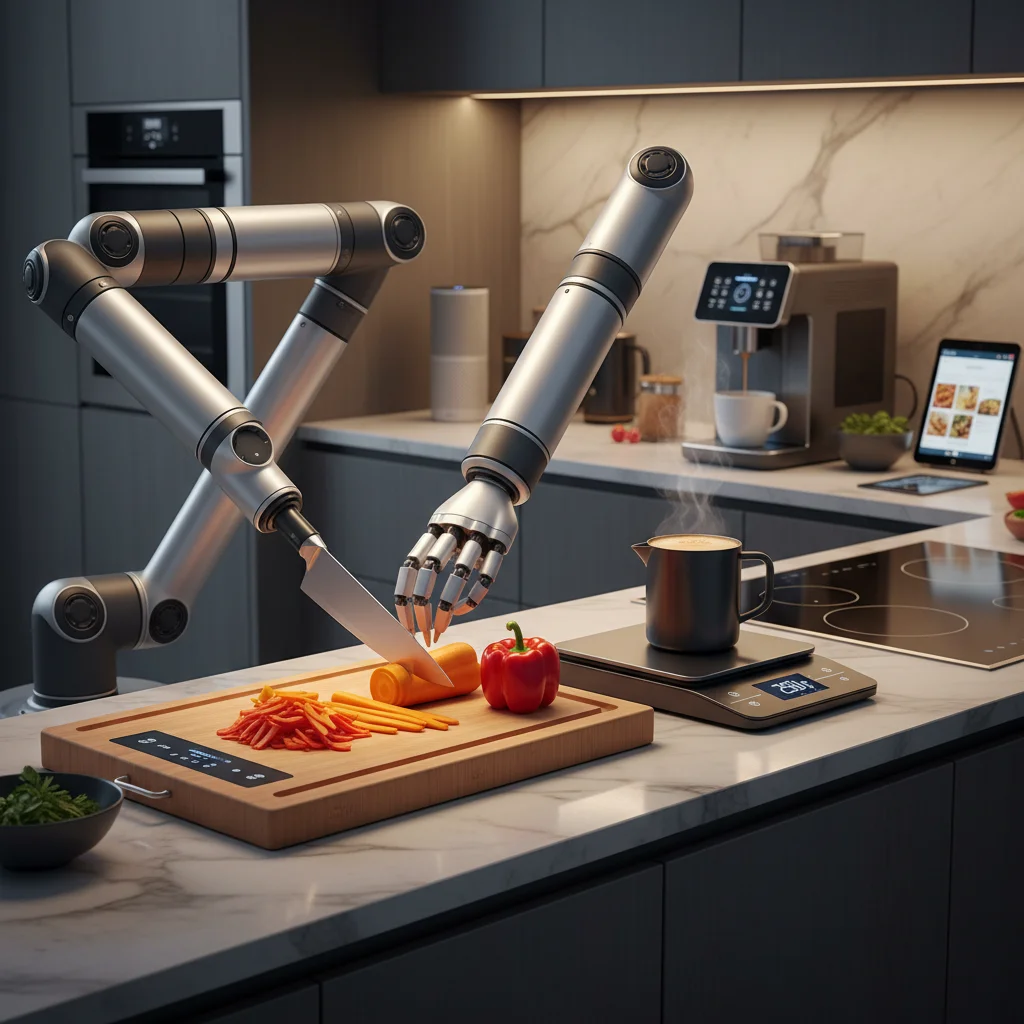
Perhaps the most futuristic of all, robotic kitchen assistants are emerging as game-changers in the realm of hands-on meal prep. These devices are designed to handle repetitive, precise, or time-consuming tasks that typically require manual labor.
Key Features and How They Speed Up Prep:
- Automated Chopping, Slicing, and Dicing: Robots can precisely cut vegetables, fruits, and other ingredients according to specific dimensions, ensuring consistency and saving immense amounts of time compared to manual chopping.
- Stirring and Mixing: Some robotic arms can stir pots, knead dough, or mix ingredients, ensuring even cooking and freeing up your hands for other tasks.
- Weighing and Measuring: Integrated smart scales ensure accurate measurement of ingredients, crucial for baking and complex recipes, eliminating manual weighing.
- Temperature Monitoring and Adjustment: Advanced robots can monitor cooking temperatures in pots and pans, adjusting heat as needed to prevent burning or undercooking.
- Recipe Execution: With pre-programmed recipes, these assistants can follow instructions to the letter, adding ingredients at the right time and performing necessary actions.
While still a nascent category, the potential of robotic kitchen assistants to revolutionize meal prep is immense. They promise to take over the most laborious and time-intensive aspects of cooking, allowing home chefs to focus on creativity and flavor development. This direct automation of physical tasks is a direct pathway to significant time savings.
4. The Smart Induction Cooktop: Faster, Safer, and More Precise Cooking
Induction cooktops have long been praised for their efficiency, but smart induction cooktops take this a step further, integrating connectivity and intelligence to optimize your stovetop cooking.
Key Features and How They Speed Up Prep:
- Instant Heating and Precise Temperature Control: Induction heats cookware directly and almost instantaneously, significantly reducing preheating times. Smart versions offer even finer temperature control, allowing you to set exact degrees for simmering, boiling, or frying.
- Integrated Sensors for Perfect Results: Some smart cooktops feature sensors that monitor the temperature of your cookware or even the food itself, automatically adjusting heat to prevent boiling over or burning.
- Guided Cooking Programs: Many smart induction cooktops come with pre-programmed recipes that guide you through each step, automatically setting the right temperature and cooking time for specific dishes.
- Remote Monitoring and Control: Similar to smart ovens, you can often monitor and adjust cooktop settings from your smartphone, ensuring your meal is progressing even if you step away.
- Safety Features: Automatic shut-off functions and pan detection sensors enhance safety, giving you peace of mind.
The speed and precision of smart induction cooktops dramatically cut down on actual cooking time, which is a major component of meal prep. No more waiting for burners to heat up, and less risk of ruined dishes means less redoing, further contributing to efficiency.
5. The Smart Coffee Maker and Beverage System: Beyond Just Coffee
While often overlooked in meal prep discussions, smart beverage systems play a crucial role in creating a streamlined morning routine and providing quick, customized drinks throughout the day, indirectly freeing up time that can be reallocated to other prep tasks.
Key Features and How They Speed Up Prep:
- Scheduled Brewing: Wake up to freshly brewed coffee or tea precisely when you need it. Program your smart coffee maker from your bed, eliminating the morning rush to brew.
- Customized Drinks: Many smart systems allow you to customize beverage strength, temperature, and volume via an app. Some even integrate with smart home assistants for voice-activated drink orders.
- Automated Ingredient Ordering: Some high-end systems can track coffee bean levels or water filter life and automatically reorder supplies, ensuring you never run out.
- Multi-Beverage Capabilities: Beyond coffee, these systems can often prepare a range of hot and cold beverages, from teas to frothed milk, all at the touch of a button or voice command.
- Integration with Morning Routines: Link your smart coffee maker with other smart home devices to trigger a ‘good morning’ routine that includes brewing your coffee as your lights turn on.
By automating and personalizing your daily beverage routine, smart coffee makers and beverage systems save valuable minutes every day. These small time savings accumulate, allowing you to dedicate more attention to actual meal preparation or simply enjoy a more relaxed start to your day.
The Synergy of Smart Kitchen Appliances: More Than the Sum of Their Parts
The true power of smart kitchen appliances lies not just in their individual capabilities, but in their ability to work together as a cohesive unit. When your smart refrigerator suggests a recipe, it can send the cooking instructions directly to your smart oven, which then preheats to the correct temperature. Your smart cooktop can adjust its heat based on real-time feedback from a smart pan, while your robotic assistant handles the chopping. This interconnectedness creates a seamless workflow that drastically reduces manual intervention and decision-making time.
Imagine a scenario:
- Your smart refrigerator identifies ingredients nearing their expiration date and suggests a stir-fry recipe.
- You approve the recipe via its touchscreen, and it automatically adds any missing ingredients to your online grocery cart.
- While the groceries are being delivered, your robotic assistant begins chopping the vegetables according to the recipe’s specifications.
- Your smart induction cooktop preheats your wok to the precise temperature.
- Upon your command, the robotic assistant adds the prepped ingredients to the wok, stirring them at optimal intervals.
- Meanwhile, your smart oven is preheating for a side dish, and your smart coffee maker has brewed your afternoon pick-me-up.
This level of integration and automation is what will drive the predicted 30% reduction in meal prep time by mid-2026. It’s a fundamental shift from reactive cooking to proactive, intelligent kitchen management.
Challenges and Considerations for Adopting Smart Kitchen Appliances
While the benefits are clear, adopting a fully connected kitchen also comes with its own set of considerations:
- Cost: Smart appliances often come with a higher upfront cost compared to their traditional counterparts. However, the long-term savings in time and potential reduction in food waste can offset this investment.
- Learning Curve: Integrating new technology requires some adaptation. While designed to be user-friendly, there will be a period of learning how to best utilize all the features.
- Data Privacy and Security: Connected devices collect data about your usage patterns. It’s important to be aware of privacy policies and ensure your network is secure to protect your personal information.
- Interoperability: Not all smart devices from different brands communicate seamlessly. Researching compatibility and opting for ecosystems that work well together is key.
- Reliability and Maintenance: Like any technology, smart appliances can experience glitches. Ensuring good warranty coverage and accessible customer support is important.
Despite these challenges, the trajectory towards smarter, more efficient kitchens is undeniable. Manufacturers are continually addressing these concerns, making the technology more accessible, secure, and user-friendly with each iteration.
The Future is Now: Preparing Your Kitchen for 2026 and Beyond
The vision of cutting meal prep time by 30% by mid-2026 is not just a marketing slogan; it’s a testament to the transformative power of smart kitchen appliances. These devices are more than just gadgets; they are intelligent partners designed to simplify one of life’s most essential activities. By embracing these innovations, you’re not only saving time but also enhancing your culinary skills, reducing waste, and creating a more enjoyable and efficient home environment.
As you consider upgrading your kitchen, think about how these five categories of smart appliances can integrate into your lifestyle. Start with one or two devices that address your biggest pain points in the kitchen, whether it’s meal planning, cooking precision, or hands-on preparation. As you experience the benefits, you can gradually expand your connected ecosystem.
The kitchen of tomorrow is already taking shape today. It’s a place where technology empowers you, making cooking less of a chore and more of a creative, effortless pursuit. Get ready to experience the future of food preparation, where your smart kitchen appliances work in harmony to give you back precious time and elevate your culinary journey.
What smart kitchen appliance are you most excited to try? Share your thoughts in the comments below!