Gen Z & Beyond: Shaping Product Development for the Next Decade
Gen Z & Beyond: 5 Emerging U.S. Consumer Values Shaping Product Development for the Next Decade
The consumer landscape is in a constant state of flux, but rarely has a generation commanded such a profound and rapid shift as Gen Z. Born roughly between 1997 and 2012, this demographic cohort is not just the largest generation in U.S. history; they are also digital natives, socially conscious, and economically powerful. Their unique experiences and perspectives are fundamentally reshaping what consumers expect from brands and products. For businesses aiming to thrive in the next decade, understanding these emerging Gen Z consumer values is not just advantageous – it’s imperative for successful product development.
This article delves deep into five critical consumer values championed by Gen Z that are already influencing, and will continue to define, product development strategies. From sustainability to authentic personalization, these values are setting new benchmarks for innovation, marketing, and corporate responsibility. Ignoring these shifts risks irrelevance; embracing them opens doors to unparalleled growth and brand loyalty. Let’s explore how these values are not just trends, but foundational pillars for the future of commerce.
1. Unwavering Commitment to Sustainability and Ethical Practices
Perhaps the most prominent and impactful of all Gen Z consumer values is their deep-seated commitment to sustainability and ethical practices. Unlike previous generations who might have viewed ‘green’ products as a niche, Gen Z sees environmental responsibility and ethical sourcing as non-negotiable. They have grown up acutely aware of climate change, social injustices, and the environmental footprint of global industries. This awareness translates directly into their purchasing decisions, making sustainable product development a top priority for businesses.
For Gen Z, it’s not enough for a product to simply ‘work.’ They demand to know its origin, its impact on the planet, and the labor conditions under which it was produced. This means brands must move beyond superficial greenwashing and adopt genuinely sustainable practices across their entire supply chain. This includes using recycled or upcycled materials, minimizing waste, reducing carbon emissions, and ensuring fair wages and safe working conditions for all employees involved in production. Companies that can transparently demonstrate their commitment to these values will gain a significant competitive edge.
The Rise of Circular Economy Models
A key aspect of this value is the increasing interest in circular economy models. Gen Z consumers are more likely to support brands that offer repair services, take-back programs, or products designed for longevity and recyclability. They are moving away from the linear ‘take-make-dispose’ model and gravitating toward products that minimize waste and maximize resource efficiency. For product developers, this means designing for durability, modularity, and end-of-life considerations from the outset. It also involves exploring innovative packaging solutions that are compostable, reusable, or significantly reduce plastic usage.
Transparency as a Cornerstone
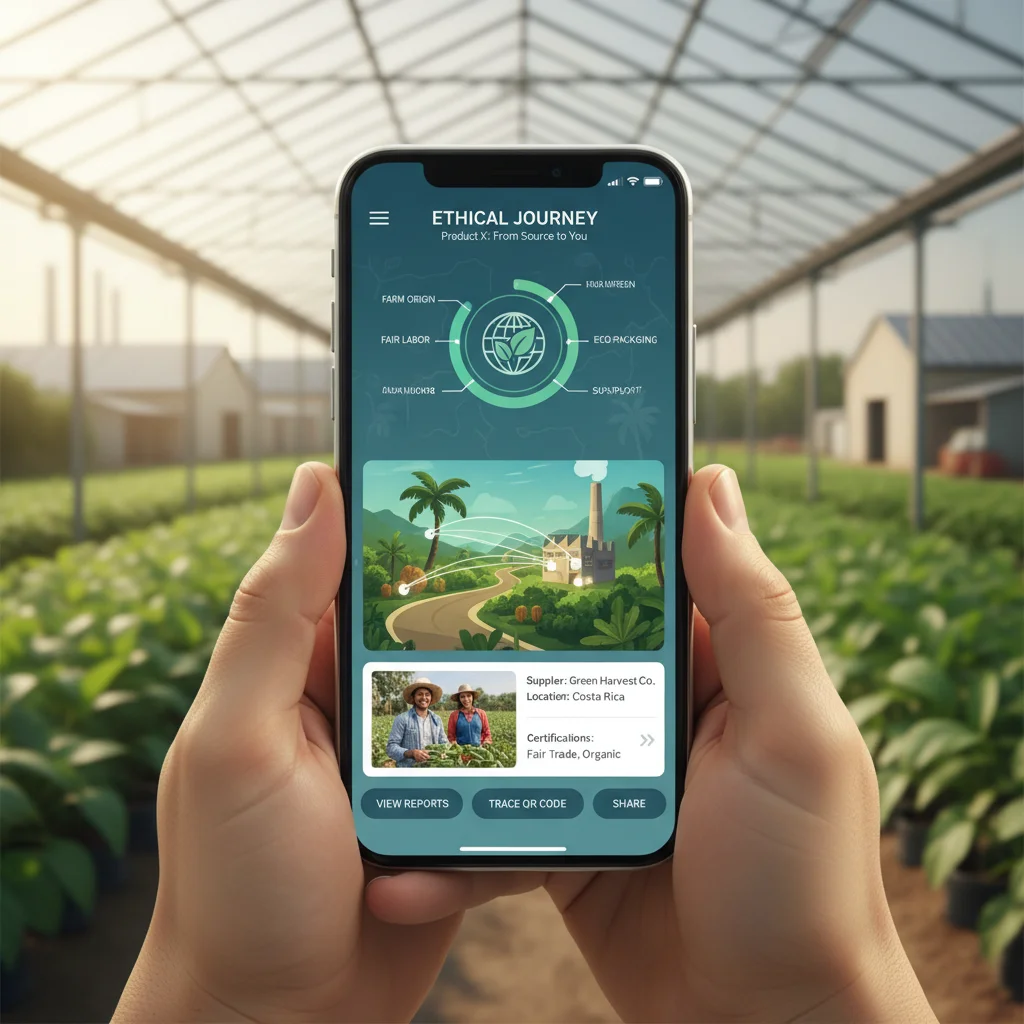
Transparency is another critical component. Gen Z is adept at sniffing out inauthenticity. They expect brands to be open about their environmental impact, their supply chain, and their corporate social responsibility initiatives. Certifications from reputable third-party organizations (e.g., Fair Trade, B Corp, Leaping Bunny) can build trust, but even more impactful is direct communication and storytelling about a brand’s journey towards sustainability. This can involve QR codes on products linking to supply chain information, detailed reports on environmental impact, or engaging content showcasing ethical production processes. Brands that are honest about their challenges and actively working to improve will resonate more deeply than those that project an image of perfection.
Product developers must integrate sustainability into every stage of the lifecycle, from raw material selection to manufacturing processes and end-of-life management. This isn’t just about compliance; it’s about building a brand that aligns with the core values of the next generation of consumers. Companies that fail to adapt will find themselves increasingly out of touch with a demographic that prioritizes purpose as much as profit.
2. Demand for Authenticity and Transparency
Closely linked to sustainability, but extending into all facets of brand interaction, is Gen Z’s profound demand for authenticity and transparency. Having grown up in an era of constant digital information, fake news, and highly curated social media feeds, this generation is highly skeptical of traditional advertising and corporate speak. They seek genuine connections with brands that reflect their values and present themselves honestly. This is a fundamental shift in Gen Z consumer values that requires a complete rethink of marketing and product messaging.
Authenticity for Gen Z means a brand’s actions must align with its stated values. If a company claims to be socially responsible, its internal policies, employee treatment, and supply chain practices must reflect that. They are quick to call out hypocrisy and greenwashing, often leveraging social media to amplify their concerns. Product development, therefore, needs to be rooted in genuine purpose, not just market trends. If a product is designed to solve a problem, its core functionality and messaging should clearly communicate that purpose without embellishment.
Beyond Marketing: Product as a Statement
For Gen Z, products are often an extension of their identity and a statement of their values. They are less swayed by celebrity endorsements and more by peer reviews, user-generated content, and the actual experiences of real people. This means product development needs to focus on creating genuinely valuable, high-quality items that deliver on their promises. The product itself becomes the most powerful marketing tool, as its performance and impact will be scrutinized and shared across digital platforms.
Transparency extends to pricing, ingredient lists, and even the manufacturing process. Brands that are open about their costs, their challenges, and their imperfections often build greater trust than those that try to project an image of flawless perfection. For example, a food company that clearly lists all ingredients, explains their sourcing, and even shares nutritional information in an easy-to-understand format will likely resonate more than one that uses vague terms and hidden additives.
The Power of User-Generated Content and Reviews
Product developers should actively encourage user-generated content and honest reviews. This not only provides valuable feedback for product iteration but also serves as authentic social proof that Gen Z trusts far more than traditional advertisements. Integrating features that allow users to easily share their experiences, customize products, or even co-create new ones can foster a sense of community and ownership, further solidifying brand loyalty among this demographic.
In essence, authenticity and transparency are about building genuine relationships with consumers. It’s about being real, honest, and consistent in every interaction, from product design to customer service. Brands that master this will find themselves with a fiercely loyal customer base that champions their products and values.
3. Hyper-Personalization and Individual Expression
Having grown up in a world saturated with personalized algorithms, customized content feeds, and on-demand services, Gen Z expects products and experiences to be tailored to their individual needs and preferences. This drive for hyper-personalization is a dominant force among Gen Z consumer values, influencing everything from fashion to technology and even services. They don’t just want options; they want to feel seen and understood as unique individuals.
This isn’t merely about offering different colors or sizes. True hyper-personalization involves products that can be customized to a significant degree, adapting to individual lifestyles, tastes, and even values. Think of customizable sneakers, build-your-own meal kits, or software that learns user habits and adjusts its interface accordingly. The desire for individual expression is strong, and products that enable this creatively and meaningfully will capture their attention.
Data-Driven Customization and AI
Leveraging data and artificial intelligence (AI) is crucial for delivering hyper-personalization at scale. AI can analyze purchasing patterns, browsing history, and stated preferences to recommend products, suggest modifications, or even create entirely new product configurations. This can manifest in online configurators, personalized subscription boxes, or even products that adapt their functionality based on user input or environmental factors.
For example, in the beauty industry, brands are offering personalized skincare routines based on individual skin analysis. In fashion, companies are exploring made-to-order garments that perfectly fit unique body shapes and style preferences. The key is to empower the consumer to be a co-creator, giving them a sense of ownership and making the product truly ‘theirs.’
Community and Co-Creation
Beyond individual customization, Gen Z also values personalization within communities. This can involve limited-edition drops for specific groups, collaborative design challenges, or platforms where users can share their personalized creations. Brands that facilitate this co-creation not only foster deeper engagement but also gain invaluable insights into evolving consumer preferences, which can then inform future product development cycles. This interactive approach to product creation is a hallmark of modern Gen Z consumer values.
However, companies must navigate the fine line between personalization and privacy. Gen Z is also highly aware of data security and expects transparency in how their personal information is collected and used. Brands must clearly communicate their data policies and ensure that personalization efforts enhance the user experience without feeling intrusive or exploitative.
4. Digital Fluency and Seamless Omnichannel Experiences
As the first generation of true digital natives, Gen Z’s relationship with technology is fundamentally different from previous cohorts. They are accustomed to instant gratification, seamless digital interactions, and the ability to access information and products across multiple platforms. This digital fluency translates into an expectation for flawless omnichannel experiences, where the line between online and offline commerce is increasingly blurred. This is a non-negotiable aspect of modern Gen Z consumer values.
For product development, this means that the digital experience is just as important as the physical product itself. A product’s accompanying app, its online configurator, its presence on social media, and the ease of online purchasing are all integral parts of the overall product experience. If any of these touchpoints are clunky, slow, or inconsistent, it can deter a Gen Z consumer.
Integrated Digital and Physical Touchpoints
An omnichannel approach means integrating digital and physical touchpoints seamlessly. This could involve augmented reality (AR) tools that allow consumers to virtually try on clothes or place furniture in their homes before purchasing. It might include in-store experiences that leverage digital screens for customization or provide access to extended product information. Click-and-collect options, personalized in-app notifications, and consistent branding across all platforms are also crucial.
The purchasing journey for Gen Z is rarely linear. They might discover a product on TikTok, research it on a brand’s website, compare prices on a third-party app, read reviews on a forum, and then decide to purchase it in-store or online. Product developers must ensure that the product information, branding, and user experience are consistent and optimized at every potential touchpoint. This means investing in robust e-commerce platforms, intuitive mobile apps, and engaging digital content that supports the product narrative.

The Role of Social Commerce
Social commerce is another area where Gen Z’s digital fluency shines. They are highly influenced by peers and influencers on platforms like TikTok, Instagram, and YouTube. Product development needs to consider how products will be presented and consumed within these social ecosystems. This can involve designing products that are visually appealing for social sharing, creating interactive content for social platforms, or even collaborating with influencers to showcase product features and benefits. The product’s ‘shareability’ is a significant factor in its potential success.
Furthermore, customer service expectations are high. Gen Z expects quick, efficient, and personalized support, often through digital channels like live chat, social media messaging, or AI-powered chatbots. Product developers should consider how their products can be supported through these channels, ensuring a seamless post-purchase experience that reinforces brand loyalty.
5. Social Consciousness and Impact-Driven Consumption
Beyond environmental sustainability, Gen Z exhibits a strong sense of social consciousness that deeply influences their purchasing decisions. They are acutely aware of global issues, social inequalities, and corporate responsibility. This leads to a preference for brands that not only have a purpose beyond profit but actively contribute to positive social change. This is a foundational element of Gen Z consumer values.
This value manifests in several ways. Gen Z consumers are more likely to support brands that align with their political or social beliefs, whether that’s advocating for racial justice, gender equality, LGBTQ+ rights, or supporting local communities. They expect brands to take a stance on important issues and to back up their statements with tangible actions and contributions. Silence or neutrality on critical social issues can be perceived as indifference or even complicity, leading to brand alienation.
Beyond Donations: Integrated Social Impact
It’s not enough for a brand to simply donate a portion of its profits to charity, although that is certainly appreciated. Gen Z looks for brands that integrate social impact into their core business model and product development. This could involve fair trade practices, supporting marginalized communities through employment or skill development, or designing products that address specific social challenges. For example, a tech company might develop products specifically designed to bridge the digital divide, or a clothing brand might empower artisans in developing countries.
Product developers need to consider how their products and their brand’s operations contribute to a better world. This requires a holistic approach, examining everything from supply chain ethics to marketing messages and corporate culture. Products that tell a story of positive social impact, and do so authentically, will resonate deeply with this generation.
Ethical Labor and Supply Chains
The social consciousness of Gen Z also extends to ethical labor practices. They are highly sensitive to issues like child labor, sweatshops, and exploitative working conditions. Brands that can demonstrate transparent and ethical supply chains, ensuring fair treatment and living wages for all workers, will earn their trust and loyalty. This often means going beyond minimum legal requirements and actively seeking out suppliers who share similar ethical commitments. The product’s journey from raw material to consumer becomes a narrative of responsibility, and Gen Z is listening intently.
Ultimately, social consciousness for Gen Z is about aligning their purchasing power with their personal values. They see their consumption choices as a form of activism, a way to support the kind of world they want to live in. Brands that embody these values in their products and operations will not only attract this powerful demographic but also contribute to a more equitable and sustainable future.
Implications for Product Development in the Next Decade
The emergence of these five core Gen Z consumer values presents both challenges and unparalleled opportunities for product developers. The era of generic, mass-produced goods with opaque supply chains is rapidly fading. The future belongs to brands that are:
- Purpose-Driven: Products must solve real problems and contribute positively to society and the environment.
- Transparent and Authentic: Honesty about ingredients, sourcing, and corporate practices is paramount.
- Personalized and Expressive: Products must offer avenues for individual customization and reflect personal identity.
- Digitally Integrated: Seamless omnichannel experiences, from discovery to purchase to support, are essential.
- Socially Responsible: Brands must take a stand on social issues and embed ethical practices throughout their operations.
Successfully navigating this evolving landscape requires a fundamental shift in mindset. It means moving away from a purely transactional relationship with consumers and fostering genuine partnerships built on shared values. It involves investing in sustainable materials and processes, leveraging data for intelligent personalization, and embracing digital platforms as integral components of the product experience. Furthermore, it demands a commitment to ethical labor and a proactive stance on social issues.
Product development teams will need to be more agile, collaborative, and responsive to feedback. They will need to work closely with marketing, supply chain, and social responsibility teams to ensure that these values are woven into the very fabric of the product and brand. The focus will shift from simply creating a product to creating a holistic experience that resonates deeply with the values of Gen Z and beyond.
Looking Ahead: Beyond Gen Z
While this article focuses on Gen Z, it’s crucial to recognize that these values are not exclusive to this generation. Many older millennials already share these sentiments, and the emerging Gen Alpha (children of millennials and early Gen Z) will likely amplify these demands further. Therefore, investing in product development strategies aligned with these Gen Z consumer values is not just a short-term fix; it’s a long-term investment in the future relevance and success of any brand.
The next decade will be defined by consumers who seek more than just utility from their purchases. They seek meaning, connection, and a reflection of their own moral compass. Brands that can deliver on these deeper needs through innovative, responsible, and authentic product development will be the ones that capture hearts, minds, and market share for years to come.
Conclusion
Gen Z is not just another demographic; they are a transformative force in the U.S. consumer market. Their inherent digital fluency, combined with a heightened sense of social and environmental responsibility, has fundamentally reshaped consumer expectations. The five emerging Gen Z consumer values – an unwavering commitment to sustainability, a demand for authenticity and transparency, a craving for hyper-personalization, an expectation for seamless omnichannel experiences, and a strong drive for social consciousness – are the blueprints for successful product development in the next decade.
For businesses, this means moving beyond traditional product life cycles and embracing a more holistic, values-driven approach. It requires deep listening, continuous innovation, and a genuine commitment to ethical practices and positive impact. Brands that proactively integrate these values into their DNA will not only win the loyalty of Gen Z but also build a more resilient, relevant, and responsible business for the future. The time to adapt is now, as these values are not fleeting trends but the bedrock of tomorrow’s consumer landscape.