Decoding Great Resignation’s Cultural Aftershocks: 3 Key Insights for American Workplaces in 2026

Decoding the Great Resignation’s Cultural Aftershocks: 3 Key Insights for American Workplaces in 2026
The American labor market has been a whirlwind of change over the past few years, with the Great Resignation standing out as a pivotal moment. Far from being a fleeting trend, its impact continues to reverberate, shaping the very fabric of workplace culture. As we look towards 2026, understanding these enduring cultural aftershocks is not just beneficial; it’s absolutely critical for any organization striving for success and sustainability. The Great Resignation wasn’t merely about people leaving jobs; it was a profound re-evaluation of work, life, and purpose, leading to significant shifts in employee expectations and priorities.
Many businesses initially viewed the Great Resignation as a temporary anomaly, a byproduct of pandemic-induced stress and economic shifts. However, as the dust settles, it’s increasingly clear that the underlying currents of this mass exodus have fundamentally altered the landscape. Employees, empowered by new perspectives and a tighter labor market, are demanding more than just a paycheck. They are seeking meaning, flexibility, respect, and a genuine commitment to their well-being. This shift has left many traditional workplaces scrambling to adapt, often struggling to understand the depth and breadth of these new cultural imperatives.
Ignoring these Great Resignation aftershocks would be a grave mistake. The organizations that thrive in the coming years will be those that not only acknowledge these changes but actively embrace and integrate them into their core strategies. This means moving beyond superficial perks and delving into fundamental changes in leadership styles, organizational values, and the very definition of work itself. By 2026, the companies that have successfully navigated these cultural shifts will be the ones attracting top talent, boasting higher retention rates, and fostering environments where innovation and productivity flourish.
This article will delve into three key insights derived from the ongoing cultural aftershocks of the Great Resignation. We will explore how evolving employee expectations are reshaping the employer-employee contract, the critical role of purpose and values in attracting and retaining talent, and the irreversible shift towards flexible and hybrid work models. For American workplaces, 2026 represents a crucial juncture – a time to either adapt and lead or risk being left behind in a rapidly evolving professional world.
Insight 1: The Redefined Employee-Employer Contract and Evolving Expectations
One of the most profound cultural aftershocks of the Great Resignation is the fundamental redefinition of the employee-employer contract. What was once a largely transactional relationship, focused primarily on compensation for labor, has evolved into a more holistic exchange. Employees are no longer content with merely a good salary and benefits; they are seeking a comprehensive value proposition that addresses their personal and professional growth, well-being, and sense of belonging. This shift is not a passing fad but a deep-seated change in what individuals expect from their working lives.
Beyond Compensation: The Quest for Holistic Value
For decades, competitive salaries and robust benefits packages were the primary tools for attracting and retaining talent. While these remain important, they are now table stakes rather than differentiators. Today’s workforce, particularly the younger generations, places significant value on factors beyond monetary rewards. They are looking for organizations that invest in their continuous learning and development, offering clear pathways for advancement and opportunities to acquire new skills. The desire for upskilling and reskilling is high, driven by the rapid pace of technological change and the need to remain relevant in an evolving job market.
Moreover, the concept of "benefits" has expanded significantly. It now encompasses not just health insurance and retirement plans, but also mental health support, comprehensive well-being programs, parental leave policies that are truly supportive, and even assistance with personal development outside of work. Employees expect their employers to view them as whole individuals with lives and responsibilities beyond the workplace, and to provide support that reflects this understanding.
The Rise of Psychological Safety and Inclusivity
Perhaps one of the most critical, yet often overlooked, aspects of the redefined contract is the demand for psychological safety and a truly inclusive work environment. The pandemic, coupled with heightened social awareness, brought into sharp focus the importance of feeling safe, respected, and valued at work. Employees want to be able to express their ideas, voice concerns, and even make mistakes without fear of retribution or judgment. They seek workplaces where diversity is not just a buzzword but a lived reality, where everyone feels a sense of belonging and has equitable opportunities to succeed.
Organizations that foster psychological safety see higher engagement, increased innovation, and better decision-making. Conversely, environments lacking these elements contribute to burnout, disengagement, and, ultimately, attrition. By 2026, companies that have successfully cultivated cultures of genuine inclusivity and psychological safety will have a distinct advantage in the talent market.
Leadership’s Evolving Role: Empathy and Authenticity
The Great Resignation also highlighted a critical need for a new style of leadership. Command-and-control approaches are rapidly becoming obsolete. Employees now expect leaders who are empathetic, authentic, transparent, and genuinely invested in their team members’ success and well-being. This involves active listening, providing constructive feedback, recognizing contributions, and demonstrating vulnerability. Leaders are no longer just managers of tasks; they are mentors, coaches, and facilitators of growth.
Authentic leadership builds trust, which is the bedrock of any strong employer-employee relationship. When employees trust their leaders and feel that their well-being is a priority, they are more likely to be engaged, resilient, and loyal. This shift in leadership paradigm is a direct cultural aftershock, demanding that organizations invest heavily in leadership development programs that focus on emotional intelligence, communication skills, and inclusive management practices.
For American workplaces aiming for success in 2026, understanding and adapting to this redefined employee-employer contract is paramount. It requires a strategic re-evaluation of not just HR policies, but the very ethos of the organization, ensuring that the value proposition extends far beyond the traditional and meets the holistic needs of today’s workforce.
Insight 2: The Imperative of Purpose, Values, and Social Impact
Another significant cultural aftershock of the Great Resignation is the amplified importance of purpose, values, and social impact in employees’ career choices. The pandemic prompted many individuals to reflect deeply on their priorities, leading to a desire for work that aligns with their personal values and contributes positively to the world. A job is no longer just a means to an end; it’s an integral part of one’s identity and a platform for making a difference.
Connecting Work to a Greater Purpose
Employees, particularly millennials and Gen Z, are increasingly seeking roles and organizations that have a clear and compelling purpose beyond profit generation. They want to understand how their daily work contributes to a larger mission, whether it’s solving societal problems, promoting sustainability, or fostering innovation that benefits humanity. This desire for purpose-driven work translates into a demand for transparency from employers about their mission, vision, and how they live out their values.
Organizations that can articulate a strong sense of purpose and demonstrate how individual roles contribute to it are far more attractive to talent. This isn’t about grand, world-changing endeavors for every company, but rather about clearly defining the positive impact, however small, that the organization makes and how employees are integral to that impact. When employees feel their work has meaning, they are more engaged, motivated, and less likely to seek opportunities elsewhere.
Values Alignment: A Non-Negotiable for Today’s Workforce
Beyond purpose, values alignment has emerged as a critical factor in employee satisfaction and retention. The Great Resignation highlighted a widespread disillusionment with workplaces where stated values didn’t match lived realities. Employees are now scrutinizing company culture, ethical practices, and commitment to diversity, equity, and inclusion (DEI) more than ever before. They want to work for organizations whose values resonate with their own.
This means that companies must not only define their values but actively embed them into every aspect of their operations – from hiring and performance management to decision-making and crisis response. Authenticity is key; performative gestures or superficial initiatives will be quickly identified and can damage an employer’s reputation. By 2026, organizations with genuinely strong, well-integrated values will not only attract top talent but also build a more resilient and cohesive workforce.
Social Responsibility and Environmental Stewardship
The modern workforce also expects employers to demonstrate a commitment to social responsibility and environmental stewardship. Issues like climate change, social justice, and community engagement are deeply important to many employees, and they want to work for companies that are actively addressing these challenges. This includes transparent reporting on environmental impact, ethical supply chain practices, and meaningful contributions to local and global communities.
Companies that integrate Corporate Social Responsibility (CSR) and Environmental, Social, and Governance (ESG) principles into their core business strategy stand to gain significantly. This isn’t just about public relations; it’s about building an employer brand that appeals to a values-driven workforce. Employees are increasingly proud to work for companies that are making a positive difference, and this pride translates into higher engagement and loyalty.
To navigate these Great Resignation aftershocks, American workplaces must go beyond superficial statements. They need to cultivate a culture where purpose, values, and social impact are genuinely integrated into their operations, providing employees with meaningful work that aligns with their personal ethics and aspirations. This is a powerful differentiator in the ongoing war for talent.
Insight 3: The Irreversible Shift Towards Flexible and Hybrid Work Models
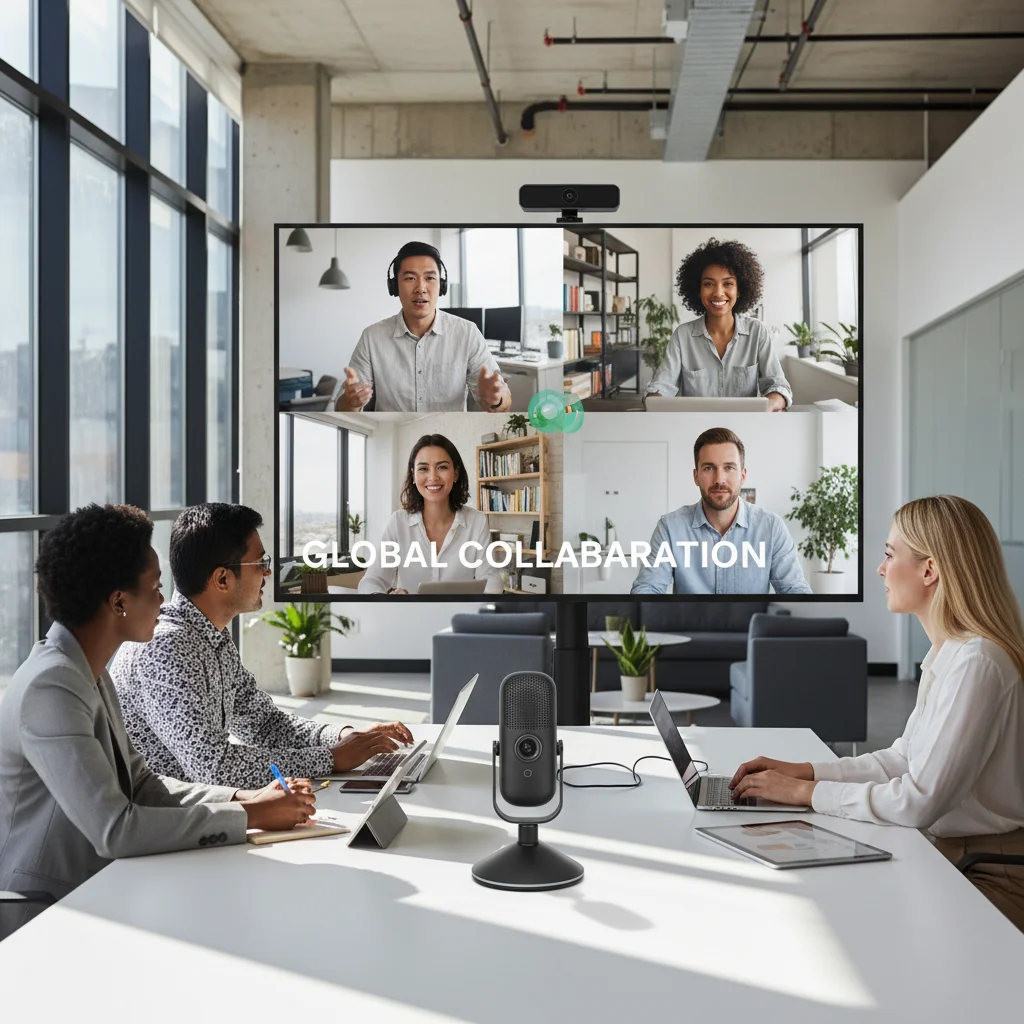
Perhaps the most visible and widely discussed cultural aftershock of the Great Resignation is the permanent entrenchment of flexible and hybrid work models. The pandemic forced an unprecedented global experiment in remote work, proving to many employees and employers alike that productivity doesn’t necessarily require a physical office presence five days a week. This experience has fundamentally reshaped expectations around where, when, and how work gets done.
The End of the Five-Day Office Week
For a significant portion of the workforce, the idea of returning to a mandatory five-day in-office schedule is now seen as a step backward. Employees have experienced the benefits of greater autonomy over their schedules, reduced commuting times, and a better work-life balance. This doesn’t mean the office is dead; rather, its purpose has evolved. The office is now often viewed as a hub for collaboration, connection, and specific tasks that benefit from in-person interaction, rather than the sole locus of all work.
Organizations that insist on a full return to the office without a compelling reason are finding themselves at a competitive disadvantage in the talent market. The flexibility offered by hybrid and remote models has become a non-negotiable for many, and companies that fail to provide it risk losing valuable employees to more adaptable competitors. By 2026, a truly flexible work environment will be a standard expectation, not a premium perk.
Designing for Hybrid: Technology, Culture, and Equity
Implementing successful hybrid models goes far beyond simply allowing employees to work from home a few days a week. It requires a thoughtful and strategic approach to technology, culture, and equity. Technologically, companies must invest in robust digital infrastructure that supports seamless communication and collaboration, regardless of location. This includes advanced video conferencing tools, project management platforms, and secure access to company resources.
Culturally, leaders must actively work to prevent the emergence of a "two-tier" system where in-office employees receive preferential treatment or have greater visibility. This means ensuring that remote employees are equally included in meetings, decision-making processes, and informal interactions. Intentional efforts are needed to build team cohesion and maintain a strong organizational culture across distributed teams.
Furthermore, equity is paramount. Access to technology, reliable internet, and suitable home workspaces can vary significantly among employees. Organizations must consider how to support all employees equitably, providing resources and stipends where necessary to ensure that remote work is a viable and productive option for everyone. This includes addressing potential biases in performance reviews for remote workers and ensuring equal opportunities for career advancement.
Focus on Outcomes, Not Hours
The shift towards flexible work also necessitates a change in management philosophy: a greater emphasis on outcomes rather than hours spent at a desk. Trusting employees to manage their own time and deliver results, rather than micro-managing their schedules, is crucial. This outcome-oriented approach fosters greater autonomy, which in turn leads to higher job satisfaction and productivity. It also allows for greater flexibility in how employees structure their day, accommodating personal appointments, family responsibilities, or different peak productivity times.
Performance metrics need to evolve to reflect this focus on outcomes. Managers should be trained to evaluate impact and results, rather than simply presence or activity. This not only supports flexible work models but also promotes a more meritocratic and empowering work environment.
The Great Resignation aftershocks have cemented flexible and hybrid work as a permanent fixture of the American workplace. Organizations that embrace this shift strategically, investing in the right technology, fostering an inclusive culture, and focusing on outcomes, will be better positioned to attract and retain talent in 2026 and beyond.
Navigating the Path Forward: Strategies for American Workplaces in 2026
The three insights discussed – the redefined employee-employer contract, the imperative of purpose and values, and the irreversible shift to flexible work – are not isolated trends but interconnected cultural aftershocks of the Great Resignation. For American workplaces to thrive by 2026, a holistic and proactive approach is required. Ignoring any one of these elements risks undermining efforts in the others.
Re-evaluating Your Employer Value Proposition (EVP)
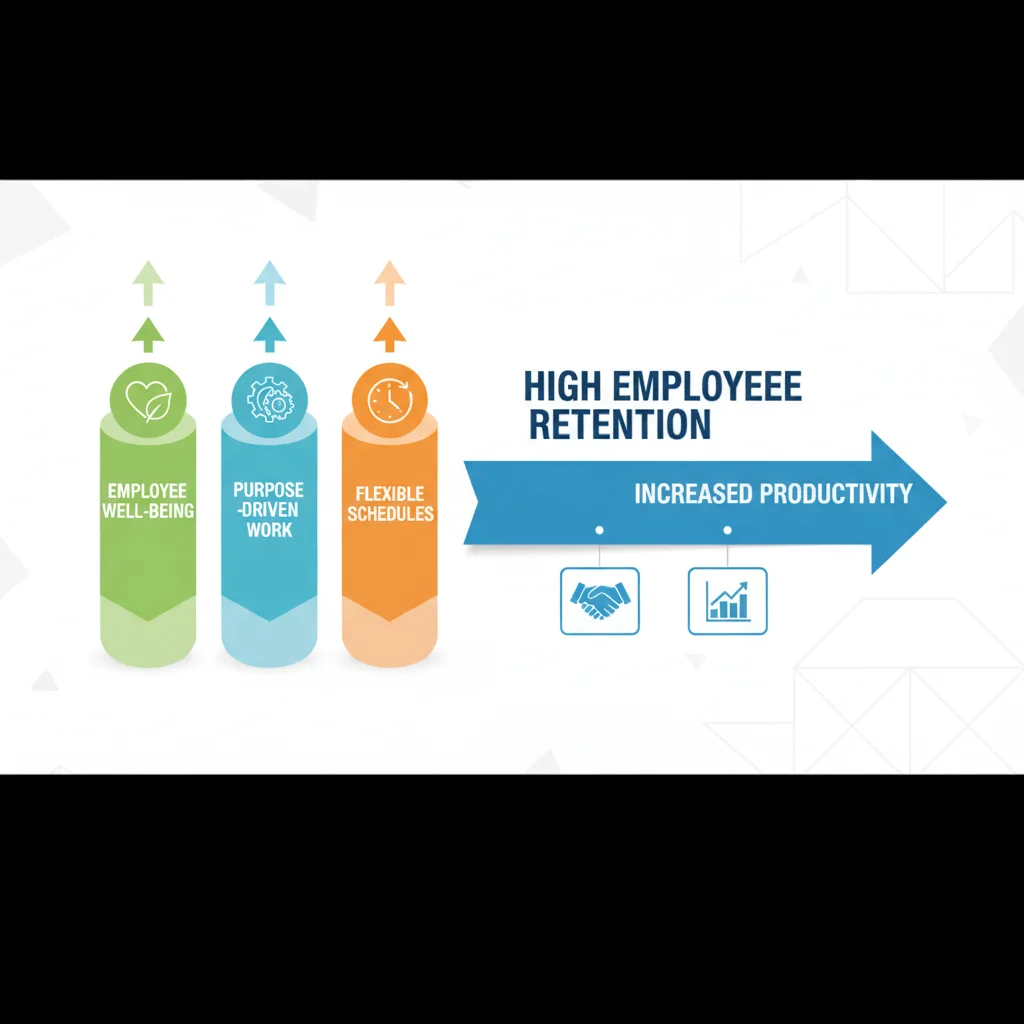
The first step for any organization is to critically re-evaluate its Employer Value Proposition (EVP). Your EVP is no longer just about competitive salary and benefits. It must comprehensively address the holistic needs of today’s workforce: opportunities for growth, a supportive and inclusive culture, meaningful work, flexibility, and a commitment to well-being. Conduct internal surveys, focus groups, and exit interviews to understand what your current and former employees truly value. Benchmark against leading organizations that are successfully attracting and retaining talent in this new landscape.
An effective EVP should clearly articulate what makes your organization a unique and desirable place to work, extending far beyond the financial. It needs to be authentic, reflecting the true experience of working at your company, and consistently communicated across all touchpoints, from recruitment to ongoing employee engagement.
Cultivating a Purpose-Driven Culture
To address the demand for purpose and values alignment, organizations must move beyond superficial statements. Begin by clearly defining your company’s mission and core values, if you haven’t already. More importantly, embed these into your daily operations and strategic decisions. Leaders must visibly champion these values, and employees should see how their work contributes to the larger purpose.
Consider initiatives that allow employees to engage with your social impact efforts, such as volunteer programs, green initiatives, or opportunities to contribute to ethical product development. Transparent communication about your company’s progress and challenges in these areas builds trust and reinforces a shared sense of purpose. A genuine commitment to CSR and ESG principles will not only attract values-driven talent but also enhance your brand reputation and foster long-term loyalty.
Mastering Flexible and Hybrid Work
Embracing flexible and hybrid work models requires more than just policy changes; it demands a fundamental shift in mindset and operational strategy. Start by defining what flexibility means for your organization and specific roles. This might involve fully remote options for some, hybrid models for others, or flexible hours within an in-office structure. The key is intentional design, not accidental implementation.
Invest in the right technology infrastructure to support seamless remote and hybrid collaboration. Train managers to lead effectively in a distributed environment, focusing on trust, outcomes, and clear communication. Develop strategies to maintain a cohesive company culture and ensure equity between in-office and remote employees, actively combating proximity bias. This includes creating inclusive meeting practices, fostering virtual social connections, and ensuring equitable access to development opportunities.
Regularly solicit feedback from employees on what is working and what isn’t, and be prepared to iterate and adapt your flexible work policies. The landscape of work is still evolving, and agility in response to employee needs will be a significant competitive advantage.
Prioritizing Employee Well-being and Growth
Underpinning all these strategies is a renewed focus on employee well-being and growth. The Great Resignation underscored the fragility of mental health and the importance of work-life integration. Organizations must offer robust mental health support, promote healthy work boundaries, and provide resources for stress management. This demonstrates a genuine care for employees as individuals, not just as productive units.
Furthermore, continuous learning and development are paramount. Provide access to upskilling and reskilling programs, mentorship opportunities, and clear career pathways. Employees are looking for organizations that will invest in their future, helping them to navigate a rapidly changing job market and achieve their professional aspirations. A commitment to growth fosters loyalty and ensures your workforce remains adaptable and highly skilled.
Conclusion: Shaping the Future of American Workplaces
The Great Resignation was not merely an event; it was a catalyst for profound and lasting cultural shifts within American workplaces. As we approach 2026, the aftershocks continue to redefine the employer-employee relationship, the very essence of meaningful work, and the structure of our professional lives. The insights into the redefined employee-employer contract, the imperative of purpose and values, and the irreversible shift towards flexible and hybrid models offer a clear roadmap for organizations seeking to thrive in this new era.
The companies that will lead the way are those that proactively embrace these changes, moving beyond traditional paradigms to create environments where employees feel valued, empowered, and connected to a larger purpose. This requires intentional leadership, strategic investment in people and technology, and a genuine commitment to fostering cultures of trust, inclusivity, and well-being. The challenge is significant, but the rewards – a highly engaged, loyal, and productive workforce – are immeasurable.
By understanding and strategically addressing the Great Resignation aftershocks, American workplaces have the opportunity to not only recover but to emerge stronger, more resilient, and better equipped to meet the demands of the future. The time for adaptation is now, ensuring that 2026 is a year of growth and success built on a foundation of enlightened and empathetic leadership.