Breaking Creative Blocks: 7 Uncommon Techniques US Artists and Designers Use to Overcome Stagnation in 2026
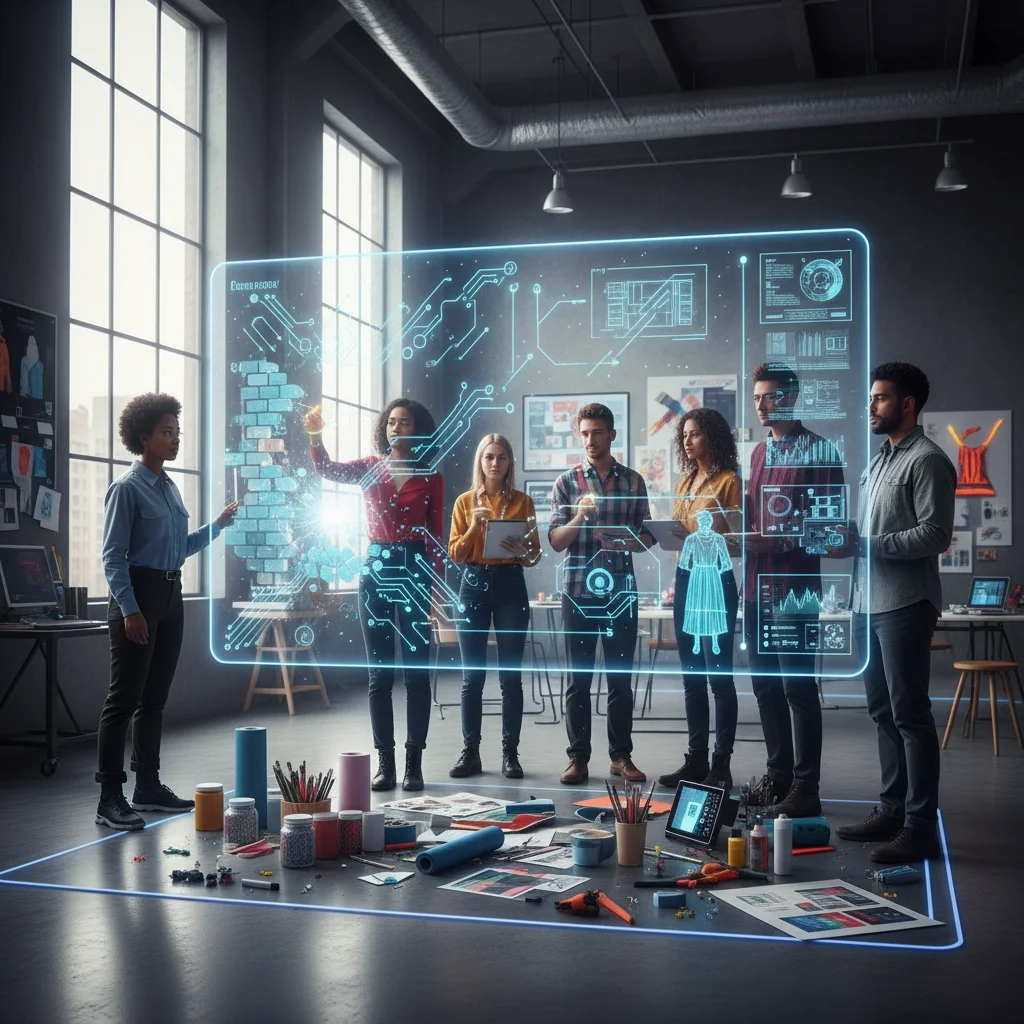
In the dynamic and ever-evolving landscape of 2026, where artificial intelligence assists in generating concepts and algorithms predict trends, the human element of creativity remains paramount. Yet, even with advanced tools, artists and designers frequently encounter the formidable challenge of creative stagnation. This isn’t merely a fleeting moment of uninspired thought; it’s a persistent, often debilitating state where ideas refuse to flow, and the wellspring of innovation seems to run dry. For professionals whose livelihoods depend on original thought and fresh perspectives, overcoming creative stagnation is not just a goal, but a necessity for survival and growth in the competitive US market.
The pressure to innovate, to constantly produce novel and impactful work, can ironically be a significant contributor to creative blocks. The digital age, while offering unprecedented access to inspiration and tools, also brings an overwhelming deluge of information and comparison, leading to burnout and a feeling of inadequacy. This makes it more crucial than ever for artists and designers to develop robust, even unconventional, strategies to reignite their creative spark and maintain a steady output of high-quality, original work. This article delves into seven uncommon techniques that leading US artists and designers are employing in 2026 to effectively overcome creative stagnation, offering fresh perspectives and actionable insights for anyone looking to break free from their creative rut.
1. The Algorithmic Muse: AI-Assisted Divergent Thinking
While AI is often seen as a tool for automation, forward-thinking artists and designers are leveraging it as a brainstorming partner to overcome creative stagnation. Instead of using AI to generate final products, they’re employing it for divergent thinking exercises. This involves feeding AI prompts that are intentionally vague or paradoxical, then analyzing the generated outputs for unexpected connections and novel starting points. For instance, a graphic designer might ask an AI: "Design a logo for a silent scream." The AI’s interpretations, however literal or abstract, can provide a launchpad for human creativity, forcing the designer to think outside conventional boundaries. This method helps to bypass ingrained thought patterns and introduce elements that a human might not initially consider, effectively breaking the cycle of repetition and offering new avenues to explore.
The key here is not to accept the AI’s output as a final solution, but rather as a catalyst. It’s about using the AI to expand the possibility space, pushing the boundaries of what’s conceivable. Artists are using generative adversarial networks (GANs) to create impossible landscapes or character designs, then using these as inspiration for traditional paintings or sculptures. Designers are employing natural language processing (NLP) models to generate bizarre product descriptions or brand narratives, which then inform the visual identity or user experience. This collaborative approach with AI isn’t about replacing human intuition but augmenting it, providing a constant stream of novel stimuli to overcome creative stagnation.
Furthermore, some practitioners are developing custom AI models trained on vast and eclectic datasets, not just within their specific field but across disparate disciplines. This cross-pollination of data allows the AI to make truly unexpected connections, acting as a "surrealist collaborator." The outputs from such models are often nonsensical at first glance, but with human interpretation and refinement, they can unlock entirely new conceptual frameworks, proving invaluable for those struggling to overcome creative stagnation.
2. Sensory Deprivation & Immersion Pods: Re-calibrating Perception
In an age of constant digital stimulation, some artists and designers are turning to extreme measures of sensory control to overcome creative stagnation. Specialized sensory deprivation tanks, once primarily used for relaxation, are now being adapted for creative incubation. Spending an hour or two in complete darkness and silence, floating in saline water, allows the mind to quiet the external noise and turn inward. This re-calibrates perception, often leading to heightened self-awareness and the emergence of subconscious ideas that are typically overshadowed by daily distractions. This method can be seen as a form of creative thinking.
Conversely, others are utilizing highly controlled sensory immersion pods. These environments are designed to stimulate specific senses in a targeted manner, often to evoke particular emotions or states of mind. Imagine a pod that projects a hyper-realistic forest scene, complete with the scent of pine, the sound of rustling leaves, and even subtle vibrations mimicking a breeze. The goal is to create a deeply immersive experience that can transport the individual, breaking them free from their usual mental confines and fostering new connections. This method helps to overcome creative stagnation by disrupting routine sensory inputs and introducing novel experiences that can spark imagination.
The principle behind both techniques is similar: to manipulate the environment to alter cognitive states. Sensory deprivation encourages introspection and the surfacing of latent ideas, while sensory immersion aims to trigger specific emotional or imaginative responses. These controlled environments offer a stark contrast to the chaotic reality of modern life, providing a much-needed mental reset. Many report a profound sense of clarity and a surge of original thoughts after these sessions, making them powerful tools to overcome creative stagnation.
3. Biofeedback & Neurofeedback for Flow State Induction
The elusive "flow state" – that optimal state of consciousness where one is fully immersed and engaged in an activity – is the holy grail for overcoming creative stagnation. Advanced biofeedback and neurofeedback technologies are now being employed to train artists and designers to consciously enter and sustain this state. Wearable devices that monitor brainwave activity (EEG), heart rate variability (HRV), and galvanic skin response (GSR) provide real-time data on physiological and neurological states associated with deep focus and creativity.
Through guided exercises and personalized feedback loops, individuals learn to self-regulate their brainwaves, for instance, increasing alpha and theta waves associated with relaxed alertness and creative insight, while reducing beta waves linked to anxiety and overthinking. This isn’t about passive relaxation; it’s active mental training. A designer might see their brainwave patterns displayed on a screen, learning to adjust their mental focus to achieve the desired "creative brain state." This direct, quantifiable approach empowers them to actively cultivate the mental conditions necessary to overcome creative stagnation and unlock their full potential.
The applications extend beyond simple monitoring. Some systems use gamification, where achieving certain brainwave patterns allows progress in a game or unlocks new features in a creative software. This makes the training engaging and reinforces the desired mental states. By learning to intentionally access flow, artists and designers can dramatically reduce the time spent struggling with blocks and increase their productive, innovative output, making it a cutting-edge method to overcome creative stagnation.
4. "Constraint-Led Play" with Generative Design Systems
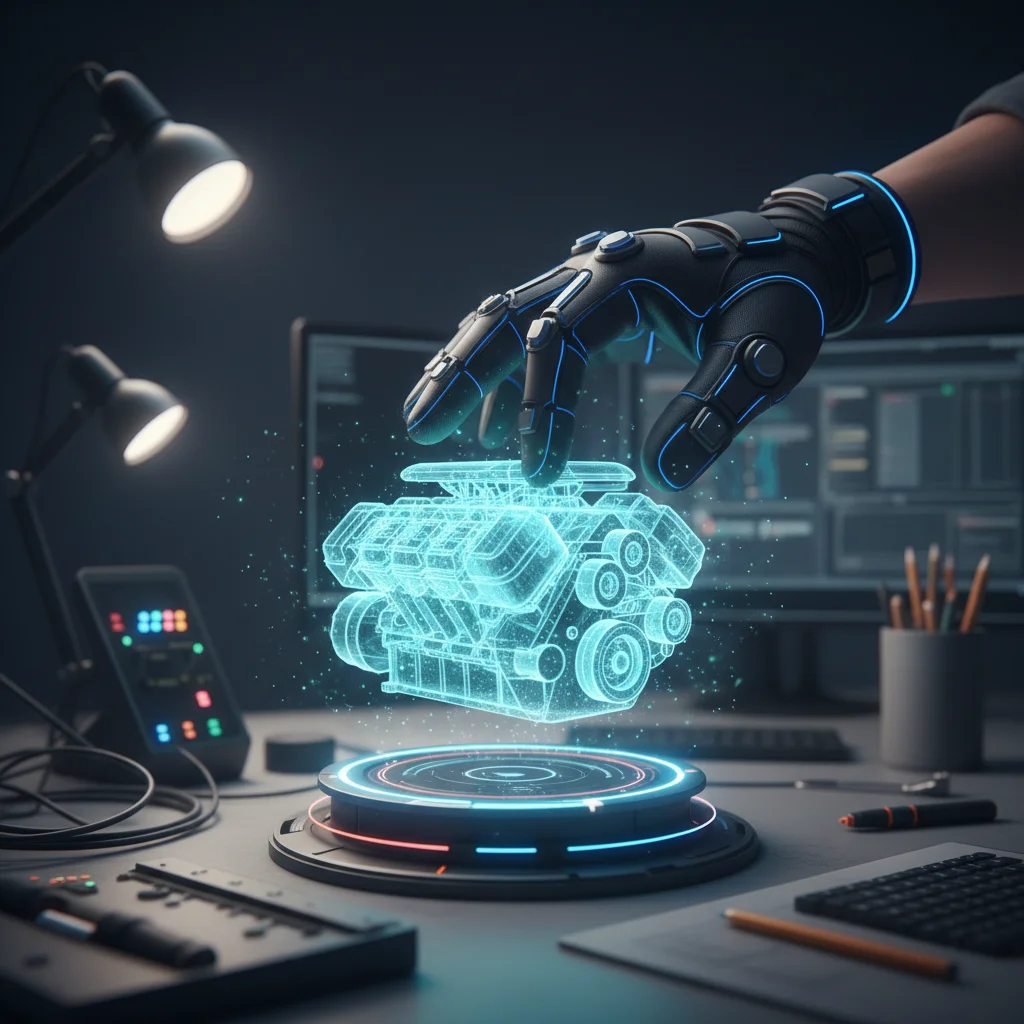
While generative design often focuses on optimizing for performance, a growing number of creatives are using it to deliberately introduce "playful constraints" as a method to overcome creative stagnation. Instead of defining optimal parameters, they input intentionally absurd, contradictory, or extremely limited rules into generative design software. For example, a furniture designer might ask a system to "design a chair using only curved lines and requiring exactly three, non-load-bearing legs."
The resulting, often impractical or bizarre, forms force the human designer to reconsider fundamental assumptions about function, aesthetics, and structure. This "constraint-led play" is a powerful way to break free from conventional thinking. It’s not about creating a usable product directly from the generative output, but about using the software to generate unexpected problems that demand novel solutions. This process of grappling with artificial limitations often reveals entirely new design languages or artistic expressions, proving highly effective in helping to overcome creative stagnation.
This technique recontextualizes the role of generative AI from a solution-provider to a problem-generator, a partner in creative exploration. By embracing the absurd and the difficult, artists and designers train their minds to be more adaptive and resourceful, finding beauty and utility in unexpected places. This playful approach to constraints is a potent antidote to the paralysis of limitless possibilities, a common source of creative blocks, and an excellent way to overcome creative stagnation.
5. Cross-Sensory Translation & Synesthesia Workshops
Many creative blocks stem from approaching a problem within a single sensory modality. To overcome creative stagnation, artists and designers are increasingly engaging in cross-sensory translation exercises, sometimes even participating in specialized "synesthesia workshops." These workshops train individuals to consciously translate information from one sense to another. For example, a visual artist might be asked to "paint the sound of jazz" or a product designer to "sculpt the feeling of anxiety."
This practice forces the brain to forge new neurological pathways and make connections it wouldn’t ordinarily. It challenges the conventional understanding of how senses inform creativity. Imagine a musician trying to "compose the texture of sandpaper" or a fashion designer trying to "create an outfit that smells like rain." The results are often highly abstract and unconventional, but the process itself is incredibly stimulating, leading to breakthroughs that transcend typical disciplinary boundaries. This method directly addresses the mental rigidity that often accompanies creative stagnation.
These workshops often involve collaborative exercises where participants share their sensory translations, leading to rich discussions and further inspiration. By deliberately breaking down the barriers between senses, creatives can access a deeper, more holistic understanding of their subject matter and develop innovative ways to express it. This holistic approach is proving to be a powerful tool for those looking to overcome creative stagnation and inject fresh perspectives into their work.
6. "Deep Time" Immersion: Historical & Future Foraging
To overcome creative stagnation, some artists and designers are adopting a technique called "Deep Time Immersion." This involves spending dedicated periods researching and immersing themselves in either a specific historical era (e.g., the artistic practices of the medieval period, the design principles of ancient Egypt) or a meticulously imagined future (e.g., a post-scarcity society on Mars, a cyberpunk dystopia in 2077). The goal is to fully absorb the aesthetic, philosophical, and technological context of that "time."
This isn’t just about superficial inspiration; it’s about understanding the underlying principles, constraints, and aspirations of a different temporal reality. A contemporary architect might spend weeks studying Roman concrete techniques and urban planning, not to replicate them, but to uncover timeless principles that can be reinterpreted for modern challenges. Similarly, a concept artist might detail a future society’s social structures, environmental conditions, and technological advancements to inform their character and world design, fostering a rich, believable foundation for their work. This deep engagement helps to overcome creative stagnation by providing an entirely new lens through which to view current problems.
The "foraging" aspect comes from selectively extracting ideas, materials, forms, or philosophies from these immersive experiences and translating them into contemporary or future-oriented projects. This method provides a vast, untapped reservoir of inspiration, allowing creatives to borrow from the past or anticipate the future to inform the present, thereby effectively helping them to overcome creative stagnation.
7. "Micro-Disruptions" & Intentional Habit Breaking
One of the most insidious causes of creative stagnation is routine. Our brains, efficient as they are, tend to follow the path of least resistance, leading to predictable patterns of thought and action. To counteract this, many US artists and designers are now deliberately implementing "micro-disruptions" and intentional habit-breaking into their daily lives. This isn’t about grand, life-altering changes, but small, consistent deviations from the norm designed to jolt the brain out of its comfort zone.
Examples include: taking a completely different route to the studio every day, switching dominant hands for mundane tasks (like brushing teeth or stirring coffee), working in a completely new environment (a different coffee shop, a park, a quiet library) for short bursts, consuming media entirely outside one’s usual preferences (e.g., a classical musician listening to death metal, a minimalist designer watching maximalist Bollywood films), or even changing the order of their morning routine. The goal is to create novel neural pathways and encourage mental flexibility, making it easier to overcome creative stagnation.
These seemingly minor changes force the brain to pay attention, to process new information, and to adapt. This constant, gentle stimulation keeps the mind agile and receptive to new ideas. By regularly challenging their own cognitive habits, creatives are better equipped to approach their work with fresh eyes and break free from the mental ruts that lead to creative blocks. This proactive approach to mental agility is a subtle yet powerful way to consistently overcome creative stagnation.
Conclusion: Embracing the Unconventional to Overcome Creative Stagnation
The year 2026 presents a unique set of challenges and opportunities for artists and designers. While technological advancements offer incredible tools, the fundamental human struggle with creative stagnation persists. The techniques outlined above – from AI-assisted divergent thinking and sensory manipulation to neurofeedback and intentional habit-breaking – represent a bold shift towards proactive, often unconventional, strategies to maintain a vibrant and innovative creative practice.
These methods underscore a critical understanding: creativity is not a passive gift, but an active process that requires cultivation, experimentation, and a willingness to step outside the familiar. By embracing these uncommon approaches, US artists and designers are not just reacting to creative blocks; they are building resilience, expanding their mental toolkit, and continually pushing the boundaries of what’s possible. To truly overcome creative stagnation in today’s fast-paced world, it’s essential to be open to new ideas, even those that seem counter-intuitive at first glance. The future of creative output belongs to those who are willing to experiment, adapt, and relentlessly seek new ways to spark their imagination.