Decoding New Nostalgia: Past Eras’ Influence on American Culture 2026
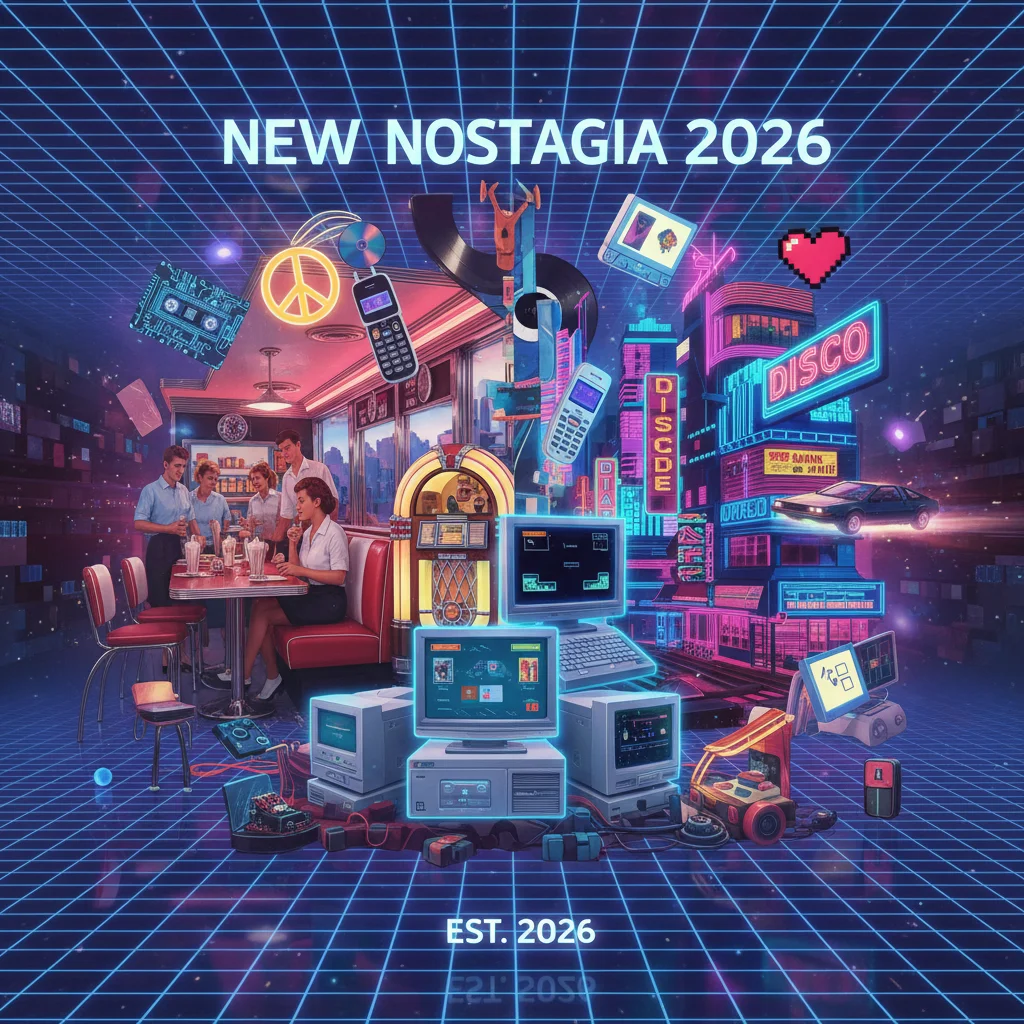
Decoding the ‘New Nostalgia’: How Past Eras Influence American Culture in 2026
In the ever-accelerating pace of modern life, where technological advancements redefine our daily existence almost overnight, a fascinating counter-current has emerged, steadily gaining momentum and profoundly shaping the American cultural landscape. This phenomenon, affectionately dubbed the ‘New Nostalgia’, isn’t merely a fleeting trend; it’s a deep-seated yearning for, and a creative reinterpretation of, past eras. As we navigate 2026, the influence of this New Nostalgia Culture is undeniable, permeating every facet of our lives, from the clothes we wear and the music we listen to, to the entertainment we consume and even the way we design our living spaces. It’s a complex tapestry woven from threads of longing, escapism, comfort, and a desire for authenticity in an increasingly digital world. This article delves into the heart of this cultural movement, exploring its origins, manifestations, psychological underpinnings, and its projected trajectory in the years to come. Understanding the ‘New Nostalgia’ isn’t just about recognizing trends; it’s about comprehending a fundamental shift in how we relate to history, progress, and our collective identity.
The Genesis of the New Nostalgia Culture
Nostalgia, by its very definition, is a sentimental longing or wistful affection for a period in the past. However, the ‘New Nostalgia’ of 2026 is distinct from traditional nostalgia. It’s not just about individuals reminiscing about their own past; it’s a broader, collective embrace of eras that many of the younger generations haven’t personally experienced. This ‘vicarious nostalgia’ is fueled by a confluence of factors. The internet, with its vast archives of historical media, plays a crucial role, democratizing access to past cultural artifacts. Social media platforms, in particular, serve as fertile ground for the rediscovery and re-contextualization of old trends, making them instantly accessible and shareable. Furthermore, periods of rapid change and uncertainty often lead societies to seek comfort in the perceived stability and simplicity of the past. The tumultuous 2020s, marked by global challenges and technological disruption, have undoubtedly contributed to this collective turning back to what feels familiar and reassuring. This isn’t merely a passive longing; it’s an active process of curating, reinterpreting, and integrating elements from the past into contemporary life, creating a vibrant New Nostalgia Culture.
The economic landscape also plays a subtle yet significant role. In challenging economic times, consumers often gravitate towards products and experiences that offer perceived value, durability, or a sense of timelessness, qualities often associated with items from previous decades. This economic undercurrent intertwines with psychological factors, creating a powerful drive towards the past. The sheer volume of content available online from virtually every past decade means that younger generations are exposed to a much wider array of historical aesthetics and narratives than ever before, fostering a unique appreciation for diverse historical periods. This isn’t about wishing to return to the past, but rather about selectively extracting its most appealing elements and weaving them into the fabric of the present, creating something entirely new and resonant for a contemporary audience. This selective appropriation and re-imagination are central to understanding the dynamism of the New Nostalgia Culture.
Manifestations Across American Culture
Fashion: A Cyclical Symphony of Eras
Fashion has always been a mirror reflecting societal shifts, and in 2026, it’s perhaps the most visible arena for the New Nostalgia Culture. We’re seeing a fascinating melange of styles, where distinct decades are not just revisited but remixed. The Y2K aesthetic, characterized by low-rise jeans, crop tops, vibrant colors, and chunky sneakers, has made a powerful resurgence, albeit with a modern twist of sustainability and gender-neutral interpretations. Simultaneously, the grunge aesthetic of the 90s, with its oversized silhouettes, flannel shirts, and distressed denim, continues to influence streetwear and high fashion alike. Even earlier eras, such as the minimalist chic of the late 80s and the bold power dressing of the early 80s, are being reinterpreted for today’s professional and casual wear. Designers are no longer simply replicating; they are sampling, blending, and innovating, creating collections that feel both familiar and refreshingly new. This isn’t just about vintage finds; it’s about new garments crafted with a retro sensibility, often incorporating sustainable materials and ethical production practices, adding another layer of complexity to the trend. The emphasis is on individuality and expressing personal style by drawing from a rich historical palette, making fashion a dynamic expression of the New Nostalgia Culture.
Music: Echoes of the Past, Sounds of the Future
The music industry, too, is awash in the sounds of the past. Vinyl record sales continue their unexpected surge, appealing not just to audiophiles but to a broader audience seeking a tangible, ritualistic connection to music. Artists are drawing inspiration from genres spanning decades – the synth-pop sounds of the 80s, the R&B grooves of the 90s, and the indie rock anthems of the 2000s are all finding new life in contemporary tracks. Producers are experimenting with vintage recording techniques, instruments, and vocal styles, creating a sound that is both fresh and deeply resonant with nostalgic sentiments. The rise of ‘lo-fi’ genres, often evoking a sense of calm and simplicity reminiscent of earlier times, further underscores this trend. Music streaming platforms, paradoxically, facilitate this, allowing listeners to effortlessly explore vast catalogs from different eras, leading to cross-pollination and the birth of entirely new subgenres that are deeply rooted in historical sounds. This auditory journey through time is a cornerstone of the New Nostalgia Culture, proving that old melodies can find new meaning.
Entertainment: Reboots, Remakes, and Retro Gaming
Hollywood and the gaming industry are cashing in on the New Nostalgia Culture with a steady stream of reboots, remakes, and prequels. Beloved franchises from the 80s, 90s, and early 2000s are being resurrected, often with updated narratives and diverse casts, appealing to both original fans and new generations. Streaming services, with their immense content libraries, make it easy to revisit classic films and television shows, fostering a shared cultural vocabulary across age groups. Video games are experiencing a similar revival, with retro-inspired indie games gaining immense popularity alongside remastered versions of classic titles. The pixel art aesthetic, once a limitation, is now a cherished artistic choice, evoking a sense of simpler gaming times. Board games and tabletop RPGs, too, have seen a significant resurgence, offering a tangible, face-to-face social experience that contrasts with the pervasive digital world. This return to foundational forms of entertainment provides comfort and a sense of continuity, actively shaping the leisure activities within the New Nostalgia Culture.
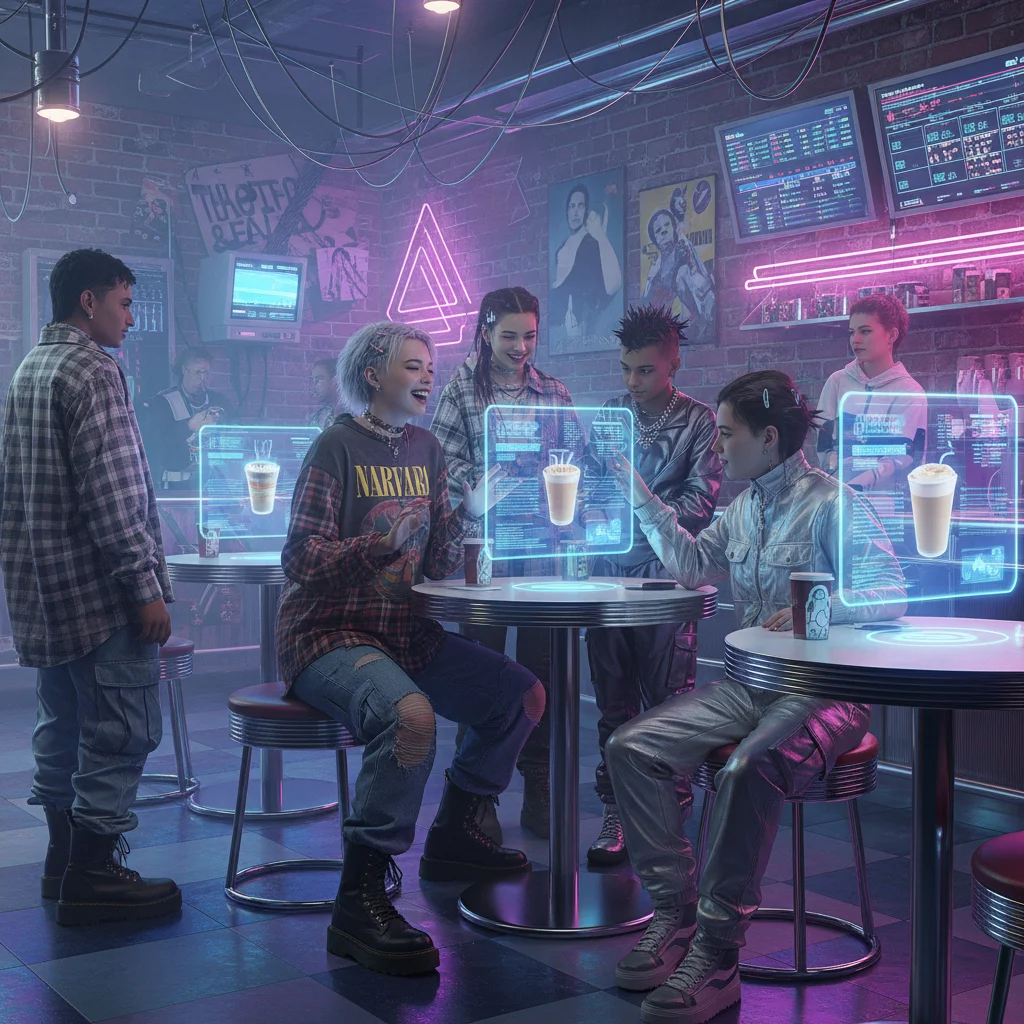
Home Decor and Design: Vintage Comfort Meets Modern Utility
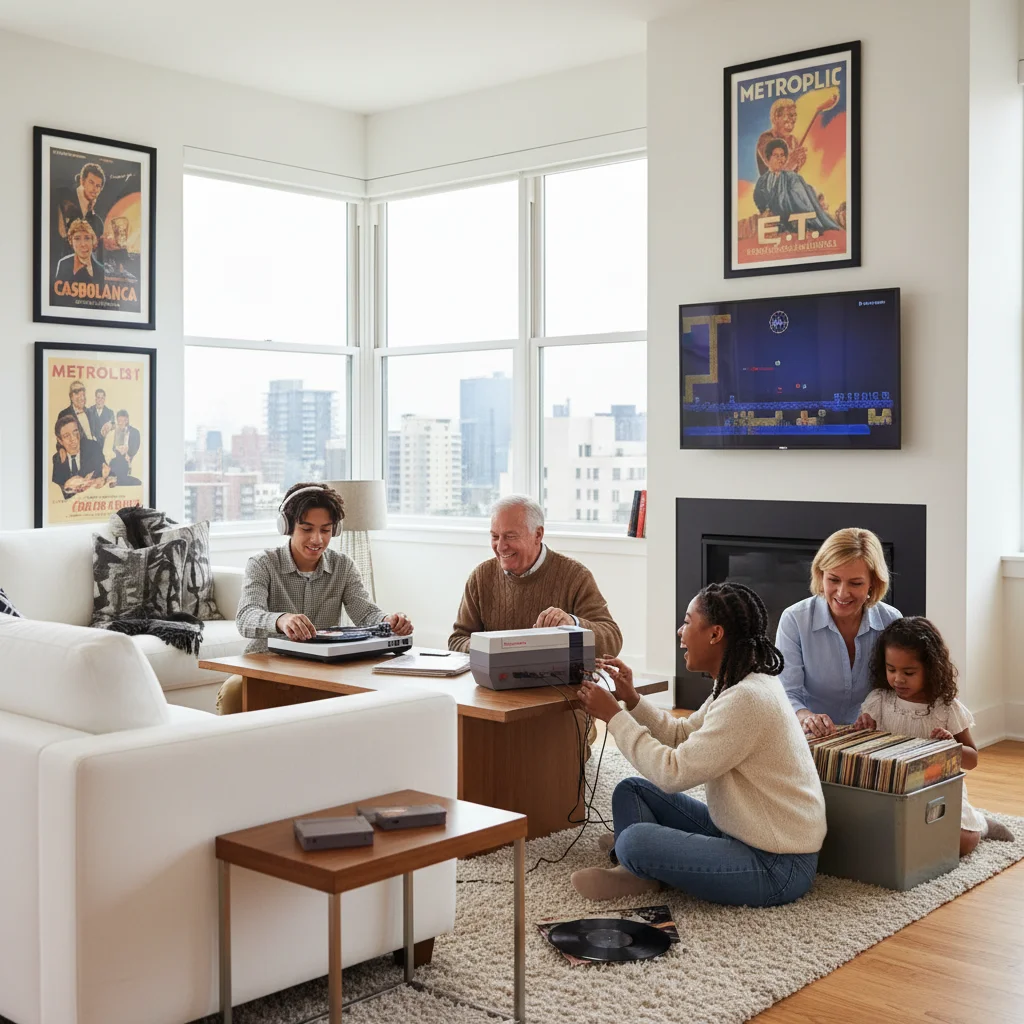
Our living spaces are also undergoing a nostalgic transformation. Mid-century modern furniture, with its clean lines and timeless appeal, continues to be highly sought after. However, the New Nostalgia Culture extends beyond this, embracing elements from the 70s, such as earthy tones, macramé, and rattan, and the bold geometric patterns of the 80s. The ‘grandmillennial’ aesthetic, which blends traditional, often inherited, pieces with contemporary decor, is a perfect example of this mixing of eras. The focus is on creating spaces that feel personal, lived-in, and full of character, eschewing the sterile minimalism that once dominated interior design. Thrifting and upcycling vintage pieces are not just economical choices but also conscious efforts to reduce waste and imbue homes with a unique story, further cementing the role of the past in modern domesticity. This blend of vintage comfort and modern utility defines the aesthetic of the New Nostalgia Culture in home design.
The Psychology Behind the Longing for the Past
The pervasive nature of the New Nostalgia Culture isn’t merely a superficial trend; it’s deeply rooted in human psychology. Several factors contribute to this collective yearning for bygone eras:
- Comfort and Security: In a world characterized by rapid change, uncertainty, and often overwhelming information, the past can offer a sense of comfort and predictability. Even if one didn’t personally experience a particular era, the curated narratives and aesthetics of that time can evoke feelings of safety and simplicity.
- Escapism: Nostalgia provides a form of escapism, allowing individuals to mentally retreat to a perceived ‘golden age’ – a time often idealized and free from current anxieties. This psychological vacation can be a powerful coping mechanism.
- Identity Formation: For younger generations, exploring past cultures can be a way to forge their own identities. By adopting elements from previous decades, they can differentiate themselves from their immediate predecessors and connect with a broader historical narrative.
- Authenticity and Tangibility: In an increasingly digital and ephemeral world, there’s a growing desire for authenticity and tangible experiences. Vintage items, physical media like vinyl, and retro aesthetics offer a sense of groundedness and a connection to a less digitized existence.
- Community and Connection: Sharing nostalgic references can foster a sense of community. Discussing old TV shows, fashion trends, or music creates common ground and strengthens social bonds, both online and offline.
- Rebellion Against the New: Sometimes, the embrace of the old can be a subtle act of rebellion against the relentless pressure to adopt the newest technologies or trends. It’s a statement that not everything new is necessarily better, and that value can be found in what has endured.
These psychological drivers explain why the New Nostalgia Culture resonates so deeply with so many, transcending mere passing fads to become a significant cultural force.
The Digital Paradox: How Technology Fuels Nostalgia
It’s an intriguing paradox that the very technology pushing us into the future is also the primary engine for our collective journey into the past. The internet, with its limitless capacity for archiving and instant dissemination, has become the ultimate repository of cultural memory. Platforms like Instagram, TikTok, and Pinterest are hotbeds for aesthetic revivals, where users actively share, remix, and recontextualize images and videos from past decades. Algorithms, designed to keep us engaged, often surface content that aligns with our nostalgic leanings, creating echo chambers of retro appreciation. YouTube channels dedicated to specific eras, digital archives of vintage advertisements, and online communities built around shared nostalgic interests all contribute to the proliferation of the New Nostalgia Culture.
This digital-driven nostalgia isn’t passive; it’s highly interactive. Users don’t just consume; they create. They produce fan art, mashups, and reinterpretations, breathing new life into old ideas. This active participation transforms nostalgia from a solitary reflection into a vibrant, collaborative cultural exchange. However, this digital lens also means that our view of the past is often curated and idealized, focusing on the aesthetically pleasing or culturally significant elements while glossing over less desirable aspects. This selective memory, amplified by social media, contributes to the romanticized perception of bygone eras that fuels the New Nostalgia Culture.
The Business of Nostalgia: Marketing and Commerce
Where there’s a cultural trend, there’s a market, and the New Nostalgia Culture is no exception. Brands across industries are keenly aware of its power. Fashion labels release ‘heritage collections,’ often reissuing popular designs from their archives. Food and beverage companies bring back discontinued products or introduce ‘retro’ packaging. Automakers design new models with subtle nods to iconic cars of the past. The entertainment industry, as mentioned, thrives on reboots and revivals, knowing that a built-in audience is often eager to reconnect with beloved characters and stories.
This isn’t just opportunistic marketing; it’s a strategic understanding of consumer psychology. Tapping into nostalgia can evoke powerful emotional responses, creating a sense of familiarity, trust, and warmth that can translate into stronger brand loyalty and sales. For many consumers, especially millennials and Gen Z, purchasing a nostalgic item isn’t just about the product itself; it’s about buying into an experience, a feeling, or a connection to a perceived simpler time. The rise of vintage marketplaces, both online and physical, further underscores the economic vitality of this trend, making the New Nostalgia Culture a significant force in contemporary commerce.
The Future of New Nostalgia: Evolution or Saturation?
As we look beyond 2026, the question arises: will the New Nostalgia Culture continue to evolve, or will it eventually reach a point of saturation? Cultural trends are inherently cyclical, and nostalgia itself is not new. However, the current iteration feels different due to its breadth, its digital amplification, and its active reinterpretation rather than mere replication. It’s likely that the trend will continue, but its manifestations will shift. We might see a deeper dive into more niche historical periods, or a more sophisticated blending of elements from multiple decades, creating truly hybrid aesthetics.
There’s also the possibility that as younger generations mature, their own recent pasts – the late 2010s and early 2020s – will become the subject of future nostalgic longing, creating a continuous loop of cultural remembrance. The emphasis might shift from ‘vicarious nostalgia’ for unexperienced eras to a more personal nostalgia for one’s own formative years. Furthermore, the increasing integration of AI and virtual reality could open up new avenues for experiencing and interacting with historical cultures, allowing for even more immersive forms of nostalgic engagement. The challenge for creators and marketers will be to keep the interpretations fresh and relevant, avoiding mere regurgitation that could lead to consumer fatigue. As long as there’s a human desire for comfort, connection, and identity in a rapidly changing world, the pull of the past, in its ‘new’ form, will likely endure, continuing to shape the dynamic New Nostalgia Culture.
Conclusion: Embracing the Past to Define the Present
The ‘New Nostalgia’ isn’t just a fleeting fashion or music trend; it’s a profound cultural phenomenon that reflects a deeper societal need. In 2026, it serves as a powerful reminder that while we relentlessly push forward, our past remains an invaluable resource – a wellspring of inspiration, comfort, and identity. From the curated aesthetics of social media to the strategic decisions of global brands, the influence of past eras is undeniable and deeply embedded in the American cultural fabric. This dynamic interchange between what was and what is allows us to forge a unique present, one that is both innovative and deeply connected to its historical roots. As we continue to navigate the complexities of the 21st century, the New Nostalgia Culture offers a comforting hand from the past, guiding us toward a future that is simultaneously novel and familiar, ensuring that the echoes of yesteryear will continue to resonate powerfully in the years to come.