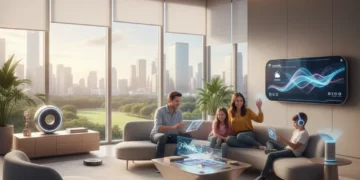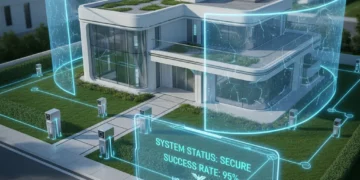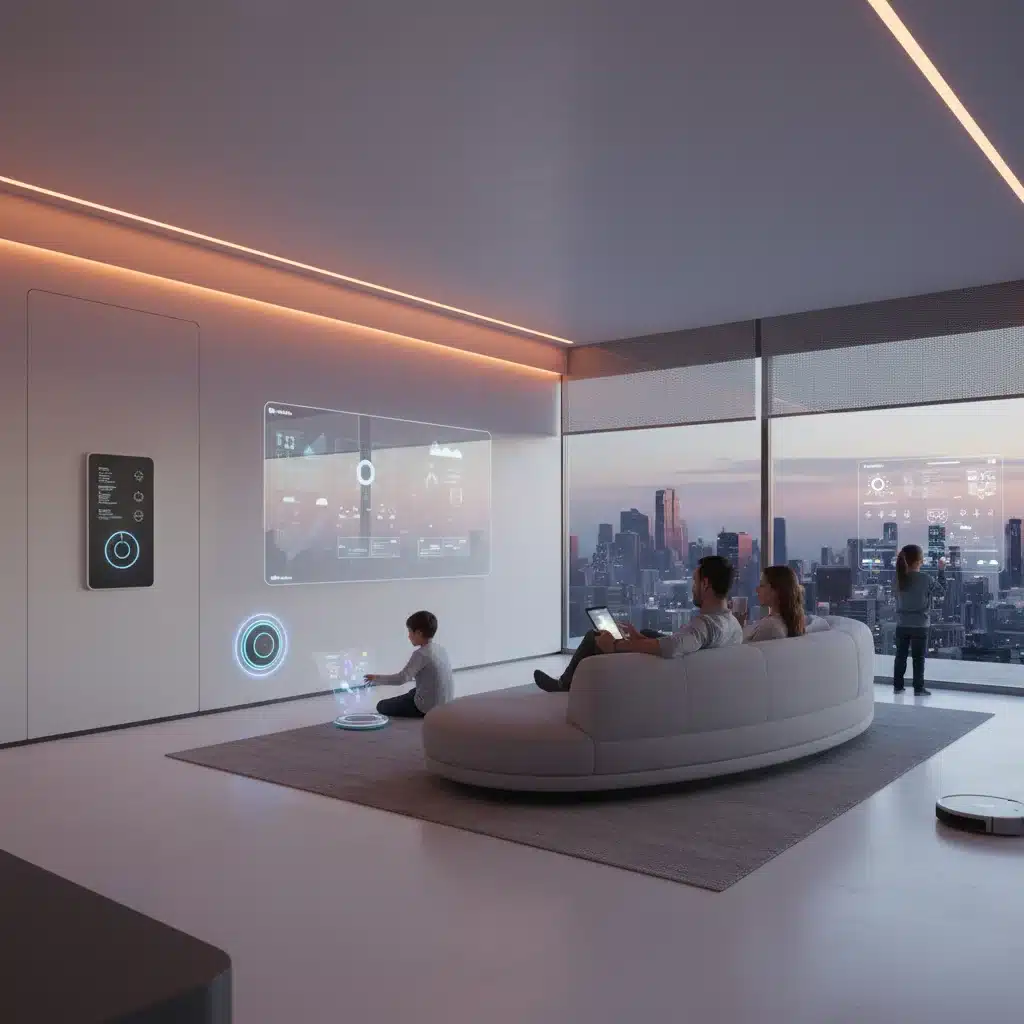
In an era where technology constantly reshapes our daily lives, the concept of a ‘smart home’ has evolved from a futuristic fantasy into a tangible reality. As we approach 2026, the integration of advanced devices promises not just convenience, but also unparalleled efficiency, security, and comfort. The goal of a truly smart home is to create an environment that anticipates our needs, conserves resources, and simplifies complex tasks, allowing us to focus on what truly matters. This article delves into the top 5 smart home devices that are set to redefine efficiency and lifestyle in the coming year, providing a comprehensive guide to upgrading your living space.
The journey towards a smarter home is an exciting one, marked by continuous innovation and the convergence of various technologies. From intelligent lighting systems that adapt to your mood to security cameras that offer peace of mind, the options are vast. However, the true power lies in their seamless integration, creating a cohesive ecosystem where devices communicate and collaborate to enhance your overall living experience. This guide will help you navigate the landscape of smart home technology, highlighting devices that offer significant improvements in smart home efficiency and quality of life.
The Evolution of Smart Home Technology
The concept of smart homes isn’t new, but its evolution has been rapid and transformative. What began with simple remote controls for appliances has blossomed into sophisticated AI-driven systems capable of learning our habits and making autonomous decisions. Early smart home devices were often siloed, operating independently with limited interoperability. Today, the emphasis is on ecosystems that allow different brands and types of devices to communicate seamlessly, creating a truly integrated and responsive environment. This shift has been crucial in making smart home efficiency a realistic and achievable goal for homeowners.
Key drivers behind this evolution include advancements in wireless communication protocols (like Wi-Fi 6, Zigbee, and Z-Wave), the proliferation of artificial intelligence and machine learning, and the increasing affordability of once-premium technologies. These factors have democratized smart home technology, making it accessible to a broader audience and fostering a competitive market that continually pushes the boundaries of innovation. The focus has moved beyond mere automation to intelligent automation, where devices not only perform tasks but also optimize them for energy saving, security, and personal comfort.
Understanding this evolution is critical because it informs our choices for future upgrades. As we look towards 2026, the trend is clear: more intuitive interfaces, enhanced security features, and deeper integration with our digital lives. The devices highlighted in this article are at the forefront of this movement, offering a glimpse into the future of connected living and demonstrating how they contribute to overall smart home efficiency.
1. Advanced Smart Thermostats with Predictive AI
At the forefront of smart home efficiency are advanced smart thermostats. Gone are the days of simple programmable thermostats; modern versions leverage artificial intelligence to learn your preferences, predict your presence, and optimize heating and cooling schedules with remarkable precision. These devices go beyond basic scheduling, integrating with weather forecasts, local energy prices, and even your home’s insulation properties to create the most energy-efficient climate control possible.
In 2026, we can expect smart thermostats to feature even more sophisticated AI algorithms. They will not only learn your daily routines but also adapt to unexpected changes, such as an impromptu day off or an early return home. Some models are already incorporating occupancy sensors and geofencing technology, automatically adjusting temperatures when you leave or arrive. This proactive approach significantly reduces energy waste, leading to substantial savings on utility bills while maintaining optimal comfort.
Furthermore, the integration capabilities of these thermostats are expanding. They can communicate with smart blinds to block sunlight on hot days, or activate smart fans to circulate air more effectively. Some even offer zoning capabilities, allowing you to control the temperature in individual rooms, ensuring that energy is only expended where it’s needed. This level of granular control is a cornerstone of maximizing smart home efficiency.
When selecting an advanced smart thermostat, look for features like: detailed energy usage reports that help you understand your consumption patterns, compatibility with major smart home ecosystems (like Apple HomeKit, Google Home, Amazon Alexa), and robust security protocols to protect your data. The best devices will offer a user-friendly interface, whether through a touchscreen on the device itself or a comprehensive mobile app, making it easy to monitor and adjust your home’s climate from anywhere.
The impact of these devices extends beyond just energy savings. By maintaining a consistent and comfortable indoor environment, they also contribute to improved air quality and overall well-being. The ability to pre-cool or pre-heat your home before you arrive, or to ensure that your pets are comfortable while you’re away, adds an invaluable layer of convenience and peace of mind. Investing in a cutting-edge smart thermostat is a foundational step towards achieving true smart home efficiency.
2. Integrated Smart Lighting Systems with Adaptive Capabilities
Smart lighting has moved beyond simple on/off control to become a powerful tool for enhancing ambiance, security, and most importantly, smart home efficiency. Modern smart lighting systems in 2026 are not just about changing colors; they are about adaptive illumination that responds to your environment, time of day, and personal needs.
These systems incorporate advanced sensors that detect ambient light levels, automatically adjusting brightness to save energy without compromising visibility. They can simulate natural daylight cycles (circadian lighting), which has proven benefits for mood, productivity, and sleep patterns. Imagine your lights gently brightening in the morning to wake you naturally, and slowly dimming to a warm glow in the evening to prepare you for sleep. This human-centric approach to lighting is a significant leap forward.
Beyond comfort, integrated smart lighting plays a crucial role in security. When linked with motion sensors or smart cameras, lights can automatically turn on when unexpected movement is detected, deterring potential intruders. Vacation mode features can simulate occupancy by randomly turning lights on and off, making it appear as though someone is home even when you’re away. This adds a powerful layer of passive security to your home.
Energy efficiency is inherently built into these systems. LED smart bulbs consume significantly less power than traditional incandescent or even CFL bulbs. When combined with intelligent controls that ensure lights are only on when needed and at the optimal brightness, the energy savings are substantial. Many systems offer detailed energy monitoring, allowing you to track consumption and identify areas for further optimization, directly contributing to smart home efficiency.
When considering smart lighting, look for systems that offer: a wide range of color temperatures and brightness levels, seamless integration with voice assistants and other smart home devices, and robust scheduling and automation features. Modularity is also key, allowing you to start with a few bulbs and expand your system over time. The best systems will also offer remote control capabilities via a smartphone app, giving you complete command over your home’s illumination from anywhere in the world.
3. Smart Security Systems with AI-Powered Monitoring
Home security has been revolutionized by smart technology, moving beyond simple alarms to comprehensive, AI-powered monitoring systems. In 2026, smart security systems are not just about detecting intrusions; they are about proactive prevention, intelligent surveillance, and seamless integration with the rest of your smart home, significantly boosting overall smart home efficiency in terms of safety.
Modern smart security systems feature high-definition cameras with advanced analytics, capable of distinguishing between people, pets, and vehicles. This significantly reduces false alarms and ensures that you are only notified of relevant events. Facial recognition technology is becoming more common, allowing the system to identify familiar faces (family members, trusted visitors) and alert you to unfamiliar ones. Some systems even integrate with smart locks, allowing for remote access control and keyless entry for authorized individuals.
Beyond cameras, these systems include sophisticated motion sensors, door/window sensors, and even glass-break detectors, all wirelessly connected and managed through a central hub. Integration with smart lighting, as mentioned before, means that lights can automatically activate upon detecting suspicious activity. Integration with smart smoke and carbon monoxide detectors provides an added layer of safety, often with professional monitoring services that can dispatch emergency services automatically.
The power of AI in these systems extends to predictive capabilities. By analyzing patterns of activity, they can learn what’s normal for your home and flag anomalies. For instance, if a package is left on your doorstep for an unusually long time, or if a vehicle lingers outside your property, the system can alert you. This proactive monitoring enhances security and offers a deeper sense of peace of mind.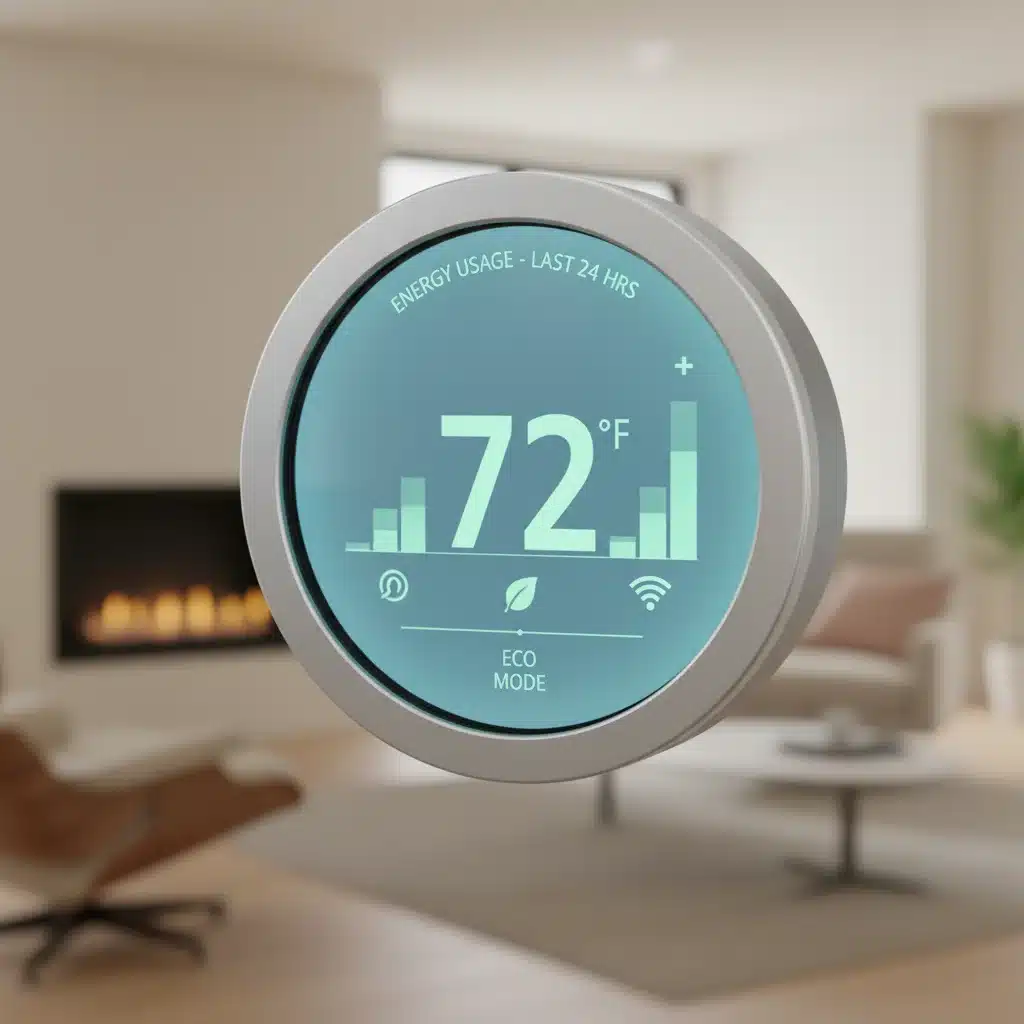
When choosing a smart security system, consider: professional monitoring options (if desired), local storage capabilities for video footage in addition to cloud storage, two-way audio communication through cameras, and easy integration with existing smart home platforms. Data encryption and privacy features are paramount, ensuring that your surveillance footage and personal information are protected. A reliable smart security system is an indispensable component of a truly efficient and safe smart home.
4. Smart Kitchen Appliances for Optimized Cooking and Food Management
The kitchen, often considered the heart of the home, is also experiencing a smart revolution that significantly contributes to smart home efficiency, especially in terms of time and resource management. Smart kitchen appliances in 2026 are designed to streamline cooking, minimize waste, and enhance the overall culinary experience.
Smart refrigerators, for example, are evolving beyond simple touchscreens. They now feature internal cameras that allow you to view their contents remotely, helping you make informed shopping decisions and avoid duplicate purchases. Some models can track expiration dates, suggest recipes based on available ingredients, and even automatically reorder staples when supplies run low. This proactive food management reduces waste and saves time.
Smart ovens and cooktops offer precision cooking capabilities, with integrated sensors and AI that can monitor food temperature and adjust settings for perfect results. Remote preheating, guided cooking programs, and integration with recipe apps mean you can start dinner before you even walk through the door. Induction cooktops with smart features can automatically detect pan size and adjust heat output, further enhancing energy efficiency.
Beyond major appliances, smaller smart gadgets like coffee makers, blenders, and even air fryers are becoming increasingly connected. Imagine your coffee brewing automatically as your alarm goes off, or your smart scale communicating nutritional information directly to your fitness tracker. These devices simplify daily routines and contribute to a more organized and efficient kitchen environment.
Key features to look for in smart kitchen appliances include: seamless integration with voice assistants for hands-free operation, compatibility with recipe platforms and food delivery services, durable and easy-to-clean materials, and robust app control. The ability to receive diagnostics and firmware updates wirelessly also ensures that your appliances remain cutting-edge for longer. By embracing smart kitchen technology, you can transform your cooking experience and significantly improve the smart home efficiency of your food preparation and management.
5. Universal Smart Hubs with Advanced Voice Assistants
While individual smart devices offer great benefits, the true potential of a smart home is unlocked through seamless integration, and this is where universal smart hubs with advanced voice assistants shine. In 2026, these hubs are not just command centers; they are intelligent orchestrators that bring all your devices together, maximizing smart home efficiency and simplifying control.
These hubs serve as the brain of your smart home, allowing devices from different manufacturers and using various communication protocols (Wi-Fi, Zigbee, Z-Wave, Thread, Matter) to communicate with each other. This interoperability is crucial for creating complex automation routines, such as ‘Good Morning’ scenes that simultaneously open blinds, turn on lights, and start the coffee maker. The emerging Matter standard promises to further simplify device compatibility, making it easier than ever to build a truly integrated smart home.
Advanced voice assistants like Amazon Alexa, Google Assistant, and Apple’s Siri are becoming more sophisticated, understanding natural language commands with greater accuracy and context. They can not only control individual devices but also execute multi-step routines, answer complex queries, and even engage in more natural conversations. Integration with AI means they can learn your preferences over time, offering proactive suggestions and anticipating your needs.
Beyond voice control, many hubs offer intuitive touchscreen interfaces and robust mobile apps, providing multiple ways to interact with your smart home. They often include built-in speakers for music playback, intercom functionality, and even video displays for monitoring security cameras or making video calls. Some even incorporate environmental sensors to monitor air quality, temperature, and humidity, adding another layer of intelligence to your home.
When selecting a universal smart hub, prioritize: broad device compatibility, support for emerging standards like Matter, a powerful and responsive voice assistant, and strong privacy features. The ability to create custom routines and automations without complex programming is also a significant advantage. A well-chosen smart hub is the linchpin of a truly connected and efficient home, bringing all your smart devices together to deliver an unparalleled living experience and optimizing smart home efficiency across the board.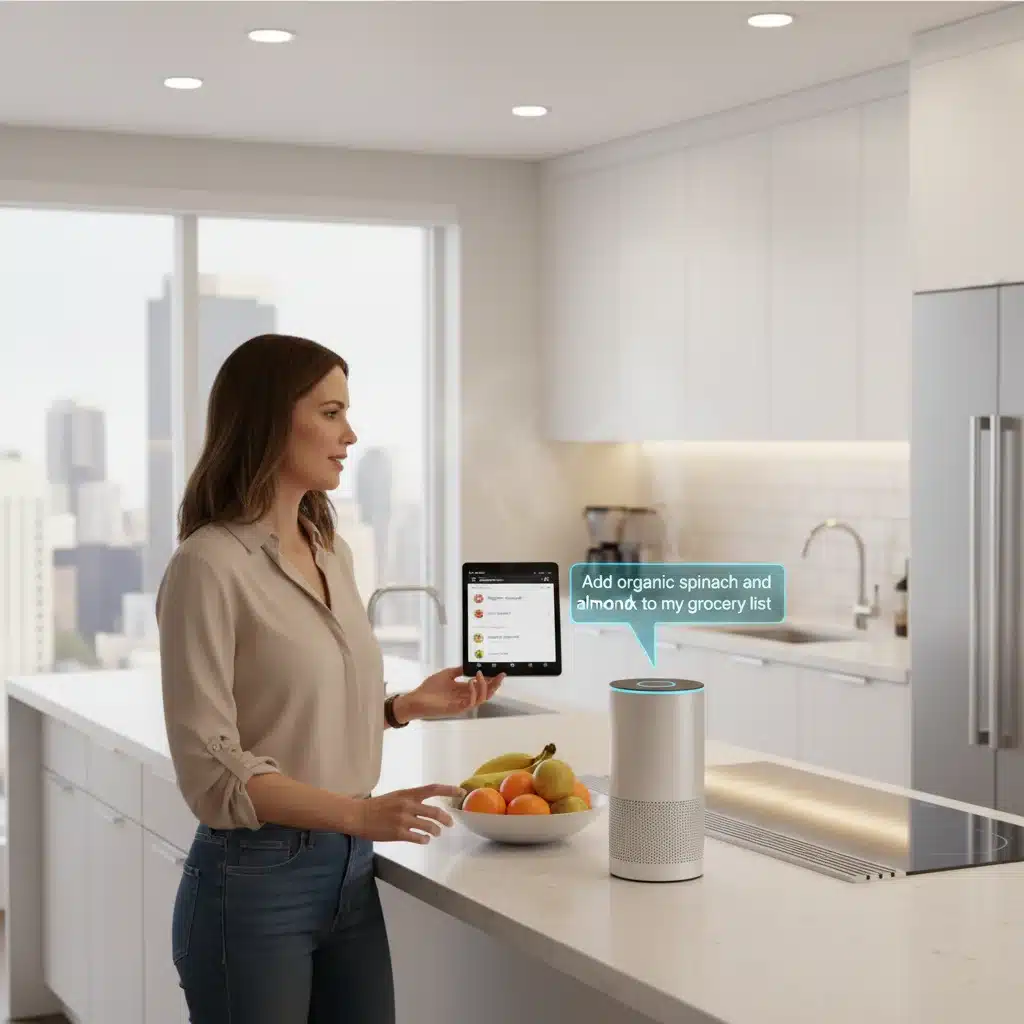
The Future of Smart Home Integration and Efficiency
As we look beyond 2026, the trajectory of smart home technology points towards even greater levels of autonomy, predictive intelligence, and seamless integration. The concept of smart home efficiency will continue to evolve, encompassing not just energy savings but also time management, personalized comfort, and enhanced security that operates almost invisibly in the background.
Expect to see more devices powered by edge AI, meaning that processing happens directly on the device rather than relying solely on cloud servers. This will lead to faster response times, enhanced privacy, and greater reliability. The development of self-healing networks, where devices can automatically detect and resolve connectivity issues, will further improve the robustness of smart home ecosystems.
Interoperability will become even more standardized with initiatives like Matter gaining widespread adoption, eliminating the frustrations of incompatible devices. This will empower consumers to choose the best devices for their needs, regardless of brand, and integrate them effortlessly into a unified system. The focus will shift from individual device features to the overall experience and the collective intelligence of the connected home.
Furthermore, smart homes will become more proactive in their interaction with external services. Imagine your smart home automatically ordering groceries when supplies are low, scheduling appliance maintenance based on usage patterns, or even optimizing energy consumption based on grid demand and renewable energy availability. This level of external integration will unlock new dimensions of smart home efficiency and convenience.
The emphasis will also be on sustainability. Smart homes will play a crucial role in reducing our environmental footprint by optimizing energy, water, and waste management. From smart irrigation systems that conserve water to energy storage solutions that integrate with solar panels, the smart home of the future will be a beacon of ecological responsibility.
Conclusion: Embracing a More Efficient and Connected Lifestyle
The landscape of smart home technology is dynamic and ever-evolving, promising a future where our homes are not just structures but intelligent partners in our daily lives. The top 5 devices discussed – advanced smart thermostats, integrated smart lighting systems, AI-powered smart security systems, smart kitchen appliances, and universal smart hubs with advanced voice assistants – represent the vanguard of this transformation towards unparalleled smart home efficiency.
By strategically integrating these technologies, homeowners can achieve significant savings on energy bills, enhance security, streamline daily routines, and create a living environment that is perfectly tailored to their needs and preferences. The benefits extend beyond mere convenience, contributing to a more sustainable lifestyle and offering invaluable peace of mind.
As you consider upgrading your home, remember that the key to a truly smart and efficient setup lies in thoughtful planning and seamless integration. Start with devices that address your most pressing needs, whether it’s energy conservation, security, or daily convenience. Then, gradually expand your ecosystem, ensuring that new additions are compatible and contribute to your overall vision of a connected home.
The future of living is smart, and 2026 is poised to be a pivotal year in this journey. Embracing these innovative devices is not just about adopting new technology; it’s about investing in a more efficient, comfortable, and secure lifestyle for years to come. The era of true smart home efficiency is here, ready for you to unlock its full potential.