Microgrids: Powering 30% of US Homes by 2035 – A Deep Dive
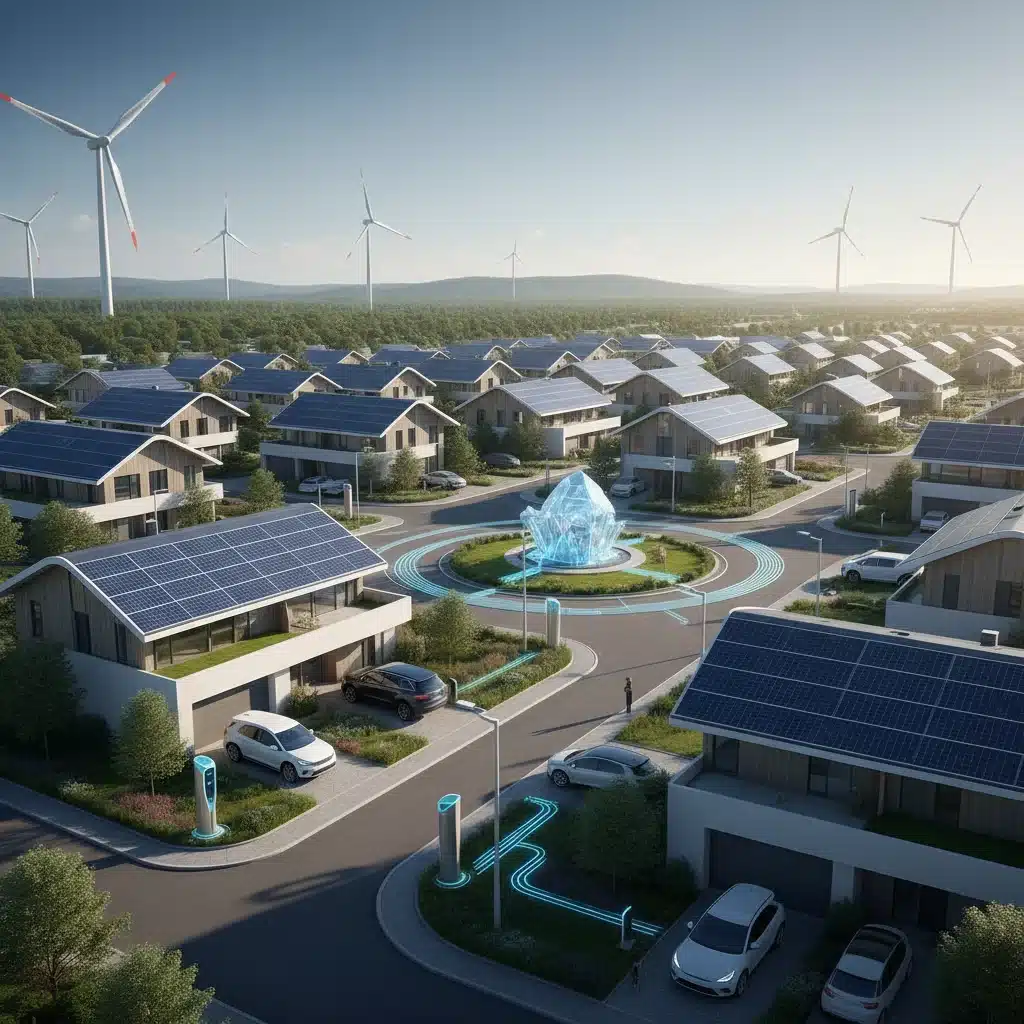
The energy landscape is undergoing a profound transformation. As concerns about climate change, grid reliability, and energy independence grow, a revolutionary solution is emerging from the fringes to the forefront: microgrids. These localized energy systems are not just a futuristic concept; they are becoming an increasingly vital component of our energy infrastructure. Projections suggest that by 2035, microgrids could be powering an astounding 30% of U.S. homes, fundamentally reshaping how we generate, distribute, and consume electricity. This article delves deep into the world of microgrids, exploring their immense potential, the challenges they face, and practical solutions for early adopters looking to be part of this sustainable energy revolution.
The Dawn of Decentralized Energy: Why Microgrids Matter
For over a century, our energy system has relied on a centralized model: large power plants generating electricity that is then transmitted over vast distances through a complex grid. While this system has served us well, it has inherent vulnerabilities. Natural disasters, cyberattacks, and aging infrastructure can lead to widespread power outages, causing significant economic disruption and personal hardship. Furthermore, the reliance on fossil fuels for much of this generation contributes to greenhouse gas emissions and climate change.
This is where microgrids step in. A microgrid is essentially a localized energy grid that can disconnect from the traditional centralized grid and operate autonomously. Think of it as an independent energy island that can power a single building, a campus, a neighborhood, or even a small town. This ability to ‘island’ makes microgrids incredibly resilient, providing continuous power even when the main grid fails. They often integrate various distributed energy resources (DERs), such as solar panels, wind turbines, battery storage, and even small generators, creating a diverse and robust energy portfolio.
The shift towards microgrid adoption 2035 is driven by several compelling factors:
- Enhanced Resilience and Reliability: In an era of increasing extreme weather events, microgrids offer unparalleled protection against power outages. For critical facilities like hospitals, emergency services, and data centers, this reliability is non-negotiable. For homeowners, it means peace of mind and continuous access to essential services.
- Sustainability and Decarbonization: Microgrids are perfectly suited to integrate renewable energy sources. By generating power locally from solar, wind, or hydropower, they reduce reliance on fossil fuels, significantly lowering carbon emissions and contributing to a greener future. This focus on sustainable energy is a core driver for microgrid adoption 2035.
- Energy Independence and Cost Savings: Generating power locally can reduce transmission losses and provide greater control over energy costs. In some cases, microgrids can even sell excess power back to the main grid, creating revenue streams. For communities, this means greater energy sovereignty and less vulnerability to fluctuating utility prices.
- Grid Modernization and Efficiency: Microgrids can alleviate strain on the aging central grid, deferring costly infrastructure upgrades. They can also provide ancillary services to the main grid, such as voltage support and frequency regulation, improving overall grid stability and efficiency.
- Economic Development: The development and deployment of microgrids create jobs, stimulate local economies, and foster innovation in energy technologies. This economic ripple effect further strengthens the case for widespread microgrid adoption 2035.
Understanding the Components of a Microgrid
While the concept of a microgrid might seem complex, its fundamental components are relatively straightforward. Understanding these elements is crucial for anyone considering joining the microgrid adoption 2035 movement.
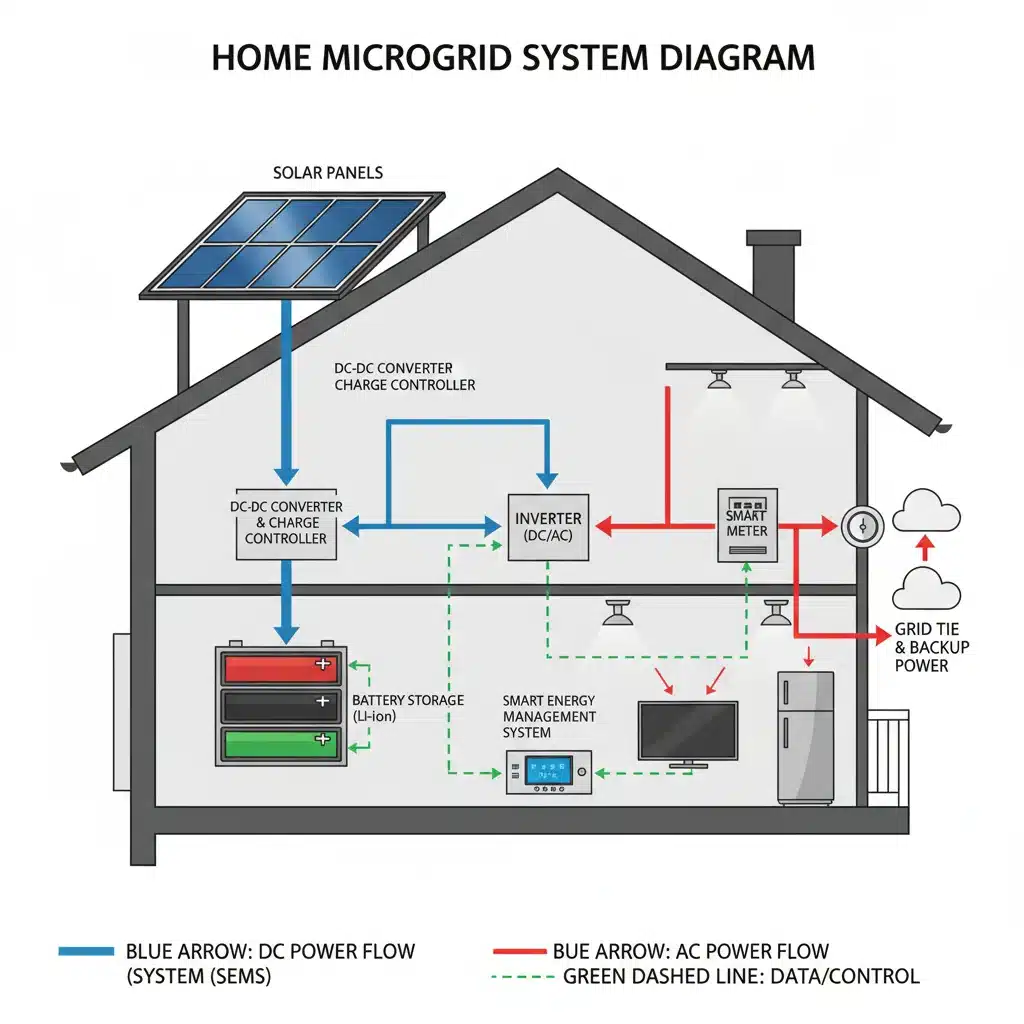
Distributed Energy Resources (DERs)
These are the power generators within the microgrid. They can be renewable or conventional:
- Solar Photovoltaic (PV) Panels: The most common renewable DER, converting sunlight directly into electricity. Highly scalable for residential, commercial, and utility-scale microgrids.
- Wind Turbines: Harnessing wind energy, suitable for areas with consistent wind resources.
- Battery Energy Storage Systems (BESS): Crucial for storing excess energy generated by renewables and providing power during periods of low generation (e.g., at night for solar) or during grid outages. Advances in battery technology, particularly lithium-ion, are making BESS more affordable and efficient.
- Combined Heat and Power (CHP) Systems: Also known as cogeneration, these systems generate electricity and useful heat simultaneously from a single fuel source (often natural gas), improving efficiency.
- Generators (Diesel, Natural Gas, Propane): Often used as backup power or for peak shaving, though the trend is to minimize their use in favor of renewables.
Energy Management System (EMS)
This is the ‘brain’ of the microgrid. The EMS continuously monitors energy generation, consumption, and storage levels. It makes real-time decisions on how to optimize energy flow, ensuring reliable power supply, minimizing costs, and maximizing the use of renewable resources. Advanced EMS can predict energy needs based on weather patterns and historical data, making the microgrid highly efficient and responsive.
Point of Common Coupling (PCC)
This is the electrical connection point where the microgrid connects to the main utility grid. It’s equipped with sophisticated switchgear that allows the microgrid to seamlessly connect or disconnect from the main grid, enabling its ‘islanding’ capability.
The Path to 30% Microgrid Adoption by 2035: Opportunities and Challenges
Achieving the ambitious goal of 30% microgrid adoption 2035 for U.S. homes will require overcoming several hurdles while leveraging significant opportunities.
Opportunities Driving Microgrid Adoption 2035
- Falling Costs of Renewables and Storage: The prices of solar panels and battery storage have plummeted in recent years, making microgrids more economically viable than ever before. This trend is expected to continue, further accelerating microgrid adoption 2035.
- Supportive Government Policies and Incentives: Federal and state governments are increasingly recognizing the benefits of microgrids, offering grants, tax credits, and regulatory frameworks to encourage their development. Programs like those from the Department of Energy are pivotal.
- Technological Advancements: Innovations in smart grid technology, artificial intelligence, and predictive analytics are making microgrids more intelligent, efficient, and easier to manage.
- Growing Demand for Resilience: As climate change intensifies, the demand for reliable, uninterrupted power will only increase, pushing more communities and homeowners towards microgrid solutions.
- Community-Level Engagement: Grassroots movements and community energy initiatives are playing a significant role in advocating for and implementing local microgrids, fostering a sense of ownership and shared benefit.
Challenges to Widespread Microgrid Adoption
- High Upfront Costs: Despite falling component prices, the initial investment for designing and installing a comprehensive microgrid can still be substantial, especially for residential applications. This is a primary barrier for many potential early adopters.
- Regulatory and Interconnection Hurdles: Connecting a microgrid to the existing utility grid can be a complex process, involving intricate regulatory requirements, interconnection agreements, and sometimes lengthy approval processes.
- Technical Complexity: Designing and operating an optimized microgrid requires specialized expertise in power electronics, control systems, and energy management. Finding skilled professionals can be a challenge.
- Scalability and Standardization: While microgrids are inherently flexible, achieving widespread adoption will require greater standardization of components, communication protocols, and operational practices to reduce costs and simplify deployment.
- Utility Resistance: Some traditional utility companies may view microgrids as a threat to their business model, leading to resistance or slow adoption of supportive policies. However, many forward-thinking utilities are now exploring partnerships and integration strategies.
Practical Solutions for Early Adopters: How to Get Started
For individuals, communities, and businesses eager to embrace the microgrid future, there are concrete steps to take. Becoming an early adopter of microgrid adoption 2035 can offer significant advantages in terms of resilience, sustainability, and long-term cost savings.
For Homeowners and Small Businesses:
- Assess Your Energy Needs: Before investing, understand your typical energy consumption patterns, peak demand, and critical loads you need to power during an outage. An energy audit can be a valuable first step.
- Start Small with Distributed Generation: You don’t have to build a full microgrid overnight. Begin by installing solar panels and a battery storage system. This forms the foundation of a future home microgrid, providing backup power and reducing your reliance on the main grid.
- Research Local Incentives: Investigate federal, state, and local incentives for renewable energy and battery storage. Tax credits, rebates, and grants can significantly offset upfront costs.
- Consult with Experts: Engage with reputable solar installers and energy consultants who specialize in integrated home energy solutions. They can help design a system tailored to your needs and navigate technical complexities.
- Consider Microgrid-Ready Appliances: As you replace appliances, look for smart, energy-efficient models that can integrate with future home energy management systems.
For Communities and Institutions:
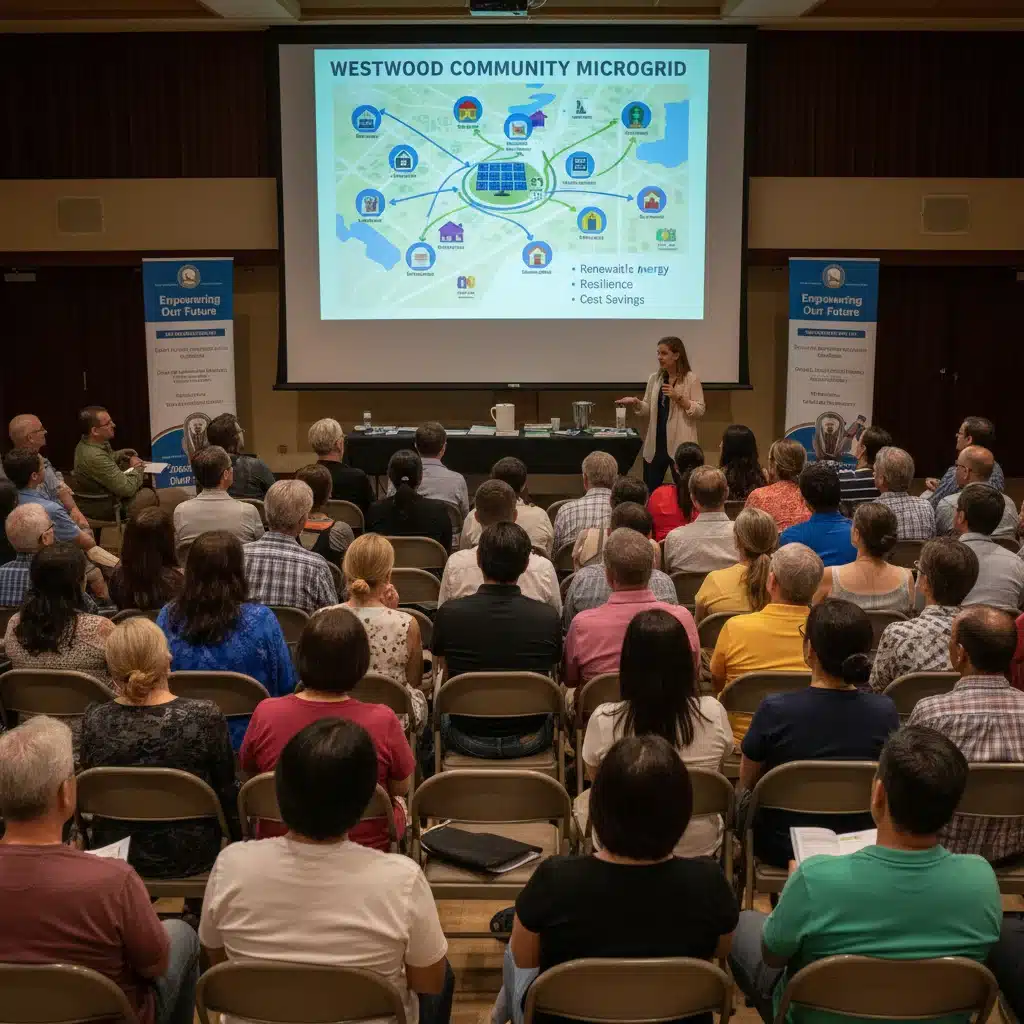
- Form a Stakeholder Group: Bring together local government officials, community leaders, businesses, and residents to discuss energy needs and goals. A collective vision is crucial for successful microgrid adoption 2035.
- Conduct Feasibility Studies: Hire consultants to perform detailed analyses of potential microgrid sites, energy loads, available renewable resources, and economic viability.
- Explore Funding Opportunities: Look into government grants, public-private partnerships, and innovative financing models (e.g., energy as a service) to fund microgrid projects.
- Engage with Utilities: Foster collaborative relationships with local utilities to understand interconnection requirements and explore potential partnerships. Many utilities are becoming more open to microgrid integration.
- Pilot Projects: Start with smaller, manageable pilot projects in critical areas (e.g., a municipal building, a school, or an emergency shelter) to gain experience and demonstrate the benefits before scaling up.
The Role of Smart Technology in Microgrid Adoption 2035
The realization of 30% microgrid adoption 2035 is intrinsically linked to advancements in smart technology. These technologies are not merely add-ons; they are the backbone that allows microgrids to operate efficiently, reliably, and autonomously.
Artificial Intelligence (AI) and Machine Learning (ML)
AI and ML algorithms are revolutionizing microgrid management. They can:
- Predict Energy Demand: By analyzing historical data, weather forecasts, and occupancy patterns, AI can accurately predict energy consumption, allowing the microgrid to optimize generation and storage.
- Optimize Energy Dispatch: AI can determine the most cost-effective and sustainable way to dispatch energy from various DERs, balancing renewable generation with grid stability.
- Proactive Maintenance: ML can identify anomalies in equipment performance, predicting potential failures before they occur, thus ensuring continuous operation.
- Market Integration: AI can enable microgrids to participate in energy markets, buying and selling electricity to maximize economic benefits.
Internet of Things (IoT)
IoT devices, such as smart meters, sensors, and connected appliances, provide real-time data on energy generation, consumption, and grid conditions. This granular data is fed into the EMS and AI systems, enabling precise control and optimization of the microgrid. For homeowners, IoT allows for remote monitoring and control of their energy systems, enhancing convenience and efficiency.
Blockchain Technology
While still in its nascent stages for energy applications, blockchain holds promise for peer-to-peer energy trading within microgrids. It can facilitate secure, transparent, and automated transactions between prosumers (producers and consumers of energy), allowing residents to buy and sell excess solar power directly to their neighbors without intermediaries. This could further democratize energy and accelerate microgrid adoption 2035.
Policy and Regulatory Landscape: Paving the Way for Microgrid Growth
The journey towards widespread microgrid adoption 2035 is heavily influenced by the policy and regulatory environment. Progressive policies are essential to remove barriers and create incentives for development.
Key Policy Drivers:
- Resilience Mandates: States and municipalities are increasingly enacting policies that prioritize grid resilience, often leading to funding for microgrid projects, especially for critical infrastructure.
- Renewable Portfolio Standards (RPS): Policies requiring utilities to source a certain percentage of their electricity from renewables indirectly support microgrids, as they are ideal platforms for integrating DERs.
- Interconnection Standards: Streamlined and standardized interconnection rules make it easier and faster for microgrids to connect to the main grid, reducing development costs and timelines.
- Community Choice Aggregation (CCA): CCAs allow local governments to procure electricity on behalf of their residents, often leading to greater investment in local renewable energy and microgrids.
- Valuation of Grid Services: Policies that properly value the ancillary services (e.g., demand response, voltage regulation) that microgrids can provide to the main grid create additional revenue streams and incentives for their deployment.
Federal Initiatives:
The U.S. Department of Energy (DOE) has been a significant proponent of microgrid research, development, and deployment. Initiatives like the Grid Modernization Initiative and various grant programs aim to accelerate the commercialization of advanced microgrid technologies and support community-level projects. These federal efforts are crucial in fostering a national ecosystem conducive to microgrid adoption 2035.
The Future is Local: Impact on Communities and Individuals
The projected 30% microgrid adoption 2035 signifies more than just a technological shift; it represents a fundamental change in our relationship with energy. The impact will be felt across all levels of society.
Empowered Communities
Communities will gain greater control over their energy destiny. They will be less susceptible to distant power outages and more capable of setting their own energy priorities, whether that’s maximizing renewable use, ensuring energy equity, or fostering local economic development through energy projects. Microgrids can become anchors for community resilience, particularly in vulnerable areas.
Individual Energy Independence
For individual homeowners, microgrids offer a path to unprecedented energy independence. Imagine a future where your home generates most of its own power, stores it efficiently, and can seamlessly disconnect from the grid during a storm without losing power. This not only provides comfort and security but also empowers consumers to become active participants in the energy market, rather than passive recipients.
A More Resilient Nation
At a national level, a widespread network of interconnected microgrids will create a far more resilient and robust energy infrastructure. The ability for localized systems to operate independently means that a failure in one part of the main grid won’t cascade into widespread blackouts. This distributed resilience is critical for national security and economic stability, making the goal of 30% microgrid adoption 2035 a strategic imperative.
Conclusion: Embracing the Microgrid Revolution for a Sustainable Future
The vision of microgrids powering 30% of U.S. homes by 2035 is not merely aspirational; it is a tangible and achievable goal driven by technological innovation, economic imperatives, and a growing societal demand for sustainable and resilient energy. While challenges remain, the clear benefits of enhanced reliability, environmental sustainability, and energy independence provide a powerful impetus for change.
For early adopters – whether individual homeowners, forward-thinking businesses, or proactive communities – the time to act is now. By understanding the fundamentals of microgrids, leveraging available technologies and incentives, and engaging with experts, you can play a pivotal role in shaping this decentralized energy future. The microgrid adoption 2035 trend promises not just a new way to power our homes, but a more secure, sustainable, and empowered future for all.
Embrace the microgrid revolution. Be part of the change that will redefine energy for generations to come. The journey towards a more resilient and sustainable energy landscape is well underway, and microgrids are at its very heart.