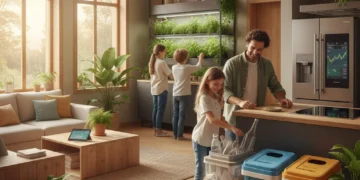
Energy Efficiency at Home: 6 Smart Upgrades Cutting Utility Bills by 20% for US Homeowners in 2026
Energy Efficiency at Home: 6 Smart Upgrades Cutting Utility Bills by 20% for US Homeowners in 2026
In an era where environmental consciousness meets economic prudence, the pursuit of Home Energy Efficiency has become a paramount concern for homeowners across the United States. With rising utility costs and a collective drive towards sustainability, finding effective ways to reduce energy consumption is no longer just a trend but a necessity. This comprehensive guide will walk you through six smart upgrades that can significantly cut your utility bills, potentially by 20% or more, by the year 2026. These aren’t just minor tweaks; they are strategic investments designed to enhance your home’s comfort, reduce its carbon footprint, and deliver substantial long-term financial benefits. We’ll delve into each upgrade, exploring its benefits, implementation, and how it contributes to overall Home Energy Efficiency, ensuring your home is not only greener but also more affordable to run.
Understanding the impact of energy consumption on your wallet and the planet is the first step toward a more efficient home. Every kilowatt-hour saved translates into real dollars in your pocket and a reduction in greenhouse gas emissions. For US homeowners, the journey to a more energy-efficient home often begins with identifying the biggest energy drains. From outdated heating and cooling systems to leaky windows and insufficient insulation, there are numerous areas where improvements can be made. Our focus today is on actionable, impactful upgrades that offer a clear return on investment. Let’s explore how you can transform your home into a beacon of Home Energy Efficiency.
1. Advanced Insulation and Air Sealing: The Foundation of Home Energy Efficiency
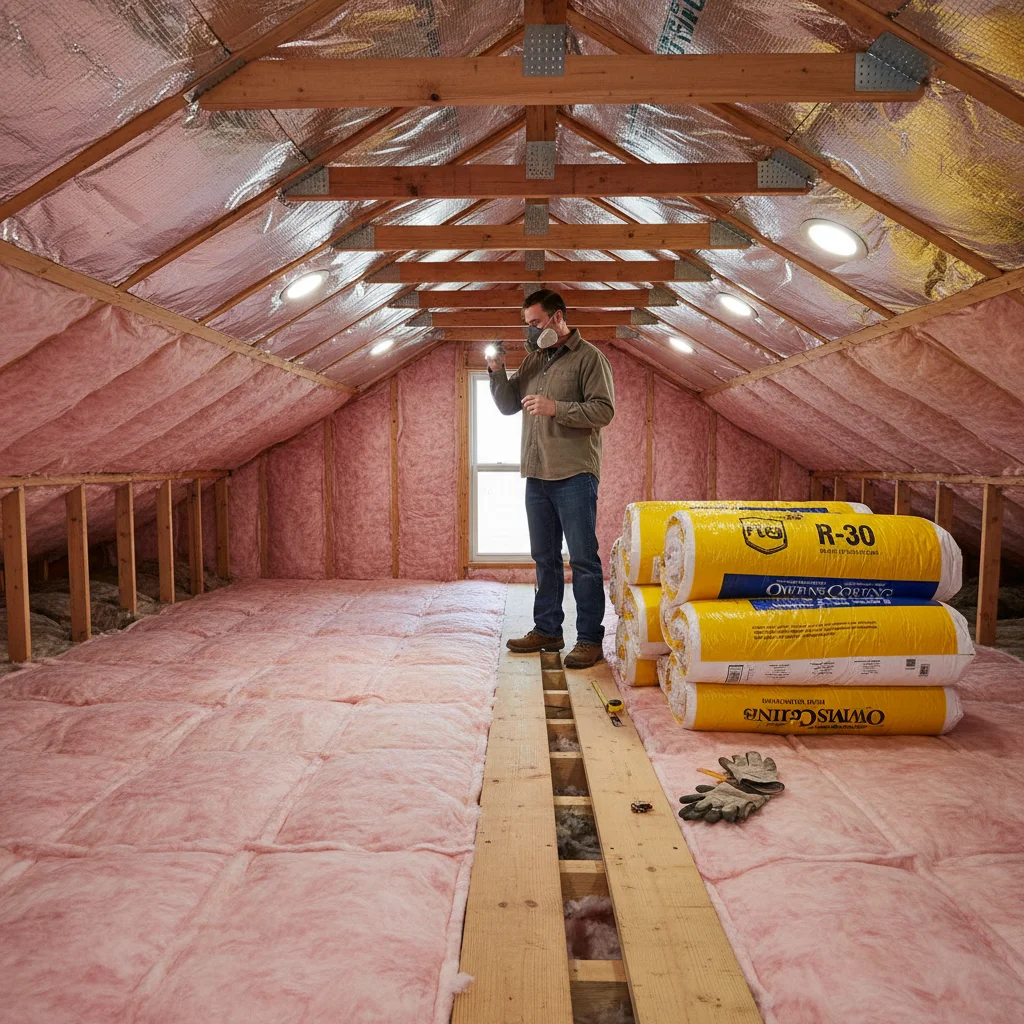
One of the most effective, yet often overlooked, strategies for improving Home Energy Efficiency is upgrading your insulation and implementing thorough air sealing. Your home’s thermal envelope – the barrier between conditioned and unconditioned spaces – plays a crucial role in maintaining comfortable indoor temperatures and preventing energy waste. Poor insulation allows heat to escape in winter and enter in summer, forcing your HVAC system to work harder and consume more energy.
Understanding Insulation Types and R-Values
Insulation is measured by its R-value, which indicates its resistance to heat flow. Higher R-values mean better insulating performance. Different areas of your home require different R-values, and the recommended levels vary by climate zone. Common insulation types include:
- Fiberglass: A popular and affordable option, available in batts, rolls, and loose-fill.
- Cellulose: Made from recycled paper products, often blown into wall cavities and attics. It offers good soundproofing qualities.
- Spray Foam: Provides excellent air sealing and high R-values, expanding to fill cavities and cracks. It’s more expensive but highly effective.
Focusing on your attic, walls, and crawl spaces can yield significant results. Adding insulation to an under-insulated attic, for example, can be one of the most cost-effective ways to improve Home Energy Efficiency.
The Critical Role of Air Sealing
Even with excellent insulation, air leaks can undermine your efforts. Gaps and cracks around windows, doors, electrical outlets, plumbing penetrations, and in the attic or basement can allow conditioned air to escape and unconditioned air to infiltrate. This phenomenon, known as air infiltration, can account for a significant portion of your home’s energy loss.
Effective air sealing involves:
- Caulking: Sealing small gaps and cracks around window and door frames, and where different building materials meet.
- Weatherstripping: Applying seals around movable components of windows and doors to prevent air leakage.
- Foam Sealants: Using expanding foam to fill larger gaps and penetrations, especially in attics and basements.
A professional energy audit can help identify specific areas where air sealing and insulation improvements are most needed. By addressing these fundamental aspects of your home’s structure, you lay a solid groundwork for enhanced Home Energy Efficiency, leading to immediate and noticeable savings on your utility bills.
2. Smart Thermostats: Intelligent Control for Optimal Energy Use
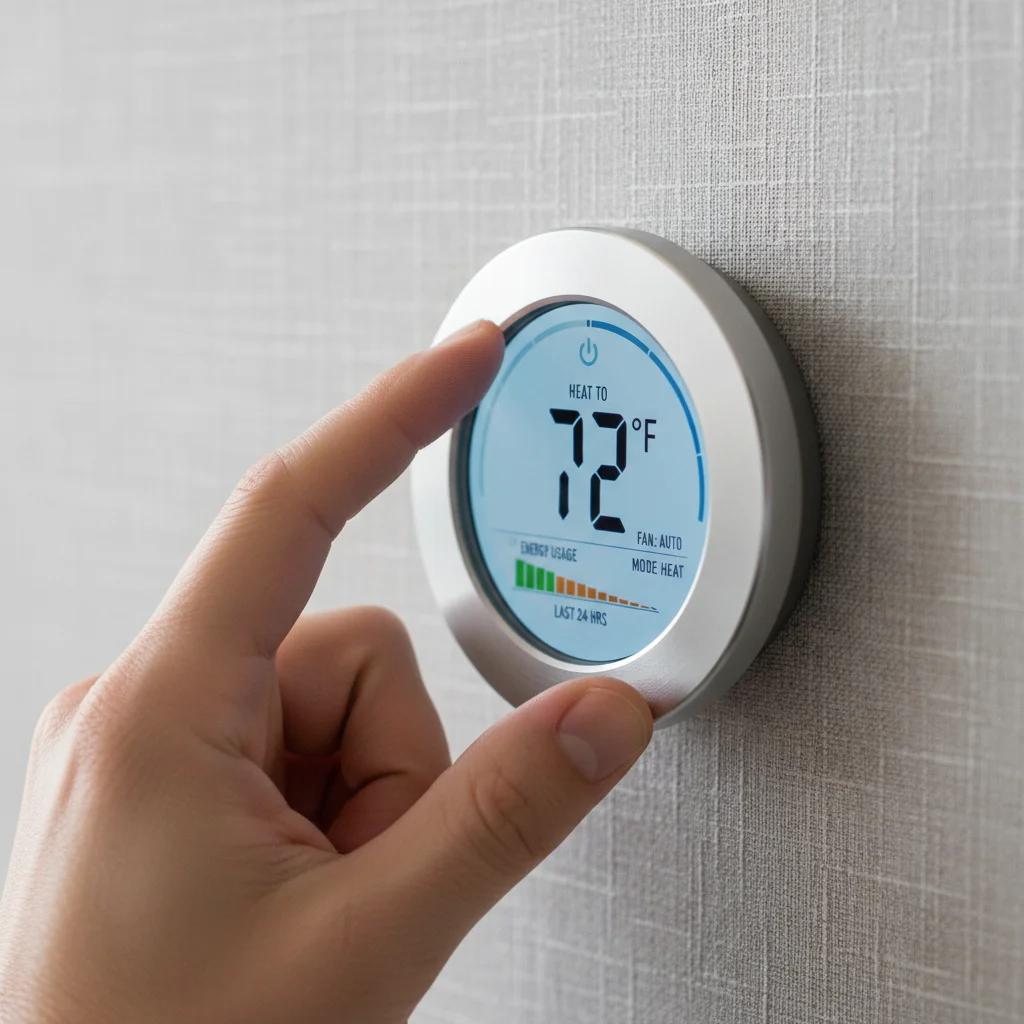
The advent of smart home technology has revolutionized how we manage our indoor environments, and smart thermostats stand at the forefront of this revolution for Home Energy Efficiency. Unlike traditional programmable thermostats, smart thermostats learn your preferences, adapt to your schedule, and can be controlled remotely, offering unparalleled convenience and energy-saving potential.
How Smart Thermostats Boost Efficiency
Smart thermostats leverage advanced algorithms and connectivity to optimize your heating and cooling. Here’s how they contribute to superior Home Energy Efficiency:
- Learning Capabilities: Many smart thermostats learn your daily routines and adjust temperatures accordingly, ensuring comfort when you’re home and saving energy when you’re away.
- Remote Control: Via a smartphone app, you can adjust your thermostat from anywhere, allowing you to fine-tune your home’s climate and avoid unnecessary heating or cooling.
- Geofencing: Some models use your phone’s location to detect when you’re leaving or approaching home, automatically adjusting the temperature to save energy or ensure comfort upon arrival.
- Energy Reports: Smart thermostats often provide detailed energy usage reports, helping you understand where and when you’re consuming the most energy, empowering you to make informed adjustments.
- Integration with Other Smart Devices: They can integrate with other smart home systems, such as smart vents or ceiling fans, for even more precise climate control and enhanced Home Energy Efficiency.
Choosing the Right Smart Thermostat
When selecting a smart thermostat, consider factors like compatibility with your existing HVAC system, ease of installation, features offered (learning, geofencing, zoning capabilities), and integration with other smart home platforms (e.g., Amazon Alexa, Google Assistant). Popular brands like Nest, Ecobee, and Honeywell offer a range of options suitable for various needs and budgets.
The initial investment in a smart thermostat is often recouped quickly through significant energy savings. By intelligently managing your heating and cooling, which typically account for the largest portion of a home’s energy consumption, a smart thermostat is a powerful tool in your arsenal for achieving greater Home Energy Efficiency.
3. High-Efficiency Windows and Doors: Plugging the Leaks
Windows and doors are often weak points in a home’s thermal envelope, leading to substantial energy loss. Upgrading to high-efficiency models can dramatically improve Home Energy Efficiency by reducing heat transfer and air infiltration. This is particularly true for older homes with single-pane windows or poorly sealed doors.
The Benefits of Energy-Efficient Windows
Modern energy-efficient windows incorporate several features to minimize heat transfer:
- Multiple Panes: Double or triple-pane windows create insulating air or gas-filled spaces between glass layers.
- Low-E Coatings: Low-emissivity (Low-E) coatings are microscopic, transparent metal layers that reflect infrared light (heat) while allowing visible light to pass through. This helps keep heat inside during winter and outside during summer.
- Argon or Krypton Gas Fills: Inert gases like argon or krypton, denser than air, are sealed between glass panes to further reduce heat transfer.
- Insulated Frames: Frames made from vinyl, fiberglass, or wood with thermal breaks offer better insulation than aluminum frames.
Replacing old, inefficient windows can not only save energy but also improve comfort by eliminating drafts and reducing outside noise. It also enhances your home’s curb appeal and increases its resale value, making it a multifaceted investment in Home Energy Efficiency.
Upgrading to Energy-Efficient Doors
Just like windows, doors can be a source of significant energy loss. Look for doors with:
- Solid Cores: Solid wood or steel doors with an insulating core provide better thermal performance than hollow doors.
- Weatherstripping and Sealing: Ensure doors have tight-fitting weatherstripping and a good threshold seal to prevent air leaks.
- Energy Star Rating: Look for doors that are Energy Star certified, indicating they meet strict energy efficiency guidelines.
While the upfront cost of high-efficiency windows and doors can be substantial, the long-term savings on heating and cooling bills, coupled with enhanced comfort and property value, make them a worthwhile investment in your journey towards optimal Home Energy Efficiency.
4. LED Lighting Conversion: Bright Savings, Minimal Impact
Lighting might seem like a minor component of your overall energy consumption, but traditional incandescent bulbs are notoriously inefficient. Converting to Light Emitting Diode (LED) lighting is one of the simplest and most impactful upgrades you can make for immediate improvements in Home Energy Efficiency.
Why LEDs are Superior
LEDs offer a compelling package of benefits:
- Energy Efficiency: LEDs use up to 90% less energy than incandescent bulbs and significantly less than CFLs (Compact Fluorescent Lamps) to produce the same amount of light. This translates directly into lower electricity bills.
- Longevity: LED bulbs have an incredibly long lifespan, often lasting 25,000 to 50,000 hours or more. This means fewer bulb replacements, saving you money and hassle over time.
- Durability: LEDs are solid-state lighting devices, making them more resistant to breakage from bumps and drops compared to fragile incandescent bulbs.
- Instant On and Full Brightness: Unlike some CFLs, LEDs illuminate instantly to full brightness, with no warm-up period.
- Reduced Heat Output: LEDs produce very little heat, which contributes to a cooler home environment, especially in warmer climates, further reducing the load on your air conditioning system and enhancing overall Home Energy Efficiency.
Making the Switch
Replacing incandescent and even CFL bulbs with LEDs is a straightforward process. LED technology has advanced to offer a wide range of color temperatures (from warm white to cool daylight) and dimmable options, ensuring you can find the perfect lighting for every room. Consider replacing your most frequently used lights first to maximize savings. The cost of LED bulbs has also decreased significantly, making this an even more accessible and attractive upgrade for any homeowner looking to improve Home Energy Efficiency.
5. Energy-Efficient Appliances: The Smart Choice for Daily Savings
Appliances are indispensable to modern living, but they can be significant energy hogs if not chosen wisely. Upgrading to Energy Star certified appliances is a powerful step towards bolstering your Home Energy Efficiency, especially for items like refrigerators, washing machines, dishwashers, and water heaters.
Understanding Energy Star Certification
The Energy Star label is a government-backed symbol for energy efficiency, providing a simple way for consumers to identify products that save energy and money. Energy Star certified products meet strict energy efficiency guidelines set by the U.S. Environmental Protection Agency (EPA) and the U.S. Department of Energy (DOE).
Key Appliances for Energy Efficiency Upgrades
- Refrigerators: Newer models are significantly more efficient than those from even a decade ago. Look for features like improved insulation, efficient compressors, and smart defrost cycles.
- Washing Machines: High-efficiency (HE) front-loading washing machines use less water and energy than traditional top-loaders. They also extract more water during the spin cycle, reducing drying time and energy consumption.
- Dishwashers: Energy Star certified dishwashers use less hot water and energy per cycle, often with sensor technology to adjust water usage based on soil levels.
- Water Heaters: This is often one of the biggest energy consumers in a home. Upgrading to a tankless water heater, a heat pump water heater, or a solar water heater can lead to substantial long-term savings. Tankless heaters provide hot water on demand, heat pump water heaters move heat rather than generating it, and solar heaters use the sun’s energy. Each offers distinct advantages for improving Home Energy Efficiency.
- HVAC Systems: While often a larger investment, replacing an old, inefficient furnace, air conditioner, or heat pump with a high-efficiency Energy Star certified model can dramatically reduce your heating and cooling costs, which are typically the largest portion of your energy bill.
When an appliance reaches the end of its life, or if you’re undertaking a major home renovation, prioritize replacing it with an Energy Star certified model. The initial investment will be offset by lower operating costs and a reduced environmental impact, making it a smart move for long-term Home Energy Efficiency.
6. Renewable Energy Integration: Harnessing Nature’s Power
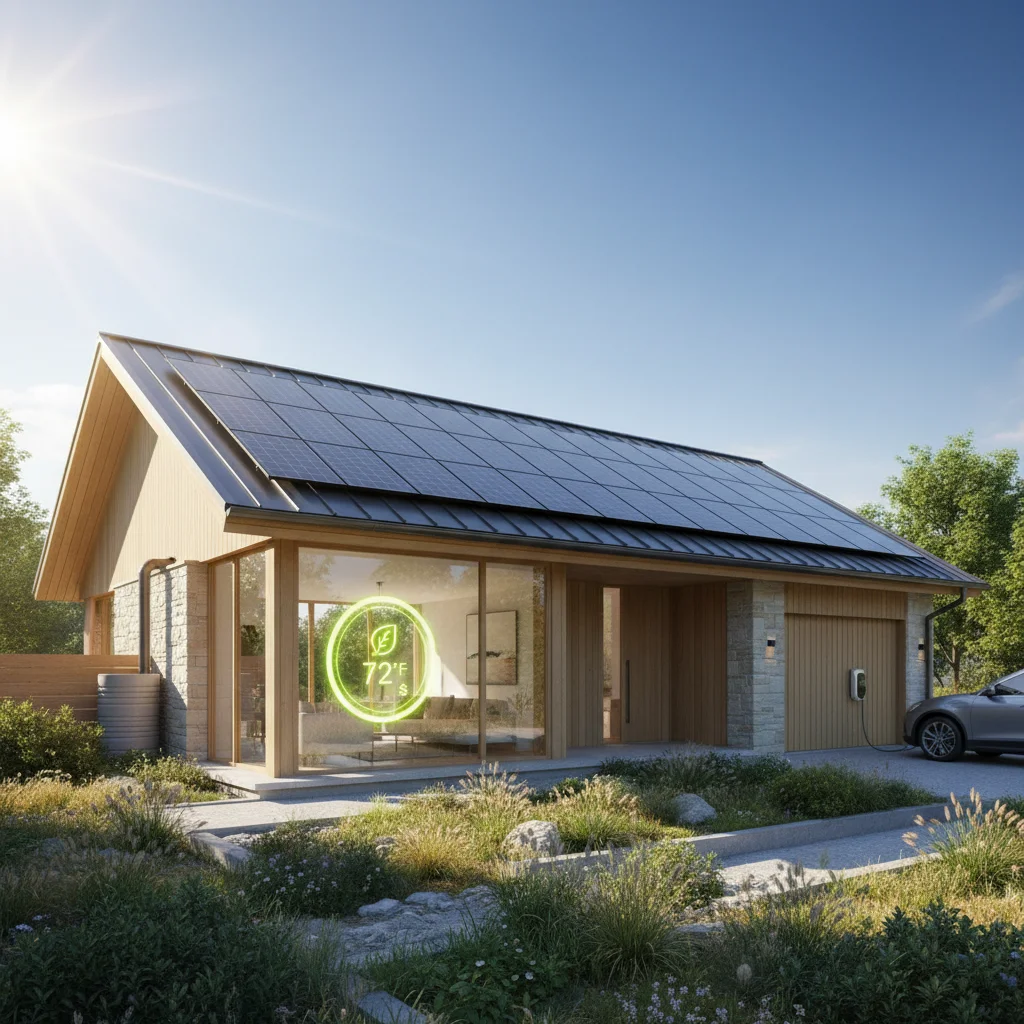
For those looking to take their Home Energy Efficiency to the next level, integrating renewable energy sources offers the ultimate pathway to energy independence and significant long-term savings. Solar panels are the most common and accessible option for homeowners, but other solutions exist.
Solar Photovoltaic (PV) Panels
Solar panels convert sunlight directly into electricity, which can then be used to power your home. The benefits are numerous:
- Reduced or Eliminated Electricity Bills: Depending on the size of your system and your energy consumption, solar panels can drastically reduce or even eliminate your monthly electricity bill.
- Environmental Benefits: Solar energy is clean and renewable, producing no greenhouse gas emissions during operation.
- Increased Home Value: Homes with solar panels often have higher resale values.
- Financial Incentives: Various federal, state, and local incentives, such as tax credits (like the federal solar tax credit), rebates, and net metering programs, can significantly reduce the upfront cost of installation. Net metering allows you to sell excess electricity generated by your panels back to the grid.
Other Renewable Energy Options
- Solar Water Heaters: These systems use solar collectors to heat water, providing a highly efficient way to meet a significant portion of your hot water needs.
- Geothermal Systems: Geothermal heat pumps tap into the stable underground temperatures to provide highly efficient heating and cooling for your home. While more expensive to install, they offer exceptional long-term energy savings and environmental benefits.
While the initial investment for renewable energy systems can be substantial, the long-term financial and environmental returns are compelling. With ongoing advancements in technology and increasingly favorable incentive programs, harnessing renewable energy is becoming an increasingly viable and attractive option for maximizing Home Energy Efficiency.
The Road Ahead: Planning Your Energy Efficiency Journey
Embarking on the path to improved Home Energy Efficiency is a journey, not a single step. It involves strategic planning, thoughtful investment, and a commitment to sustainable living. By focusing on these six smart upgrades, US homeowners can expect to see significant reductions in their utility bills – often exceeding 20% – by 2026, while simultaneously enhancing their home’s comfort, value, and environmental performance.
Start with an Energy Audit
Before diving into major upgrades, consider scheduling a professional home energy audit. An auditor will use specialized equipment, like blower doors and infrared cameras, to identify specific areas of energy loss in your home. This assessment provides a roadmap, prioritizing the most impactful and cost-effective improvements tailored to your property. It ensures that your investments in Home Energy Efficiency are targeted and yield the best possible returns.
Explore Financial Incentives and Rebates
Many government programs (federal, state, and local), utility companies, and even manufacturers offer financial incentives, tax credits, and rebates for energy-efficient home improvements. Researching these opportunities can significantly reduce the upfront cost of your upgrades, making them more accessible. For instance, the federal government often provides tax credits for investments in renewable energy and certain energy-efficient home improvements.
Prioritize and Phase Your Upgrades
You don’t have to implement all six upgrades at once. Prioritize those that offer the quickest payback or address your most significant energy drains first. For example, sealing air leaks and upgrading insulation are often foundational and cost-effective starting points. You can then progressively move to more substantial investments like new windows, appliances, or solar panels as your budget allows. This phased approach ensures continuous improvement in Home Energy Efficiency without overwhelming your finances.
Consider the Long-Term Benefits
Beyond the immediate financial savings on utility bills, investing in Home Energy Efficiency brings a host of other benefits:
- Increased Comfort: A well-insulated and sealed home is more comfortable, with fewer drafts and more consistent temperatures throughout.
- Improved Indoor Air Quality: Proper sealing and ventilation can reduce the infiltration of pollutants and allergens, leading to healthier indoor air.
- Enhanced Home Value: Energy-efficient homes are increasingly attractive to buyers, often commanding higher resale values.
- Reduced Carbon Footprint: By consuming less energy, you contribute less to greenhouse gas emissions, playing your part in combating climate change.
The journey towards a more energy-efficient home is a rewarding one. It empowers you to take control of your energy consumption, save money, and contribute to a healthier planet. By embracing the strategies outlined in this guide, US homeowners are not just making upgrades; they are investing in a sustainable, comfortable, and financially sound future for their homes. The goal of cutting utility bills by 20% or more by 2026 is not just aspirational; it’s an achievable reality with smart, strategic investments in Home Energy Efficiency.