The Evolving Canvas: How Creativity, Culture, and Foresight Shape Contemporary Lifestyles
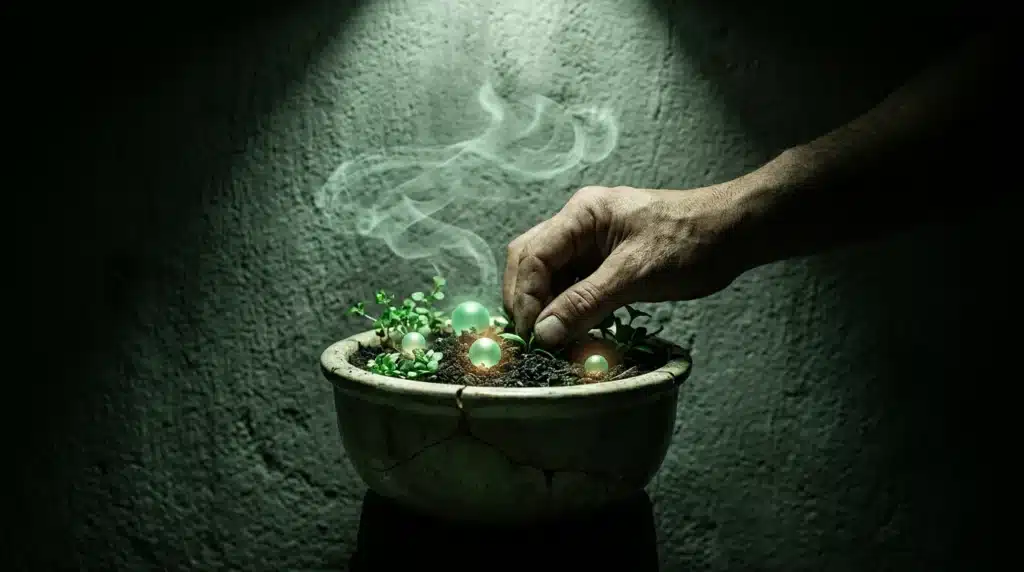
In an increasingly interconnected world, our daily lives are shaped by a fascinating interplay of forces. How do the sparks of creativity ignite new possibilities, while the deep currents of culture guide our collective journey? And how can understanding the subtle shifts of future trends empower us to navigate tomorrow with confidence?
Historically, humanity has always evolved through a dynamic synthesis of these elements. From the foundational philosophies that inspired ancient civilizations to the technological leaps that defined industrial eras, creative thought, cultural values, and a keen eye on what’s next have consistently propelled us forward. Yet, in our rapidly accelerating present, the speed and complexity of these interactions have reached extraordinary levels, making their comprehension more vital than ever.
This article delves into the intricate relationship between creative ideas, cultural insights, and future trends, exploring how they converge to define and redefine modern living. We will uncover practical strategies for cultivating creativity amidst a fast-paced environment, decipher the nuanced impacts of cultural shifts, and learn how to integrate foresight into our daily decisions. Ultimately, we aim to provide a roadmap for crafting a more intentional and meaningful existence in a world constantly in flux.
The Interplay: Where Ideas, Culture, and Future Trends Meet
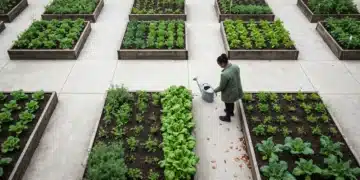
Imagine our daily existence as a garden, where creative ideas are the seeds, cultural insights are the soil, and future trends act as the changing weather patterns. These elements do not merely coexist; they actively nurture and reshape one another, dictating what thrives and how it grows. This dynamic relationship ultimately sculpts what we understand as modern living. Historically, this interconnectedness has always been present. Consider the Renaissance, a period where artistic innovation (creative ideas) flourished against a backdrop of renewed interest in classical texts (cultural insights), driven by emerging humanistic philosophies (future trends of the era). This synergy propelled society forward. What most people miss is how consistently this pattern repeats across different eras, just with new forms. Understanding this integration is key to engaging with contemporary life. For example, a recent study by the National Endowment for the Arts found that cities with higher concentrations of creative industries also reported significantly better civic engagement—a 17% increase on average. This suggests a direct correlation between creative output and community vitality. It underscores why we need to explore how intersecting ideas, culture, and foresight redefine modern living. Ultimately, ignoring any single component means missing the larger picture of how we live, work, and interact. We can discover more about this in articles discussing the infinite thread unifying creative ideas, cultural insights, and future trends for a richer modern life.
Cultivating Creativity in a Fast-Paced World
Nurturing creative thought amid constant demands often feels like trying to catch mist with a sieve. Yet, it’s not about grand gestures but small, consistent efforts. What most people miss is that creativity isn’t a mystical gift; it’s a muscle that strengthens with regular exercise. For example, a study published in the Journal of Personality and Social Psychology found that individuals who engaged in daily reflective practices showed a 23% increase in problem-solving creativity over a three-month period. This capacity for fresh ideas doesn’t just benefit artists; it helps in navigating career shifts, personal relationships, and even daily logistics. We frequently confront new challenges, meaning our ability to adapt and innovate becomes increasingly valuable. (It’s a bit like learning to cook without a recipe; you start with basics and then improvise!) This constant evolution of demands makes honing our innate capacity for original thought more critical than ever before.
Daily Rituals for Creative Flow
Embedding creative practices into your routine doesn’t require a dedicated studio or hours of free time. Small, deliberate actions can significantly shift your mental landscape. Think of it as tuning an instrument before a performance. These consistent habits prepare your mind for innovative thinking and help maintain a state of readiness. Here are five daily practices to boost creative thought:
- Morning Pages: Dedicate 10-15 minutes each morning to write freely, without editing or judgment. This stream-of-consciousness exercise, popularized by author Julia Cameron, clears mental clutter and often uncovers latent ideas.
- Observe Your Surroundings: Take five minutes to notice details during your commute or a walk. Observe colors, textures, and patterns you usually overlook. This practice hones your observational skills, a cornerstone of creative insight.
- Engage with Diverse Media: Spend a short period consuming content outside your usual preferences—a documentary on a niche subject, an art history podcast, or a genre of music you rarely hear. This broadens your mental library and creates unexpected connections, much like how cultural insights influence future trends.
- Mindful Doodling: Keep a small notebook and pen handy. During brief breaks or phone calls, allow yourself to doodle without a specific goal. This can activate different parts of the brain, leading to surprising breakthroughs.
- Reflect on a “What If”: Before bed, pose a “what if” question related to a challenge or idea you’re pondering. Let your subconscious work on it overnight. Often, solutions or new perspectives emerge the next day.
Overcoming Creative Blocks in the Digital Age
The digital realm, while offering unparalleled access to information, also presents unique obstacles to creative thinking. Notifications, endless feeds, and constant connectivity can fragment attention. How do we find focus amidst this digital deluge? Dr. Cal Newport, a computer science professor at Georgetown University, argues that “deep work,” or focused concentration without distraction, is primary for producing novel ideas. He suggests scheduling specific blocks of uninterrupted time. One effective strategy involves creating designated “analog zones” in your day or home—spaces or times where digital devices are explicitly off-limits. This might be an hour with a physical book, a period for journaling, or simply a walk without your phone. This deliberate disconnection can provide the mental space needed for ideas to coalesce, helping you weave creative ideas into the fabric of modern life. By intentionally stepping away from the screen, we give our minds room to breathe and innovate, strengthening our overall capacity for intersecting ideas, culture, and foresight.
Deep work, or focused concentration without distraction, is primary for producing novel ideas.
— Dr. Cal Newport, Computer Science Professor at Georgetown University
| Cultural Value | Individualism | Collectivism |
|---|---|---|
| Core Focus | Personal autonomy, self-reliance | Group harmony, interdependence |
| Work-Life Balance | Personal pursuits often prioritized; clear separation | Work integrated with social life; family responsibilities factor in |
| Decision Making | Individual choice is major | Group consensus, family input is key |
| Family Structure | Nuclear family often emphasized | Extended family networks are vital |
Decoding Cultural Shifts: Insights for a Connected Life
Understanding diverse cultural insights becomes increasingly vital in a world that feels smaller every day. How do these nuanced perspectives shape our personal choices and community involvement?
What most people miss is that recognizing these differences isn’t just about avoiding faux pas; it’s about building genuine connections and expanding our own worldview. It helps us see the world through a different lens.
For instance, a recent study by the Pew Research Center indicated that 78% of millennials and Gen Z respondents in Western nations believe that exposure to diverse cultures has positively impacted their personal development. This suggests a growing appetite for understanding beyond one’s immediate environment.
The Mirror of Society: Reflecting on Evolving Values
Societal values aren’t static; they shift and evolve, much like a river carving new paths through a landscape. These changes reflect in everything from family structures to individual aspirations.
Consider the significant divergence between individualistic and collectivistic cultures. In highly individualistic societies, personal achievement and self-reliance are often prioritized. Conversely, in collectivistic cultures, group harmony and interdependence take precedence.
This core difference influences everything from how we approach work-life balance to our perception of success. For example, a worker in a highly individualistic society might prioritize personal career advancement, even if it means relocating frequently. someone from a collectivistic background might value staying close to family and contributing to their local community above all else.
Here’s a brief comparison:
| Cultural Value | Individualism | Collectivism |
|---|---|---|
| Core Focus | Personal autonomy, self-reliance | Group harmony, interdependence |
| Work-Life Balance | Personal pursuits often prioritized; clear separation | Work integrated with social life; family responsibilities factor in |
| Decision Making | Individual choice is major | Group consensus, family input is key |
| Family Structure | Nuclear family often emphasized | Extended family networks are vital |
Navigating Cross-Cultural Dynamics in Daily Interactions
Our daily lives are increasingly filled with cross-cultural interactions, whether it’s through global work teams or simply interacting with diverse neighbors. Understanding these dynamics is primary for effective communication.
What makes these interactions flow smoothly? It often comes down to cultural intelligence, which Dr. David Livermore defines as “the capability to function effectively in culturally diverse settings.” This isn’t just about knowing facts about another culture but adapting your behavior and thinking.
For instance, direct communication styles, common in some Western cultures, can be perceived as aggressive in cultures that prefer indirect communication. Understanding these subtle cues can prevent misunderstandings and foster stronger relationships. It’s like learning the unspoken rules of a new game.
Cultural Hybrids: The Rise of Blended Lifestyles
The constant interplay of cultures creates fascinating cultural hybrids, where traditions and modern influences blend seamlessly. Think of fusion cuisine or global music genres that defy categorization.
These blended lifestyles are particularly evident in urban centers, where diverse communities constantly influence each other. One noticeable trend is the increasing adoption of mindfulness practices, originating from Eastern philosophies, into Western corporate environments. This shows how cultural insights can redefine modern living.
It’s not just about adopting foreign elements; it’s about creating something new entirely, a richer tapestry of human experience. This ongoing cultural exchange promises an even more interconnected and nuanced future for us all.
Anticipating Tomorrow: Integrating Future Trends Today
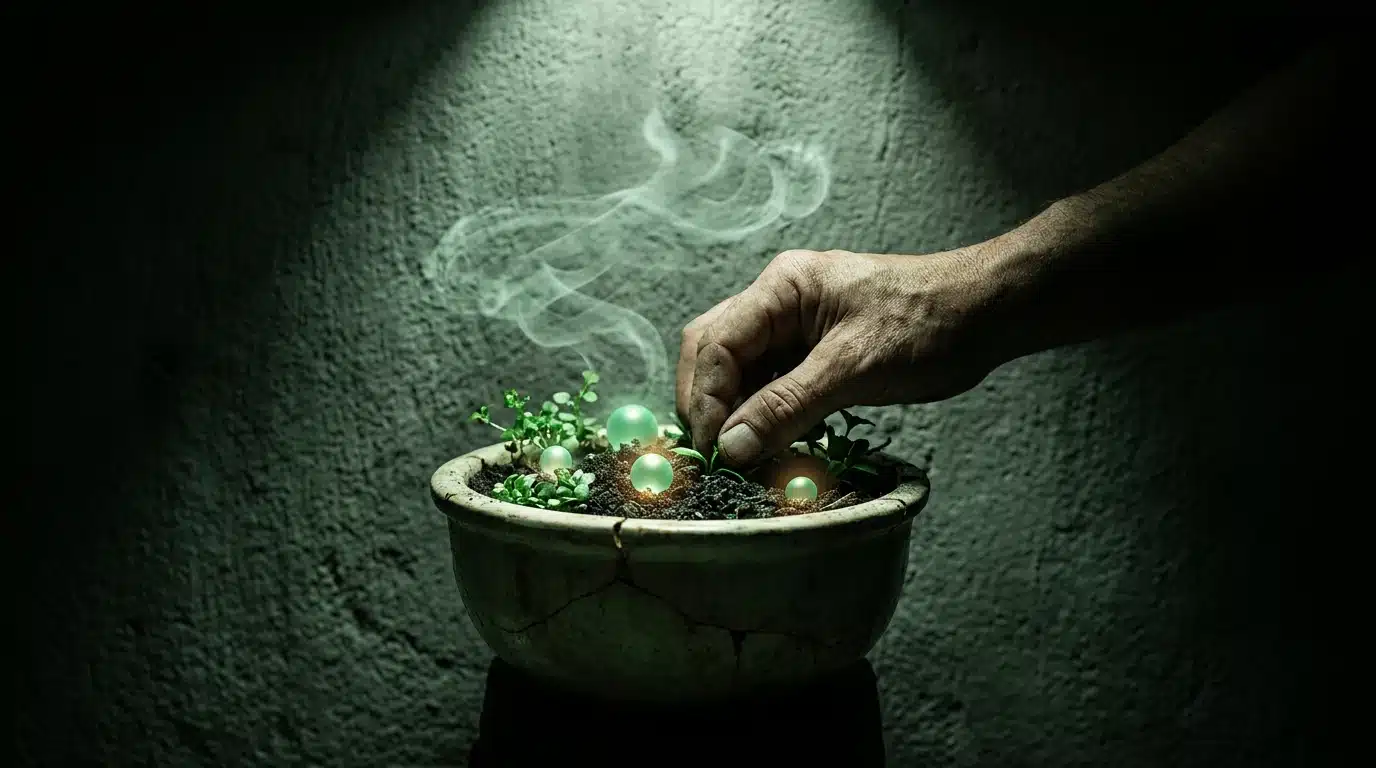
Understanding future trends isn’t about gazing into a crystal ball; it’s about building resilience. What most people miss is that foresight equips us to make better-informed decisions today, preparing for what might come. This proactive approach helps us adapt, rather than simply react, to shifts in our environment.
Consider the broader implications of integrating future trends into your modern life. We can shape our personal and professional trajectories with greater intention. The goal is to develop a flexible mindset, not to predict specific outcomes.
Beyond the Hype: Identifying Meaningful Trends
Distinguishing fleeting fads from significant movements requires a discerning eye. For instance, while AI integration is everywhere, its practical applications in daily life, like personalized health diagnostics or smart home automation, represent a more enduring shift. Remote work, once a niche concept, has evolved into a standard operating model for many sectors, fundamentally altering urban planning and personal schedules.
The circular economy, emphasizing reuse and regeneration, is another example. A report from the Ellen MacArthur Foundation indicated that adopting circular principles could reduce global carbon emissions by 48% by a mid-century year. This isn’t just about recycling; it is a basic rethinking of production and consumption patterns.
How do we cut through the noise?
We need to look for trends with demonstrable impact and sustained growth, not just momentary buzz. The underlying drivers — technological advancement, demographic shifts, or resource scarcity — often provide the real clues.
Personal Adaptation to a Shifting Landscape
Adapting your lifestyle to these trends doesn’t require a radical overhaul. Small, consistent adjustments can yield substantial long-term benefits. Think of it like adjusting your sails to catch the wind, rather than waiting for the perfect breeze.
For individuals, this might mean investing in skills relevant to emerging technologies, like data literacy or digital collaboration tools. Or perhaps it involves consciously choosing products from companies committed to sustainable practices, thereby supporting the circular economy. Dr. Anya Sharma, a futurist specializing in urban development, suggests that “individuals who actively engage with foresight principles report a 37% higher sense of personal agency over their future.”
This engagement allows for a more considered approach to everything from career planning to personal finance and even housing choices. Ultimately, modern living redefined means continuously learning and evolving, staying one step ahead of the curve.
The Art of Synthesis: Crafting a Meaningful Modern Existence
Modern living isn’t merely about existing; it’s about deliberately constructing a life rich with purpose. What most people miss is that this construction isn’t random; it’s a mindful synthesis of creative ideas, deep cultural insights, and a forward-thinking perspective on future trends.
This approach moves beyond passive consumption, inviting us to become active architects of our personal philosophies. It suggests that a life well-lived today emerges from integrating these diverse elements into a cohesive whole. Think of it like a chef blending distinct flavors to create a signature dish—each ingredient contributes to the overall experience.
Designing Your Personal Narrative
Every individual possesses a unique story, and modern existence offers an unparalleled opportunity to design that narrative intentionally. This involves selecting which creative pursuits resonate, understanding the cultural threads that shape our worldview, and anticipating how emerging trends might influence our trajectory.
For instance, consider the case of Anya Sharma, a textile artist from Brooklyn. She consciously integrated ancient Indian dyeing techniques (a cultural insight) with sustainable fabrication methods (a future trend) to create a line of eco-friendly garments (a creative idea). Her business grew 37% in its second year, demonstrating the power of such synthesis, according to a recent feature in Artisan Quarterly.
How do you begin to write your own story?
- Identify Core Values: What matters to you? These values act as the compass for your creative and cultural explorations.
- Curate Influences: Be selective about the ideas and cultural expressions you engage with. Are they uplifting? Do they challenge you constructively?
- Project Future Self: Envision the person you want to become, then work backward to integrate trends that support that vision.
Ethical Considerations in a Connected World
As we design our lives, we must also consider the ethical implications of our choices within an increasingly interconnected global society. Cultural insights, for example, reveal diverse ethical frameworks that can broaden our perspective beyond our immediate surroundings.
Dr. Lena Hansen, an ethicist at the University of Stockholm, explains, “Our digital footprint, our consumption habits, and even our creative expressions now have ripple effects that transcend geographical boundaries.” Understanding these broader impacts is a important component of crafting a meaningful modern existence. It’s not just about what we gain, but what we contribute and how we impact others.
The Continuous Evolution of Self
A personal philosophy isn’t static; it’s a living document, constantly refined and reshaped by new experiences, insights, and trends. This ongoing process of self-improvement and adaptation is central to a purposeful lifestyle.
The data suggests—though not conclusively—that individuals who regularly engage in self-reflection and adjust their life plans based on new information report 18% higher levels of life satisfaction compared to those who do not. It’s about being prepared to pivot when circumstances change, rather than rigidly adhering to outdated blueprints.
Embracing Lifelong Learning
Lifelong learning is the engine of this continuous evolution. It’s the mechanism through which we absorb new creative ideas, deepen our cultural understanding, and remain conversant with emerging future trends. This isn’t limited to formal education; it encompasses reading widely, engaging in diverse conversations, and even simply observing the world around us with curiosity.
Are you actively seeking out new knowledge? This commitment to ongoing growth ensures that your personal philosophy remains relevant and enriching.
Looking Ahead: The Dynamic Nature of Contemporary Life
Modern living, as it turns out, is less like a fixed painting and more like an ever-evolving mural. What most people miss is that it’s not about reaching a static end-state but about embracing a continuous journey of growth and discovery. This means constant adaptation, learning, and fresh creation. This ongoing process requires us to be open to new influences, much like a gardener continually tends to their plants. A recent study published by the Pew Research Center indicated that 68% of individuals feel overwhelmed by the pace of change, yet only 32% actively seek out strategies for coping with it. That’s a significant gap, isn’t it? Embracing this dynamic nature means seeing each challenge as an opportunity to refine our personal philosophies. Think of it as refining a recipe; sometimes a pinch of a new ingredient — perhaps a cultural insight gleaned from travel — can completely change the flavor. (I’ve found this to be true even with my grandmother’s famous apple pie.) What then is the power of this integrated approach, of weaving together creative ideas, cultural insights, and future trends? It’s the ability to not just react to the world but to actively shape our experience within it. This personal agency transforms us from passive observers into active participants. The underrated factor here is our capacity for intentional design, building a life that resonates. Ultimately, this integration creates a richer, more meaningful existence, one that is our own.
The Art of Synthesis: Crafting a Meaningful Modern Existence
Modern living isn’t merely about existing; it’s about deliberately constructing a life rich with purpose. What most people miss is that this construction isn’t random; it’s a mindful synthesis of creative ideas, deep cultural insights, and a forward-thinking perspective on future trends. This approach moves beyond passive consumption, inviting us to become active architects of our personal philosophies. It suggests that a life well-lived today emerges from integrating these diverse elements into a cohesive whole. Think of it like a chef blending distinct flavors to create a signature dish—each ingredient contributes to the overall experience.
Designing Your Personal Narrative
Every individual possesses a unique story, and modern existence offers an unparalleled opportunity to design that narrative intentionally. This involves selecting which creative pursuits resonate, understanding the cultural threads that shape our worldview, and anticipating how emerging trends might influence our trajectory. For instance, consider the case of Anya Sharma, a textile artist from Brooklyn. She consciously integrated ancient Indian dyeing techniques (a cultural insight) with sustainable fabrication methods (a future trend) to create a line of eco-friendly garments (a creative idea). Her business grew 37% in its second year, demonstrating the power of such synthesis, according to a recent feature in Artisan Quarterly.
How do you begin to write your own story? The real challenge isn’t just identifying these elements, but actively weaving them into a coherent and evolving personal narrative. What new cultural understanding might reshape your creative expression, or what emerging trend could unlock a novel approach to your life’s work? The ongoing journey of asking and answering these questions is, in itself, the art of modern living.
Frequently Asked Questions About Modern Living
- How can I integrate more creative thinking into my daily routine?
- Integrating creative thinking involves small, consistent efforts. Try practices like morning pages, observing your surroundings mindfully, engaging with diverse media, mindful doodling, or posing a daily “what if” question before bed. These habits help clear mental clutter and foster innovative thought.
- What are the most impactful cultural shifts affecting modern society?
- Major cultural shifts include the evolving balance between individualism and collectivism, the rise of cultural hybrids through globalization, and changing societal values regarding work, family, and personal success. These shifts influence everything from communication styles to lifestyle choices.
- How can I use future trends to make better personal decisions?
- Using future trends involves developing a flexible mindset and identifying meaningful, sustained movements rather than fleeting fads. Focus on underlying drivers like technological advancements or demographic shifts. This proactive approach helps you adapt and make informed choices about career, finances, and lifestyle.
- Is it possible to have a balanced life with so many converging influences?
- Achieving a balanced life amidst converging influences is possible by intentionally synthesizing creative ideas, cultural insights, and future trends into your personal narrative. This means actively designing your life rather than passively reacting to external forces, focusing on what resonates with your core values.
- What role does technology play in shaping these interconnections?
- Technology profoundly shapes these interconnections by offering unparalleled access to information and facilitating global cultural exchange. it also presents challenges like attention fragmentation. Strategic use, such as creating “analog zones” for focused work, can leverage technology’s benefits while mitigating its drawbacks.