Creator Economy: Media Shifts by 2026
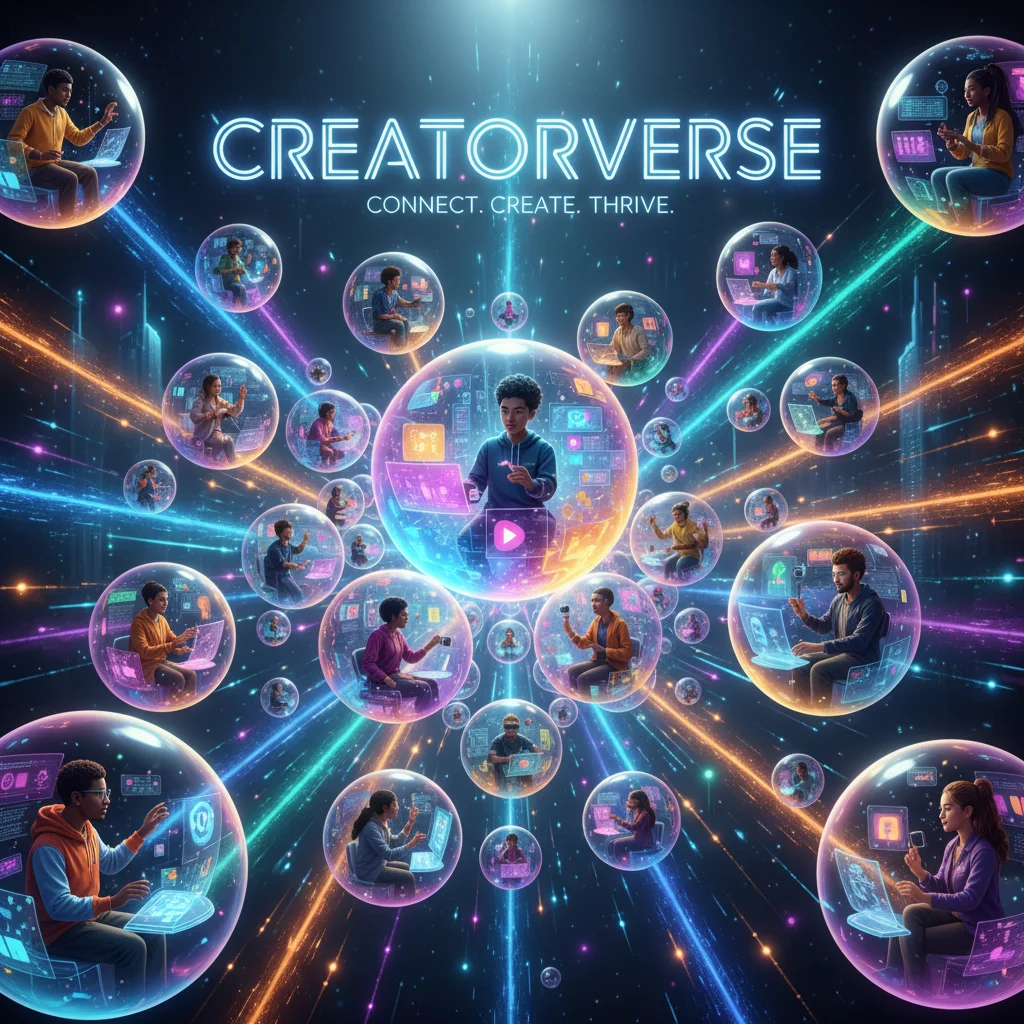
The digital age has consistently redefined how we consume information, entertainment, and even human connection. Yet, few phenomena have been as transformative and rapid as the rise of the creator economy shifts. This burgeoning sector, fueled by independent content creators leveraging digital platforms to build audiences and monetize their passions, is not just a passing trend; it’s a fundamental restructuring of media consumption in American culture. By early 2026, the ripple effects are predicted to be profound, leading to unexpected and significant changes in how we interact with content.
Understanding these shifts is crucial for anyone involved in media, marketing, or simply interested in the future of digital culture. The traditional gatekeepers of media are losing their grip, replaced by a decentralized network of individuals forging direct relationships with their audiences. This article will delve into six unexpected shifts in media consumption that the creator economy is poised to unleash by 2026, offering a glimpse into a future where personalization, authenticity, and direct engagement reign supreme.
1. The Ascendancy of Hyper-Niche Content and Micro-Communities
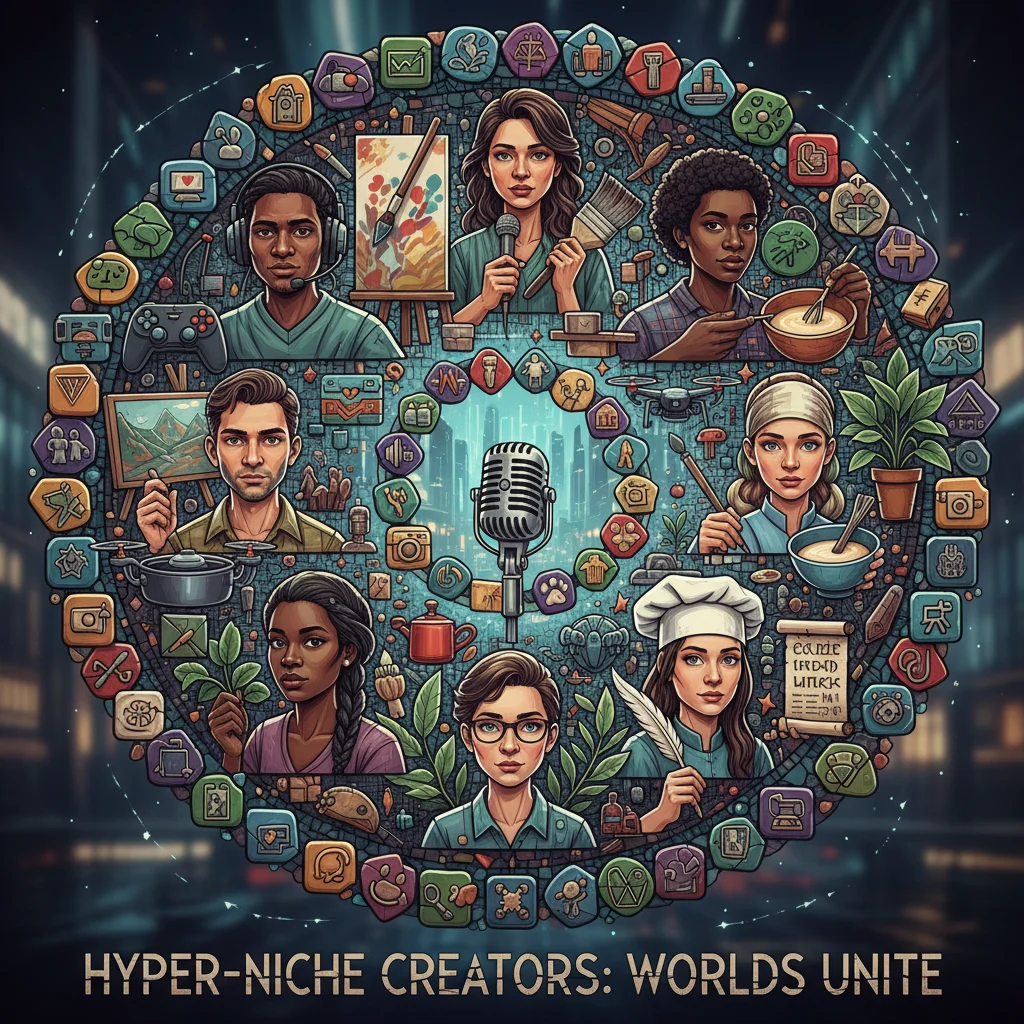
One of the most significant creator economy shifts is the move away from broad, mass-market content towards highly specialized, hyper-niche offerings. Traditional media often aimed for the largest possible audience, resulting in generalized content that appealed to many but deeply resonated with few. The creator economy, however, thrives on specificity. Creators can find and cultivate passionate audiences around topics that might seem obscure to the mainstream, from vintage computing restoration to experimental baking techniques, or even deep dives into specific subgenres of indie music.
By 2026, this trend will be amplified. Consumers will increasingly bypass mainstream media outlets in favor of creators who cater directly to their unique interests. This isn’t just about finding content; it’s about finding community. These hyper-niche creators foster micro-communities where like-minded individuals can connect, share, and engage with content on a much deeper level. Platforms are evolving to better support these communities, offering advanced tools for interaction, live Q&As, and exclusive content tiers. The result is a media landscape characterized by depth over breadth, where authenticity and shared passion are the primary drivers of consumption.
This shift has profound implications for advertisers and brands. Instead of generic campaigns targeting demographic segments, success will lie in identifying and engaging with these micro-communities through relevant creators. The power of recommendation from a trusted niche expert will far outweigh traditional advertising. Furthermore, the sheer volume of niche content means that consumers will have an unprecedented array of choices, further fragmenting attention but also fostering stronger, more loyal audiences for creators who truly understand their specific interest groups. The ability to cater to these specific interests is a key differentiator in the evolving creator economy shifts.
2. The Blurring Lines Between Creator, Consumer, and Collaborator
The traditional media model clearly delineated roles: creators made content, and consumers consumed it. The creator economy shifts this paradigm dramatically, blurring these lines to an unprecedented degree. By 2026, we will see consumers not just as passive recipients but as active participants, contributors, and even collaborators in the content creation process. This goes beyond comments and likes; it encompasses direct input, co-creation, and community-driven content development.
Creators are increasingly leveraging their audiences for ideas, feedback, and even direct contributions. Think of creators building a video game with community input, writing a story based on fan suggestions, or developing products in collaboration with their followers. This participatory model fosters a stronger sense of ownership and loyalty among the audience. When consumers feel invested in the creation process, their engagement deepens, and their advocacy for the creator strengthens.
Platforms are facilitating this by introducing more interactive features, such as polls, Q&A sessions, and even direct submission mechanisms. The rise of user-generated content (UGC) within creator ecosystems will also accelerate, with creators curating and amplifying content from their community. This collaborative dynamic transforms media consumption into an experience of shared creation, making the content more relevant and resonant for everyone involved. For brands, this presents an opportunity to tap into authentic community-generated narratives, moving beyond traditional advertising to become part of the conversation facilitated by these creator economy shifts.
3. The Normalization of Direct Creator-Fan Monetization
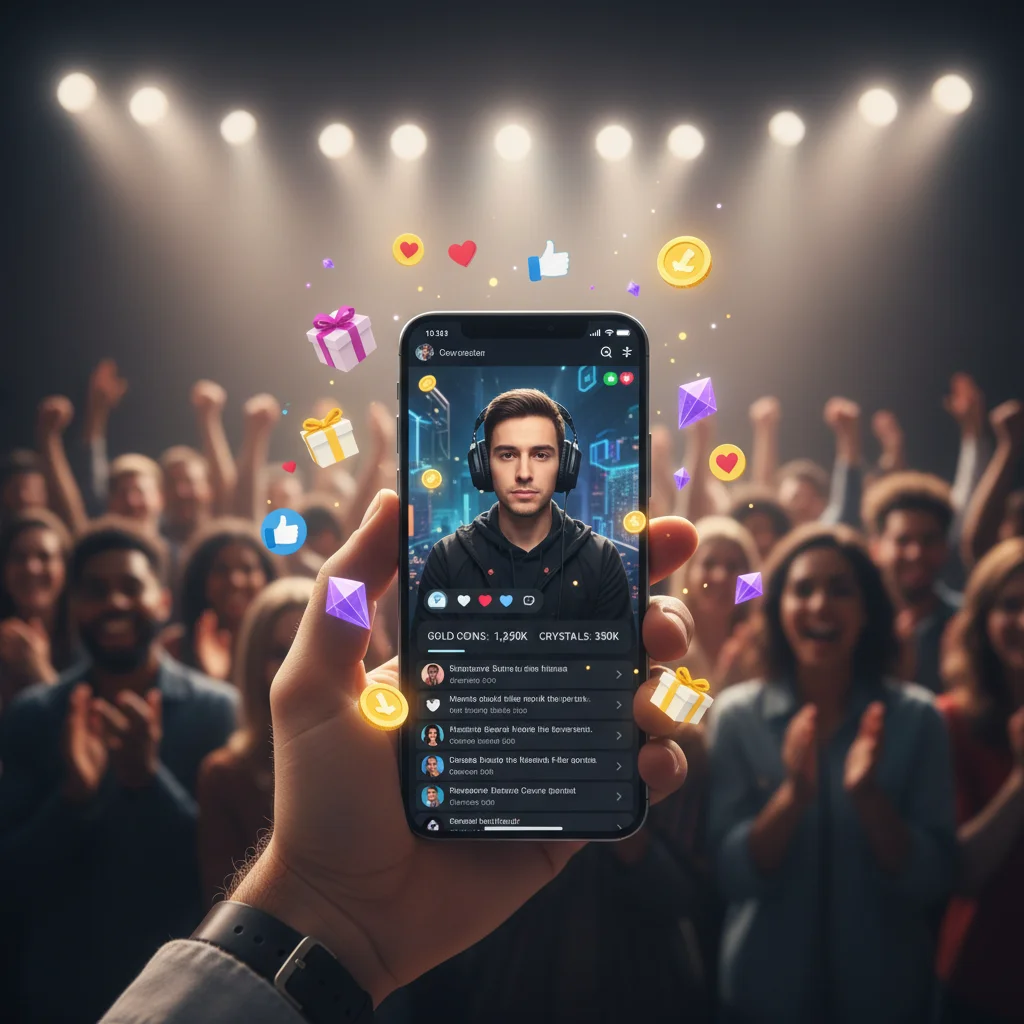
For decades, media consumption was largely free (supported by advertising) or subscription-based (for a large catalog of content). The creator economy shifts this model by normalizing direct, voluntary financial support from fans to creators. By 2026, tipping, subscriptions to individual creators, patronage models (like Patreon), and direct purchase of creator-made products will be commonplace, moving from niche behaviors to mainstream acceptance.
This shift is driven by several factors. Firstly, fans recognize the value that creators bring to their lives and are willing to pay for it, especially when the content is highly personal and engaging. Secondly, the desire to support independent voices and bypass traditional media structures is growing. Thirdly, creators are offering increasingly compelling incentives for direct monetization, such as exclusive content, early access, personalized interactions, and behind-the-scenes glimpses.
This direct monetization empowers creators, giving them greater financial independence and allowing them to focus on their craft without being solely reliant on ad revenue or brand deals. For consumers, it means a more direct relationship with the content they love and a sense of contributing to the sustainability of their favorite creators. This model also encourages creators to prioritize quality and authenticity, as their income is directly tied to the value they provide to their most dedicated fans. The proliferation of tools and platforms making direct payments seamless will further accelerate this trend, solidifying direct creator-fan monetization as a cornerstone of the creator economy shifts.
4. The Rise of ‘Authenticity Over Production Value’ as a Dominant Metric
Traditional media often equated high production value with quality. Polished visuals, professional editing, and expensive equipment were the hallmarks of reputable content. However, the creator economy shifts this perception, particularly among younger demographics. By 2026, authenticity, relatability, and genuine connection will often trump high production value as the dominant metrics for content appeal.
Consumers are increasingly wary of overly polished, curated content that feels inauthentic or manufactured. They crave realness, vulnerability, and a sense of direct human connection that many creators, especially those operating independently, can deliver more effectively than large media corporations. A creator filming directly from their home studio with a simple setup can build a stronger rapport with their audience than a network show with a multi-million-dollar budget, simply because they feel more accessible and real.
This doesn’t mean production value is entirely irrelevant, but it’s no longer the sole or primary determinant of success. Many highly successful creators achieve massive engagement with relatively simple setups, relying instead on their personality, expertise, and ability to connect. This shift also lowers the barrier to entry for aspiring creators, enabling more diverse voices to emerge and contribute to the media landscape. For brands, this means recalibrating their content strategies, prioritizing genuine storytelling and collaboration with authentic creators over glossy, corporate advertisements. The emphasis on authenticity is a crucial aspect of the current creator economy shifts.
5. The Emergence of ‘Creator-Led Commerce’ as a New Retail Frontier
The influence of creators extends far beyond mere content consumption. By 2026, we will witness the significant emergence of ‘creator-led commerce,’ where creators become potent direct-to-consumer (DTC) brands themselves, driving sales of their own products and services directly to their audience. This is a natural evolution of the creator economy shifts, moving beyond affiliate marketing or sponsored posts.
Creators are uniquely positioned for this. They have built trust and rapport with their audience, understand their needs and desires intimately, and possess powerful platforms for direct communication. Whether it’s merchandise, digital products (e.g., e-books, online courses, presets), physical goods related to their niche (e.g., custom art supplies, specialized gaming gear), or even personalized services, creators are becoming formidable retailers.
Platforms are responding by integrating e-commerce functionalities directly into their ecosystems, making it easier for creators to list, sell, and fulfill orders. This streamlines the shopping experience for fans and provides creators with another robust revenue stream. For established brands, this means a new competitive landscape, but also new opportunities for collaboration. Partnering with creators to develop co-branded products or leverage their direct sales channels can open up new markets and build deeper connections with consumer segments that are increasingly skeptical of traditional advertising. The integration of commerce directly into the creator’s ecosystem is a powerful facet of these creator economy shifts.
6. The Decline of Passive Consumption and the Rise of Interactive Experiences
For much of media history, consumption was largely a passive activity: watching television, listening to the radio, reading a newspaper. While these forms persist, the creator economy shifts are accelerating a move towards more interactive and engaging experiences. By 2026, consumers will increasingly expect to participate, influence, and shape the content they consume, pushing passive consumption further into the background.
Live streaming is a prime example, offering real-time interaction between creator and audience. But the trend goes further, encompassing interactive narratives, choose-your-own-adventure content, virtual and augmented reality experiences that integrate audience input, and gamified content consumption. Creators are experimenting with formats that turn content into a dynamic, two-way street, where the audience’s choices and feedback directly impact the unfolding narrative or experience.
This shift caters to a generation that grew up with interactive digital media and expects to be more than just spectators. It fosters deeper engagement, longer viewing times, and a stronger sense of connection to the content and its creator. For media companies, this means rethinking content creation from the ground up, moving away from broadcast models towards more participatory designs. The ability to create compelling interactive experiences will be a key differentiator in attracting and retaining audiences in the face of these profound creator economy shifts.
Conclusion: Navigating the Evolving Media Landscape
The creator economy shifts are not merely cosmetic changes; they represent a fundamental reorientation of power, value, and engagement within the media landscape. By early 2026, the six trends outlined above – hyper-niche content, blurred creator-consumer lines, direct monetization, authenticity over production, creator-led commerce, and interactive experiences – will have solidified their place as dominant forces in American media consumption.
For creators, this future offers unprecedented opportunities for independence, direct connection with audiences, and diverse revenue streams. Success will depend on authenticity, consistent engagement, and a willingness to innovate with new formats and monetization strategies. For consumers, it means a richer, more personalized, and more engaging media experience, tailored to their specific interests and values. The ability to directly support and interact with favorite creators fosters a deeper sense of community and ownership over the content they consume.
For traditional media companies and brands, these shifts present both challenges and immense opportunities. The challenge lies in adapting to a decentralized, creator-driven environment where traditional advertising models are less effective. The opportunity lies in understanding these new dynamics, collaborating with influential creators, and embracing authenticity and community-building as core tenets of their strategy. Ignoring these creator economy shifts is not an option; embracing them is the key to relevance and success in the rapidly evolving digital future. The landscape of media consumption is not just changing; it’s being entirely reimagined by the power of individual creativity and direct audience connection, promising a vibrant and dynamic future for content creation and consumption in American culture.