Cultural Authenticity: The Future of Brand Success in 2026
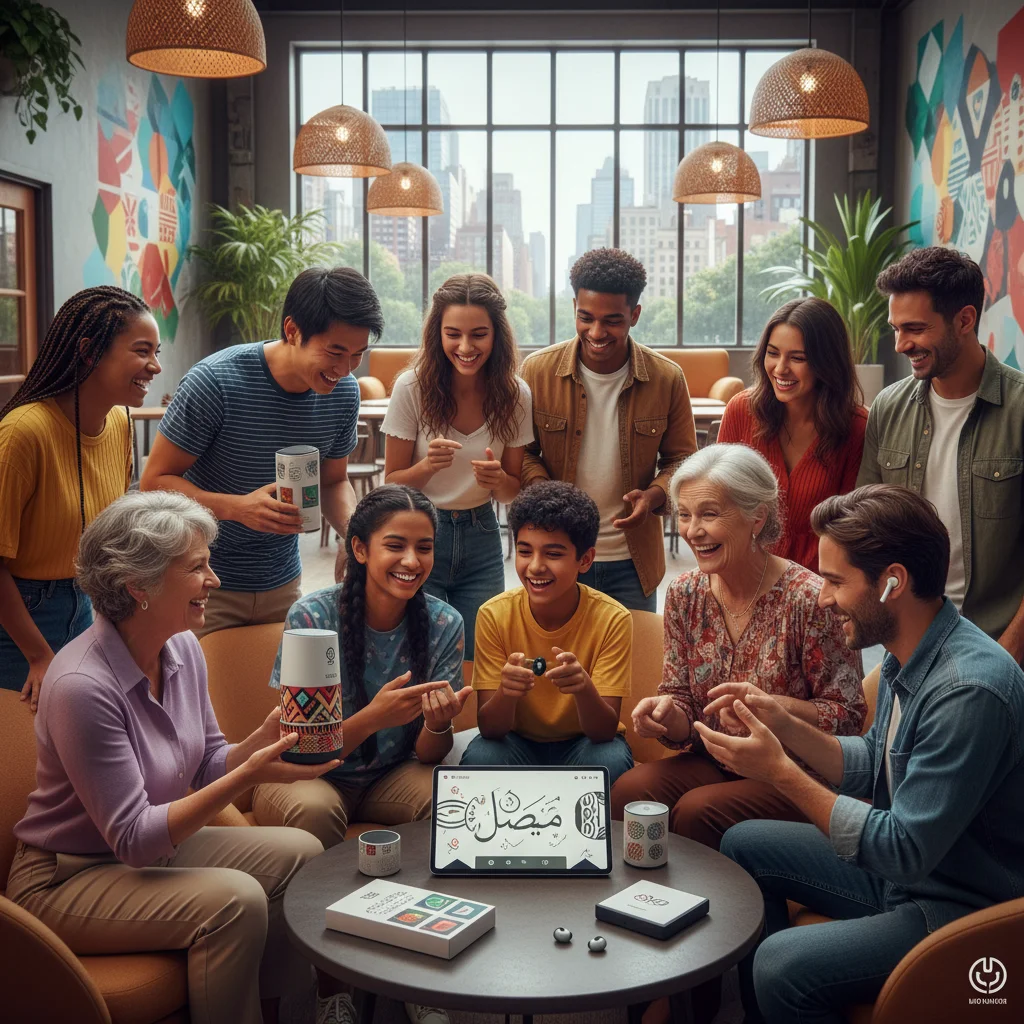
In the rapidly evolving landscape of consumer expectations, one trend has emerged as a dominant force, shaping the very foundation of brand-consumer relationships: cultural authenticity brands. The year 2026 marks a pivotal point where this isn’t just a preferred trait, but a fundamental demand. Recent studies indicate that a staggering 70% of American consumers now expect and actively seek out brands that demonstrate genuine cultural authenticity. This isn’t merely about superficial representation; it’s about a deep, ingrained understanding and respect for diverse cultures, reflected in every facet of a brand’s operation, from product development to marketing campaigns and corporate values.
For too long, brands have operated under the assumption that broad appeal or generic messaging would suffice. However, as societies become more interconnected and diverse, consumers are increasingly discerning. They are no longer content with token gestures or surface-level attempts at inclusion. Instead, they demand real, verifiable authenticity that resonates with their own cultural identities and experiences. This shift represents a significant challenge, but also an immense opportunity, for brands willing to invest in understanding and embodying true cultural authenticity.
The implications of this trend are profound. Brands that fail to adapt risk alienating a significant portion of the market, losing out on not only sales but also the invaluable trust and loyalty that come from genuine connection. Conversely, those that successfully integrate cultural authenticity into their core strategies stand to gain a competitive edge, fostering deeper relationships with their audience and building a more resilient brand presence. This article delves into the multifaceted aspects of cultural authenticity brands, exploring why it has become such a critical imperative, what it truly means in practice, and how businesses can effectively navigate this new consumer landscape to thrive in 2026 and beyond.
The Shifting Sands of Consumer Expectations: Why Authenticity Reigns
The rise of cultural authenticity brands as a non-negotiable consumer demand in 2026 is not an overnight phenomenon. It’s the culmination of several societal shifts that have empowered consumers and reshaped their priorities. Firstly, the digital age has provided unprecedented access to information and diverse perspectives. Social media platforms, in particular, have become powerful conduits for cultural exchange, allowing individuals to connect with communities far beyond their immediate geographical boundaries. This exposure has fostered a greater appreciation for cultural nuances and a heightened sensitivity to misrepresentation or appropriation.
Secondly, demographic changes in the United States play a crucial role. The American population is more diverse than ever, with a rich tapestry of ethnicities, traditions, and belief systems. Consumers from various cultural backgrounds are increasingly seeking brands that acknowledge and celebrate their heritage, rather than ignoring or homogenizing it. They want to see themselves reflected authentically in the products they buy, the advertisements they see, and the values brands espouse.
Thirdly, there’s a growing demand for ethical and responsible branding. Consumers are not just buying products; they are buying into ideologies. They expect brands to stand for something meaningful, to contribute positively to society, and to demonstrate a genuine understanding of the diverse communities they serve. This extends beyond environmental sustainability to encompass social responsibility, including fair representation and cultural respect. Brands that are perceived as inauthentic or exploitative in their cultural engagement face significant backlash, often amplified by online communities.
Finally, the concept of ‘woke washing’ has made consumers wary. Many brands have attempted to capitalize on cultural trends without a genuine commitment to the underlying values. This superficial approach is quickly identified and rejected by savvy consumers who can distinguish between performative allyship and authentic engagement. As a result, the bar for cultural authenticity brands has been raised significantly, requiring a deeper, more integrated approach.
Understanding these underlying drivers is paramount for any brand aiming to connect with consumers in 2026. It’s no longer enough to simply acknowledge diversity; brands must actively embody and celebrate it in a way that feels genuine and respectful to the communities they seek to serve. The 70% statistic isn’t just a number; it represents a fundamental shift in consumer psychology and a clear mandate for the future of branding.
Defining Cultural Authenticity: Beyond Surface-Level Representation
So, what exactly does cultural authenticity brands entail? It’s far more than simply including diverse faces in advertisements or using culturally inspired designs. True cultural authenticity is a holistic concept that permeates every level of a brand’s operations. It begins with a deep, respectful understanding of different cultures, their histories, values, and sensitivities. This understanding cannot be superficial; it requires dedicated research, genuine engagement with cultural experts, and a willingness to learn and adapt.
At its core, cultural authenticity means:
- Respectful Representation: Ensuring that cultural elements, whether in imagery, language, or product design, are portrayed accurately, respectfully, and without perpetuating stereotypes. This involves avoiding cultural appropriation, where elements of a culture are adopted without understanding or acknowledging their original context and significance.
- Inclusive Storytelling: Crafting narratives that resonate with diverse audiences, allowing individuals from different cultural backgrounds to see themselves genuinely reflected in a brand’s story. This means moving beyond a single dominant narrative and embracing a multitude of perspectives.
- Internal Diversity and Inclusion: A brand cannot genuinely represent cultural authenticity externally if it doesn’t embody it internally. This means fostering a diverse and inclusive workplace where employees from all backgrounds feel valued, heard, and empowered. Diverse teams bring diverse perspectives, which are crucial for authentic cultural engagement.
- Ethical Sourcing and Production: For brands that utilize cultural elements in their products, authenticity extends to ethical sourcing practices, fair trade, and ensuring that the communities from which these elements originate are respected and compensated fairly.
- Community Engagement and Collaboration: Building genuine relationships with cultural communities, collaborating with cultural experts, artists, and influencers, and supporting community initiatives. This moves beyond transactional relationships to true partnerships.
- Language and Communication Sensitivity: Using language that is culturally appropriate and avoids misinterpretations or offensive connotations. This might involve localizing content not just for language, but for cultural context.
The absence of any of these elements can quickly undermine a brand’s claims of cultural authenticity. Consumers, particularly the 70% who prioritize it, are adept at spotting inconsistencies and will call out brands that fall short. Therefore, a comprehensive and integrated approach is essential for any brand aiming to truly embody cultural authenticity brands in 2026.
The Business Case for Cultural Authenticity Brands
Beyond the ethical imperative, there’s a compelling business case for prioritizing cultural authenticity brands. The 70% statistic is a clear indicator that this isn’t a niche concern; it’s a mainstream expectation with tangible impacts on a brand’s bottom line. Brands that successfully embrace cultural authenticity can expect to see several key benefits:
Increased Brand Loyalty and Trust
When consumers feel seen, understood, and respected by a brand, they are far more likely to develop a deep sense of loyalty and trust. This loyalty translates into repeat purchases, higher customer lifetime value, and a willingness to advocate for the brand. In an age where trust is a scarce commodity, cultural authenticity builds a strong foundation for lasting relationships.
Expanded Market Reach and New Opportunities
By genuinely connecting with diverse cultural groups, brands can tap into previously underserved markets and unlock new growth opportunities. This isn’t just about reaching more people; it’s about reaching them in a way that resonates, leading to higher engagement and conversion rates. Brands that are culturally authentic naturally broaden their appeal.
Enhanced Brand Reputation and Perception
In a world where consumers are increasingly conscious of a brand’s social impact, those that demonstrate genuine cultural authenticity are perceived more favorably. This positive reputation can attract top talent, foster stronger partnerships, and provide a buffer against potential crises. It positions a brand as forward-thinking, responsible, and aligned with modern values.
Improved Employee Engagement and Retention
A brand that values and embodies cultural authenticity internally creates a more inclusive and supportive work environment. This leads to higher employee satisfaction, greater engagement, and reduced turnover. Employees who feel a sense of belonging are more productive and become powerful advocates for the brand.
Competitive Differentiation
In crowded markets, cultural authenticity can be a powerful differentiator. While many brands may pay lip service to diversity, those that truly embed it into their DNA stand out. This unique positioning allows them to attract and retain customers who are actively seeking brands that align with their values.
The business benefits of cultural authenticity brands are clear and quantifiable. It’s not just about doing the right thing; it’s about making smart strategic choices that drive sustainable growth and foster a resilient brand in the long term. Ignoring this trend is not an option for businesses aiming for success in 2026.
Strategies for Cultivating Cultural Authenticity
Embarking on the journey to become a truly culturally authentic brand requires a strategic and sustained effort. It’s not a one-time campaign but an ongoing commitment. Here are key strategies for brands looking to meet the 70% consumer demand for cultural authenticity brands by 2026:
1. Invest in Deep Cultural Understanding
This is the foundational step. Brands must move beyond generalizations and invest in understanding the specific cultural nuances of their target audiences. This means:
- Ethnographic Research: Conducting in-depth studies within cultural communities to understand their values, traditions, communication styles, and consumption patterns.
- Consulting Cultural Experts: Engaging with anthropologists, sociologists, community leaders, and cultural consultants who can provide invaluable insights and guidance.
- Active Listening: Monitoring social media conversations, online forums, and feedback channels to understand how different cultural groups perceive the brand and its competitors.
Without this deep understanding, any attempt at authenticity risks falling flat or even causing offense.
2. Prioritize Internal Diversity, Equity, and Inclusion (DEI)
Authenticity starts from within. Brands must build diverse teams that reflect the cultural mosaic of their consumer base. This means:
- Diverse Hiring Practices: Implementing strategies to attract and retain talent from various cultural backgrounds at all levels of the organization.
- Inclusive Culture: Fostering an environment where all employees feel safe, respected, and empowered to bring their whole selves to work. This includes celebrating cultural holidays, offering culturally sensitive training, and ensuring equitable opportunities.
- Diverse Leadership: Ensuring that leadership teams are diverse, as decisions made at the top significantly impact a brand’s cultural approach.
An internally diverse and inclusive culture is the bedrock for external cultural authenticity.
3. Develop Culturally Sensitive Products and Services
Product development must be informed by cultural insights. This could involve:
- Tailoring Offerings: Creating products or services that specifically cater to the needs and preferences of particular cultural groups.
- Respectful Design: Incorporating cultural aesthetics or elements in a way that is respectful, accurate, and avoids appropriation.
- Accessibility: Ensuring products and services are accessible to diverse communities, considering factors like language, digital literacy, and cultural norms.
The product itself should be a testament to the brand’s commitment to cultural authenticity brands.
4. Craft Authentic Marketing and Communication
Marketing is often the most visible aspect of a brand’s cultural engagement. Authenticity here means:
- Beyond Tokenism: Moving past superficial representation to feature individuals from diverse cultures in meaningful roles, telling genuine stories.
- Culturally Relevant Messaging: Developing campaigns that resonate with specific cultural values and communication styles, avoiding universalist approaches where inappropriate.
- Collaborating with Cultural Influencers: Partnering with authentic voices from specific cultural communities who can genuinely represent the brand.
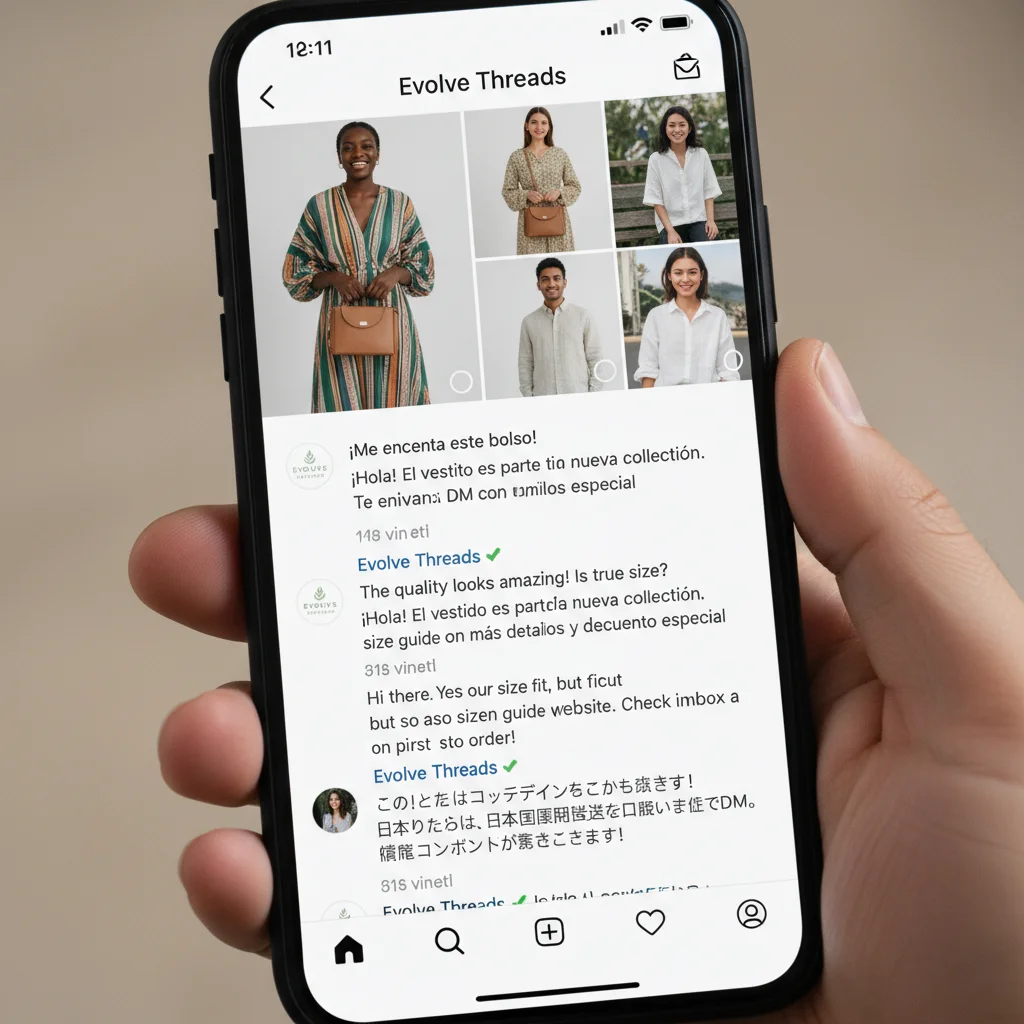
- Language Localization and Transcreation: Beyond simple translation, transcreation adapts content to the cultural context, ensuring it evokes the same emotions and understanding in different languages.
Every marketing touchpoint should reinforce the brand’s commitment to cultural authenticity brands.
5. Engage in Meaningful Community Partnerships
Authenticity is proven through action. Brands should actively support and engage with the communities they aim to serve:
- Sponsorships and Philanthropy: Supporting cultural events, organizations, and initiatives that align with the brand’s values.
- Co-creation: Involving community members or cultural experts in the development of campaigns, products, or services.
- Long-term Commitments: Building sustained, mutually beneficial relationships rather than one-off campaigns.
These partnerships demonstrate a genuine commitment that goes beyond commercial interests, solidifying the brand’s status as a culturally authentic entity.
Pitfalls to Avoid in the Quest for Authenticity
While the rewards of cultural authenticity brands are significant, the path is fraught with potential missteps. Brands must be acutely aware of common pitfalls to avoid alienating the very consumers they wish to attract. The 70% of consumers demanding authenticity are also quick to identify and penalize brands for perceived insincerity or cultural insensitivity.
Cultural Appropriation vs. Appreciation
This is perhaps the most significant trap. Cultural appropriation occurs when elements of a culture are adopted without understanding, respect, or acknowledgment of their original context, often by a dominant culture for commercial gain. This can be deeply offensive and lead to severe brand damage. True appreciation involves deep research, collaboration, credit, and often, equitable compensation to the source culture. Brands must educate themselves and their teams on the difference.
Tokenism and Surface-Level Diversity
Simply featuring diverse individuals in advertisements without a genuine commitment to diversity and inclusion internally or in product development is tokenism. Consumers are sophisticated enough to see through these superficial gestures. It often comes across as exploitative and can be more damaging than no representation at all. Authenticity requires depth, not just breadth.
One-Size-Fits-All Approach
Assuming that a single cultural message will resonate with all diverse groups is a recipe for failure. Cultures are complex and varied. What works for one demographic might be irrelevant or even offensive to another. Brands must avoid a universalist approach and instead embrace nuanced, targeted strategies that acknowledge specific cultural identities.
Ignoring Internal Disconnects
A brand cannot credibly preach cultural authenticity externally if its internal practices contradict that message. If a company lacks diversity in its workforce, has discriminatory practices, or fosters an exclusive culture, its external claims of authenticity will ring hollow. Consumers are increasingly scrutinizing a brand’s entire ecosystem.
Lack of Ongoing Commitment
Cultural authenticity is not a campaign; it’s a continuous journey. Brands that engage in a one-off diversity campaign and then revert to old practices will quickly lose credibility. It requires ongoing investment, learning, and adaptation. The cultural landscape is dynamic, and brands must be prepared to evolve with it.
Fear of Making Mistakes
While it’s crucial to be cautious, paralysis by analysis due to fear of making a mistake can also be detrimental. The key is to approach cultural engagement with humility, a willingness to learn, and a commitment to correct course if errors occur. Transparency and genuine apologies can go a long way in rebuilding trust if a misstep happens.
Navigating these pitfalls requires careful planning, genuine empathy, and a deep-seated commitment to respect and understanding. Brands that successfully avoid these traps will be well-positioned to meet the demands of the 70% of consumers seeking cultural authenticity brands.

Measuring the Impact of Cultural Authenticity
For brands investing in cultural authenticity brands, it’s crucial to measure the impact of these efforts to ensure they are resonating with consumers and contributing to business objectives. While some aspects of authenticity can be qualitative, there are several quantitative and qualitative metrics that can help assess success:
Quantitative Metrics:
- Brand Sentiment and Perception: Track mentions and sentiment across social media, news outlets, and review sites. Look for positive shifts in how culturally diverse consumers perceive the brand.
- Engagement Rates: Monitor engagement on culturally specific content – likes, shares, comments, and views. Higher engagement often indicates better resonance.
- Conversion Rates: Analyze how culturally authentic campaigns or product lines translate into sales, sign-ups, or other desired actions.
- Customer Loyalty Metrics: Track repeat purchase rates, customer lifetime value (CLV), and Net Promoter Score (NPS) among diverse consumer groups.
- Market Share Growth: Observe if the brand is gaining market share within specific cultural demographics.
- Website Traffic and Demographics: Analyze website analytics to see if culturally targeted content is attracting and retaining diverse audiences.
- Employee Diversity & Retention: Internally, track diversity metrics in hiring, promotion, and retention rates, which are indicators of internal authenticity.
Qualitative Metrics:
- Focus Groups and Surveys: Conduct targeted research with diverse cultural groups to gather direct feedback on brand messaging, products, and overall perception of authenticity.
- Brand Story Resonance: Assess how well brand narratives are understood and appreciated by different cultural audiences.
- Media Analysis: Evaluate how media outlets and cultural commentators discuss the brand’s efforts in authenticity.
- Testimonials and User-Generated Content: Look for organic content created by consumers that highlights their positive experience with the brand’s cultural authenticity.
By combining both quantitative and qualitative data, brands can gain a comprehensive understanding of their progress in building cultural authenticity brands. This data-driven approach allows for continuous improvement, ensuring that efforts are genuinely impactful and aligned with consumer expectations. Regular audits and feedback loops are essential to stay attuned to evolving cultural landscapes and consumer sentiments.
The Future of Branding: A Culturally Authentic Imperative
The message from American consumers in 2026 is crystal clear: cultural authenticity brands are not a luxury, but a necessity. The 70% demand represents a fundamental shift in how brands must operate to earn trust, loyalty, and market share. This is more than a fleeting trend; it’s the new standard for meaningful brand engagement.
Brands that recognize and embrace this imperative will be the ones that thrive in the coming years. They will be the ones that build enduring relationships with a diverse consumer base, foster a positive reputation, and contribute to a more inclusive marketplace. This requires a paradigm shift, moving from a transactional mindset to one rooted in genuine understanding, respect, and collaboration.
The journey to becoming a culturally authentic brand is ongoing, demanding continuous learning, adaptation, and a willingness to evolve. It necessitates a deep dive into internal practices, a re-evaluation of external messaging, and a commitment to ethical engagement at every touchpoint. While challenges exist, the rewards – in terms of brand strength, consumer loyalty, and positive societal impact – are immeasurable.
As we move further into the 21st century, the ability of brands to genuinely connect with diverse cultures will be a defining factor in their success. Those that prioritize cultural authenticity brands will not only meet consumer demands but will also emerge as leaders, shaping a more equitable and representative brand landscape for everyone. The time to act is now, to build a future where every brand truly reflects the rich tapestry of its audience.