The Impact of Global Events on American Cultural Identity: A 2026 Perspective, Examining 2 Major Shifts
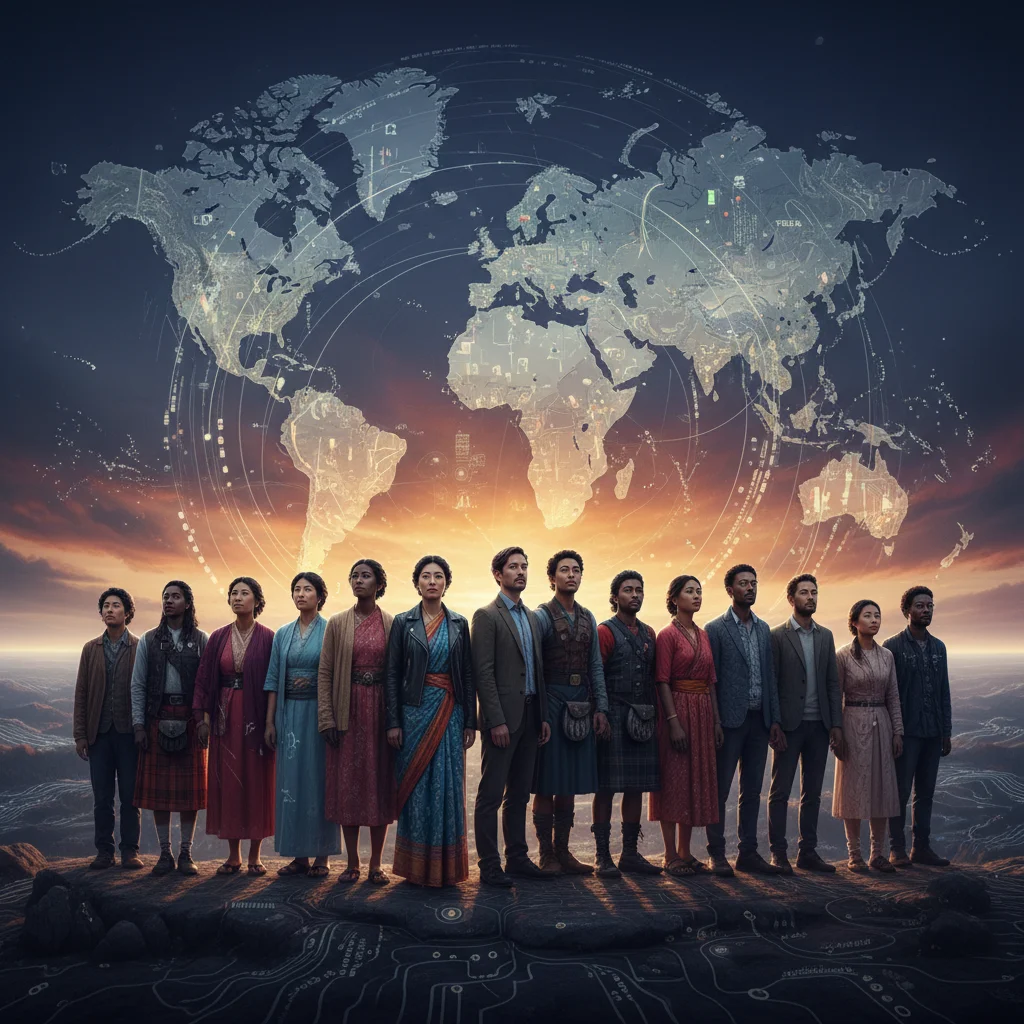
In an increasingly interconnected world, the pulse of global events reverberates far beyond their immediate geographical confines. For the United States, a nation historically shaped by immigration and diverse influences, these ripples often converge to create profound shifts in its very fabric – its American Cultural Identity. As we stand in 2026, the landscape of American culture is a dynamic tapestry, constantly rewoven by the threads of international happenings. This article delves deep into two major global shifts that are significantly redefining what it means to be American, examining their multifaceted impacts on societal values, norms, and collective consciousness.
Understanding American Cultural Identity is not merely an academic exercise; it is crucial for navigating the complexities of modern society. It influences everything from political discourse and economic policy to social movements and individual aspirations. The year 2026 offers a unique vantage point, allowing us to observe the more mature consequences of events that began years prior, and to project how these shifts will continue to evolve.
Understanding American Cultural Identity in a Global Context
Before we dissect the specific shifts, it’s essential to define what we mean by American Cultural Identity. It’s not a monolithic entity but rather a complex amalgam of shared ideals, diverse traditions, historical narratives, and evolving social practices. Historically, it has often been characterized by concepts like individualism, self-reliance, democratic principles, and the ‘American Dream.’ However, these foundational elements are continuously challenged and reinterpreted through the lens of global events.
The United States has always been a nation of immigrants, a melting pot, or perhaps more accurately, a salad bowl, where distinct cultural elements retain their unique flavors while contributing to a larger whole. This inherent diversity makes American culture particularly susceptible to external influences. Global events, whether economic crises, geopolitical conflicts, technological revolutions, or environmental challenges, do not just affect international relations; they permeate borders and reshape domestic realities, ultimately altering the collective psyche and expression of American Cultural Identity.
In 2026, the digital age has further amplified this interconnectedness. News, ideas, cultural trends, and even social unrest can spread globally in an instant, creating a feedback loop that accelerates cultural evolution. This rapid exchange of information and influence means that global events are no longer distant occurrences but immediate factors in the ongoing construction of American Cultural Identity.
Major Shift 1: The Reconfiguration of Global Economic Alliances and Supply Chains
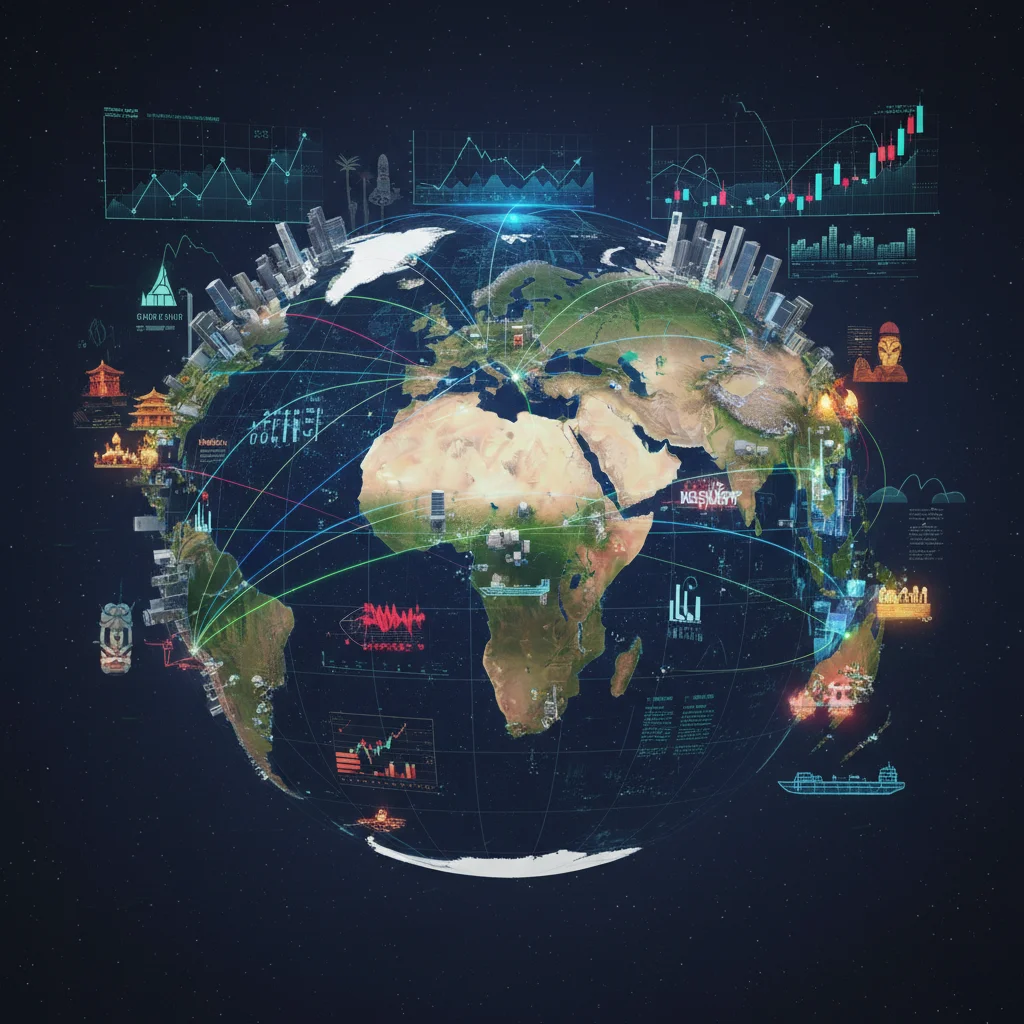
The first significant shift impacting American Cultural Identity in 2026 stems from the profound reconfiguration of global economic alliances and supply chains. The events of the early 2020s, including pandemics, geopolitical tensions, and trade disputes, exposed vulnerabilities in highly globalized economic systems. The subsequent drive for ‘reshoring,’ ‘friend-shoring,’ and regionalization has had far-reaching consequences, not just for manufacturing and trade, but for the very values and anxieties that define American life.
Economic Nationalism and Localism
The push to bring manufacturing back to American soil, or to allied nations, has fostered a resurgence of economic nationalism. This isn’t necessarily a jingoistic sentiment, but rather a renewed focus on domestic production, job creation, and national economic security. Culturally, this manifests in a heightened appreciation for ‘Made in America’ products, a stronger emphasis on supporting local businesses, and a re-evaluation of the benefits of globalized consumption versus localized self-sufficiency.
This shift influences consumer behavior, with a growing segment of the population prioritizing ethical sourcing, environmental impact, and the origin of goods. It also impacts the labor force, potentially revitalizing certain manufacturing sectors and creating new skill demands. The narrative of the ‘American worker’ gains new prominence, shifting conversations around trade, automation, and the dignity of labor.
Impact on Consumerism and Materialism
The disruptions to global supply chains have also forced a re-evaluation of consumerism. Periods of scarcity or delayed gratification, experienced during various global crises, have subtly altered the American relationship with material possessions. While consumerism remains a strong force, there’s a growing undercurrent of sustainability, durability, and mindful consumption. Fast fashion and disposable goods face increasing scrutiny, giving way to an appreciation for quality, repairability, and circular economies.
This cultural shift, though perhaps gradual, is significant. It challenges the post-war ideal of endless abundance and immediate gratification, prompting a more considered approach to purchasing and ownership. This directly impacts American Cultural Identity by subtly altering its materialistic tendencies and fostering a greater sense of resourcefulness and community interdependence.
Geopolitical Awareness and International Relations
The economic realignments have inevitably heightened geopolitical awareness among the American populace. Understanding where goods come from, the political implications of trade agreements, and the vulnerabilities of global interdependence has become more mainstream. This leads to a more informed, albeit sometimes more polarized, public discourse on foreign policy and international relations.
The average American, in 2026, is arguably more aware of the geopolitical chessboard than their counterparts a decade ago. This awareness shapes opinions on alliances, military spending, and humanitarian aid, ultimately influencing the nation’s role on the world stage and, by extension, how Americans perceive their collective identity in relation to other nations.
Major Shift 2: The Acceleration of Digital Transformation and Virtual Realities
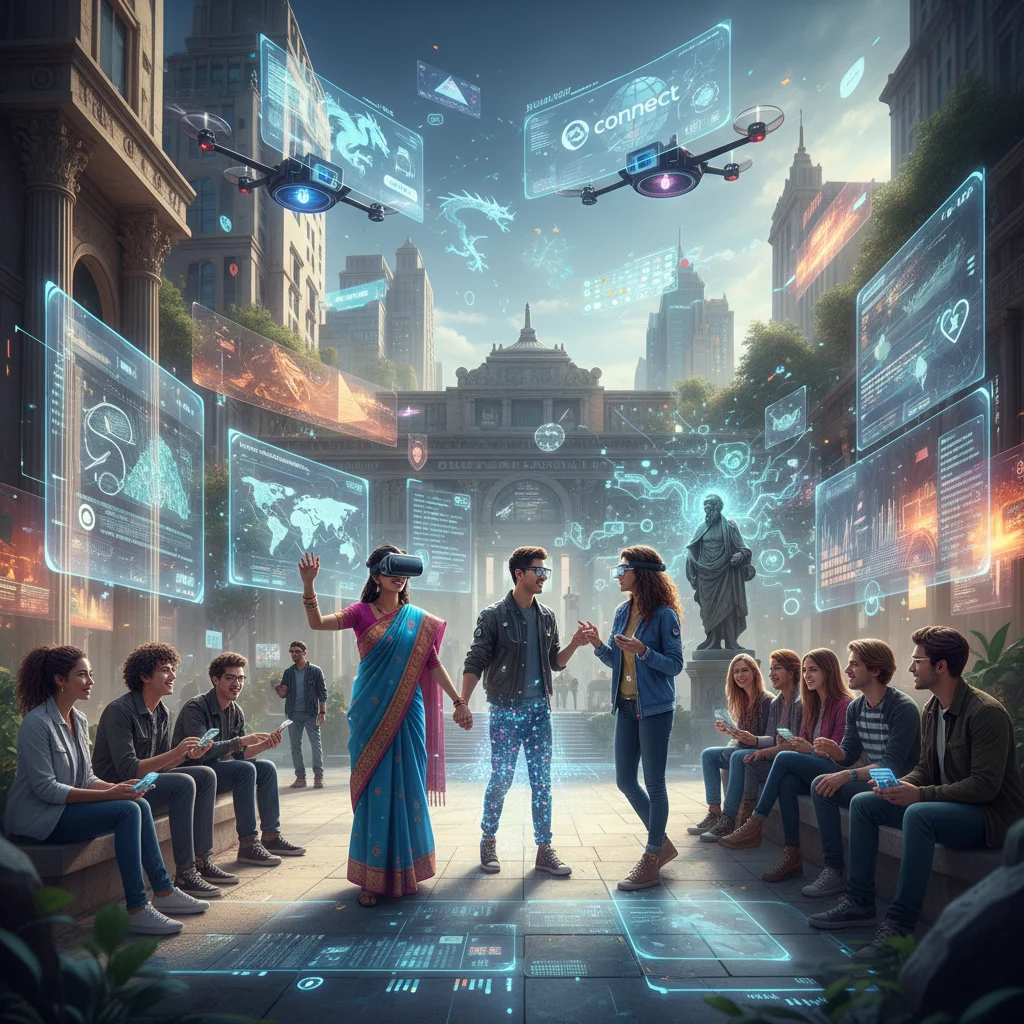
The second monumental shift influencing American Cultural Identity in 2026 is the rapid acceleration of digital transformation and the increasing integration of virtual realities into daily life. Building on trends established in the early 2020s, the ubiquity of advanced digital technologies, AI, and immersive online environments has fundamentally altered how Americans socialize, work, learn, and even perceive reality.
Redefining Community and Social Interaction
The digital realm has long played a role in social interaction, but by 2026, its influence is pervasive and deeply embedded. Online communities, once supplementary, now often form the primary social circles for many. Platforms that facilitate virtual meetups, collaborative projects, and shared experiences have blurred the lines between physical and digital presence. This has profound implications for the traditional understanding of ‘community’ in America.
While some lament a perceived decline in face-to-face interaction, others celebrate the unprecedented ability to connect with like-minded individuals across geographical barriers. This shift impacts civic engagement, political organizing, and the formation of subcultures. The concept of ‘belonging’ is increasingly tied to digital spaces, influencing how individuals form their identities and find their place within the broader American Cultural Identity.
The Blurring of Lines: Work, Life, and Leisure in the Metaverse
The rise of the metaverse and other immersive virtual environments has begun to blur the traditional boundaries between work, life, and leisure. Remote work, augmented by sophisticated virtual collaboration tools, has become a norm for many sectors. Training, education, and even healthcare are increasingly leveraging virtual platforms, offering new opportunities but also presenting new challenges regarding digital divides and access.
Culturally, this means a re-evaluation of physical spaces. The office, the classroom, and even the local community center are being rethought in light of their virtual counterparts. This impacts urban planning, social infrastructure, and the very rhythms of daily life. The ‘digital nomad’ lifestyle, once niche, is becoming more mainstream, further diversifying the American experience and challenging traditional notions of geographical rootedness as a core component of American Cultural Identity.
Impact on Information Consumption and Truth Perception
The accelerated digital transformation also brings with it significant challenges related to information consumption and the perception of truth. The proliferation of AI-generated content, deepfakes, and highly personalized algorithmic feeds means that discerning factual information from misinformation is more complex than ever. This has profound implications for civic discourse, political polarization, and the shared understanding of reality that underpins a cohesive American Cultural Identity.
The ability to curate one’s own information ecosystem, while offering a sense of control, can also lead to echo chambers and a fragmented understanding of societal issues. Educational systems and media literacy initiatives are scrambling to adapt, but the cultural impact of this informational landscape is undeniable, shaping public opinion and influencing collective action.
Intersections and Synergies: How These Shifts Interact
It’s crucial to understand that these two major shifts – the reconfiguration of global economic alliances and the acceleration of digital transformation – do not operate in isolation. They are deeply interconnected and often amplify each other’s effects on American Cultural Identity.
For instance, the drive for economic nationalism (Shift 1) can be heavily influenced by digital narratives and online movements (Shift 2). Calls to ‘buy local’ or ‘support American jobs’ gain traction through social media campaigns and digitally disseminated information. Conversely, disruptions in global supply chains (Shift 1) can accelerate the adoption of digital solutions for logistics, remote work, and even local production (Shift 2), further entrenching digital transformation.
The anxieties around job displacement due to automation and AI, an outcome of digital transformation, often fuel protectionist sentiments in economic policy. At the same time, the ability to work remotely, facilitated by digital tools, can offer new economic opportunities for individuals in regions previously challenged by de-industrialization, thereby influencing local economies and cultural outlooks.
Furthermore, the increased geopolitical awareness stemming from economic realignments can be both informed and distorted by the digital information landscape. Online forums and news aggregators shape public perception of international events, which in turn influences consumer choices and political stances, feeding back into the economic sphere.
These synergies create a complex, evolving environment where American Cultural Identity is not just changing, but is undergoing a fundamental re-evaluation of its core tenets. The interplay of these forces challenges traditional notions of community, work, consumption, and national belonging.
Societal Responses and Future Trajectories
The American response to these global shifts is multifaceted, revealing both resilience and growing tensions within the cultural fabric. We see a rise in movements advocating for local sustainability and community resilience, often leveraging digital platforms for organization and outreach. There’s also a renewed focus on STEM education and digital literacy to prepare the workforce for the demands of an AI-driven economy.
However, these shifts also exacerbate existing inequalities. The digital divide, for example, can deepen the chasm between those who can access and benefit from virtual opportunities and those who are left behind. Similarly, economic realignments can create winners and losers, leading to social unrest and political polarization if not managed carefully.
Looking ahead to the remainder of the decade, the trajectory of American Cultural Identity will largely depend on how these challenges are addressed. Will the nation embrace a more integrated, digitally fluent, and globally aware identity, or will it retreat into more insular and fragmented cultural expressions? The answers will lie in policy decisions, technological advancements, and the collective choices of its diverse population.
Conclusion: The Evolving Tapestry of American Identity in 2026
As we navigate 2026, it is clear that American Cultural Identity is not static. It is a living, breathing entity, constantly reshaped by the powerful currents of global events. The reconfiguration of global economic alliances and the acceleration of digital transformation stand out as two pivotal forces, each exerting profound influence on how Americans perceive themselves, interact with one another, and engage with the world.
From a resurgence of economic localism and a re-evaluation of consumerism to the redefinition of community in virtual spaces and the complexities of navigating digital information, these shifts are creating a new American narrative. This narrative is characterized by greater interconnectedness, increased awareness of global vulnerabilities, and an ongoing negotiation between traditional values and futuristic realities.
The challenges are significant, but so too are the opportunities for growth and adaptation. Understanding these shifts is the first step towards shaping a American Cultural Identity that is resilient, inclusive, and forward-looking in an ever-changing global landscape. The journey of defining what it means to be American continues, with each global event adding a new, indelible brushstroke to its evolving portrait.