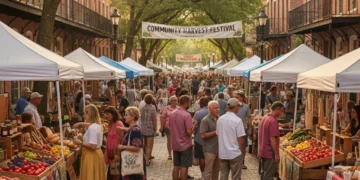
Crafts Market Growth: Traditional Artisans Driving 10% Increase by 2026
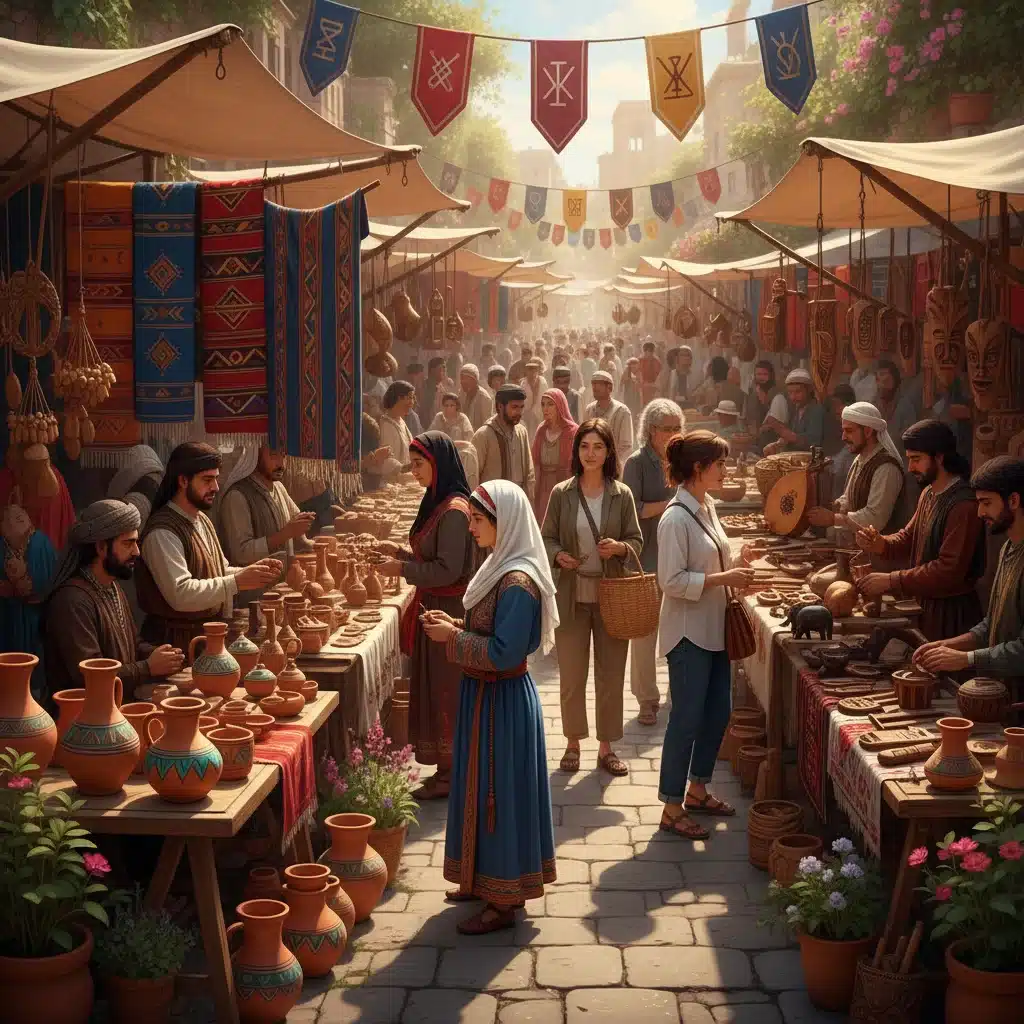
The Revival of Traditional Crafts: How 2026’s Cultural Artisans Are Driving a 10% Market Growth
In an increasingly digitized and mass-produced world, there’s a profound yearning for authenticity, connection, and the human touch. This yearning is precisely what’s fueling the remarkable resurgence of the traditional crafts market. Far from being relegated to history books or dusty museum shelves, traditional crafts are experiencing a vibrant renaissance, championed by a new generation of cultural artisans. These skilled individuals are not just preserving heritage; they are actively innovating, adapting, and, most importantly, driving significant economic growth. Projections indicate that the traditional crafts market is set to expand by a remarkable 10% by 2026, a testament to its enduring appeal and renewed relevance.
This isn’t merely a nostalgic trend; it’s a powerful economic force with deep cultural roots. The demand for unique, handmade, and ethically sourced products is skyrocketing, empowering artisans and communities worldwide. This detailed exploration will delve into the multifaceted reasons behind this impressive growth, examining the role of cultural artisans, the financial implications, and the broader societal benefits of this exciting revival.
Understanding the Traditional Crafts Market Resurgence
The comeback of the traditional crafts market is not a sudden phenomenon but rather the culmination of several converging factors. Consumers are becoming more conscious of their purchasing decisions, prioritizing sustainability, ethical production, and the story behind the product. This shift in consumer values aligns perfectly with the core tenets of traditional craftsmanship.
Historically, traditional crafts were often seen as niche or specialized, primarily appealing to collectors or those deeply embedded in cultural preservation efforts. Today, however, they are breaking into mainstream markets, finding their way into contemporary homes, fashion, and even high-tech applications. This broader appeal is directly contributing to the projected 10% market growth.
The Artisan at the Heart of the Revival
At the very core of this resurgence are the cultural artisans themselves. These individuals are the custodians of ancient techniques, passed down through generations, often within families or communities. They possess an intimate knowledge of materials, processes, and cultural significance that cannot be replicated by machines. Their dedication to mastery, patience, and attention to detail imbues each piece with a unique character and soul.
Many contemporary artisans are also adept at blending tradition with innovation. They might use age-old weaving patterns on modern apparel, incorporate traditional carving techniques into contemporary furniture design, or utilize natural dyes in new artistic expressions. This fusion makes traditional crafts relevant to modern aesthetics while retaining their inherent cultural value. Their ability to adapt and evolve is a key driver for the expansion of the traditional crafts market.
Consumer Demand for Authenticity and Sustainability
One of the most significant drivers of the traditional crafts market growth is the evolving consumer landscape. In an era of fast fashion and disposable goods, there’s a growing desire for products that tell a story, have a provenance, and are built to last. Traditional crafts inherently offer this authenticity. Each piece is unique, bearing the subtle marks of the artisan’s hand, making it distinct from mass-produced items.
Furthermore, the sustainable and ethical aspects of traditional crafts resonate deeply with modern consumers. Many traditional crafts utilize locally sourced, natural materials, minimizing environmental impact. The production processes are often low-energy and generate less waste. Beyond environmental considerations, purchasing from artisans often means supporting fair labor practices and direct community development, a stark contrast to the often opaque supply chains of large corporations. This ethical consumption trend is undeniably propelling the traditional crafts market forward.
Financial Impact: A 10% Market Growth by 2026
The projected 10% growth in the traditional crafts market by 2026 represents a substantial financial impact, not just for individual artisans but for entire communities and national economies. This growth translates into increased income for artisans, job creation, and the revitalization of local economies that have historically relied on craft production.
Empowering Local Economies and Communities
The economic benefits of a thriving traditional crafts market are far-reaching. In many developing regions, craft production is a primary source of income for women, indigenous populations, and rural communities. Increased demand and better market access mean improved livelihoods, access to education, and better healthcare for these groups. The growth isn’t just about monetary value; it’s about social upliftment and empowerment.
Moreover, the establishment of craft cooperatives and artisan collectives helps consolidate efforts, improve quality control, and facilitate market entry, especially into international markets. These structures foster a sense of community and shared purpose, enabling artisans to command better prices for their work and collectively negotiate for raw materials and distribution channels. The strengthening of these local ecosystems is a powerful indicator of the health of the traditional crafts market.
Investment in Skills and Training
As the market expands, there’s a renewed interest in preserving and teaching traditional craft skills. This leads to investments in vocational training programs, apprenticeships, and workshops that ensure the continuity of these valuable art forms. Governments, NGOs, and even private foundations are recognizing the cultural and economic importance of these skills and are providing funding and support for their transmission.
This investment not only creates a new generation of skilled artisans but also fosters innovation. When traditional techniques are taught in contemporary settings, new applications and artistic expressions often emerge, further diversifying the offerings within the traditional crafts market and attracting new customer segments. This dynamic interplay between preservation and innovation is crucial for sustained growth.
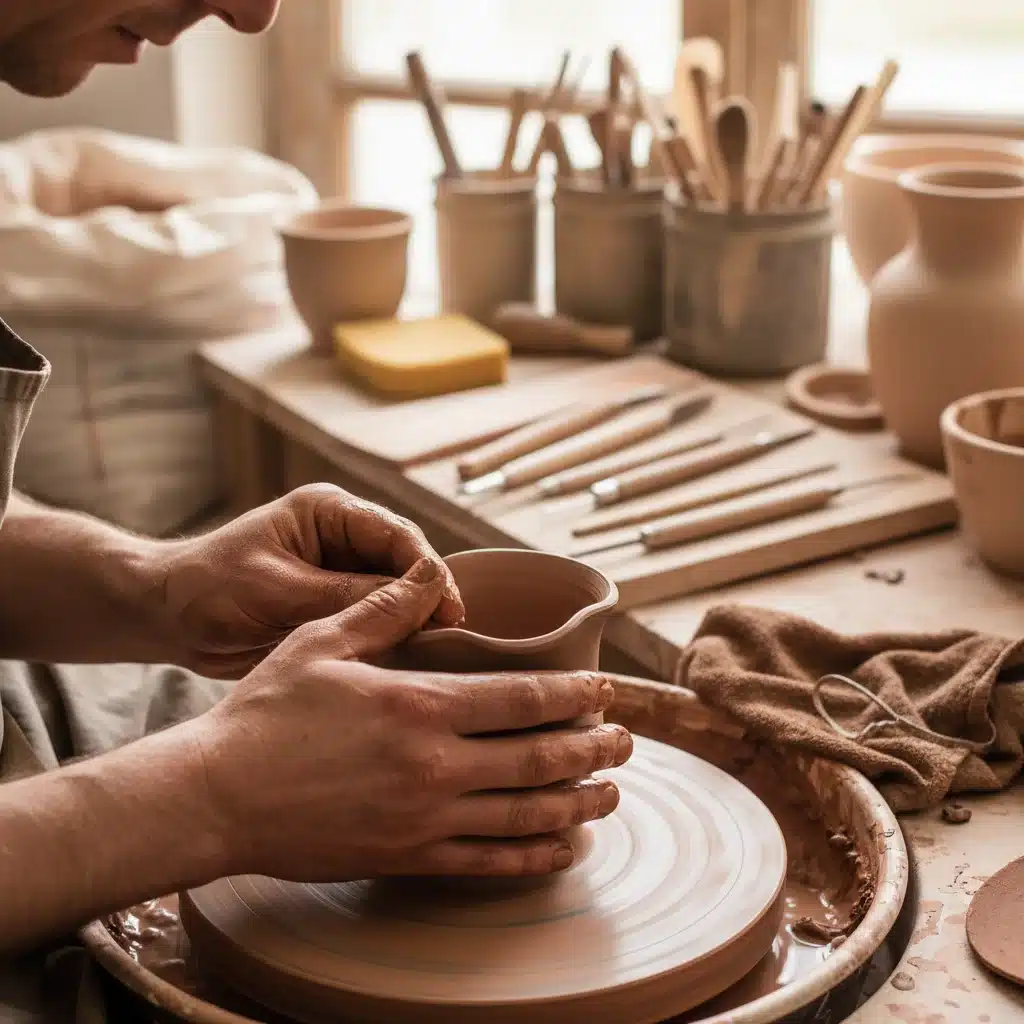
The Role of Technology and E-commerce in Market Expansion
While traditional crafts are deeply rooted in age-old practices, their current revival is significantly aided by modern technology, particularly e-commerce and digital marketing. These tools have democratized access to markets, allowing artisans from remote areas to reach a global customer base.
Global Reach Through Online Platforms
Online marketplaces dedicated to handmade goods, social media platforms, and individual artisan websites have revolutionized how traditional crafts are bought and sold. Artisans can now showcase their work to millions of potential customers worldwide, bypassing traditional intermediaries and often securing better profit margins. This direct-to-consumer model fosters a more personal connection between the creator and the buyer, enhancing the perceived value of the craft.
Digital storytelling, through high-quality photography and video, allows artisans to share the intricate processes, cultural narratives, and personal stories behind their creations. This transparency builds trust and emotional connection with consumers, a vital component in the purchasing decision for unique, handmade items. The ability to tell these stories effectively online is a major factor in the expansion of the traditional crafts market.
Bridging the Gap: Traditional Skills, Modern Marketing
Many organizations and initiatives are focused on equipping artisans with the digital literacy and business skills needed to thrive in the modern economy. This includes training in photography, online store management, social media marketing, and international shipping logistics. By bridging the gap between traditional skills and modern marketing, these efforts are ensuring that the economic benefits of the traditional crafts market are fully realized.
Furthermore, technology aids in inventory management, customer relationship management, and even the design process. CAD software, for instance, can help artisans visualize new product iterations while staying true to traditional forms, or even create intricate patterns for weaving or carving that might be too complex to sketch by hand. This synergistic relationship between old and new is critical for sustaining the 10% market growth.
Challenges and Opportunities in the Traditional Crafts Market
While the outlook for the traditional crafts market is overwhelmingly positive, there are inherent challenges that need to be addressed to ensure sustainable growth. These include issues related to scalability, intellectual property, and competition from imitations.
Maintaining Authenticity Amidst Commercialization
One of the primary challenges is maintaining the authenticity and cultural integrity of traditional crafts as they become more commercialized. There’s a delicate balance between meeting market demand and preserving the traditional techniques and cultural meanings embedded in each piece. Over-commercialization can lead to a dilution of quality or the loss of unique cultural characteristics.
Protecting intellectual property rights for traditional designs and techniques is another critical area. Artisans and communities need mechanisms to prevent mass-produced imitations that devalue their work and exploit their cultural heritage. Initiatives focused on geographical indications and fair trade certifications are crucial in safeguarding the authenticity and value of products within the traditional crafts market.
Scalability and Production Capacity
By their very nature, traditional crafts are often labor-intensive and cannot be mass-produced. This presents a challenge for scalability when demand increases significantly. Artisans typically work individually or in small groups, and expanding production without compromising quality or traditional methods requires careful planning and investment.
Solutions often involve training more artisans, establishing cooperative workshops, and optimizing processes without mechanization that would diminish the ‘handmade’ quality. Finding ways to increase efficiency while preserving the essence of the craft is a key opportunity for further growth within the traditional crafts market.
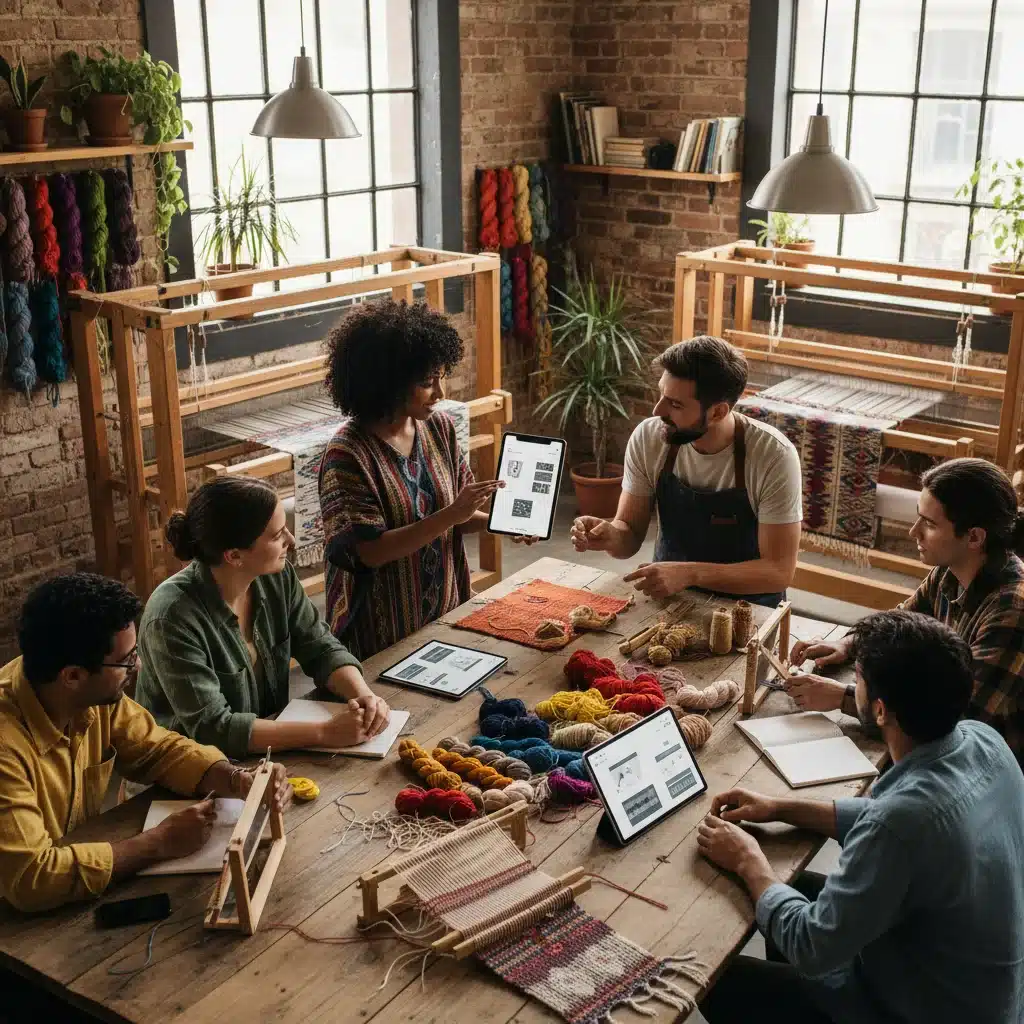
The Future of the Traditional Crafts Market: Beyond 2026
Looking beyond the projected 10% growth by 2026, the future of the traditional crafts market appears robust and full of potential. The underlying consumer values driving this revival – authenticity, sustainability, and ethical consumption – are not fleeting trends but rather fundamental shifts in global consciousness.
Integration into Modern Design and Lifestyle
We can expect to see an even greater integration of traditional crafts into modern design, architecture, and everyday lifestyles. From bespoke furniture incorporating traditional joinery to fashion lines featuring artisanal textiles, the aesthetic and functional appeal of handmade goods will continue to grow. Designers and architects are increasingly collaborating with artisans, creating unique pieces that blend contemporary sensibilities with timeless craftsmanship.
This integration will help to normalize traditional crafts, moving them from specialized items to desirable components of a conscious and curated lifestyle. This broader acceptance and integration will naturally contribute to sustained growth in the traditional crafts market.
The Rise of Experiential Craft Tourism
Another exciting avenue for growth is experiential craft tourism. Travelers are increasingly seeking immersive cultural experiences, and participating in craft workshops or visiting artisan villages offers a unique opportunity to connect with local culture and learn traditional skills firsthand. This not only generates direct revenue for artisans and communities but also raises awareness and appreciation for traditional crafts on a global scale.
Such tourism can create a virtuous cycle: increased visibility leads to increased demand, which in turn supports more artisans and encourages the preservation of cultural heritage. This experiential component adds another layer of value to the traditional crafts market, extending its reach beyond mere product sales.
Policy Support and Cultural Preservation
As the economic and cultural significance of traditional crafts becomes more apparent, there will likely be increased policy support from governments and international organizations. This could include funding for heritage preservation, subsidies for craft education, and policies that protect artisan rights and intellectual property.
Such support is crucial for creating an enabling environment where traditional crafts can thrive. It ensures that the skills and knowledge are not lost, that artisans receive fair compensation, and that the sector can continue to contribute significantly to cultural identity and economic development. These policy frameworks will be instrumental in solidifying the foundations for the long-term success of the traditional crafts market.
Conclusion: A Bright Future for Handmade Heritage
The projected 10% growth of the traditional crafts market by 2026 is a powerful indicator of a global shift towards valuing authenticity, sustainability, and human connection. Cultural artisans, with their unwavering dedication to preserving heritage and their innovative spirit, are at the forefront of this revival. They are not merely creating products; they are weaving stories, sustaining communities, and enriching our collective cultural tapestry.
The financial impact is undeniable, empowering local economies and providing sustainable livelihoods. Coupled with the strategic use of technology for global reach and the growing consumer demand for ethical goods, the future of handmade heritage looks incredibly bright. As we move towards 2026 and beyond, the traditional crafts market will continue to be a vibrant testament to the enduring power of human creativity and the timeless appeal of the handmade.