Cultivating Cultural Literacy: Essential Skills for a Diverse America 2026
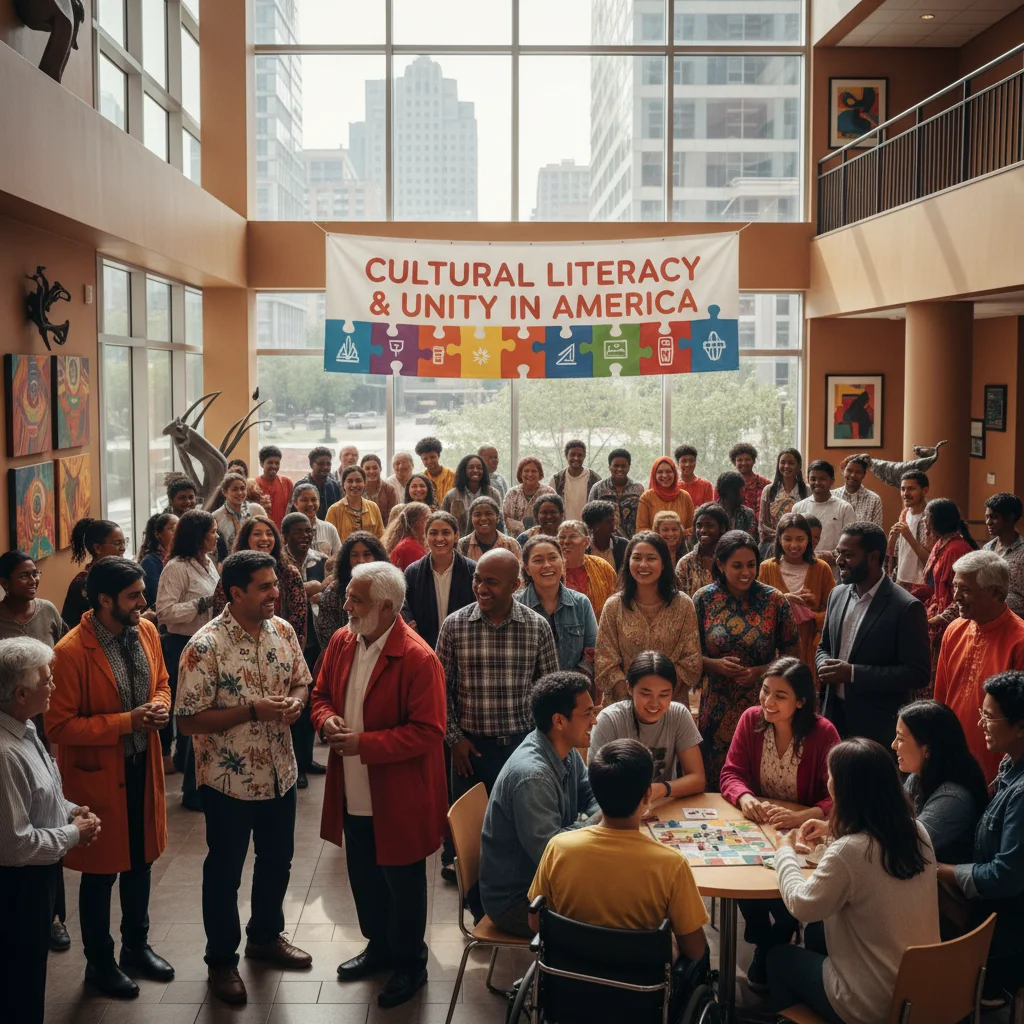
In an ever-evolving world, the United States stands as a vibrant tapestry woven from countless cultures, traditions, and perspectives. As we look towards 2026 and beyond, the imperative for Cultural Literacy Skills becomes not just a noble ideal, but a fundamental necessity for personal and professional success. This isn’t merely about knowing facts about different cultures; it’s about developing a profound understanding, an empathetic approach, and the ability to navigate complex social landscapes with grace and effectiveness. The future demands individuals who are not only tolerant but genuinely appreciative and adept at interacting within multicultural contexts. This comprehensive guide will delve into what cultural literacy truly entails and highlight four essential skills that will empower you to thrive in a diverse America.
The concept of cultural literacy, first popularized by E.D. Hirsch Jr. in the late 1980s, has evolved considerably. While Hirsch initially focused on a shared body of knowledge within a national culture, modern interpretations emphasize the ability to understand and effectively interact with people from various cultural backgrounds. In the American context, this means recognizing the rich mosaic of indigenous cultures, immigrant communities, and subcultures that shape our national identity. It’s about moving beyond superficial stereotypes and engaging with the nuanced realities of diverse experiences. The benefits of strong Cultural Literacy Skills are far-reaching, impacting everything from workplace productivity and innovation to community cohesion and personal enrichment. It fosters a more inclusive society where everyone feels valued and understood, contributing to a stronger, more resilient nation.
Understanding the Landscape: Why Cultural Literacy Matters in 2026
The demographic shifts in the United States are undeniable. Projections indicate that by 2026, the country will be even more diverse than it is today. This increasing diversity presents both incredible opportunities and unique challenges. Without robust Cultural Literacy Skills, individuals and organizations risk miscommunication, misunderstanding, and missed opportunities. In the workplace, a lack of cultural literacy can lead to decreased employee morale, reduced productivity, and even legal issues. In communities, it can foster division and distrust. Conversely, a high degree of cultural literacy can unlock innovation, strengthen collaboration, and create a more equitable and harmonious society.
Consider the globalized economy. American businesses operate on an international stage, requiring employees who can effectively negotiate, market, and collaborate with partners from across the globe. Even domestically, internal markets are increasingly segmented by cultural preferences and communication styles. Understanding these nuances is no longer a luxury; it’s a strategic imperative. For individuals, navigating diverse social circles, educational institutions, and civic engagements becomes smoother and more rewarding with strong Cultural Literacy Skills. It empowers you to build bridges, forge genuine connections, and contribute meaningfully to a pluralistic society.
Furthermore, the digital age has amplified the need for cultural understanding. Online interactions, social media, and global news cycles mean that we are constantly exposed to different cultural perspectives. Without the ability to critically analyze and understand these perspectives, we can easily fall prey to misinformation, perpetuate stereotypes, or inadvertently cause offense. Cultural literacy equips us with the tools to engage respectfully and thoughtfully in these digital spaces, fostering a more informed and interconnected global citizenry. The journey towards enhanced cultural literacy is ongoing, requiring continuous learning and self-reflection. It is an investment in both individual growth and collective societal well-being.
Skill 1: Self-Awareness and Understanding Your Own Cultural Lens
The foundation of all effective intercultural interaction lies in self-awareness. Before you can truly understand others, you must first understand yourself and the cultural lens through which you perceive the world. This involves recognizing your own cultural background, values, beliefs, biases, and assumptions. We all grow up within specific cultural contexts that shape our worldviews, often without us even realizing it. These ingrained perspectives can influence how we interpret behaviors, communicate, and make decisions.
Developing this self-awareness requires introspection and critical self-reflection. Ask yourself: What are my cultural norms regarding communication, personal space, time, and authority? How do my cultural values influence my expectations of others? Are there any unconscious biases I hold, perhaps stemming from media portrayals, personal experiences, or societal narratives? Identifying these aspects is the crucial first step in developing robust Cultural Literacy Skills. Without this understanding, we risk projecting our own cultural norms onto others, leading to misunderstandings and misinterpretations.
For example, in some cultures, direct eye contact is a sign of respect and attentiveness, while in others, it can be perceived as aggressive or disrespectful. If you are unaware of your own cultural conditioning regarding eye contact, you might misinterpret someone else’s behavior or inadvertently send the wrong message. Similarly, perceptions of time (monochronic vs. polychronic) can lead to frustration if not understood. A monochronic individual, accustomed to strict schedules, might be annoyed by a polychronic individual who prioritizes relationships over punctuality, and vice-versa.
To cultivate self-awareness as a key Cultural Literacy Skill, consider engaging in activities such as journaling about your cultural experiences, seeking feedback from people of different backgrounds, and actively learning about the history and traditions of your own heritage. Understanding where you come from provides a clearer framework for understanding where others come from. This introspective journey is continuous and will deepen your capacity for empathy and effective cross-cultural engagement. It’s about recognizing that your way of seeing the world is just one of many valid perspectives.
Skill 2: Empathy and Perspective-Taking in Diverse Contexts
Once you have a firm grasp of your own cultural lens, the next essential Cultural Literacy Skill is empathy and the ability to take on diverse perspectives. Empathy is the capacity to understand or feel what another person is experiencing from within their frame of reference. It’s about imagining yourself in their shoes, understanding their emotions, and recognizing the validity of their experiences, even if they differ vastly from your own. Perspective-taking goes a step further, requiring you to actively seek out and comprehend the world from someone else’s cultural standpoint.
This skill moves beyond mere tolerance. Tolerance suggests enduring something you might not fully agree with; empathy requires a deeper, more active engagement. In a diverse America, empathetic individuals are better equipped to navigate disagreements, build trust, and foster genuine connections. When you can understand why someone from a different cultural background might react in a certain way, hold a particular belief, or communicate using specific indirect cues, you are far less likely to judge or dismiss their perspective. This leads to more constructive dialogue and stronger relationships.
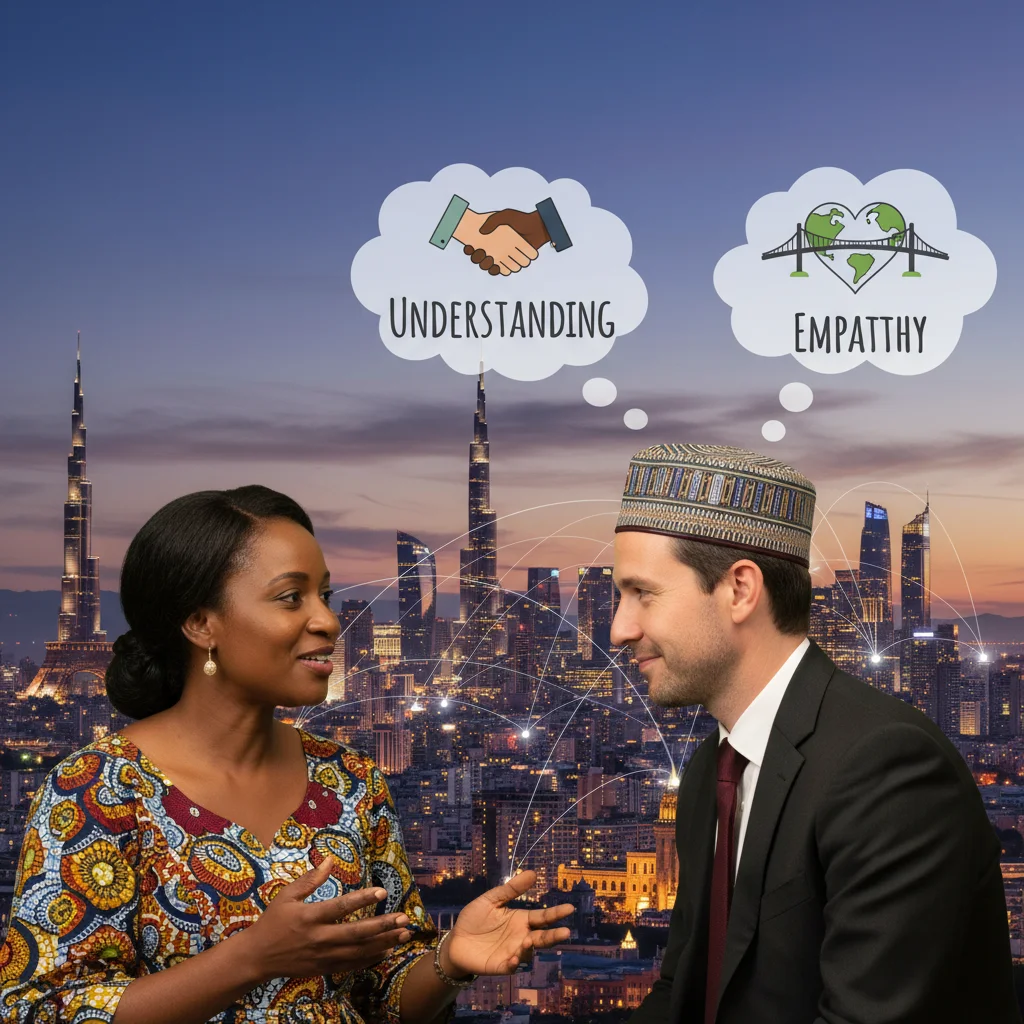
Developing empathy and perspective-taking involves several practices. Active listening is paramount: truly hearing and understanding what someone is saying, both verbally and non-verbally, without immediately formulating your response. Ask open-ended questions that encourage individuals to share their stories and experiences. Engage in conversations with people from different cultural backgrounds, seeking to learn from them rather than to educate or convert them. Read widely about different cultures, watch documentaries, and consume media that offers insights into diverse ways of life.
A practical application of this Cultural Literacy Skill is in conflict resolution. When disputes arise in multicultural settings, an empathetic approach allows you to explore the underlying cultural values or communication styles that might be contributing to the tension. Instead of focusing solely on the surface-level disagreement, you can delve into the deeper cultural frameworks that inform each party’s position. This leads to more sustainable and respectful resolutions. Empathy is not about agreeing with every perspective, but about understanding and respecting its origin and validity within another’s cultural context. It’s a powerful tool for bridging divides and fostering unity.
Skill 3: Effective Intercultural Communication
Communication is the bedrock of all human interaction, and in diverse settings, effective intercultural communication becomes a critical Cultural Literacy Skill. This goes beyond simply speaking the same language; it encompasses understanding verbal and non-verbal cues, recognizing varying communication styles, and adapting your approach to ensure your message is received as intended, and that you accurately interpret the messages of others.
One key aspect is recognizing the difference between high-context and low-context communication styles. In low-context cultures (like much of mainstream American culture), communication is direct, explicit, and relies heavily on spoken words. In high-context cultures, communication is often indirect, nuanced, and relies heavily on shared understanding, non-verbal cues, and context. Misunderstandings can easily arise when these styles clash. A direct statement from a low-context individual might be perceived as rude by a high-context individual, while a high-context individual’s indirect communication might be seen as evasive or unclear by a low-context individual.
Non-verbal communication is another crucial element. Gestures, facial expressions, personal space, touch, and even silence carry different meanings across cultures. For instance, a ‘thumbs up’ gesture is positive in many Western cultures but offensive in some parts of the Middle East. Understanding these differences prevents accidental offense and facilitates smoother interactions. This Cultural Literacy Skill requires keen observation and a willingness to learn and adapt.
To enhance your intercultural communication skills:
- Be mindful of your language: Use clear, simple language, avoid jargon and colloquialisms that might not translate well.
- Practice active listening: As mentioned before, truly hear what is being said, both verbally and non-verbally.
- Observe and adapt: Pay attention to the communication styles of those you are interacting with and adjust your approach accordingly. Are they direct or indirect? Do they value silence or continuous conversation?
- Seek clarification: If you are unsure about a message, politely ask for clarification. Don’t assume.
- Be patient: Cross-cultural communication can take more time and effort. Patience is a virtue.
- Learn key phrases: Even a few words in another person’s native language can demonstrate respect and willingness to connect.
Mastering effective intercultural communication is not about abandoning your own style but about expanding your repertoire to connect more effectively with a wider range of people. It’s an ongoing process of learning, adapting, and refining your approach, ultimately leading to stronger relationships and more successful outcomes in any diverse setting.
Skill 4: Adaptability and Navigating Cultural Differences with Flexibility
The final essential Cultural Literacy Skill for 2026 and beyond is adaptability. In a rapidly changing and increasingly diverse world, the ability to be flexible, open-minded, and adjust your behavior and expectations to fit different cultural contexts is paramount. This isn’t about compromising your core values, but about being able to operate effectively and respectfully within unfamiliar cultural frameworks.
Adaptability means being comfortable with ambiguity and uncertainty. Cultural differences can sometimes lead to situations that are unfamiliar or don’t fit neatly into your existing mental models. An adaptable individual can navigate these situations without becoming frustrated or judgmental. They approach new experiences with curiosity rather than apprehension, seeing them as opportunities for learning and growth.
Consider the workplace scenario where a team comprises individuals from various national and ethnic backgrounds. Their approaches to teamwork, deadlines, and decision-making might differ significantly. An adaptable team member would not insist on their own cultural norms as the ‘right’ way but would instead seek to understand the different approaches, find common ground, and propose solutions that respect and integrate diverse working styles. This flexibility is crucial for fostering an inclusive and productive environment.
How can you cultivate adaptability as a key Cultural Literacy Skill?
- Embrace lifelong learning: Stay curious about different cultures, their histories, and their contemporary practices. The world is constantly changing, and so are cultural dynamics.
- Step out of your comfort zone: Actively seek out opportunities to interact with people from different backgrounds. This could be through travel, volunteering, joining diverse community groups, or attending cultural events.
- Practice cultural humility: Recognize that you will never know everything about another culture, and approach interactions with a humble, learner’s mindset. Be open to having your own assumptions challenged.
- Develop resilience: There will be moments of cultural misunderstanding or discomfort. Develop the emotional resilience to learn from these experiences rather than being deterred by them.
- Seek feedback: Ask trusted colleagues or friends from different backgrounds for feedback on your interactions. This can provide invaluable insights into how your behavior is perceived.
Adaptability is often developed through experience and a willingness to engage with difference. It transforms potential cultural clashes into opportunities for personal and collective enrichment, making you a more effective and respected participant in any diverse setting. It is the capstone that allows one to seamlessly integrate the other three skills into a cohesive and impactful approach to cultural interaction.
Integrating Cultural Literacy into Daily Life and the Future
Possessing these four essential Cultural Literacy Skills – self-awareness, empathy, effective intercultural communication, and adaptability – is not merely about ticking boxes on a checklist. It’s about integrating them into your daily life, making them an intrinsic part of how you interact with the world. This integration is crucial for thriving in a diverse America by 2026 and for contributing to a more inclusive and understanding society.
In the professional realm, these skills translate into better leadership, stronger team cohesion, enhanced customer relations, and greater innovation. Organizations that prioritize cultural literacy among their employees report higher engagement, lower turnover, and a more positive brand image. Leaders with strong cultural literacy can inspire diverse teams, navigate global markets, and build inclusive workplace cultures where every voice is heard and valued. For job seekers, highlighting your Cultural Literacy Skills on your resume and during interviews can give you a significant competitive edge.
On a personal level, cultural literacy enriches your life in countless ways. It broadens your horizons, challenges your assumptions, and deepens your understanding of humanity. It allows you to form more meaningful relationships, appreciate diverse forms of art, music, and cuisine, and become a more informed and engaged citizen of your community and the world. It combats prejudice and stereotypes, fostering a more compassionate and equitable society for everyone.
The journey to enhanced cultural literacy is a continuous one. It requires ongoing learning, reflection, and a commitment to engaging with difference. It means actively seeking out diverse perspectives, challenging your own biases, and being open to growth. As America continues to evolve, those who invest in developing their Cultural Literacy Skills will be best positioned to lead, innovate, and connect across the rich tapestry of cultures that define our nation. The future belongs to those who can not only navigate diversity but celebrate and harness its immense power.
Conclusion: Building a Culturally Literate Future
As we navigate the complexities and opportunities of a diverse America in 2026 and beyond, the cultivation of robust Cultural Literacy Skills is no longer optional; it is fundamental. The four essential skills discussed – self-awareness, empathy, effective intercultural communication, and adaptability – form the bedrock upon which meaningful cross-cultural interactions are built. These competencies empower individuals to move beyond mere tolerance, fostering genuine understanding, respect, and collaboration across the rich mosaic of cultures that define our nation.
Embracing cultural literacy is an investment in our collective future. It strengthens our communities, enhances our workplaces, and enriches our personal lives. It enables us to build bridges rather than walls, to find common ground amidst differences, and to harness the incredible power of diverse perspectives for innovation and progress. By actively developing these skills, we contribute to a more inclusive, equitable, and harmonious society where every individual feels seen, heard, and valued.
The journey towards becoming culturally literate is continuous, demanding curiosity, humility, and a lifelong commitment to learning. It requires us to look inward at our own biases and outward with an open mind and heart. As America continues to grow in its diversity, the individuals and organizations that champion and embody these Cultural Literacy Skills will be the ones that truly thrive, leading the way towards a more connected and understanding future for all.