The Rise of Slow Living: US Niche Cultural Movements & Financial Impact by 2026
The Rise of ‘Slow Living’ in the US: A 15% Increase in Niche Cultural Movements by Mid-2026 (Financial Impact)
In an era defined by relentless speed, instant gratification, and constant digital connectivity, a counter-cultural wave is steadily gaining momentum across the United States: the ‘slow living’ movement. This isn’t merely a fleeting trend; it represents a profound shift in values, a deliberate choice to step back from the frenetic pace of modern life and embrace intentionality, mindfulness, and sustainability. What began as a whisper in niche communities is now evolving into a significant cultural phenomenon, poised to drive a substantial 15% increase in related niche cultural movements and their associated financial impact by mid-2026. Understanding the nuances of this movement – its origins, its manifestations, and its economic implications – is crucial for anyone looking to grasp the evolving landscape of American consumer behavior and societal priorities.
The concept of ‘slow living’ is multifaceted, encompassing various aspects of daily life. It’s about consuming consciously, producing ethically, living sustainably, and prioritizing well-being over endless acquisition. It encourages a deeper connection with nature, local communities, and oneself. From slow food to slow travel, mindful consumption to minimalist aesthetics, the principles of ‘slow living’ are permeating diverse sectors, influencing everything from urban planning to product design. This article delves into the heart of this transformative movement, exploring its cultural underpinnings, examining its growth trajectory, and forecasting the significant financial opportunities it presents for businesses and individuals alike.
Understanding the Core Philosophy of Slow Living USA
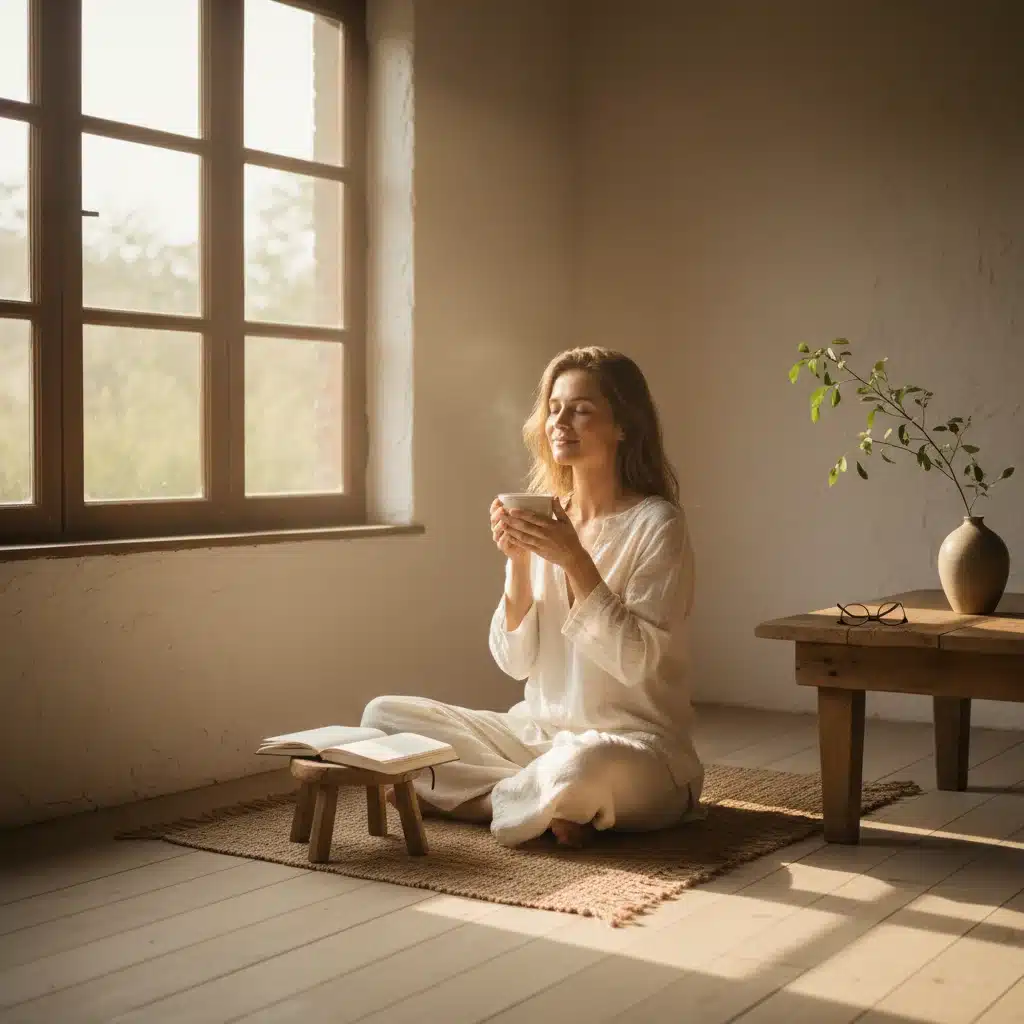
At its heart, the ‘slow living’ philosophy challenges the prevailing notion that faster is always better. It advocates for a deliberate deceleration, encouraging individuals to savor moments, engage fully with their activities, and make conscious choices that align with their values. This philosophical pivot is a direct response to the pervasive stress, burnout, and ecological concerns generated by hyper-consumerism and a perpetually ‘on’ culture. For many in the US, the pursuit of the American Dream has, for decades, been synonymous with accumulation, career advancement at all costs, and a fast-paced lifestyle. However, a growing segment of the population is questioning the true cost of this pursuit, seeking a more balanced and meaningful existence.
The roots of ‘slow living’ can be traced back to the ‘slow food’ movement, which emerged in Italy in the 1980s as a protest against the opening of a McDonald’s near the Spanish Steps in Rome. This movement championed traditional cooking, local ingredients, and communal dining, emphasizing the pleasure and cultural significance of food. From there, the ‘slow’ ethos expanded, influencing architecture (slow architecture), travel (slow travel), fashion (slow fashion), and even parenting (slow parenting). In the US, this global movement has found fertile ground, resonating with a population increasingly aware of environmental degradation, mental health crises, and the diminishing returns of a purely materialist worldview.
Key tenets of ‘slow living’ in the US include:
- Mindfulness and Presence: Actively engaging with the present moment, rather than constantly planning for the future or dwelling on the past. This often involves practices like meditation, yoga, or simply taking time to observe one’s surroundings.
- Intentionality: Making deliberate choices about how one spends time, money, and energy, ensuring these choices align with personal values rather other external pressures.
- Sustainability: Reducing environmental impact through conscious consumption, supporting local economies, and embracing eco-friendly practices. This extends to everything from food choices to transportation and home energy use.
- Community Connection: Fostering strong relationships with neighbors, family, and local businesses, moving away from isolation towards shared experiences and mutual support.
- Simplicity and Decluttering: Embracing minimalism, reducing possessions, and creating spaces that promote calm and clarity. This isn’t just about aesthetics; it’s about reducing mental clutter and focusing on what truly matters.
- Quality over Quantity: Investing in fewer, higher-quality items that last longer and bring more satisfaction, rather than constantly buying cheap, disposable goods. This applies to experiences as well as products.
These principles are not prescriptive rules but rather guiding lights, allowing individuals to interpret and integrate ‘slow living’ into their unique circumstances. The beauty of the movement lies in its adaptability and its focus on personal transformation, which collectively contributes to broader societal shifts.
The Cultural Resurgence: Why Now for Slow Living USA?
The acceleration of ‘slow living’ in the US is not accidental; it’s a culmination of several societal trends and pressures. The digital age, while offering unprecedented connectivity, has also brought with it an epidemic of digital overload and a blurring of work-life boundaries. The pandemic, in particular, served as a global pause button, forcing many to re-evaluate their priorities, their relationship with work, and the true meaning of well-being. This collective introspection significantly fueled the desire for a more deliberate and meaningful existence.
Furthermore, heightened awareness of climate change and environmental issues has driven many Americans to seek more sustainable lifestyles. The ‘slow living’ ethos, with its emphasis on reduced consumption, local sourcing, and eco-conscious choices, offers a practical framework for individuals to contribute positively to environmental stewardship. There’s a growing recognition that individual actions, when multiplied across a population, can have a profound collective impact. This environmental consciousness is a powerful driver for the adoption of ‘slow living’ principles.
Another significant factor is the increasing focus on mental health and stress reduction. The fast-paced, competitive nature of American society has led to rising rates of anxiety, depression, and burnout. ‘Slow living’ offers an antidote, promoting practices that cultivate calm, presence, and resilience. From mindful eating to unplugging from technology, the movement provides tools for individuals to regain control over their mental and emotional well-being. This quest for inner peace and a more balanced life is a powerful motivator for many embracing the ‘slow living’ movement.
The rise of social media, ironically, has also played a dual role. While it can contribute to the ‘fast’ culture, it has also become a platform for sharing and popularizing ‘slow living’ aesthetics and philosophies. Influencers and content creators showcasing minimalist homes, sustainable fashion, homegrown food, and mindful routines have introduced the concept to wider audiences, making it aspirational and accessible. This digital dissemination has helped to normalize and glamorize a lifestyle that was once considered niche or eccentric.
Niche Cultural Movements: The Branches of Slow Living
The ‘slow living’ umbrella covers a multitude of niche cultural movements, each contributing to the overall growth and diversification of the phenomenon. These movements are not isolated but interconnected, sharing core values of intentionality, sustainability, and well-being. The projected 15% increase in niche cultural movements by mid-2026 signifies a deepening and broadening of the ‘slow living’ influence across various aspects of American life.
Slow Food and Localism
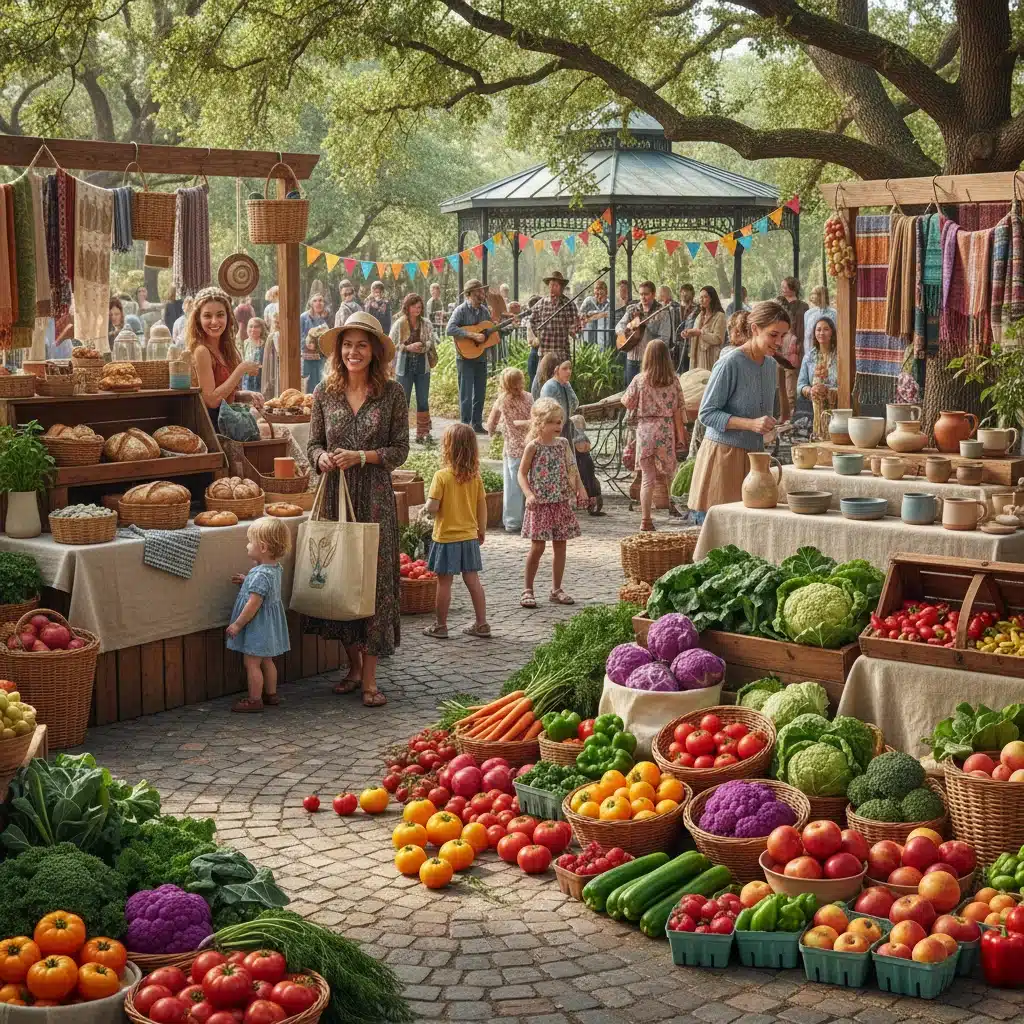
Beyond its origins, the slow food movement in the US has blossomed into a robust network of farmers’ markets, farm-to-table restaurants, community-supported agriculture (CSAs), and artisanal food producers. Consumers are increasingly seeking out locally sourced, organic, and ethically produced food, willing to pay a premium for quality and transparency. This movement supports local economies, reduces carbon footprints, and reconnects people with the origins of their food. The demand for heritage grains, fermented foods, and traditional cooking methods is on the rise, reflecting a desire for authenticity and flavor over processed convenience.
Minimalism and Decluttering
Inspired by figures like Marie Kondo and the growing awareness of environmental waste, minimalism has become a powerful expression of ‘slow living’. It’s not just about owning fewer things; it’s about intentional consumption and valuing experiences over possessions. This cultural shift has spurred industries focused on sustainable storage solutions, ethical resale markets, and digital decluttering services. People are actively seeking ways to simplify their lives, reduce visual noise, and create more functional, calming spaces. The appeal lies in the promise of reduced stress, increased freedom, and a clearer focus on what truly matters.
Sustainable Fashion and Ethical Consumption
The fast fashion industry, notorious for its environmental impact and labor practices, is facing increasing scrutiny. In response, ‘slow fashion’ has emerged, advocating for quality over quantity, ethical production, and timeless design. Consumers are investing in durable, well-made garments, supporting brands with transparent supply chains, and embracing second-hand shopping, clothing swaps, and repair culture. This niche movement is not only about personal style but also about making a statement against exploitative labor and environmental degradation. The market for eco-friendly materials, upcycled clothing, and artisan-made accessories is expanding rapidly.
Mindful Travel and Ecotourism
The ‘slow travel’ movement encourages deeper engagement with destinations, prioritizing cultural immersion and environmental respect over rushed itineraries and superficial sightseeing. This includes choosing sustainable transportation, staying in eco-lodges, supporting local businesses, and spending more time in fewer places. Ecotourism, a subset of slow travel, focuses specifically on responsible travel to natural areas that conserves the environment and improves the well-being of local people. As more Americans seek authentic and impactful travel experiences, the demand for these niche travel options will continue to grow, shifting away from mass tourism towards more personalized and sustainable adventures.
Digital Detox and Wellness Retreats
The constant bombardment of digital information has led to a growing desire for digital detoxes and opportunities to disconnect. Wellness retreats, mindfulness apps, and technology-free zones are gaining popularity as people seek to reclaim their attention and mental peace. This niche focuses on creating boundaries with technology, practicing digital minimalism, and engaging in activities that foster presence and inner calm. The market for guided meditations, nature-based therapies, and immersive wellness experiences is booming, reflecting a collective yearning for respite from the digital grind.
The Financial Impact: Opportunities and Growth
The rise of ‘slow living’ in the US is not just a cultural phenomenon; it’s a significant economic driver. The projected 15% increase in niche cultural movements by mid-2026 translates into tangible financial opportunities across various sectors. Businesses that align with ‘slow living’ values are poised for substantial growth, while those that fail to adapt may find themselves out of step with evolving consumer demands.
Investment in Sustainable and Ethical Brands
Consumers are increasingly willing to spend more on products and services from companies that demonstrate a commitment to sustainability, ethical labor practices, and transparency. This creates a lucrative market for brands that can genuinely integrate these values into their business models. From organic food companies to eco-friendly home goods, sustainable fashion labels to responsible travel operators, businesses with a strong ‘slow living’ ethos are attracting a loyal customer base and commanding premium prices. Investors are also taking note, channeling capital into companies that prioritize ESG (Environmental, Social, and Governance) factors.
Growth in Local Economies
The emphasis on localism within ‘slow living’ directly benefits small businesses, artisans, and farmers. Farmers’ markets, local craft fairs, and independent boutiques are experiencing a resurgence as consumers consciously choose to support their communities. This shift fosters economic resilience, creates local jobs, and keeps money circulating within regional economies. The demand for handmade goods, bespoke services, and unique, locally sourced products is a testament to this trend.
New Service Industries
The ‘slow living’ movement is also giving rise to entirely new service industries. Professional organizers specializing in minimalist living, sustainable wardrobe consultants, digital detox coaches, and permaculture design experts are examples of emerging professions. There’s a growing need for guidance and support as individuals navigate the transition to a slower, more intentional lifestyle. Educational workshops on fermentation, gardening, natural dyeing, and traditional crafts are also seeing increased enrollment, indicating a desire to acquire practical skills for self-sufficiency and mindful living.
Real Estate and Urban Planning
The principles of ‘slow living’ are influencing real estate and urban planning. There’s a growing demand for walkable communities, access to green spaces, smaller homes, and communal living arrangements. Developers are increasingly incorporating sustainable building materials, energy-efficient designs, and community gardens into their projects. The desire for a slower pace of life is leading some to relocate to smaller towns or rural areas, while others are pushing for ‘slow cities’ initiatives in urban environments, prioritizing pedestrian zones, public transport, and local amenities.

Wellness and Experiential Markets
The wellness industry is a natural beneficiary of the ‘slow living’ trend. Demand for yoga studios, meditation centers, holistic health practitioners, and nature-based therapies is expanding. Beyond traditional wellness, there’s a growing market for experiential goods and services that foster connection, creativity, and personal growth. This includes workshops on traditional crafts, culinary experiences, wilderness retreats, and mindful art classes. These offerings prioritize engagement and personal enrichment over passive consumption.
Challenges and the Path Forward for Slow Living USA
While the momentum of ‘slow living’ is undeniable, the movement faces its own set of challenges. One primary hurdle is accessibility. Adopting a ‘slow living’ lifestyle often requires a certain level of financial stability and privilege. Organic food, sustainable products, and ethical fashion can be more expensive than their mass-produced counterparts. The time required for mindful practices, cooking from scratch, or engaging in community activities may also be a luxury for those working multiple jobs or facing economic hardship. Addressing these disparities will be crucial for the movement to achieve broader societal impact and avoid becoming an exclusive trend.
Another challenge is the pervasive nature of the ‘fast’ culture. Despite growing awareness, societal structures, corporate pressures, and technological advancements continue to push for speed and efficiency. Resisting these forces requires conscious effort and a strong commitment. The temptation of instant gratification and convenience remains powerful, making it difficult for individuals to consistently adhere to ‘slow living’ principles.
However, the path forward involves several key strategies. Education and advocacy can help raise awareness about the benefits of ‘slow living’ and make it more appealing to a wider audience. Policy changes that support local economies, sustainable agriculture, and accessible green spaces can create environments conducive to ‘slow living’. Furthermore, businesses have a role to play in making sustainable and ethical products more affordable and widely available, without compromising quality or fair labor practices. The democratization of ‘slow living’ will be vital for its long-term success and transformative potential.
The integration of technology, paradoxically, can also support ‘slow living’. Apps that help track conscious consumption, connect with local producers, or facilitate digital detoxes can empower individuals to make more intentional choices. The goal is not to reject technology entirely but to use it mindfully and purposefully, as a tool for well-being rather than a source of distraction and overload.
Conclusion: Embracing a Deliberate Future
The ‘slow living’ movement in the US is more than a passing fad; it’s a profound re-evaluation of societal values and individual priorities. As Americans increasingly seek meaning, sustainability, and well-being over relentless speed and material accumulation, the influence of ‘slow living’ will continue to grow. The projected 15% increase in related niche cultural movements by mid-2026 is a clear indicator of this trajectory, signaling a significant shift in consumer behavior and market dynamics.
For individuals, embracing ‘slow living’ offers a pathway to reduced stress, enhanced well-being, and a deeper connection with themselves and their communities. For businesses, it presents a compelling opportunity to innovate, align with evolving values, and build brands that resonate with a conscious consumer base. The financial impact of this movement is substantial, creating new markets, fostering local economies, and driving investment in sustainable and ethical practices.
As we move towards mid-2026, the ‘slow living’ ethos will continue to shape the cultural and economic landscape of the United States. It invites us all to pause, reflect, and make deliberate choices that contribute to a more sustainable, mindful, and ultimately, more fulfilling way of life. The future, it seems, is not just about going faster, but about living better, one intentional moment at a time.