Gen Z Political Engagement: Cultural Drivers Shaping 2026 Elections
Decoding Gen Z’s Political Engagement: 3 Key Cultural Drivers Shaping the 2026 Landscape (Recent Updates)
The political landscape is a dynamic entity, constantly reshaped by emerging demographics and their unique perspectives. As we inch closer to the 2026 election cycle, one generation stands poised to exert an unprecedented influence: Generation Z. Born roughly between 1997 and 2012, Gen Z is not just a demographic group; it’s a cultural phenomenon defined by digital fluency, a profound sense of global interconnectedness, and an unwavering commitment to social justice. Understanding the cultural drivers behind Gen Z political engagement is not merely an academic exercise; it’s a critical imperative for political strategists, policymakers, and indeed, anyone interested in the future trajectory of democratic societies.
This generation, often labeled as ‘digital natives,’ has grown up in an era of constant information flow, global crises, and heightened social awareness. Their formative years have been shaped by events such as climate change anxieties, widespread social justice movements, economic uncertainties, and an ever-present digital public square. These experiences have forged a distinct political identity, one that is often characterized by a rejection of traditional political norms, a demand for authenticity, and a pragmatic yet idealistic approach to problem-solving. Ignoring or misinterpreting these drivers would be a significant oversight, as Gen Z is not just voting; they are actively participating, mobilizing, and demanding change in ways previous generations could only dream of.
The sheer scale of Gen Z’s potential impact cannot be overstated. As the oldest members of this generation approach their late twenties, their voting power and influence will only continue to grow. Their digital prowess allows for rapid information dissemination and collective action, transforming how political campaigns are run and how public discourse unfolds. Furthermore, their diverse backgrounds and experiences mean that their political priorities are often multifaceted, encompassing environmental sustainability, racial equity, economic equality, and mental health awareness, among others. To truly grasp the future of politics, we must delve deep into the cultural currents that fuel Gen Z political engagement.
Cultural Driver 1: The Digital Native’s Political Arena – Social Media and Information Flow
The most defining characteristic of Gen Z is their inherent digital nativity. Unlike previous generations who adopted technology, Gen Z was born into a world saturated with the internet, social media, and instant communication. This isn’t just about entertainment; it’s fundamentally about how they perceive, process, and participate in politics. Social media platforms like TikTok, Instagram, X (formerly Twitter), and YouTube are not merely communication tools; they are the primary political arenas where Gen Z political engagement flourishes.
For Gen Z, political discourse is a constant, interactive stream. News breaks on their feeds, debates unfold in comment sections, and activism is often initiated through viral challenges or online petitions. This immediate access to information, while empowering, also presents challenges. The battle against misinformation and disinformation is a daily reality, yet it also fosters a generation adept at cross-referencing, fact-checking (or at least being exposed to multiple perspectives), and engaging in critical thinking about media narratives. They are more likely to trust peer recommendations and independent creators than traditional news outlets, leading to a decentralized information ecosystem.
The impact of this digital immersion on Gen Z political engagement is profound. Firstly, it democratizes political participation. Anyone with a smartphone can become a political commentator, an activist, or a mobilizer. This lowers the barrier to entry for political discourse, allowing a wider range of voices to be heard, often those historically marginalized. Secondly, it accelerates political movements. Viral content can spread awareness and mobilize action at an unprecedented pace, as seen in various social justice movements globally. A single post or video can spark a conversation that quickly escalates into real-world action, demonstrating the power of collective digital advocacy.
Furthermore, social media serves as a platform for political expression and identity formation. Young people use these platforms to articulate their political stances, connect with like-minded individuals, and build communities around shared causes. This online community building can translate into offline solidarity and collective action. Campaigns that understand this dynamic and effectively utilize these platforms to engage with Gen Z, not just broadcast to them, will be the ones that succeed in capturing their attention and, ultimately, their votes in 2026. Authenticity and transparency are paramount; Gen Z can quickly sniff out inauthentic attempts at engagement.
The digital arena also shapes Gen Z’s expectations of political leaders. They expect politicians to be accessible, to engage directly with their concerns online, and to be transparent about their positions. The polished, carefully crafted speeches of old often fall flat with a generation that values raw, unfiltered communication. Live Q&As, direct messages, and interactive content are far more effective in fostering genuine connection and trust. This shift forces political actors to adapt their communication strategies, moving away from one-way broadcasts to more interactive, conversational approaches. The ability to craft compelling narratives that resonate on these platforms, often through short-form video and visually engaging content, will be crucial for effective Gen Z political engagement.
However, the digital landscape also brings its own set of complexities. The echo chambers created by algorithms can reinforce existing biases, and the constant influx of information can lead to digital fatigue or a sense of overwhelm. Political campaigns and organizations aiming to engage Gen Z must navigate these challenges by fostering diverse online communities, encouraging critical media literacy, and providing clear, actionable pathways for participation beyond just online engagement. The goal is not just to capture their attention but to convert that attention into meaningful action, both online and at the ballot box. Understanding how Gen Z consumes and interacts with political content on their preferred platforms is the first step toward unlocking their significant political potential.

Cultural Driver 2: A Deep-Seated Commitment to Social Justice and Equity
Beyond their digital fluency, Gen Z is profoundly characterized by a deep-seated commitment to social justice and equity. This isn’t a fleeting trend; it’s a core value system forged in an era of heightened awareness of systemic inequalities, racial injustice, gender disparities, and environmental crises. Their political activism is often rooted in a desire to dismantle oppressive systems and build a more inclusive, equitable, and sustainable world. This makes social justice issues a primary driver of Gen Z political engagement.
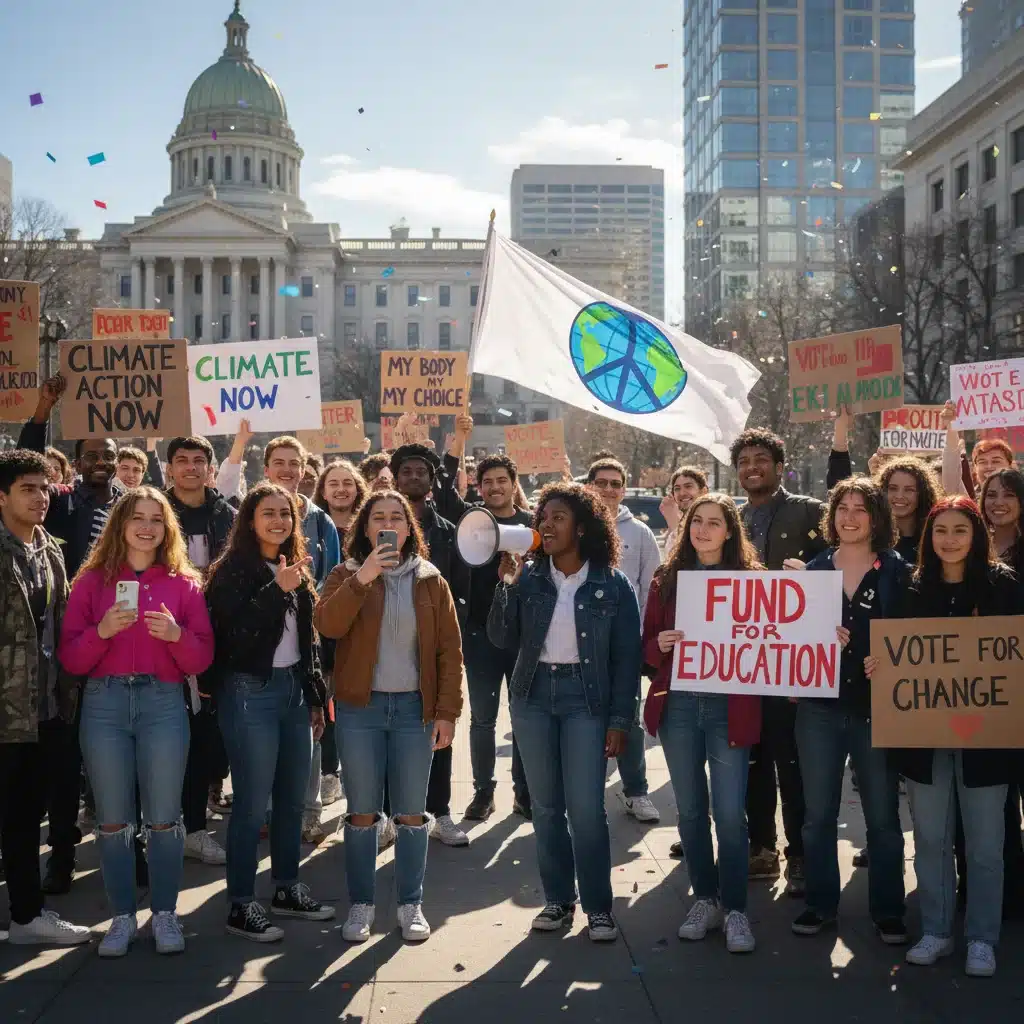
Gen Z has witnessed and actively participated in movements like Black Lives Matter, climate strikes, and LGBTQ+ rights advocacy, often amplifying these causes through their digital networks. They are not content with incremental change; they demand transformative action. Issues such as climate change, racial justice, gender equality, immigration reform, and accessible healthcare are not abstract concepts to them; they are urgent, personal, and interconnected. This holistic view of justice means that their political priorities are often intersectional, recognizing that various forms of oppression are intertwined.
This generation is also less tolerant of discrimination and more vocal about challenging prejudice. They are quick to call out injustice, whether it’s on social media, in their schools, or within their communities. This outspokenness, sometimes perceived as radical by older generations, is a reflection of their moral compass and their belief in the power of collective action to bring about meaningful change. They are driven by a strong sense of empathy and a desire to create a world where everyone has the opportunity to thrive, regardless of their background or identity. This inherent drive for fairness fuels their political participation and shapes their voting decisions.
For political candidates and parties, understanding this cultural driver is paramount. Simply acknowledging social justice issues is no longer enough. Gen Z expects concrete policy proposals, genuine commitment, and a demonstrated track record of advocating for these causes. Empty rhetoric or performative activism will likely be met with skepticism and disengagement. They are looking for leaders who not only speak the language of justice but also embody its principles and are willing to take bold action. This means that platforms centered on systemic change, environmental protection, and human rights are likely to resonate deeply with this demographic.
The focus on equity also extends to economic justice. Having come of age during periods of economic instability and witnessing widening wealth gaps, Gen Z is keenly aware of economic inequalities. They are concerned about student debt, affordable housing, living wages, and the future of work. Their political engagement often includes advocating for policies that promote economic fairness and reduce barriers to opportunity for all. This intersection of social and economic justice forms a powerful impetus for their political choices, making it crucial for political narratives to address these intertwined concerns comprehensively.
Furthermore, Gen Z’s commitment to social justice transcends national borders. They are globally aware citizens, deeply concerned about international human rights, geopolitical conflicts, and global environmental issues. This global perspective influences their domestic political views, as they often see local issues as interconnected with broader global challenges. Therefore, political platforms that demonstrate a commitment to international cooperation and humanitarian efforts are also likely to appeal to this globally conscious generation. The 2026 elections will undoubtedly be shaped by how effectively political actors can align themselves with Gen Z’s unwavering pursuit of a more just and equitable world, both locally and globally.
Cultural Driver 3: Authenticity, Transparency, and a Demand for Action
The third crucial cultural driver shaping Gen Z political engagement is their strong preference for authenticity, transparency, and a demand for tangible action over rhetoric. Having grown up in an age where information is abundant and easily verifiable, and where they are constantly exposed to both genuine and manufactured content, Gen Z has developed a finely tuned BS detector. They value sincerity, honesty, and a clear demonstration of commitment from leaders and institutions.
This generation is wary of traditional political posturing and grandstanding. They are less impressed by polished speeches and more by genuine conversations, direct engagement, and a willingness to admit mistakes. They expect transparency not just in financial dealings but also in decision-making processes. They want to understand the ‘why’ behind policies and to see evidence that their concerns are being heard and acted upon. This demand for transparency extends to social media, where they expect politicians to engage openly and honestly, rather than relying on carefully curated, PR-driven content. The performance of authenticity is not enough; true authenticity is what resonates.
The corollary to their demand for authenticity is their expectation of action. Gen Z is largely a pragmatic generation that, despite its idealism, seeks concrete solutions to pressing problems. They are not content with promises; they want to see measurable progress and impactful change. Whether it’s climate change, systemic racism, or economic inequality, they are looking for leaders who can articulate clear plans, implement effective policies, and demonstrate tangible results. This action-oriented mindset means that political campaigns focused solely on ideology without a clear pathway to implementation will likely struggle to gain traction with this demographic.
This cultural driver also manifests in their skepticism towards established institutions and traditional political parties. Many Gen Z individuals feel that these institutions have failed to adequately address the challenges they face, leading to a desire for new approaches and a willingness to support unconventional candidates or movements. They are less bound by party loyalty and more by alignment with specific issues and values. This fluidity in political affiliation means that their votes are not guaranteed and must be earned through consistent, authentic engagement and a demonstrated commitment to their priorities.
Furthermore, Gen Z values leaders who are relatable and human. They appreciate vulnerability, humor, and a willingness to connect on a personal level. This doesn’t mean a lack of seriousness about political issues; rather, it reflects their desire for leaders who are genuine and accessible, rather than distant and aloof. They are more likely to trust individuals who appear to be ‘one of them’ or who genuinely understand their lived experiences and challenges. This emphasis on relatability pushes political communication towards more personalized and less formal styles.

For the 2026 election cycle, political campaigns must pivot from traditional top-down communication to a more dialogic and responsive approach. This involves not only listening to Gen Z’s concerns but also demonstrating how those concerns are being integrated into policy and action. Providing clear, concise information about policy proposals, outlining expected outcomes, and being transparent about challenges will be key. Leaders who can authentically connect with Gen Z, articulate actionable plans, and demonstrate a genuine commitment to their values will be best positioned to harness the immense power of Gen Z political engagement.
The Interplay of Drivers and the Road to 2026
These three cultural drivers – digital nativity, commitment to social justice, and a demand for authenticity and action – do not operate in isolation. Instead, they are deeply interconnected, creating a complex and powerful force shaping Gen Z political engagement. Their digital fluency enables their social justice advocacy, allowing them to organize, amplify voices, and hold leaders accountable with unprecedented speed and reach. Their demand for authenticity is reinforced by the transparency afforded by digital platforms, where missteps and inconsistencies are quickly exposed. And their desire for action is often fueled by the urgent narratives and collective calls to change that circulate within their online communities.
Consider how a climate change activist from Gen Z might operate. They are likely to consume news and scientific data from a variety of online sources, including independent journalists and academic researchers shared on social media. They would then use platforms like TikTok or Instagram to create engaging content, raising awareness about the climate crisis and advocating for specific policies. They would expect political leaders to not only acknowledge the crisis but to present concrete, actionable plans for renewable energy, carbon reduction, and environmental protection. Any perceived lack of sincerity or delay in action would be met with swift online criticism and potentially, real-world protests or voter mobilization efforts. This interconnectedness is the engine of Gen Z political engagement.
The 2026 electoral landscape will be a critical test of how well political institutions and actors adapt to these new dynamics. Traditional campaign strategies that rely heavily on television ads, direct mail, or infrequent town halls will likely miss the mark with Gen Z. Instead, success will hinge on multi-platform digital engagement, authentic storytelling, and a clear articulation of how policies address the social and economic justice issues that matter most to this generation. Campaigns will need to invest in digital literacy initiatives, not just to reach Gen Z, but to empower them with the tools to critically evaluate information and participate meaningfully.
Furthermore, the diversity within Gen Z itself means that a one-size-fits-all approach is unlikely to be effective. While common threads exist, there are also significant variations in political priorities and approaches based on race, socioeconomic status, geographic location, and lived experiences. Effective engagement will require nuanced understanding and tailored outreach that respects these differences while still appealing to overarching values of justice and equity. This requires a deeper level of listening and responsiveness than many traditional political operations are accustomed to.
Conclusion: The Enduring Impact of Gen Z Political Engagement
The rise of Gen Z as a political force marks a significant turning point in democratic participation. Their unique cultural drivers – digital fluency, a fervent commitment to social justice, and an unwavering demand for authenticity and action – are not merely generational quirks; they are fundamental shifts in how citizens interact with their political systems. As the 2026 elections draw nearer, the influence of Gen Z political engagement will only intensify, forcing a re-evaluation of established norms and strategies.
For those seeking to understand and engage with this powerful demographic, the path forward is clear: embrace digital platforms as spaces for genuine dialogue, champion causes of social and economic justice with unwavering conviction, and demonstrate an authentic commitment to tangible change. The future of politics, shaped by the voices and votes of Gen Z, promises to be more dynamic, more demanding, and potentially, more equitable than ever before. Ignoring these cultural currents is to ignore the future itself. The 2026 landscape will not just be about who wins; it will be about how the next generation defines and demands political accountability and progress.
Political leaders, policymakers, and organizations must recognize that Gen Z is not just a demographic to be targeted; they are active co-creators of the political future. Their collective voice, amplified by digital tools and fueled by a passion for justice, will continue to resonate loudly, compelling a transformation in how politics is conducted and how societal challenges are addressed. The insights gained from understanding Gen Z political engagement today will be invaluable for navigating the complex political terrain of tomorrow and beyond.