Digital Twin Applications: Boosting U.S. Industry Savings by 15% in 2026
Demystifying Digital Twins: 4 Practical U.S. Industry Applications Delivering 15% Cost Savings in 2026
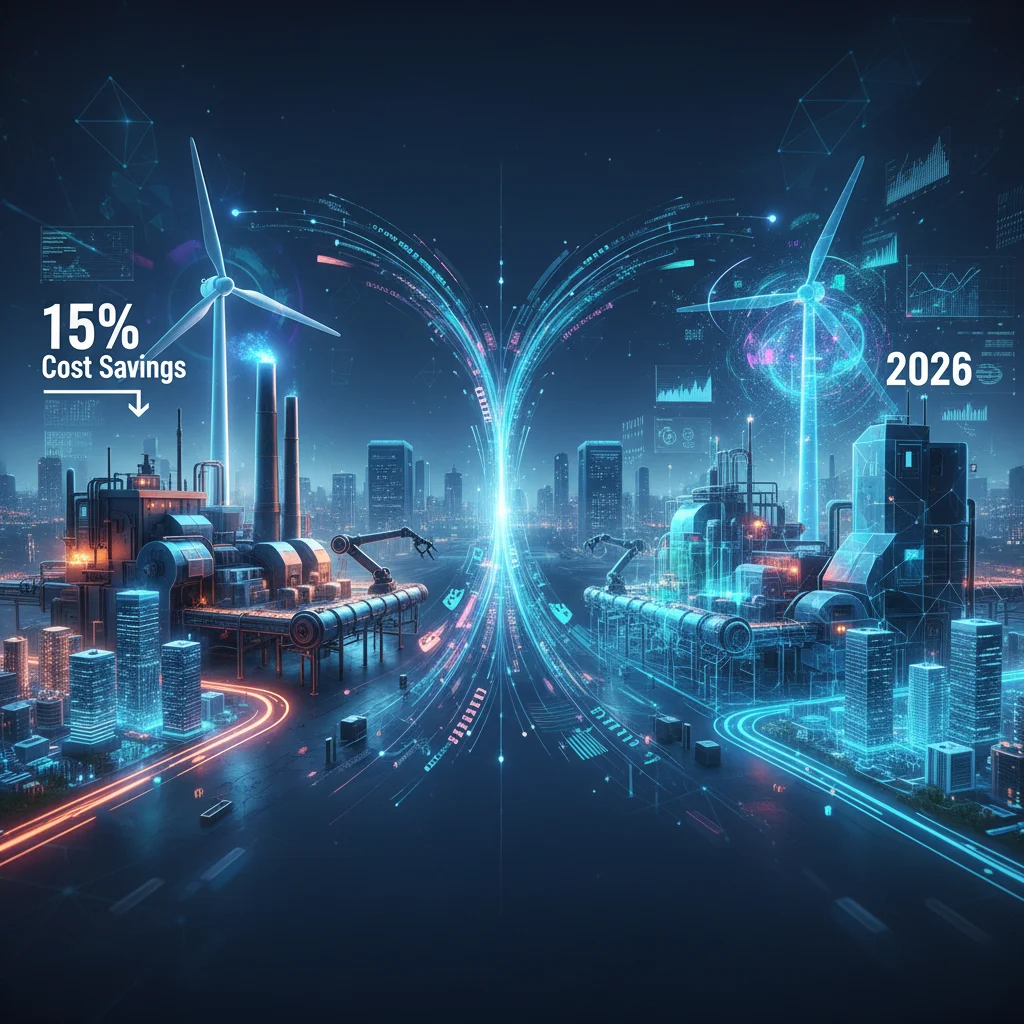
In the rapidly evolving landscape of Industry 4.0, a groundbreaking technology is redefining operational efficiency, predictive capabilities, and strategic decision-making across various sectors: the digital twin. More than just a buzzword, digital twin applications represent a paradigm shift, offering a dynamic virtual replica of a physical asset, process, or system. These virtual counterparts are continuously updated with real-time data, enabling organizations to monitor, analyze, and optimize their physical counterparts with unprecedented precision. The promise is significant: industry experts project that the widespread adoption of digital twin applications could lead to substantial cost savings, potentially reaching 15% across U.S. industries by 2026.
But what exactly are digital twins, and how are they achieving such remarkable results? At its core, a digital twin is a virtual model designed to accurately reflect a physical object. This model is fed real-time data from sensors attached to its physical twin, allowing it to simulate real-world conditions, predict performance, identify potential issues, and even test modifications in a risk-free virtual environment. The implications for industries seeking to enhance productivity, reduce waste, and improve sustainability are enormous.
The journey towards widespread digital twin adoption is propelled by advancements in several interconnected technologies, including the Internet of Things (IoT), artificial intelligence (AI), machine learning (ML), and cloud computing. These technologies provide the necessary infrastructure for collecting vast amounts of data, processing it intelligently, and rendering sophisticated virtual models that truly mimic their physical counterparts. As these foundational technologies mature, the accessibility and effectiveness of digital twin applications continue to grow, making them increasingly viable for businesses of all sizes.
The United States, with its diverse industrial landscape, is at the forefront of this technological revolution. From advanced manufacturing to urban infrastructure, healthcare, and energy, U.S. industries are leveraging digital twin applications to unlock new levels of efficiency and innovation. This article will delve into four practical U.S. industry applications where digital twins are not just conceptual but are actively delivering tangible benefits and are poised to achieve significant cost reductions in the coming years.
Understanding the Core Value Proposition of Digital Twin Applications
Before we explore specific industry examples, it’s crucial to grasp the fundamental value that digital twin applications bring to the table. This technology isn’t merely about creating a 3D model; it’s about establishing a living, breathing connection between the physical and digital worlds. This connection empowers businesses with several critical advantages:
- Enhanced Monitoring and Diagnostics: Digital twins provide real-time visibility into the performance and condition of assets, systems, or processes. This allows for immediate identification of anomalies, potential failures, or inefficiencies.
- Predictive Maintenance: By analyzing historical data and simulating future scenarios, digital twins can predict when maintenance is needed, shifting from reactive repairs to proactive interventions. This minimizes downtime, extends asset lifespan, and reduces maintenance costs significantly.
- Optimized Performance: Through continuous simulation and analysis, digital twin applications can identify optimal operating parameters, leading to improved efficiency, reduced energy consumption, and higher output.
- Risk-Free Prototyping and Testing: New designs, processes, or modifications can be tested virtually on the digital twin before being implemented in the physical world. This eliminates the costs and risks associated with physical prototypes and potential operational disruptions.
- Improved Decision-Making: The rich data and analytical capabilities of digital twins provide a deeper understanding of complex systems, enabling more informed, data-driven decisions at all levels of an organization.
- Remote Operations and Collaboration: Digital twins facilitate remote monitoring and control, allowing experts to manage assets from anywhere in the world and fostering better collaboration among distributed teams.
These benefits collectively contribute to the projected 15% cost savings by 2026. The ability to prevent failures, optimize resource utilization, accelerate innovation, and make smarter decisions translates directly into a healthier bottom line. Now, let’s examine how these advantages are manifesting in specific U.S. industries.
1. Advanced Manufacturing: Revolutionizing Production with Digital Twin Applications
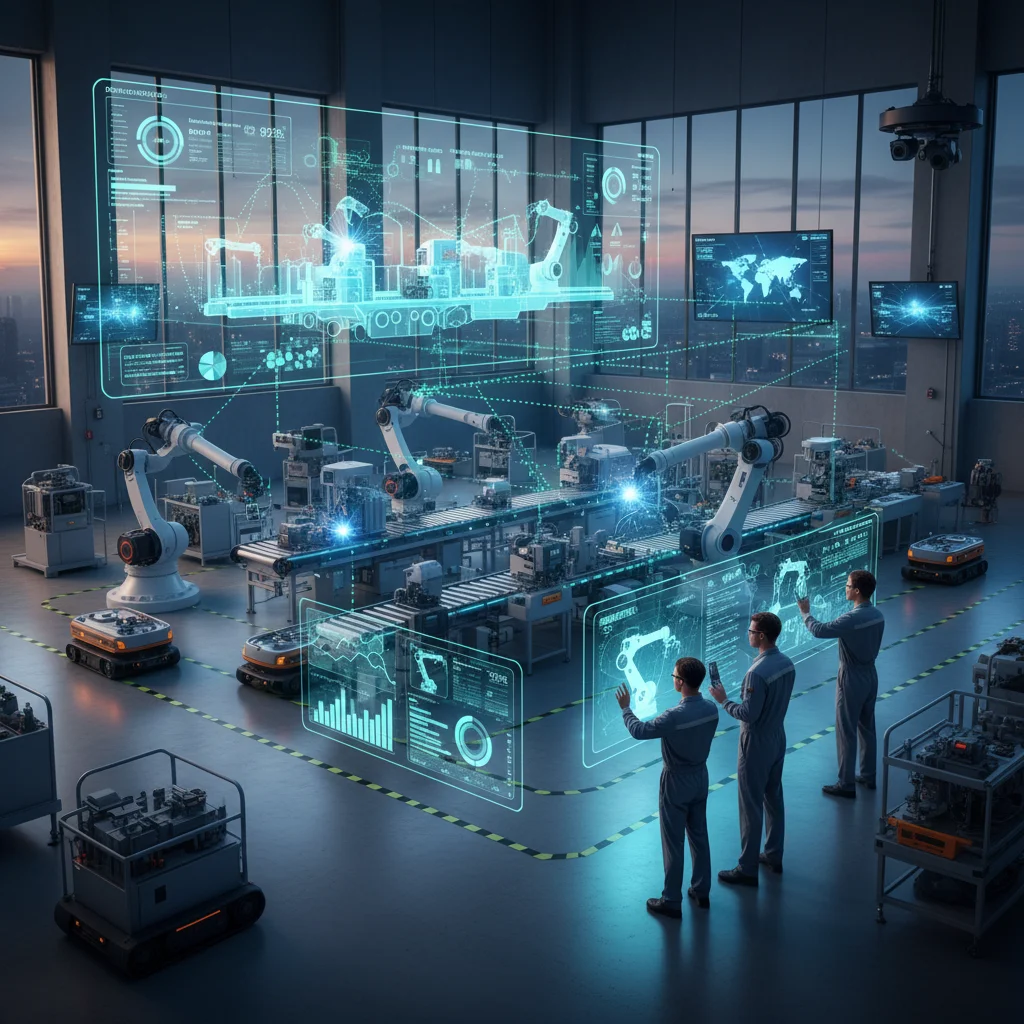
The manufacturing sector, particularly advanced manufacturing in the U.S., is a prime beneficiary of digital twin applications. The complexity of modern production lines, the demand for customization, and the need for zero-downtime operations make this industry an ideal candidate for digital transformation through virtual models.
Predictive Maintenance and Asset Management
One of the most impactful applications of digital twins in manufacturing is predictive maintenance. Imagine a sprawling factory with hundreds of machines, each critical to the overall production process. Traditionally, maintenance was either time-based (scheduled regardless of actual need) or reactive (fixing things after they broke down). Both approaches are inefficient and costly. Time-based maintenance can lead to unnecessary interventions and wasted resources, while reactive maintenance results in costly downtime and potential production losses.
With digital twin applications, each machine in the factory has a virtual counterpart. Sensors on the physical machines collect real-time data on temperature, vibration, pressure, energy consumption, and other critical parameters. This data is fed into the digital twin, which, using AI and machine learning algorithms, analyzes patterns and predicts potential equipment failures before they occur. For example, a slight increase in vibration in a specific motor might indicate an impending bearing failure weeks in advance.
This predictive capability allows maintenance teams to schedule interventions precisely when they are needed, during planned downtimes or low-production periods. This proactive approach minimizes unscheduled downtime, reduces the risk of catastrophic failures, and optimizes the lifespan of expensive machinery. Companies like General Electric are already seeing significant returns, reporting reductions in maintenance costs by 10-40% and unplanned downtime by up to 50% through digital twin implementations.
Process Optimization and Quality Control
Beyond individual assets, digital twin applications can model entire manufacturing processes. A digital twin of a production line can simulate the flow of materials, the operation of each station, and the impact of various parameters on the final product quality. Manufacturers can simulate different scenarios, such as changes in raw material input, adjustments to machine settings, or variations in environmental conditions, to identify the most efficient and cost-effective ways to produce goods.
For quality control, digital twins can continuously monitor production output against predefined standards. If deviations are detected, the twin can pinpoint the exact stage in the process where the issue originated, allowing for immediate corrective action. This not only reduces waste and rework but also ensures consistent product quality, enhancing customer satisfaction and brand reputation.
The ability to optimize processes virtually also extends to rapid prototyping and new product development. Before investing in expensive physical prototypes, manufacturers can create digital twins of new products and simulate their performance under various conditions, identifying design flaws or areas for improvement early in the development cycle. This significantly accelerates time-to-market and reduces development costs.
2. Smart Cities and Urban Planning: Building More Efficient Futures with Digital Twin Applications
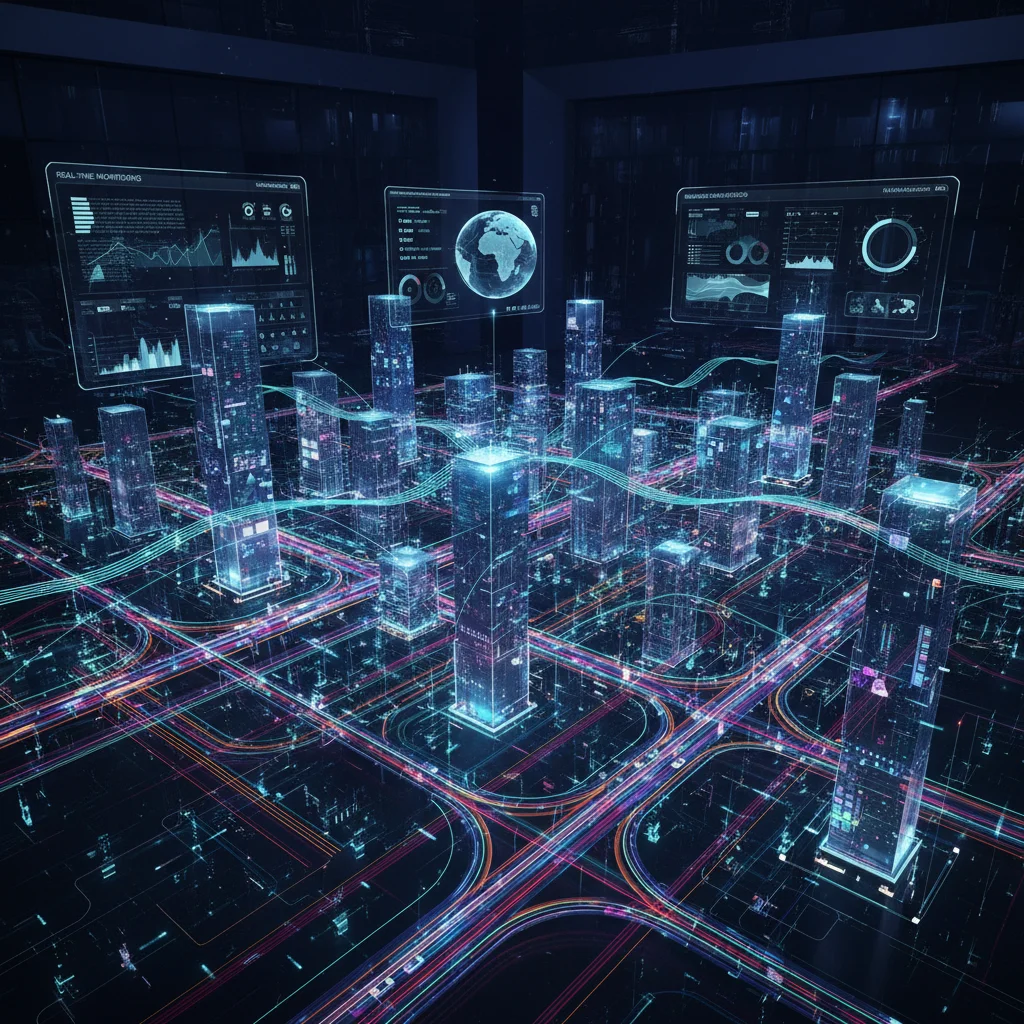
As urban populations grow, cities face increasing pressure to manage resources, infrastructure, and services more efficiently. Digital twin applications are emerging as a powerful tool for smart city initiatives, offering a comprehensive virtual model of an entire urban environment.
Infrastructure Management and Resource Optimization
A digital twin of a city can encompass everything from buildings and transportation networks to utility grids (water, electricity, gas) and waste management systems. Sensors deployed across the city feed real-time data into this virtual model, providing urban planners and city administrators with an unprecedented overview of urban operations. For instance, smart streetlights can report their operational status, traffic sensors can provide real-time congestion data, and utility meters can track consumption patterns.
This comprehensive data allows for predictive maintenance of critical infrastructure. For example, the digital twin can predict when a section of the water pipe network is likely to fail based on pressure fluctuations and age, enabling proactive repairs that prevent costly leaks and service disruptions. Similarly, traffic management systems can use the digital twin to simulate different traffic signal timings or route diversions to alleviate congestion during peak hours or special events, reducing fuel consumption and travel times.
Resource optimization is another key benefit. By monitoring energy consumption in buildings and across the grid, the digital twin can identify areas of waste and suggest optimizations, such as adjusting HVAC systems based on occupancy or integrating renewable energy sources more effectively. This leads to significant energy savings and a reduced carbon footprint, aligning with sustainability goals.
Urban Planning and Emergency Response
For urban planners, digital twin applications offer a sandbox for testing new development projects or policy changes. Before breaking ground on a new skyscraper or implementing a new public transportation route, planners can simulate its impact on traffic flow, energy consumption, shadow patterns, and even social dynamics within the digital twin. This allows for evidence-based planning that minimizes negative externalities and maximizes positive outcomes.
In emergency response, a city’s digital twin can be invaluable. During a natural disaster or a major incident, first responders can use the real-time data and predictive capabilities of the twin to understand the situation, allocate resources effectively, and plan evacuation routes or emergency services deployment with greater precision. This can save lives and reduce property damage.
U.S. cities like Boston and San Francisco are already exploring digital twin initiatives to better manage their complex urban environments, aiming for more resilient, sustainable, and livable cities. The ability to simulate and predict behaviors within a city’s infrastructure directly translates to massive cost efficiencies in maintenance, resource allocation, and disaster preparedness.
3. Healthcare: Enhancing Patient Care and Operational Efficiency with Digital Twin Applications
The healthcare industry, characterized by its complex systems, high stakes, and constant drive for innovation, is increasingly recognizing the transformative potential of digital twin applications. While the concept of a ‘digital twin of a human’ is still largely in the research phase, digital twins are already making significant strides in optimizing hospital operations, equipment management, and even personalized medicine.
Hospital Operations and Asset Management
Hospitals are intricate ecosystems with thousands of assets, from MRI machines and surgical robots to beds and IV pumps. Managing these assets efficiently, ensuring their optimal performance, and minimizing downtime is crucial for patient care and financial health. Digital twin applications can create virtual replicas of hospital equipment, entire wards, or even the entire hospital campus.
Through real-time data from sensors on medical devices, the digital twin can monitor their operational status, predict maintenance needs, and track their location. This leads to more efficient asset utilization, reduced repair costs, and extended equipment lifespan. For instance, a digital twin of an MRI machine can predict when a specific component might fail, allowing for proactive replacement before it impacts patient scheduling. This reduces costly service interruptions and ensures critical equipment is always available.
Beyond equipment, digital twins can optimize patient flow within a hospital. By simulating patient journeys from admission to discharge, hospitals can identify bottlenecks, optimize staff allocation, and reduce waiting times. This not only improves the patient experience but also enhances operational efficiency, allowing hospitals to serve more patients with the same resources, ultimately leading to significant cost savings.
Personalized Medicine and Training Simulations
While still emerging, the concept of a ‘digital twin of a patient’ holds immense promise for personalized medicine. This would involve creating a virtual replica of an individual’s physiology, incorporating their genetic data, medical history, lifestyle, and real-time biometric data. This digital twin could then be used to simulate the effects of different treatments, predict disease progression, and tailor interventions to the individual, moving towards truly personalized healthcare.
In the realm of medical training, digital twin applications offer advanced simulation environments. Medical students and professionals can practice complex surgical procedures or emergency responses on highly realistic digital twins of organs or body systems, gaining invaluable experience without any risk to actual patients. This enhances skill development, reduces training costs, and ultimately leads to better patient outcomes.
U.S. healthcare providers are investing in digital twin technologies to streamline operations, improve diagnostic accuracy, and pave the way for future advancements in patient-centric care. The cost savings here come from reduced equipment downtime, optimized resource allocation, improved patient outcomes, and more efficient training methodologies.
4. Energy and Utilities: Driving Efficiency and Sustainability with Digital Twin Applications
The energy and utilities sector faces immense challenges, including aging infrastructure, increasing demand, the integration of renewable energy sources, and the need for greater sustainability. Digital twin applications are proving to be indispensable in addressing these complexities, empowering utilities to operate more efficiently, reliably, and environmentally responsibly.
Grid Optimization and Renewable Energy Integration
A digital twin of an entire power grid can provide a real-time, comprehensive view of electricity generation, transmission, and distribution. Sensors across power plants, substations, transmission lines, and even consumer meters feed data into this virtual model. This allows grid operators to monitor the health and performance of every component, predict potential failures, and optimize power flow to prevent outages and minimize losses.
For renewable energy integration, digital twins are particularly transformative. As more wind and solar farms come online, managing their intermittent power generation and integrating it seamlessly into the existing grid is a significant challenge. A digital twin of a wind farm, for example, can simulate the performance of each turbine based on real-time weather data, predicting its output and allowing grid operators to balance supply and demand more effectively. Similarly, digital twins of solar installations can optimize panel orientation and predict generation based on sunlight availability.
This optimization leads to substantial cost savings by reducing energy waste, preventing costly blackouts, and enabling more efficient utilization of renewable energy assets. It also supports the broader goal of decarbonization by maximizing the contribution of clean energy sources.
Asset Performance Management for Critical Infrastructure
Beyond the grid itself, energy companies rely on massive, complex infrastructure, including oil and gas pipelines, power plants, and offshore drilling platforms. The cost of downtime or failure in any of these assets can be astronomical, both in financial terms and environmental impact.
Digital twin applications provide advanced asset performance management for these critical components. By creating virtual models of pipelines, turbines, or drilling rigs, companies can monitor their structural integrity, predict corrosion, identify stress points, and schedule maintenance proactively. This significantly reduces the risk of catastrophic failures, extends the operational life of assets, and lowers maintenance and inspection costs.
For example, a digital twin of an offshore platform can simulate the effects of extreme weather conditions, allowing engineers to assess risks and plan reinforcements without physically being on-site. This enhances safety, reduces operational expenditures, and ensures continuous energy supply. U.S. energy giants are leveraging these digital twin capabilities to maintain a competitive edge and meet stringent regulatory requirements while driving down costs.
Challenges and the Path Forward for Digital Twin Applications
While the benefits of digital twin applications are undeniable, their widespread adoption is not without challenges. Key hurdles include:
- Data Integration and Quality: Digital twins rely heavily on vast amounts of real-time data from diverse sources. Integrating this data, ensuring its quality, and maintaining its security can be complex.
- Initial Investment: Implementing digital twin solutions often requires significant upfront investment in sensors, software platforms, and skilled personnel.
- Talent Gap: There is a growing demand for professionals with expertise in data science, IoT, AI, and digital twin platforms.
- Scalability: Scaling digital twin solutions from a single asset to an entire factory or city requires robust architectural planning and infrastructure.
Despite these challenges, the trajectory for digital twin applications in the U.S. is overwhelmingly positive. Continued advancements in IoT sensors, AI algorithms, and cloud computing are making these solutions more accessible and cost-effective. Furthermore, the increasing recognition of the tangible ROI offered by digital twins is driving greater investment and innovation.
Government initiatives and industry collaborations are also playing a crucial role in fostering the development and adoption of these technologies. As organizations gain more experience and best practices emerge, the implementation process will become smoother and more standardized.
Conclusion: The Future is Twin-Powered
The digital twin is no longer a futuristic concept; it is a present-day reality transforming U.S. industries. From the precision of advanced manufacturing to the resilience of smart cities, the efficiency of healthcare operations, and the sustainability of energy grids, digital twin applications are proving their value across diverse sectors. By providing unparalleled insights, enabling predictive capabilities, and facilitating risk-free innovation, these virtual replicas are empowering businesses to operate smarter, faster, and more cost-effectively.
The projected 15% cost savings by 2026 are not merely aspirational; they are a realistic outcome of the strategic deployment of digital twin applications. As organizations continue to embrace this technology, we can expect to see even greater leaps in productivity, sustainability, and operational excellence. For U.S. industries looking to stay competitive and thrive in the digital age, investing in and leveraging the power of digital twin applications is not just an option, but a strategic imperative.
The journey towards a fully digital, optimized industrial landscape is well underway, and digital twin applications are at the heart of this transformation, promising a future where efficiency and innovation go hand-in-hand.