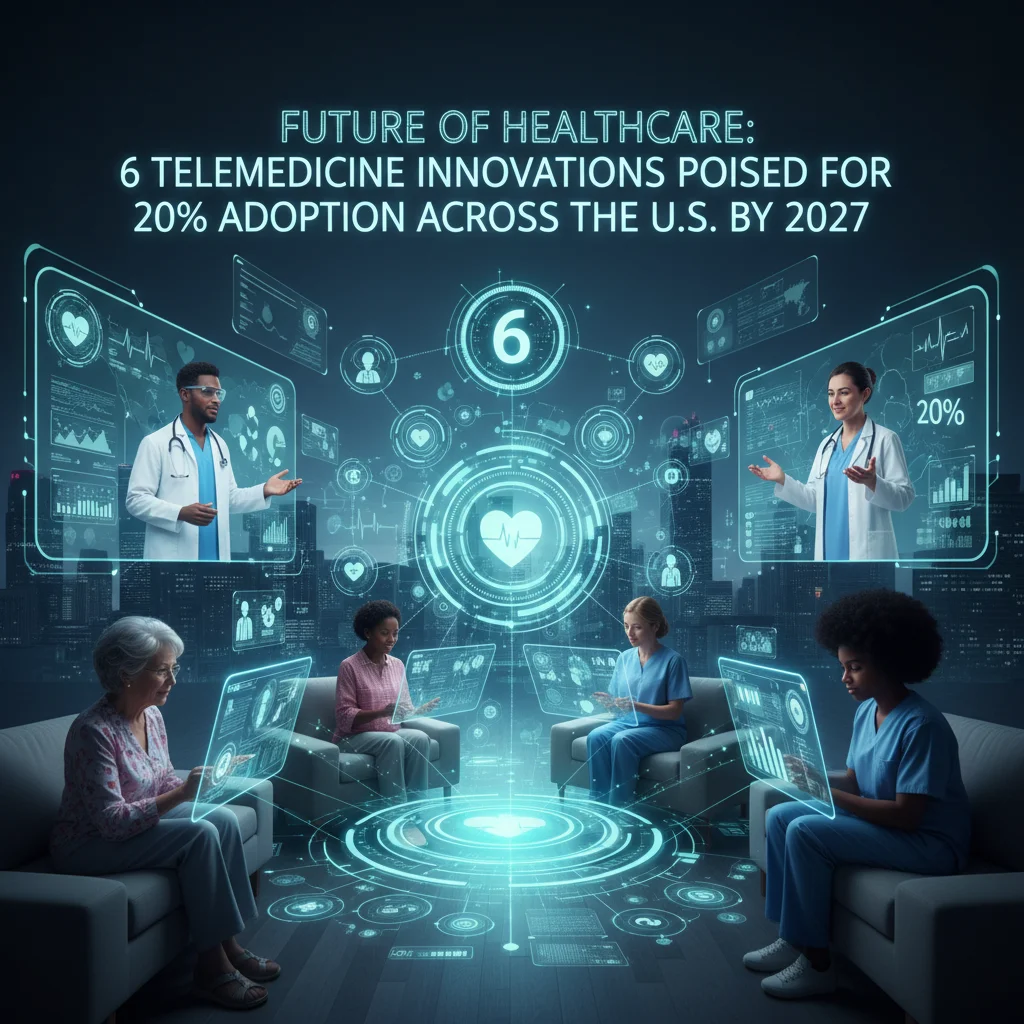
The Future of Healthcare: 6 Telemedicine Innovations Poised for 20% Adoption Across the U.S. by 2027
The landscape of healthcare is undergoing a profound transformation, driven by technological advancements and an increasing demand for accessible, efficient, and personalized medical services. At the heart of this revolution are telemedicine innovations future, which are rapidly reshaping how patients interact with healthcare providers and how medical care is delivered. The COVID-19 pandemic significantly accelerated the adoption of virtual care, pushing telemedicine from a niche service to a mainstream necessity. As we look towards 2027, industry experts predict that a remarkable 20% of healthcare services in the U.S. will be delivered via telemedicine, a testament to its growing efficacy and acceptance.
This article will delve into six pivotal telemedicine innovations that are not only driving this unprecedented growth but are also set to define the future of healthcare. From enhanced virtual consultations to AI-powered diagnostics, these advancements promise to make healthcare more convenient, cost-effective, and ultimately, more equitable for all Americans. Understanding these trends is crucial for patients, providers, and policymakers alike as we navigate this exciting new era of digital health.
1. Advanced Virtual Consultations with Enhanced Diagnostics
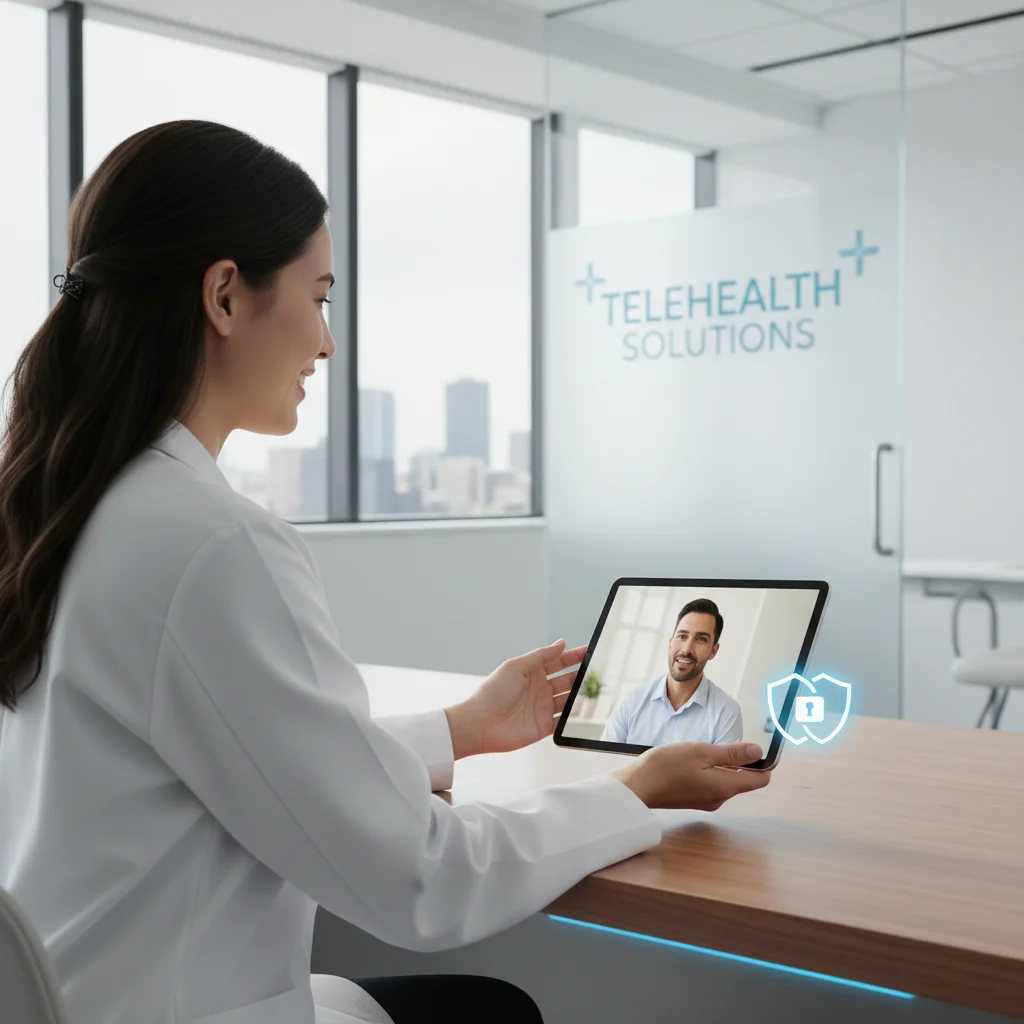
The foundation of telemedicine lies in virtual consultations, but the next generation of these services goes far beyond simple video calls. We are entering an era where advanced virtual consultations are integrated with sophisticated diagnostic tools, allowing for a much more comprehensive remote examination. This evolution is a cornerstone of telemedicine innovations future.
The Evolution of Remote Examinations
Traditionally, virtual visits were limited to conditions that could be assessed visually or through patient-reported symptoms. However, new technologies are enabling remote physical examinations. Devices like digital stethoscopes, otoscopes, and dermatoscopes can now transmit high-quality audio and video directly to a physician during a virtual visit. This means a doctor can listen to heart and lung sounds, examine an ear canal, or inspect a skin lesion with remarkable clarity, all from a distance. The integration of these tools into standard virtual platforms significantly expands the scope of conditions that can be effectively managed remotely.
AI-Powered Symptom Checkers and Triage Systems
Before a patient even connects with a doctor, AI-powered symptom checkers and triage systems are becoming increasingly sophisticated. These tools can analyze a patient’s reported symptoms, medical history, and even demographic data to suggest potential diagnoses or recommend the most appropriate level of care. This not only streamlines the patient journey but also ensures that patients are directed to the right specialist or service more efficiently, reducing unnecessary in-person visits and optimizing healthcare resources. The accuracy and reliability of these AI systems are continually improving, making them invaluable assets in the future of healthcare delivery.
Impact on Patient Experience and Healthcare Efficiency
The benefits of advanced virtual consultations are multifaceted. For patients, it means greater convenience, reduced travel time and costs, and quicker access to specialists. For healthcare systems, it translates to increased efficiency, reduced administrative burden, and better allocation of resources. This innovation is particularly impactful for individuals in rural areas or those with mobility challenges, effectively bridging geographical and physical barriers to care. The ability to conduct more thorough remote examinations also leads to more accurate diagnoses and treatment plans, enhancing the overall quality of care delivered virtually.
2. Remote Patient Monitoring (RPM) with Predictive Analytics
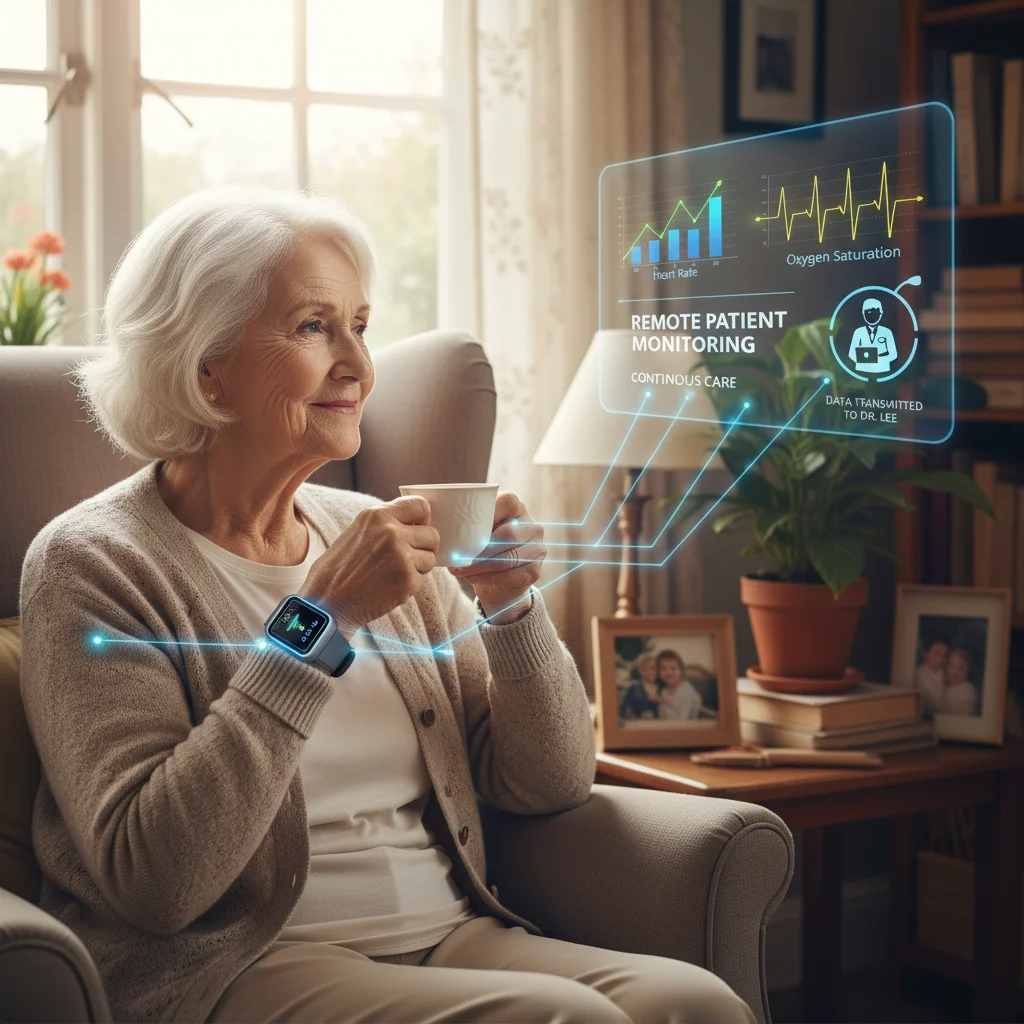
Remote Patient Monitoring (RPM) is another critical area where telemedicine innovations future are making substantial strides. RPM involves the use of digital technologies to collect health data from individuals in one location and electronically transmit that information securely to healthcare providers in a different location for assessment and recommendations. This technology is particularly transformative for managing chronic conditions and preventing acute health crises.
Wearable Devices and Smart Sensors
The proliferation of wearable devices, such as smartwatches, fitness trackers, and specialized medical sensors, has revolutionized RPM. These devices can continuously monitor vital signs like heart rate, blood pressure, oxygen saturation, glucose levels, and even sleep patterns. The data collected is often seamlessly integrated into electronic health records (EHRs), providing physicians with a real-time, comprehensive view of a patient’s health status. This continuous data stream allows for early detection of deviations from baseline, enabling timely interventions that can prevent hospitalizations and improve long-term health outcomes.
Integration with Electronic Health Records (EHRs)
The true power of RPM is unleashed when data from various sensors and devices is integrated intelligently with EHRs. This integration eliminates manual data entry, reduces errors, and provides a holistic view of the patient’s health trajectory. Physicians can access trends, set alerts for critical changes, and make data-driven decisions more effectively. This seamless flow of information ensures that care is coordinated, personalized, and proactive, moving away from a reactive model of healthcare.
Proactive Care and Chronic Disease Management
RPM with predictive analytics is a game-changer for chronic disease management. For conditions like diabetes, hypertension, and heart failure, continuous monitoring allows healthcare providers to identify patterns and predict potential exacerbations before they become severe. AI algorithms can analyze vast amounts of patient data to identify subtle indicators of risk, prompting early intervention. This proactive approach not only improves patient quality of life but also significantly reduces healthcare costs associated with emergency room visits and hospital readmissions. The ability to offer continuous support and adjustments to treatment plans based on real-time data empowers patients to better manage their conditions and fosters a stronger patient-provider relationship.
3. AI-Powered Diagnostics and Personalized Treatment Plans
Artificial Intelligence (AI) is rapidly becoming an indispensable tool in healthcare, particularly in diagnostics and the creation of personalized treatment plans. The integration of AI into telemedicine is a powerful driver of telemedicine innovations future, promising more accurate, efficient, and tailored medical care.
AI in Medical Imaging and Pathology
AI algorithms are proving exceptionally adept at analyzing complex medical images, such as X-rays, MRIs, CT scans, and pathology slides. They can identify subtle anomalies that might be missed by the human eye, improving the accuracy and speed of diagnosis for conditions like cancer, neurological disorders, and infectious diseases. For example, AI can quickly scan thousands of mammograms to flag suspicious areas, allowing radiologists to focus their attention more effectively. In pathology, AI can assist in the classification of tissues and the identification of disease markers, leading to more precise diagnoses and prognoses.
Machine Learning for Disease Prediction
Beyond diagnostics, machine learning models are being developed to predict disease onset and progression. By analyzing a patient’s genetic data, lifestyle factors, medical history, and real-time biometric data from RPM devices, AI can identify individuals at high risk for developing certain conditions. This predictive capability enables healthcare providers to implement preventive strategies and early interventions, significantly impacting public health outcomes. For example, AI can predict a patient’s risk of developing type 2 diabetes or cardiovascular disease years in advance, allowing for lifestyle modifications and targeted screenings.
Personalized Medicine Through Data Analysis
The ultimate goal of AI in healthcare is to facilitate personalized medicine. By processing and understanding vast quantities of individual patient data, AI can help tailor treatment plans to each person’s unique genetic makeup, disease profile, and response to therapies. This moves away from a one-size-fits-all approach, leading to more effective treatments with fewer side effects. AI can recommend specific drug dosages, identify optimal therapeutic combinations, and even suggest behavioral interventions based on an individual’s predicted response, truly revolutionizing patient care and embodying the essence of telemedicine innovations future.
4. Virtual Reality (VR) and Augmented Reality (AR) in Therapy and Training
Virtual Reality (VR) and Augmented Reality (AR) are no longer confined to gaming; these immersive technologies are finding profound applications in healthcare, especially within the realm of telemedicine. Their integration is creating new avenues for therapy, medical training, and patient education, marking them as significant telemedicine innovations future.
VR for Mental Health and Pain Management
VR therapy has shown remarkable promise in treating a range of mental health conditions, including anxiety disorders, phobias, PTSD, and depression. Patients can engage in immersive virtual environments designed to help them confront fears in a safe, controlled setting, or practice coping mechanisms. For instance, VR can simulate public speaking scenarios for individuals with social anxiety or expose veterans to controlled virtual environments to process traumatic memories. Beyond mental health, VR is also being used for pain management, distracting patients from discomfort during medical procedures or providing a non-pharmacological option for chronic pain relief by immersing them in calming virtual worlds.
AR for Surgical Planning and Medical Education
Augmented Reality (AR) overlays digital information onto the real world, offering powerful applications for medical professionals. In surgical planning, AR can project 3D anatomical models directly onto a patient’s body during surgery, guiding surgeons with greater precision. This can lead to shorter operation times and improved patient outcomes. For medical education, AR allows students to visualize complex anatomical structures and physiological processes in an interactive, engaging way. They can virtually dissect organs, practice procedures, and gain hands-on experience without risk, accelerating learning and skill development. This blend of virtual and real-world interaction is a cornerstone of modern medical training.
Enhanced Patient Education and Engagement
Both VR and AR can significantly enhance patient education and engagement. Patients can use VR to understand complex medical procedures by virtually experiencing them, reducing anxiety and improving informed consent. AR apps can help patients visualize the effects of medication on their bodies or understand the progression of a disease. This interactive and visual approach makes medical information more accessible and digestible, empowering patients to take a more active role in their own care. These immersive tools are not just novelties; they are becoming essential components of comprehensive digital health strategies.
5. Digital Therapeutics (DTx) and Prescription Software
Digital Therapeutics (DTx) represent a new frontier in healthcare, offering evidence-based therapeutic interventions driven by high-quality software programs to prevent, manage, or treat a medical disorder or disease. These are not just health apps; they are rigorously tested, clinically validated, and often prescribed by healthcare professionals, making them a key aspect of telemedicine innovations future.
Clinically Validated Software for Health Conditions
Unlike general wellness apps, DTx products undergo rigorous clinical trials and regulatory review to prove their efficacy and safety. They are designed to deliver specific therapeutic effects, such as improving cognitive function, managing chronic pain, or reducing symptoms of depression. Examples include programs that deliver cognitive behavioral therapy (CBT) for insomnia or anxiety, or apps that provide structured exercise and dietary guidance for patients with type 2 diabetes. These digital interventions can often complement or even replace traditional treatments, providing flexible and accessible care options.
Integration with Behavioral Health Services
A significant area of impact for DTx is in behavioral health. Given the widespread shortage of mental health professionals, DTx offers a scalable solution for delivering evidence-based psychological interventions. Patients can access therapy modules, mindfulness exercises, and tracking tools from the comfort of their homes, often at their own pace. This integration with telemedicine platforms allows for seamless monitoring by clinicians, who can track patient progress, adjust interventions, and provide support when needed. The ability to deliver consistent, high-quality behavioral health support through digital means is transformative for addressing the growing mental health crisis.
The Role of Prescription Digital Therapeutics
Some DTx products are so clinically robust that they are prescribed by doctors, much like medication. These ‘prescription digital therapeutics’ are regulated as medical devices and are covered by insurance in some cases. This formal integration into the healthcare system signifies a major shift, recognizing software as a legitimate and powerful therapeutic tool. As more DTx solutions gain regulatory approval and demonstrate clinical effectiveness, their adoption is expected to surge, offering patients new and innovative ways to manage their health conditions, especially when combined with traditional telemedicine services. This paradigm shift will cement their place in telemedicine innovations future.
6. Blockchain for Secure Health Data Management
The security and privacy of patient data are paramount in healthcare, particularly as telemedicine becomes more prevalent. Blockchain technology, renowned for its decentralized and immutable ledger system, offers a robust solution for managing health data securely and transparently. Its application in healthcare is a critical component of telemedicine innovations future.
Enhancing Data Security and Privacy
Blockchain’s inherent cryptographic security features make it an ideal candidate for protecting sensitive patient information. Each block of data is encrypted and linked to the previous one, forming an unchangeable chain. This distributed ledger technology ensures that once health data is recorded, it cannot be altered or deleted without detection, significantly reducing the risk of data breaches and unauthorized access. For telemedicine, where data is frequently transmitted across various platforms and devices, blockchain provides an unparalleled level of security, building trust among patients and providers.
Interoperability and Patient-Controlled Records
One of the persistent challenges in healthcare is the lack of interoperability between different electronic health record systems. Blockchain can overcome this by creating a universal, secure framework for sharing patient data across various healthcare providers, hospitals, and even international borders, all while maintaining patient control. Patients can be given direct control over who accesses their medical records, granting permissions for specific providers or researchers to view their data. This patient-centric approach not only enhances privacy but also empowers individuals to manage their health information more effectively, fostering a truly integrated and seamless healthcare experience across the telemedicine spectrum.
Streamlining Administrative Processes
Beyond security and interoperability, blockchain can also streamline numerous administrative processes in healthcare. This includes simplifying insurance claims processing, managing supply chains for pharmaceuticals, and even verifying the credentials of healthcare professionals. By creating a transparent and immutable record of transactions and information, blockchain can reduce fraud, minimize administrative overhead, and improve the overall efficiency of healthcare operations. The potential for blockchain to create a more efficient, secure, and patient-empowered healthcare ecosystem positions it as a foundational element for the sustained growth and trustworthiness of telemedicine innovations future.
Challenges and Opportunities for 20% Adoption by 2027
While the trajectory for telemedicine innovations future is clearly upward, achieving 20% adoption across the U.S. by 2027 comes with its own set of challenges and opportunities that must be carefully navigated.
Regulatory Frameworks and Reimbursement Policies
One of the most significant hurdles is the evolving regulatory landscape. Consistent and clear guidelines are needed across all states regarding telemedicine practice, licensure, and cross-state care. Furthermore, equitable reimbursement policies are crucial. For telemedicine to thrive, providers must be compensated fairly for virtual services, on par with in-person visits. While progress has been made, particularly during the pandemic, ensuring long-term parity in reimbursement remains a key advocacy point. Addressing these regulatory and financial aspects will be vital for widespread adoption.
Digital Divide and Equity in Access
Despite the promise of increased access, telemedicine also highlights the existing digital divide. Not all Americans have reliable internet access, the necessary digital literacy, or the appropriate devices to fully utilize virtual care services. Ensuring equitable access means investing in broadband infrastructure in underserved areas, providing digital literacy training, and potentially subsidizing devices for low-income populations. Without addressing these disparities, telemedicine could inadvertently exacerbate existing health inequities rather than resolve them.
Provider Training and Patient Acceptance
For healthcare providers, adapting to telemedicine requires new skills and workflows. Comprehensive training programs are essential to ensure clinicians are proficient in using telehealth platforms, conducting remote examinations, and maintaining a strong patient-provider relationship in a virtual setting. On the patient side, while acceptance has grown, some individuals may still prefer in-person care due to familiarity, trust, or the perceived limitations of virtual interactions. Educational campaigns and positive patient experiences will be key to fostering broader acceptance and comfort with these new modes of care.
Technological Infrastructure and Cybersecurity
Robust and secure technological infrastructure is the backbone of successful telemedicine. This includes reliable internet connectivity, secure data storage, and interoperable systems that can communicate seamlessly. Continuous investment in cybersecurity measures is paramount to protect sensitive patient data from increasingly sophisticated cyber threats. As telemedicine scales, the underlying technology must be resilient, reliable, and impenetrable to maintain trust and ensure continuity of care.
Conclusion: A Healthier Future Driven by Telemedicine
The journey towards 20% telemedicine adoption by 2027 is not merely a projection; it’s a reflection of the profound and irreversible shift occurring in healthcare delivery. The six telemedicine innovations future discussed – advanced virtual consultations, remote patient monitoring with predictive analytics, AI-powered diagnostics, VR/AR in therapy and training, digital therapeutics, and blockchain for secure data management – are converging to create a more accessible, efficient, and personalized healthcare system.
These innovations promise a future where geographical barriers are minimized, chronic conditions are managed proactively, diagnoses are more accurate, and therapies are tailored to individual needs. While challenges such as regulatory harmonization, digital equity, and technological infrastructure remain, the opportunities for improving public health outcomes and enhancing the patient experience are immense. As we move forward, continued collaboration among innovators, healthcare providers, policymakers, and patients will be essential to fully realize the transformative potential of telemedicine and build a healthier, more connected future for all.
The integration of these technologies is not just about convenience; it’s about fundamentally rethinking how we approach health and wellness, making care more continuous, preventive, and patient-centric. The future of healthcare is undeniably digital, and telemedicine is at its very core, paving the way for a revolutionary era of medical practice.