Mindfulness in Modern Spaces: Designing Your Home for Peace and Focus in 2026
In the relentless pace of modern life, our homes have increasingly become more than just shelters; they are sanctuaries, workspaces, and often, the only place where we can truly disconnect. As we move into 2026, the concept of mindful home design is no longer a niche trend but a fundamental approach to creating living spaces that actively contribute to our well-being, peace, and focus. This comprehensive guide will explore how to integrate mindfulness into every corner of your home, transforming it into an environment that nurtures your mind, body, and soul.
The world around us is constantly evolving, bringing with it new challenges and stresses. Our homes, therefore, must evolve too, becoming havens designed to counteract external pressures. Mindful design is about intentionality – every choice, from the color on your walls to the placement of your furniture, should serve a purpose: to foster a sense of calm, clarity, and presence. It’s about creating spaces that encourage you to slow down, breathe, and truly live in the moment.
This isn’t merely about aesthetics; it’s about functionality and emotional resonance. A mindfully designed home is one where clutter is minimized, natural elements are embraced, and every object has a place and a reason for being there. It’s a space that supports your mental health, enhances productivity when needed, and facilitates deep relaxation when it’s time to unwind. Let’s delve into the core principles of mindful home design and discover how you can apply them in your own living environment for 2026 and beyond.
The Philosophy Behind Mindful Home Design
At its heart, mindful home design draws inspiration from ancient philosophies and modern psychology. It emphasizes creating an environment that supports a mindful way of life – one characterized by awareness, intentionality, and a deep connection to the present moment. Think of it as designing your home to be a constant, gentle reminder to pause, reflect, and appreciate.
Intentionality Over Impulse
One of the foundational aspects of mindful design is intentionality. Before bringing any new item into your home or making a design change, ask yourself: Does this serve a purpose? Does it bring me joy? Does it contribute to the overall sense of peace and focus I want to cultivate? This approach helps prevent clutter and ensures that every element in your space is there for a reason, rather than a fleeting impulse.
Creating Zones for Specific Activities
Modern homes often serve multiple functions. We work, relax, eat, and socialize all within the same four walls. Mindful home design encourages the creation of distinct zones for different activities. A dedicated meditation corner, a focused workspace, a cozy reading nook – these clearly defined areas help your mind transition between tasks and states, enhancing focus and relaxation respectively. This physical separation helps to mentally compartmentalize your day, reducing cognitive overload.
The Role of Sensory Experience
Our senses play a crucial role in how we experience our environment. Mindful design pays close attention to sensory input: what we see, hear, smell, touch, and even taste (in the kitchen!).
- Sight: Focus on calming color palettes, natural light, and aesthetically pleasing arrangements.
- Sound: Minimize external noise, and consider incorporating soothing sounds like water features or soft music.
- Smell: Use essential oils, fresh flowers, or natural diffusers to create pleasant and calming aromas.
- Touch: Incorporate varied textures through textiles, furniture, and natural materials to engage the tactile sense.
By consciously curating these sensory experiences, you can create a truly immersive and mindful living environment. The aim is to create a harmonious symphony of senses that promotes inner peace rather than distraction or overstimulation. This holistic approach ensures that your home isn’t just visually appealing, but also deeply comforting and restorative.
Decluttering and Organization: The Foundation of Peace
Before you can truly embrace mindful home design, you must first clear the slate. Clutter is a major source of stress and mental distraction. A cluttered physical space often leads to a cluttered mind. The act of decluttering is inherently mindful – it forces you to confront your possessions, make conscious decisions about what you truly value, and let go of what no longer serves you.
The KonMari Method and Beyond
While Marie Kondo’s KonMari method popularized the concept of keeping only items that ‘spark joy,’ the principle extends further. Consider the environmental impact of your possessions, their utility, and their emotional weight. A truly mindful approach to decluttering involves:
- Asking tough questions: Do I use this regularly? Does it add value to my life? Is it a source of stress or guilt?
- Donating and recycling: Give items a second life or dispose of them responsibly.
- Creating sustainable habits: Implement a ‘one in, one out’ rule for new purchases to prevent future accumulation.
Smart Storage Solutions
Once you’ve decluttered, effective organization is key to maintaining a peaceful space. Invest in smart storage solutions that are both functional and aesthetically pleasing. Built-in shelving, stylish baskets, and multi-functional furniture can help keep items out of sight but easily accessible. The goal is to create a sense of order without making your home feel sterile or overly rigid. Every item should have a designated home, making it easy to put things away and maintain a tidy environment. This continuous process is central to maintaining mindful home design.
Embracing Natural Elements: Biophilic Design
Biophilic design, the concept of connecting humans with nature within built environments, is a cornerstone of mindful home design. Integrating natural elements has been scientifically proven to reduce stress, improve cognitive function, and enhance overall well-being. In 2026, this integration goes beyond just a few potted plants.
Bringing the Outdoors In
- Abundant Plant Life: Beyond their aesthetic appeal, plants purify the air and add a vibrant touch of nature. Choose varieties that thrive in your home’s conditions and consider vertical gardens or living walls for a dramatic effect.
- Natural Materials: Wood, stone, bamboo, and cotton bring warmth and authenticity to a space. Opt for furniture, flooring, and decor made from these materials.
- Natural Light: Maximize natural light infiltration. Keep windows unobstructed, use sheer curtains, and consider light-colored walls to reflect light throughout the room. Natural light regulates our circadian rhythms, promoting better sleep and mood.
- Water Features: A small indoor fountain can introduce soothing sounds and a sense of tranquility.
The presence of nature reminds us of our connection to the larger world and fosters a sense of groundedness, an essential component of mindful living.
Color Palettes and Lighting: Setting the Mood
The colors and lighting in your home have a profound impact on your mood and energy levels. In mindful home design, these elements are carefully chosen to evoke calm, promote focus, and support relaxation.
Calming Color Palettes
Opt for soft, muted, and earthy tones. Greens, blues, grays, and warm neutrals create a serene backdrop that doesn’t overstimulate the senses. These colors are often found in nature and have a naturally calming effect. Avoid overly bright or stark colors in areas intended for relaxation, reserving bolder hues for accents or spaces where more energy is desired (e.g., a creative studio).
Layered Lighting for Versatility
Good lighting is crucial. Instead of relying on a single overhead light, create a layered lighting scheme using a combination of ambient, task, and accent lighting. This allows you to adjust the illumination to suit different activities and moods.
- Ambient Lighting: Soft, general illumination from recessed lights or diffusers.
- Task Lighting: Focused light for specific activities, like reading lamps or under-cabinet lighting in the kitchen.
- Accent Lighting: Highlights architectural features or artwork, adding depth and visual interest.
Consider warm-toned bulbs and smart lighting systems that allow you to adjust color temperature and brightness. Dim lighting in the evenings can signal to your body that it’s time to wind down, supporting healthy sleep patterns. Embracing these lighting principles is a key aspect of effective mindful home design.
Creating Mindful Spaces: Specific Room Applications
Applying the principles of mindful home design to specific rooms can transform your entire living experience.
The Mindful Bedroom: A Sanctuary for Rest
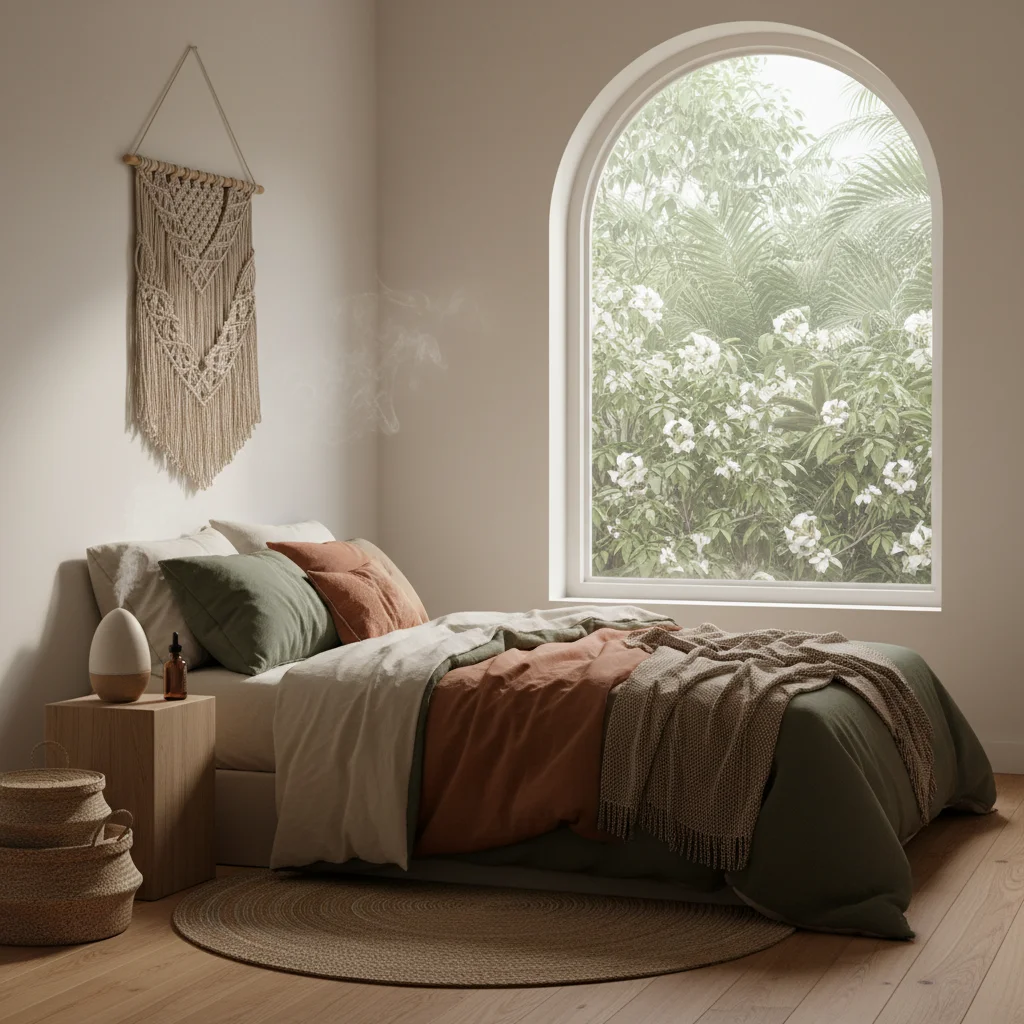
Your bedroom should be a true sanctuary for rest and rejuvenation. Eliminate electronic devices, choose comfortable, organic bedding, and maintain a cool, dark, and quiet environment. Incorporate soft lighting, calming colors, and perhaps an essential oil diffuser with lavender or chamomile scents. The goal is to create a space that promotes deep, restorative sleep and a sense of peaceful awakening.
The Mindful Living Room: Connection and Calm
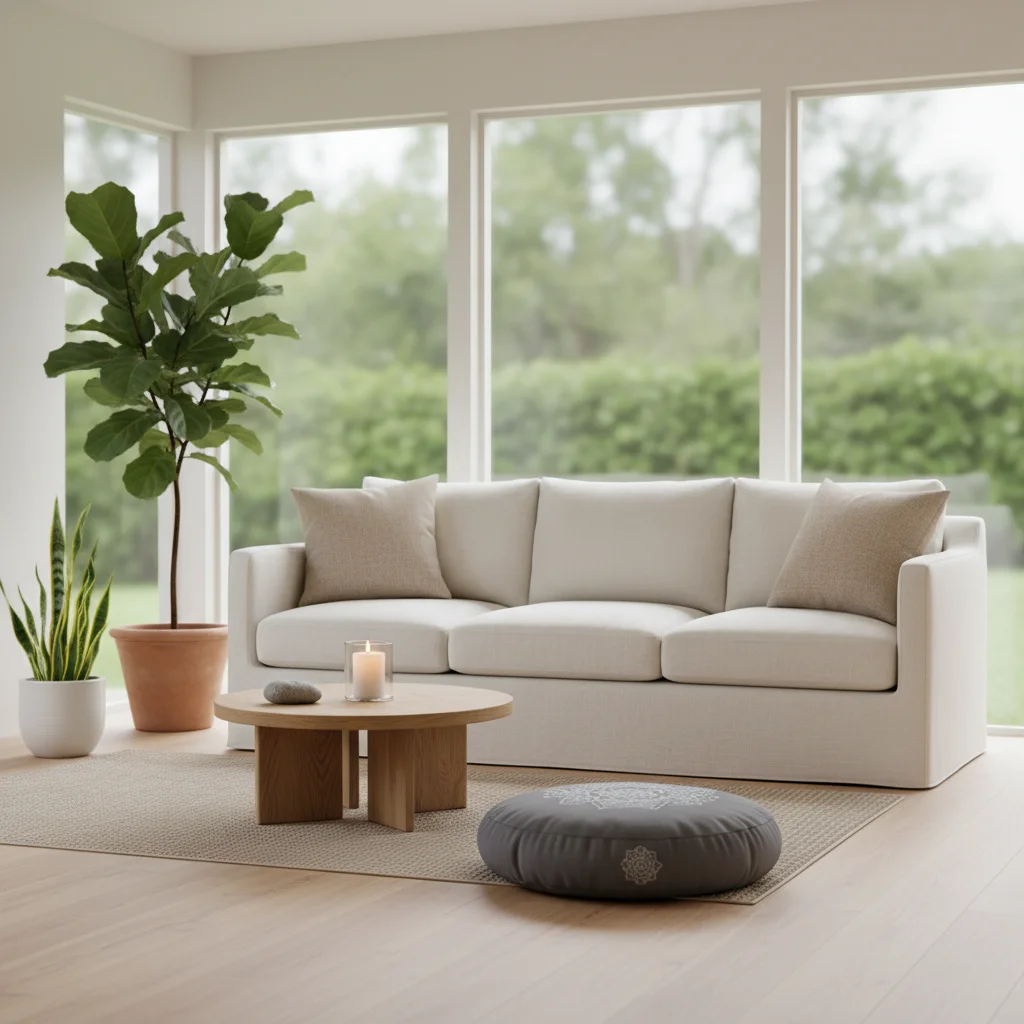
The living room is often the heart of the home, a place for connection and relaxation. Arrange furniture to encourage conversation and comfortable lounging. Minimize visual clutter by using closed storage for media devices. Incorporate natural elements, soft textiles, and ambient lighting. Consider a dedicated spot for quiet contemplation, like a comfortable armchair by a window.
The Mindful Workspace: Focus and Productivity
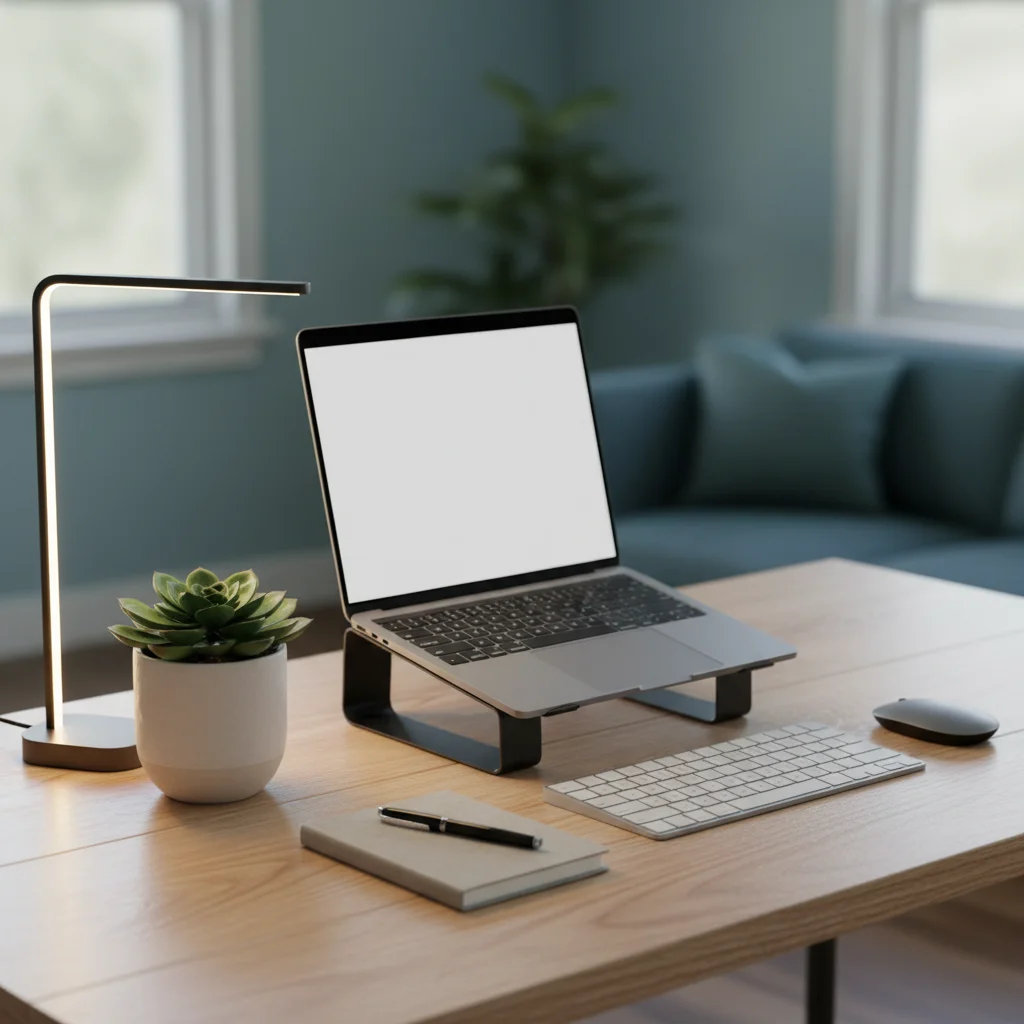
For those who work from home, a mindful workspace is essential for focus and productivity. Keep your desk clear and organized. Ensure good natural light and comfortable seating. Incorporate a small plant or a meaningful object to bring a sense of calm. Minimize distractions by placing your workspace away from high-traffic areas if possible, or by using screens or room dividers. The design should support concentration without feeling sterile or overly rigid.
The Mindful Kitchen: Nourishment and Presence
The kitchen is where we nourish ourselves. A mindful kitchen is organized, clean, and inviting. Keep countertops clear, use natural materials, and ensure good ventilation. Consider growing small herbs on your windowsill to connect with nature and fresh ingredients. The aim is to make cooking and eating a conscious, enjoyable experience, free from unnecessary stress. This space is vital for cultivating mindful home design.
Incorporating Technology Mindfully
In 2026, technology is an undeniable part of our lives, but it doesn’t have to be a source of distraction. Mindful home design encourages the thoughtful integration of technology.
Smart Home, Mindful Living
Smart home devices can enhance mindfulness rather than detract from it. Automated lighting systems can simulate natural light cycles, promoting better sleep. Smart thermostats can maintain optimal comfort, reducing physical distractions. Noise-canceling solutions can create pockets of silence. The key is to use technology to simplify and enhance your environment, not to add more complexity or screen time.
Digital Detox Zones
Designate specific areas or times for digital detox. This might involve creating a ‘no-phone zone’ in the bedroom or having a specific time each evening when all screens are turned off. Create physical storage solutions for devices to keep them out of sight when not in use, reducing their constant pull for attention.
Sustainability and Ethics in Mindful Design
A truly mindful home extends its awareness beyond its walls to the planet. Sustainable and ethical choices are integral to mindful home design. This means considering the environmental impact and social responsibility behind your purchases.
Eco-Friendly Materials and Practices
- Choose sustainable materials: Opt for reclaimed wood, recycled content, bamboo, cork, and organic fabrics.
- Support ethical brands: Research companies that prioritize fair labor practices and environmentally friendly manufacturing.
- Reduce waste: Embrace minimalism to buy less, choose durable items, and consider upcycling or repurposing existing furniture.
- Energy efficiency: Invest in energy-efficient appliances, LED lighting, and good insulation to reduce your carbon footprint and energy bills.
Living mindfully also means living responsibly, recognizing that our choices impact the larger world. Integrating sustainability into your home design creates a deeper sense of peace, knowing that your sanctuary is also contributing positively to the planet.
The Journey of Mindful Home Design: It’s Ongoing
Creating a mindfully designed home is not a one-time project; it’s an ongoing journey. As your needs and preferences evolve, so too should your living space. Regularly reassess your environment, making adjustments to ensure it continues to support your well-being. This might involve seasonal decluttering, refreshing your plant collection, or reconfiguring a space to better suit a new phase of life.
Cultivating Mindful Habits Within Your Space
Beyond the physical design, the way you interact with your home is equally important. Practice mindfulness within your designed space:
- Daily rituals: Start and end your day with intentional rituals, whether it’s a morning meditation in your dedicated corner or a calming evening tea ritual.
- Conscious consumption: Be mindful of what you bring into your home and how you use resources.
- Appreciation: Take moments to appreciate the beauty and peace your home provides.
The beauty of mindful home design lies in its adaptability and personal nature. There’s no one-size-fits-all solution, but rather a set of guiding principles that empower you to create a space that truly reflects and supports your unique journey towards peace and focus. By embracing these concepts, your home in 2026 can become more than just a place to live; it can become a powerful tool for self-care and holistic well-being.
Conclusion: Your Home, Your Sanctuary for 2026 and Beyond
As we navigate the complexities of modern life, the importance of a home that acts as a true sanctuary cannot be overstated. Mindful home design offers a powerful framework for creating spaces that foster peace, enhance focus, and promote overall well-being. By embracing intentionality, decluttering, integrating natural elements, thoughtful color and lighting choices, and mindful technology use, you can transform your living environment into a haven that nurtures your mind, body, and spirit.
Remember, this journey is personal and iterative. Start small, make conscious choices, and allow your home to evolve with you. In 2026, let your living space be a testament to deliberate design, a place where every element contributes to a life lived with greater awareness and tranquility. Your home is a reflection of your inner world; make it a beautiful, peaceful, and focused one.